
Flora und Vegetation des Mt Kinabalu Borneo Kinabalu
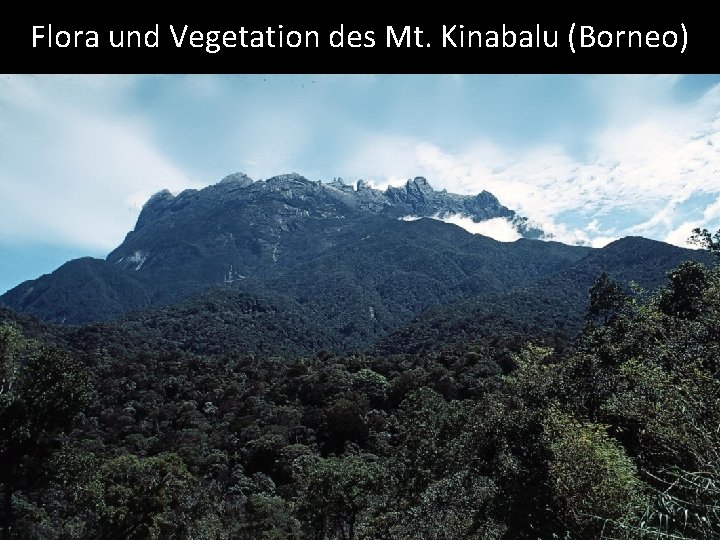
Flora und Vegetation des Mt. Kinabalu (Borneo)
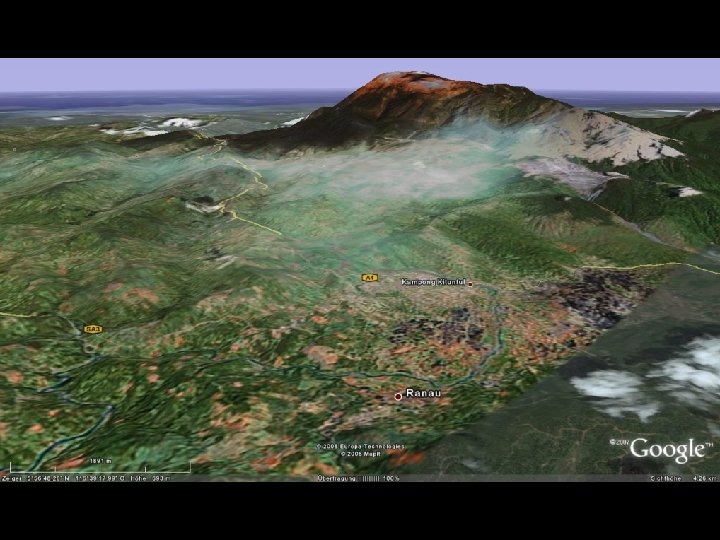
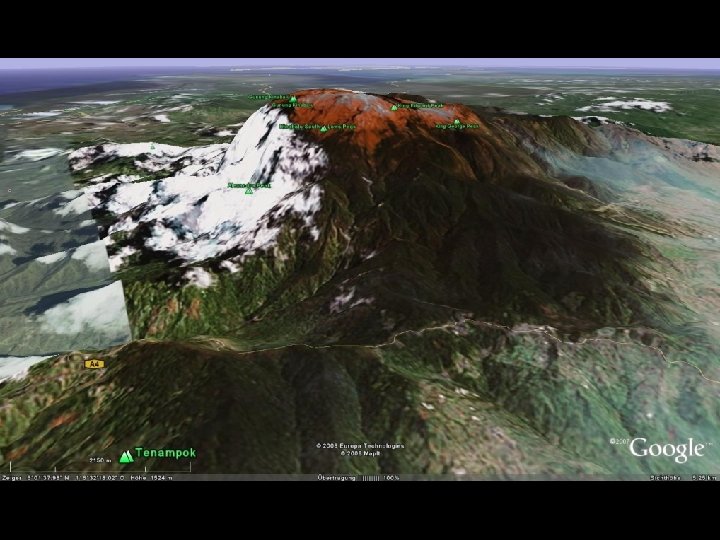
Kinabalu Park: ein UNESCO World Heritage Site GEOGRAPHICAL LOCATION: In the State of Sabah, Malaysia, in the northern part of Borneo. It is 83 km to the west of Kota Kinabalu, the capital of Sabah. The park boundary is determined by the coordinates 6º 00’ 25’’ – 6º 29’ 48’’N and 116º 21’ 30’’ – 116º 45’ 00’’E. DATE AND HISTORY OF ESTABLISHMENT : Kinabalu Park was established in 1964, following the passing of the Sabah National Parks Ordinance in 1962. Mount Kinabalu and its surrounding area became a park as a consequence of the infamous "Sandakan-Ranau Death March". In September 1944 the Japanese moved 2, 400 Australian and British prisoners of war from Sandakan to Ranau, a distance of 240 km. Only six prisoners survived. One of the survivors profoundly affected by the experience, Major Carter, formed the Kinabalu Memorial Committee, with the aim of preserving Kinabalu as a monument for the decency of man and a facility for the enjoyment of all of Sabah. Following two expeditions to explore the mountain and its flora by Professor John Corner, on behalf of the Royal Society of London, the idea of preserving the area was further reinforced. Corner wrote a report in 1961 entitled "The Proposed National Park of Kinabalu" and submitted it to the Governor of the Crown Colony. In 1964 the park extended over an area of 711 sq. km, this has subsequently increased in recent years. AREA: 75, 370 ha (753 sq. km). PHYSICAL FEATURES The park comprises of three main mountains, from south to north, Kinabalu (4, 095 m), Tambuyukon (2, 579 m) and Templer (1, 133 m). Six major topographical features occur with the park. These include peaks and plateau, gullies, rivers, streams and waterfalls, hot springs, caves (Paka Caves and the tumbled bats cave at Poring) and granitic slabs a characteristic of the slopes of the summit. Principle peaks include the summit peak, South peak, St. John’s Peak, Ugly Sister Peaks and No name peak. A 3. 2 kilometre spur runs in a northeastern direction from the eastern end of the summit of Mt. Kinabalu. This culminates in a long, narrow, jagged ridge at approximately 3, 500 m. The spur encloses a deep cleft known as Low’s Gully, which has almost vertical walls between 1, 000 – 1, 500 m. Examples of rivers flowing through the park include the Liwagu, Ulu sg. Mesilau, Sg. Kolopis, Sg. Kiibutan and the Silau-Silau stream. Some of the principal waterfalls include the Cascade Waterfalls and Liwagu Falls.
Kinabalu Park: ein UNESCO World Heritage Site GEOLOGY: The physiogeography of Mount Kinabalu is the result of volcanic, tectonic and geological processes that occurred 1. 5 million years ago. Mt. Kinabalu itself is a plutonic intrusion [intrusion of granitic pluton] surrounded by metamorphosed and Tertiary sedimentary rocks. Rapid uplift followed by glacial erosion during the Ice Age accompanied by further geological activities has sculptured the mountain into its present form. The summit area of the mountain (above 3, 200 m) displays the effects of glacial activity in the shape of "nunataks" jagged peaks (such as Low’s Peak and South Peak), other areas shows signs of striations, grooves and polished surfaces, as well as the creation of cirques and deposit of glacial moraines. U-shaped valleys and gullies are present in the park, as well as roch moutonnés. Ultrabasic intrusive, granite and sedimentary rocks are present, acting as parent material for eight soil associations. CLIMATE: The site has a humid tropical climate typical of the region, with temperature, humidity and rainfall varying, with altitude. February to May are generally the driest months, while October to January are the wettest. At Park Headquarters (1, 680 m a. s. l) the mean monthly temperature is approximately 20 ºC, with a daily fluctuations of 7 - 9 ºC. Mean annual rainfall at this location is 2, 380 mm (Kitayama et al. , 1999). A common climatic feature to the park are bright early mornings, followed quickly by clouding midmorning, which obscures the mountains by mid-day. Showers usually occur on the upper slopes in the afternoon. In some years there are periods of prolonged dry spells, relating to the occurrence of the El Nino Southern Oscillation. This has severe effects on the park’s vegetation (Lowry et al. , 1973). VEGETATION: The site contains six vegetation zones, classified according to altitude, and dominated by tropical forest. These include Lower Mountain Forest (1, 200 -1, 900 m), Upper Mountain Forest (1, 9002, 700 m), Ultrabasic Rock Forest (2, 700 -3, 000 m), Lower Granite Boulder Forest (3, 000 -3, 300 m), Upper Granite Boulder Forest (3, 000 -3, 800 m) and Summit or Subalpine (3, 200 -4, 095 m). Vegetation within the park has been further classified by Kitayama (1991), who lists 18 types of natural vegetation, and 3 types of substituted vegetation.
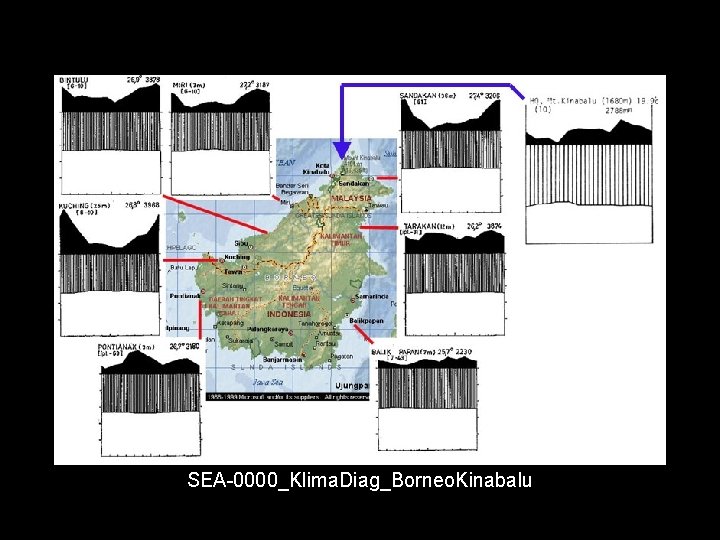
SEA-0000_Klima. Diag_Borneo. Kinabalu
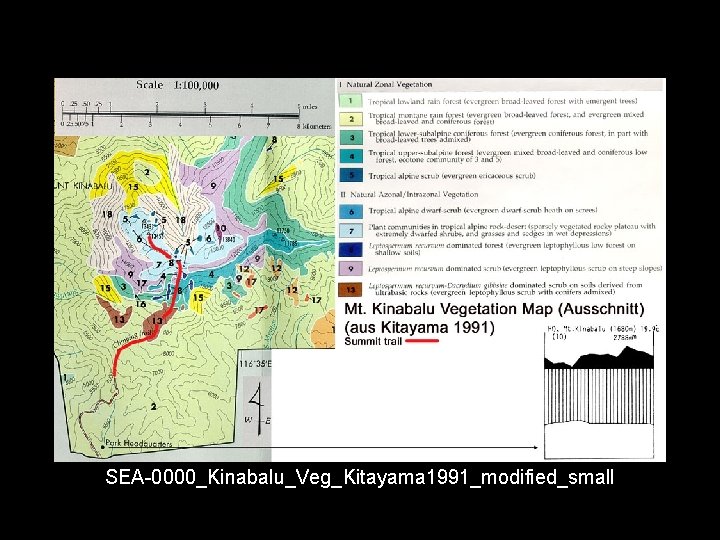
SEA-0000_Kinabalu_Veg_Kitayama 1991_modified_small
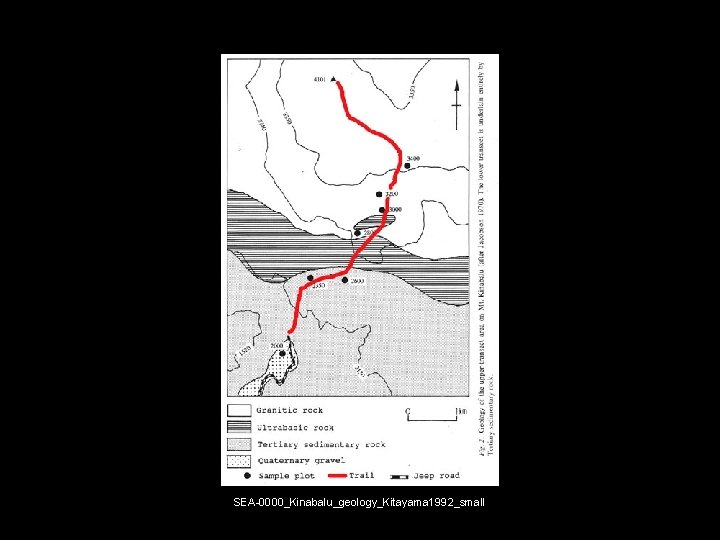
SEA-0000_Kinabalu_geology_Kitayama 1992_small
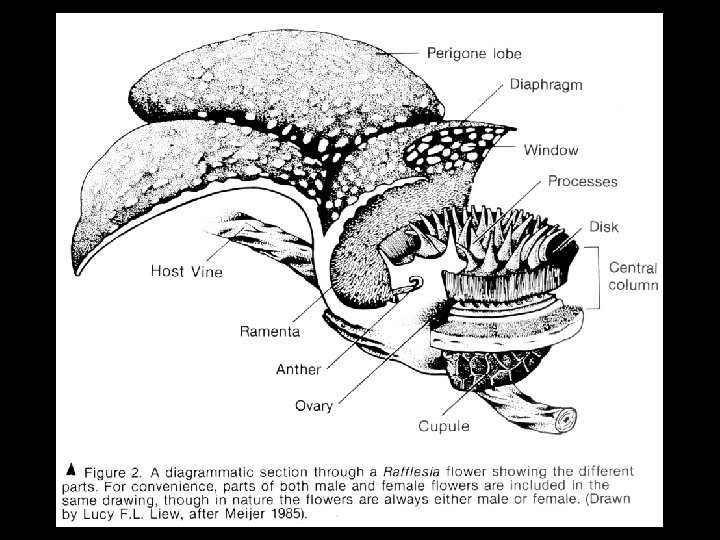
Kinabalu Park: ein UNESCO World Heritage Site BOTANISCHE BEDEUTUNG: Mt. Kinabalu is believed to contain one of the richest and most diverse assembelages of plants in the world. A recent study by Beaman & Beaman (1998) disclose that Kinabalu flora contains as many as 5, 000 – 6, 000 species, comprising of over 200 families and 1, 000 genera. The park contains a high number of endemic flora. More than half (78 species) of the 135 species of Ficus occurring in Borneo can be found at the site. There are believed to be 1, 000 orchid species, including at least five species of slipper orchid, of the genus Papiopedillium dayanum and P. rothschildianum are considered Endangered (IUCN 1997). Other important plants occurring in the park include 608 fern species, 9 Nepenthes species (pitcher-plants, including 4 species that are endemic to Kinabalu: Nepenthes burbidgeae, N. rajah and N. villosa), 24 Rhododendron species (5 species are endemic to Kinabalu), 78 Fiscus species (over 50% of all the species found in Borneo), 52 palm species, 6 bamboo species and 30 ginger species (Beaman 1996; Holtum 1996; Lamb 1996; Wong and Dransfield 1996). Rafflesia is one of the rarest plants in the world, and is only found in very few locations in Borneo. A parasitic plant that grows from the trailing stems of wild grape-vines Tetrastigma spp. There are three species of Rafflesia in Borneo, Rafflesia keithii (VU) is known to occur in Kinabalu Park. The inventory of the plants of Mount Kinabalu is ongoing. To date three volumes have been published covering ferns and fern allies, orchids and gymnosperms and non-orchid monocotyledon. Two volumes relating to dicotyledons, are due to be published shortly (Beaman et al. , 1992; Beaman et al. , 1993; Beaman and Beaman 1998).
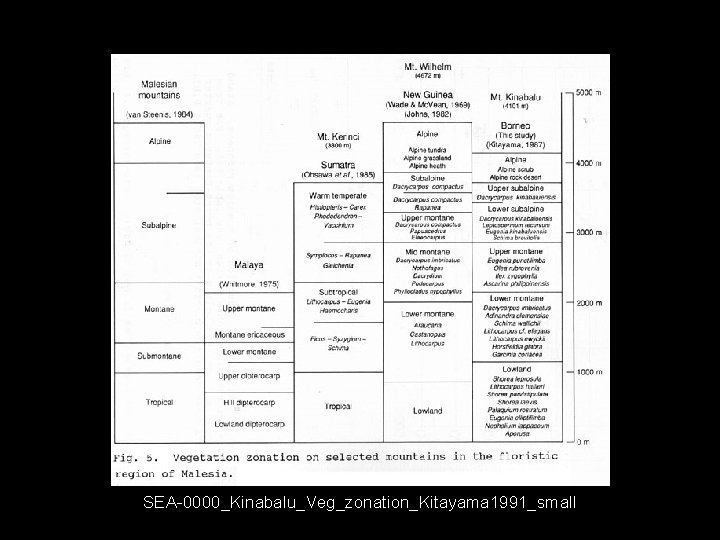
SEA-0000_Kinabalu_Veg_zonation_Kitayama 1991_small
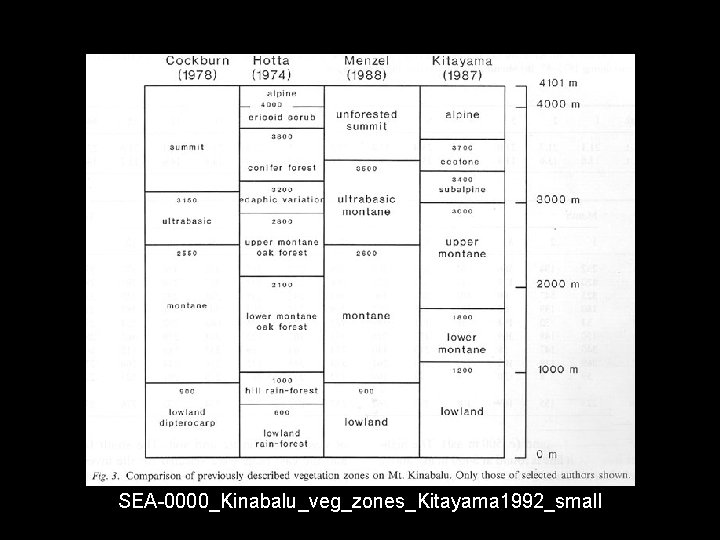
SEA-0000_Kinabalu_veg_zones_Kitayama 1992_small
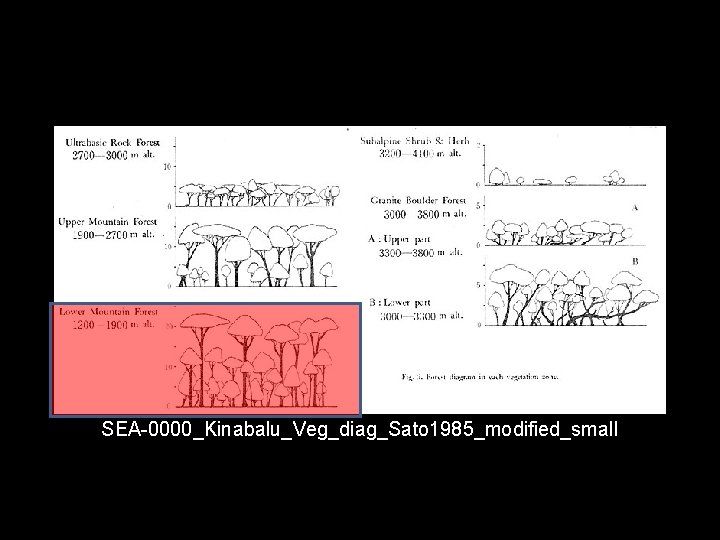
SEA-0000_Kinabalu_Veg_diag_Sato 1985_modified_small
![[KB] SEA-5066 Kinabalu from HQ image 113](http://slidetodoc.com/presentation_image/258f783d763ddbde520ccd5c37497919/image-13.jpg "[KB] SEA-5066 Kinabalu from HQ image 113")
[KB] SEA-5066 Kinabalu from HQ image 113
![[KB] SEA-0401 Litsea sp. (LAURACEAE) image 231](http://slidetodoc.com/presentation_image/258f783d763ddbde520ccd5c37497919/image-14.jpg "[KB] SEA-0401 Litsea sp. (LAURACEAE) image 231")
[KB] SEA-0401 Litsea sp. (LAURACEAE) image 231
![[KB] SEA-0402 Litsea sp. (LAURACEAE) image 232](http://slidetodoc.com/presentation_image/258f783d763ddbde520ccd5c37497919/image-15.jpg "[KB] SEA-0402 Litsea sp. (LAURACEAE) image 232")
[KB] SEA-0402 Litsea sp. (LAURACEAE) image 232
![[KB] SEA-2047 Goniothalamus roseus (ANNONACEAE) image 230](http://slidetodoc.com/presentation_image/258f783d763ddbde520ccd5c37497919/image-16.jpg "[KB] SEA-2047 Goniothalamus roseus (ANNONACEAE) image 230")
[KB] SEA-2047 Goniothalamus roseus (ANNONACEAE) image 230
![[KB] SEA-2048 Goniothalamus roseus (ANNONACEAE) image 229](http://slidetodoc.com/presentation_image/258f783d763ddbde520ccd5c37497919/image-17.jpg "[KB] SEA-2048 Goniothalamus roseus (ANNONACEAE) image 229")
[KB] SEA-2048 Goniothalamus roseus (ANNONACEAE) image 229
![[KB] SEA-3640 Diospyros sp. (EBENACEAE) image 264](http://slidetodoc.com/presentation_image/258f783d763ddbde520ccd5c37497919/image-18.jpg "[KB] SEA-3640 Diospyros sp. (EBENACEAE) image 264")
[KB] SEA-3640 Diospyros sp. (EBENACEAE) image 264
![[KB] SEA-3641 Diospyros sp. (EBENACEAE) image 233](http://slidetodoc.com/presentation_image/258f783d763ddbde520ccd5c37497919/image-19.jpg "[KB] SEA-3641 Diospyros sp. (EBENACEAE) image 233")
[KB] SEA-3641 Diospyros sp. (EBENACEAE) image 233
![[KB] SEA-0360 Callicarpa sp. (VERBENACEAE) image 223](http://slidetodoc.com/presentation_image/258f783d763ddbde520ccd5c37497919/image-20.jpg "[KB] SEA-0360 Callicarpa sp. (VERBENACEAE) image 223")
[KB] SEA-0360 Callicarpa sp. (VERBENACEAE) image 223
![[KB] SEA-0361 Callicarpa sp. (VERBENACEAE) image 222](http://slidetodoc.com/presentation_image/258f783d763ddbde520ccd5c37497919/image-21.jpg "[KB] SEA-0361 Callicarpa sp. (VERBENACEAE) image 222")
[KB] SEA-0361 Callicarpa sp. (VERBENACEAE) image 222
![[KB] SEA-2039 Bulbophyllum (ORCHIDACEAE) image 202](http://slidetodoc.com/presentation_image/258f783d763ddbde520ccd5c37497919/image-22.jpg "[KB] SEA-2039 Bulbophyllum (ORCHIDACEAE) image 202")
[KB] SEA-2039 Bulbophyllum (ORCHIDACEAE) image 202
![[KB] SEA-0160 Rafflesia (RAFFLESIACEAE) image 110](http://slidetodoc.com/presentation_image/258f783d763ddbde520ccd5c37497919/image-23.jpg "[KB] SEA-0160 Rafflesia (RAFFLESIACEAE) image 110")
[KB] SEA-0160 Rafflesia (RAFFLESIACEAE) image 110
![[KB] SEA-0161 Rafflesia (RAFFLESIACEAE) image 111](http://slidetodoc.com/presentation_image/258f783d763ddbde520ccd5c37497919/image-24.jpg "[KB] SEA-0161 Rafflesia (RAFFLESIACEAE) image 111")
[KB] SEA-0161 Rafflesia (RAFFLESIACEAE) image 111
![[KB] SEA-0414 Tetrastigma lanceolarium (VITACEAE) image 112](http://slidetodoc.com/presentation_image/258f783d763ddbde520ccd5c37497919/image-25.jpg "[KB] SEA-0414 Tetrastigma lanceolarium (VITACEAE) image 112")
[KB] SEA-0414 Tetrastigma lanceolarium (VITACEAE) image 112
![[KB] SEA-2544 Rafflesia pricei (RAFFLESIACEAE)](http://slidetodoc.com/presentation_image/258f783d763ddbde520ccd5c37497919/image-26.jpg "[KB] SEA-2544 Rafflesia pricei (RAFFLESIACEAE)")
[KB] SEA-2544 Rafflesia pricei (RAFFLESIACEAE)
![[KB] SEA-0177 Medinilla speciosa (MELASTOMATACEAE) image 218](http://slidetodoc.com/presentation_image/258f783d763ddbde520ccd5c37497919/image-28.jpg "[KB] SEA-0177 Medinilla speciosa (MELASTOMATACEAE) image 218")
[KB] SEA-0177 Medinilla speciosa (MELASTOMATACEAE) image 218
![[KB] SEA-0192 Medinilla beamannii (MELASTOMATACEAE) image 219](http://slidetodoc.com/presentation_image/258f783d763ddbde520ccd5c37497919/image-29.jpg "[KB] SEA-0192 Medinilla beamannii (MELASTOMATACEAE) image 219")
[KB] SEA-0192 Medinilla beamannii (MELASTOMATACEAE) image 219
![[KB] SEA-2059 Dendropanax borneensis (ARALIACEAE) image 225](http://slidetodoc.com/presentation_image/258f783d763ddbde520ccd5c37497919/image-30.jpg "[KB] SEA-2059 Dendropanax borneensis (ARALIACEAE) image 225")
[KB] SEA-2059 Dendropanax borneensis (ARALIACEAE) image 225
![[KB] SEA-0181 ARALIACEAE indet. image 228](http://slidetodoc.com/presentation_image/258f783d763ddbde520ccd5c37497919/image-31.jpg "[KB] SEA-0181 ARALIACEAE indet. image 228")
[KB] SEA-0181 ARALIACEAE indet. image 228
![[KB] SEA-0182 ARALIACEAE indet. image 227](http://slidetodoc.com/presentation_image/258f783d763ddbde520ccd5c37497919/image-32.jpg "[KB] SEA-0182 ARALIACEAE indet. image 227")
[KB] SEA-0182 ARALIACEAE indet. image 227
![[KB] SEA-0183 ARALIACEAE indet. image 226](http://slidetodoc.com/presentation_image/258f783d763ddbde520ccd5c37497919/image-33.jpg "[KB] SEA-0183 ARALIACEAE indet. image 226")
[KB] SEA-0183 ARALIACEAE indet. image 226
![[KB] SEA-0417 Paraphlomis javanica (LAMIACEAE) image 101](http://slidetodoc.com/presentation_image/258f783d763ddbde520ccd5c37497919/image-34.jpg "[KB] SEA-0417 Paraphlomis javanica (LAMIACEAE) image 101")
[KB] SEA-0417 Paraphlomis javanica (LAMIACEAE) image 101
![[KB] SEA-0417 Paraphlomis javanica (LAMIACEAE) image 102](http://slidetodoc.com/presentation_image/258f783d763ddbde520ccd5c37497919/image-35.jpg "[KB] SEA-0417 Paraphlomis javanica (LAMIACEAE) image 102")
[KB] SEA-0417 Paraphlomis javanica (LAMIACEAE) image 102
![[KB] SEA-0198 Phyllagathis sp. (MELASTOMATACEAE) image 321](http://slidetodoc.com/presentation_image/258f783d763ddbde520ccd5c37497919/image-36.jpg "[KB] SEA-0198 Phyllagathis sp. (MELASTOMATACEAE) image 321")
[KB] SEA-0198 Phyllagathis sp. (MELASTOMATACEAE) image 321
![[KB] SEA-2029 Phyllagahtis sp. (MELASTOMATACEAE) image 320](http://slidetodoc.com/presentation_image/258f783d763ddbde520ccd5c37497919/image-37.jpg "[KB] SEA-2029 Phyllagahtis sp. (MELASTOMATACEAE) image 320")
[KB] SEA-2029 Phyllagahtis sp. (MELASTOMATACEAE) image 320
![[KB] SEA-2030 Phyllagathis sp. (MELASTOMATACEAE) image 217](http://slidetodoc.com/presentation_image/258f783d763ddbde520ccd5c37497919/image-38.jpg "[KB] SEA-2030 Phyllagathis sp. (MELASTOMATACEAE) image 217")
[KB] SEA-2030 Phyllagathis sp. (MELASTOMATACEAE) image 217
![[KB] SEA-0196 Elatostema (URTICACEAE) image 216](http://slidetodoc.com/presentation_image/258f783d763ddbde520ccd5c37497919/image-39.jpg "[KB] SEA-0196 Elatostema (URTICACEAE) image 216")
[KB] SEA-0196 Elatostema (URTICACEAE) image 216
![[KB] SEA-2060 Aseroe (sunburst fungus) image 203](http://slidetodoc.com/presentation_image/258f783d763ddbde520ccd5c37497919/image-40.jpg "[KB] SEA-2060 Aseroe (sunburst fungus) image 203")
[KB] SEA-2060 Aseroe (sunburst fungus) image 203
![[KB] SEA-3649 Peliosanthes teta (alibda) (LILIACEAE s. l. ) image 151](http://slidetodoc.com/presentation_image/258f783d763ddbde520ccd5c37497919/image-41.jpg "[KB] SEA-3649 Peliosanthes teta (alibda) (LILIACEAE s. l. ) image 151")
[KB] SEA-3649 Peliosanthes teta (alibda) (LILIACEAE s. l. ) image 151
![[KB] SEA-3651 Peliosanthes teta (alibda) (LILIACEAE s. l. ) image 201](http://slidetodoc.com/presentation_image/258f783d763ddbde520ccd5c37497919/image-42.jpg "[KB] SEA-3651 Peliosanthes teta (alibda) (LILIACEAE s. l. ) image 201")
[KB] SEA-3651 Peliosanthes teta (alibda) (LILIACEAE s. l. ) image 201
![[KB] SEA-3655 Langanan WF (Poring) image 155](http://slidetodoc.com/presentation_image/258f783d763ddbde520ccd5c37497919/image-43.jpg "[KB] SEA-3655 Langanan WF (Poring) image 155")
[KB] SEA-3655 Langanan WF (Poring) image 155
![[KB] SEA-3658 Langanan WF (Poring) image 204](http://slidetodoc.com/presentation_image/258f783d763ddbde520ccd5c37497919/image-44.jpg "[KB] SEA-3658 Langanan WF (Poring) image 204")
[KB] SEA-3658 Langanan WF (Poring) image 204
![[KB] SEA-3662 Langanan WF (Poring) image 157](http://slidetodoc.com/presentation_image/258f783d763ddbde520ccd5c37497919/image-45.jpg "[KB] SEA-3662 Langanan WF (Poring) image 157")
[KB] SEA-3662 Langanan WF (Poring) image 157
![[KB] SEA-3623 Macaranga triloba (EUPHORBIACEAE) image 221](http://slidetodoc.com/presentation_image/258f783d763ddbde520ccd5c37497919/image-46.jpg "[KB] SEA-3623 Macaranga triloba (EUPHORBIACEAE) image 221")
[KB] SEA-3623 Macaranga triloba (EUPHORBIACEAE) image 221
![[KB] SEA-3624 Macaranga triloba (EUPHORBIACEAE) image 220](http://slidetodoc.com/presentation_image/258f783d763ddbde520ccd5c37497919/image-47.jpg "[KB] SEA-3624 Macaranga triloba (EUPHORBIACEAE) image 220")
[KB] SEA-3624 Macaranga triloba (EUPHORBIACEAE) image 220
![[KB] SEA-0185 Dipteris conjugata (DIPTERIDACEAE) image 215](http://slidetodoc.com/presentation_image/258f783d763ddbde520ccd5c37497919/image-48.jpg "[KB] SEA-0185 Dipteris conjugata (DIPTERIDACEAE) image 215")
[KB] SEA-0185 Dipteris conjugata (DIPTERIDACEAE) image 215
![[KB] SEA-0186 Dipteris conjugata (DIPTERIDACEAE) image 214](http://slidetodoc.com/presentation_image/258f783d763ddbde520ccd5c37497919/image-49.jpg "[KB] SEA-0186 Dipteris conjugata (DIPTERIDACEAE) image 214")
[KB] SEA-0186 Dipteris conjugata (DIPTERIDACEAE) image 214
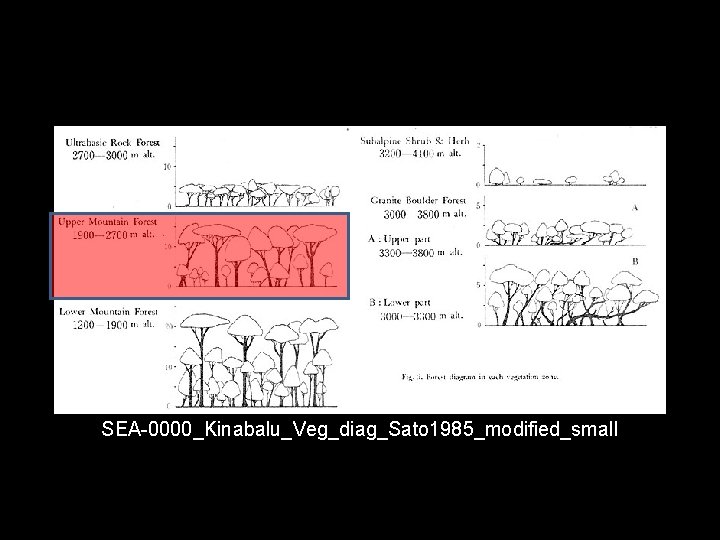
SEA-0000_Kinabalu_Veg_diag_Sato 1985_modified_small
![[KB] SEA-0232 mont for Kinabalu image 114](http://slidetodoc.com/presentation_image/258f783d763ddbde520ccd5c37497919/image-51.jpg "[KB] SEA-0232 mont for Kinabalu image 114")
[KB] SEA-0232 mont for Kinabalu image 114
![[KB] SEA-0219 Rhododendron fallacium (ERICACEAE) image 118](http://slidetodoc.com/presentation_image/258f783d763ddbde520ccd5c37497919/image-52.jpg "[KB] SEA-0219 Rhododendron fallacium (ERICACEAE) image 118")
[KB] SEA-0219 Rhododendron fallacium (ERICACEAE) image 118
![[KB] SEA-0221 Rhododendron fallacium (ERICACEAE) image 119](http://slidetodoc.com/presentation_image/258f783d763ddbde520ccd5c37497919/image-53.jpg "[KB] SEA-0221 Rhododendron fallacium (ERICACEAE) image 119")
[KB] SEA-0221 Rhododendron fallacium (ERICACEAE) image 119
![[KB] SEA-0346 Cyathea sp. (kinabalu) (CYTHEACEAE) image 115](http://slidetodoc.com/presentation_image/258f783d763ddbde520ccd5c37497919/image-54.jpg "[KB] SEA-0346 Cyathea sp. (kinabalu) (CYTHEACEAE) image 115")
[KB] SEA-0346 Cyathea sp. (kinabalu) (CYTHEACEAE) image 115
![[KB] SEA-1941 Kinabalu mont forest image 224](http://slidetodoc.com/presentation_image/258f783d763ddbde520ccd5c37497919/image-55.jpg "[KB] SEA-1941 Kinabalu mont forest image 224")
[KB] SEA-1941 Kinabalu mont forest image 224
![[KB] SEA-0216 Rhododendron stenophyllum (ERICACEAE) image 117](http://slidetodoc.com/presentation_image/258f783d763ddbde520ccd5c37497919/image-56.jpg "[KB] SEA-0216 Rhododendron stenophyllum (ERICACEAE) image 117")
[KB] SEA-0216 Rhododendron stenophyllum (ERICACEAE) image 117
![[KB] SEA-0215 Rhododendron stenophyllum (ERICACEAE) image 116](http://slidetodoc.com/presentation_image/258f783d763ddbde520ccd5c37497919/image-57.jpg "[KB] SEA-0215 Rhododendron stenophyllum (ERICACEAE) image 116")
[KB] SEA-0215 Rhododendron stenophyllum (ERICACEAE) image 116
![[KB] SEA-0238 Hedyotis pulchella (RUBIACEAE) image 125](http://slidetodoc.com/presentation_image/258f783d763ddbde520ccd5c37497919/image-58.jpg "[KB] SEA-0238 Hedyotis pulchella (RUBIACEAE) image 125")
[KB] SEA-0238 Hedyotis pulchella (RUBIACEAE) image 125
![[KB] SEA-0217 Lobelia borneensis (LOBELIACEAE) image 126](http://slidetodoc.com/presentation_image/258f783d763ddbde520ccd5c37497919/image-59.jpg "[KB] SEA-0217 Lobelia borneensis (LOBELIACEAE) image 126")
[KB] SEA-0217 Lobelia borneensis (LOBELIACEAE) image 126
![[KB] SEA-0240 Rubus lineatus (ROSACEAE) image 123](http://slidetodoc.com/presentation_image/258f783d763ddbde520ccd5c37497919/image-60.jpg "[KB] SEA-0240 Rubus lineatus (ROSACEAE) image 123")
[KB] SEA-0240 Rubus lineatus (ROSACEAE) image 123
![[KB] SEA-0241 Rubus lineatus (ROSACEAE) image 124](http://slidetodoc.com/presentation_image/258f783d763ddbde520ccd5c37497919/image-61.jpg "[KB] SEA-0241 Rubus lineatus (ROSACEAE) image 124")
[KB] SEA-0241 Rubus lineatus (ROSACEAE) image 124
![[KB] SEA-0262 Nepenthes x kinabalusensis (NEPENTHACEAE) image 122](http://slidetodoc.com/presentation_image/258f783d763ddbde520ccd5c37497919/image-62.jpg "[KB] SEA-0262 Nepenthes x kinabalusensis (NEPENTHACEAE) image 122")
[KB] SEA-0262 Nepenthes x kinabalusensis (NEPENTHACEAE) image 122
![[KB] SEA-0256 Nepenthes villosa (NEPENTHACEAE) image 120](http://slidetodoc.com/presentation_image/258f783d763ddbde520ccd5c37497919/image-63.jpg "[KB] SEA-0256 Nepenthes villosa (NEPENTHACEAE) image 120")
[KB] SEA-0256 Nepenthes villosa (NEPENTHACEAE) image 120
![[KB] SEA-0254 Nepenthes villosa (NEPENTHACEAE) image 121](http://slidetodoc.com/presentation_image/258f783d763ddbde520ccd5c37497919/image-64.jpg "[KB] SEA-0254 Nepenthes villosa (NEPENTHACEAE) image 121")
[KB] SEA-0254 Nepenthes villosa (NEPENTHACEAE) image 121
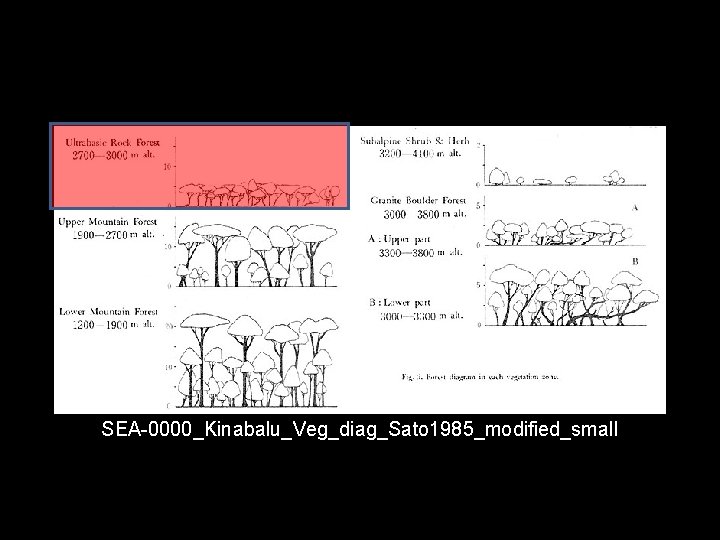
SEA-0000_Kinabalu_Veg_diag_Sato 1985_modified_small
![[KB] SEA-0224 Kinabalu ultramafic image 127](http://slidetodoc.com/presentation_image/258f783d763ddbde520ccd5c37497919/image-66.jpg "[KB] SEA-0224 Kinabalu ultramafic image 127")
[KB] SEA-0224 Kinabalu ultramafic image 127
![[KB] SEA-0272 Coelogyne papillosa (ORCHIDACEAE) image 128](http://slidetodoc.com/presentation_image/258f783d763ddbde520ccd5c37497919/image-67.jpg "[KB] SEA-0272 Coelogyne papillosa (ORCHIDACEAE) image 128")
[KB] SEA-0272 Coelogyne papillosa (ORCHIDACEAE) image 128
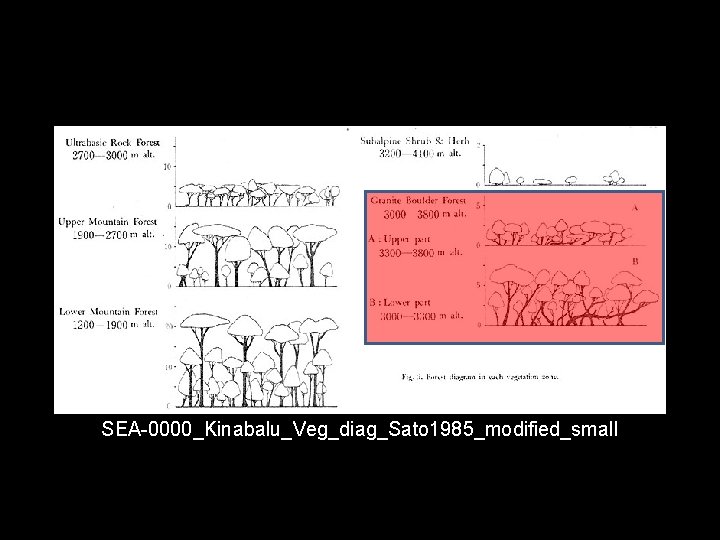
SEA-0000_Kinabalu_Veg_diag_Sato 1985_modified_small
![[KB] SEA-0276 Dacrydium gibbsiae (PODOCARPACEAE) image 131](http://slidetodoc.com/presentation_image/258f783d763ddbde520ccd5c37497919/image-69.jpg "[KB] SEA-0276 Dacrydium gibbsiae (PODOCARPACEAE) image 131")
[KB] SEA-0276 Dacrydium gibbsiae (PODOCARPACEAE) image 131
![[KB] SEA-0247 Dacrydium gibbsiae (PODOCARPACEAE) image 137](http://slidetodoc.com/presentation_image/258f783d763ddbde520ccd5c37497919/image-70.jpg "[KB] SEA-0247 Dacrydium gibbsiae (PODOCARPACEAE) image 137")
[KB] SEA-0247 Dacrydium gibbsiae (PODOCARPACEAE) image 137
![[KB] SEA-0252 Leptospermum brevifolia (MYRTACEAE) image 138](http://slidetodoc.com/presentation_image/258f783d763ddbde520ccd5c37497919/image-71.jpg "[KB] SEA-0252 Leptospermum brevifolia (MYRTACEAE) image 138")
[KB] SEA-0252 Leptospermum brevifolia (MYRTACEAE) image 138
![[KB] SEA-0249 Dacrydium gibbsiae (PODOCARPACEAE) image 132](http://slidetodoc.com/presentation_image/258f783d763ddbde520ccd5c37497919/image-72.jpg "[KB] SEA-0249 Dacrydium gibbsiae (PODOCARPACEAE) image 132")
[KB] SEA-0249 Dacrydium gibbsiae (PODOCARPACEAE) image 132
![[KB] SEA-0250 Dacrydium gibbsiae (PODOCARPACEAE) image 133](http://slidetodoc.com/presentation_image/258f783d763ddbde520ccd5c37497919/image-73.jpg "[KB] SEA-0250 Dacrydium gibbsiae (PODOCARPACEAE) image 133")
[KB] SEA-0250 Dacrydium gibbsiae (PODOCARPACEAE) image 133
![[KB] SEA-0269 Vaccinum stapfianum (ERICACEAE) image 134](http://slidetodoc.com/presentation_image/258f783d763ddbde520ccd5c37497919/image-74.jpg "[KB] SEA-0269 Vaccinum stapfianum (ERICACEAE) image 134")
[KB] SEA-0269 Vaccinum stapfianum (ERICACEAE) image 134
![[KB] SEA-0270 Vaccinium stapfianum (ERICACEAE) image 135](http://slidetodoc.com/presentation_image/258f783d763ddbde520ccd5c37497919/image-75.jpg "[KB] SEA-0270 Vaccinium stapfianum (ERICACEAE) image 135")
[KB] SEA-0270 Vaccinium stapfianum (ERICACEAE) image 135
![[KB] SEA-0270 Rhododendron ericoides (ERICACEAE) image 136](http://slidetodoc.com/presentation_image/258f783d763ddbde520ccd5c37497919/image-76.jpg "[KB] SEA-0270 Rhododendron ericoides (ERICACEAE) image 136")
[KB] SEA-0270 Rhododendron ericoides (ERICACEAE) image 136
![[KB] SEA-0279 Schima brevifolia (THEACEAE) image 140](http://slidetodoc.com/presentation_image/258f783d763ddbde520ccd5c37497919/image-77.jpg "[KB] SEA-0279 Schima brevifolia (THEACEAE) image 140")
[KB] SEA-0279 Schima brevifolia (THEACEAE) image 140
![[KB] SEA-0278 Schima brevifolia (THEACEAE) image 139](http://slidetodoc.com/presentation_image/258f783d763ddbde520ccd5c37497919/image-78.jpg "[KB] SEA-0278 Schima brevifolia (THEACEAE) image 139")
[KB] SEA-0278 Schima brevifolia (THEACEAE) image 139
![[KB] SEA-0345 Kinabalu - Dacrydium gibbsiae (PODOCARPACEAE) image 129](http://slidetodoc.com/presentation_image/258f783d763ddbde520ccd5c37497919/image-79.jpg "[KB] SEA-0345 Kinabalu - Dacrydium gibbsiae (PODOCARPACEAE) image 129")
[KB] SEA-0345 Kinabalu - Dacrydium gibbsiae (PODOCARPACEAE) image 129
![[KB] SEA-0323 Kinabalu nr top image 130](http://slidetodoc.com/presentation_image/258f783d763ddbde520ccd5c37497919/image-80.jpg "[KB] SEA-0323 Kinabalu nr top image 130")
[KB] SEA-0323 Kinabalu nr top image 130
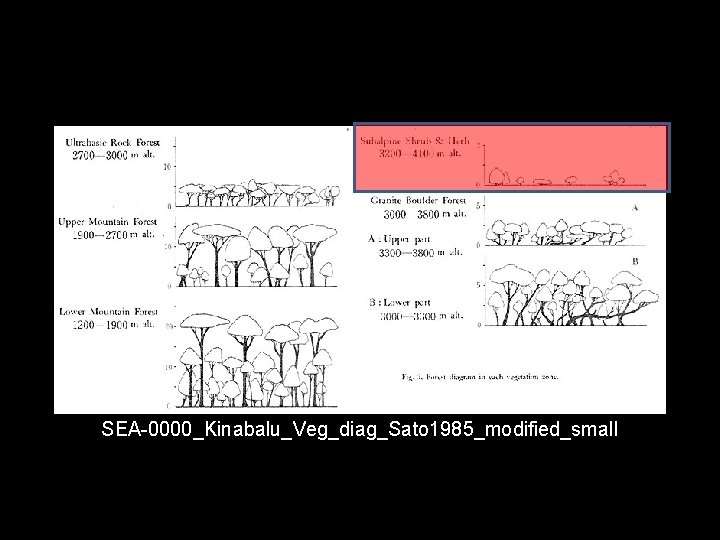
SEA-0000_Kinabalu_Veg_diag_Sato 1985_modified_small
![[KB] SEA-0313 Kinabalu top image 162](http://slidetodoc.com/presentation_image/258f783d763ddbde520ccd5c37497919/image-82.jpg "[KB] SEA-0313 Kinabalu top image 162")
[KB] SEA-0313 Kinabalu top image 162
![[KB] SEA-0314 Kinabalu top image 144](http://slidetodoc.com/presentation_image/258f783d763ddbde520ccd5c37497919/image-83.jpg "[KB] SEA-0314 Kinabalu top image 144")
[KB] SEA-0314 Kinabalu top image 144
![[KB] SEA-0316 CYPERACEAE indet. & Leptospermum recurvum (MYRTACEAE) image 159](http://slidetodoc.com/presentation_image/258f783d763ddbde520ccd5c37497919/image-84.jpg "[KB] SEA-0316 CYPERACEAE indet. & Leptospermum recurvum (MYRTACEAE) image 159")
[KB] SEA-0316 CYPERACEAE indet. & Leptospermum recurvum (MYRTACEAE) image 159
![[KB] SEA-0305 Leptospermum recurvum (MYRTACEAE), Vaccinium stapf (ERICACEAE) image 158](http://slidetodoc.com/presentation_image/258f783d763ddbde520ccd5c37497919/image-85.jpg "[KB] SEA-0305 Leptospermum recurvum (MYRTACEAE), Vaccinium stapf (ERICACEAE) image 158")
[KB] SEA-0305 Leptospermum recurvum (MYRTACEAE), Vaccinium stapf (ERICACEAE) image 158
![[KB] SEA-0318 Rhododendron ericoides (ERICACEAE) image 160](http://slidetodoc.com/presentation_image/258f783d763ddbde520ccd5c37497919/image-86.jpg "[KB] SEA-0318 Rhododendron ericoides (ERICACEAE) image 160")
[KB] SEA-0318 Rhododendron ericoides (ERICACEAE) image 160
![[KB] SEA-0319 Rhododendron ericoides (ERICACEAE) image 205](http://slidetodoc.com/presentation_image/258f783d763ddbde520ccd5c37497919/image-87.jpg "[KB] SEA-0319 Rhododendron ericoides (ERICACEAE) image 205")
[KB] SEA-0319 Rhododendron ericoides (ERICACEAE) image 205
![[KB] SEA-0281 Coprosma hookeri (RUBIACEAE) FEM image 164](http://slidetodoc.com/presentation_image/258f783d763ddbde520ccd5c37497919/image-88.jpg "[KB] SEA-0281 Coprosma hookeri (RUBIACEAE) FEM image 164")
[KB] SEA-0281 Coprosma hookeri (RUBIACEAE) FEM image 164
![[KB] SEA-0284 Coprosma hookeri (RUBIACEAE) image 150](http://slidetodoc.com/presentation_image/258f783d763ddbde520ccd5c37497919/image-89.jpg "[KB] SEA-0284 Coprosma hookeri (RUBIACEAE) image 150")
[KB] SEA-0284 Coprosma hookeri (RUBIACEAE) image 150
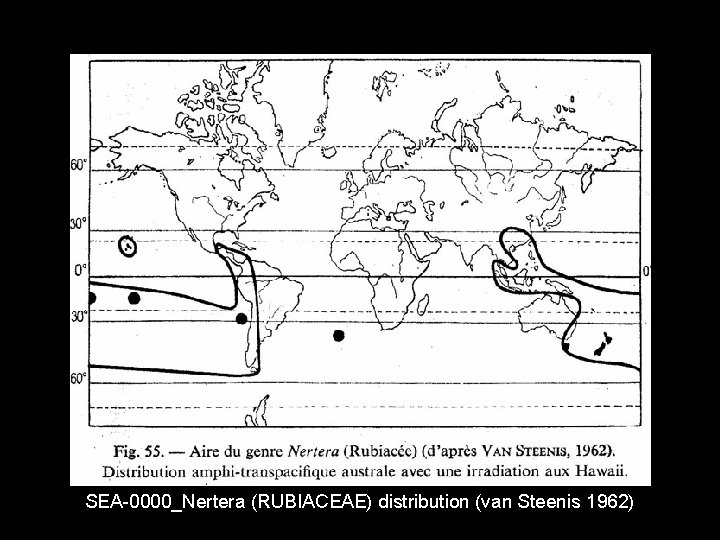
SEA-0000_Nertera (RUBIACEAE) distribution (van Steenis 1962)
![[KB] SEA-0286 Euphrasia borneensis (SCROPHULARIACEAE) image 148](http://slidetodoc.com/presentation_image/258f783d763ddbde520ccd5c37497919/image-91.jpg "[KB] SEA-0286 Euphrasia borneensis (SCROPHULARIACEAE) image 148")
[KB] SEA-0286 Euphrasia borneensis (SCROPHULARIACEAE) image 148
![[KB] SEA-0290 Potentilla sp. II (ROSACEAE) image 149](http://slidetodoc.com/presentation_image/258f783d763ddbde520ccd5c37497919/image-92.jpg "[KB] SEA-0290 Potentilla sp. II (ROSACEAE) image 149")
[KB] SEA-0290 Potentilla sp. II (ROSACEAE) image 149
![[KB] SEA-0291 Trachymene saniculifolia (APIACEAE) image 145](http://slidetodoc.com/presentation_image/258f783d763ddbde520ccd5c37497919/image-93.jpg "[KB] SEA-0291 Trachymene saniculifolia (APIACEAE) image 145")
[KB] SEA-0291 Trachymene saniculifolia (APIACEAE) image 145
![[KB] SEA-0292 Trachymene saniculifolia (APIACEAE) image 146](http://slidetodoc.com/presentation_image/258f783d763ddbde520ccd5c37497919/image-94.jpg "[KB] SEA-0292 Trachymene saniculifolia (APIACEAE) image 146")
[KB] SEA-0292 Trachymene saniculifolia (APIACEAE) image 146
![[KB] SEA-0321 Trachymene saniculifolia (APIACEAE) image 147](http://slidetodoc.com/presentation_image/258f783d763ddbde520ccd5c37497919/image-95.jpg "[KB] SEA-0321 Trachymene saniculifolia (APIACEAE) image 147")
[KB] SEA-0321 Trachymene saniculifolia (APIACEAE) image 147
![[KB] SEA-0299 Kinabalu top image 142](http://slidetodoc.com/presentation_image/258f783d763ddbde520ccd5c37497919/image-96.jpg "[KB] SEA-0299 Kinabalu top image 142")
[KB] SEA-0299 Kinabalu top image 142
![[KB] SEA-0302 Kinabalu top image 161](http://slidetodoc.com/presentation_image/258f783d763ddbde520ccd5c37497919/image-97.jpg "[KB] SEA-0302 Kinabalu top image 161")
[KB] SEA-0302 Kinabalu top image 161
![[KB] SEA-0304 Kinabalu top image 143](http://slidetodoc.com/presentation_image/258f783d763ddbde520ccd5c37497919/image-98.jpg "[KB] SEA-0304 Kinabalu top image 143")
[KB] SEA-0304 Kinabalu top image 143
![[KB] SEA-5068 Kinabalu top from HQ image 141](http://slidetodoc.com/presentation_image/258f783d763ddbde520ccd5c37497919/image-99.jpg "[KB] SEA-5068 Kinabalu top from HQ image 141")
[KB] SEA-5068 Kinabalu top from HQ image 141
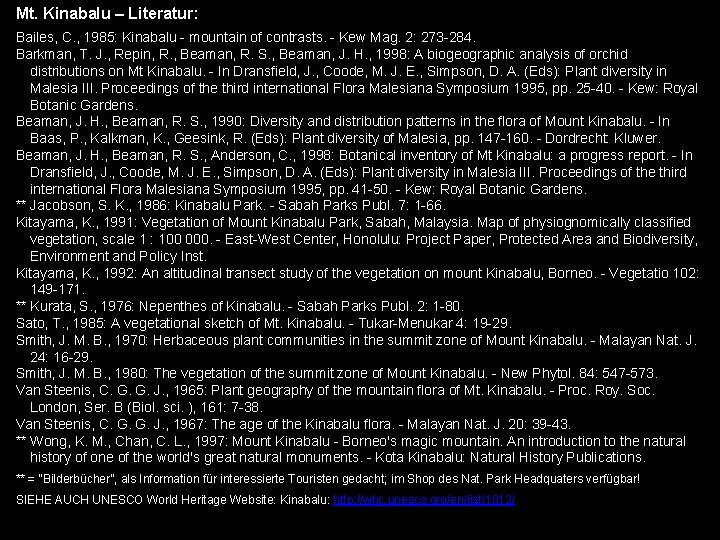
Mt. Kinabalu – Literatur: Bailes, C. , 1985: Kinabalu - mountain of contrasts. - Kew Mag. 2: 273 -284. Barkman, T. J. , Repin, R. , Beaman, R. S. , Beaman, J. H. , 1998: A biogeographic analysis of orchid distributions on Mt Kinabalu. - In Dransfield, J. , Coode, M. J. E. , Simpson, D. A. (Eds): Plant diversity in Malesia III. Proceedings of the third international Flora Malesiana Symposium 1995, pp. 25 -40. - Kew: Royal Botanic Gardens. Beaman, J. H. , Beaman, R. S. , 1990: Diversity and distribution patterns in the flora of Mount Kinabalu. - In Baas, P. , Kalkman, K. , Geesink, R. (Eds): Plant diversity of Malesia, pp. 147 -160. - Dordrecht: Kluwer. Beaman, J. H. , Beaman, R. S. , Anderson, C. , 1998: Botanical inventory of Mt Kinabalu: a progress report. - In Dransfield, J. , Coode, M. J. E. , Simpson, D. A. (Eds): Plant diversity in Malesia III. Proceedings of the third international Flora Malesiana Symposium 1995, pp. 41 -50. - Kew: Royal Botanic Gardens. ** Jacobson, S. K. , 1986: Kinabalu Park. - Sabah Parks Publ. 7: 1 -66. Kitayama, K. , 1991: Vegetation of Mount Kinabalu Park, Sabah, Malaysia. Map of physiognomically classified vegetation, scale 1 : 100 000. - East-West Center, Honolulu: Project Paper, Protected Area and Biodiversity, Environment and Policy Inst. Kitayama, K. , 1992: An altitudinal transect study of the vegetation on mount Kinabalu, Borneo. - Vegetatio 102: 149 -171. ** Kurata, S. , 1976: Nepenthes of Kinabalu. - Sabah Parks Publ. 2: 1 -80. Sato, T. , 1985: A vegetational sketch of Mt. Kinabalu. - Tukar-Menukar 4: 19 -29. Smith, J. M. B. , 1970: Herbaceous plant communities in the summit zone of Mount Kinabalu. - Malayan Nat. J. 24: 16 -29. Smith, J. M. B. , 1980: The vegetation of the summit zone of Mount Kinabalu. - New Phytol. 84: 547 -573. Van Steenis, C. G. G. J. , 1965: Plant geography of the mountain flora of Mt. Kinabalu. - Proc. Roy. Soc. London, Ser. B (Biol. sci. ), 161: 7 -38. Van Steenis, C. G. G. J. , 1967: The age of the Kinabalu flora. - Malayan Nat. J. 20: 39 -43. ** Wong, K. M. , Chan, C. L. , 1997: Mount Kinabalu - Borneo's magic mountain. An introduction to the natural history of one of the world's great natural monuments. - Kota Kinabalu: Natural History Publications. ** = “Bilderbücher”, als Information für interessierte Touristen gedacht; im Shop des Nat. Park Headquaters verfügbar! SIEHE AUCH UNESCO World Heritage Website: Kinabalu: http: //whc. unesco. org/en/list/1012/
- Slides: 100