
Flight Operations Chapter 23 Visual Navigation Fundamentals Figure

- Slides: 30
Flight Operations Chapter 23 Visual Navigation Fundamentals
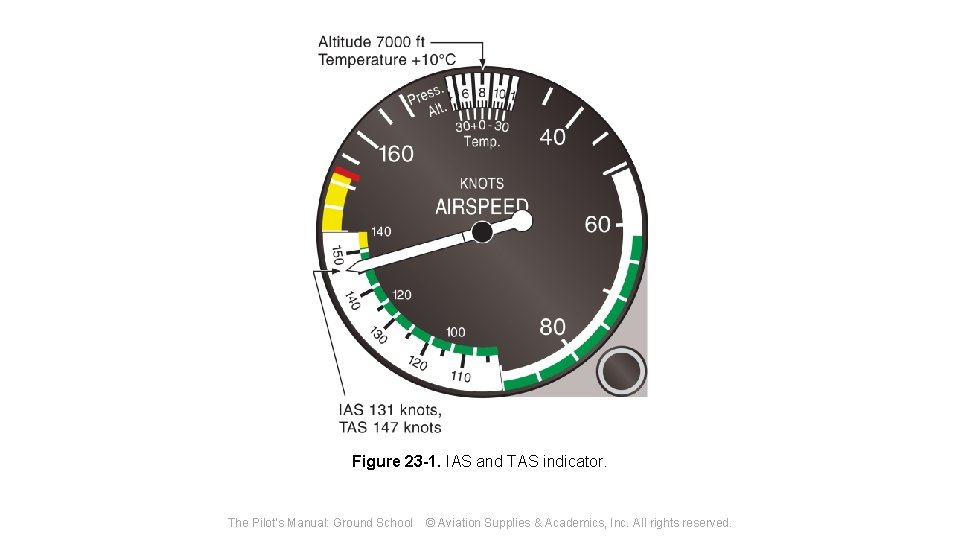
Figure 23 -1. IAS and TAS indicator. The Pilot's Manual: Ground School © Aviation Supplies & Academics, Inc. All rights reserved.
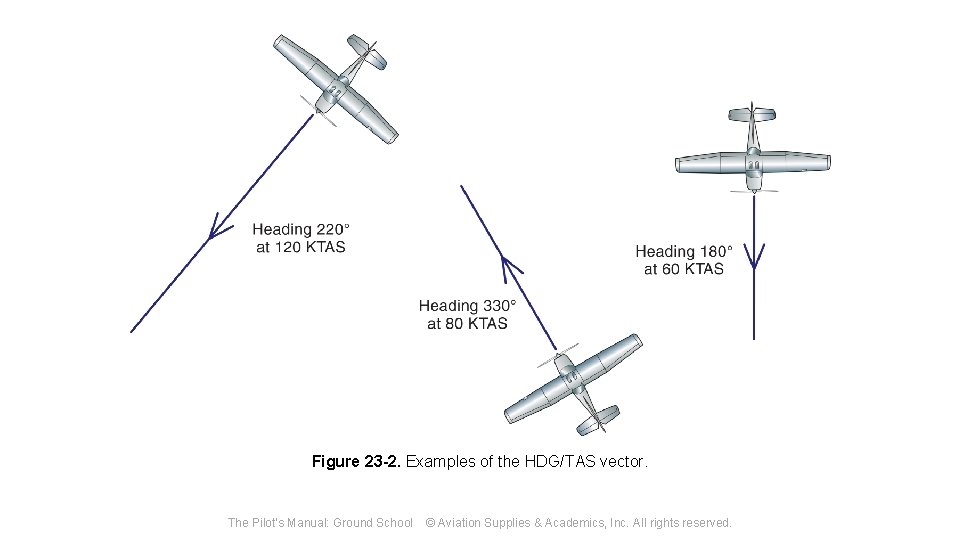
Figure 23 -2. Examples of the HDG/TAS vector. The Pilot's Manual: Ground School © Aviation Supplies & Academics, Inc. All rights reserved.
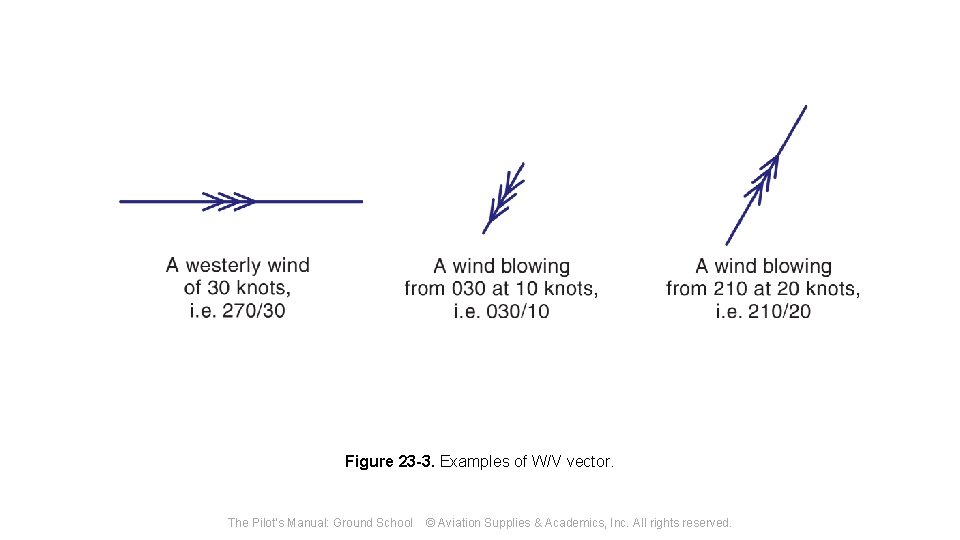
Figure 23 -3. Examples of W/V vector. The Pilot's Manual: Ground School © Aviation Supplies & Academics, Inc. All rights reserved.
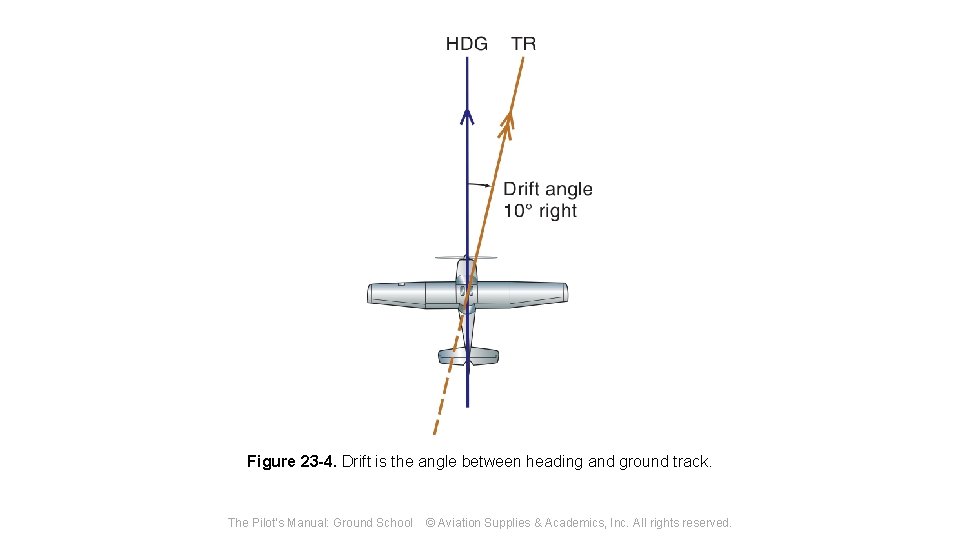
Figure 23 -4. Drift is the angle between heading and ground track. The Pilot's Manual: Ground School © Aviation Supplies & Academics, Inc. All rights reserved.
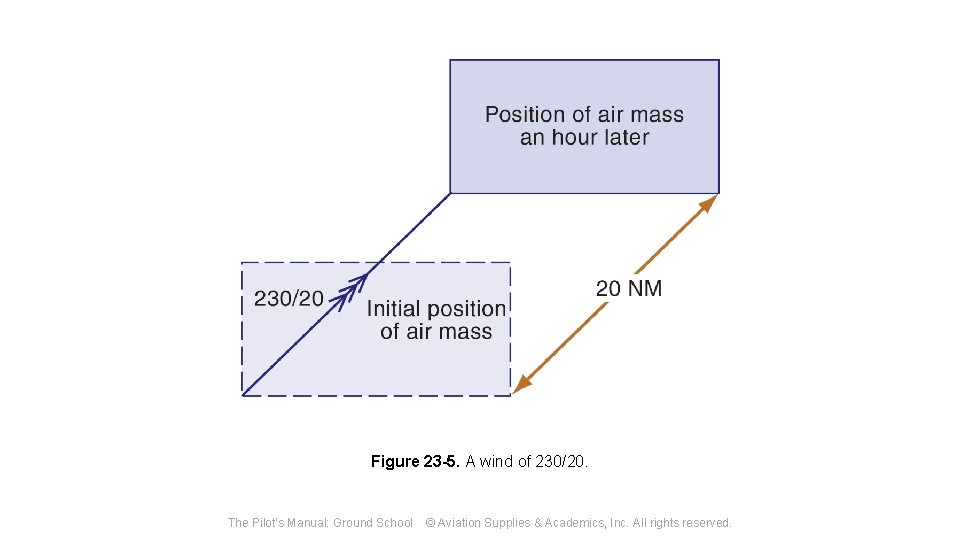
Figure 23 -5. A wind of 230/20. The Pilot's Manual: Ground School © Aviation Supplies & Academics, Inc. All rights reserved.
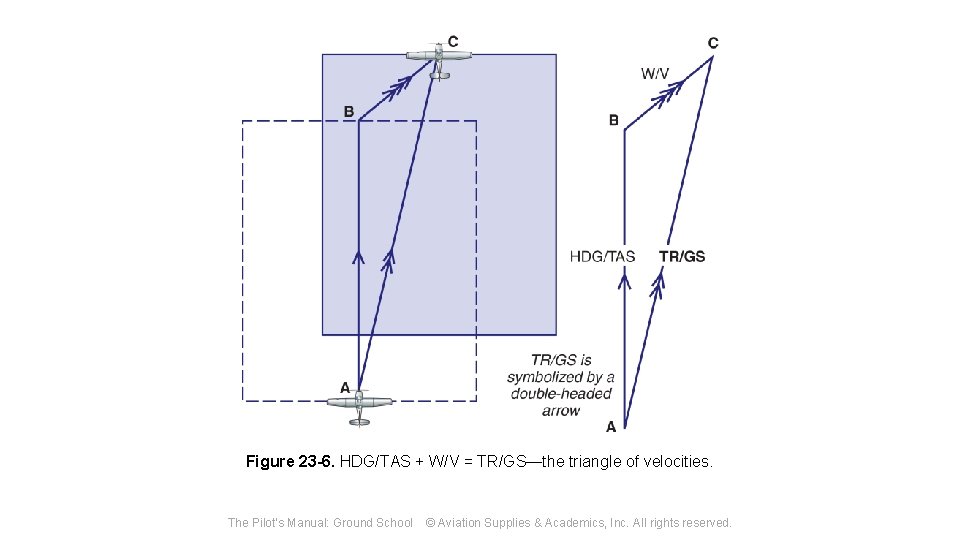
Figure 23 -6. HDG/TAS + W/V = TR/GS—the triangle of velocities. The Pilot's Manual: Ground School © Aviation Supplies & Academics, Inc. All rights reserved.
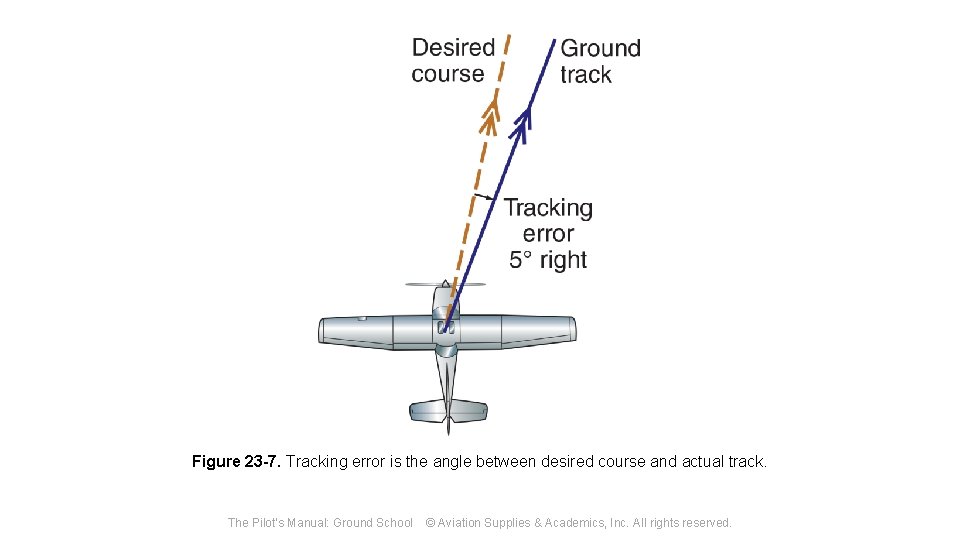
Figure 23 -7. Tracking error is the angle between desired course and actual track. The Pilot's Manual: Ground School © Aviation Supplies & Academics, Inc. All rights reserved.
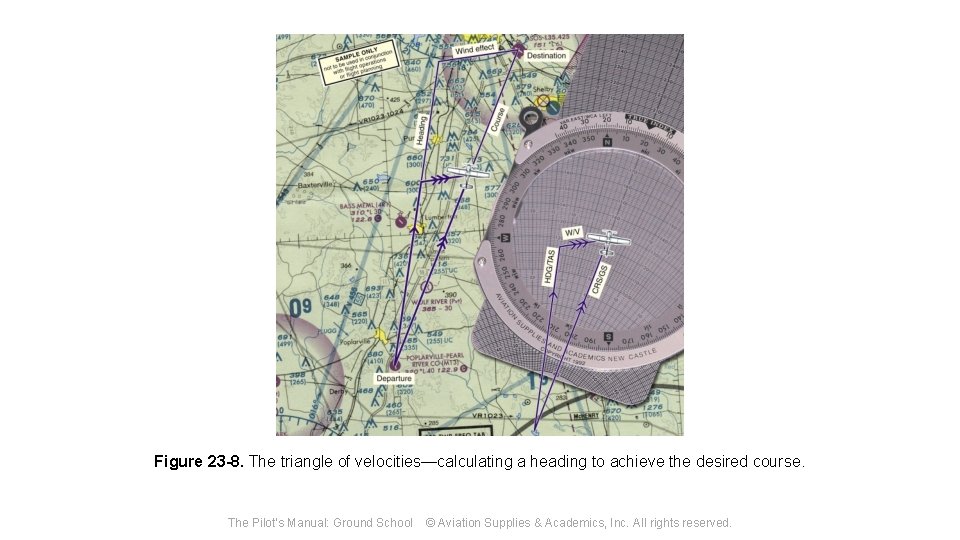
Figure 23 -8. The triangle of velocities—calculating a heading to achieve the desired course. The Pilot's Manual: Ground School © Aviation Supplies & Academics, Inc. All rights reserved.
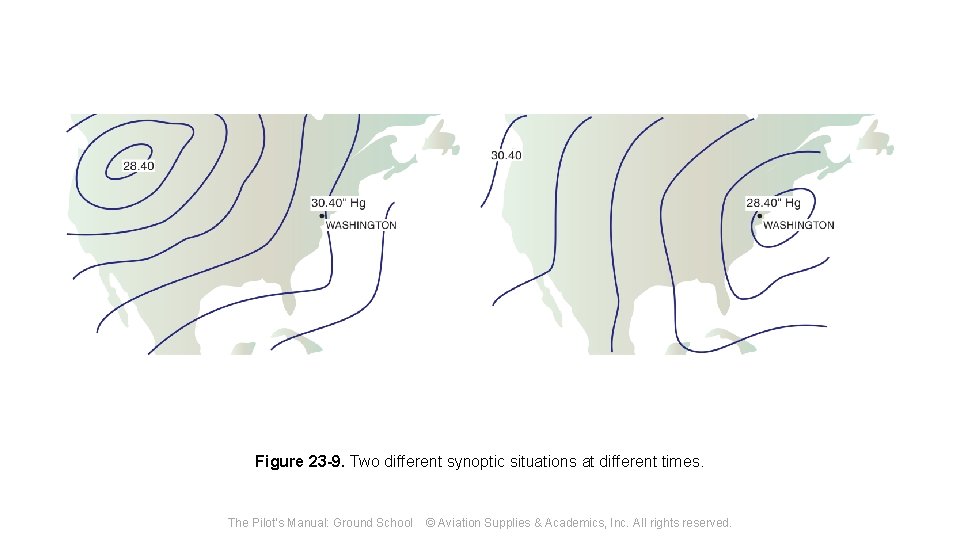
Figure 23 -9. Two different synoptic situations at different times. The Pilot's Manual: Ground School © Aviation Supplies & Academics, Inc. All rights reserved.
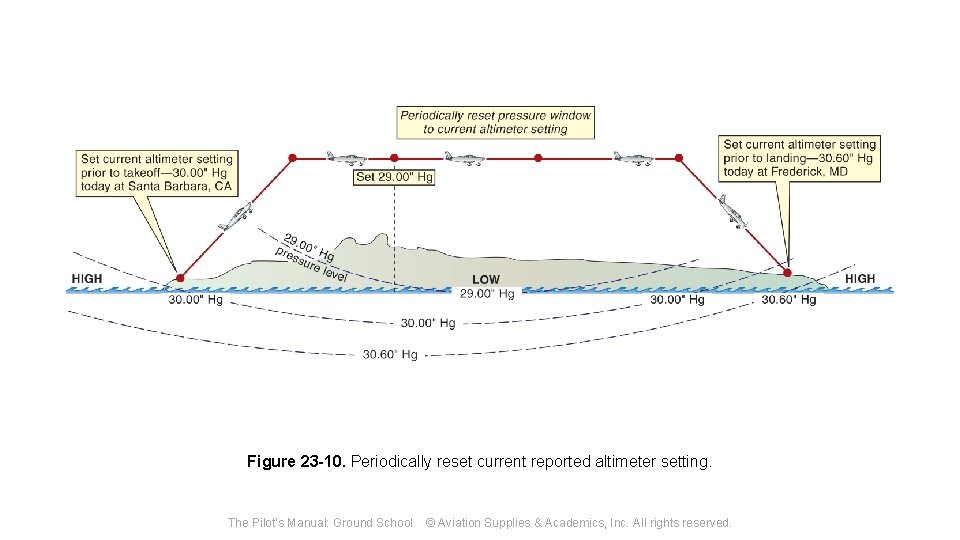
Figure 23 -10. Periodically reset current reported altimeter setting. The Pilot's Manual: Ground School © Aviation Supplies & Academics, Inc. All rights reserved.
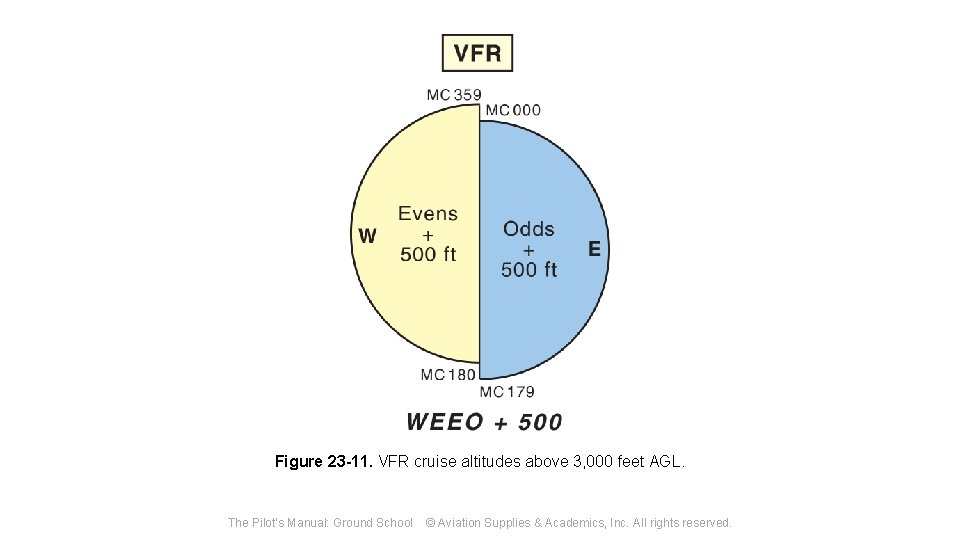
Figure 23 -11. VFR cruise altitudes above 3, 000 feet AGL. The Pilot's Manual: Ground School © Aviation Supplies & Academics, Inc. All rights reserved.
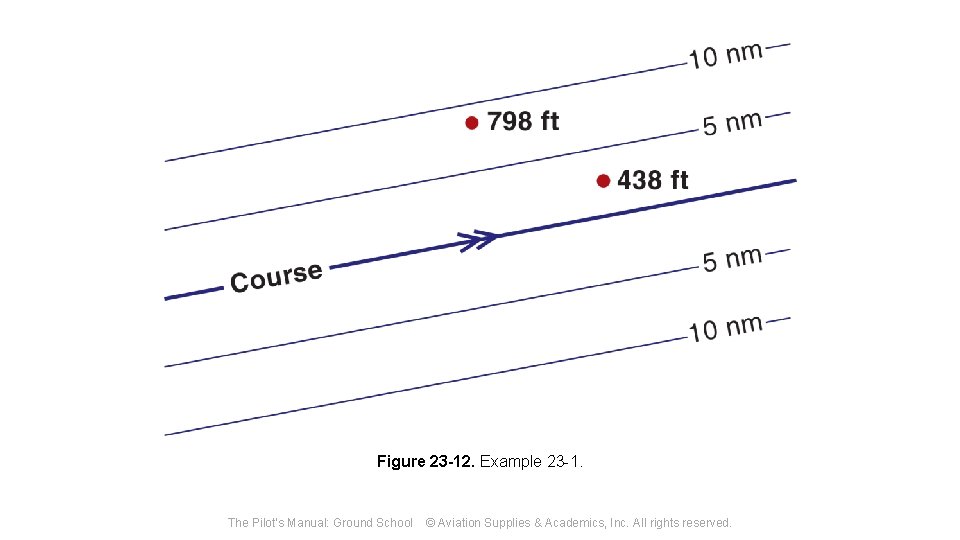
Figure 23 -12. Example 23 -1. The Pilot's Manual: Ground School © Aviation Supplies & Academics, Inc. All rights reserved.
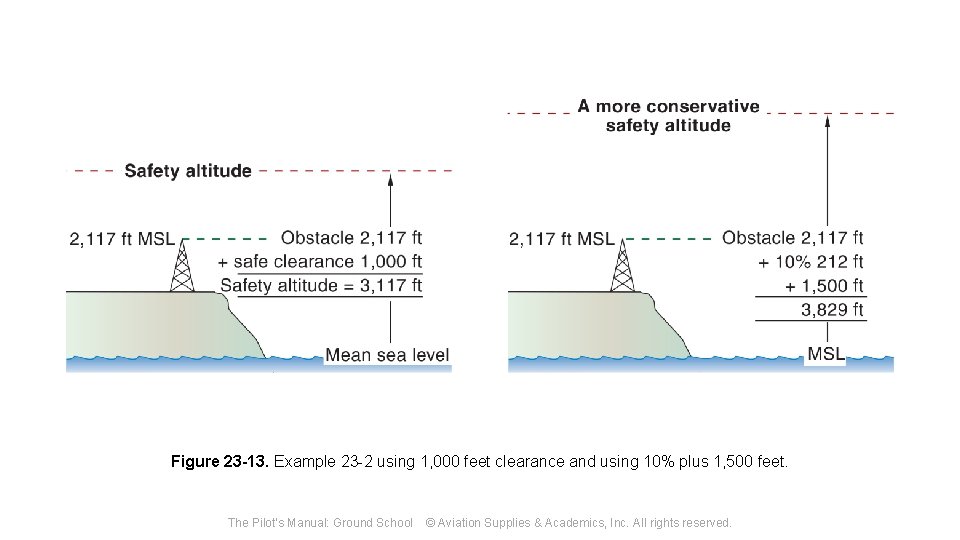
Figure 23 -13. Example 23 -2 using 1, 000 feet clearance and using 10% plus 1, 500 feet. The Pilot's Manual: Ground School © Aviation Supplies & Academics, Inc. All rights reserved.
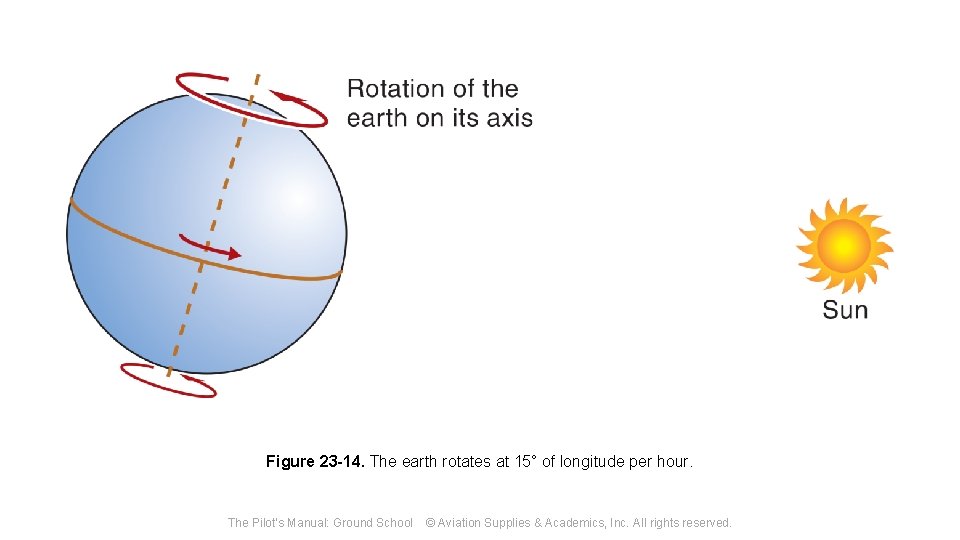
Figure 23 -14. The earth rotates at 15° of longitude per hour. The Pilot's Manual: Ground School © Aviation Supplies & Academics, Inc. All rights reserved.
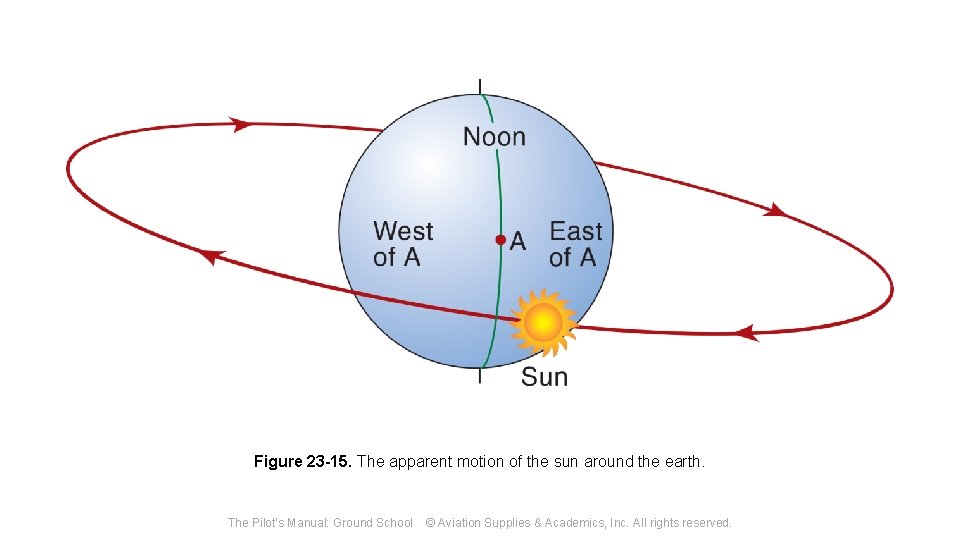
Figure 23 -15. The apparent motion of the sun around the earth. The Pilot's Manual: Ground School © Aviation Supplies & Academics, Inc. All rights reserved.
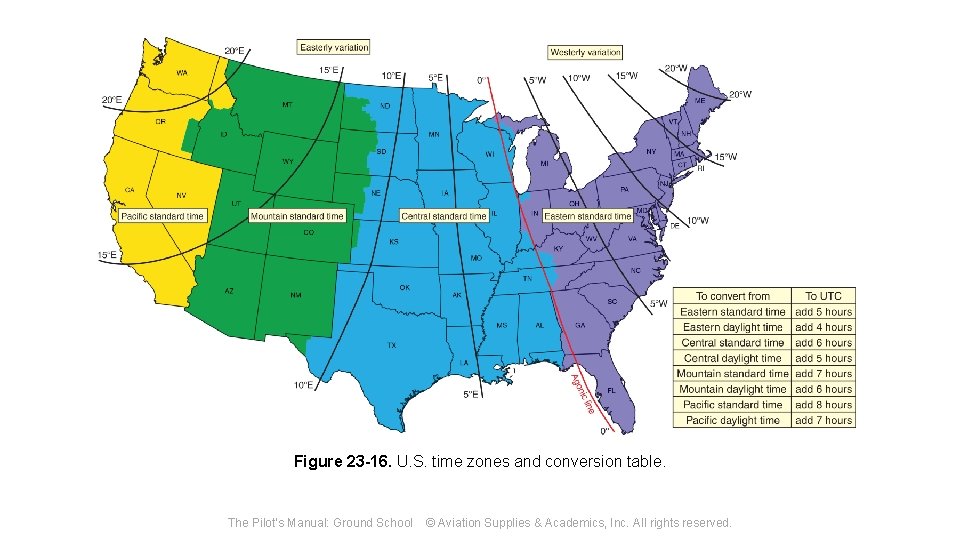
Figure 23 -16. U. S. time zones and conversion table. The Pilot's Manual: Ground School © Aviation Supplies & Academics, Inc. All rights reserved.
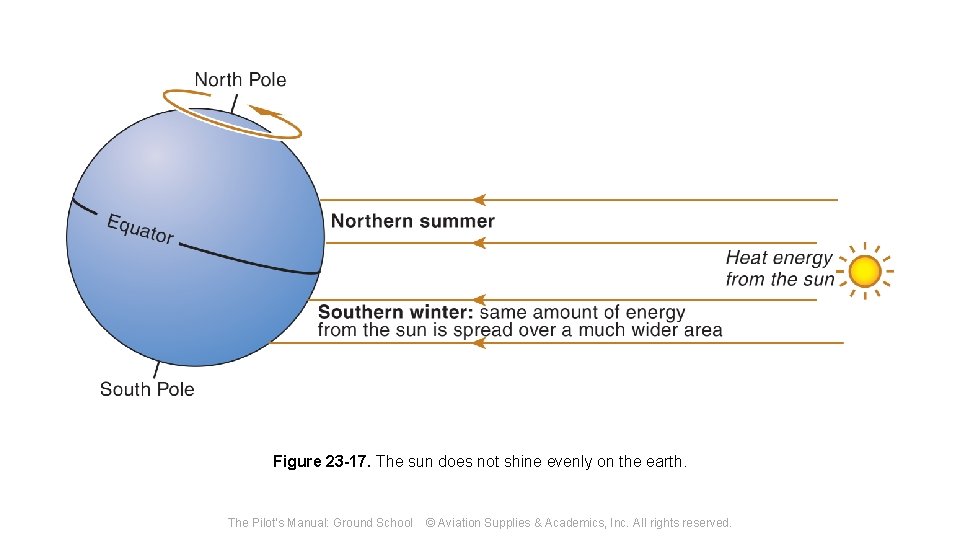
Figure 23 -17. The sun does not shine evenly on the earth. The Pilot's Manual: Ground School © Aviation Supplies & Academics, Inc. All rights reserved.
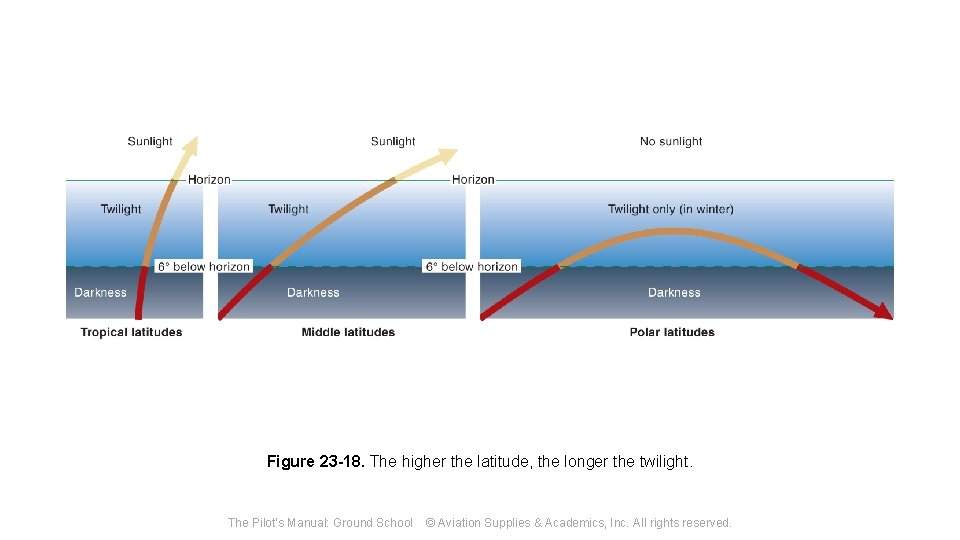
Figure 23 -18. The higher the latitude, the longer the twilight. The Pilot's Manual: Ground School © Aviation Supplies & Academics, Inc. All rights reserved.
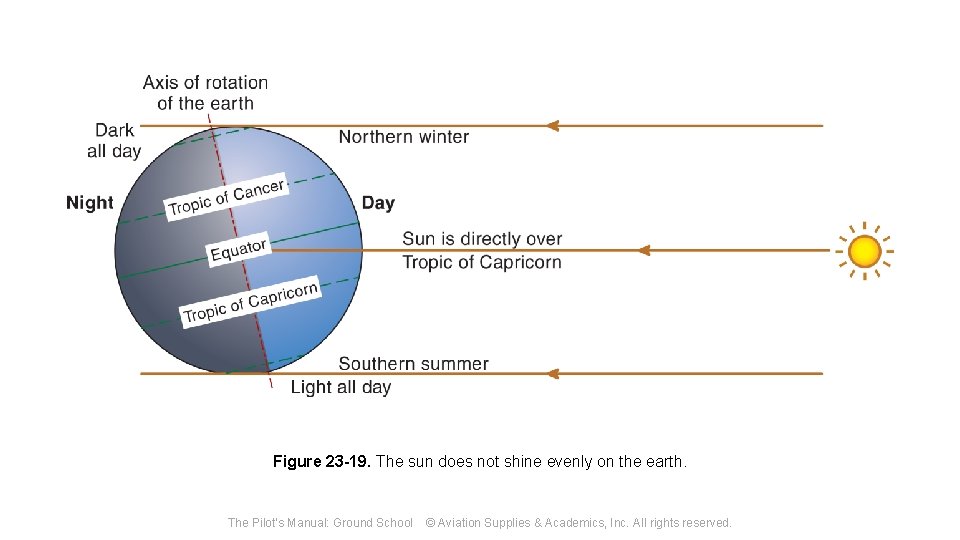
Figure 23 -19. The sun does not shine evenly on the earth. The Pilot's Manual: Ground School © Aviation Supplies & Academics, Inc. All rights reserved.
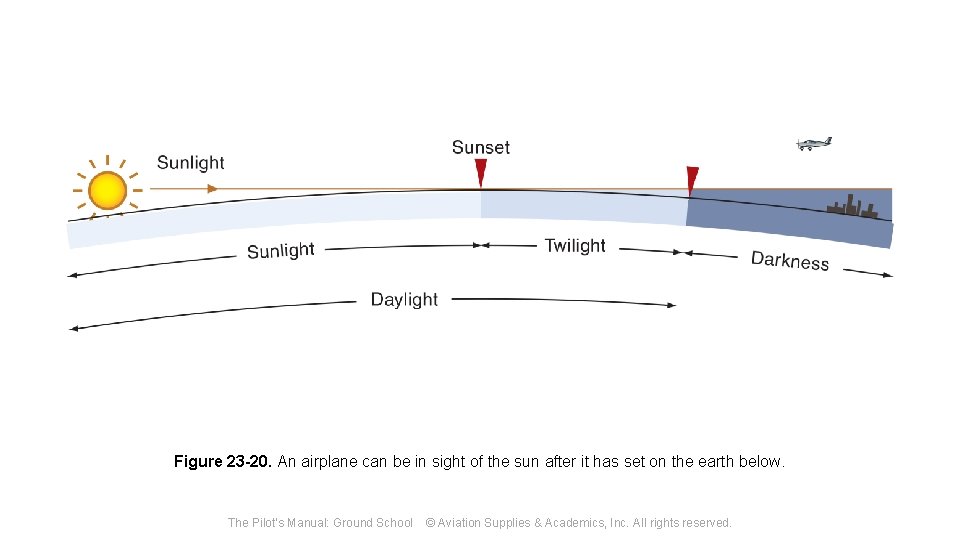
Figure 23 -20. An airplane can be in sight of the sun after it has set on the earth below. The Pilot's Manual: Ground School © Aviation Supplies & Academics, Inc. All rights reserved.
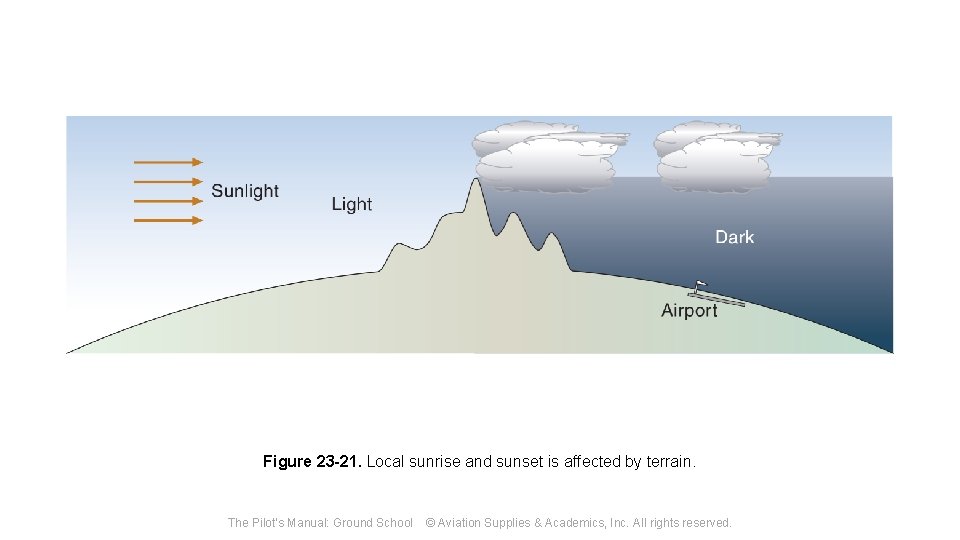
Figure 23 -21. Local sunrise and sunset is affected by terrain. The Pilot's Manual: Ground School © Aviation Supplies & Academics, Inc. All rights reserved.
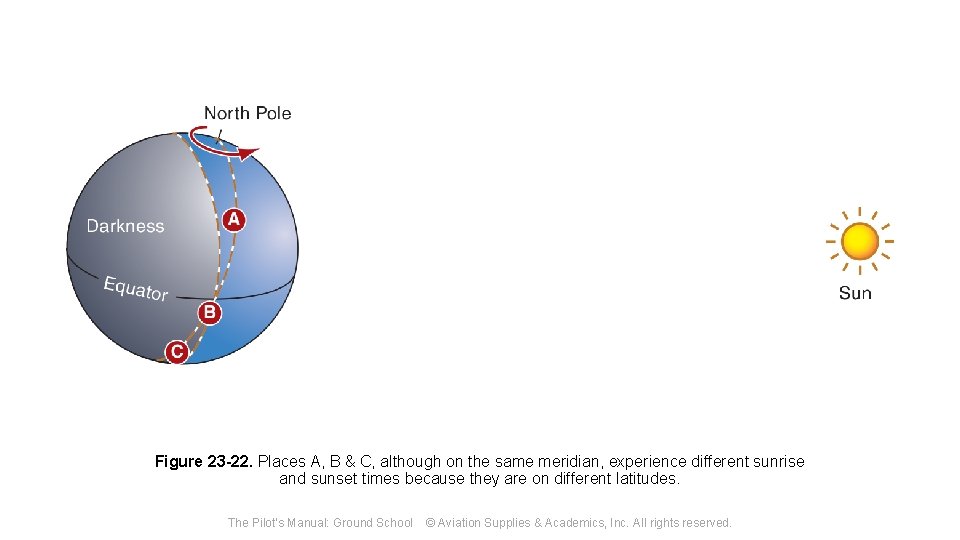
Figure 23 -22. Places A, B & C, although on the same meridian, experience different sunrise and sunset times because they are on different latitudes. The Pilot's Manual: Ground School © Aviation Supplies & Academics, Inc. All rights reserved.
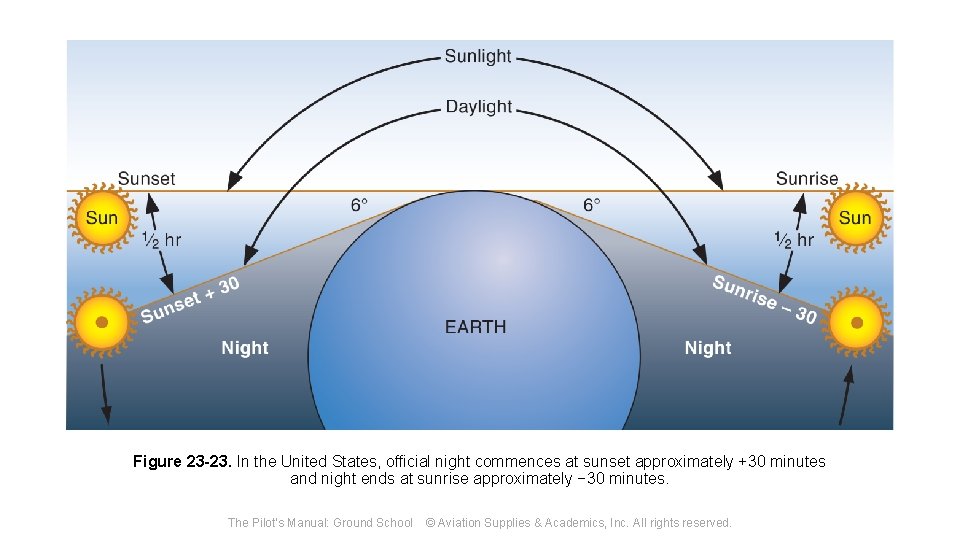
Figure 23 -23. In the United States, official night commences at sunset approximately +30 minutes and night ends at sunrise approximately − 30 minutes. The Pilot's Manual: Ground School © Aviation Supplies & Academics, Inc. All rights reserved.
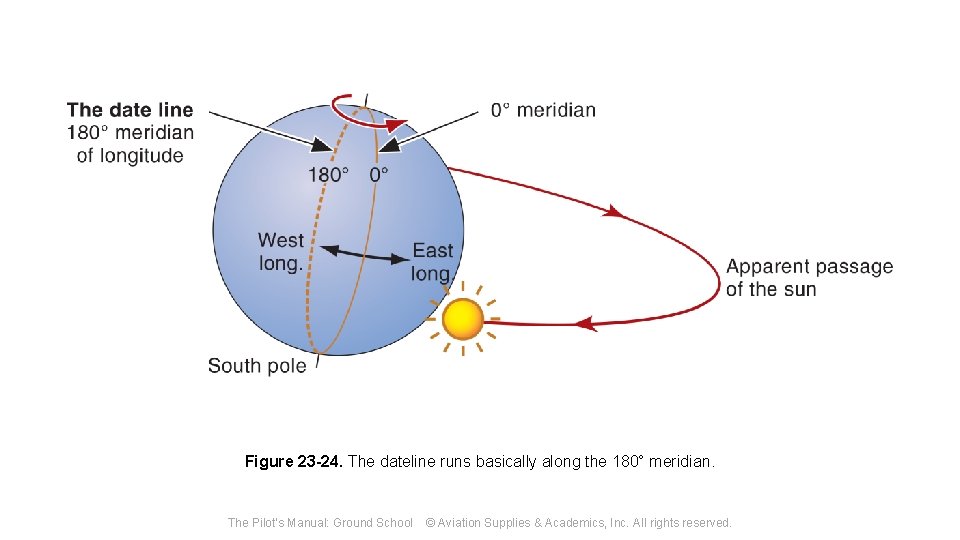
Figure 23 -24. The dateline runs basically along the 180° meridian. The Pilot's Manual: Ground School © Aviation Supplies & Academics, Inc. All rights reserved.
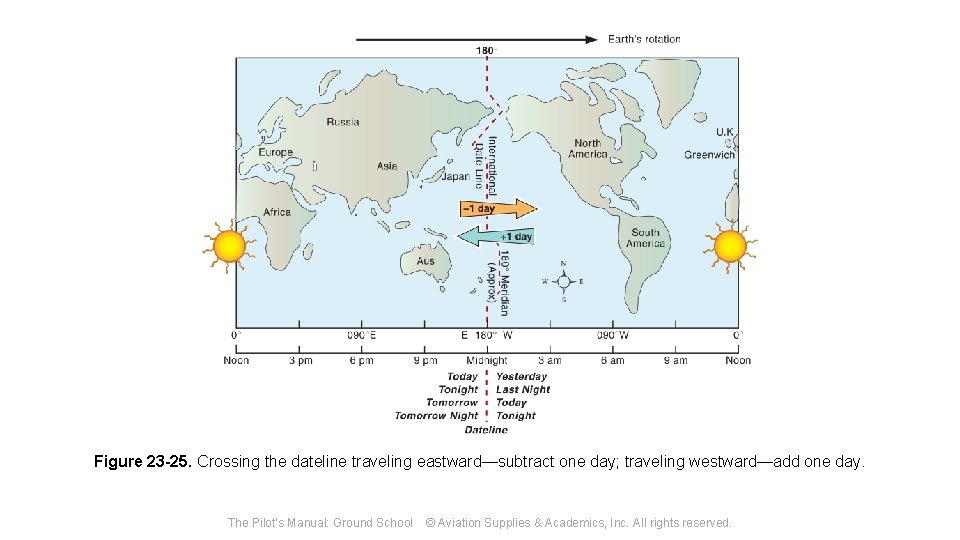
Figure 23 -25. Crossing the dateline traveling eastward—subtract one day; traveling westward—add one day. The Pilot's Manual: Ground School © Aviation Supplies & Academics, Inc. All rights reserved.
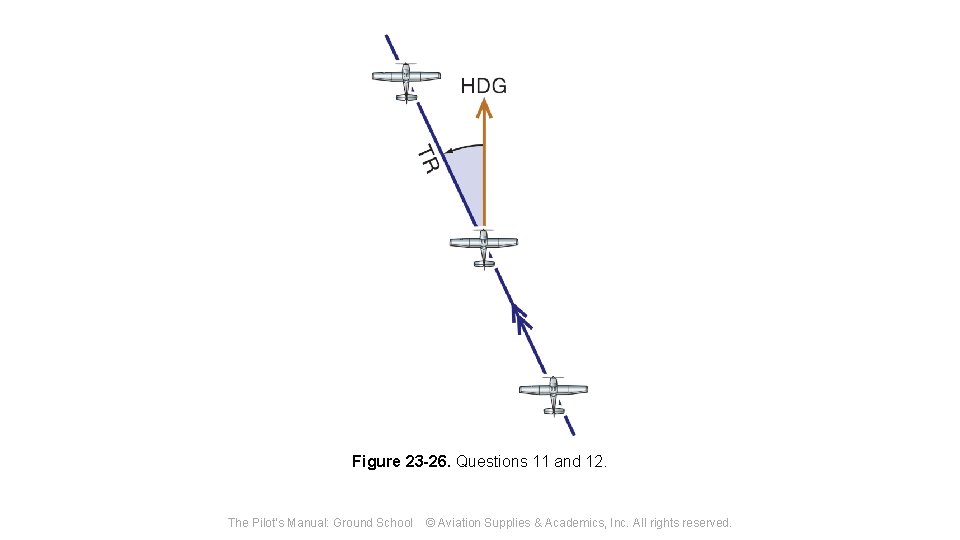
Figure 23 -26. Questions 11 and 12. The Pilot's Manual: Ground School © Aviation Supplies & Academics, Inc. All rights reserved.
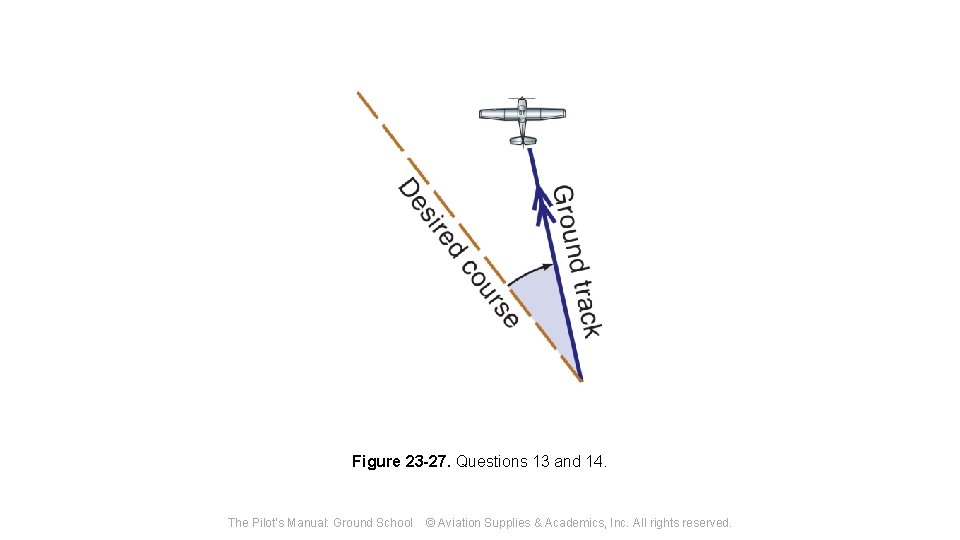
Figure 23 -27. Questions 13 and 14. The Pilot's Manual: Ground School © Aviation Supplies & Academics, Inc. All rights reserved.
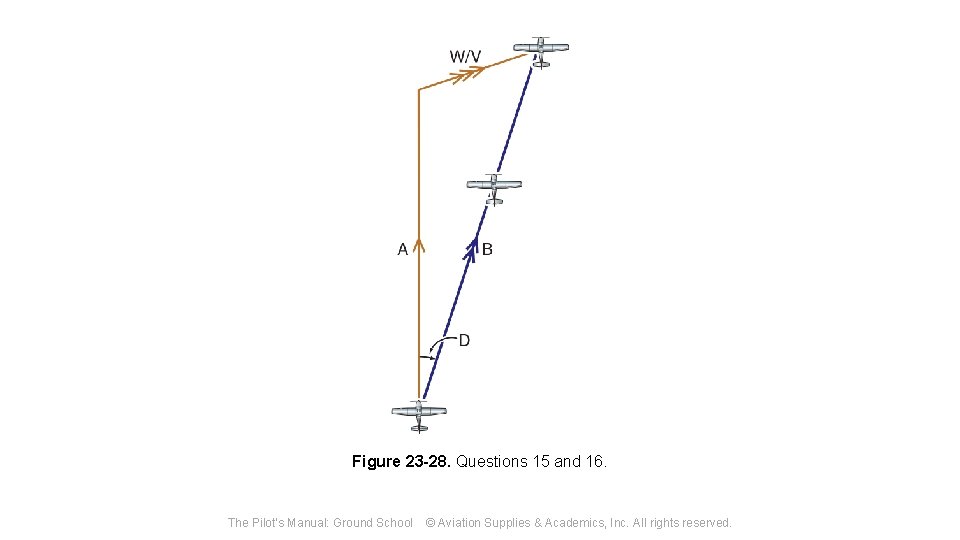
Figure 23 -28. Questions 15 and 16. The Pilot's Manual: Ground School © Aviation Supplies & Academics, Inc. All rights reserved.
Figure 23 -29. Time conversion table. The Pilot's Manual: Ground School © Aviation Supplies & Academics, Inc. All rights reserved.