
Flavor FDSC 400 Flavor Taste trigeminal response and

- Slides: 18
Flavor FDSC 400
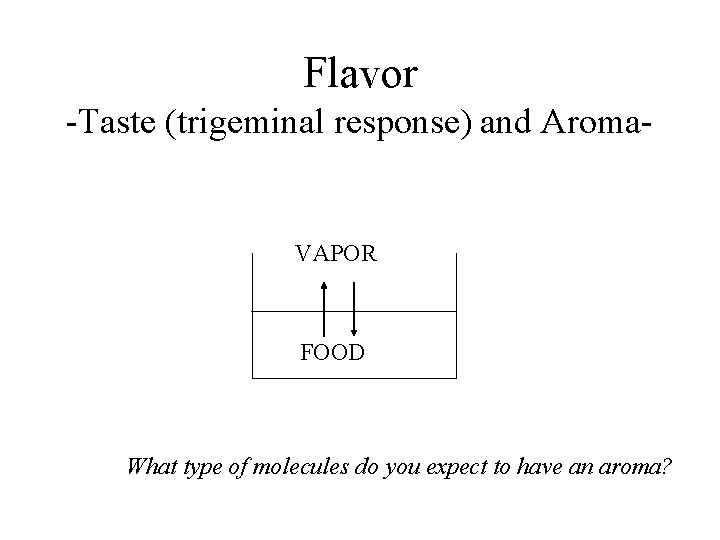
Flavor -Taste (trigeminal response) and Aroma- VAPOR FOOD What type of molecules do you expect to have an aroma?
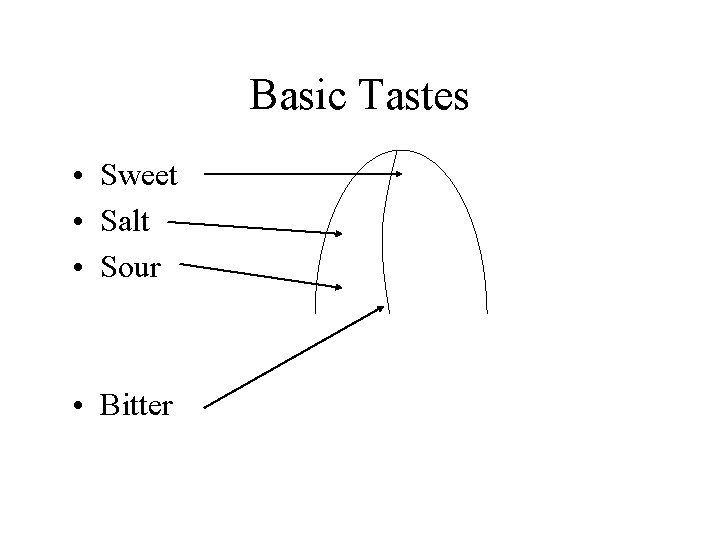
Basic Tastes • Sweet • Salt • Sour • Bitter
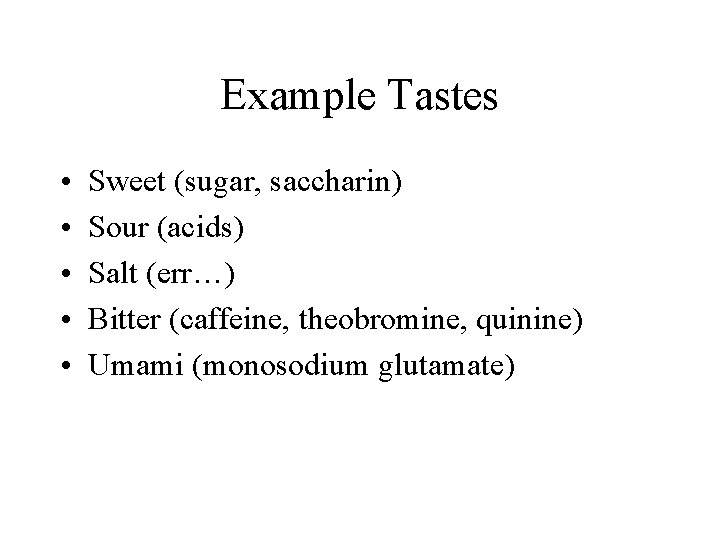
Example Tastes • • • Sweet (sugar, saccharin) Sour (acids) Salt (err…) Bitter (caffeine, theobromine, quinine) Umami (monosodium glutamate)
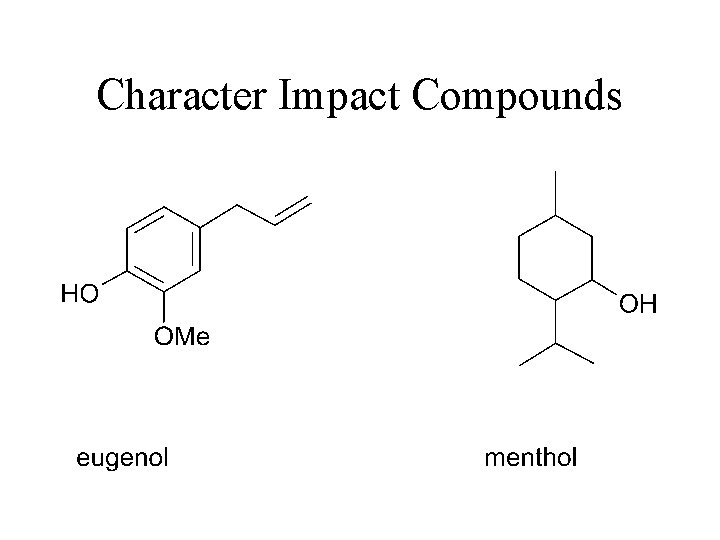
Example Trigeminal Stimulants • Heat (capsaicin) • Cooling (menthol – also some aroma component) • Astringent (cold tea, banana peel)
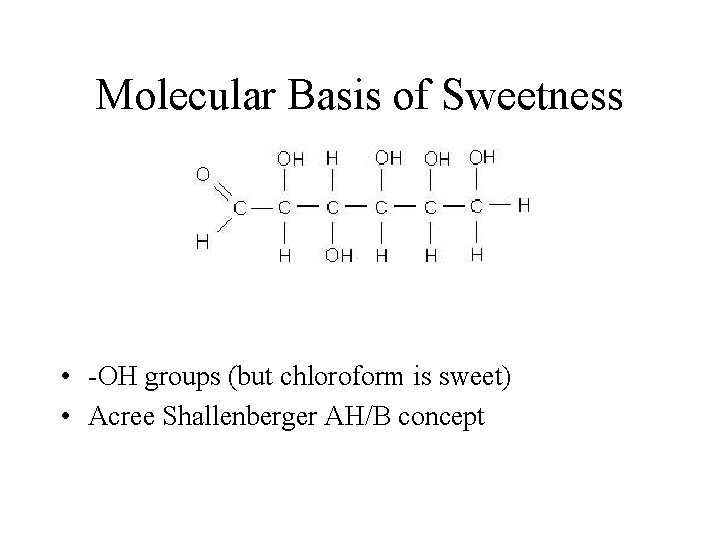
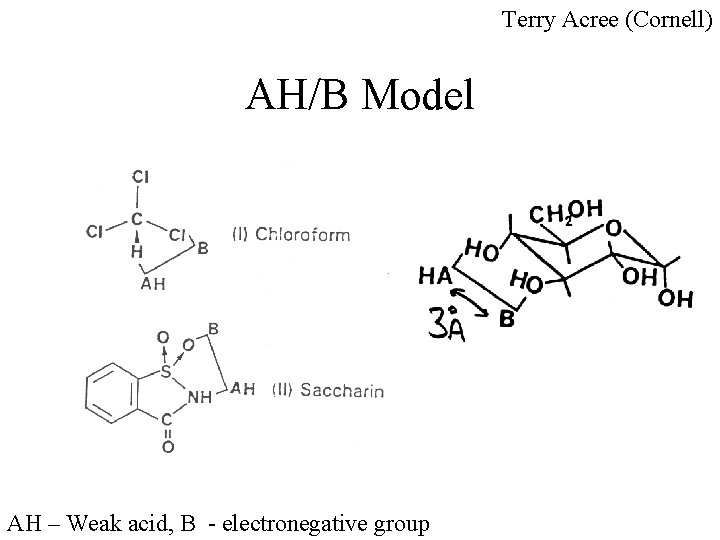
Molecular Basis of Sweetness • -OH groups (but chloroform is sweet) • Acree Shallenberger AH/B concept
Terry Acree (Cornell) AH/B Model AH – Weak acid, B - electronegative group
Aroma Terms • Character impact compound • Flavor notes • Threshold values
Character Impact Compounds
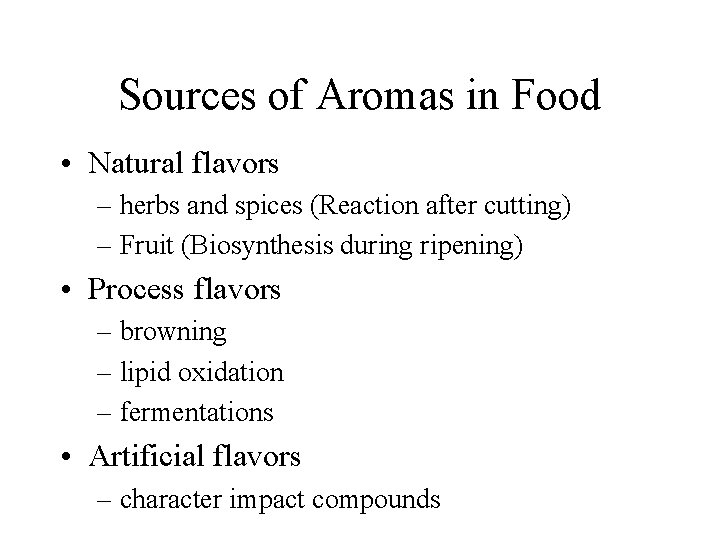
Sources of Aromas in Food • Natural flavors – herbs and spices (Reaction after cutting) – Fruit (Biosynthesis during ripening) • Process flavors – browning – lipid oxidation – fermentations • Artificial flavors – character impact compounds
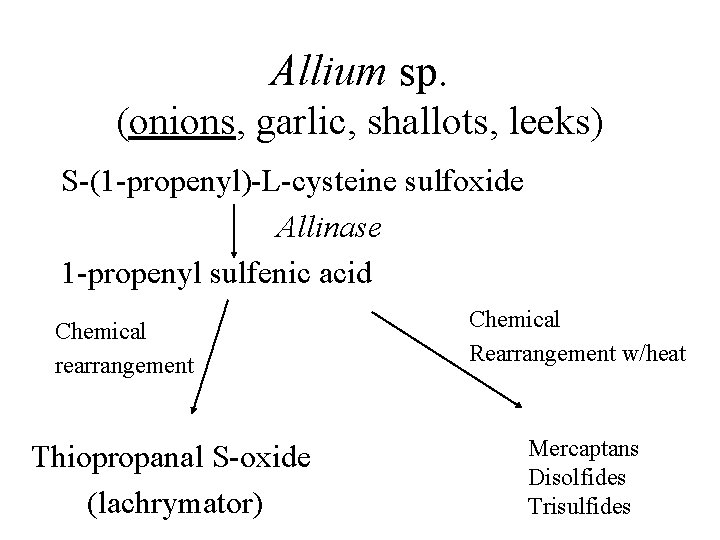
Allium sp. (onions, garlic, shallots, leeks) S-(1 -propenyl)-L-cysteine sulfoxide Allinase 1 -propenyl sulfenic acid Chemical rearrangement Thiopropanal S-oxide (lachrymator) Chemical Rearrangement w/heat Mercaptans Disolfides Trisulfides
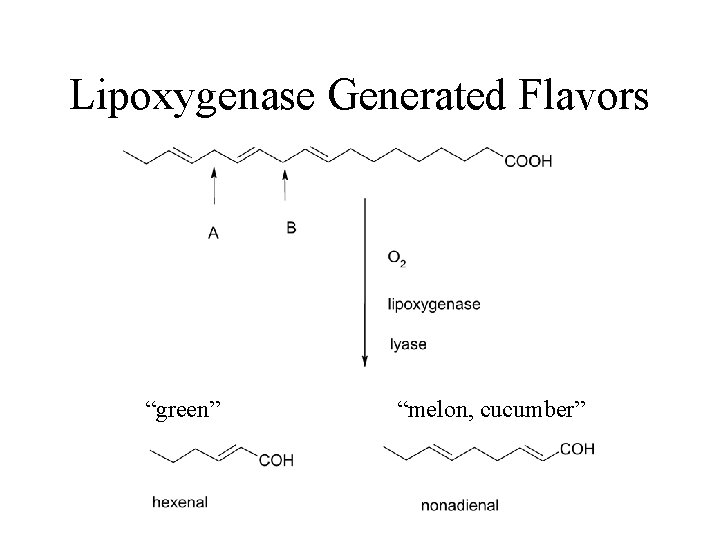
Lipoxygenase Generated Flavors “green” “melon, cucumber”
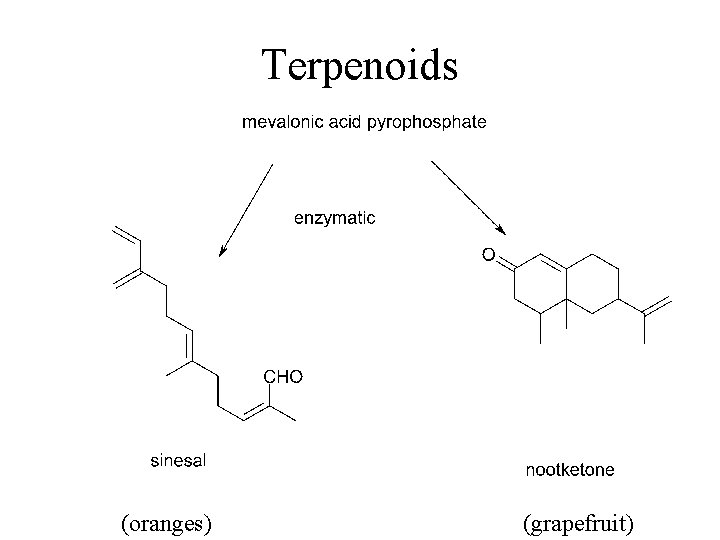
Terpenoids (oranges) (grapefruit)
Herbs and Spices • Herbs: Aromatic soft-stemmed plants • Spices: All other aromatic plant materials – Roots – Buds – Seeds – Bark
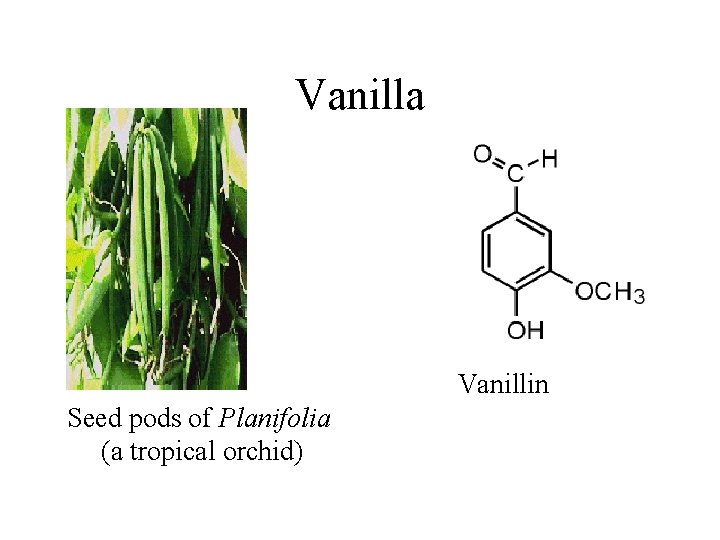
Vanilla Vanillin Seed pods of Planifolia (a tropical orchid)
Volatile Blends • Peppermint: Menthol, menthone, menthofuran • Spearmint; Carvone, carvone derivatives • Nutmeg: Sabinine, pinene, myristicin