
FLASH CARDS AS RESOURCES FOR TEACHING PHYSICAL SCIENCE

- Slides: 26
FLASH CARDS AS RESOURCES FOR TEACHING PHYSICAL SCIENCE By, M. Sathya bama I B. Ed, Physical science Roll. No: 44
OUTLINE • • • Introduction Types of visual resources Edgar Dale’s Cone of Experiences Definitions of flash cards Principle Uses Preparation of flash card Advantages Disadvantages Conclusion
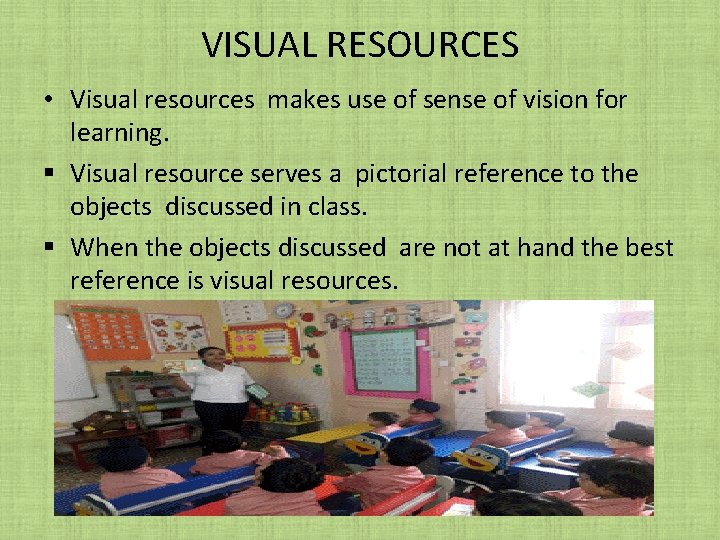
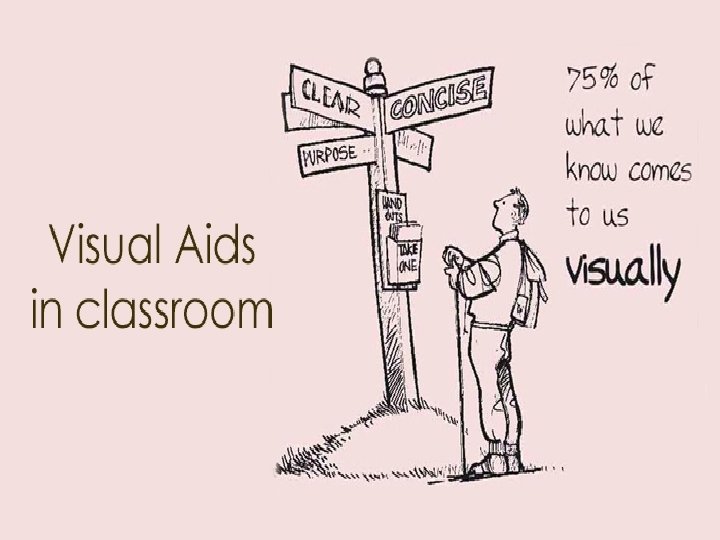
VISUAL RESOURCES • Visual resources makes use of sense of vision for learning. § Visual resource serves a pictorial reference to the objects discussed in class. § When the objects discussed are not at hand the best reference is visual resources.
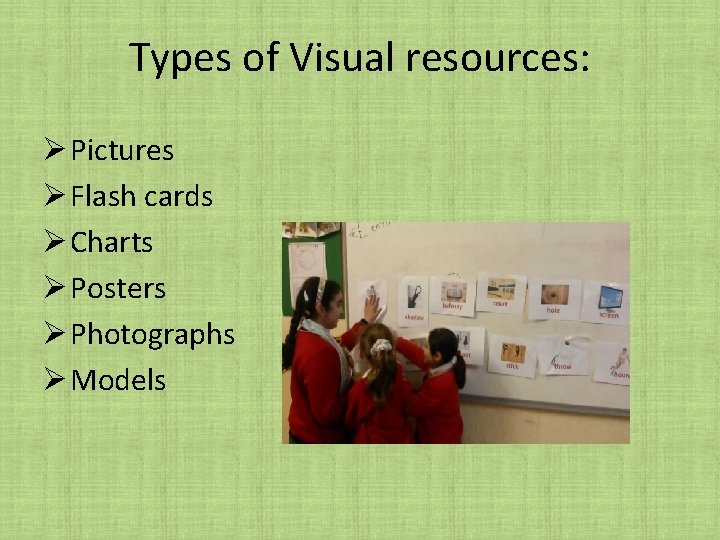
Types of Visual resources: Ø Pictures Ø Flash cards Ø Charts Ø Posters Ø Photographs Ø Models
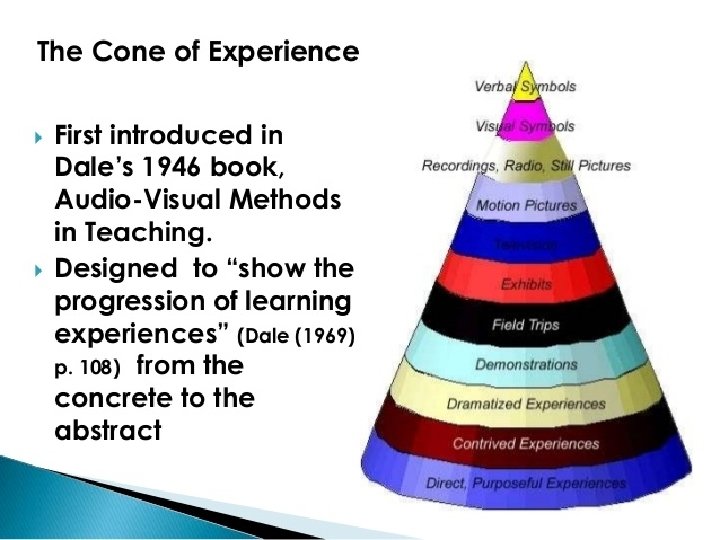
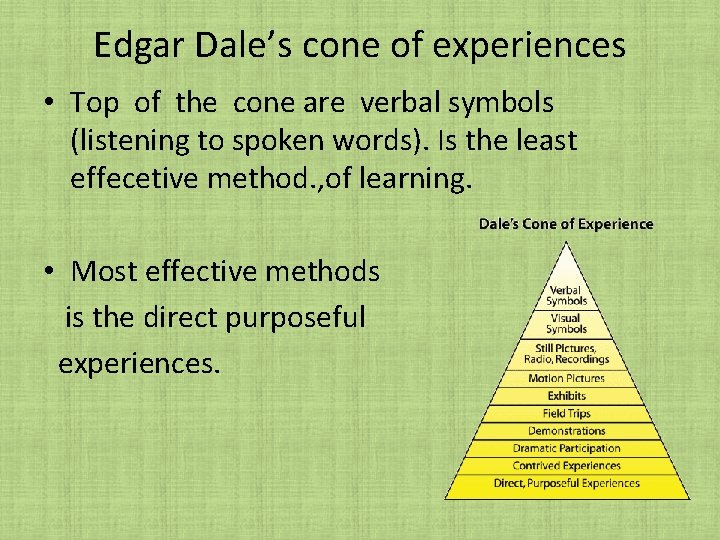
Edgar Dale’s cone of experiences • Top of the cone are verbal symbols (listening to spoken words). Is the least effecetive method. , of learning. • Most effective methods is the direct purposeful experiences.
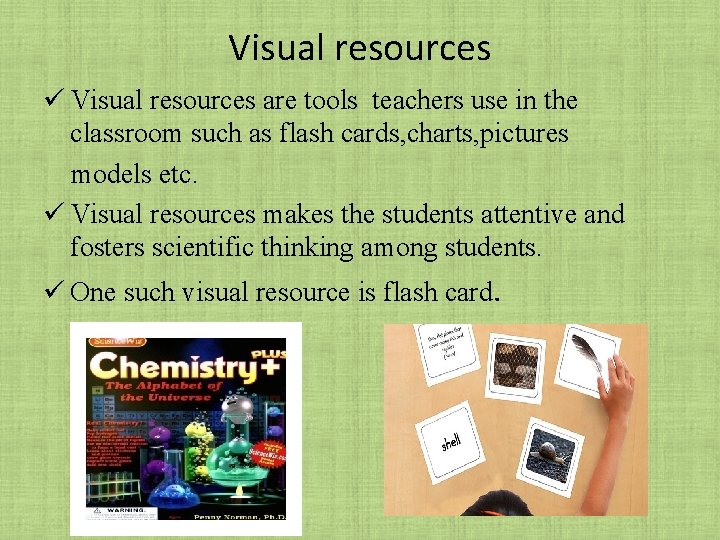
Visual resources ü Visual resources are tools teachers use in the classroom such as flash cards, charts, pictures models etc. ü Visual resources makes the students attentive and fosters scientific thinking among students. ü One such visual resource is flash card.
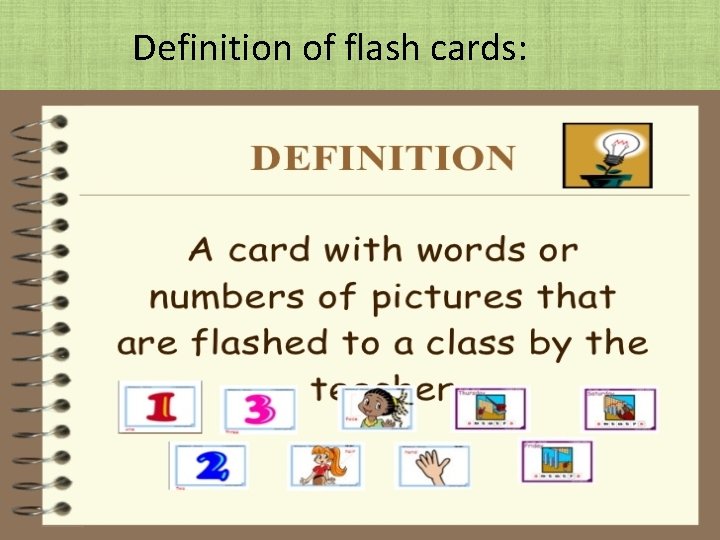
Definition of flash cards:
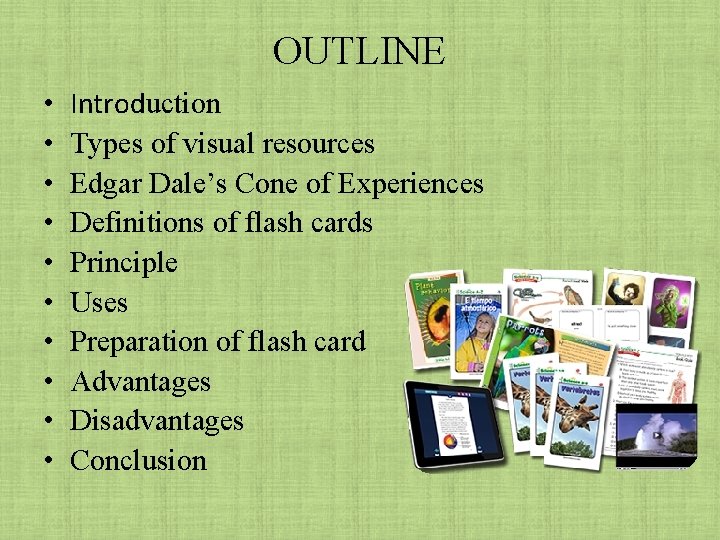
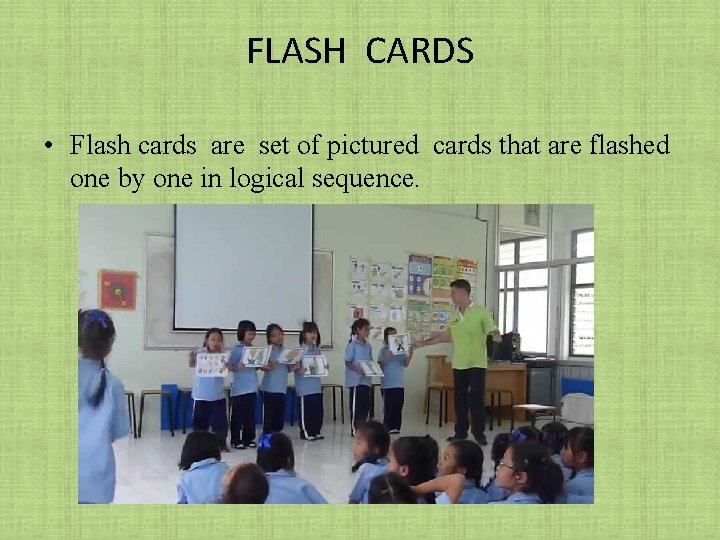
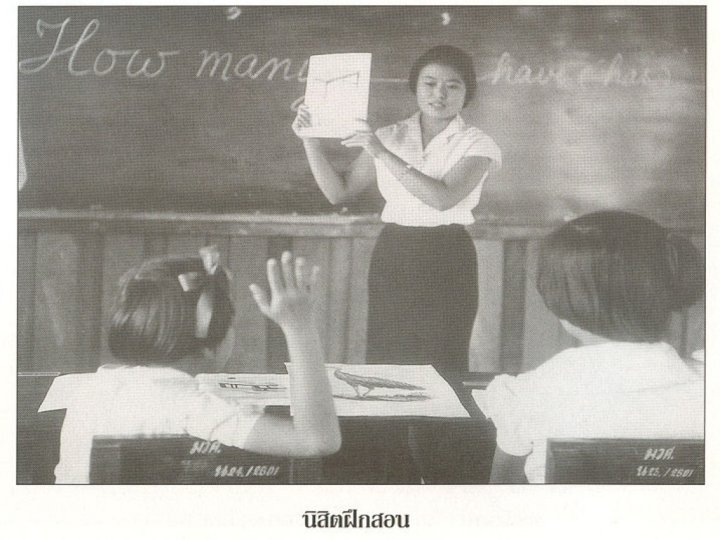
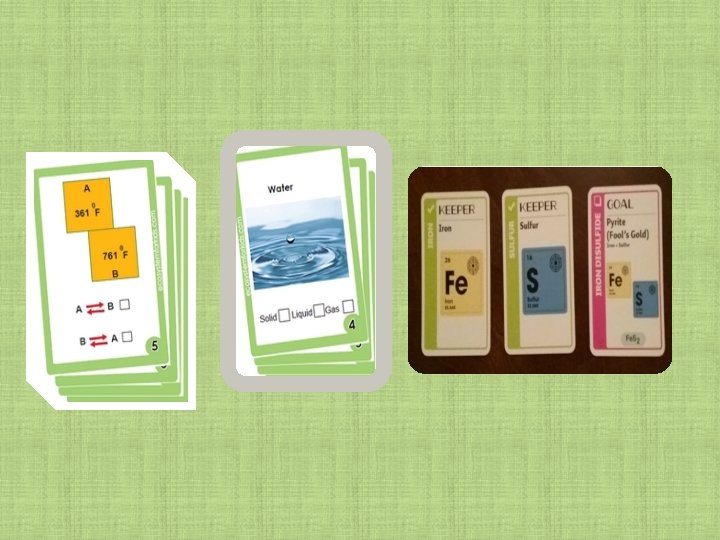
FLASH CARDS • Flash cards are set of pictured cards that are flashed one by one in logical sequence.
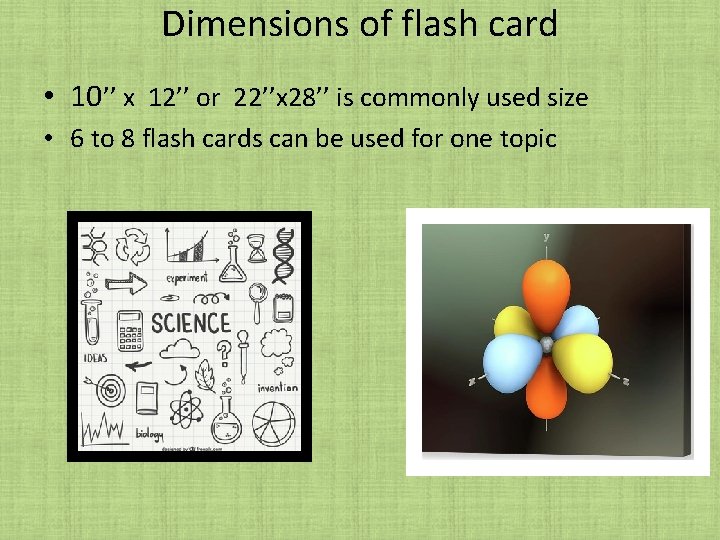
Dimensions of flash card • 10’’ x 12’’ or 22’’x 28’’ is commonly used size • 6 to 8 flash cards can be used for one topic
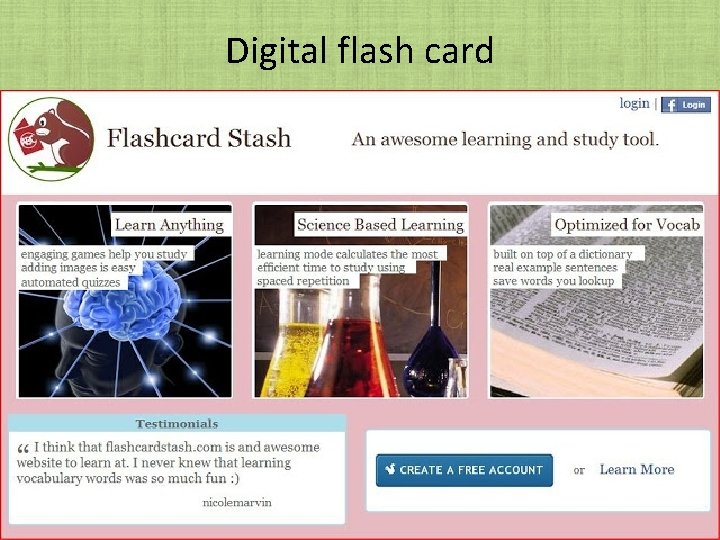
Digital flash card
Uses of flash cards • To give brief introduction about the lesson. • To ask questions related to the subject • Useful when subject is too small to be seen by naked eye example structure of atom. • When subject is non visual. Example: sound waves, electricity • To make the students attentive.
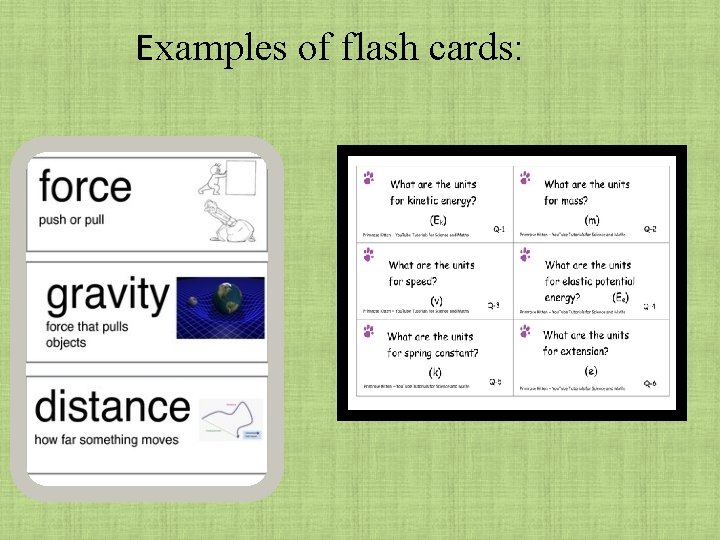
Examples of flash cards:
DISADVANTAGES § Cannot be used for a large group Can get spoiled soon. Preparation is time consuming.
Conclusion: Ø Teachers must utilize the variety of resources and materials for teaching physical science. Ø Visual resources such as flash cards makes the learning of science easy and interesting. Ø So, by using visual resources to maximum extent learning of science can be made simple and understandable.
REFERENCES: • Dr R. C. Sharma, Modern science teaching Dhanpat rai publishing house • Norman B. Massey Patterns of teaching science • Teaching science, Dr. R. C. Gupta, • Handbook for teaching physical science, Nagarajan. • Encyclopedia of teaching physical science