
Flare Sighting and Reporting 16 FEB 2016 Objectives
Flare Sighting and Reporting 16 FEB 2016
Objectives • Identify different types of marine distress flares • Identify other distress signals • Describe how to report a flare sighting • Describe the FIST method 16 FEB 2016

Types of Flares 16 FEB 2016

Aerial Flares 16 FEB 2016
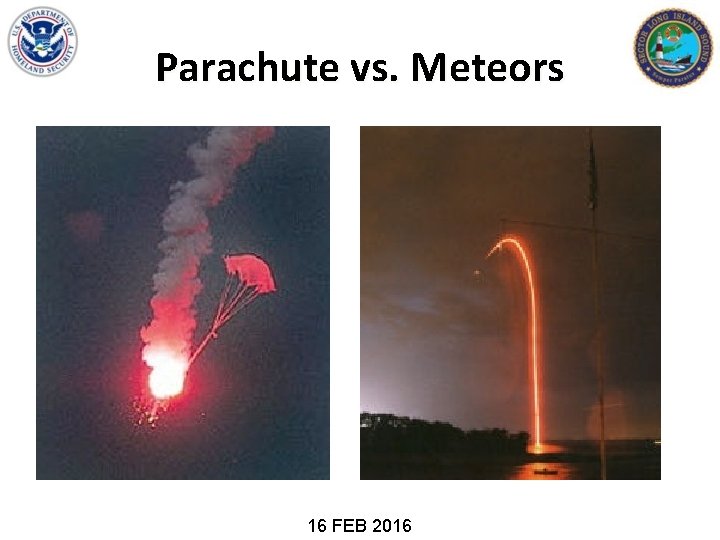
Parachute vs. Meteors 16 FEB 2016

Handheld Flares 16 FEB 2016
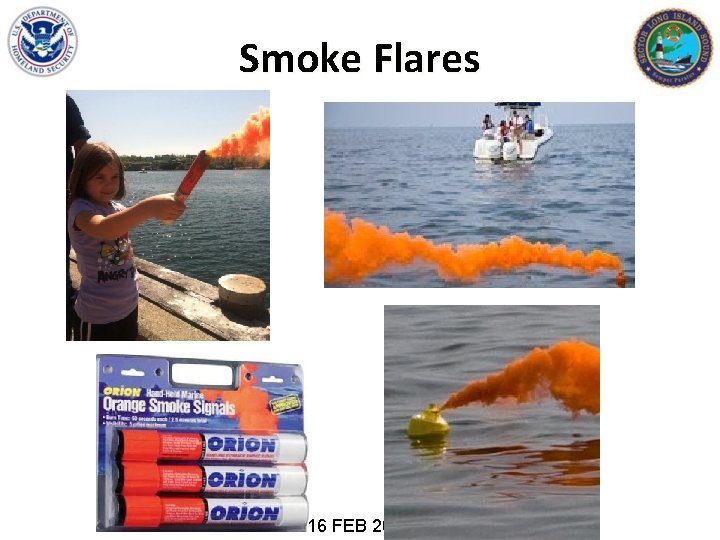
Smoke Flares 16 FEB 2016

Flare Characteristics 16 FEB 2016
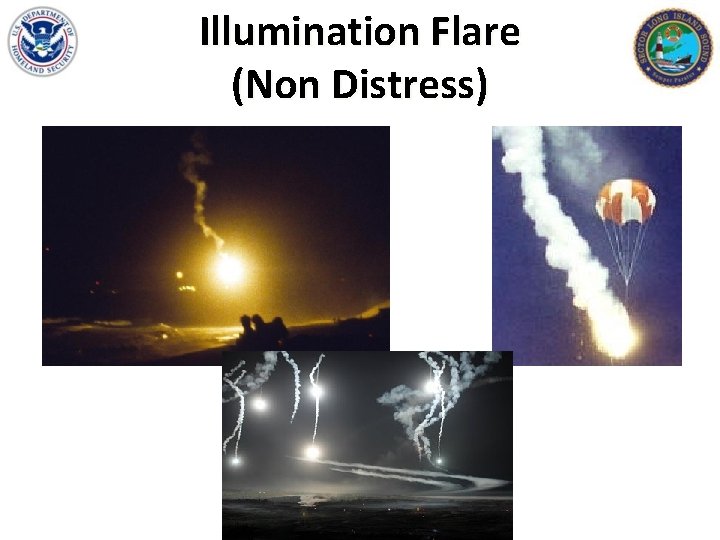
Illumination Flare (Non Distress) 16 FEB 2016
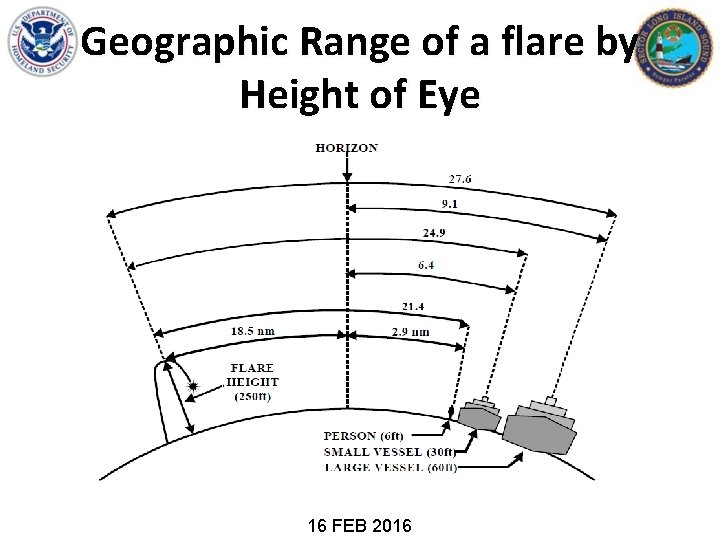
Geographic Range of a flare by Height of Eye 16 FEB 2016
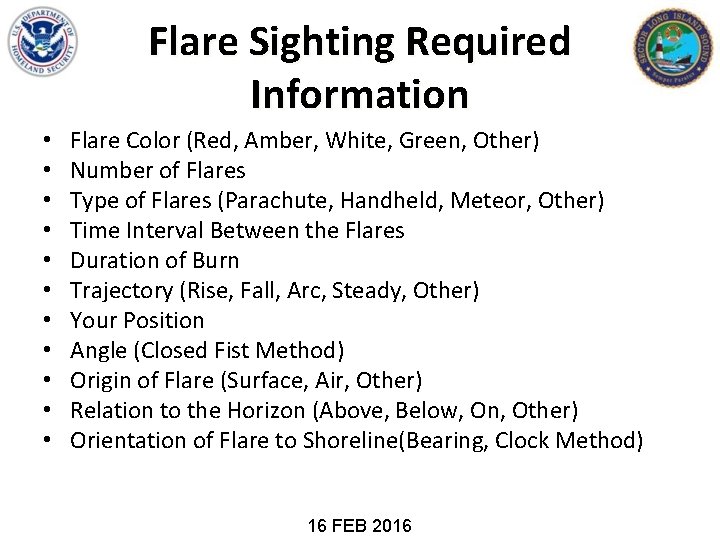
Flare Sighting Required Information • • • Flare Color (Red, Amber, White, Green, Other) Number of Flares Type of Flares (Parachute, Handheld, Meteor, Other) Time Interval Between the Flares Duration of Burn Trajectory (Rise, Fall, Arc, Steady, Other) Your Position Angle (Closed Fist Method) Origin of Flare (Surface, Air, Other) Relation to the Horizon (Above, Below, On, Other) Orientation of Flare to Shoreline(Bearing, Clock Method) 16 FEB 2016
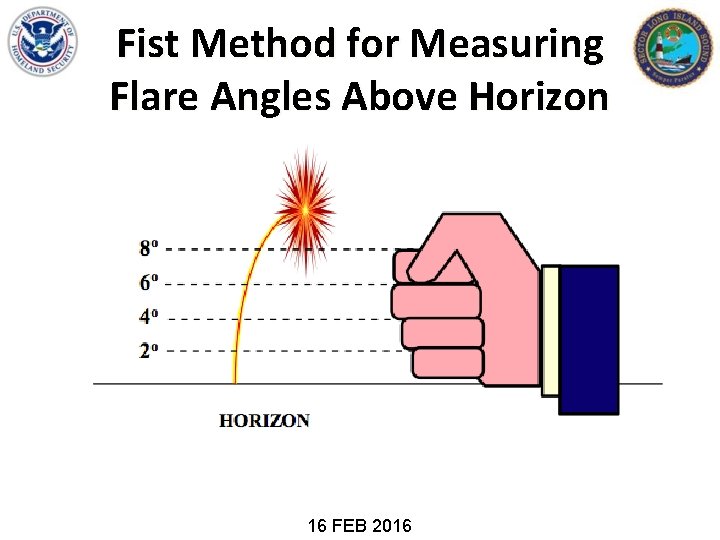
Fist Method for Measuring Flare Angles Above Horizon 16 FEB 2016
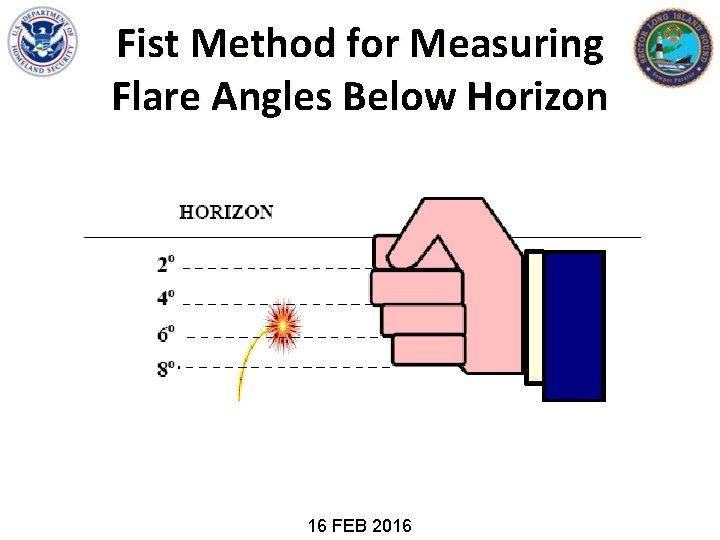
Fist Method for Measuring Flare Angles Below Horizon 16 FEB 2016
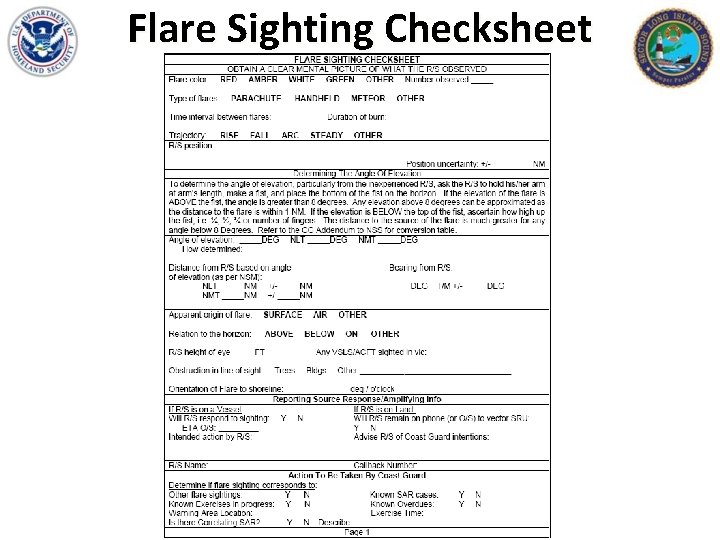
Flare Sighting Checksheet 16 FEB 2016
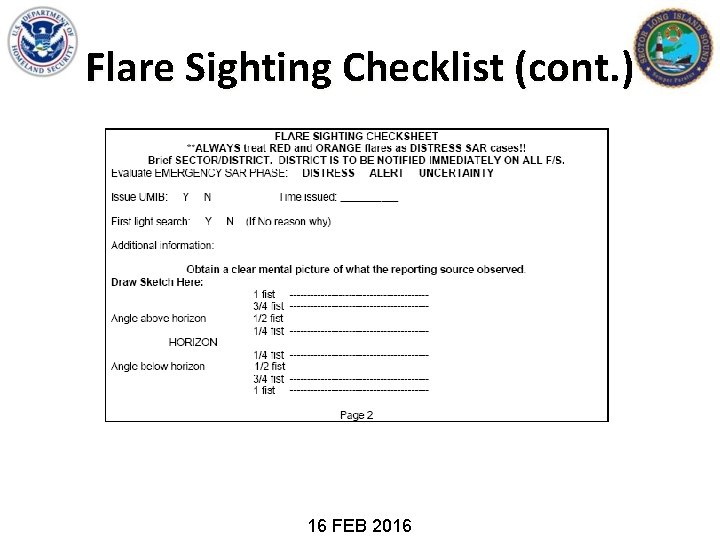
Flare Sighting Checklist (cont. ) 16 FEB 2016
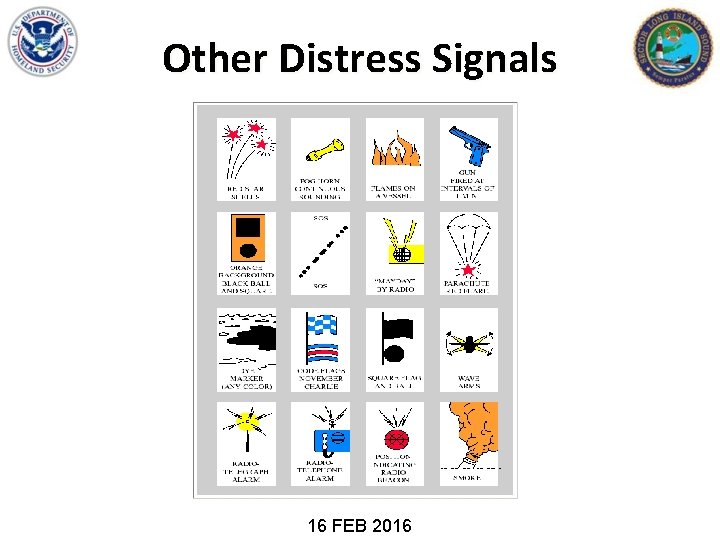
Other Distress Signals 16 FEB 2016
ANY QUESTIONS? 16 FEB 2016
- Slides: 17