
Fishing Methods Traditional analogues for modern methods Spears

- Slides: 49
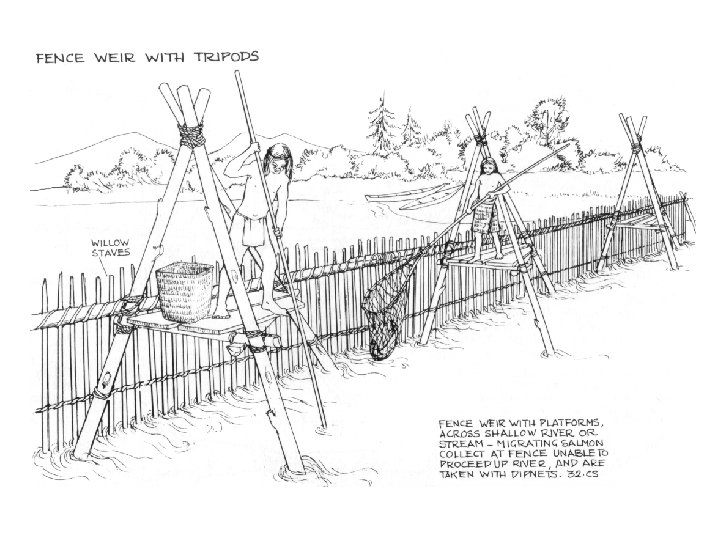
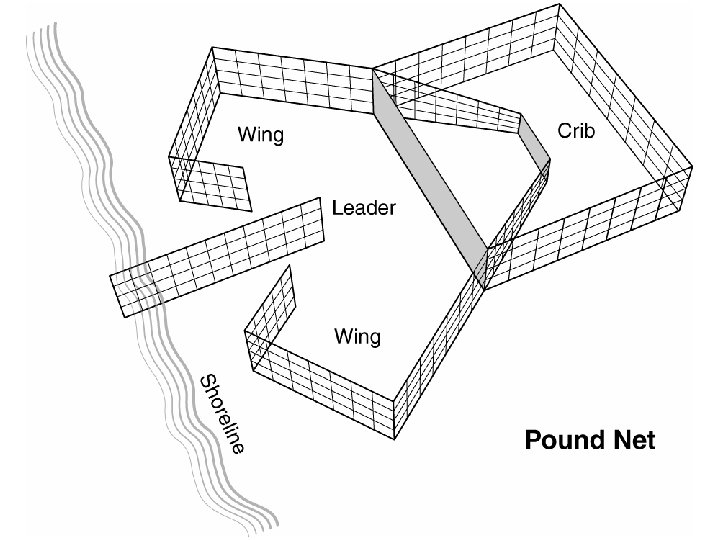
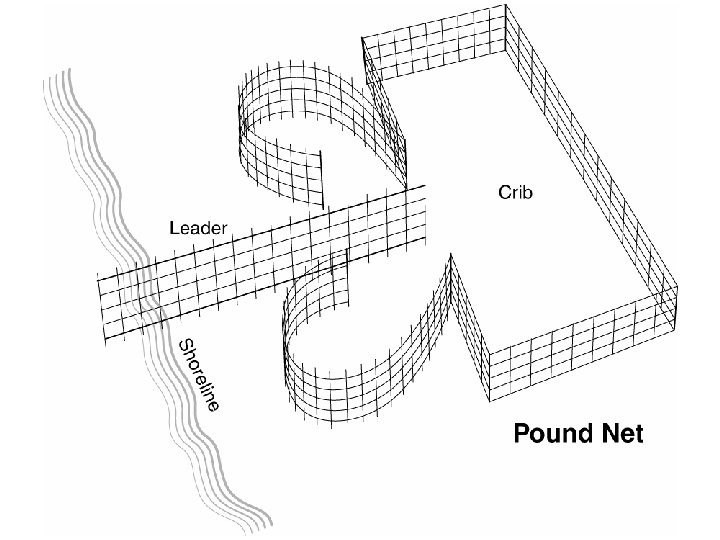
Fishing Methods • • • Traditional analogues for modern methods Spears, arrows Active traps Passive traps, fish ponds Hooks Active nets Passive nets Inland & nearshore subsistence fishing spears exploding harpoons
Old & New Methods • Spear • Hook-n-line • Traps • • Exploding harpoon Trolling-n-chumming Demersal Trawl line Pelagic Trawl line 2000 hooks; 3 -4% Traps FADs
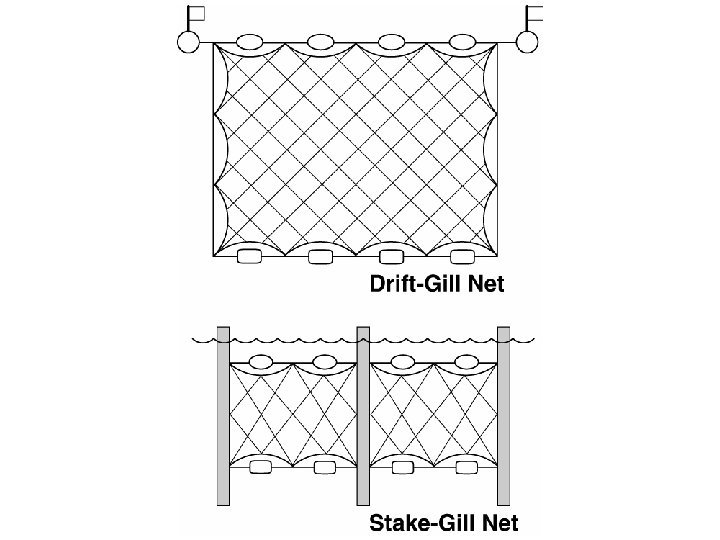
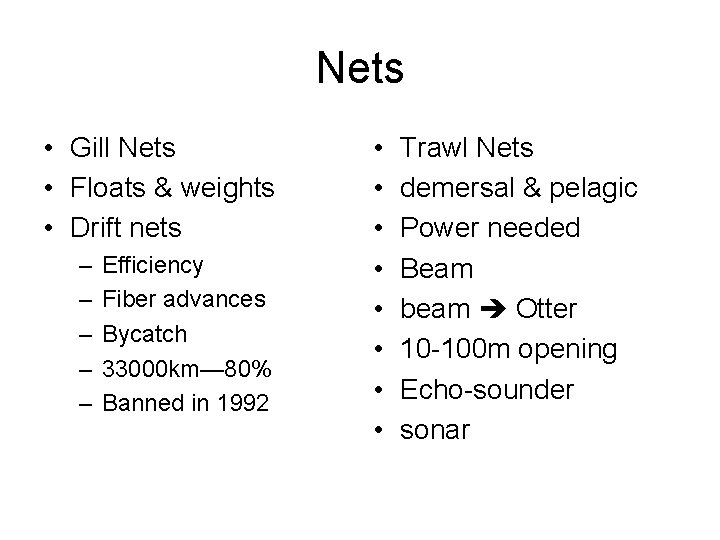
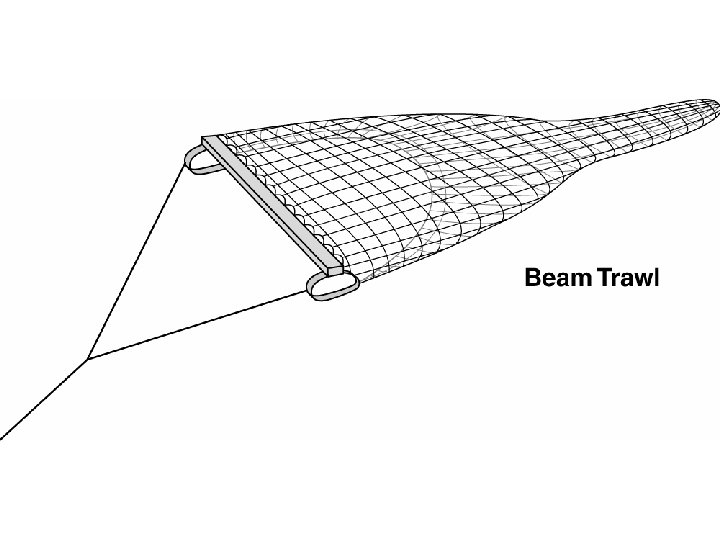
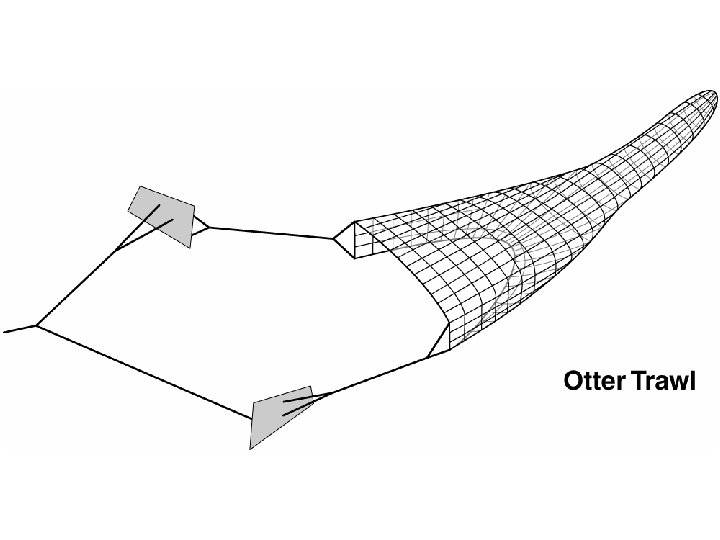
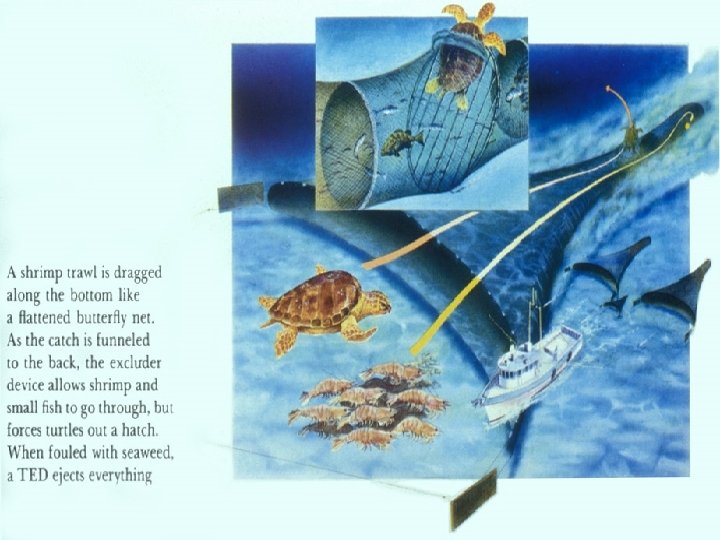
Nets • Gill Nets • Floats & weights • Drift nets – – – Efficiency Fiber advances Bycatch 33000 km— 80% Banned in 1992 • • Trawl Nets demersal & pelagic Power needed Beam beam Otter 10 -100 m opening Echo-sounder sonar
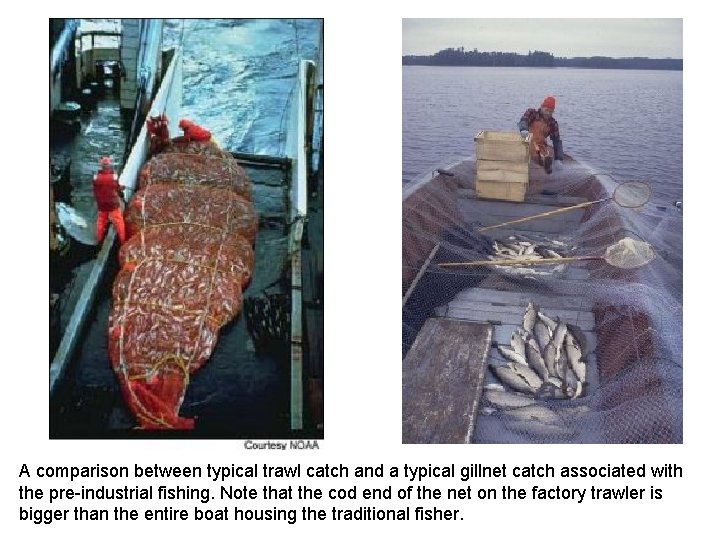
A comparison between typical trawl catch and a typical gillnet catch associated with the pre-industrial fishing. Note that the cod end of the net on the factory trawler is bigger than the entire boat housing the traditional fisher.
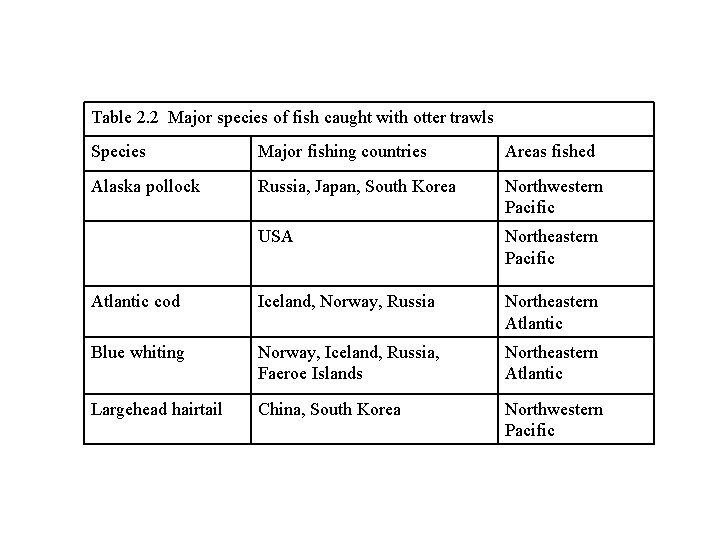
Table 2. 2 Major species of fish caught with otter trawls Species Major fishing countries Areas fished Alaska pollock Russia, Japan, South Korea Northwestern Pacific USA Northeastern Pacific Atlantic cod Iceland, Norway, Russia Northeastern Atlantic Blue whiting Norway, Iceland, Russia, Faeroe Islands Northeastern Atlantic Largehead hairtail China, South Korea Northwestern Pacific
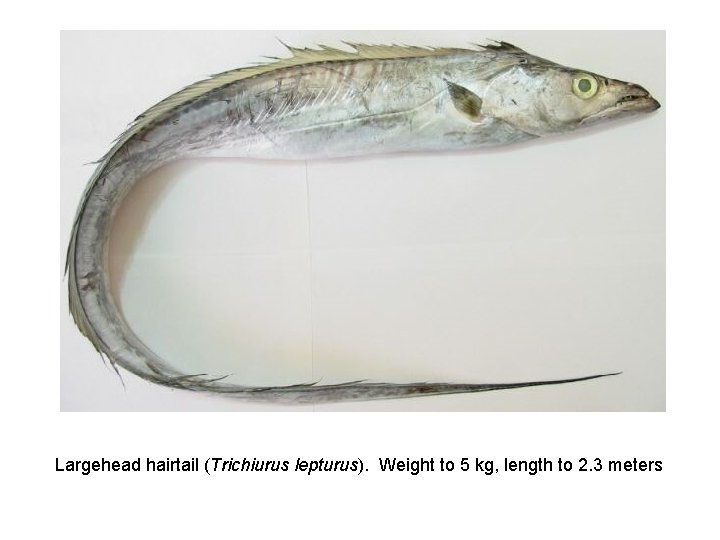
Largehead hairtail (Trichiurus lepturus). Weight to 5 kg, length to 2. 3 meters
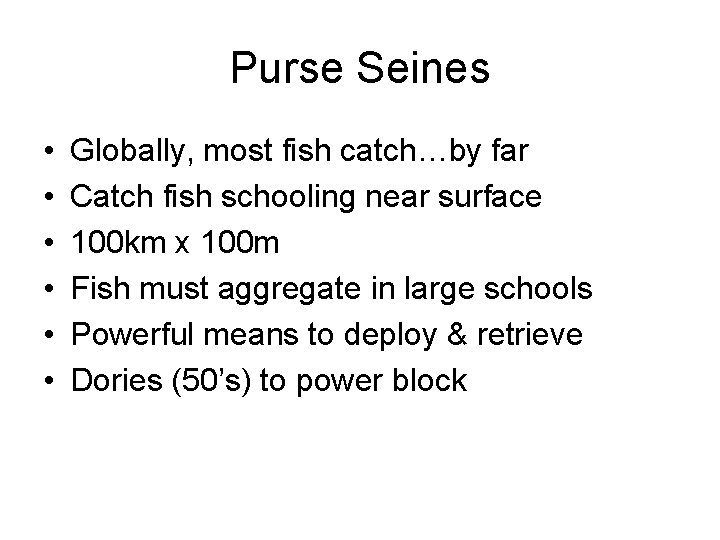
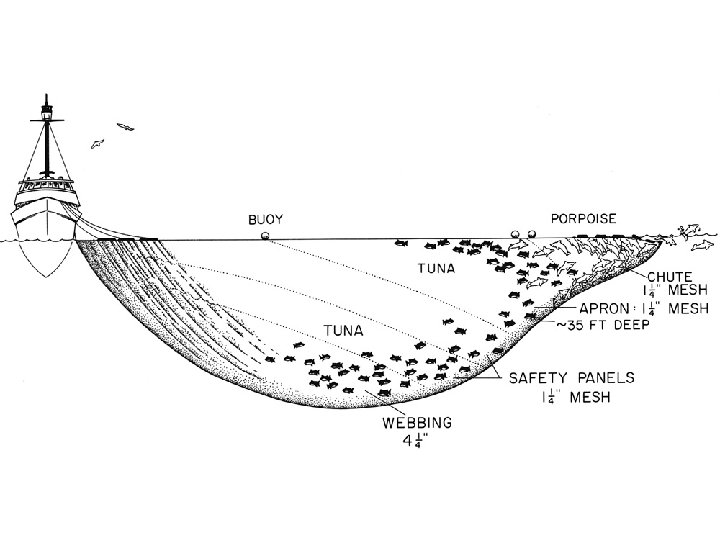
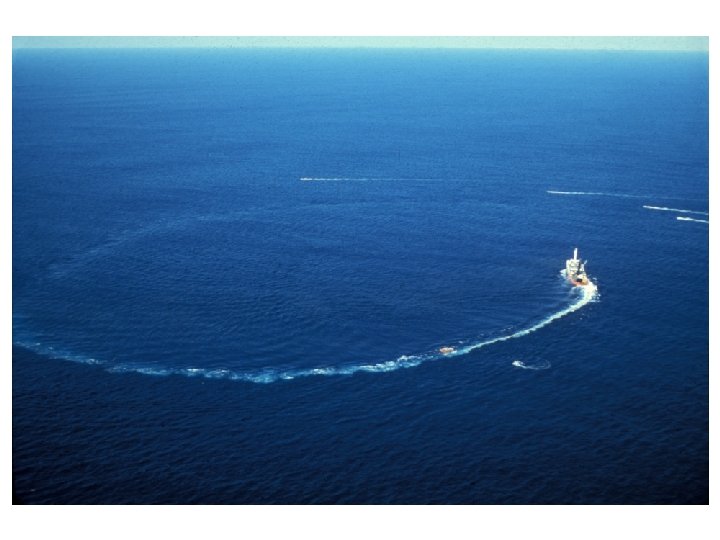
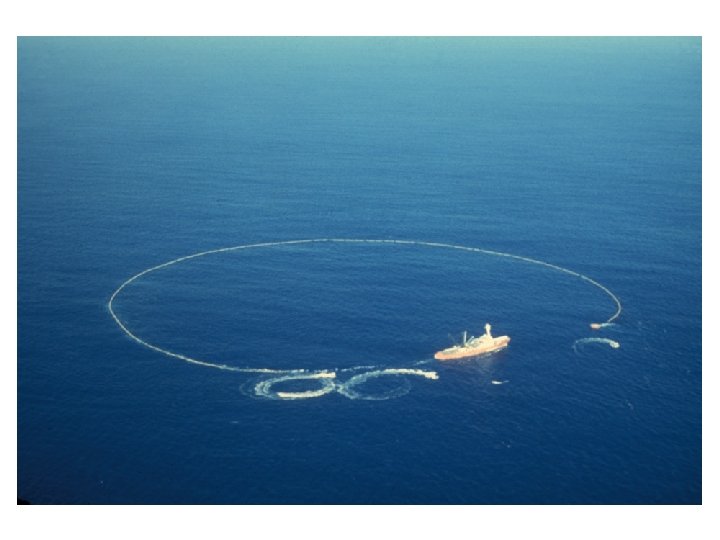
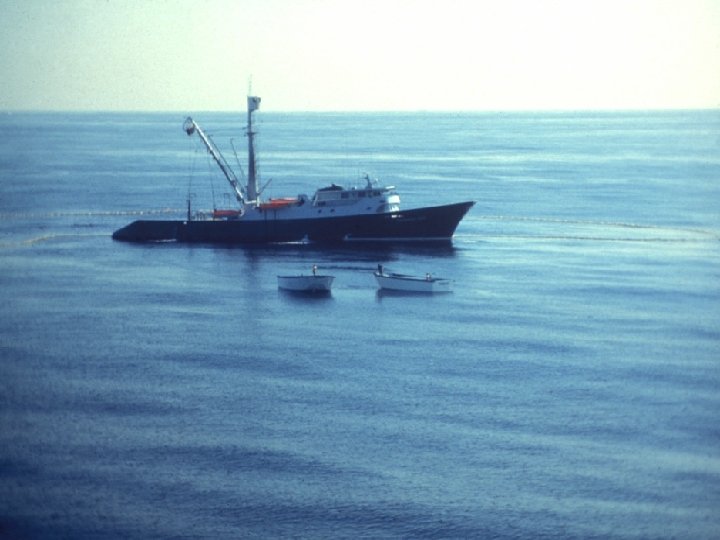
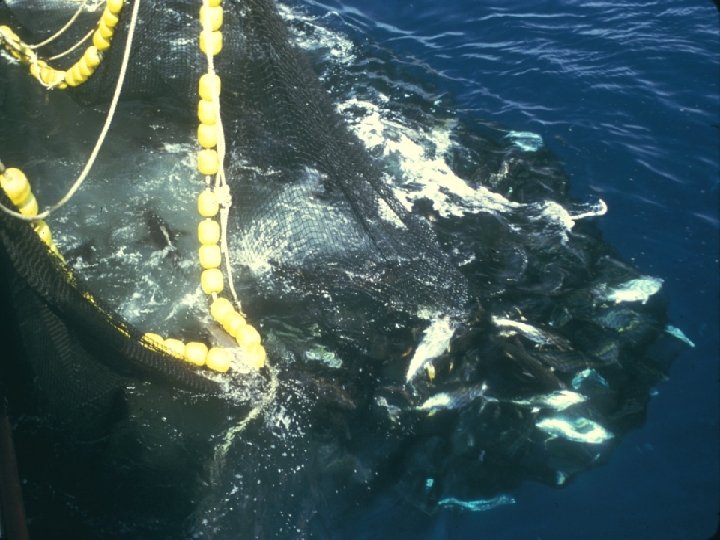
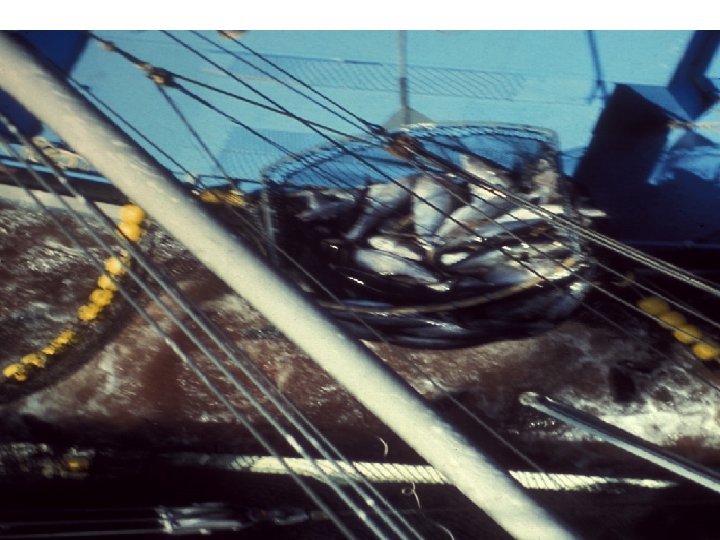
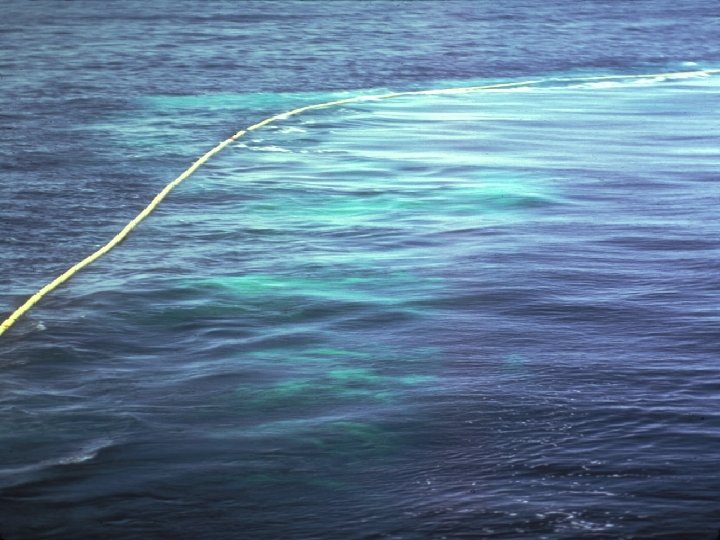
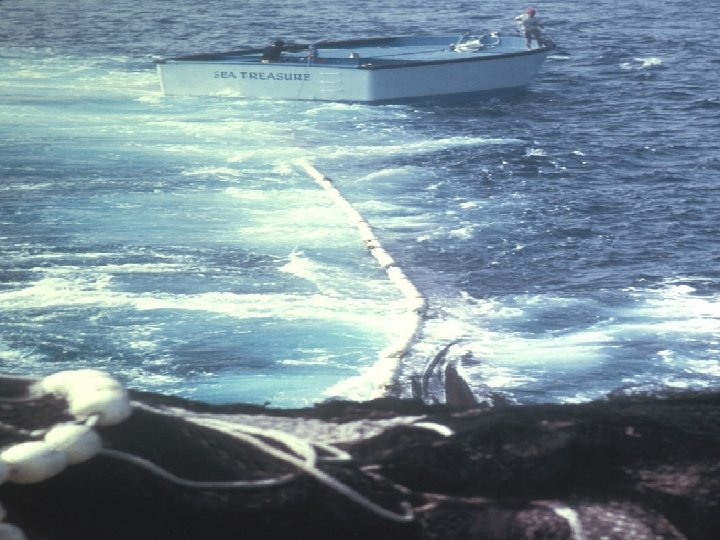
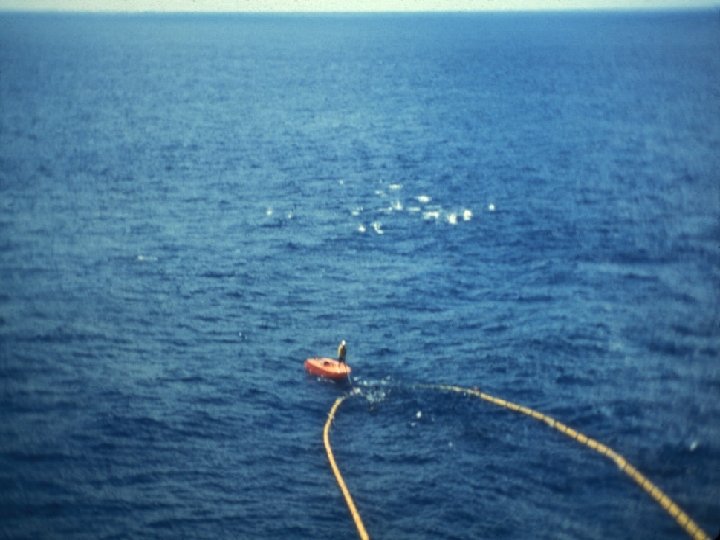
Purse Seines • • • Globally, most fish catch…by far Catch fish schooling near surface 100 km x 100 m Fish must aggregate in large schools Powerful means to deploy & retrieve Dories (50’s) to power block
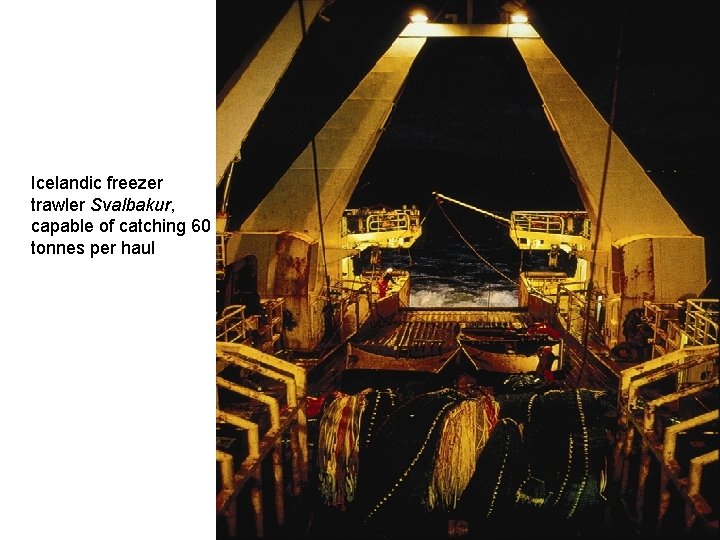
Icelandic freezer trawler Svalbakur, capable of catching 60 tonnes per haul
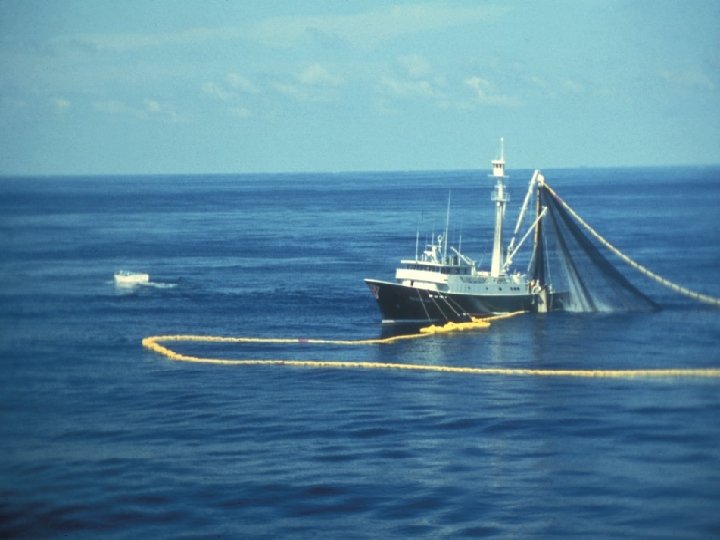
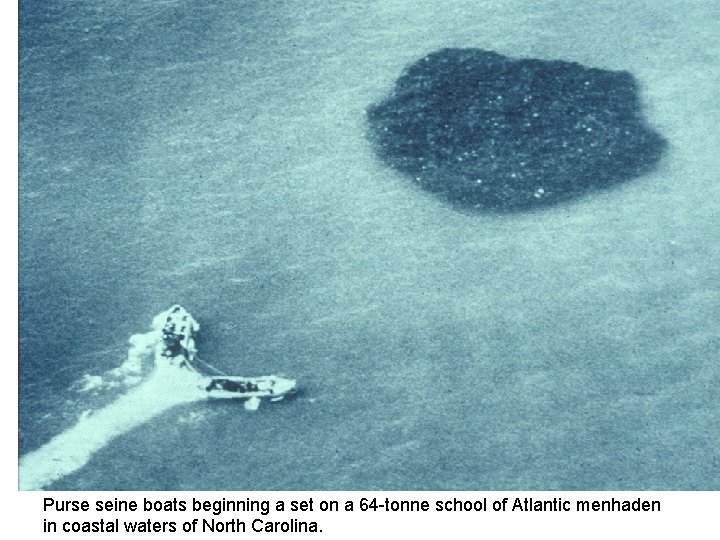
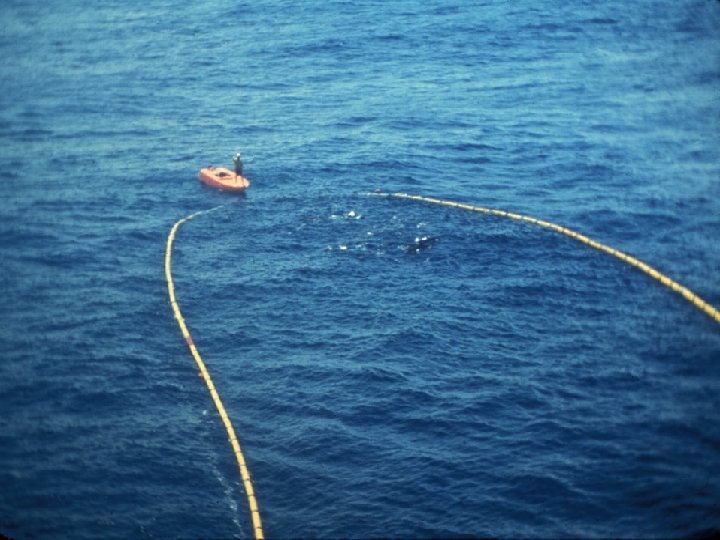
Purse seine boats beginning a set on a 64 -tonne school of Atlantic menhaden in coastal waters of North Carolina.
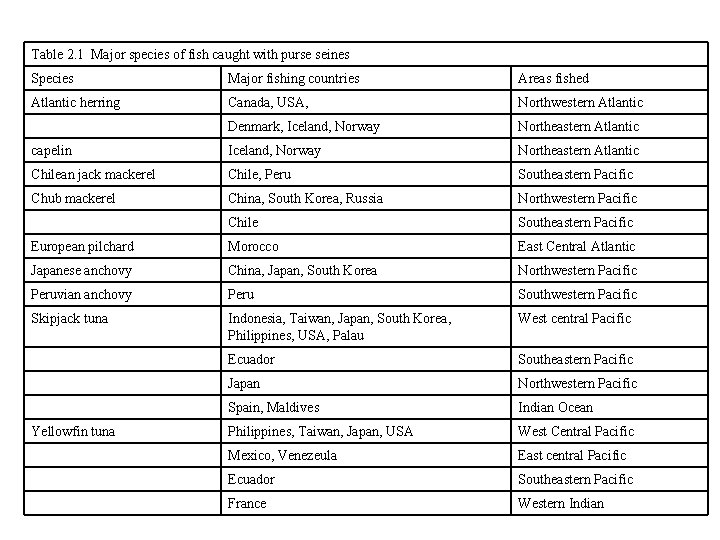
Table 2. 1 Major species of fish caught with purse seines Species Major fishing countries Areas fished Atlantic herring Canada, USA, Northwestern Atlantic Denmark, Iceland, Norway Northeastern Atlantic capelin Iceland, Norway Northeastern Atlantic Chilean jack mackerel Chile, Peru Southeastern Pacific Chub mackerel China, South Korea, Russia Northwestern Pacific Chile Southeastern Pacific European pilchard Morocco East Central Atlantic Japanese anchovy China, Japan, South Korea Northwestern Pacific Peruvian anchovy Peru Southwestern Pacific Skipjack tuna Indonesia, Taiwan, Japan, South Korea, Philippines, USA, Palau West central Pacific Ecuador Southeastern Pacific Japan Northwestern Pacific Spain, Maldives Indian Ocean Philippines, Taiwan, Japan, USA West Central Pacific Mexico, Venezeula East central Pacific Ecuador Southeastern Pacific France Western Indian Yellowfin tuna
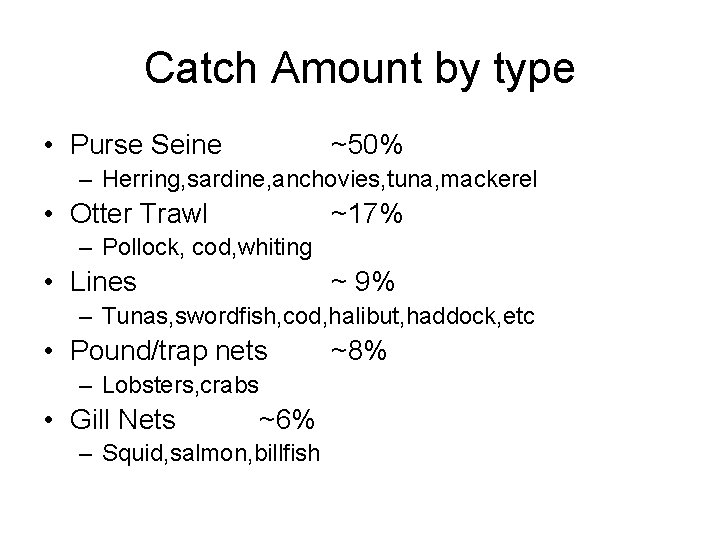
Catch Amount by type • Purse Seine ~50% – Herring, sardine, anchovies, tuna, mackerel • Otter Trawl ~17% – Pollock, cod, whiting • Lines ~ 9% – Tunas, swordfish, cod, halibut, haddock, etc • Pound/trap nets – Lobsters, crabs • Gill Nets ~6% – Squid, salmon, billfish ~8%
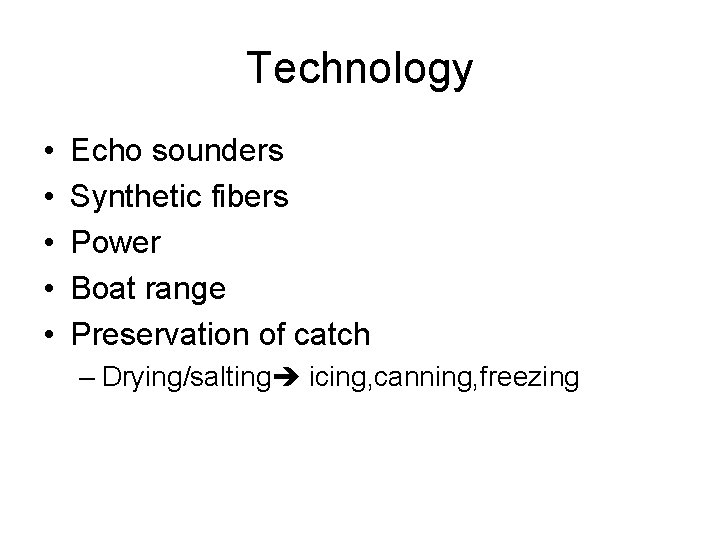
Technology • • • Echo sounders Synthetic fibers Power Boat range Preservation of catch – Drying/salting icing, canning, freezing
Artisanal Fishing
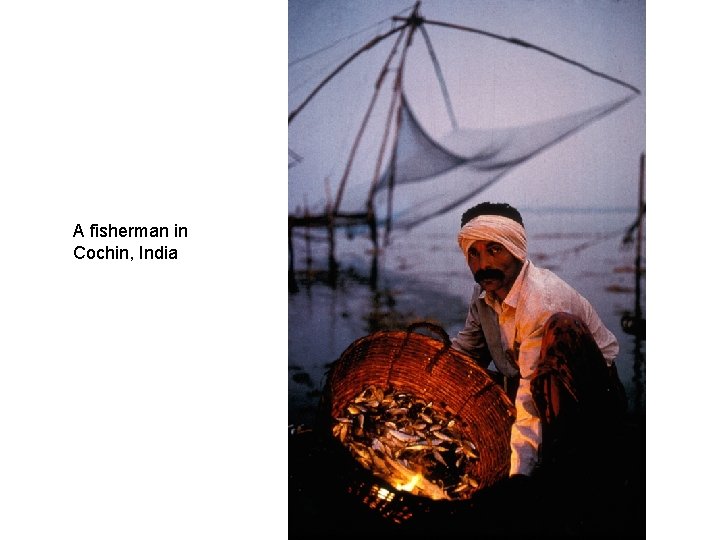
A fisherman in Cochin, India
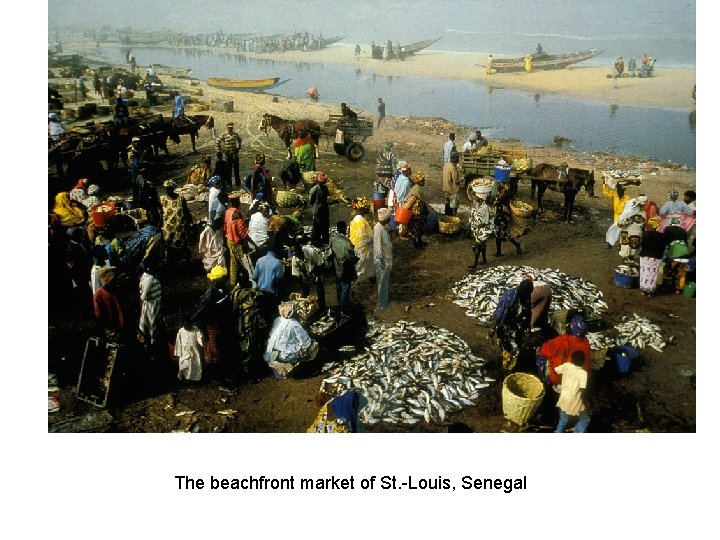
The beachfront market of St. -Louis, Senegal
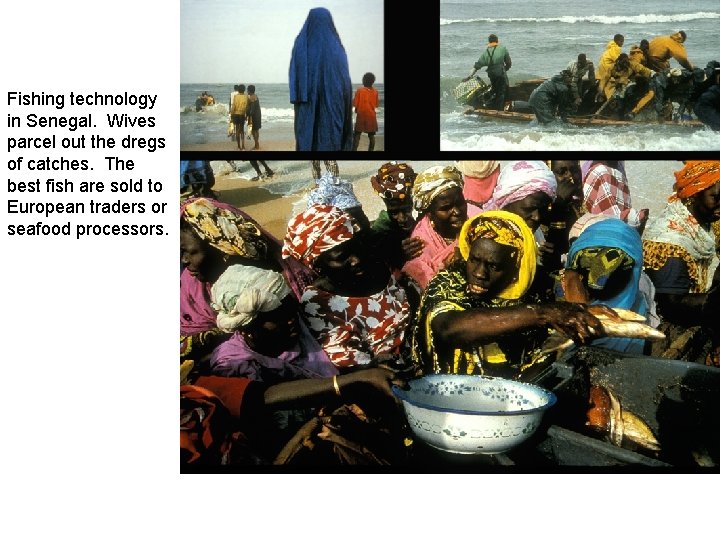
Fishing technology in Senegal. Wives parcel out the dregs of catches. The best fish are sold to European traders or seafood processors.
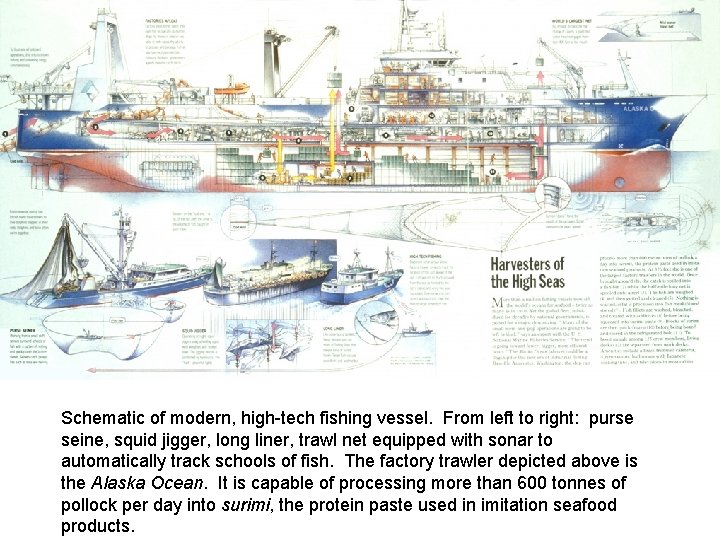
Schematic of modern, high-tech fishing vessel. From left to right: purse seine, squid jigger, long liner, trawl net equipped with sonar to automatically track schools of fish. The factory trawler depicted above is the Alaska Ocean. It is capable of processing more than 600 tonnes of pollock per day into surimi, the protein paste used in imitation seafood products.