
FISH IDENTIFICATION AND ADAPTATIONS Shape Allows movement through


- Slides: 52
FISH IDENTIFICATION AND ADAPTATIONS
Shape � � � Allows movement through the water without much resistance Helps minimize energy necessary for motion Most fish have a long , streamlined shape
Color � � Fish want to remain undetected by other fish Serves two purposes � Undetected by predators � Undetected by prey, easier to feed � � Reflects the habitat in which a species lives Top usually dark, bottom usually light colored to help be undetected
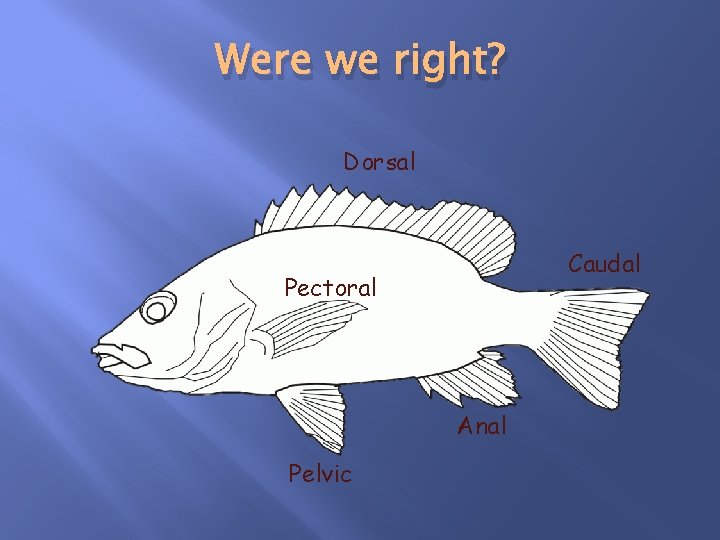
Fins � � � 3 purposes: stability, positioning, locomotion Fins on the back: dorsal fins Fins on the stomach: pelvic and anal fins Without fish not able to stay upright Pectoral fins (stick out on sides) help fish ‘aim’ itself in the water
Fins � Tail fin: caudal fin � Push � the fish to provide locomotion Fins are thin membrane supported by a network of rays and spines � Spines are hard and sharp; pointed ends; some fish � Rays are soft; branch out at the end; most fish
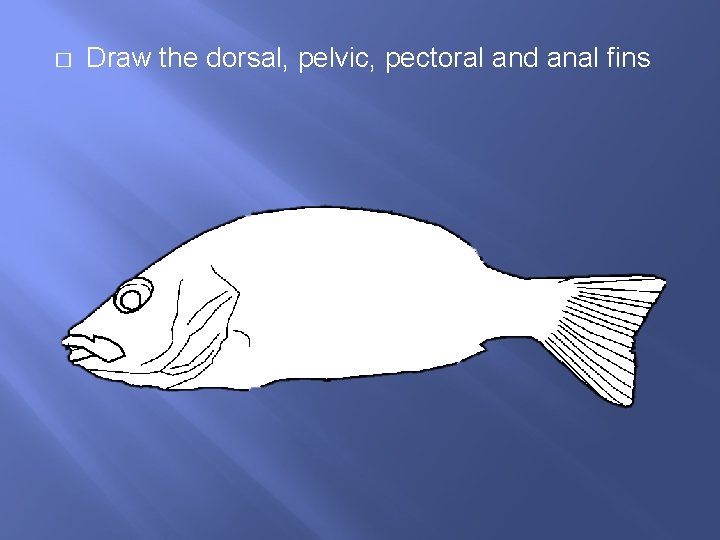
� Draw the dorsal, pelvic, pectoral and anal fins
Were we right? Dorsal Caudal Pectoral Anal Pelvic
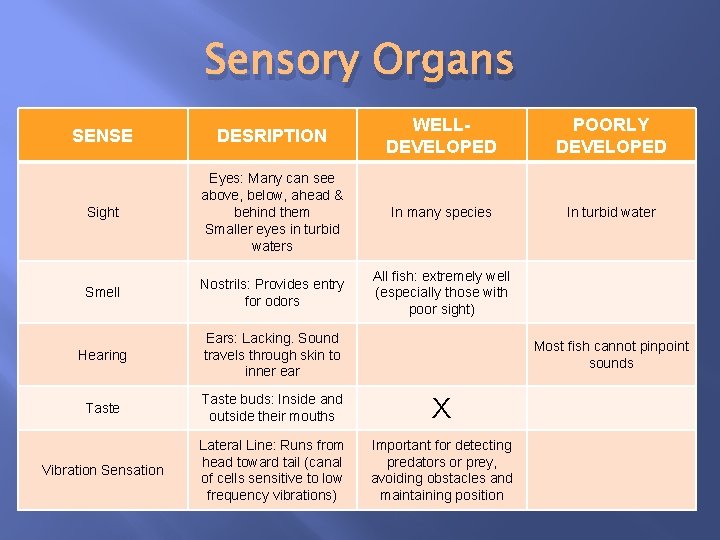
Sensory Organs SENSE DESRIPTION WELLDEVELOPED POORLY DEVELOPED Sight Eyes: Many can see above, below, ahead & behind them Smaller eyes in turbid waters In many species In turbid water Smell Nostrils: Provides entry for odors All fish: extremely well (especially those with poor sight) Hearing Ears: Lacking. Sound travels through skin to inner ear Taste buds: Inside and outside their mouths X Vibration Sensation Lateral Line: Runs from head toward tail (canal of cells sensitive to low frequency vibrations) Important for detecting predators or prey, avoiding obstacles and maintaining position Most fish cannot pinpoint sounds
WISCONSIN SPORTFISH IDENTIFICATION
Sunfish � � � Scrappy fighters North American ‘Warm water’ fish Prefer nutrient-rich shallows around lakes and backwaters of rivers Most are spring spawners and are nest builders Males guard fertilized eggs
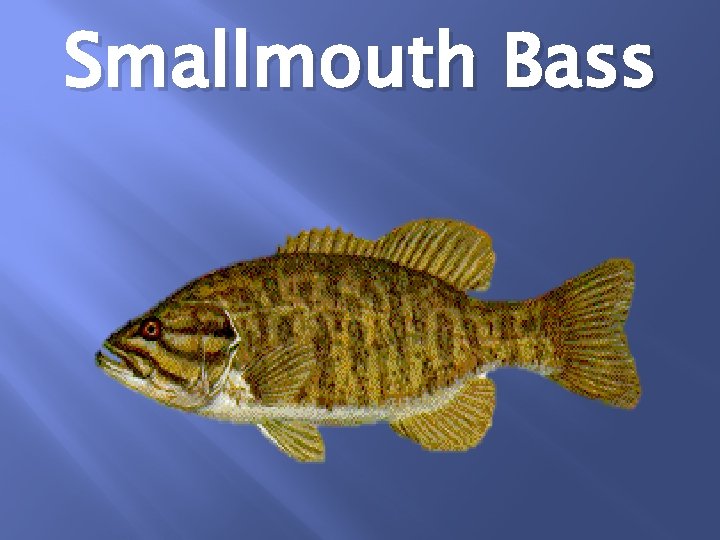
Smallmouth Bass
Smallmouth Bass Upper jaw does not extends beyond the eye � Slight notch in dorsal fin � Caudal fin is not forked and not rounded � Red eye � Dark, vertical stripe along sides �
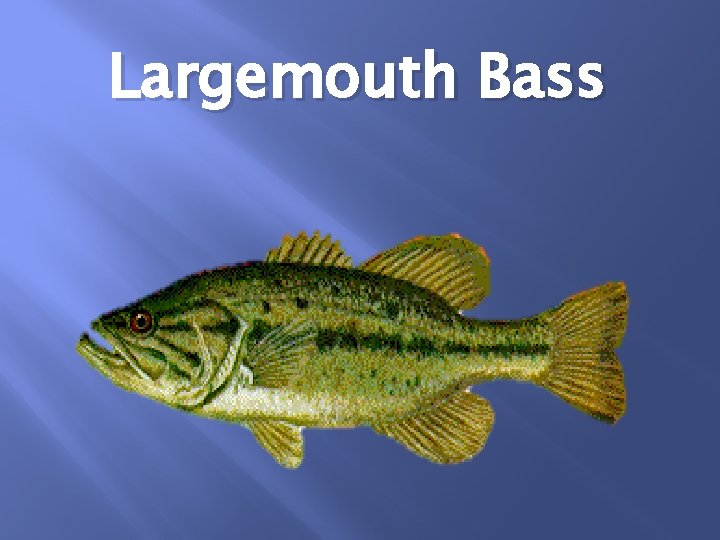
Largemouth Bass
Largemouth Bass Upper jaw extends beyond the eye � Deep notch in dorsal fin � Caudal fin is forked and rounded � Golden-brown eye � Dark, irregular horizontal stripe along lateral line �
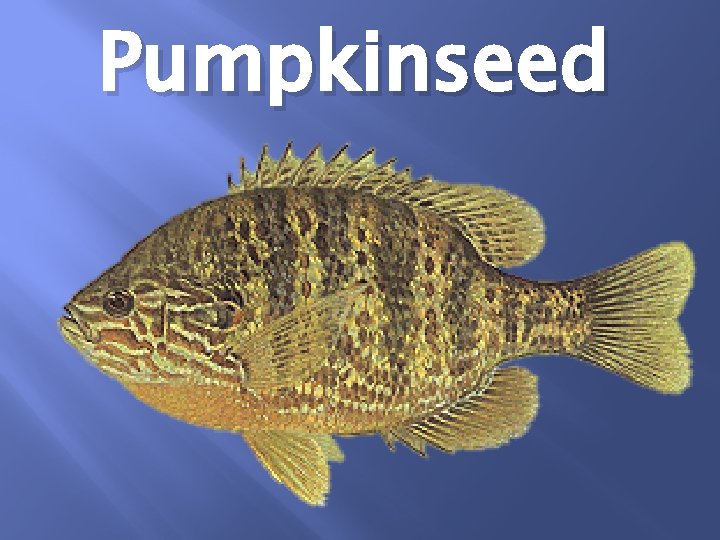
Pumpkinseed
Pumpkinseed � � � Lateral facial markings Bright orange spot on tip of gill cover 7 -8 dark vertical bands Very similar to bluegill Very colorful, but color is a poor ID indicator.
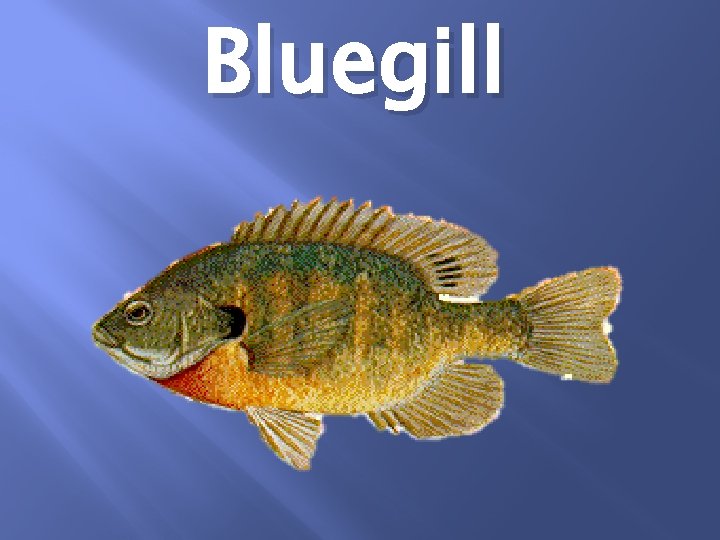
Bluegill
Bluegill � � � 1/2 as deep as long under 1” thick blue color on lower portion of both the jaw and operculum Color is NOT a good way to identify Dark round spot on the rear dorsal fin 5 -9 dark vertical bands running down their sides.
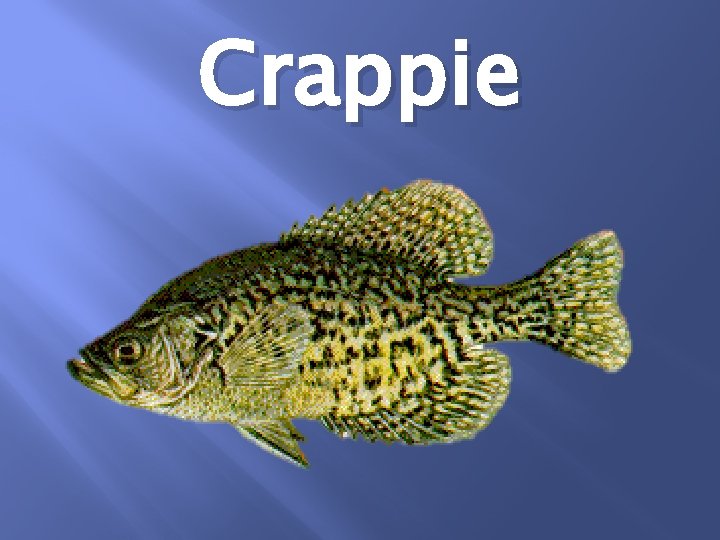
Crappie
Crappie � � � Both Black and White (black = 7 -8 dorsal spines, white = 6 dorsal spines. ) Mottled Markings Color is not a good identification indicator Very thin, perhaps the thinnest of all sunfish 8 -10 inches is common
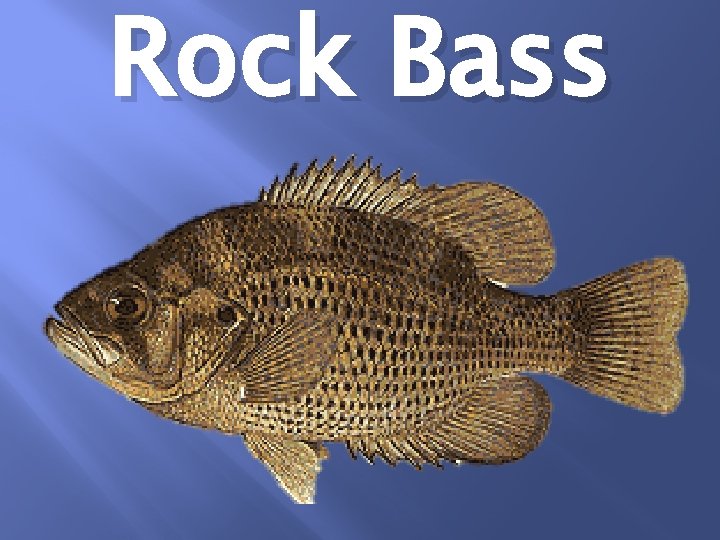
Rock Bass
Rock Bass � Brown eye � Brown coloration, with light vertical stripes along the sides
Perch � � � Schooling predators Abundant across most of the northern U. S. Cool lakes and streams Considered finest eating of freshwater game fish Spawning occurs in spring Fertilized eggs left unguarded over sand, gravel or rocks
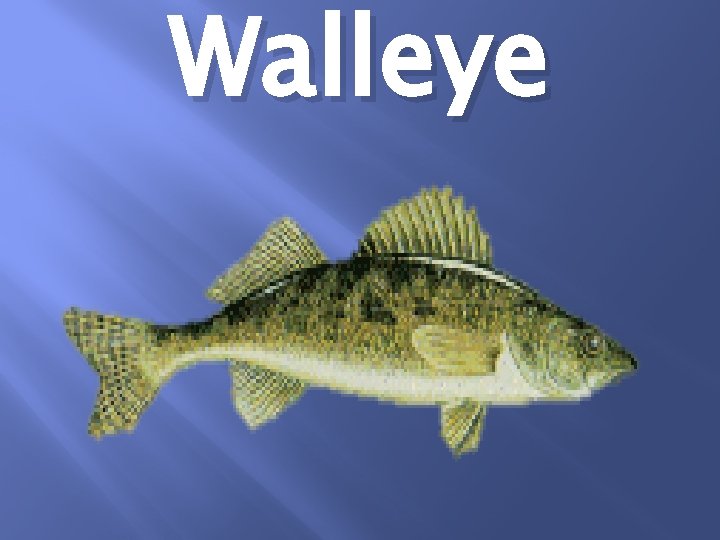
Walleye
� � � Walleye Canines along the lower jaw irregularly-shaped vertical blotches along sides Upper half of body has mottled vertical stripes Dark blotch on back of anterior dorsal fin, no spots on dorsal fin Silvery, opaque marble eyes that glow in the dark White tip on lower edge of caudal fin
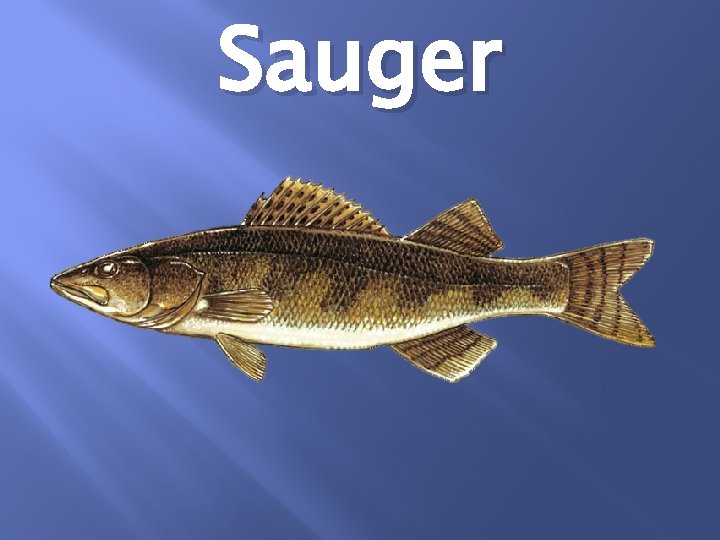
Sauger
Sauger � Very similar to a walleye � spots on the anterior dorsal fin, no black blotch at the back of anterior dorsal � no white tip on low caudal fin
Yellow Perch
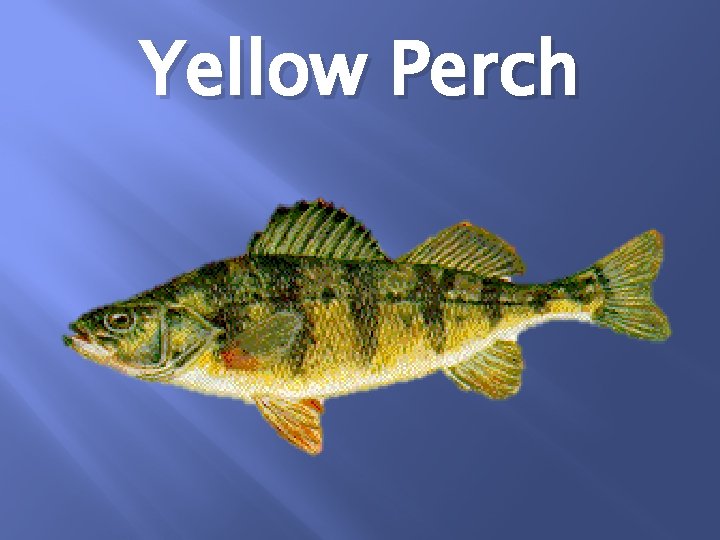
Yellow Perch � � � Golden Yellow Coloration on their sides. (may vary) 6 -8 dark vertical bands along their sides have two dorsal fins, membrane between the two is black caudal fin is slightly rounded and forked 3. 5 times as long as deep unlike walleyes, they do not have canines
Salmon/Trout � � � Support freshwater and saltwater recreational and commercial fisheries Cold water fish Average weight: <1 lb to more than 40 lbs Have delicate, rich, oily pink to red flesh Fast streams, deep lakes
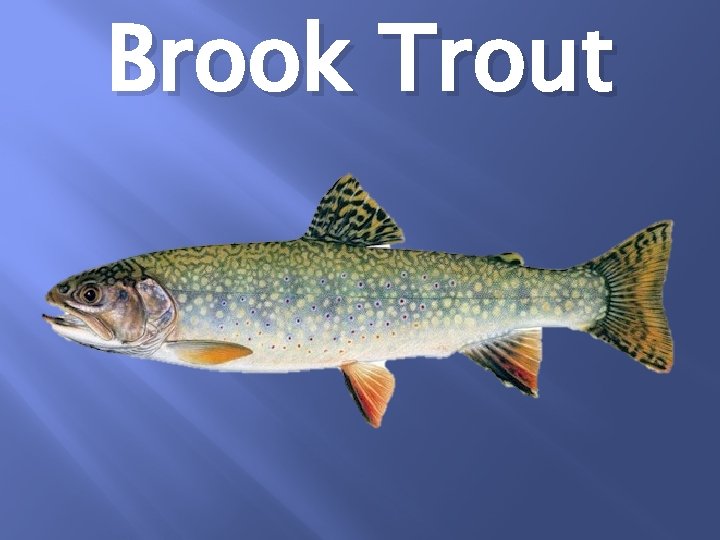
Brook Trout
Brook Trout � � � Has an elongated and compressed body squared-tail wormlike markings on back and head red spots along the side of their bodies with blue halos. Lower fins have a white leading edge, followed by a black border
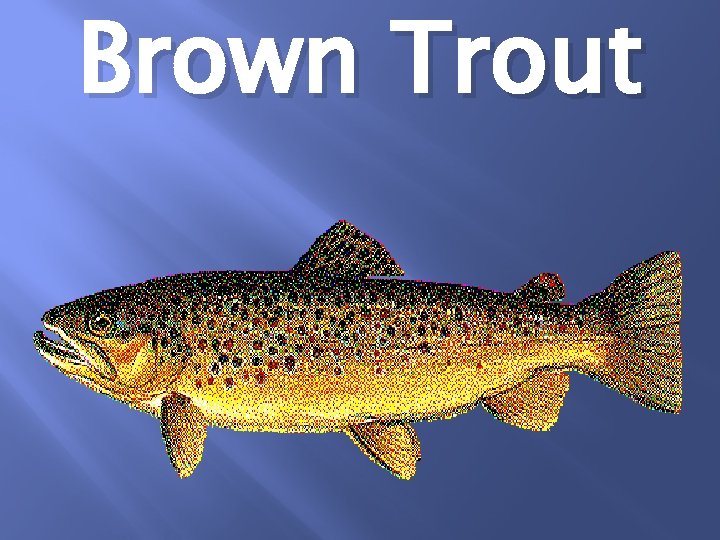
Brown Trout
Brown Trout “X” shaped markings on back and upper half of their body � squared tail � numerous small spots on the head � inside of the mouth is white � 10 -12 anal rays �
Rainbow Trout
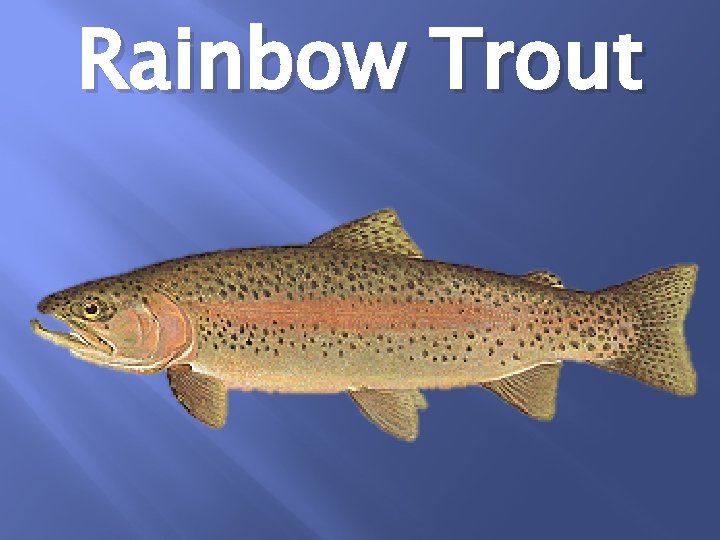
Rainbow Trout Many small spots on the body � Distinctive pink horizontal stripe down each side of the body � squared tail with spots � 10 -12 anal rays �
Lake Trout
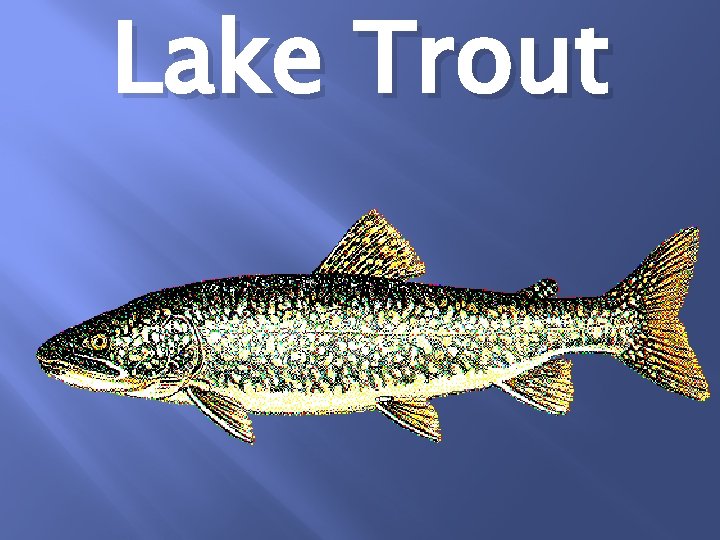
Lake Trout � � � Silvery color with irregular wormlike markings on back and dorsal fin Light spots in body and tail deeply forked tail with spots on edge leading to the body 10 -11 rays in their anal fin inside of mouth is white
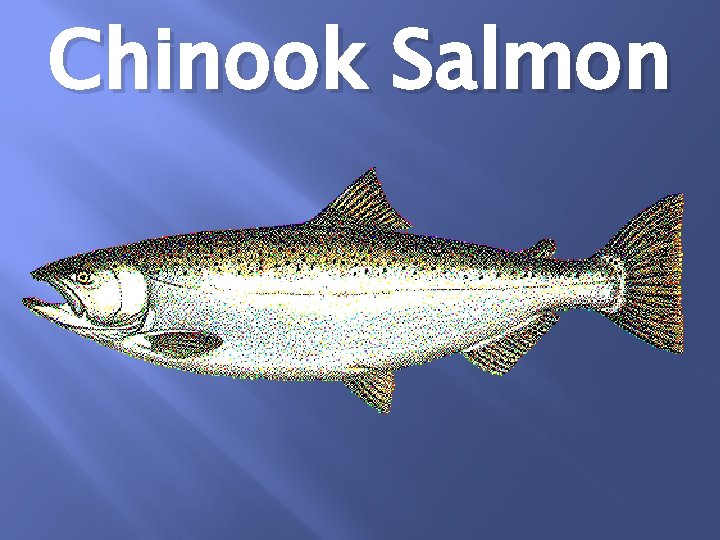
Chinook Salmon
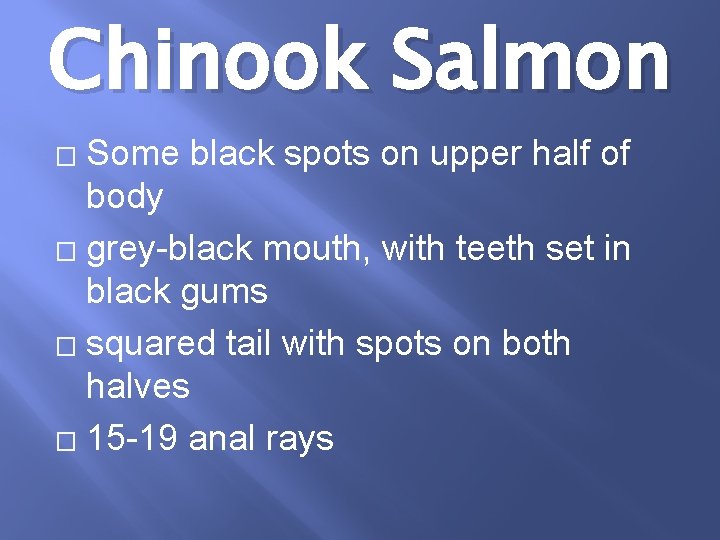
Chinook Salmon Some black spots on upper half of body � grey-black mouth, with teeth set in black gums � squared tail with spots on both halves � 15 -19 anal rays �
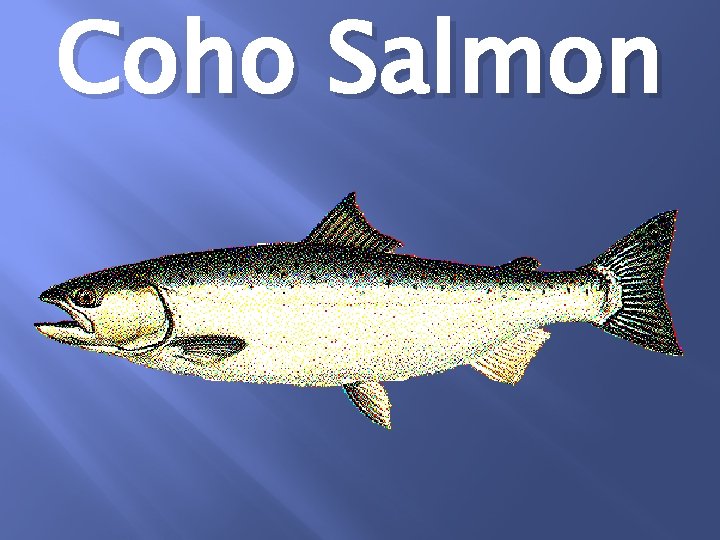
Coho Salmon
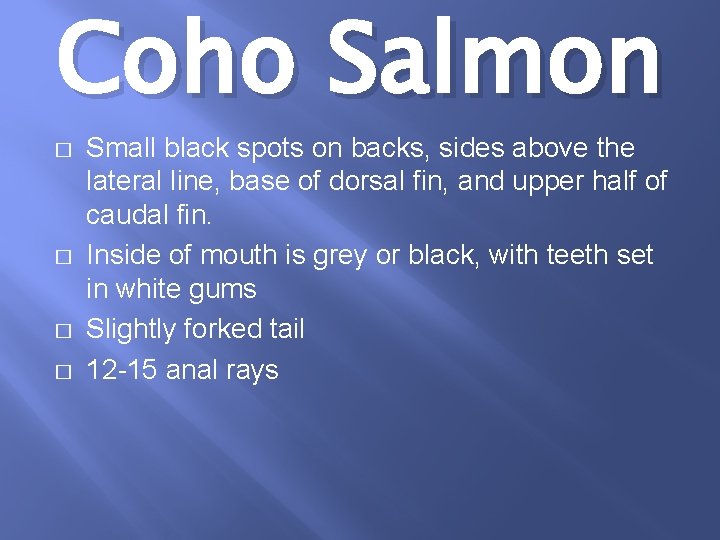
Coho Salmon � � Small black spots on backs, sides above the lateral line, base of dorsal fin, and upper half of caudal fin. Inside of mouth is grey or black, with teeth set in white gums Slightly forked tail 12 -15 anal rays
Catfish/Bullhead � � � Found in almost every type of habitat Some grow quite large (100+lbs) Spines- can puncture and cause sharp beesting pain Have whiskers Bottom Dwellers
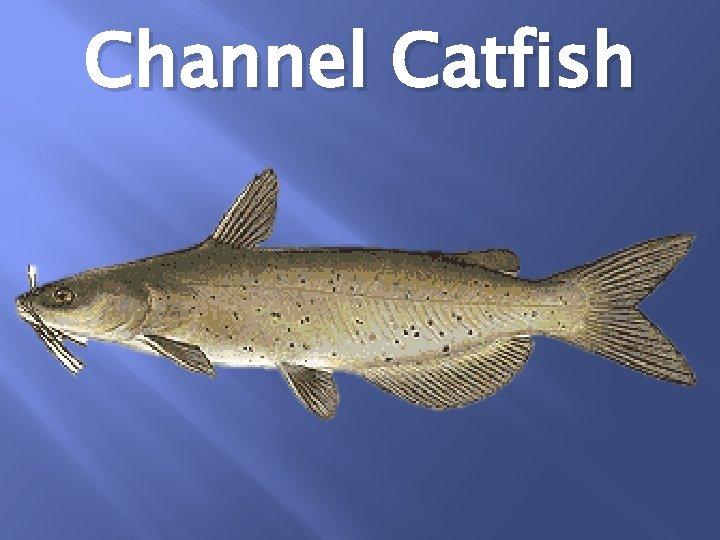
Channel Catfish
Channel Catfish Scaleless, tough skin � 8 barbels � Three sharp spines, (1 dorsal, 2 pectoral) � Black spots on lower side of body � Deeply forked caudal fin �
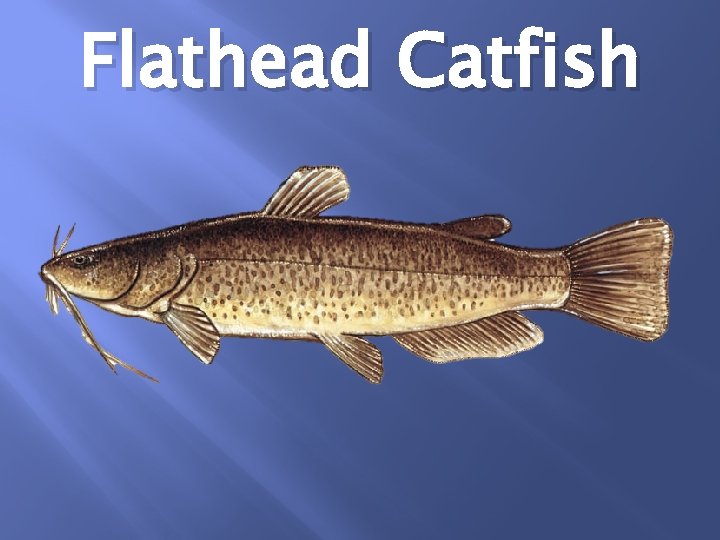
Flathead Catfish
Flathead Catfish • • Scaleless, tough skin 8 barbels Three sharp spines, (1 dorsal, 2 pectoral) No spots on lower side of body squared caudal fin flattened head lower lip protrudes past upper lip
Yellow Bullhead
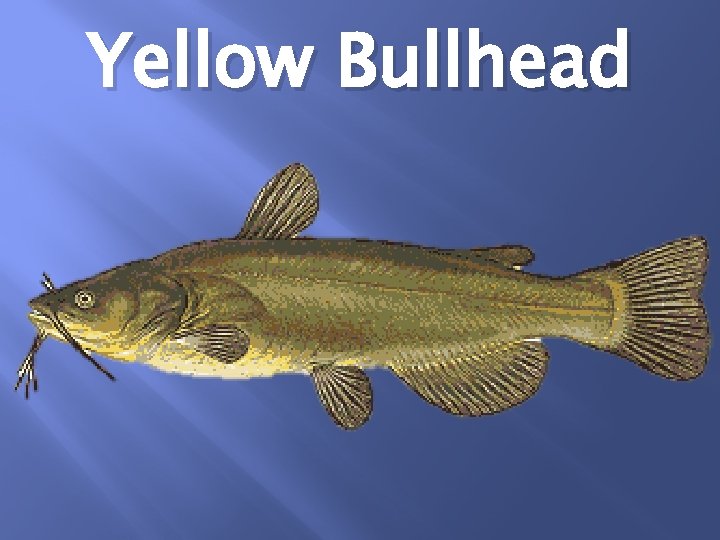
Yellow Bullhead � Black, Brown or Yellow species � Scaleless, tough skin � 6 barbels � Sharp spines (1 dorsal, 2 pectoral) � Caudal fin is slightly notched and squared
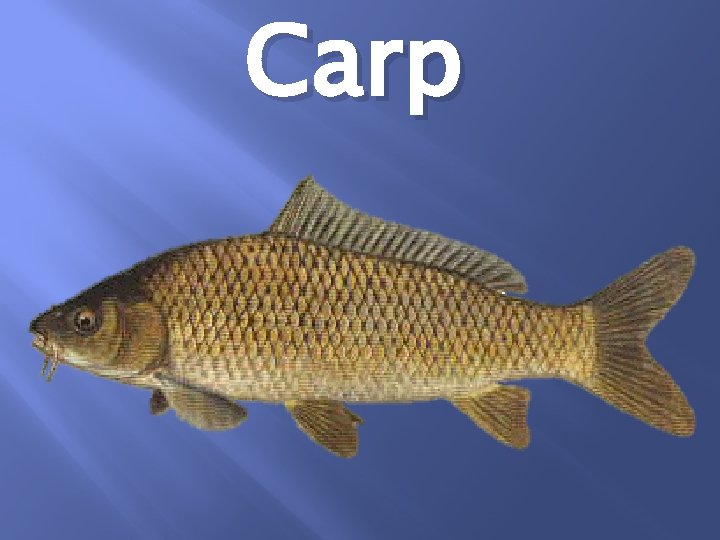
Carp � � � World’s biggest minnow Huge, platelike gold scales Tolerate an enormous range of conditions
Carp
Carp � Rough fish � Very scaly � Barbels � Much like a sucker