
First Nations Collective Rights Chapter 4 First Nations


- Slides: 31
First Nations Collective Rights Chapter 4
First Nations Collective Rights • 1982 - Canada adds the Charter of Rights and Freedoms to the Canadian constitution • Under Section 35 of the CRF it states “the existing aboriginal and treaty rights of aboriginal peoples of Canada are affirmed” • So essentially, as a group, the Aboriginal people of Canada (First Nations, Metis, and Inuit), have collective rights under the CRF. • But why?
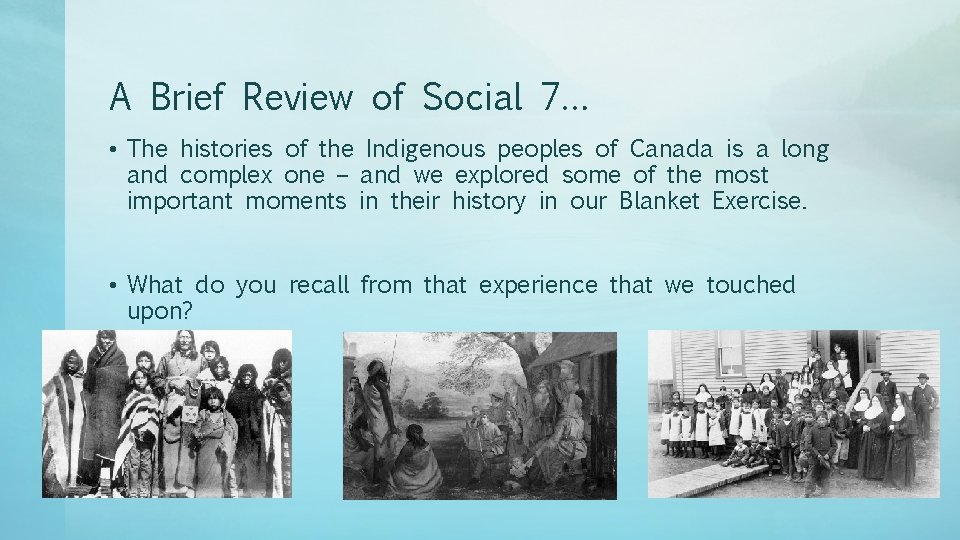
A Brief Review of Social 7… • The histories of the Indigenous peoples of Canada is a long and complex one – and we explored some of the most important moments in their history in our Blanket Exercise. • What do you recall from that experience that we touched upon?
Review of Blanket Exercise • First Contact • The BNA Act • Disease • Numbered Treaties • War • Indian Act • Extinction • Residential Schools • Royal Proclamation • The White Paper • Settlement • etc • Relocation • Assimilation Ultimately these contributed to First Nations losses of land culture still being dealt with today
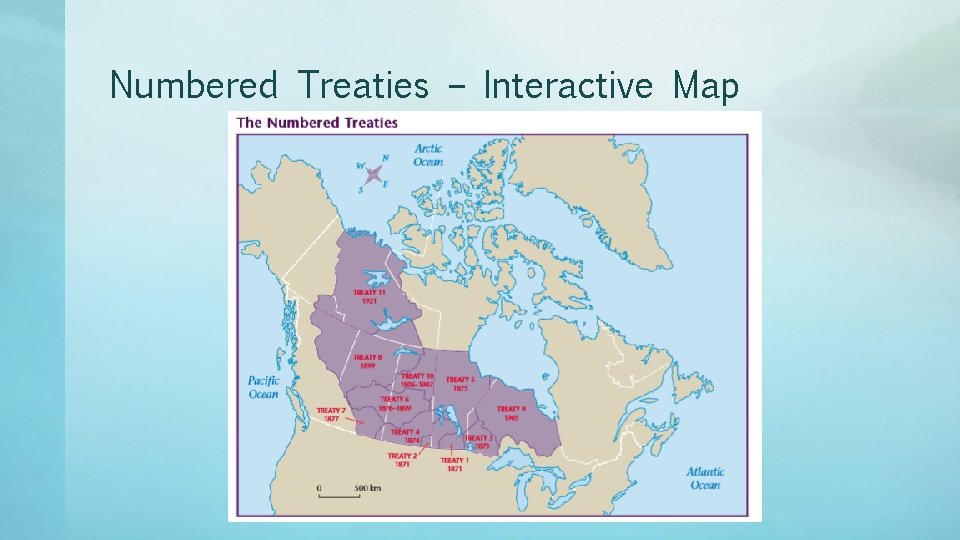
FN History of Land Rights • 1763 - The Royal Proclamation established that First Nations had rights to their lands – and that any government would need to sign treaties with First Nations to have access to that land. – First document in the aprrox. 200 years of European colonization of North America that guaranteed First Nations land rights • When Canada was first looking at settling further west (1870 s) they needed FN land in order to do so, but because of the Royal Proclamation they could not just take the land. • 1871 - 1921 - The Canadian government begins signing the Numbered Treaties (1 -11) with First Nations groups.
Numbered Treaties – Interactive Map
Numbered Treaties • How did the First Nations view the numbered treaties? What purpose did they serve?
Numbered Treaties • How did Canada view the numbered treaties? What purpose did they serve?
Numbered Treaties • How do you think language played a role in the different views of the treaties?
Numbered Treaties • What were some of the terms of the numbered treaties? What did Canada provide for First Nations under these terms?
Numbered Treaties • What treaty(ies) land is in Alberta? What treaty land is Calgary on?
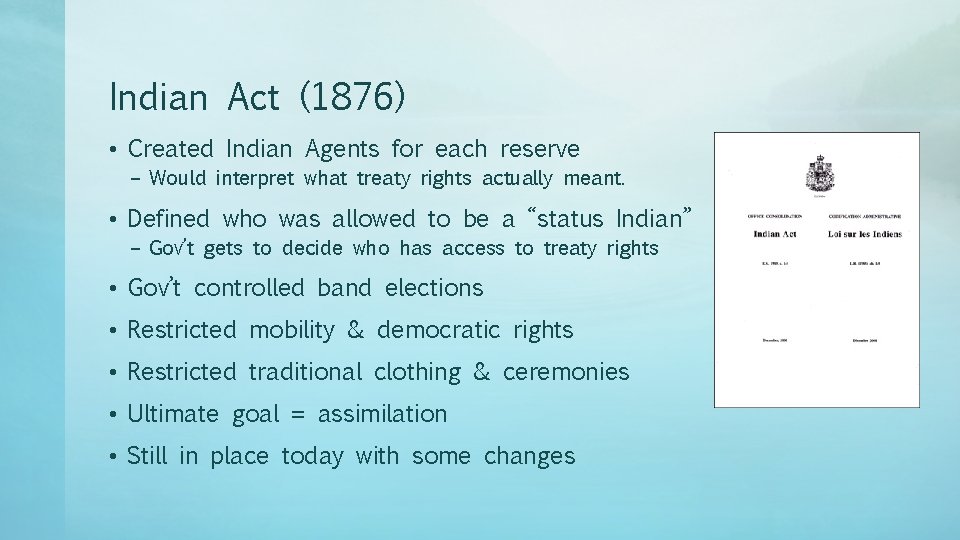
Indian Act (1876) • Following Numbered Treaties Canada passed the Indian Act to deal with the “Indian Problem” • While the Numbered Treaties confirmed Canada’s duty to protect First Nations collective rights – the Indian Act was how they attempted to do this
Indian Act (1876) • Created Indian Agents for each reserve – Would interpret what treaty rights actually meant. • Defined who was allowed to be a “status Indian” – Gov’t gets to decide who has access to treaty rights • Gov’t controlled band elections • Restricted mobility & democratic rights • Restricted traditional clothing & ceremonies • Ultimate goal = assimilation • Still in place today with some changes
Residential Schools (1879 – 1996) • Education was to be provided by the government for First Nations according to many of the Numbered treaties as well as the Indian Act • The Canadian gov’t decided that FN education should also assimilate at the same time – and thus established Canada’s Residential School System.
Views on Residential Schools “Our object is to continue until there is not a single Indian in Canada that has not been absorbed into the body politic” – Duncan Campbell Scott, Deputy Minister of Indian Affairs (1920) “When the school is on the reserve the child lives with its parents, who are savages; he is surrounded by savages. Indian children should be withdrawn as much as possible from parental influence” -Sir John A. Macdonald, Prime Minister of Canada (1883)
Abuse and Violence. . “From 1958, when it first opened, until 1979, there was never a year in which Grollier Hall in Inuvik did not employ at least one dormitory supervisor who would later be convicted for sexually abusing students. ” “There was no effort to record the number of students who died. ” “Indian Affairs officials often tried to portray these rates (of death) as simply the price that Aboriginal people had to pay as part of the process of becoming civilized. ”
Shame, Guilt, and Lost Identities. . “And I looked at my dad, I looked at my mom…I hated them. I just absolutely hated my own parents. Not because I thought they abandoned me; I hated their brown faces. I hated them because they were Indian. ” “I wanted to be white so bad, the worst thing I ever did was I was ashamed of my mother, that honorable woman, because she couldn’t speak English” “The schools were war…they took away our identity. First of all they gave us numbers, we had no names, we were numbers, and they cut our hair. They took away our clothes, and gave us clothes…we all looked alike. ”
Long-Term Effects… “…we are reminded of a system meant to kill the Indian in the child. Not only have the suffered unspeakable abuse, their children and grandchildren have also suffered. ” “As a Residential school survivor, there were things taken away from us that we can never get back, doesn’t matter how hard you work at it. I worked hard to get my culture back, my language. I still have to work at it. There are many missing things that I can never get back, but having the government apologize and acknowledge the damage that has been done, I feel a little reprieve.
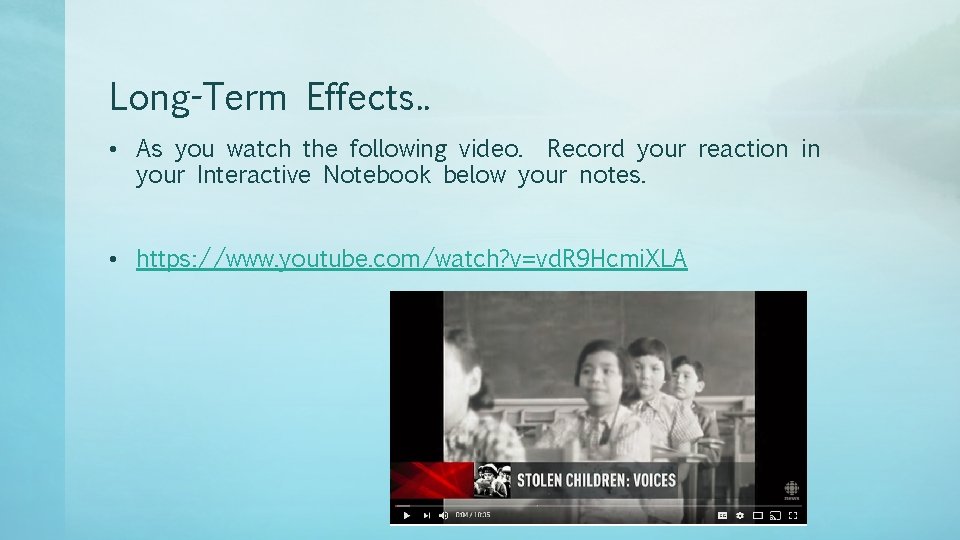
Long-Term Effects. . • As you watch the following video. Record your reaction in your Interactive Notebook below your notes. • https: //www. youtube. com/watch? v=vd. R 9 Hcmi. XLA
Modern Issues of First Nations Rights • Bill C-61/First Nations Governance Act (2002) – P. 138 • United Nations Declaration on the Right of Indigenous Peoples (2007) • Truth & Reconciliation Commission (2008) – 94 Calls to Action: http: //www. trc. ca/websites/trcinstitution/File/2015/Findings/Calls_to_Action_English 2. p df • Idle No More (2012) • Intergenerational Trauma and Missing & Murdered Indigenous Women (2015) – https: //youtu. be/Yc. KKJ 2 kkvuc
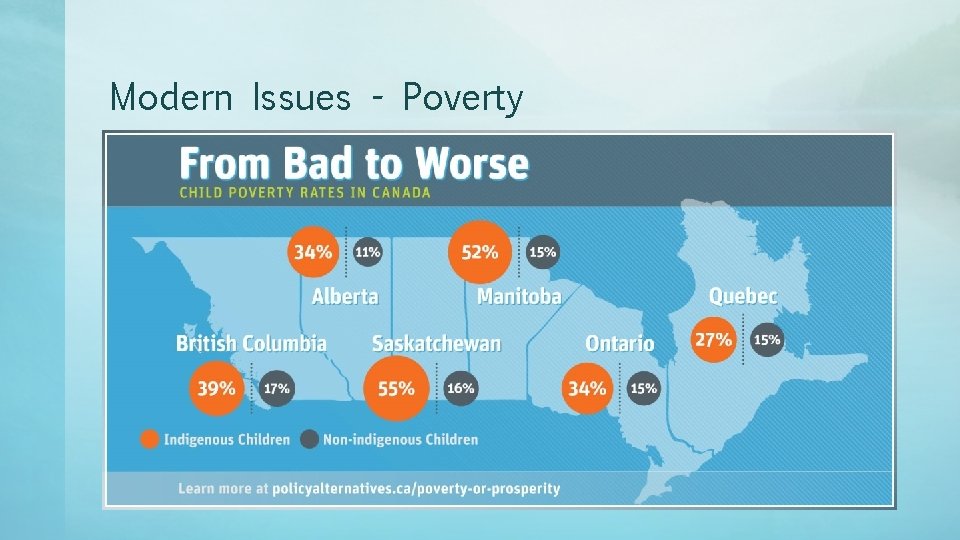
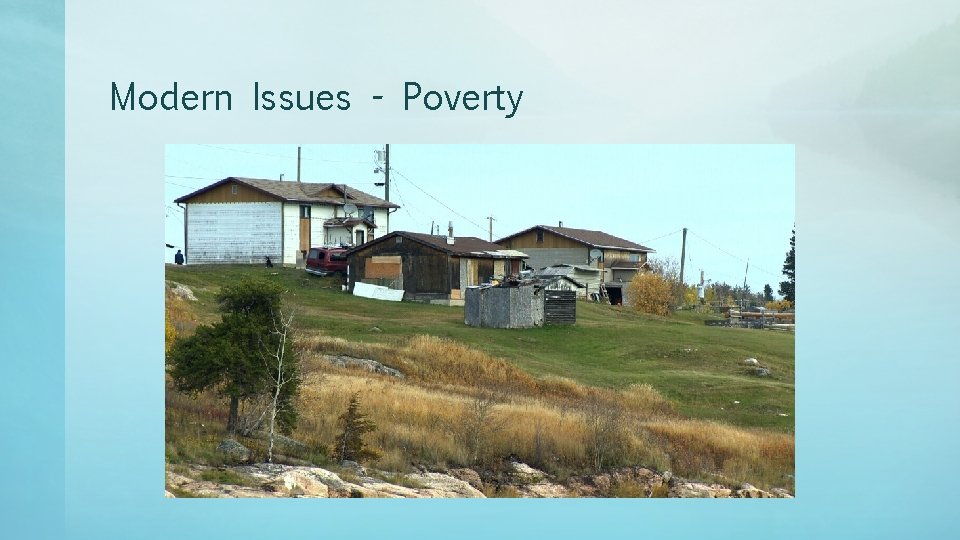
Modern Issues - Poverty
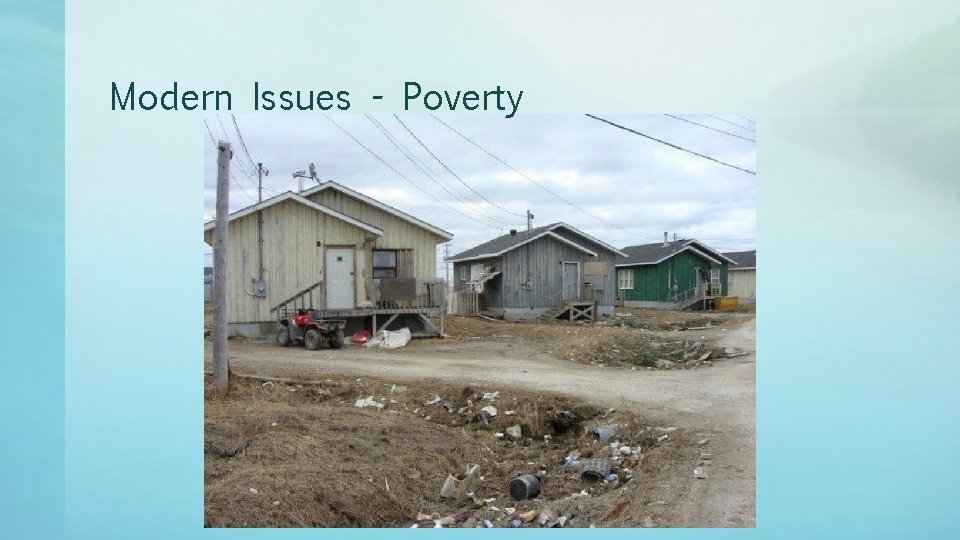
Modern Issues - Poverty
Modern Issues - Poverty
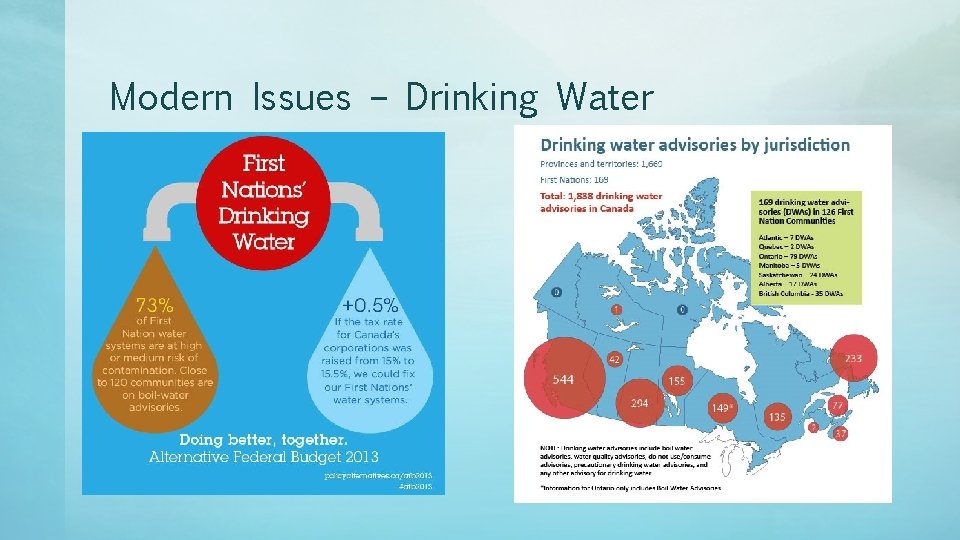
Modern Issues – Drinking Water
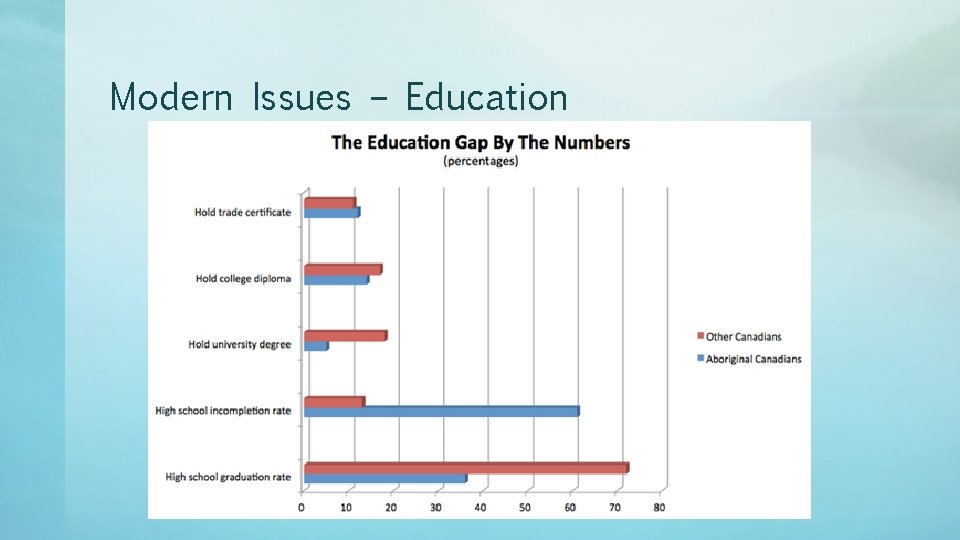
Modern Issues – Education
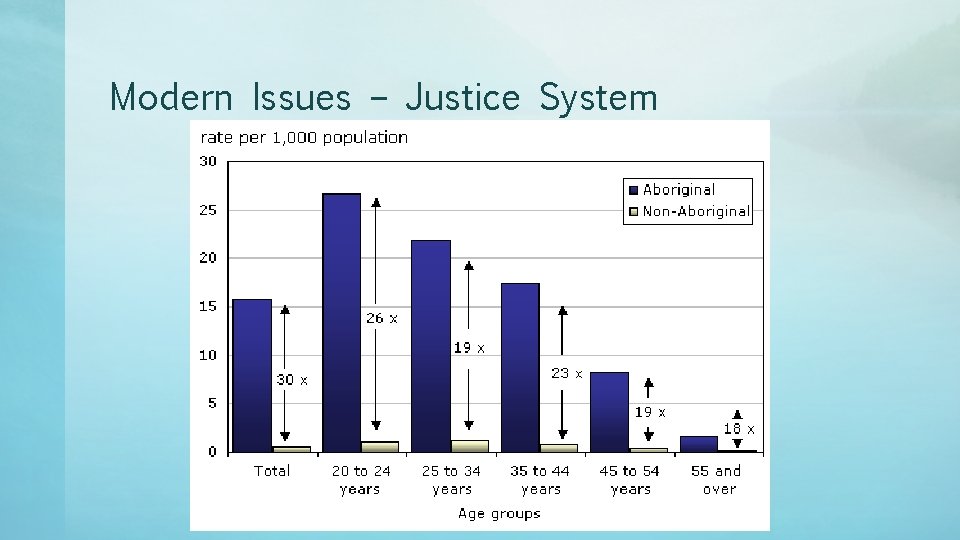
Modern Issues – Justice System
Modern Issues – Justice System
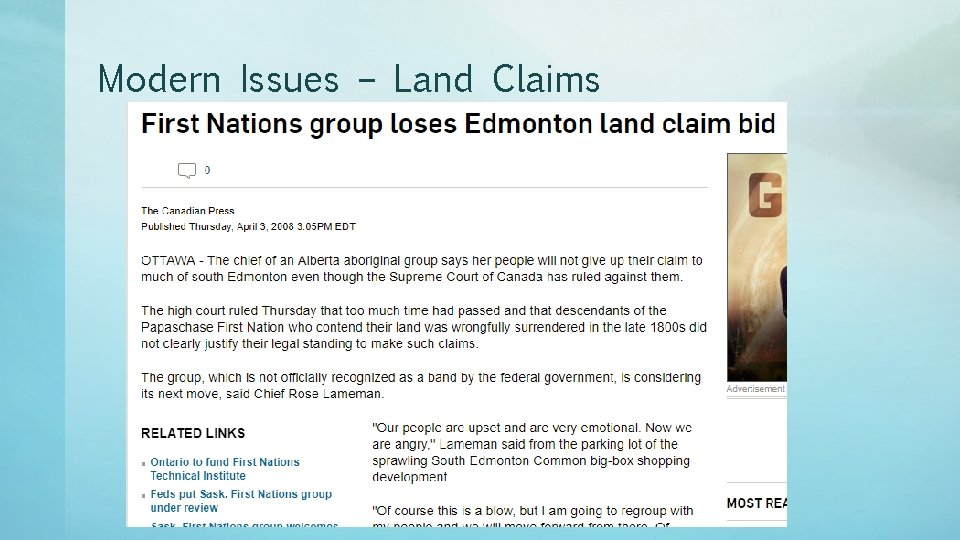
Modern Issues – Land Claims
Modern Issues – Land Claims
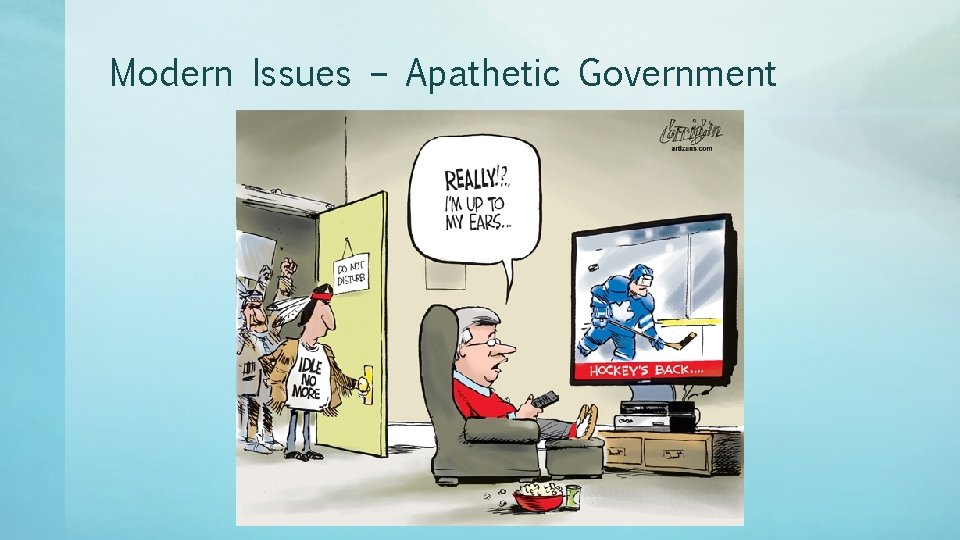
Modern Issues – Apathetic Government
Editorial Time! • You will write an Editorial (an article that gives an opinion on an issue) about First Nations collective rights and one of the issues they are facing today as a group. • This assignment will be completed over the next few classes and collected for marks.