
First Grade Creepy Crawly Presentations Mrs Herzogs Class



















- Slides: 146
First Grade Creepy Crawly Presentations Mrs. Herzog’s Class 2013
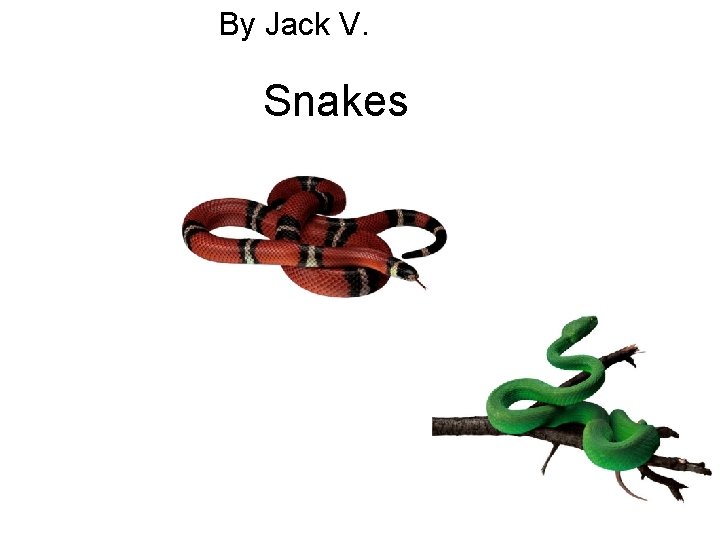
By Jack V. Snakes
Physical traits • • Cold blooded Have scales No eyelids Molt
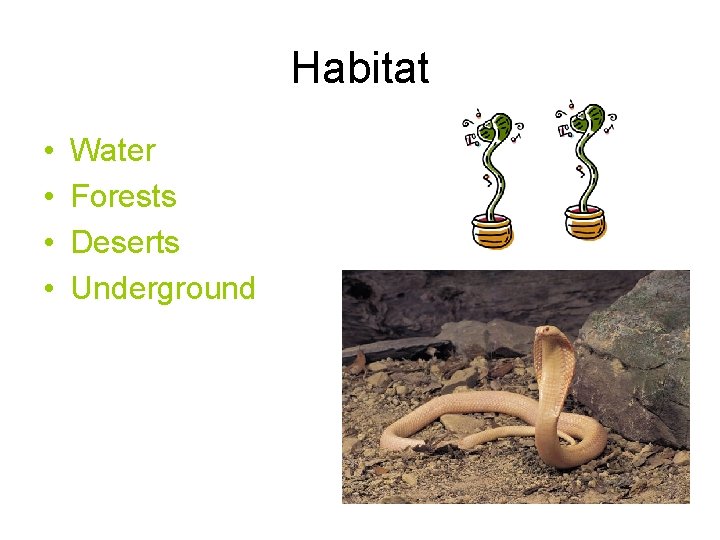
Habitat • • Water Forests Deserts Underground
Eating • • Birds Frogs Insects Small deer
Babies • Eggs can stretch. • Some give birth some don’t. • The eggs are about 1 inch long.
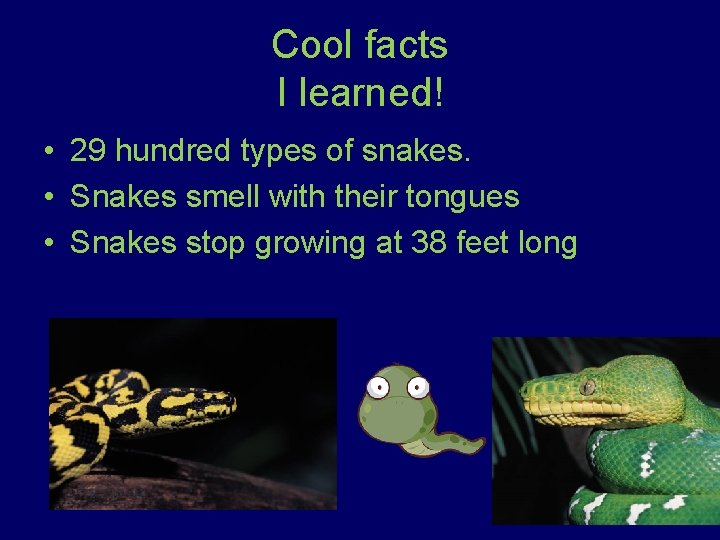
Cool facts I learned! • 29 hundred types of snakes. • Snakes smell with their tongues • Snakes stop growing at 38 feet long
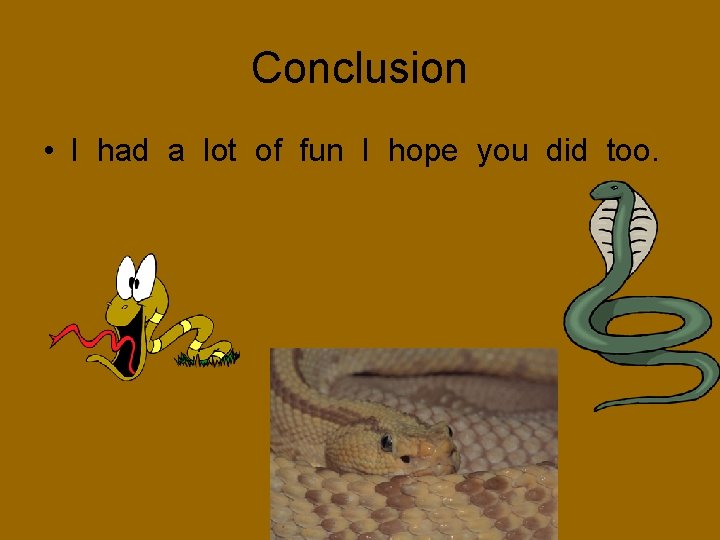
Conclusion • I had a lot of fun I hope you did too.
Bibliography • • I used many sources. Books and computers: Snakes www. Kidsplanet. org
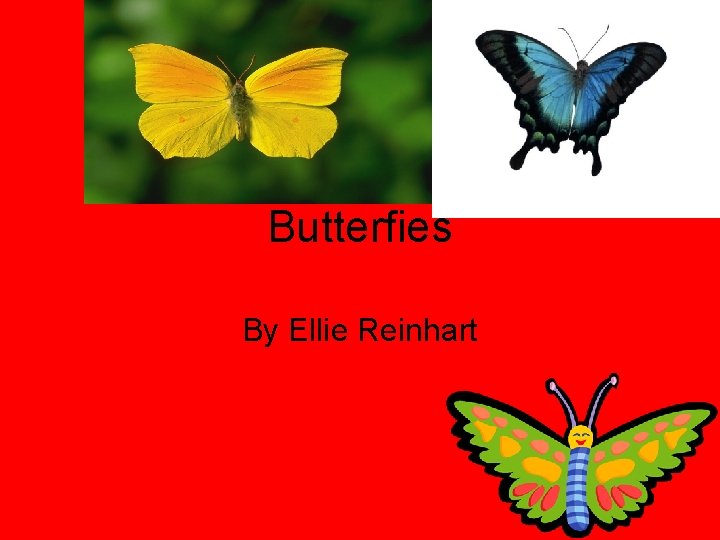
Butterfies By Ellie Reinhart
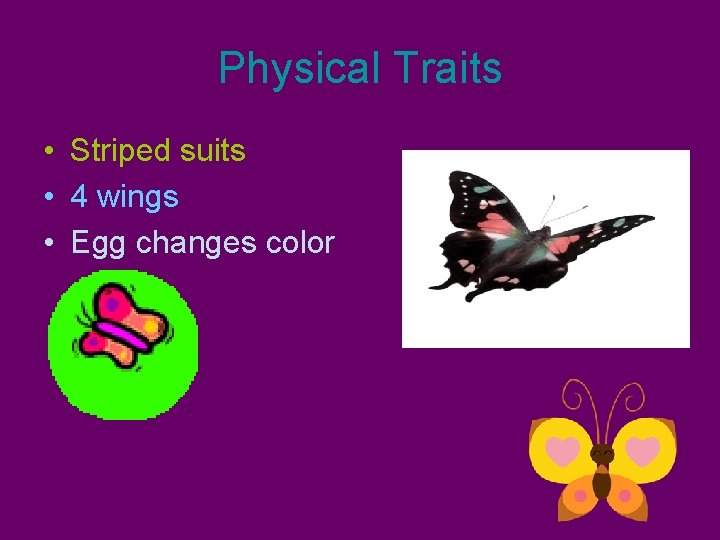
Physical Traits • Striped suits • 4 wings • Egg changes color
Where They Live • • All over U. S. A Gardens Mexico Canada
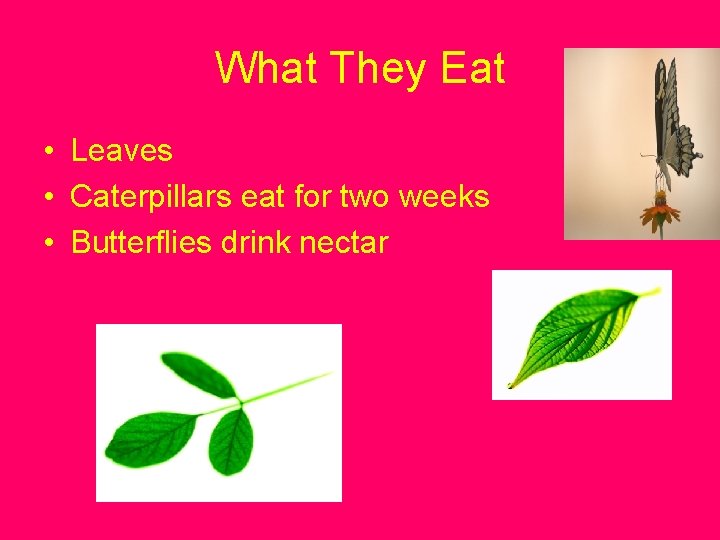
What They Eat • Leaves • Caterpillars eat for two weeks • Butterflies drink nectar
Babies • Eggs have shells • Only lay eggs on plants • Monarchs lay on milkweed plants
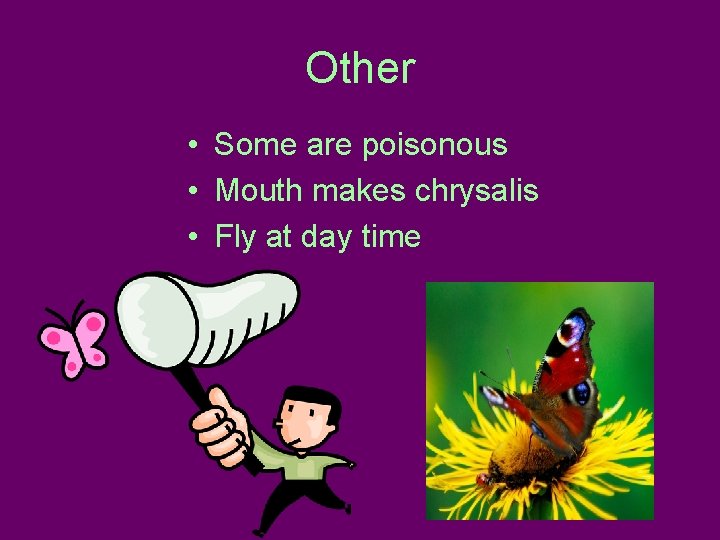
Other • Some are poisonous • Mouth makes chrysalis • Fly at day time
Conclusion That was my report about Butterflies. I learned a lot. I hope you enjoyed my report. Thank you.
Bibliography • • The Butterfly Book www. nationalgeographic. com Butterflies Monarch Butterflies Up Close
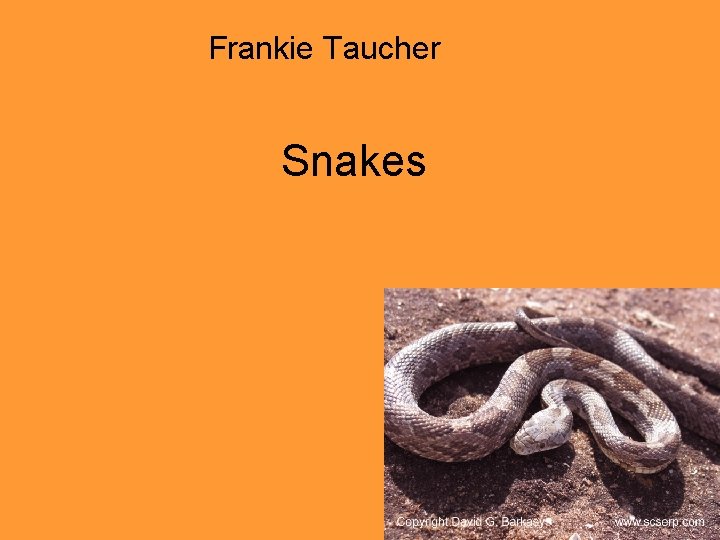
Frankie Taucher Snakes
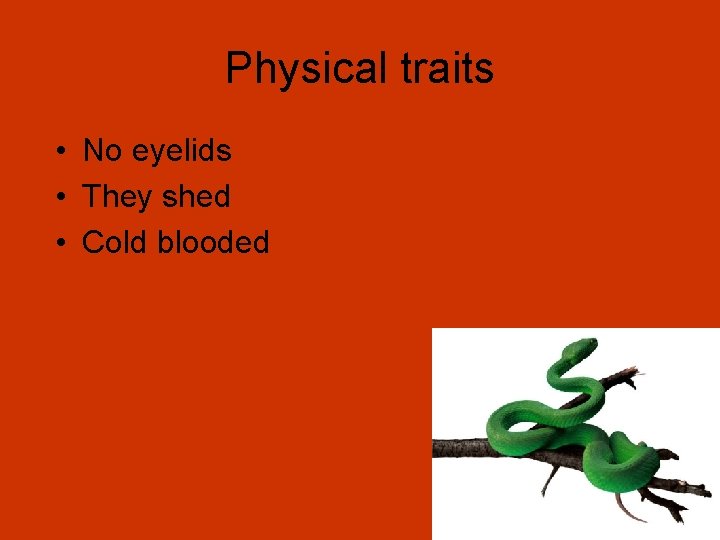
Physical traits • No eyelids • They shed • Cold blooded
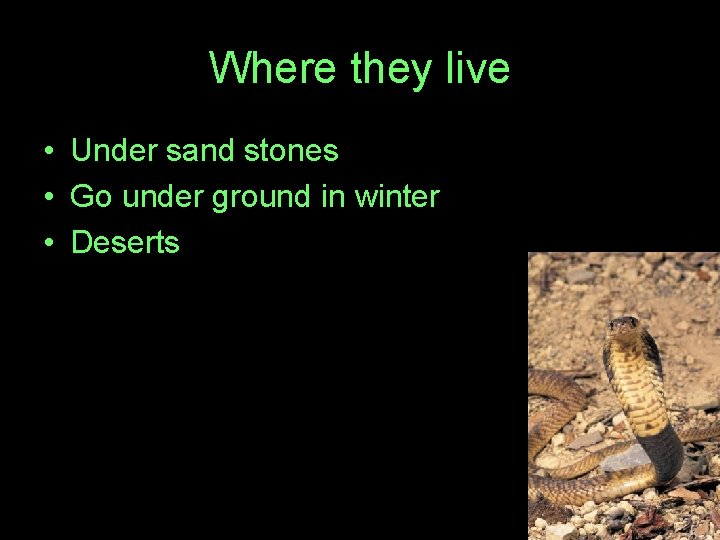
Where they live • Under sand stones • Go under ground in winter • Deserts
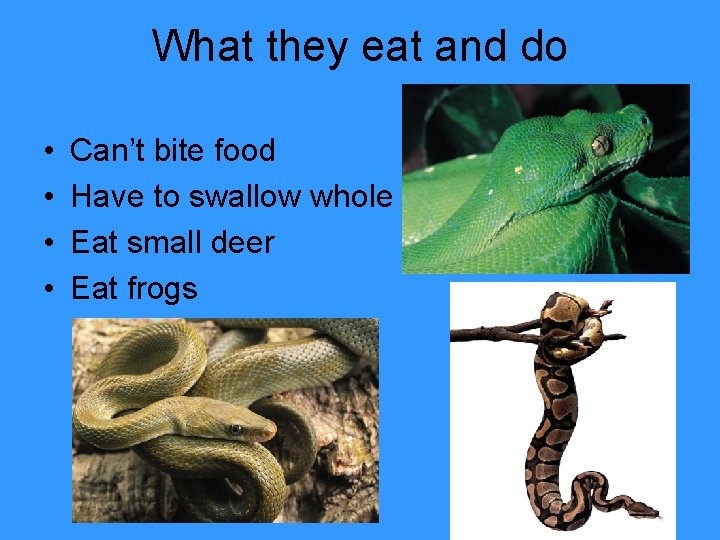
What they eat and do • • Can’t bite food Have to swallow whole Eat small deer Eat frogs
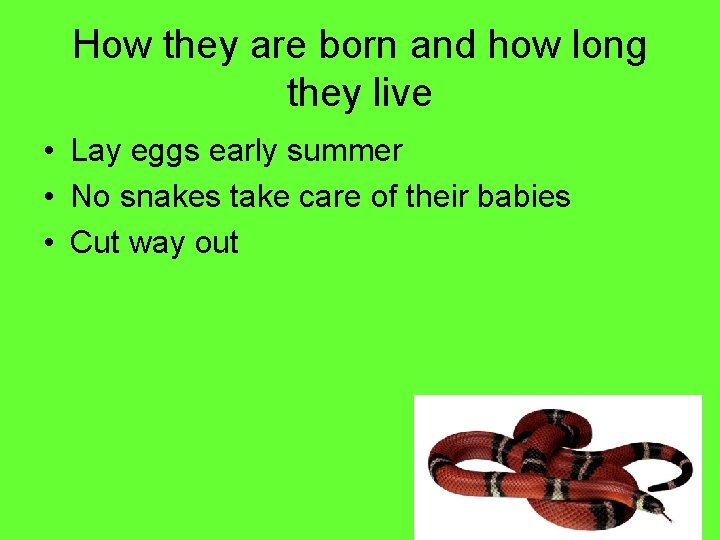
How they are born and how long they live • Lay eggs early summer • No snakes take care of their babies • Cut way out
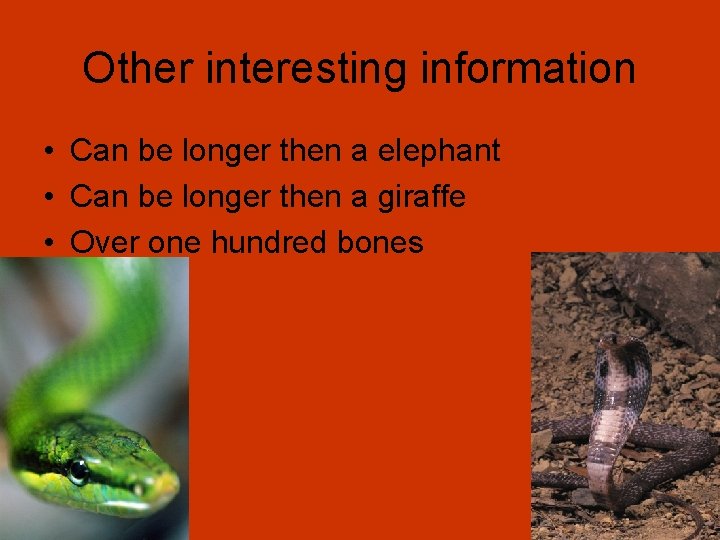
Other interesting information • Can be longer then a elephant • Can be longer then a giraffe • Over one hundred bones
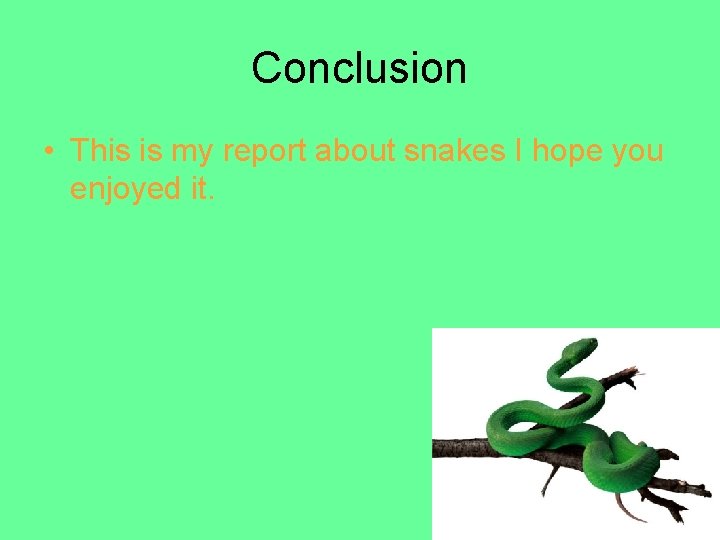
Conclusion • This is my report about snakes I hope you enjoyed it.
Bibliography • The snake • www. kidsplanet. org • Snakes
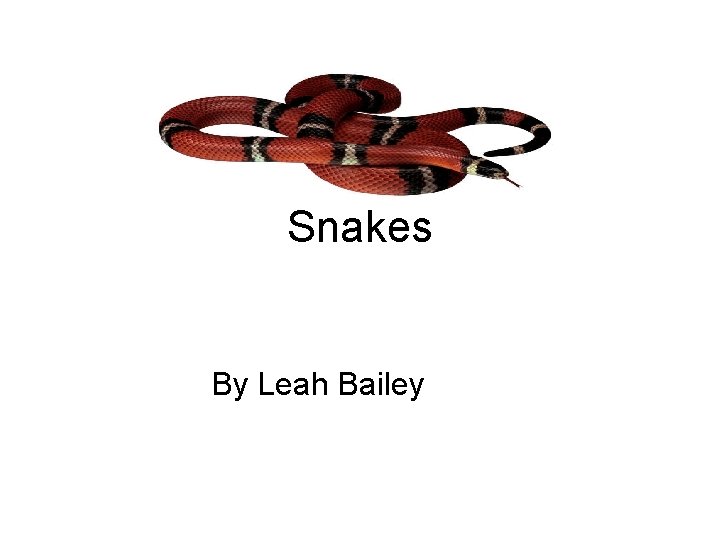
Snakes By Leah Bailey
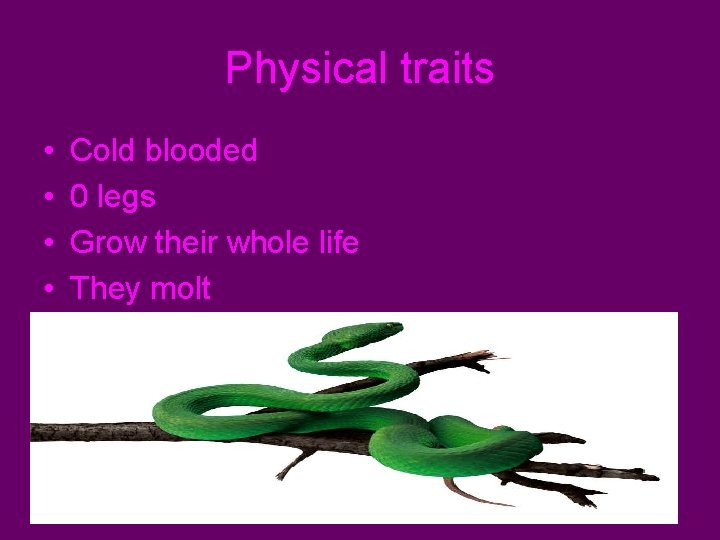
Physical traits • • Cold blooded 0 legs Grow their whole life They molt
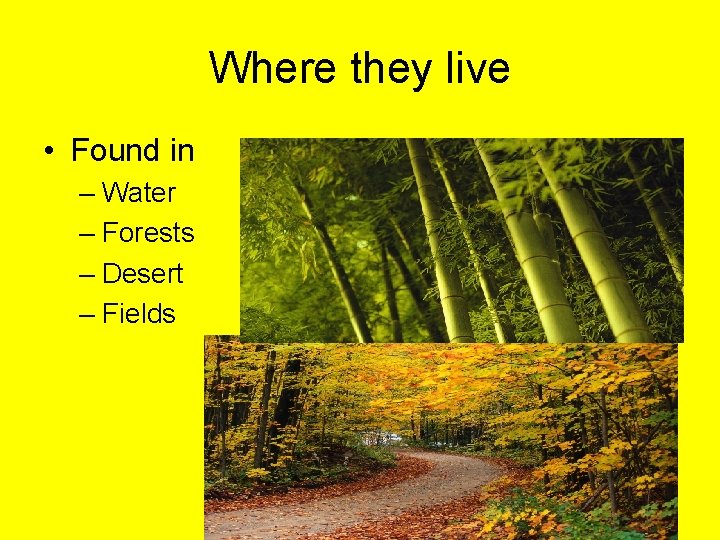
Where they live • Found in – Water – Forests – Desert – Fields
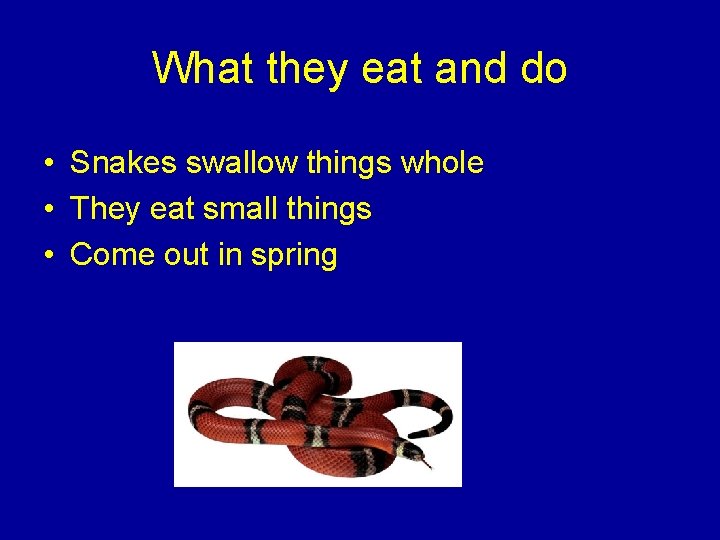
What they eat and do • Snakes swallow things whole • They eat small things • Come out in spring
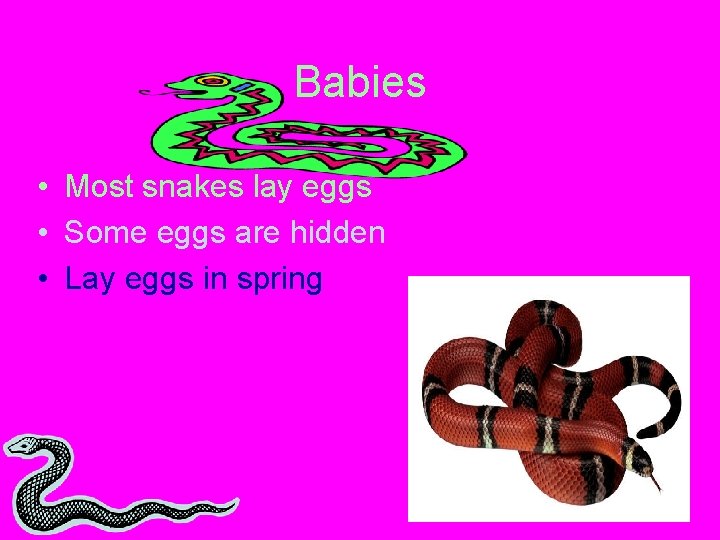
Babies • Most snakes lay eggs • Some eggs are hidden • Lay eggs in spring
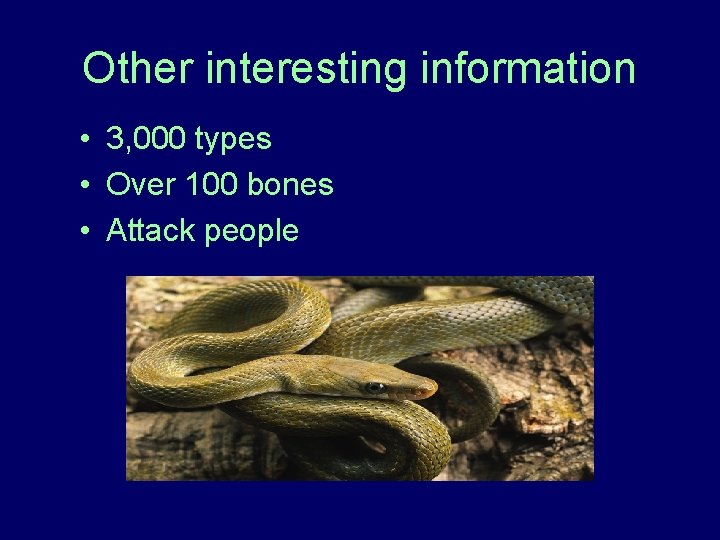
Other interesting information • 3, 000 types • Over 100 bones • Attack people
Conclusion • I hope you liked my report. I got my information from books. That is my report.
Bibliography • The Snake • Snakes • www. kidsplanet. org
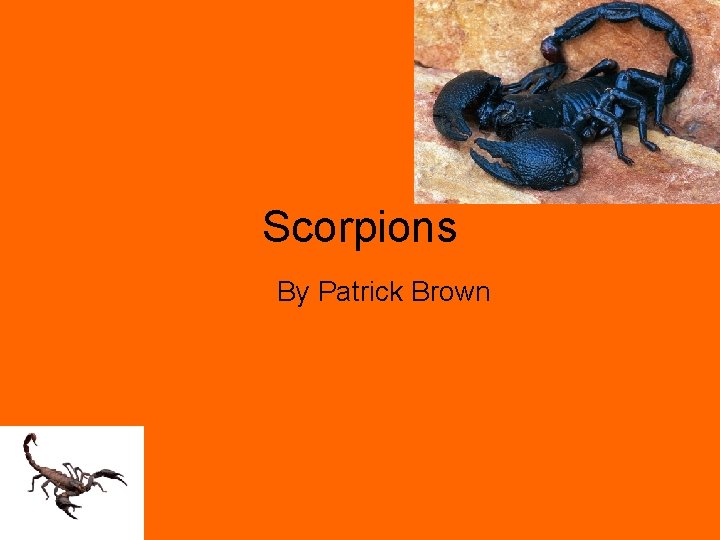
Scorpions By Patrick Brown
Introduction • More than 20 facts • From books and computers
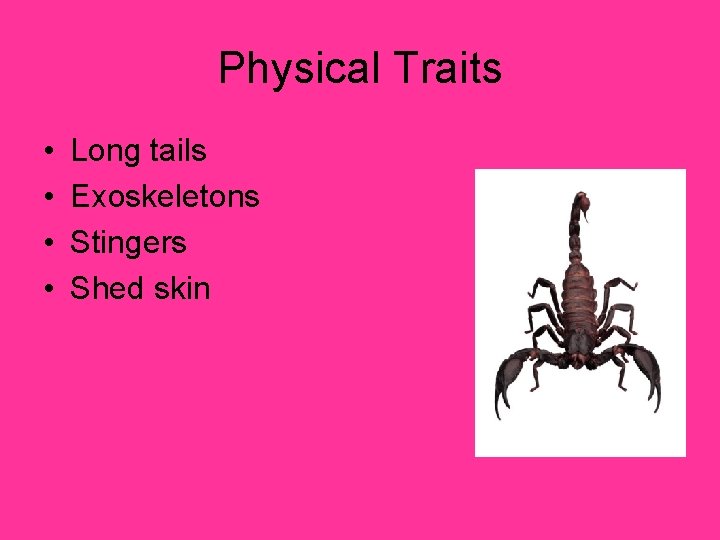
Physical Traits • • Long tails Exoskeletons Stingers Shed skin
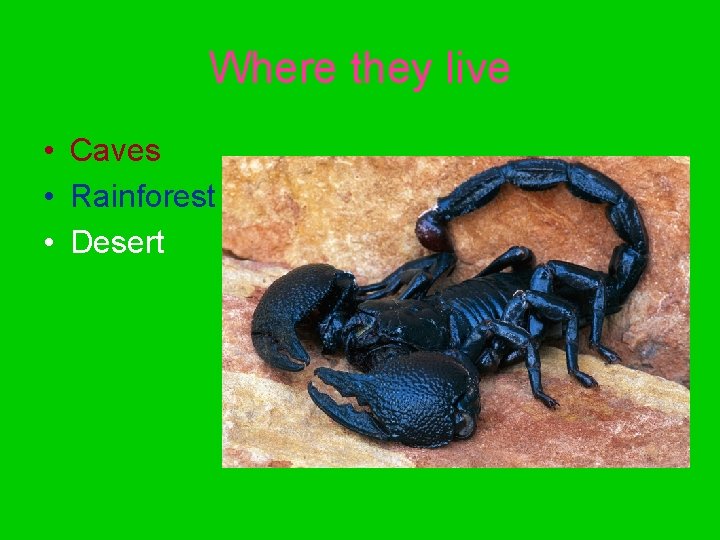
Where they live • Caves • Rainforest • Desert
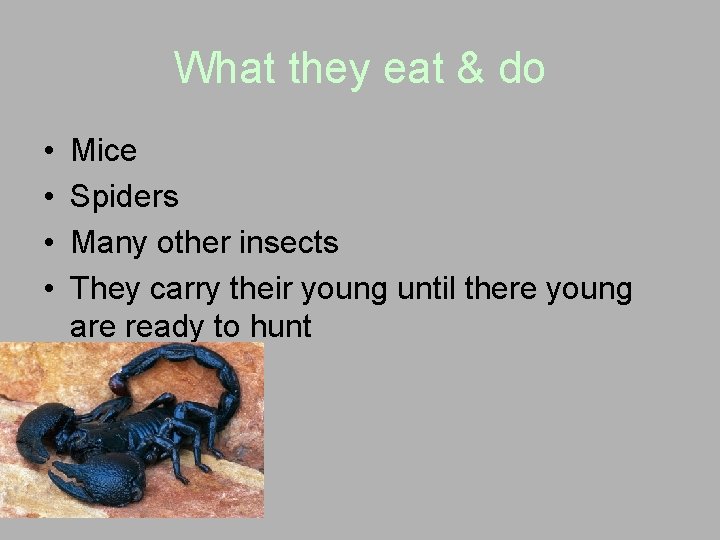
What they eat & do • • Mice Spiders Many other insects They carry their young until there young are ready to hunt
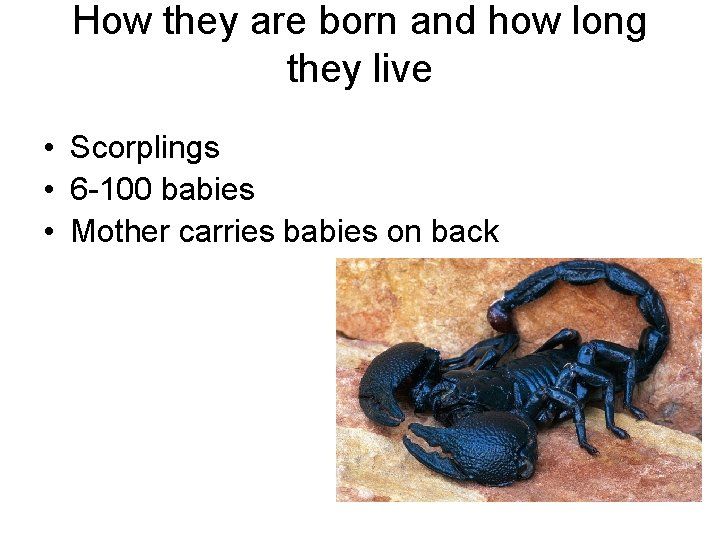
How they are born and how long they live • Scorplings • 6 -100 babies • Mother carries babies on back
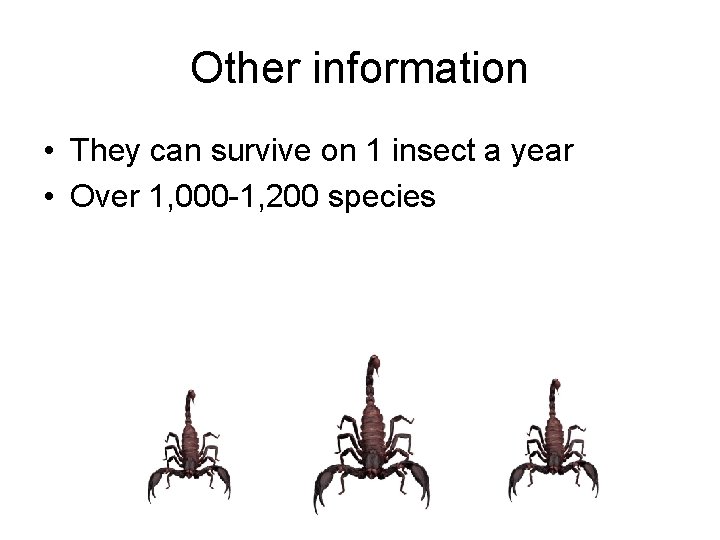
Other information • They can survive on 1 insect a year • Over 1, 000 -1, 200 species
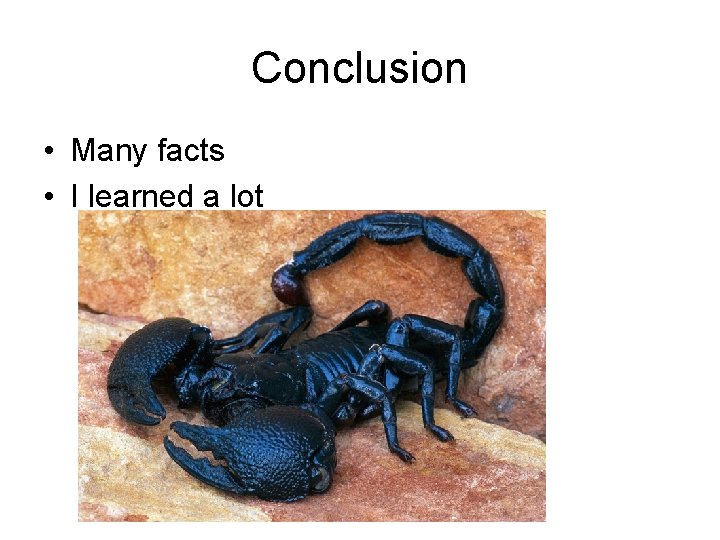
Conclusion • Many facts • I learned a lot
Bibliography My books • Scorpions in the dark Website • www. nationalgeographic. com
Ladybugs By Brooke Madden!
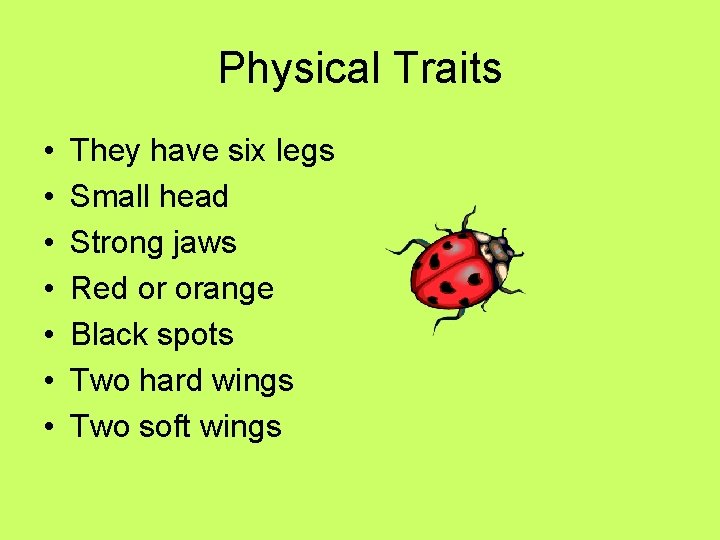
Physical Traits • • They have six legs Small head Strong jaws Red or orange Black spots Two hard wings Two soft wings
Habitat • Flowers and leaves • Trees • Huddle together to keep warm in the winter
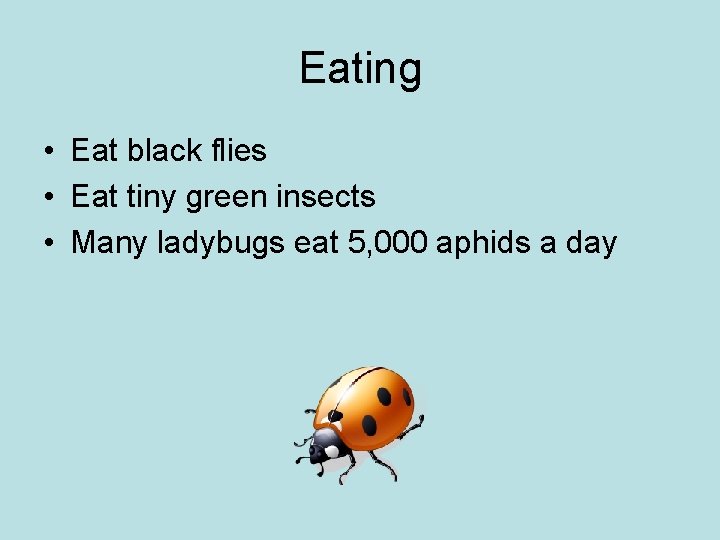
Eating • Eat black flies • Eat tiny green insects • Many ladybugs eat 5, 000 aphids a day
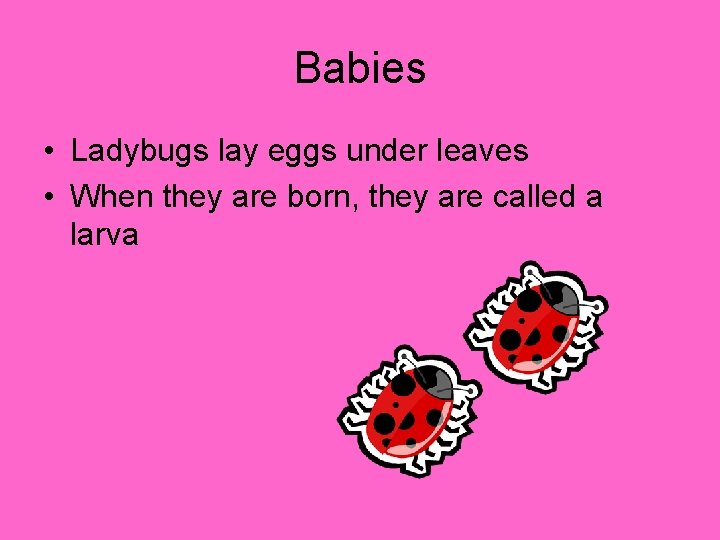
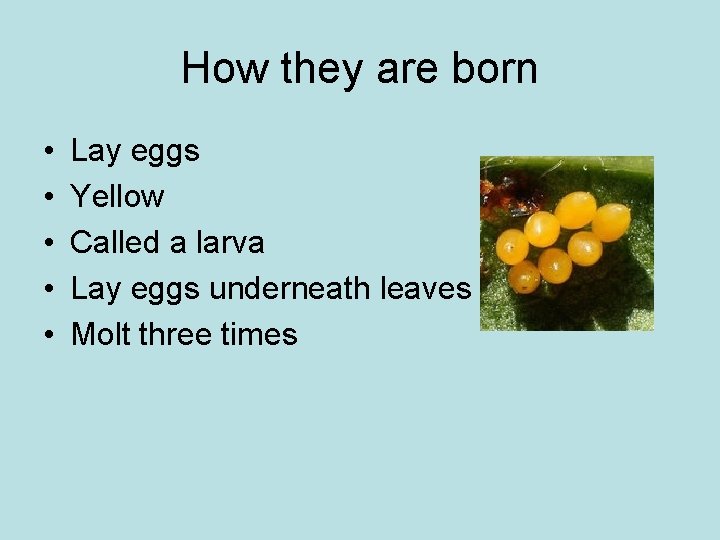
Babies • Ladybugs lay eggs under leaves • When they are born, they are called a larva
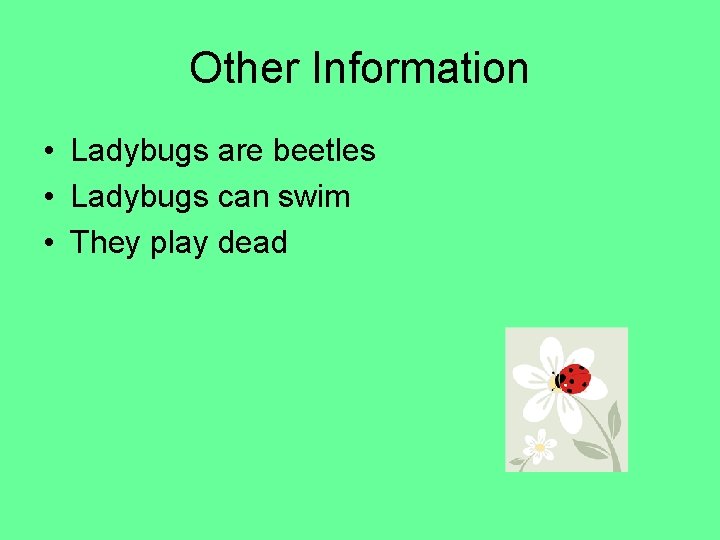
Other Information • Ladybugs are beetles • Ladybugs can swim • They play dead
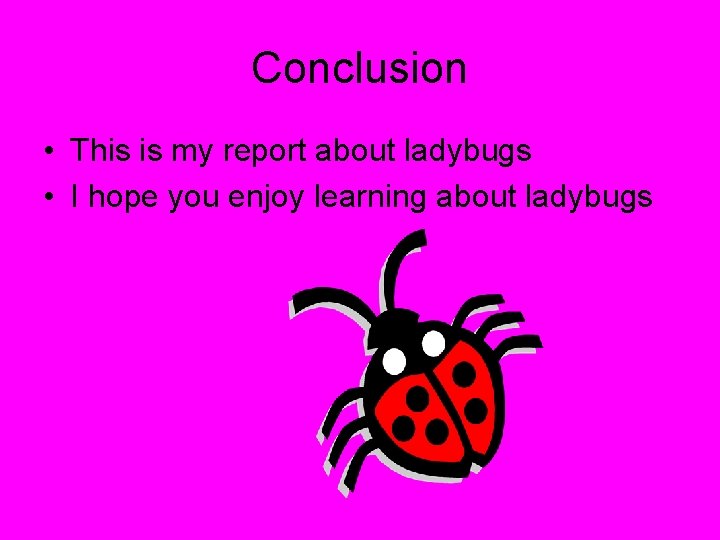
Conclusion • This is my report about ladybugs • I hope you enjoy learning about ladybugs
Bibliography • • Ladybugs Bug Food Ladybugs Life www. nationalgeographic. com
Butterflies By Emerson Driscoll
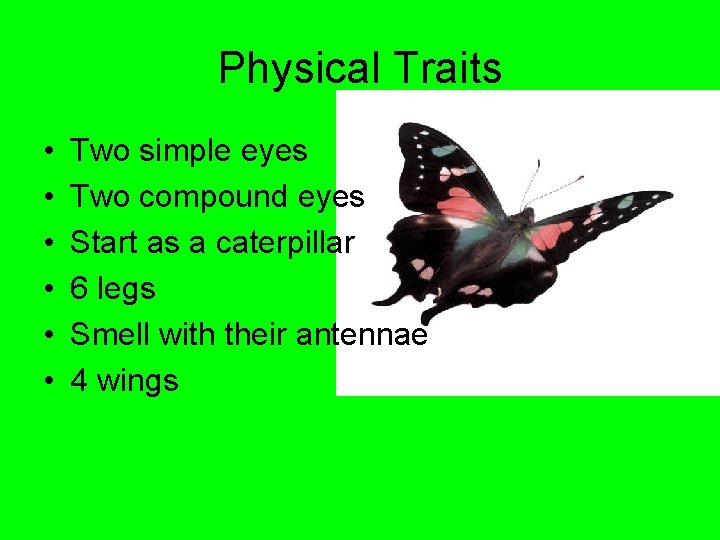
Physical Traits • • • Two simple eyes Two compound eyes Start as a caterpillar 6 legs Smell with their antennae 4 wings
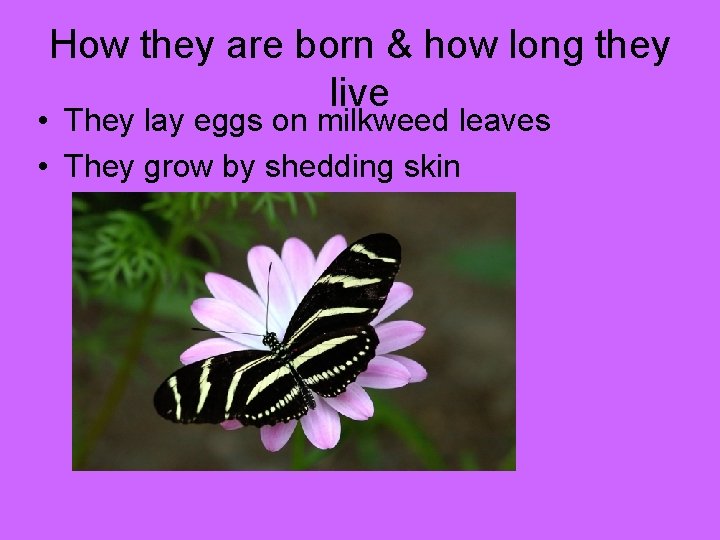
How they are born & how long they live • They lay eggs on milkweed leaves • They grow by shedding skin
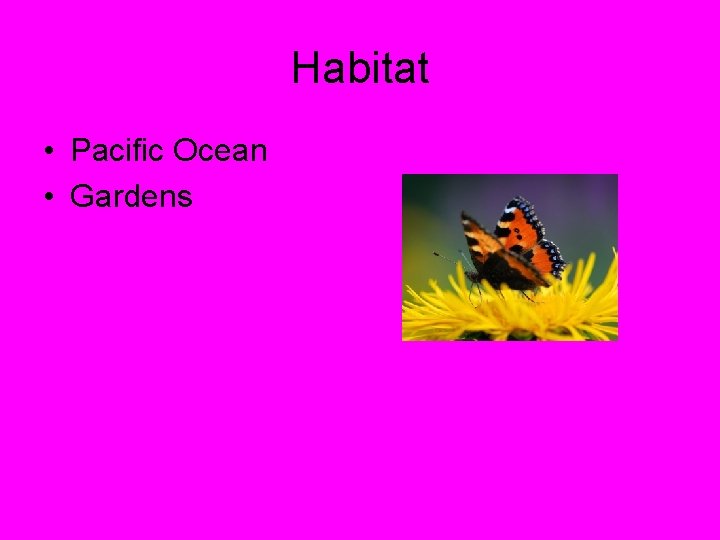
Habitat • Pacific Ocean • Gardens
What they eat and do • Butterflies use their long tongues to sip water or nectar from flowers
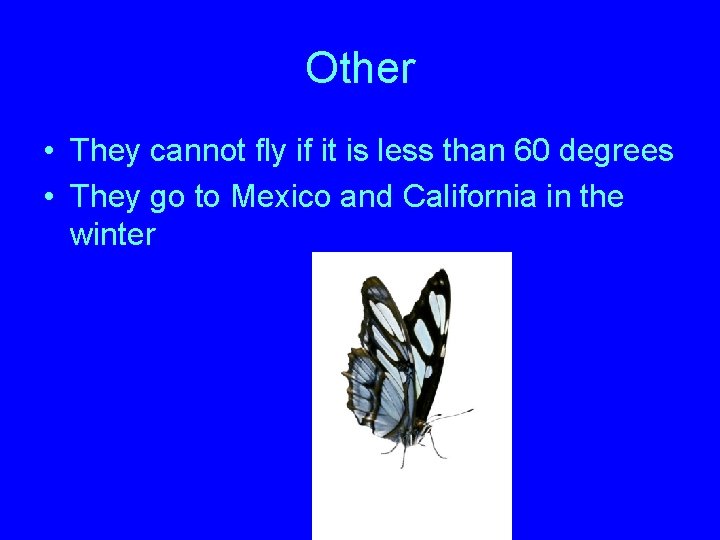
Other • They cannot fly if it is less than 60 degrees • They go to Mexico and California in the winter
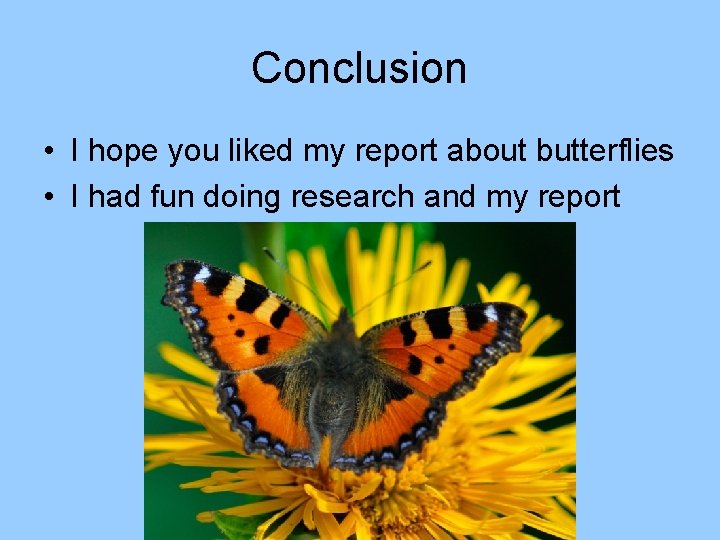
Conclusion • I hope you liked my report about butterflies • I had fun doing research and my report
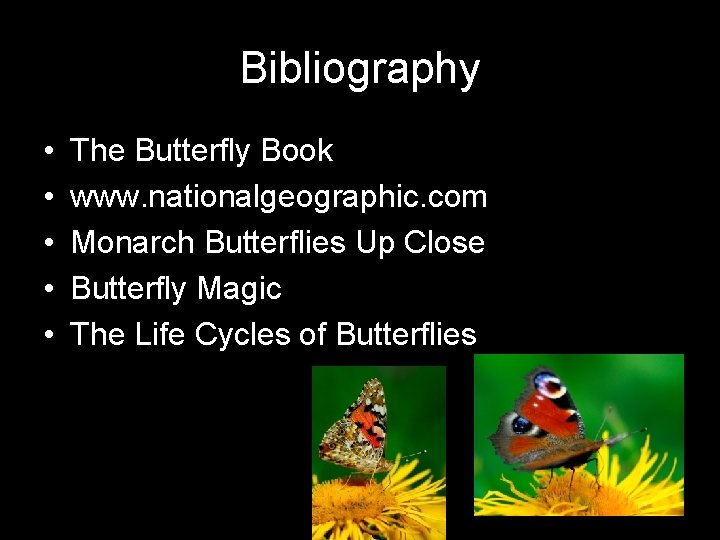
Bibliography • • • The Butterfly Book www. nationalgeographic. com Monarch Butterflies Up Close Butterfly Magic The Life Cycles of Butterflies
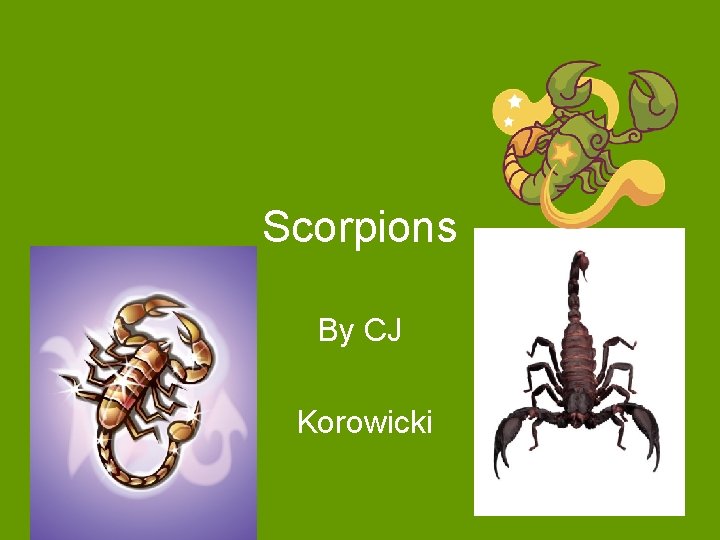
Scorpions By CJ Korowicki
Introduction • I used many books a computer to learn about scorpions. I did my best work. I hope you like it.
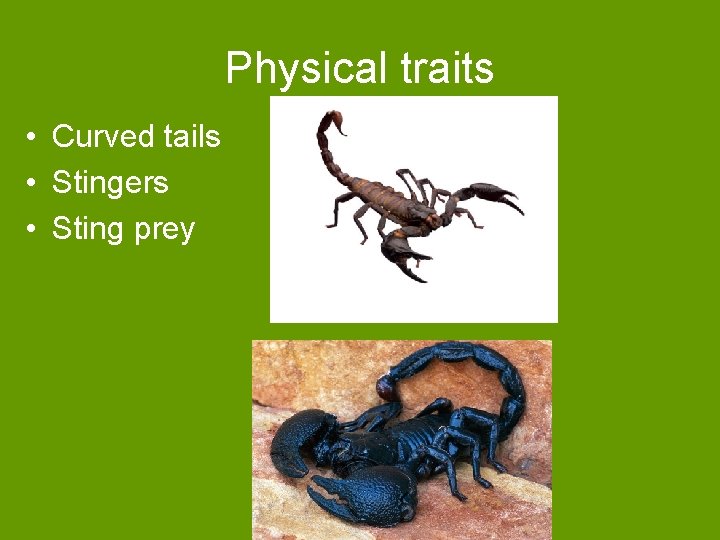
Physical traits • Curved tails • Stingers • Sting prey
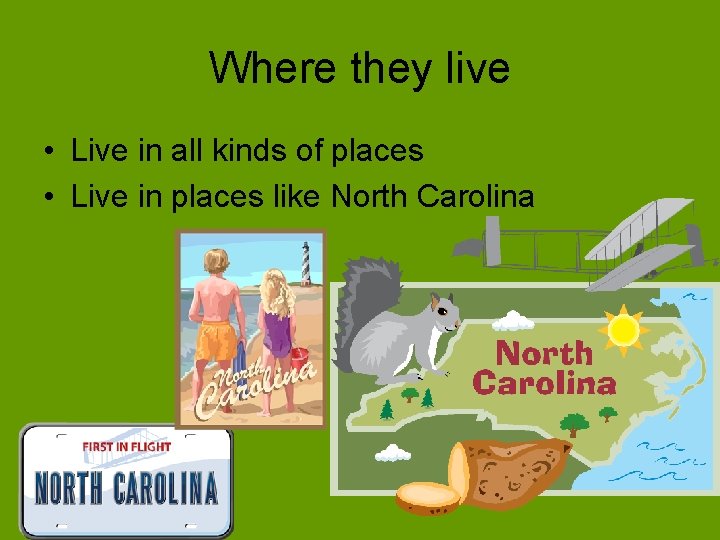
Where they live • Live in all kinds of places • Live in places like North Carolina
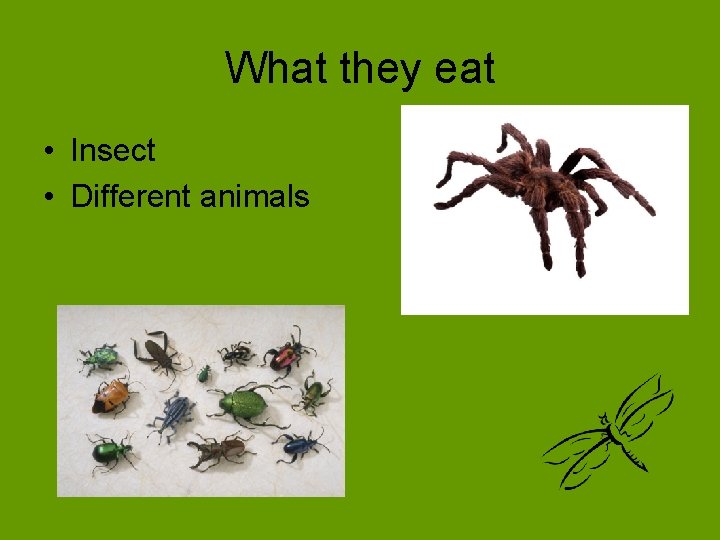
What they eat • Insect • Different animals
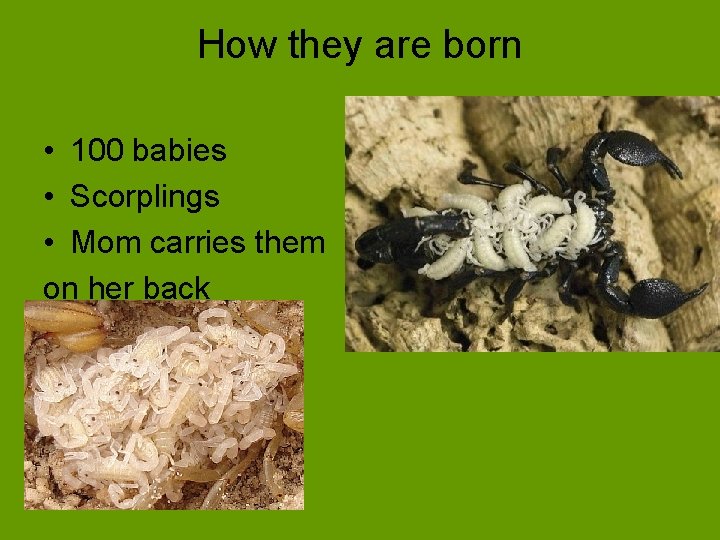
How they are born • 100 babies • Scorplings • Mom carries them on her back
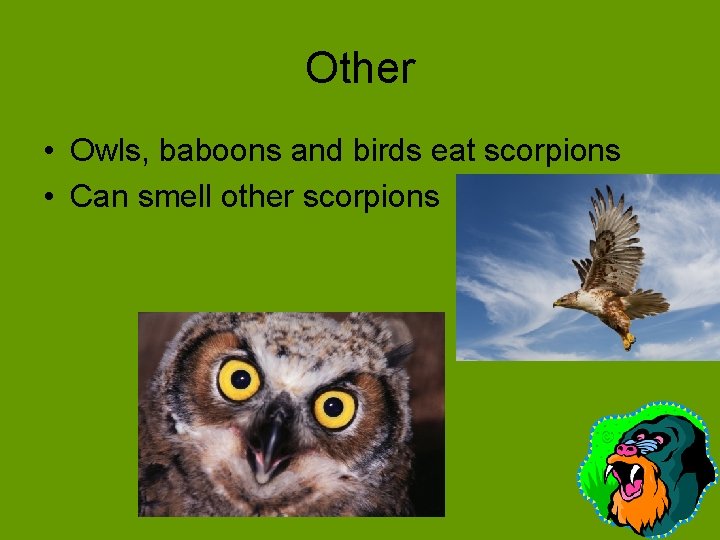
Other • Owls, baboons and birds eat scorpions • Can smell other scorpions
Conclusion • • This is the end of my research I hoped you enjoyed my research I worked very hard I hope you learned a lot I did
Bibliography www. nationalgeographic. com Scorpions in the Dark Deadly Spiders and Scorpions
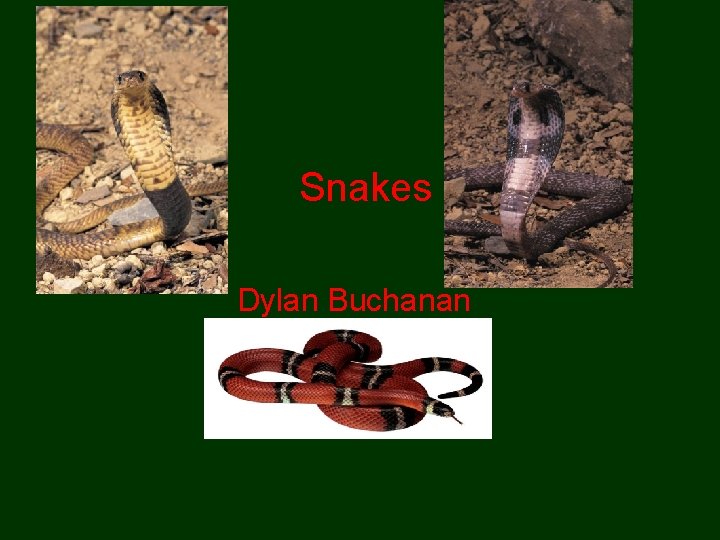
Snakes Dylan Buchanan
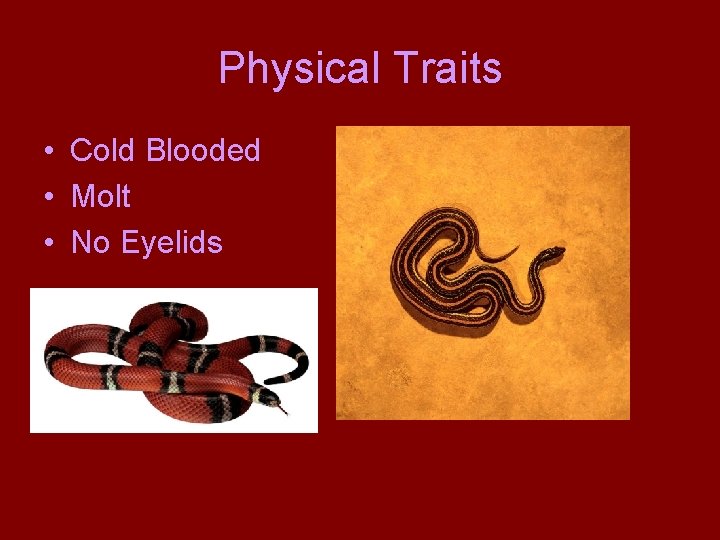
Physical Traits • Cold Blooded • Molt • No Eyelids
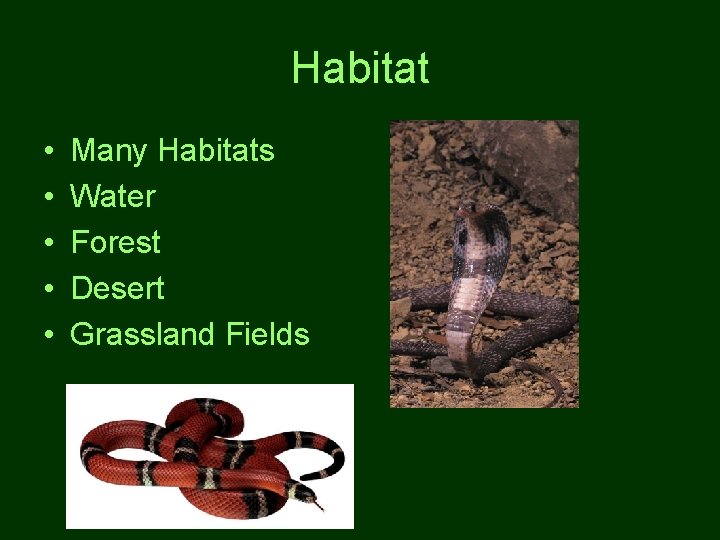
Habitat • • • Many Habitats Water Forest Desert Grassland Fields
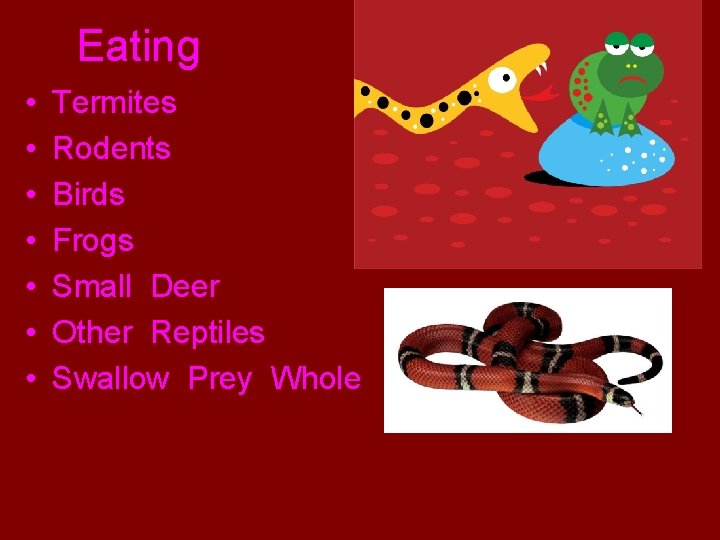
Eating • • Termites Rodents Birds Frogs Small Deer Other Reptiles Swallow Prey Whole
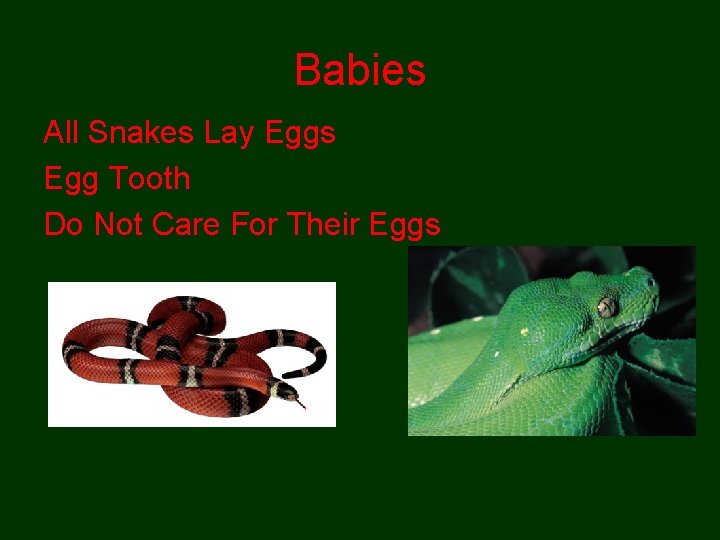
Babies All Snakes Lay Eggs Egg Tooth Do Not Care For Their Eggs
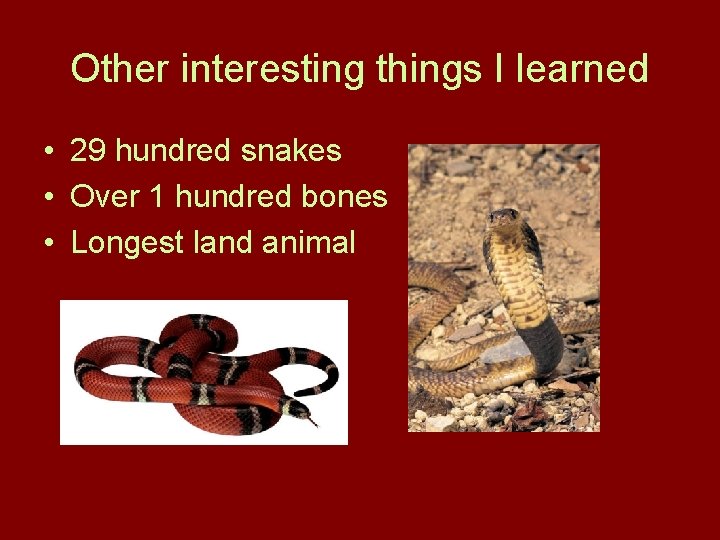
Other interesting things I learned • 29 hundred snakes • Over 1 hundred bones • Longest land animal
Conclusion • Snakes are helpful • I hope you enjoyed my report
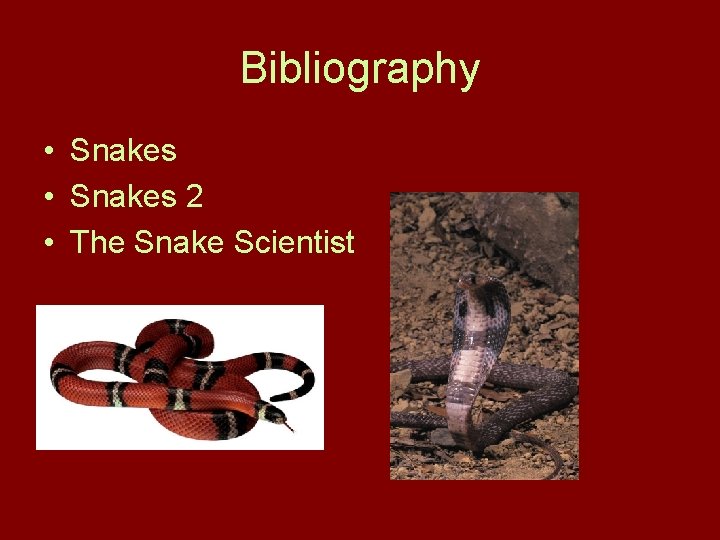
Bibliography • Snakes 2 • The Snake Scientist
Ladybugs By Marielle
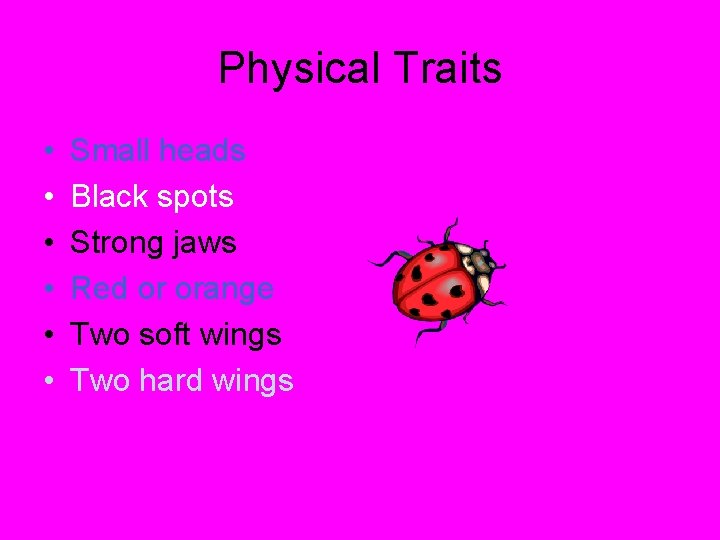
Physical Traits • • • Small heads Black spots Strong jaws Red or orange Two soft wings Two hard wings
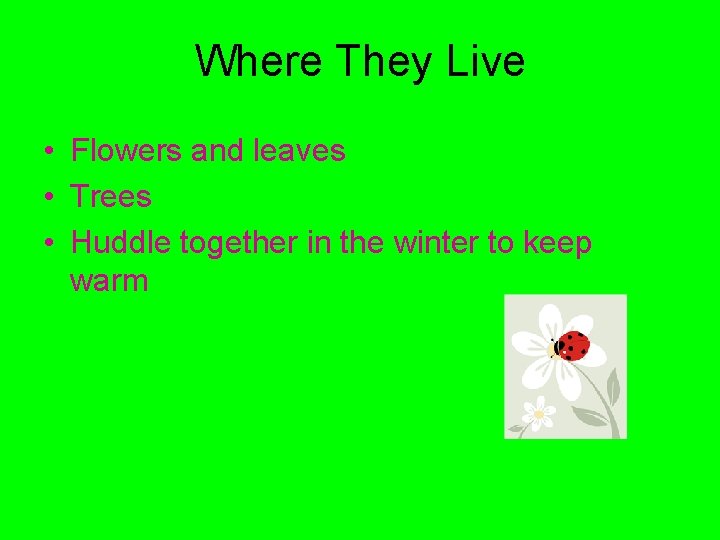
Where They Live • Flowers and leaves • Trees • Huddle together in the winter to keep warm
What they eat • Black flies • Tiny green insects • Eat 5, 000 aphids
How they are born • • • Lay eggs Yellow Called a larva Lay eggs underneath leaves Molt three times
Other interesting facts • • • Play dead No ears Feel vibrations with feet About 5, 000 species Beetles Can swim
Conclusion That was my report about ladybugs. I hope you enjoyed it!
Bibliography • • Ladybugs Bug food Ladybug’s life www. nationalgeographic. com
Snakes By Koen Ventura
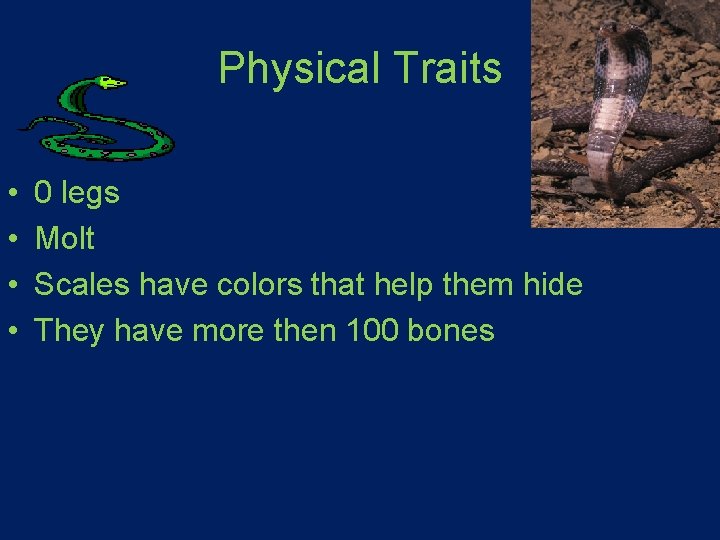
Physical Traits • • 0 legs Molt Scales have colors that help them hide They have more then 100 bones
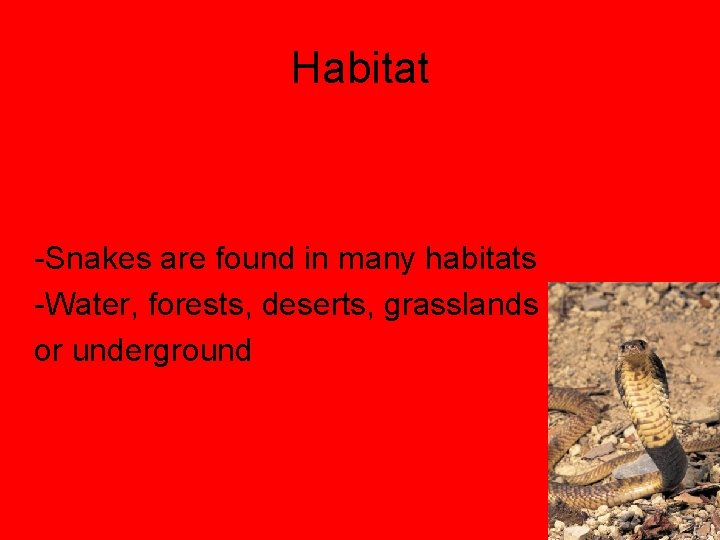
Habitat -Snakes are found in many habitats -Water, forests, deserts, grasslands or underground
Eating • Snakes eat reptiles, rodents, birds, frogs, small deer and other reptiles • Snakes swallow prey whole
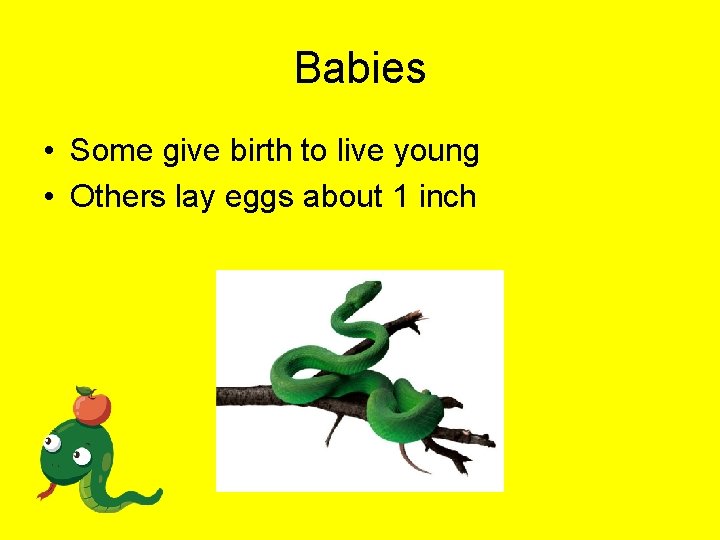
Babies • Some give birth to live young • Others lay eggs about 1 inch
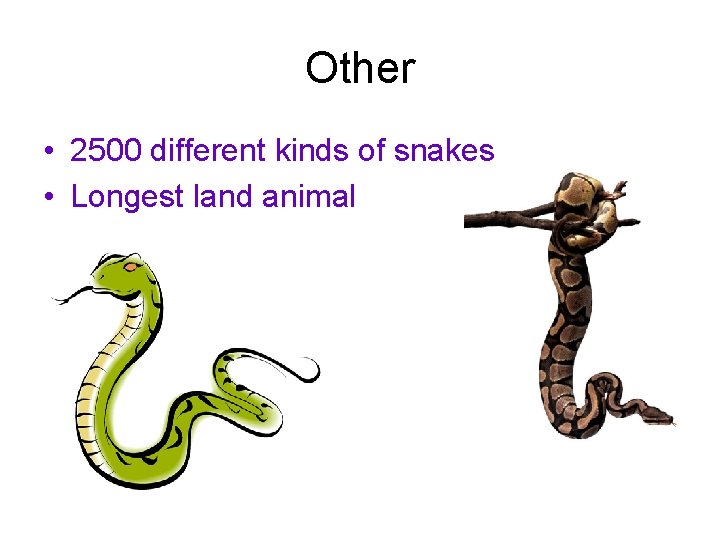
Other • 2500 different kinds of snakes • Longest land animal
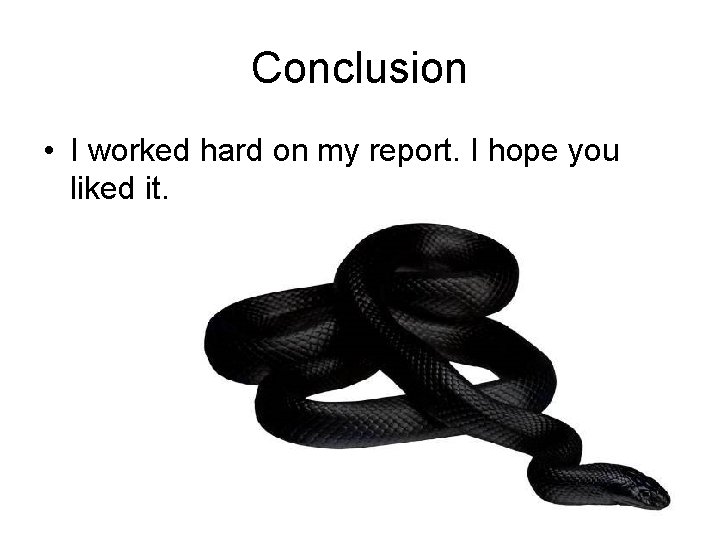
Conclusion • I worked hard on my report. I hope you liked it.
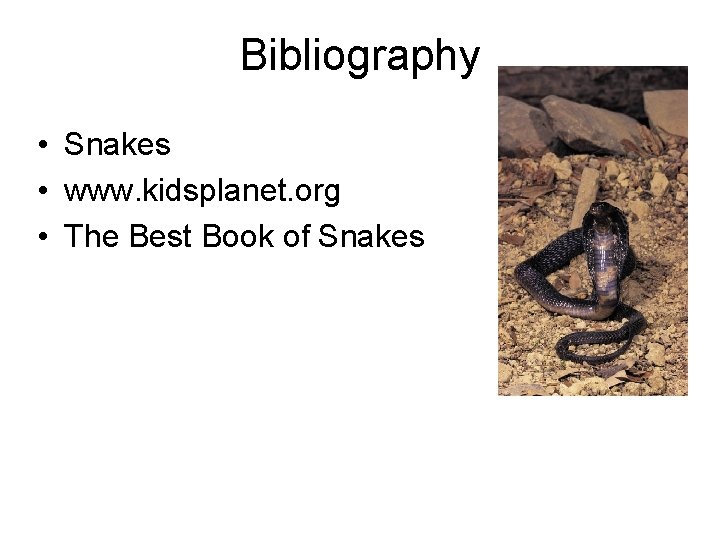
Bibliography • Snakes • www. kidsplanet. org • The Best Book of Snakes
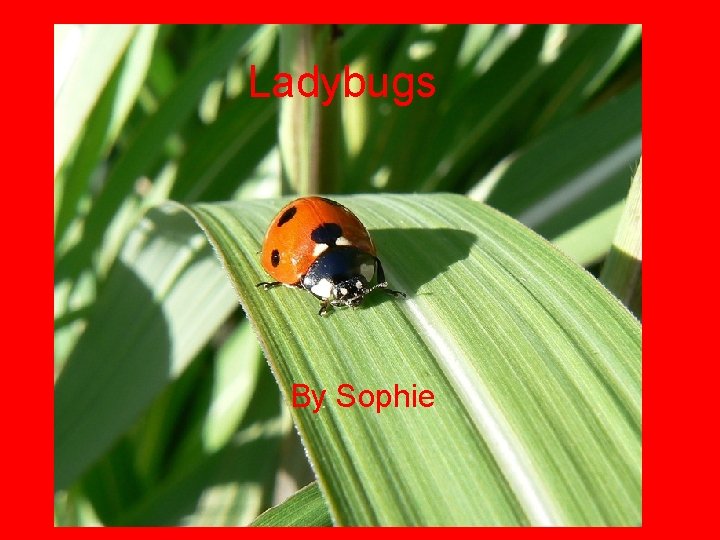
Ladybugs By Sophie
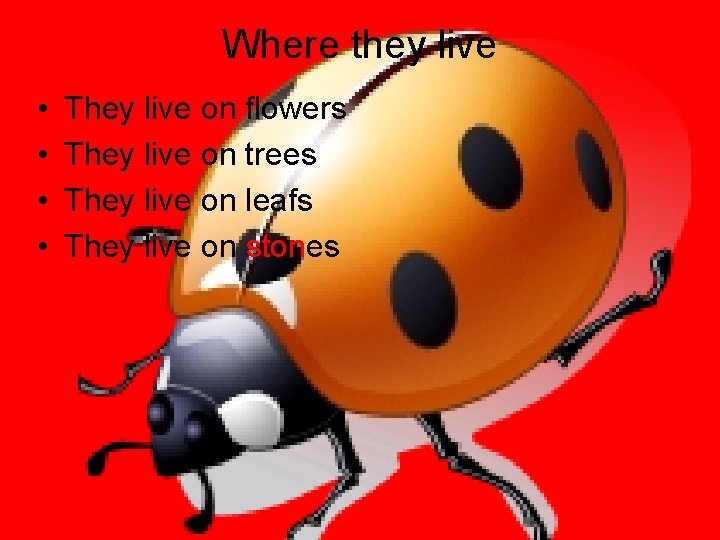
Physical Traits • • They have Black spots Ladybugs have six legs They have 2 soft wings They have 2 hard wings
Where they live • • They live on flowers They live on trees They live on leafs They live on stones
What they eat and do • They eat Aphid • They eat Mealybugs • Larva eat the same as the adult
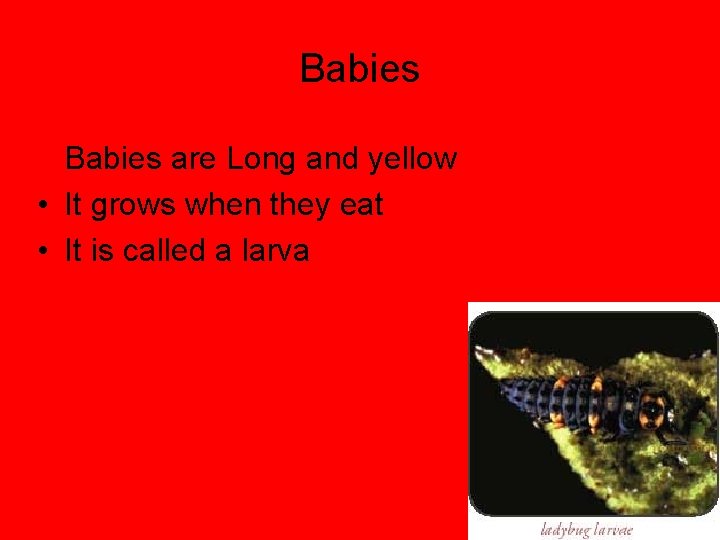
Babies are Long and yellow • It grows when they eat • It is called a larva
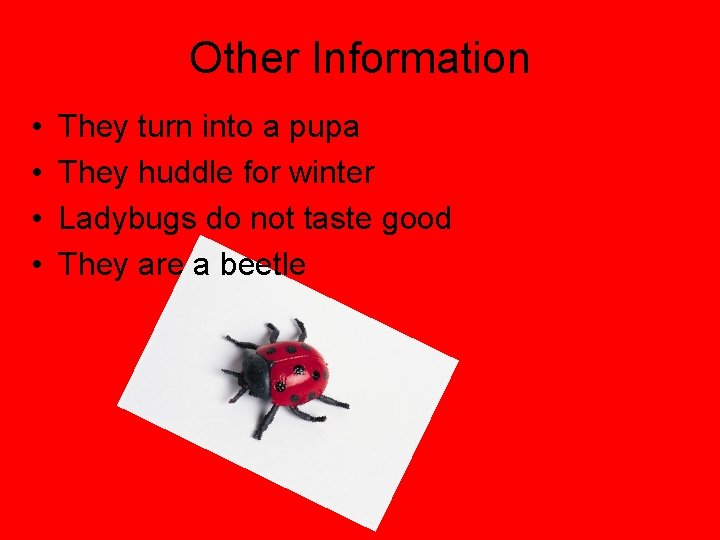
Other Information • • They turn into a pupa They huddle for winter Ladybugs do not taste good They are a beetle
Conclusion • I used books and computers for my information. I hope you enjoyed it.
Bibliography • • Ladybugs www. askkids. com www. yahookids. com
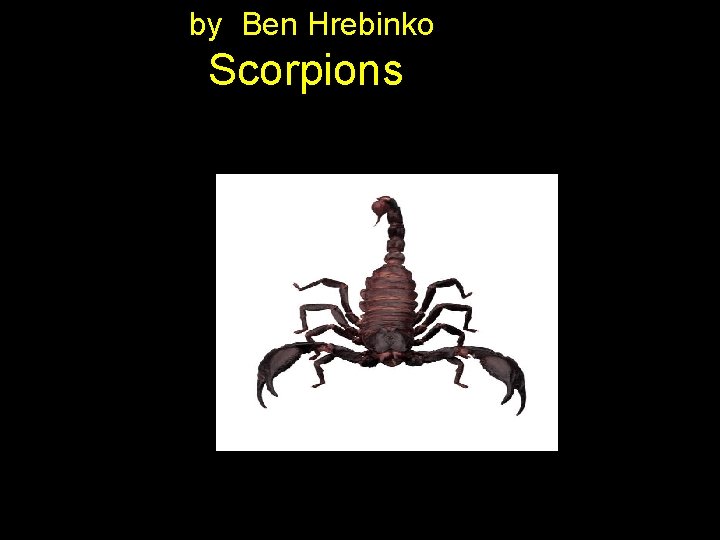
by Ben Hrebinko Scorpions
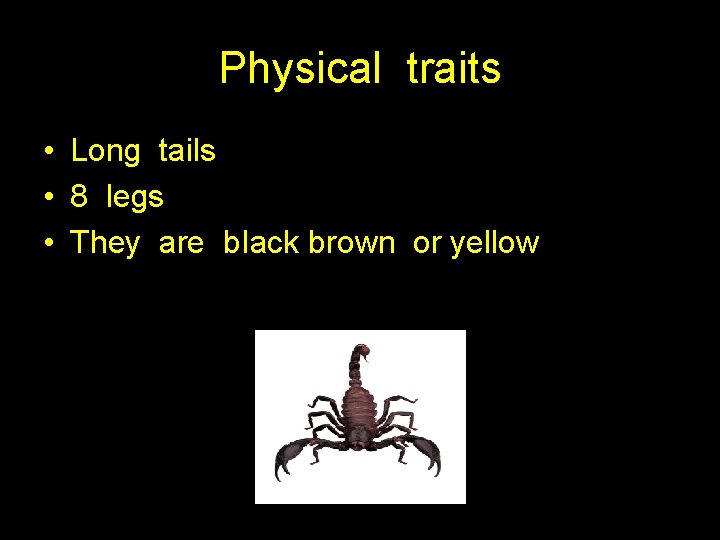
Physical traits • Long tails • 8 legs • They are b. Iack brown or yellow
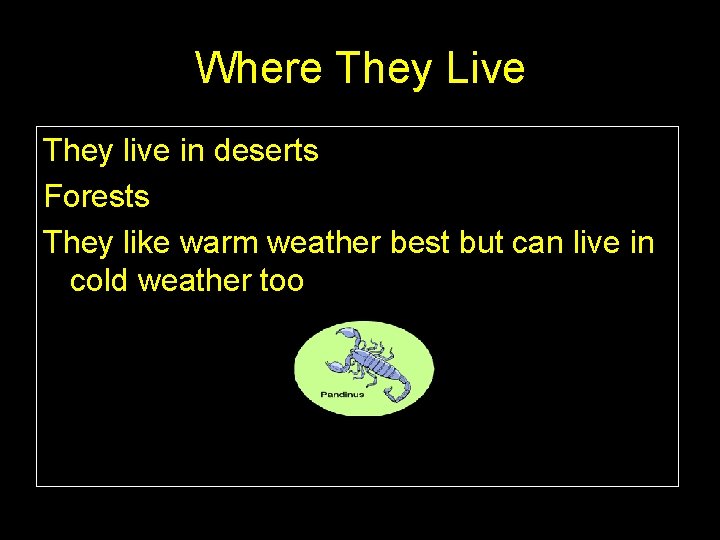
Where They Live They live in deserts Forests They like warm weather best but can live in cold weather too
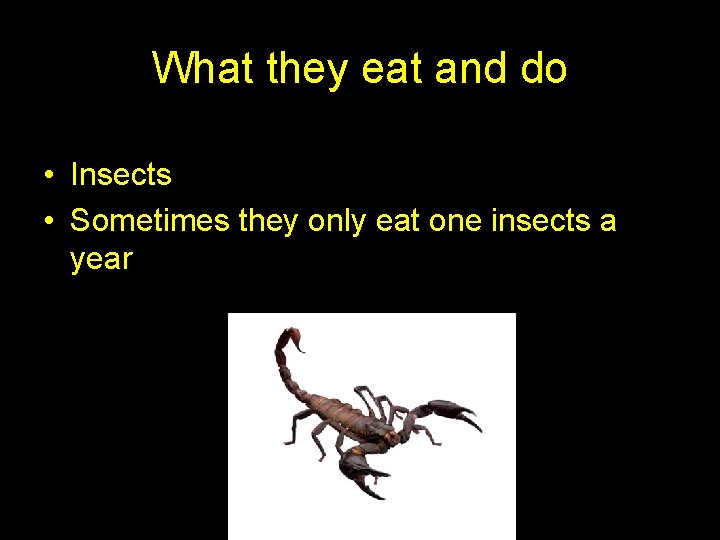
What they eat and do • Insects • Sometimes they only eat one insects a year
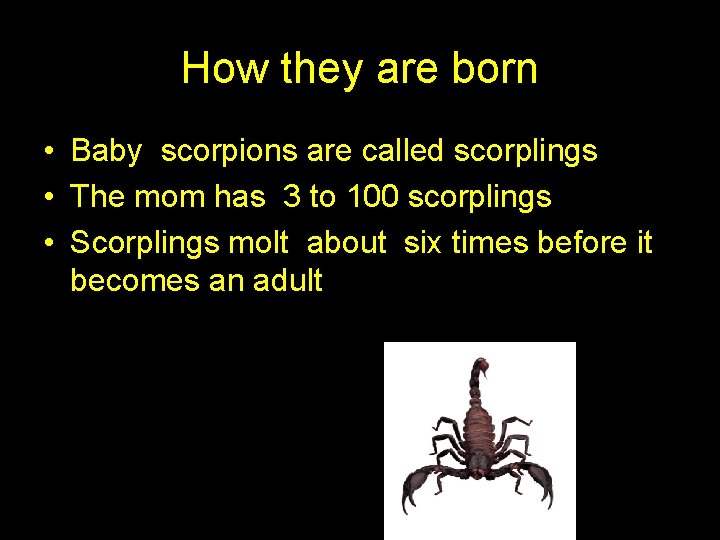
How they are born • Baby scorpions are called scorplings • The mom has 3 to 100 scorplings • Scorplings molt about six times before it becomes an adult
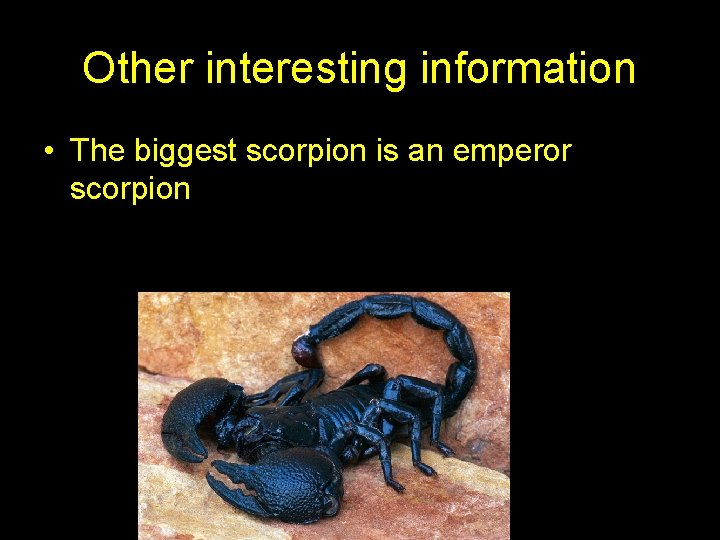
Other interesting information • The biggest scorpion is an emperor scorpion
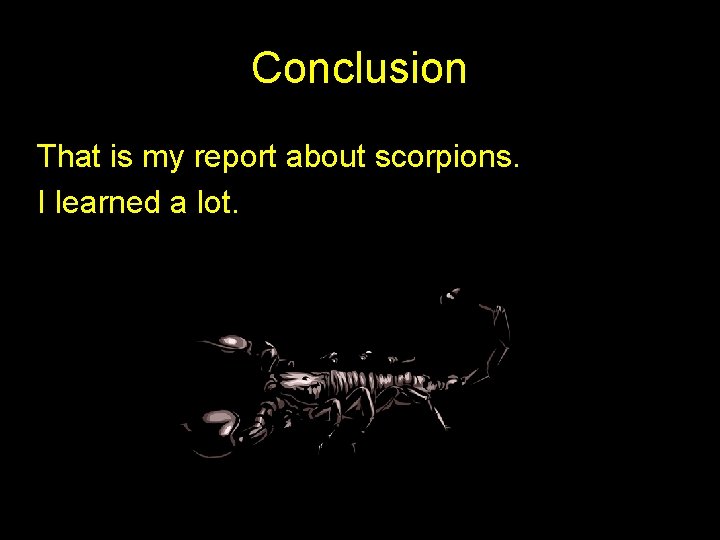
Conclusion That is my report about scorpions. I learned a lot.
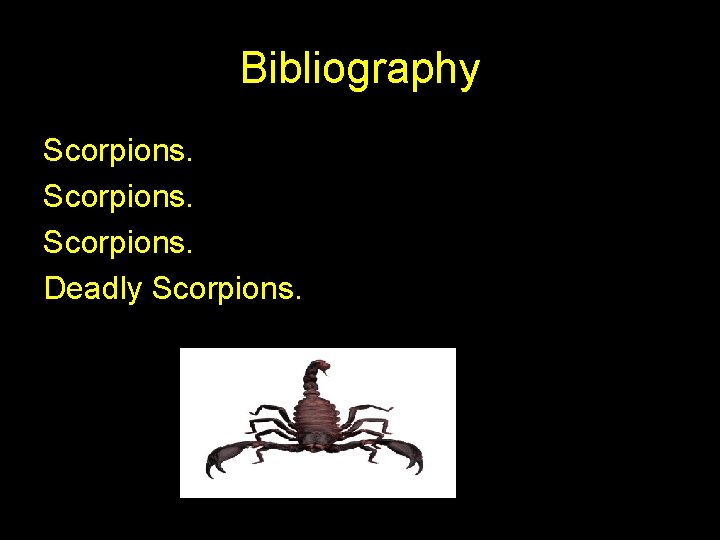
Bibliography Scorpions. Deadly Scorpions.
Butterflies By Ana Vezendy
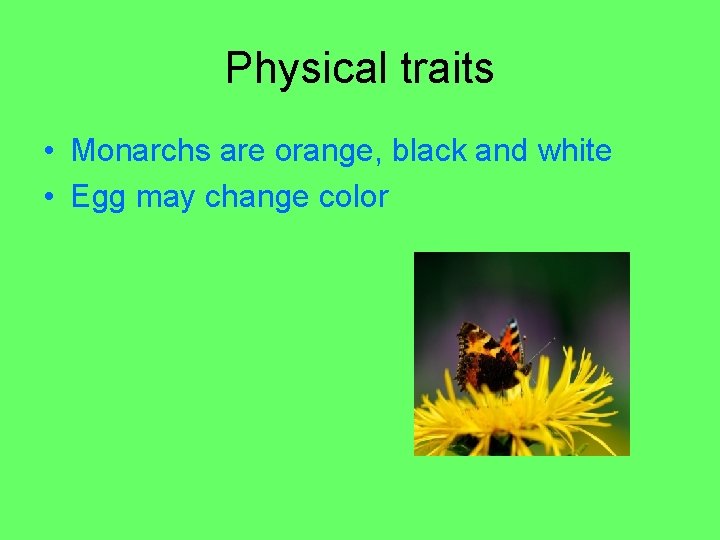
Physical traits • Monarchs are orange, black and white • Egg may change color
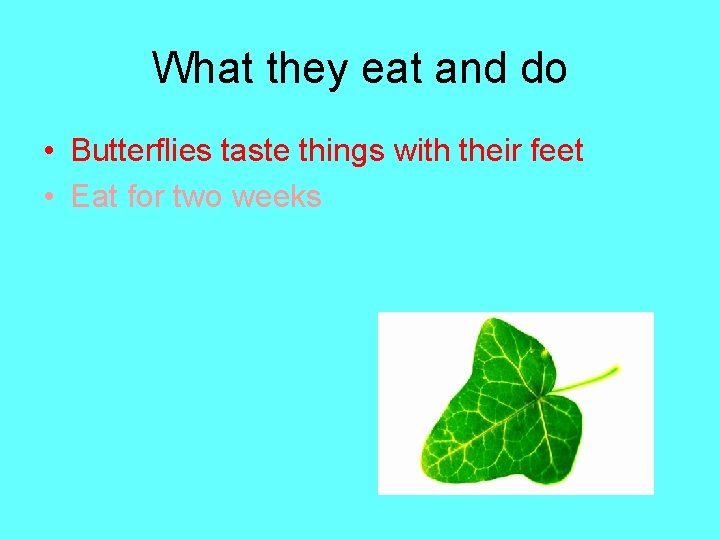
What they eat and do • Butterflies taste things with their feet • Eat for two weeks
Where they live • Live all over the U. S. A. • Live in gardens
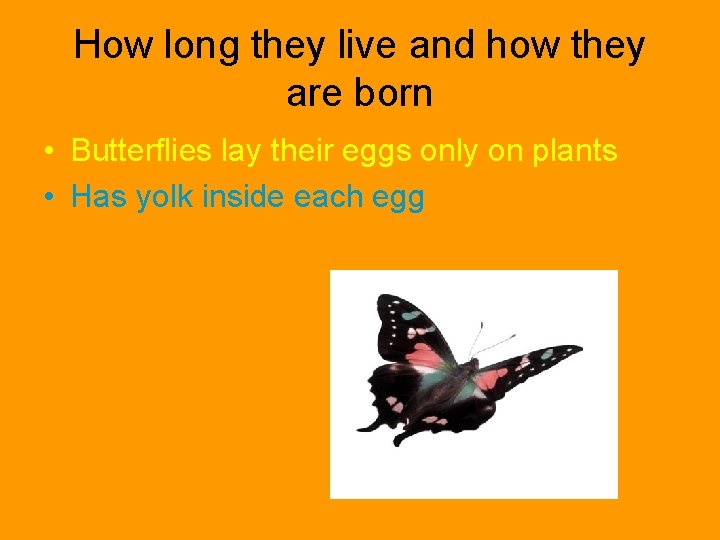
How long they live and how they are born • Butterflies lay their eggs only on plants • Has yolk inside each egg
Other Information • Caterpillers have no bones • A mother butterfly may visit a dozen plants before choosing one for her eggs
Conclusion • I worked very hard. I hope you enjoyed it.
Bibliography • The Life Cycle of a Butterfly • Butterflies • www. nationalgeographic. com
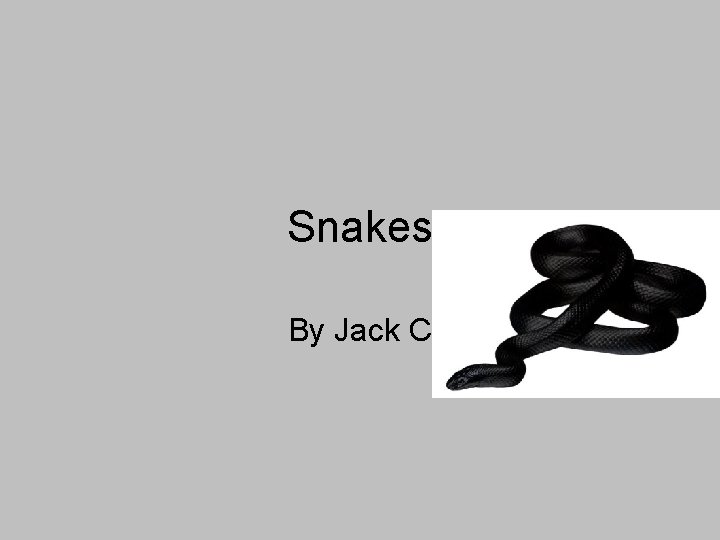
Snakes By Jack C
Where they live • Snakes live in rocky mountains • Snakes like to live in cold places • Live in caves
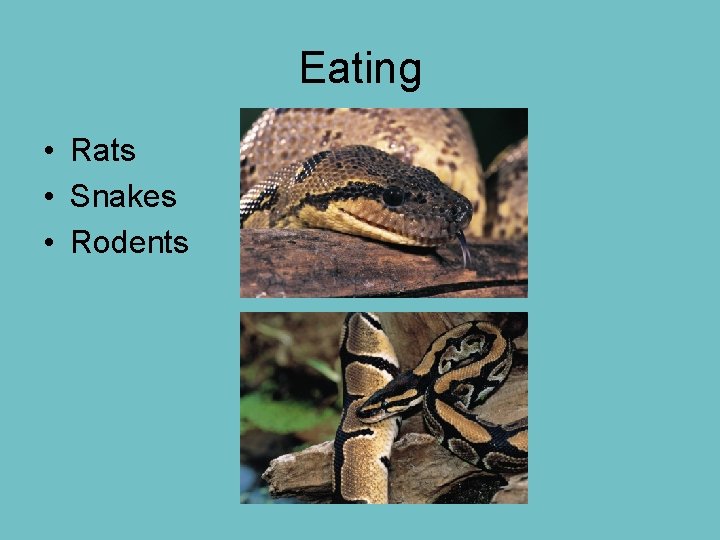
Eating • Rats • Snakes • Rodents
Physical Traits • • • Scaly and long Snakes molt Snakes have colors that help hide Snakes have more then 100 bones There are 2, 000 kinds of snakes
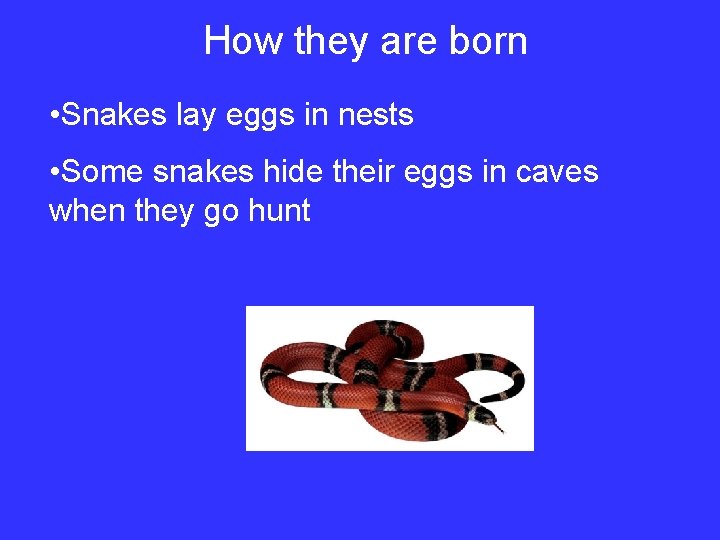
How they are born • Snakes lay eggs in nests • Some snakes hide their eggs in caves when they go hunt
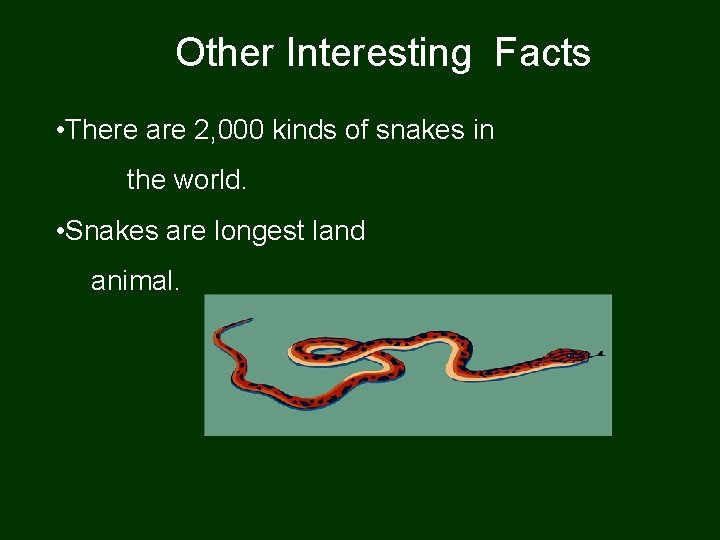
Other Interesting Facts • There are 2, 000 kinds of snakes in the world. • Snakes are longest land animal.
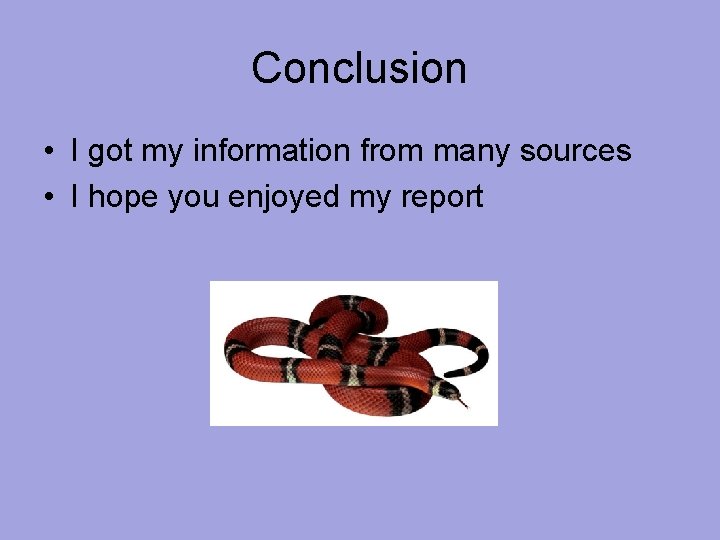
Conclusion • I got my information from many sources • I hope you enjoyed my report
Bibliography • The Snake • Snakes
Snakes By Owen Rick
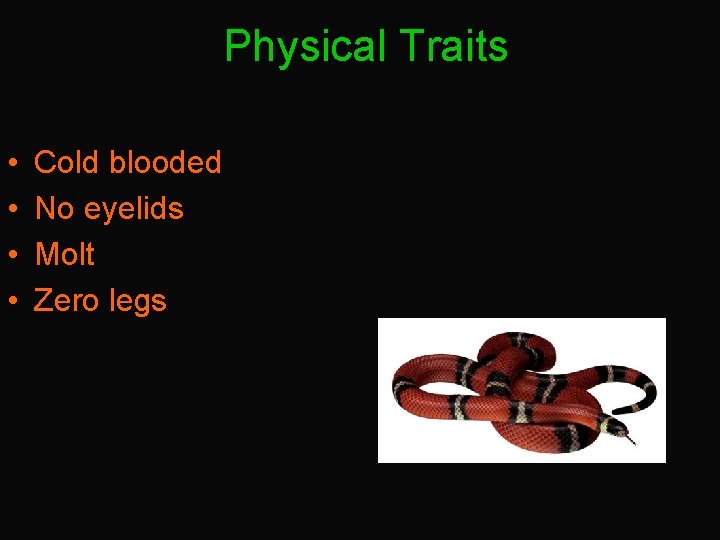
Physical Traits • • Cold blooded No eyelids Molt Zero legs
Habitat • Found in many places • Under ground during winter
What they eat • Eat many things • Swallow food whole
Snake babies • Only some lay eggs • About one inch
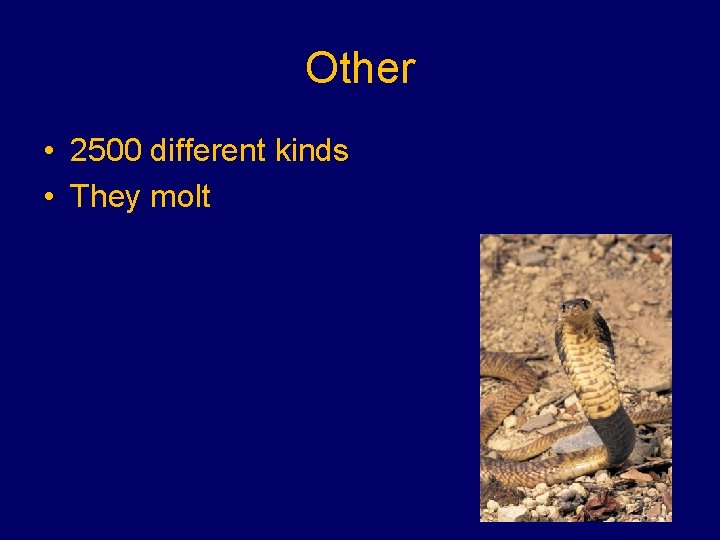
Other • 2500 different kinds • They molt
Conclusion • I worked very hard on my report • I hope you enjoyed it
Bibliography • Snakes • www. kidsplanet. org
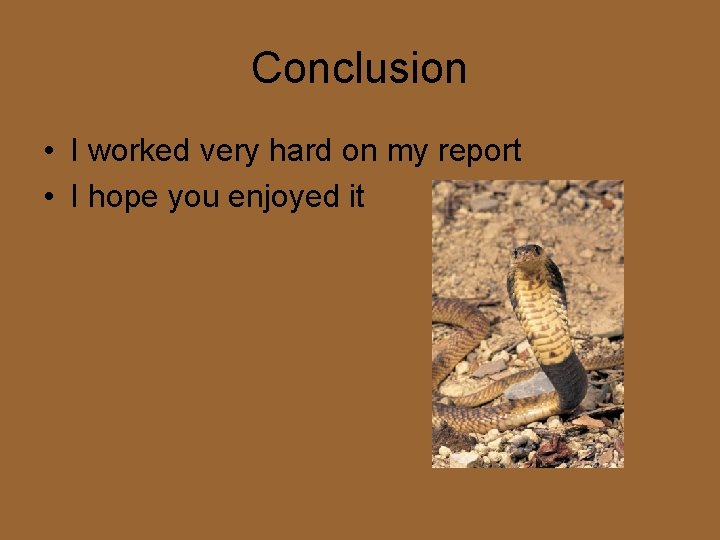
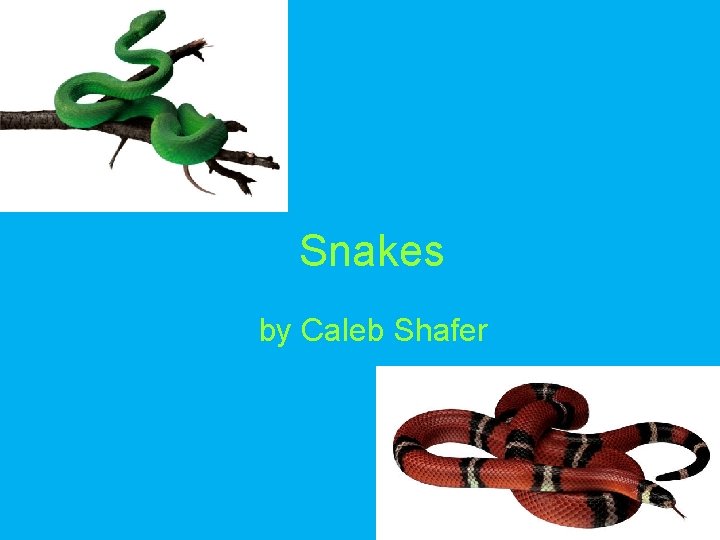
Snakes by Caleb Shafer
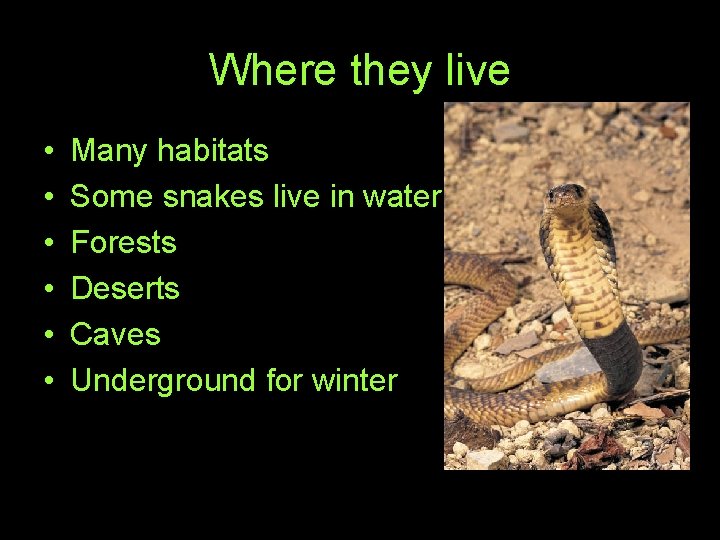
Where they live • • • Many habitats Some snakes live in water Forests Deserts Caves Underground for winter
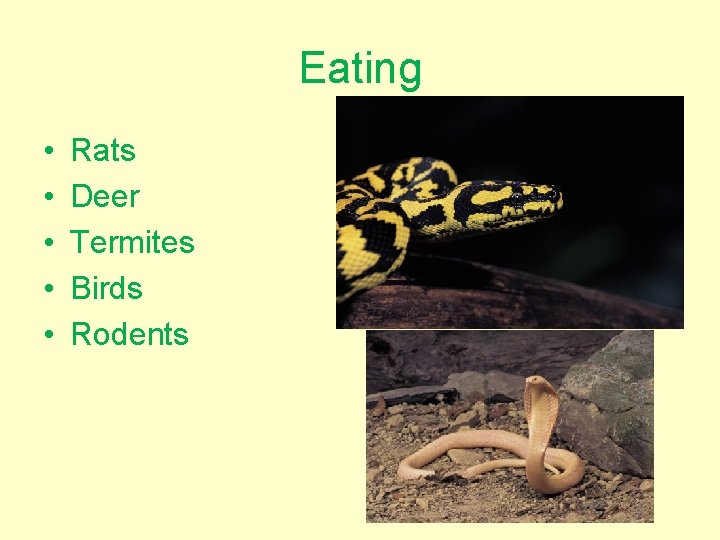
Eating • • • Rats Deer Termites Birds Rodents
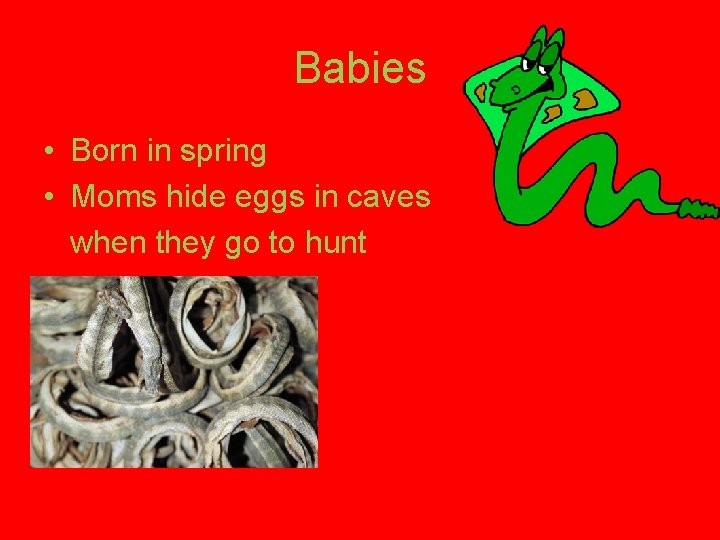
Babies • Born in spring • Moms hide eggs in caves when they go to hunt
Other Interesting Information • Longest land animal • Can be longer than an elephant or giraffe
Conclusion • That was my report about snakes. I hope you enjoyed it.
Bibliography • The Snake Scientist • Snakes
Ladybugs By Emma
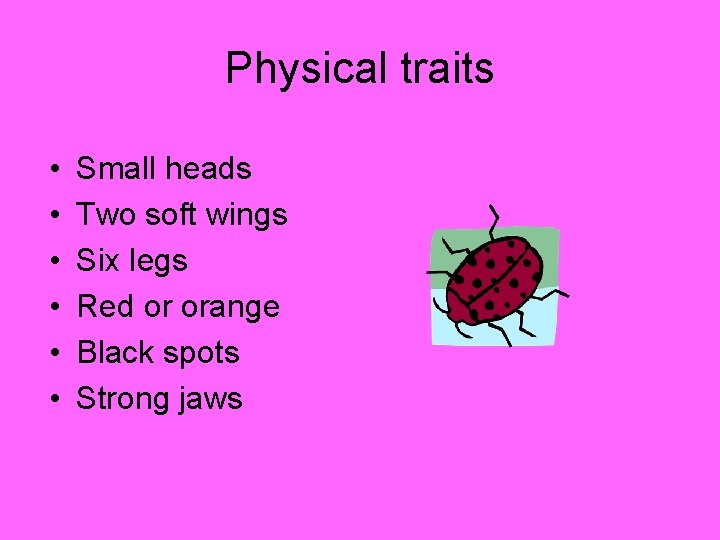
Physical traits • • • Small heads Two soft wings Six legs Red or orange Black spots Strong jaws
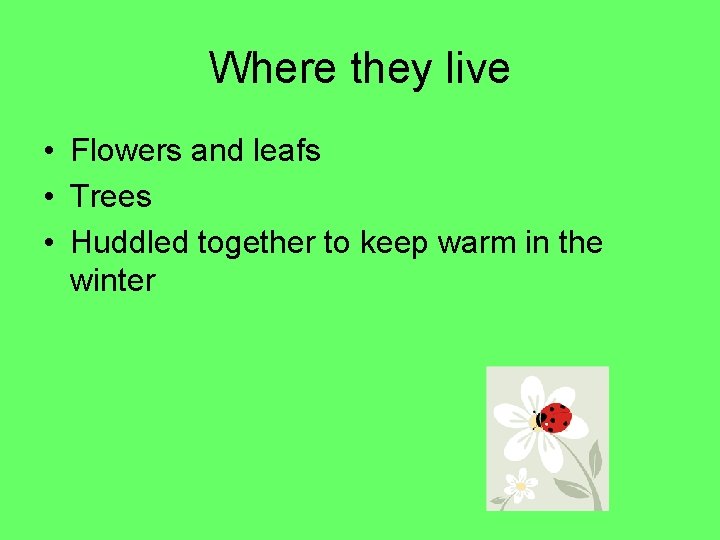
Where they live • Flowers and leafs • Trees • Huddled together to keep warm in the winter
What they eat • Black flies • Tiny green insects • Eat 5, 000 aphids in a day
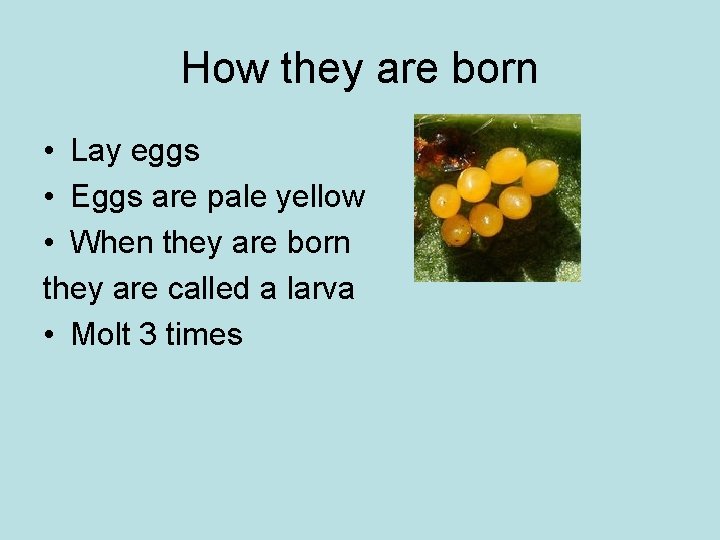
How they are born • Lay eggs • Eggs are pale yellow • When they are born they are called a larva • Molt 3 times
Other interesting facts • • • Play dead No ears Are beetles Do not taste good Can swim 5, 000 different species of ladybugs
Bibliography • • • Ladybugs Bug food Ladybugs life Ladybugs www. nationalgeographic. com
The End Thank you for coming!