
First Aid Training aims of first aid Preserve
- Slides: 62
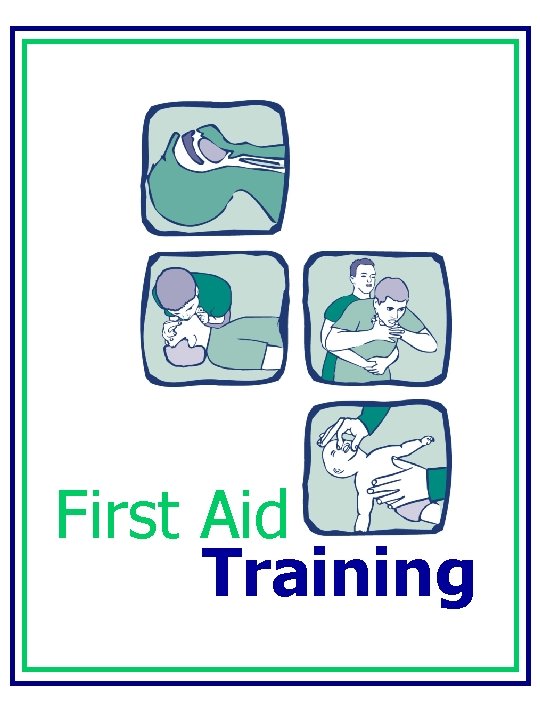
First Aid Training
aims of first aid Preserve Life Prevent Worsening Promote Recovery
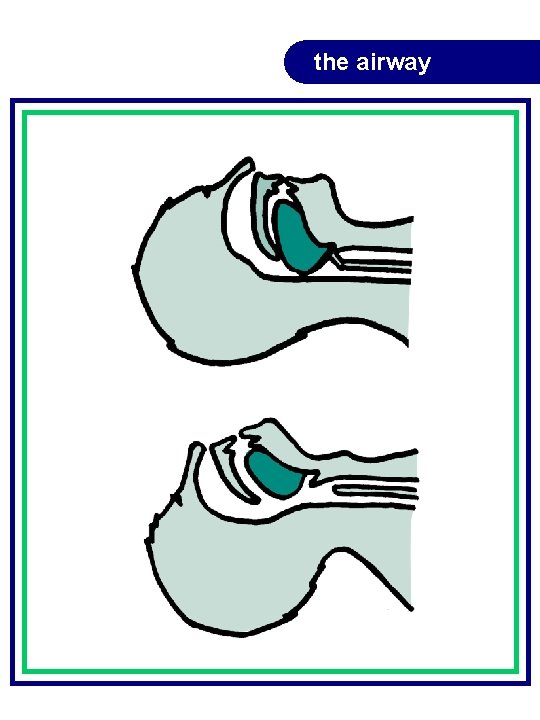
the airway
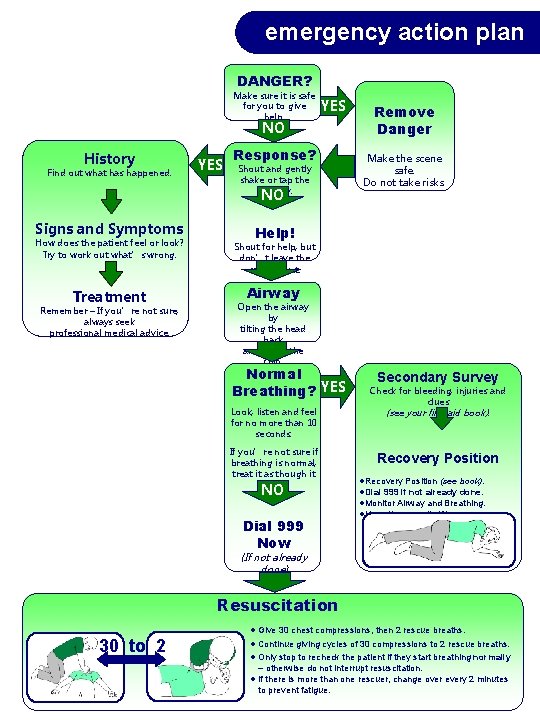
emergency action plan DANGER? Make sure it is safe for you to give help. YES NO History Find out what has happened. YES Response? Shout and gently shake or tap the casualty. NO Signs and Symptoms How does the patient feel or look? Try to work out what’s wrong. Treatment Remember – If you’re not sure, always seek professional medical advice. Remove Danger Make the scene safe. Do not take risks. Help! Shout for help, but don’t leave the casualty yet. Airway Open the airway by tilting the head back and lifting the chin. Normal Breathing? YES Look, listen and feel for no more than 10 seconds. If you’re not sure if breathing is normal, treat it as though it is not. NO Dial 999 Now Secondary Survey Check for bleeding, injuries and clues (see your first aid book). Recovery Position ·Recovery Position (see book). ·Dial 999 if not already done. ·Monitor Airway and Breathing. ·Keep the casualty Warm. (If not already done) Resuscitation 30 to 2 · Give 30 chest compressions, then 2 rescue breaths. · Continue giving cycles of 30 compressions to 2 rescue breaths. · Only stop to recheck the patient if they start breathing normally – otherwise do not interrupt resuscitation. · If there is more than one rescuer, change over every 2 minutes to prevent fatigue.
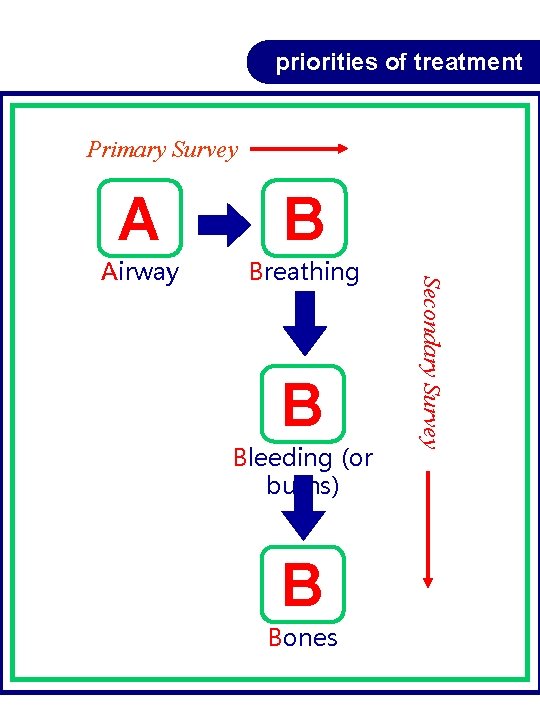
priorities of treatment Primary Survey B Airway Breathing B Bleeding (or burns) B Bones Secondary Survey A
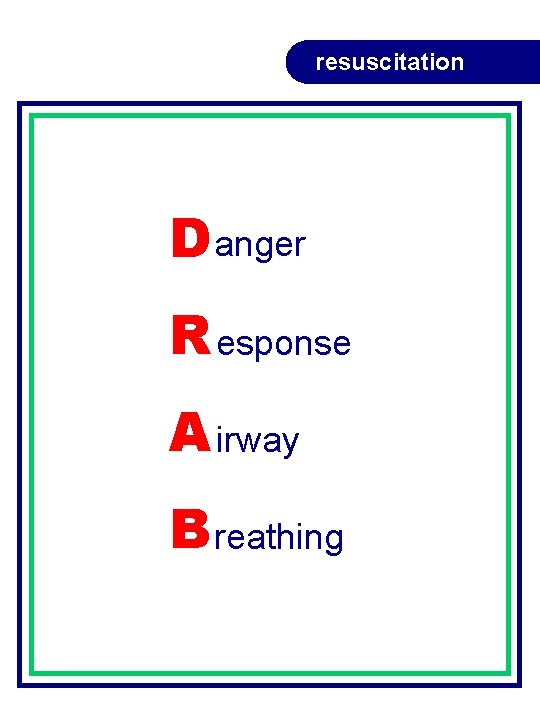
resuscitation D anger R esponse A irway B reathing
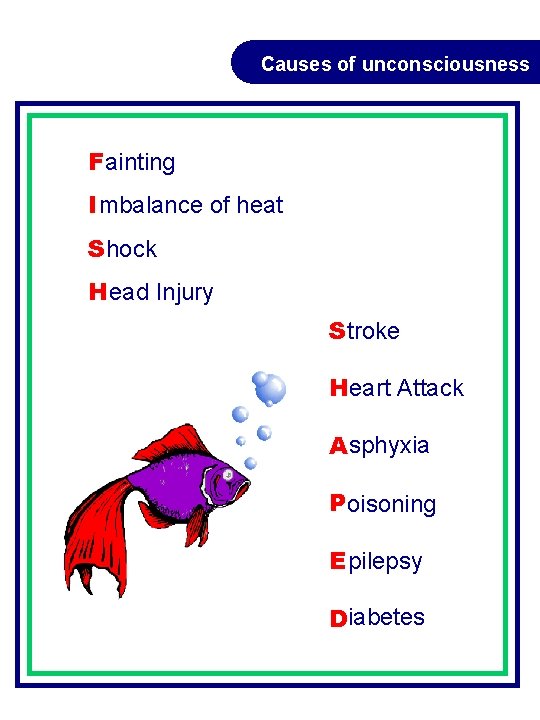
Causes of unconsciousness F ainting I mbalance of heat Shock H ead Injury Stroke Heart Attack A sphyxia Poisoning E pilepsy Diabetes
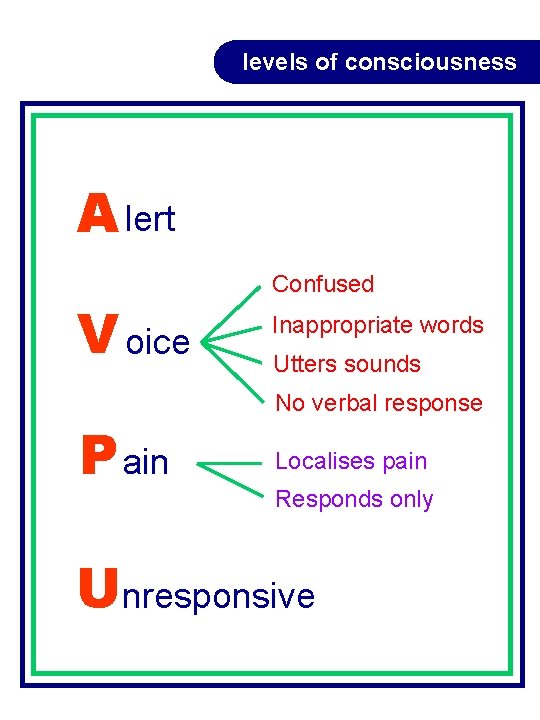
levels of consciousness A lert V oice P ain Confused Inappropriate words Utters sounds No verbal response Localises pain Responds only U nresponsive
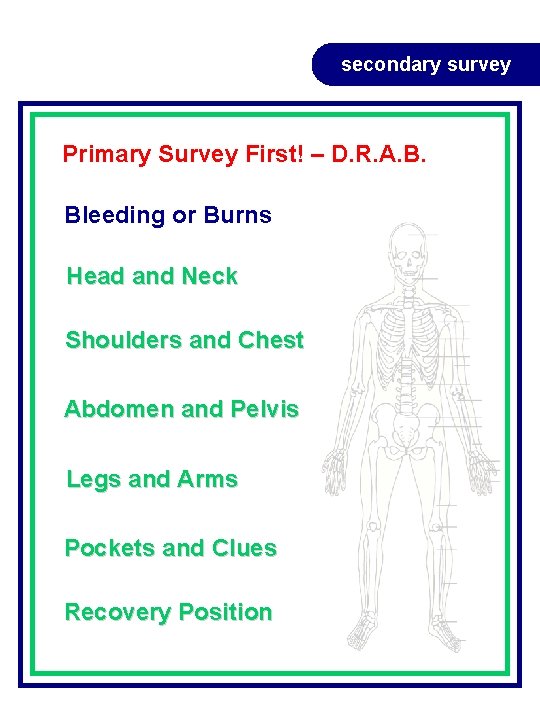
secondary survey Primary Survey First! – D. R. A. B. Bleeding or Burns Head and Neck Shoulders and Chest Abdomen and Pelvis Legs and Arms Pockets and Clues Recovery Position
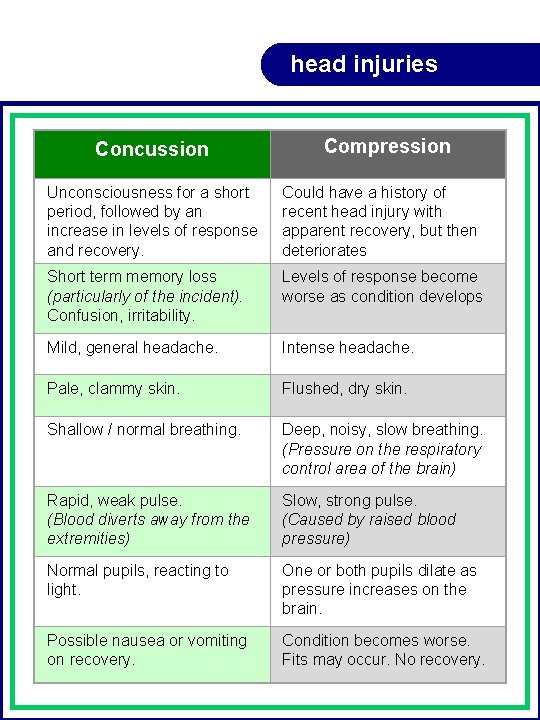
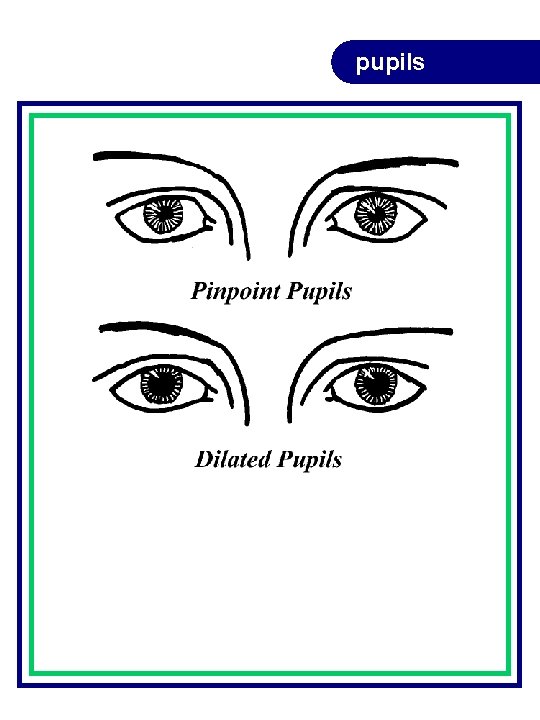
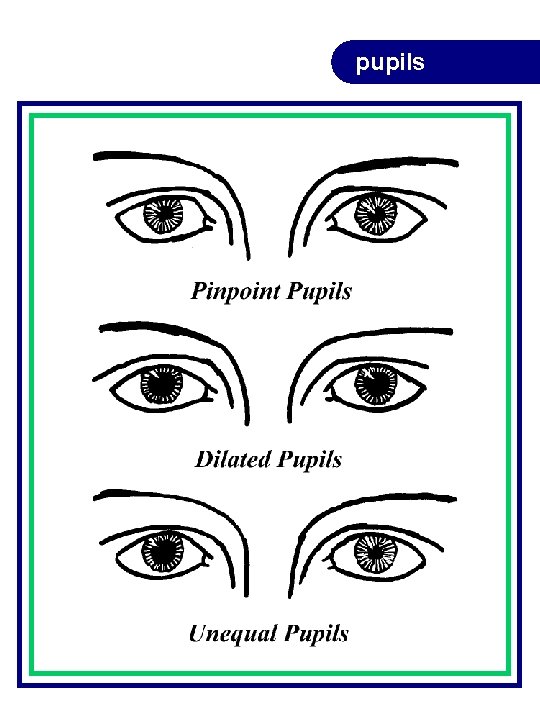
head injuries Concussion Compression Unconsciousness for a short period, followed by an increase in levels of response and recovery. Could have a history of recent head injury with apparent recovery, but then deteriorates Short term memory loss (particularly of the incident). Confusion, irritability. Levels of response become worse as condition develops Mild, general headache. Intense headache. Pale, clammy skin. Flushed, dry skin. Shallow / normal breathing. Deep, noisy, slow breathing. (Pressure on the respiratory control area of the brain) Rapid, weak pulse. (Blood diverts away from the extremities) Slow, strong pulse. (Caused by raised blood pressure) Normal pupils, reacting to light. One or both pupils dilate as pressure increases on the brain. Possible nausea or vomiting on recovery. Condition becomes worse. Fits may occur. No recovery.
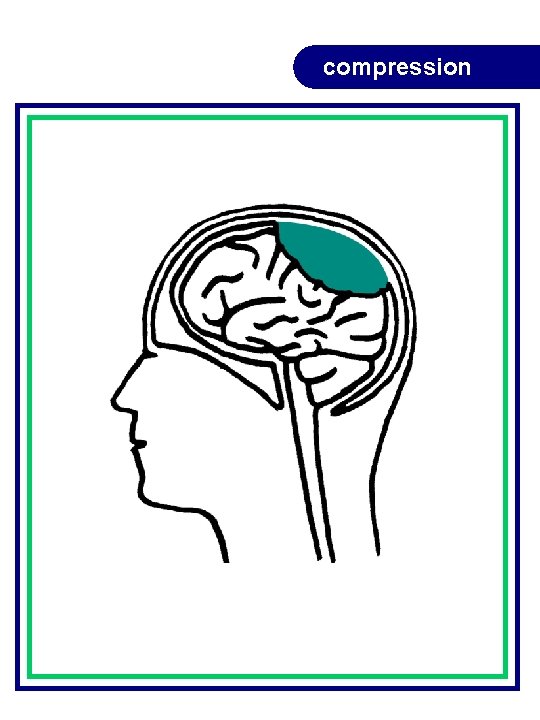
compression
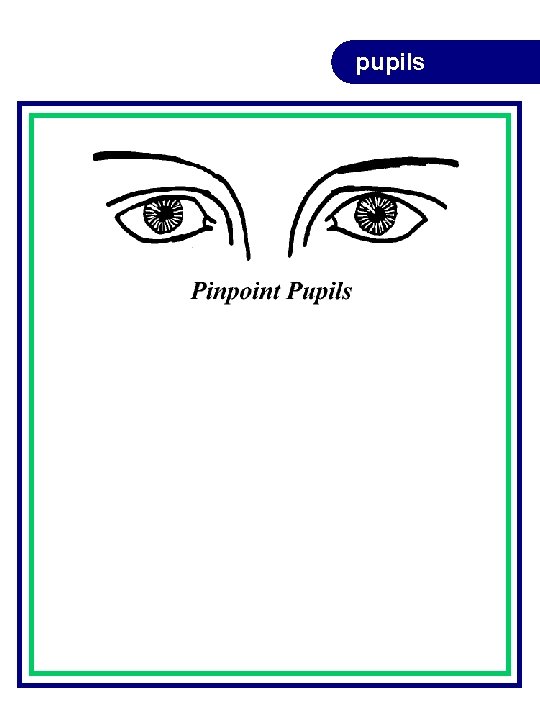
pupils
pupils
pupils
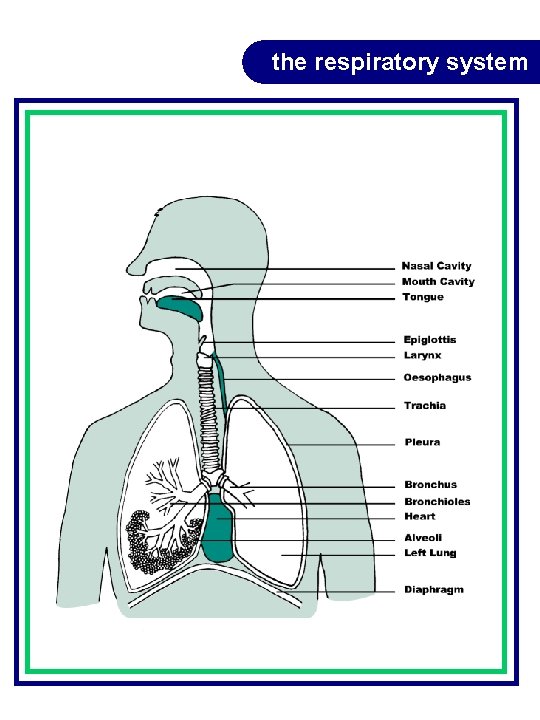
the respiratory system
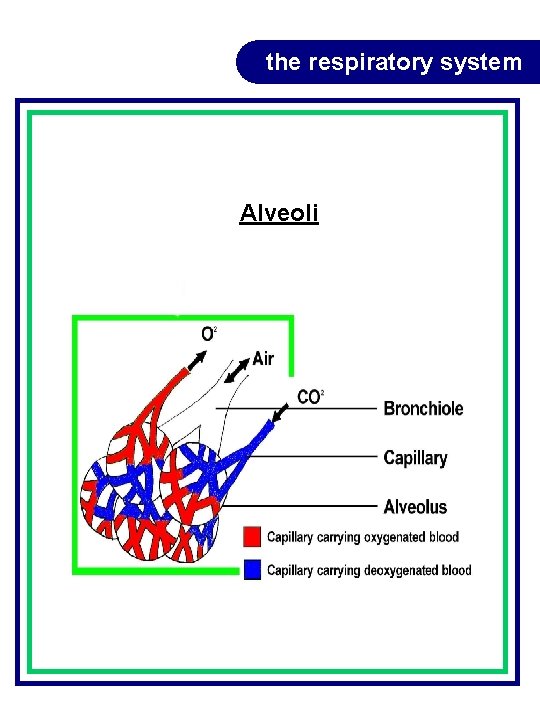
the respiratory system Alveoli
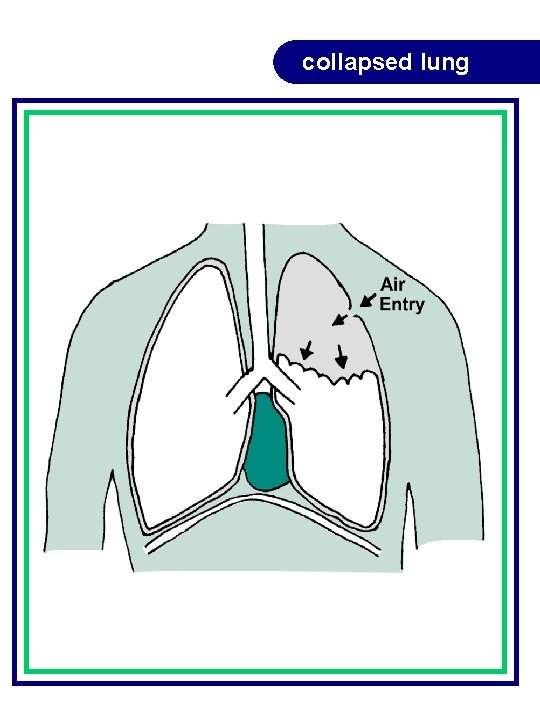
collapsed lung
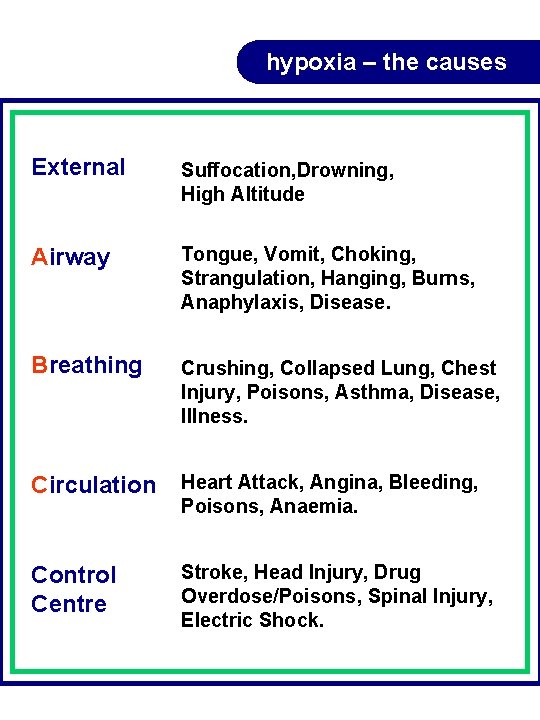
hypoxia – the causes External Suffocation, Drowning, High Altitude Airway Tongue, Vomit, Choking, Strangulation, Hanging, Burns, Anaphylaxis, Disease. Breathing Crushing, Collapsed Lung, Chest Injury, Poisons, Asthma, Disease, Illness. Circulation Heart Attack, Angina, Bleeding, Poisons, Anaemia. Control Centre Stroke, Head Injury, Drug Overdose/Poisons, Spinal Injury, Electric Shock.
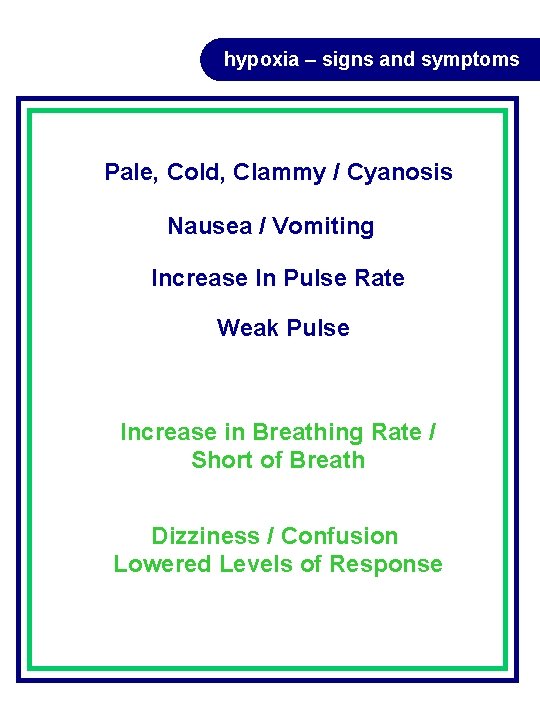
hypoxia – signs and symptoms Pale, Cold, Clammy / Cyanosis Nausea / Vomiting Increase In Pulse Rate Weak Pulse Increase in Breathing Rate / Short of Breath Dizziness / Confusion Lowered Levels of Response
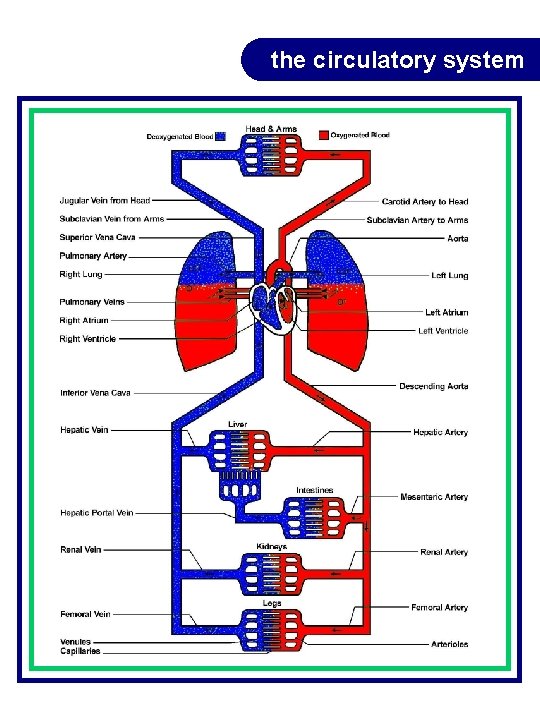
the circulatory system
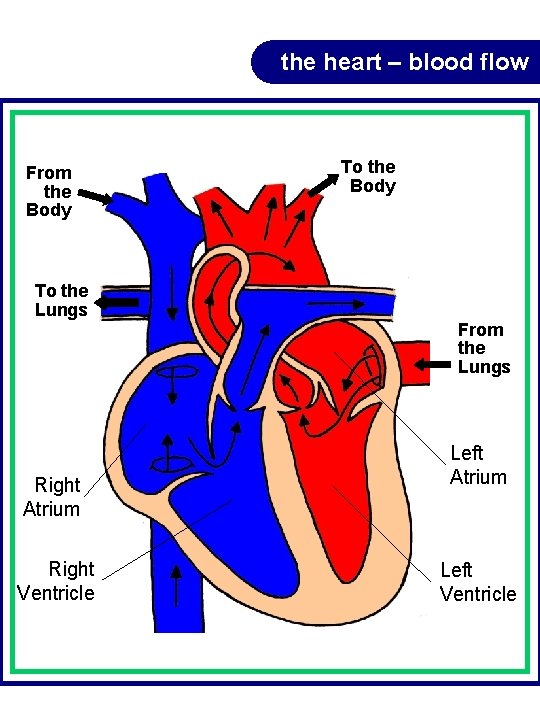
the heart – blood flow From the Body To the Lungs From the Lungs Right Atrium Right Ventricle Left Atrium Left Ventricle
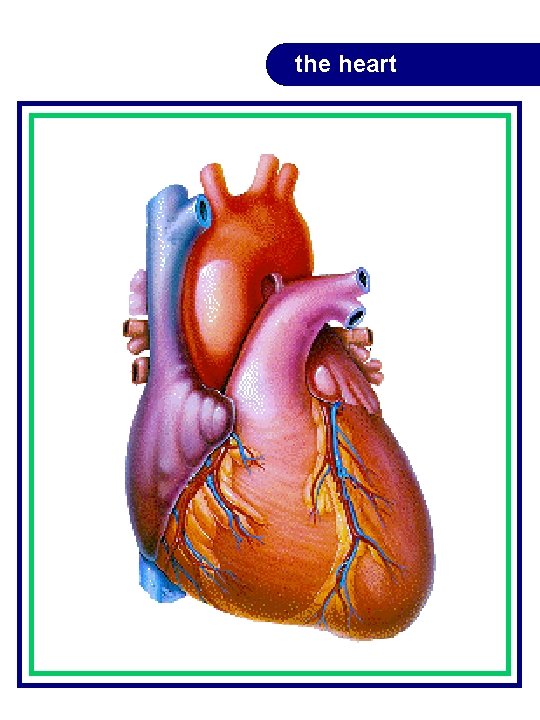
the heart
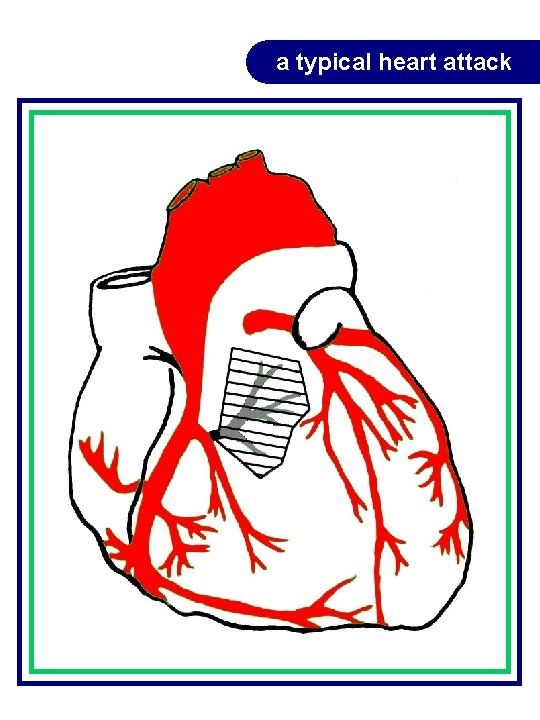
a typical heart attack
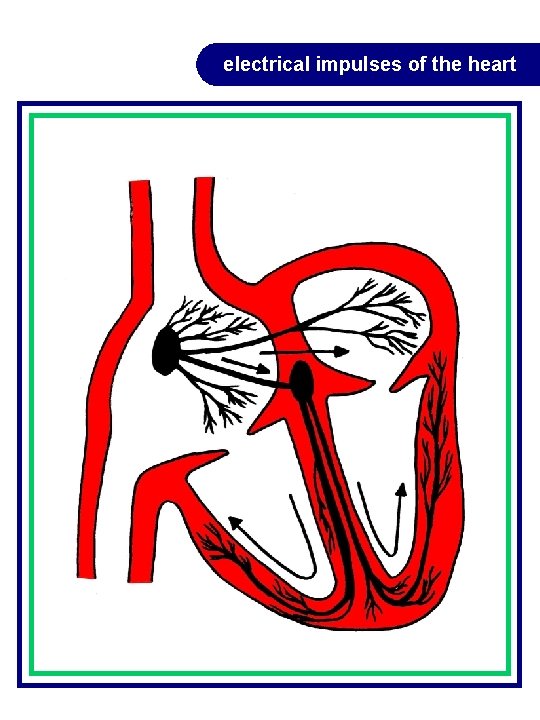
electrical impulses of the heart
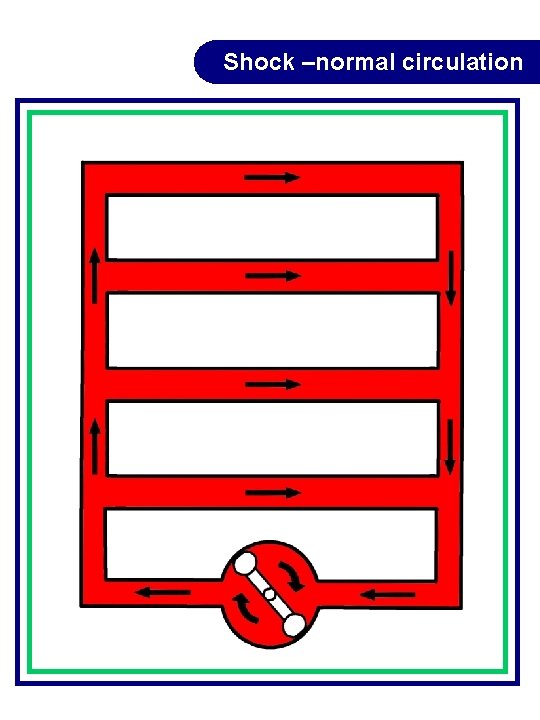
Shock –normal circulation
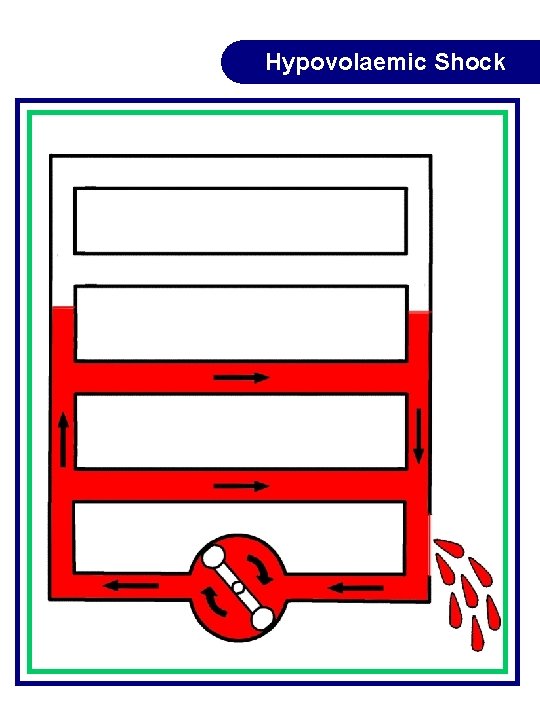
Hypovolaemic Shock
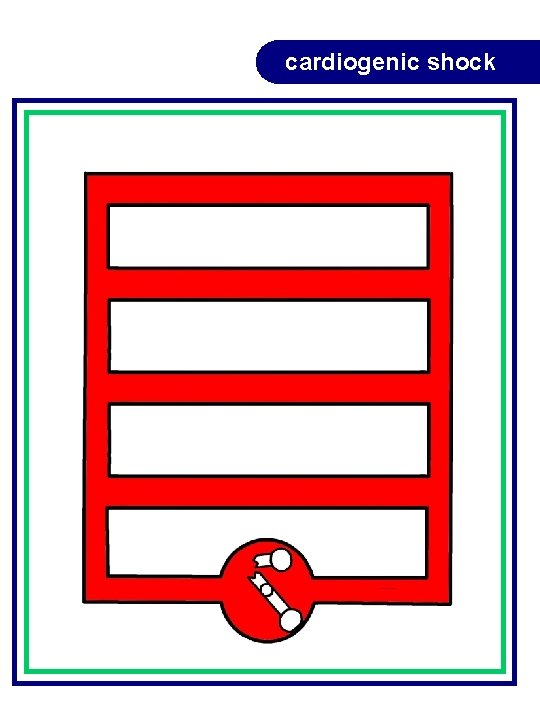
cardiogenic shock
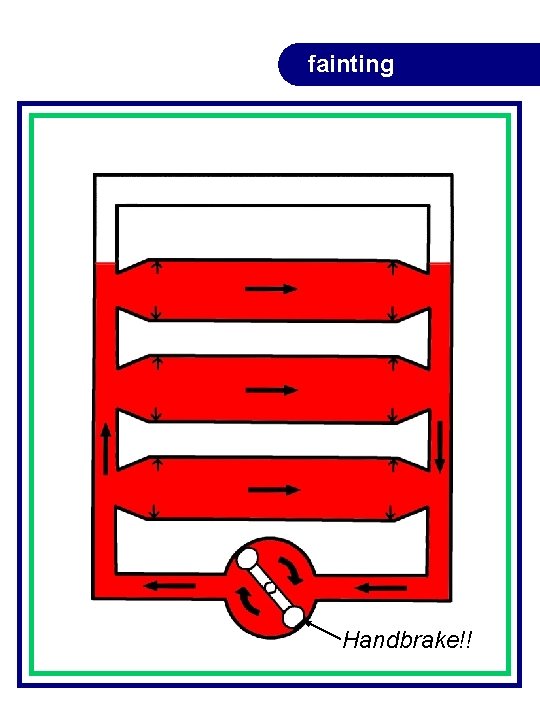
fainting Handbrake!!
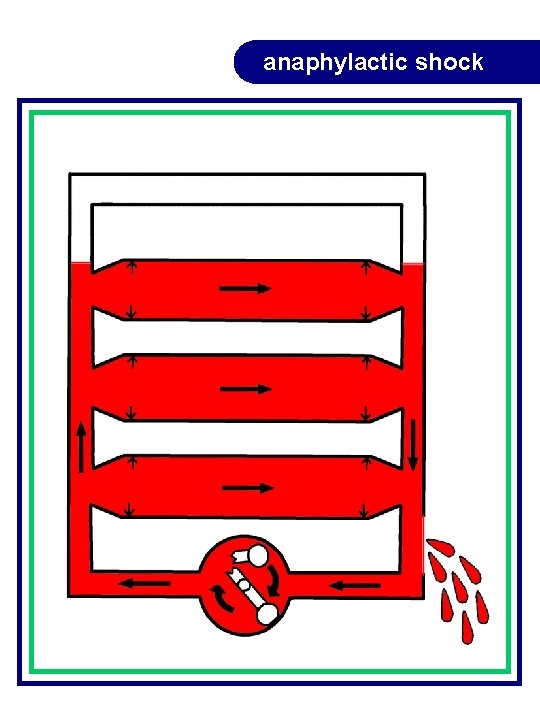
anaphylactic shock
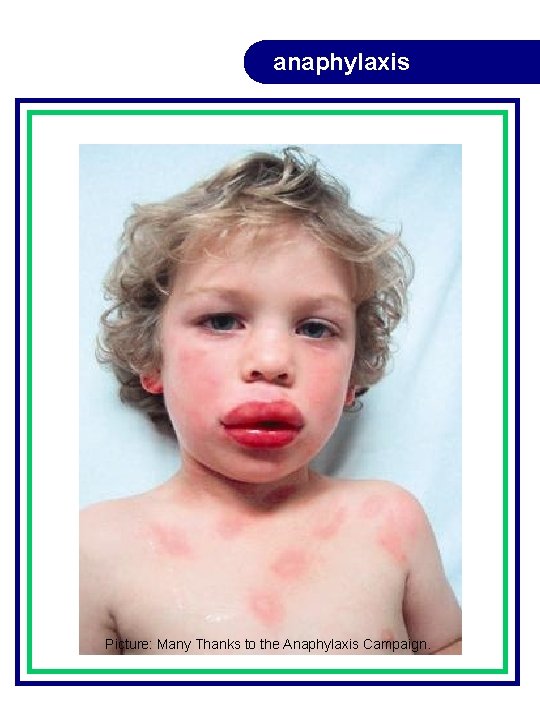
anaphylaxis Picture: Many Thanks to the Anaphylaxis Campaign.
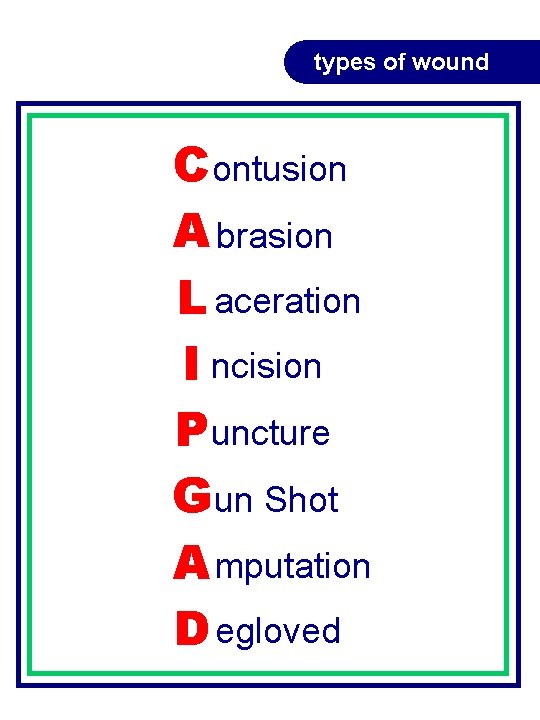
types of wound C ontusion A brasion L aceration I ncision P uncture G un Shot A mputation D egloved
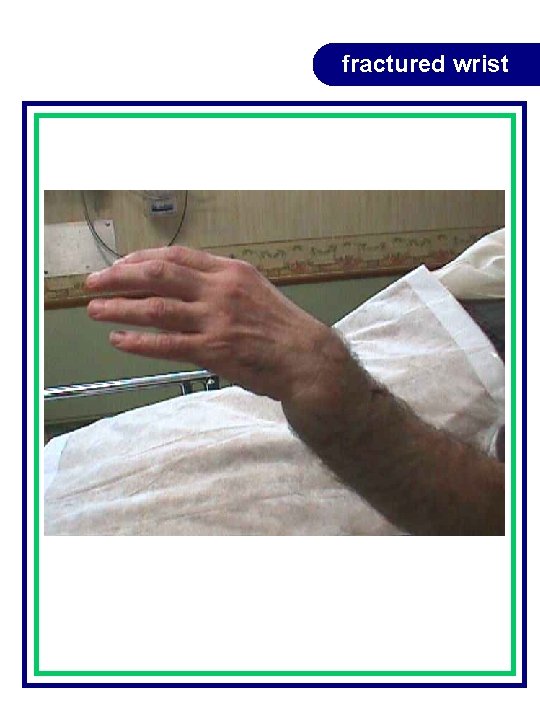
fractured wrist
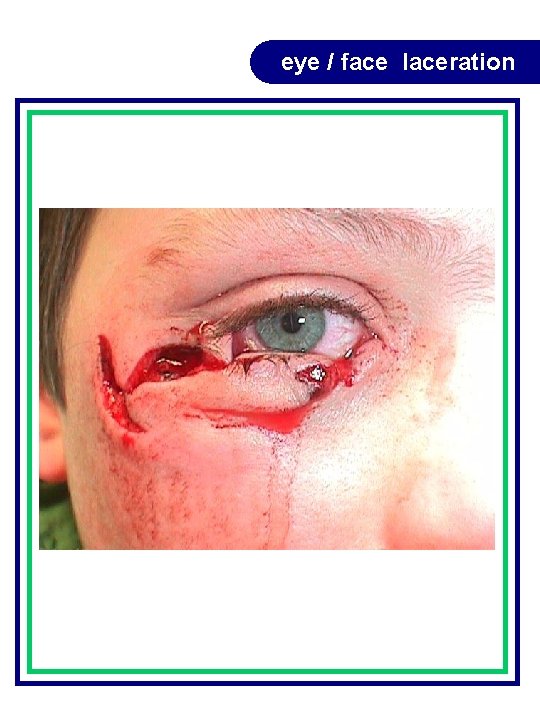
eye / face laceration
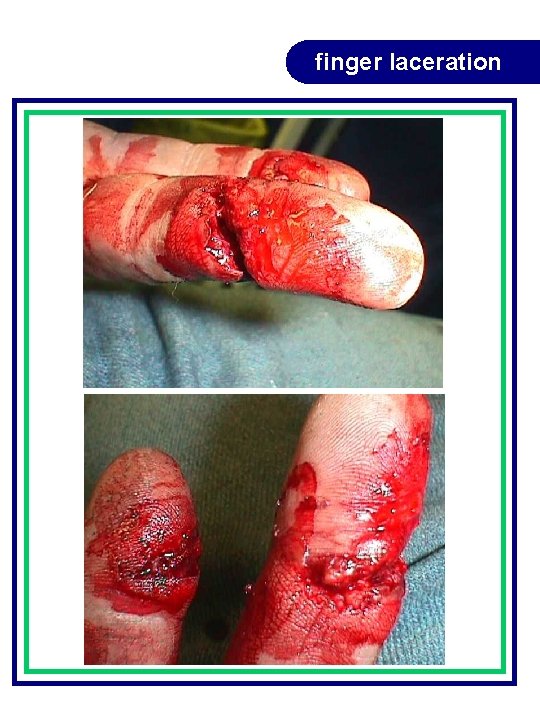
finger laceration
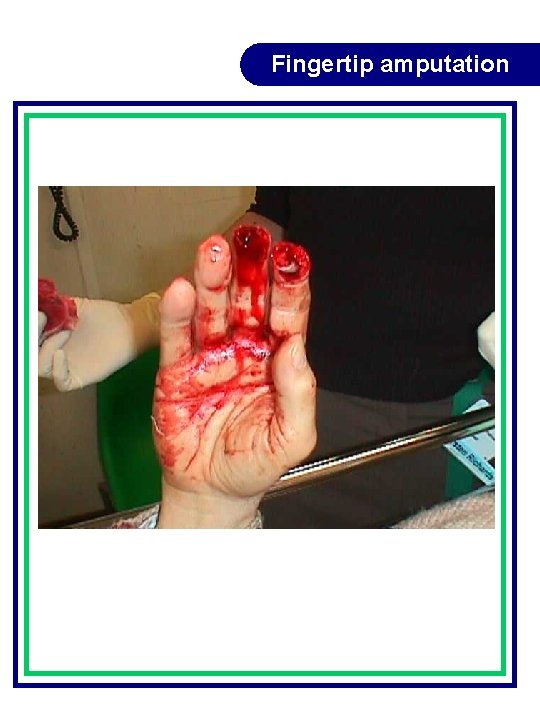
Fingertip amputation
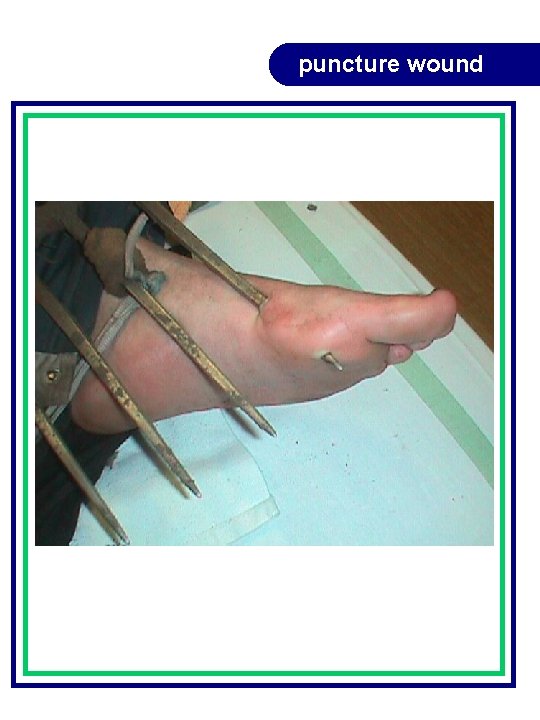
puncture wound
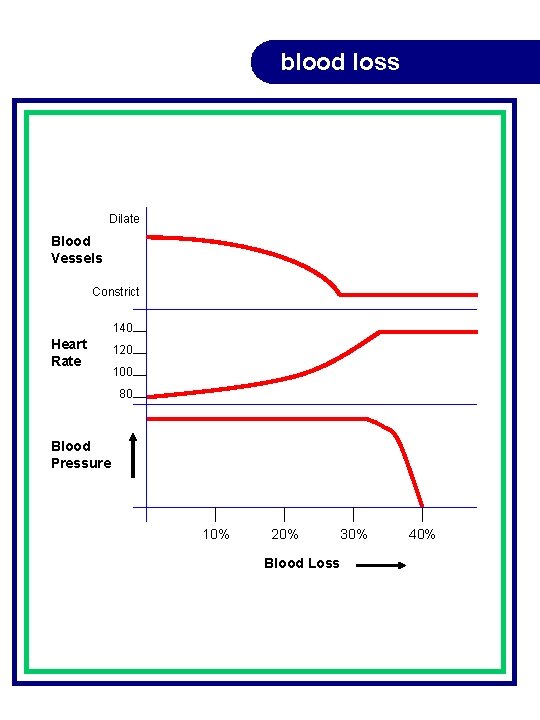
blood loss Dilate Blood Vessels Constrict 140 Heart Rate 120 100 80 Blood Pressure 10% 20% 30% Blood Loss 40%
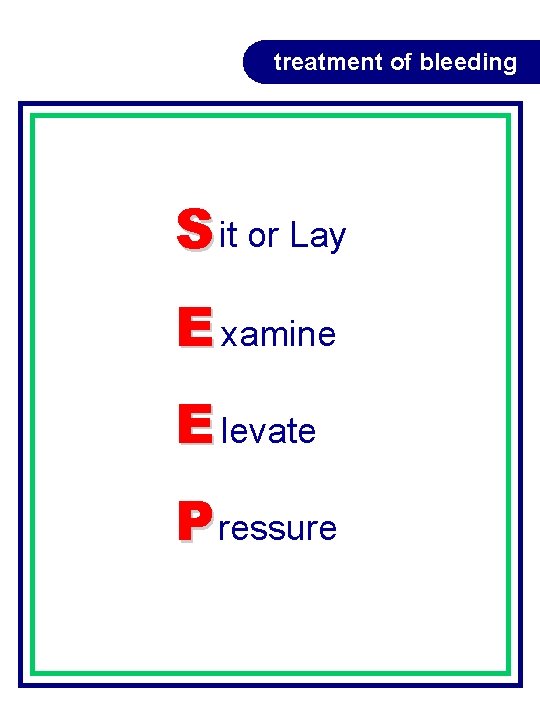
treatment of bleeding S it or Lay E xamine E levate P ressure
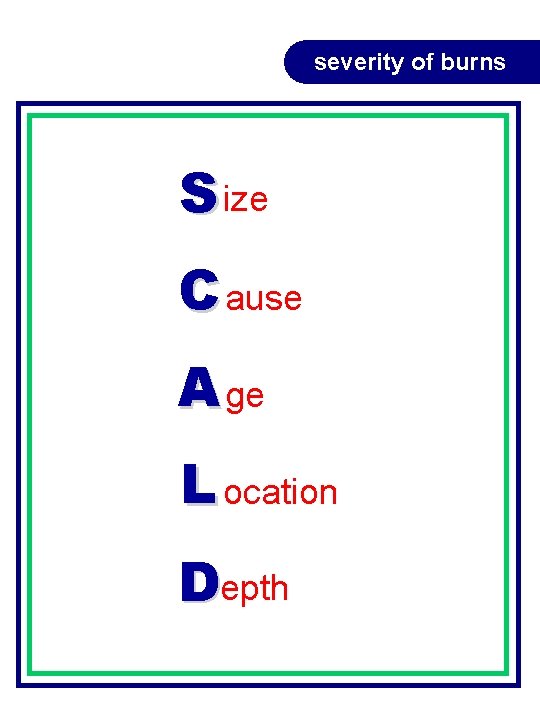
severity of burns S ize C ause A ge L ocation Depth
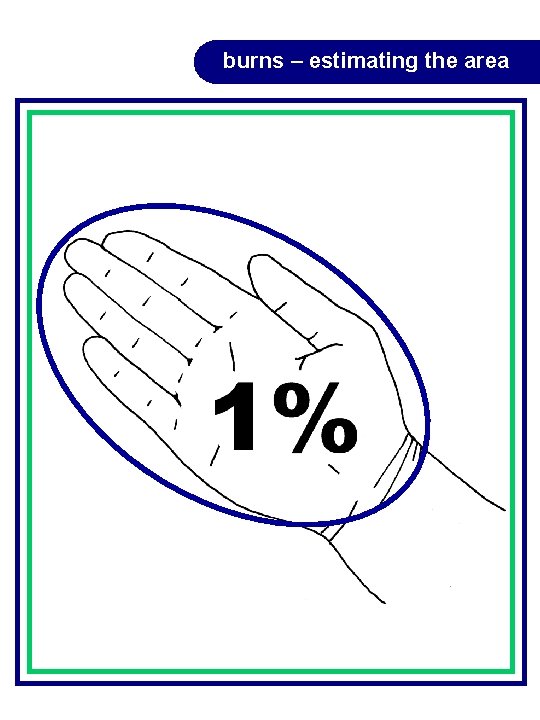
burns – estimating the area
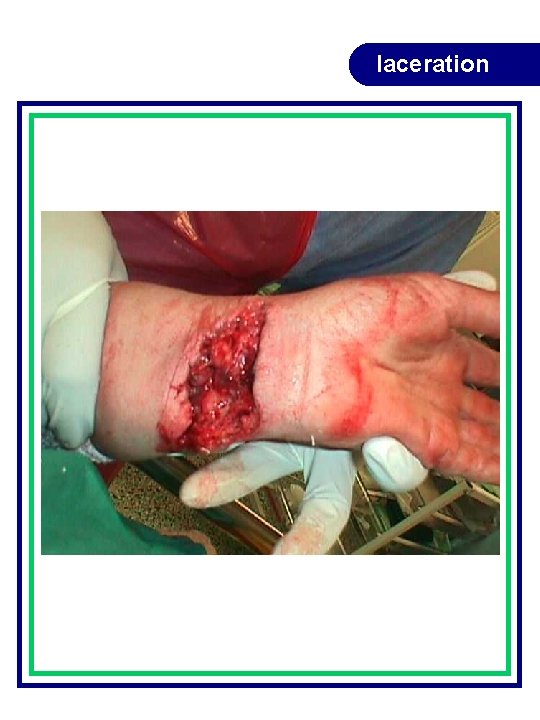
laceration
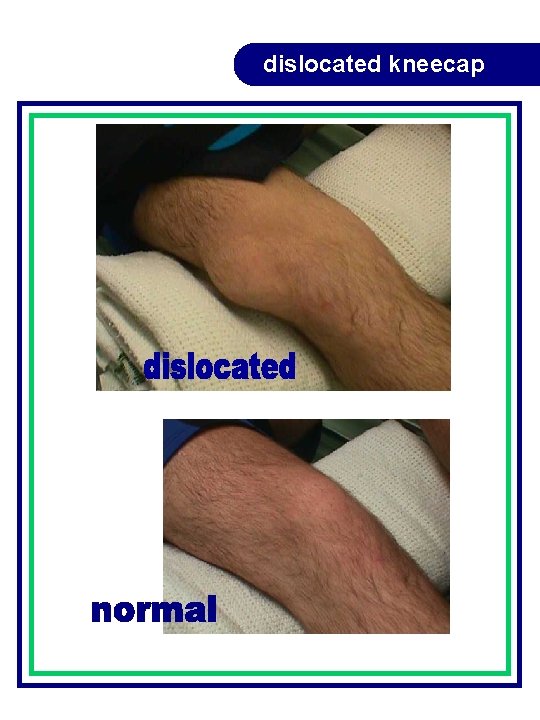
dislocated kneecap
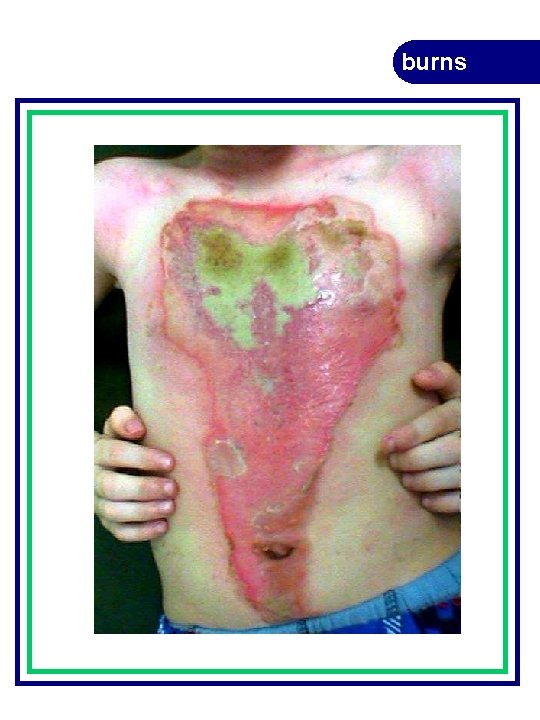
burns
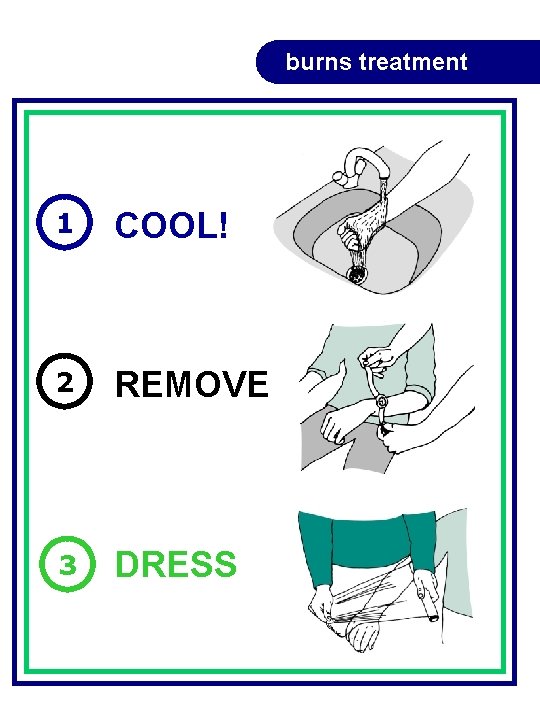
burns treatment 1 COOL! 2 REMOVE 3 DRESS
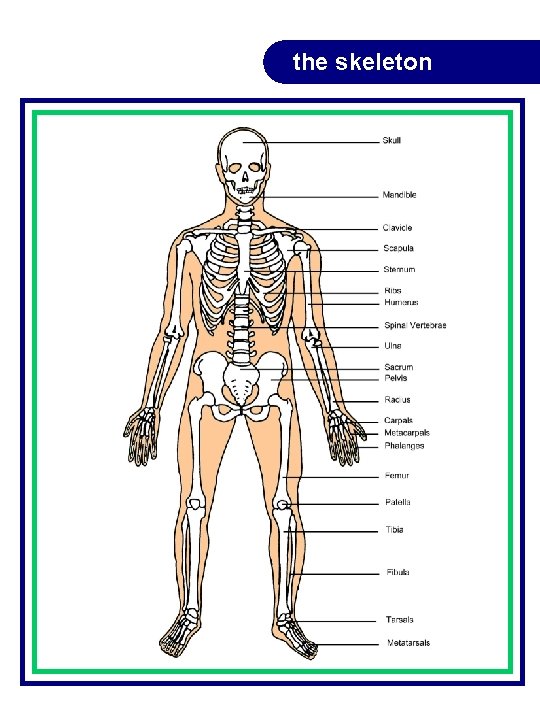
the skeleton
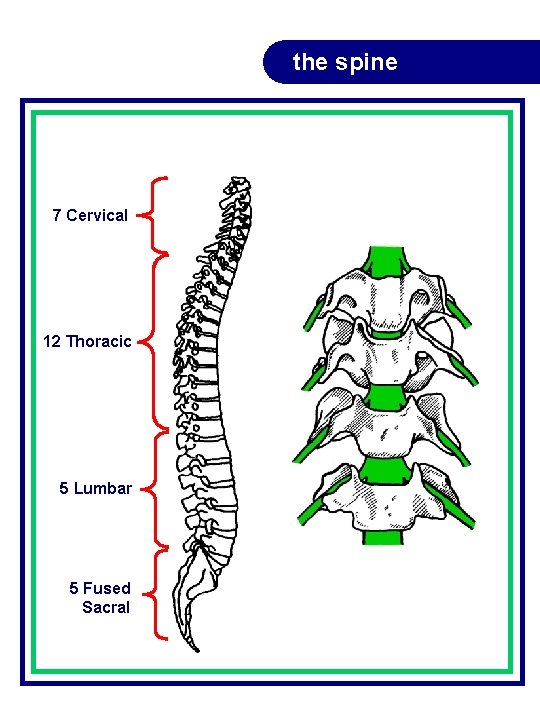
the spine 7 Cervical 12 Thoracic 5 Lumbar 5 Fused Sacral
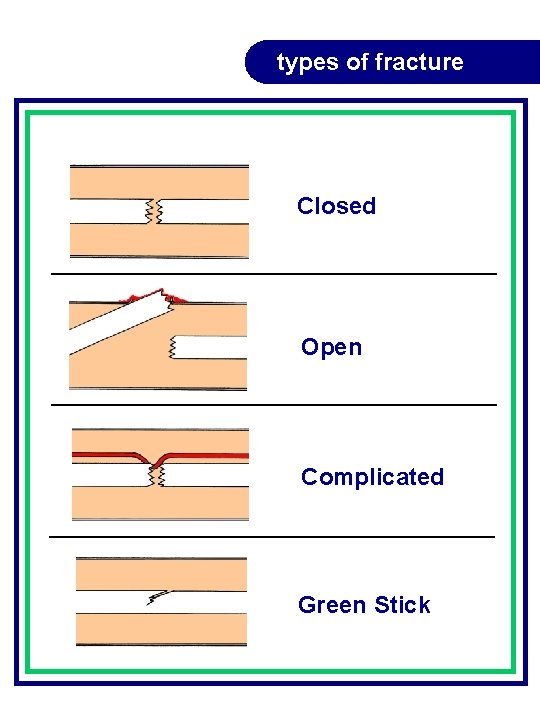
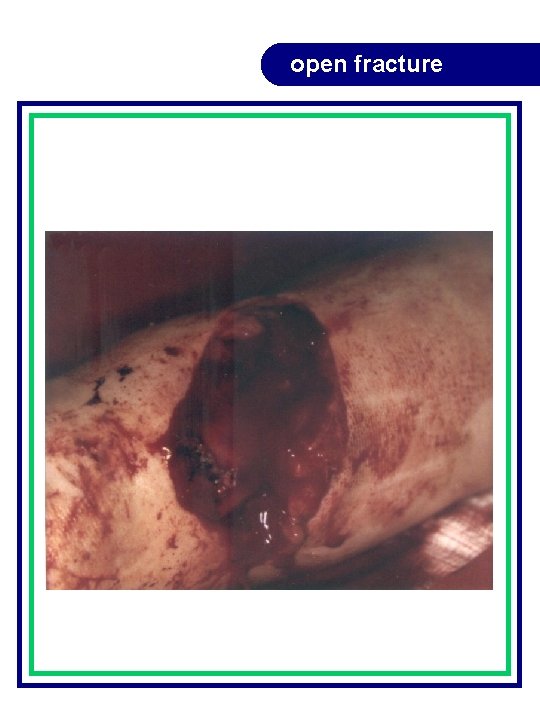
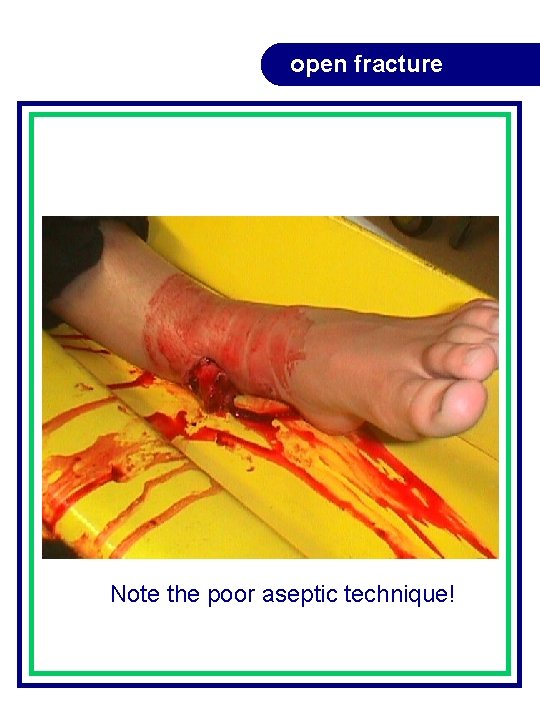
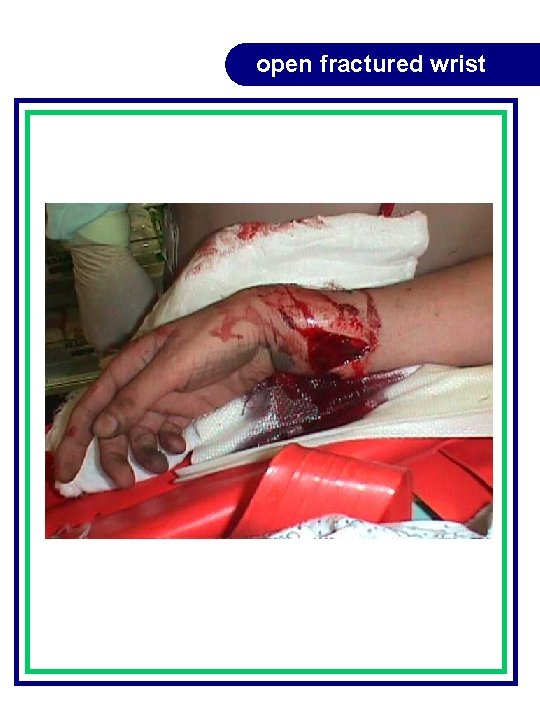
types of fracture Closed Open Complicated Green Stick
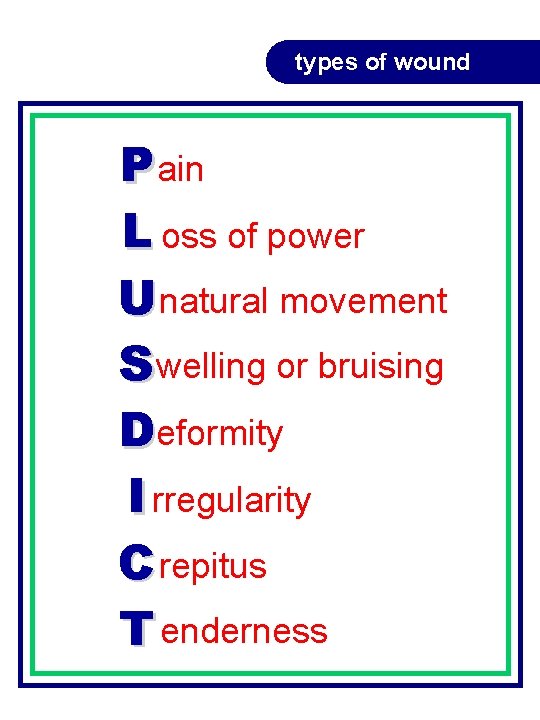
types of wound P ain L oss of power U natural movement S welling or bruising Deformity I rregularity C repitus T enderness
open fracture
open fracture Note the poor aseptic technique!
open fractured wrist
sprains and strains R est Ice C ompression E levation
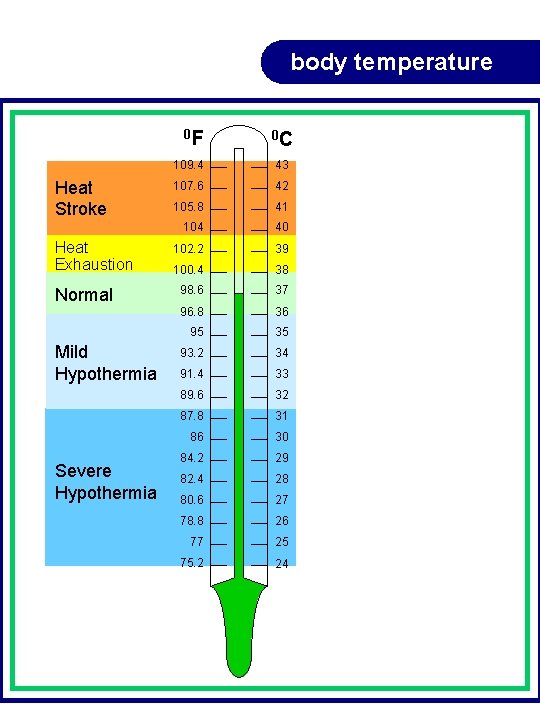
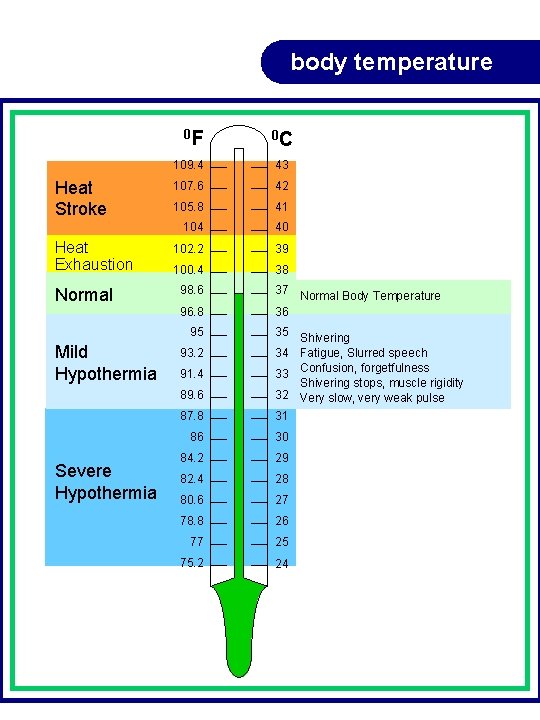
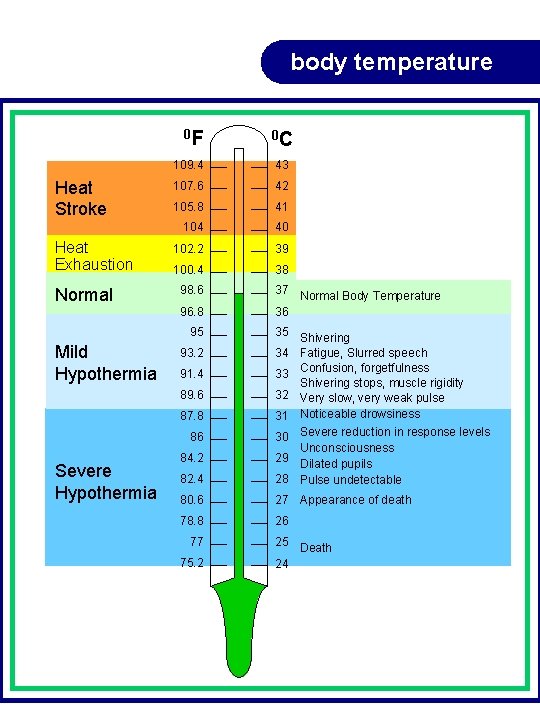
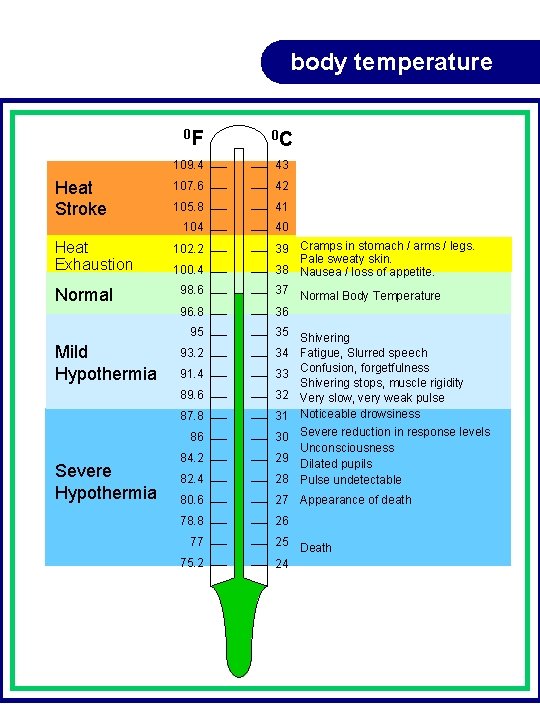
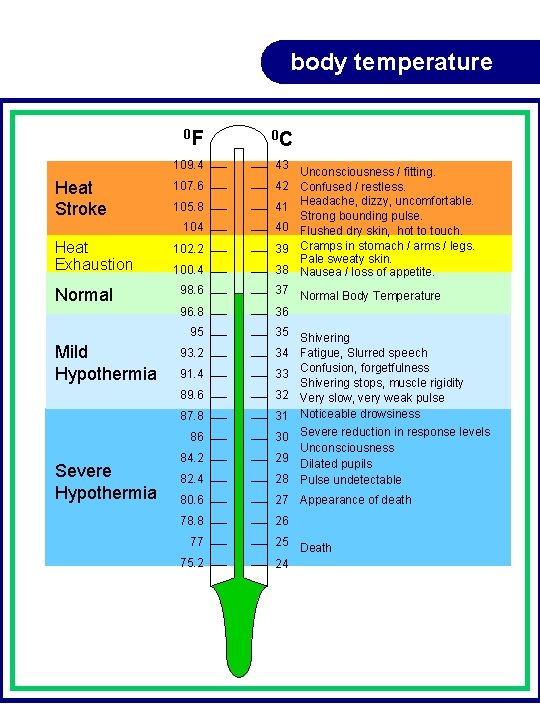
body temperature 0 F Heat Stroke Heat Exhaustion Normal 109. 4 43 107. 6 42 105. 8 41 104 40 102. 2 39 100. 4 38 98. 6 96. 8 95 Mild Hypothermia Unconsciousness / fitting. Confused / restless. Headache, dizzy, uncomfortable. Strong bounding pulse. Flushed dry skin, hot to touch. Cramps in stomach / arms / legs. Pale sweaty skin. Nausea / loss of appetite. 37 Normal Body Temperature 36 82. 4 35 Shivering 34 Fatigue, Slurred speech Confusion, forgetfulness 33 Shivering stops, muscle rigidity 32 Very slow, very weak pulse 31 Noticeable drowsiness 30 Severe reduction in response levels Unconsciousness 29 Dilated pupils 28 Pulse undetectable 80. 6 27 Appearance of death 78. 8 26 77 25 75. 2 24 93. 2 91. 4 89. 6 87. 8 86 Severe Hypothermia 0 C 84. 2 Death
body temperature 0 F Heat Stroke Heat Exhaustion Normal 109. 4 43 107. 6 42 105. 8 41 104 40 102. 2 39 100. 4 38 98. 6 96. 8 95 Mild Hypothermia Unconsciousness / fitting. Confused / restless. Headache, dizzy, uncomfortable. Strong bounding pulse. Flushed dry skin, hot to touch. Cramps in stomach / arms / legs. Pale sweaty skin. Nausea / loss of appetite. 37 Normal Body Temperature 36 82. 4 35 Shivering 34 Fatigue, Slurred speech Confusion, forgetfulness 33 Shivering stops, muscle rigidity 32 Very slow, very weak pulse 31 Noticeable drowsiness 30 Severe reduction in response levels Unconsciousness 29 Dilated pupils 28 Pulse undetectable 80. 6 27 Appearance of death 78. 8 26 77 25 75. 2 24 93. 2 91. 4 89. 6 87. 8 86 Severe Hypothermia 0 C 84. 2 Death
body temperature 0 F Heat Stroke Heat Exhaustion Normal 109. 4 43 107. 6 42 105. 8 41 104 40 102. 2 39 100. 4 38 98. 6 96. 8 95 Mild Hypothermia Unconsciousness / fitting. Confused / restless. Headache, dizzy, uncomfortable. Strong bounding pulse. Flushed dry skin, hot to touch. Cramps in stomach / arms / legs. Pale sweaty skin. Nausea / loss of appetite. 37 Normal Body Temperature 36 82. 4 35 Shivering 34 Fatigue, Slurred speech Confusion, forgetfulness 33 Shivering stops, muscle rigidity 32 Very slow, very weak pulse 31 Noticeable drowsiness 30 Severe reduction in response levels Unconsciousness 29 Dilated pupils 28 Pulse undetectable 80. 6 27 Appearance of death 78. 8 26 77 25 75. 2 24 93. 2 91. 4 89. 6 87. 8 86 Severe Hypothermia 0 C 84. 2 Death
body temperature 0 F Heat Stroke Heat Exhaustion Normal 109. 4 43 107. 6 42 105. 8 41 104 40 102. 2 39 100. 4 38 98. 6 96. 8 95 Mild Hypothermia Unconsciousness / fitting. Confused / restless. Headache, dizzy, uncomfortable. Strong bounding pulse. Flushed dry skin, hot to touch. Cramps in stomach / arms / legs. Pale sweaty skin. Nausea / loss of appetite. 37 Normal Body Temperature 36 82. 4 35 Shivering 34 Fatigue, Slurred speech Confusion, forgetfulness 33 Shivering stops, muscle rigidity 32 Very slow, very weak pulse 31 Noticeable drowsiness 30 Severe reduction in response levels Unconsciousness 29 Dilated pupils 28 Pulse undetectable 80. 6 27 Appearance of death 78. 8 26 77 25 75. 2 24 93. 2 91. 4 89. 6 87. 8 86 Severe Hypothermia 0 C 84. 2 Death
body temperature 0 F Heat Stroke Heat Exhaustion Normal 109. 4 43 107. 6 42 105. 8 41 104 40 102. 2 39 100. 4 38 98. 6 96. 8 95 Mild Hypothermia Unconsciousness / fitting. Confused / restless. Headache, dizzy, uncomfortable. Strong bounding pulse. Flushed dry skin, hot to touch. Cramps in stomach / arms / legs. Pale sweaty skin. Nausea / loss of appetite. 37 Normal Body Temperature 36 82. 4 35 Shivering 34 Fatigue, Slurred speech Confusion, forgetfulness 33 Shivering stops, muscle rigidity 32 Very slow, very weak pulse 31 Noticeable drowsiness 30 Severe reduction in response levels Unconsciousness 29 Dilated pupils 28 Pulse undetectable 80. 6 27 Appearance of death 78. 8 26 77 25 75. 2 24 93. 2 91. 4 89. 6 87. 8 86 Severe Hypothermia 0 C 84. 2 Death
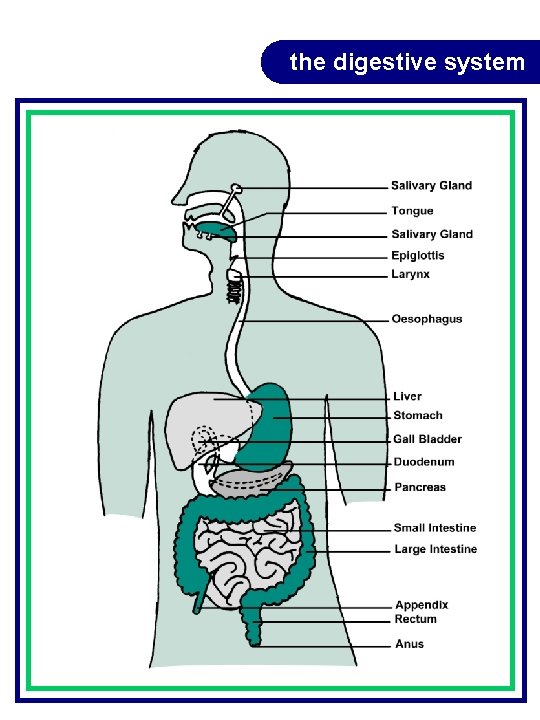
the digestive system
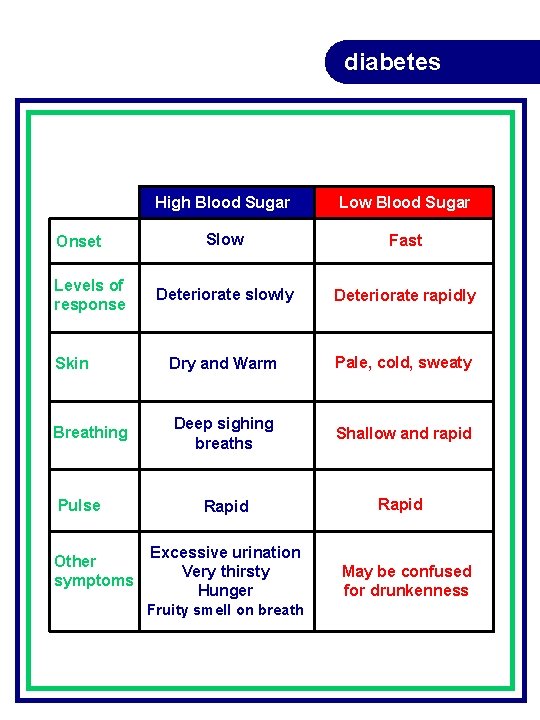
diabetes High Blood Sugar Low Blood Sugar Slow Fast Deteriorate slowly Deteriorate rapidly Skin Dry and Warm Pale, cold, sweaty Breathing Deep sighing breaths Shallow and rapid Rapid Onset Levels of response Pulse Other symptoms Excessive urination Very thirsty Hunger Fruity smell on breath May be confused for drunkenness
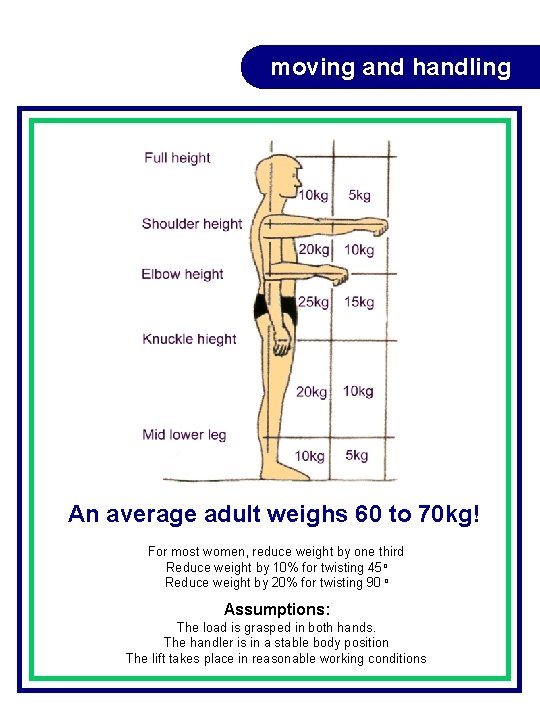
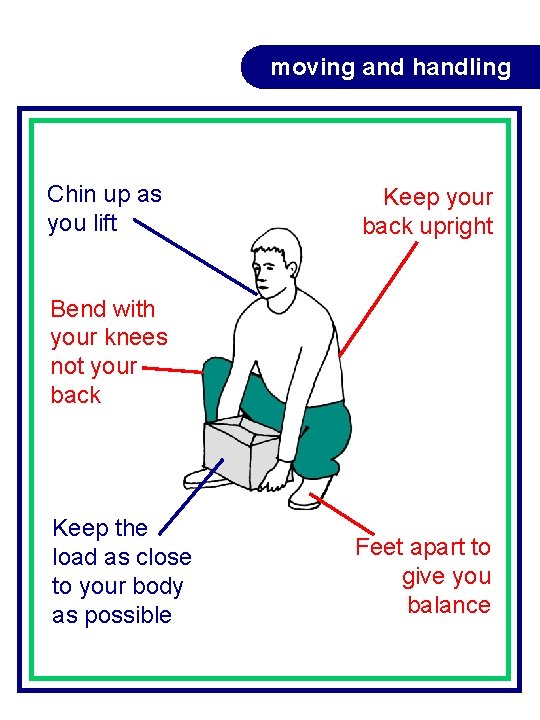
moving and handling An average adult weighs 60 to 70 kg! For most women, reduce weight by one third Reduce weight by 10% for twisting 45 o Reduce weight by 20% for twisting 90 o Assumptions: The load is grasped in both hands. The handler is in a stable body position The lift takes place in reasonable working conditions
moving and handling Chin up as you lift Keep your back upright Bend with your knees not your back Keep the load as close to your body as possible Feet apart to give you balance