
Fire Weather Fire Training Module 3 Winds Weather
- Slides: 23
Fire Weather. Fire Training Module 3: Winds Weather Training Module 3: Winds Why are winds important? § affect fire behaviour § direction, rate and speed of spread § transport of dry and moist air § supply of oxygen § transport of embers
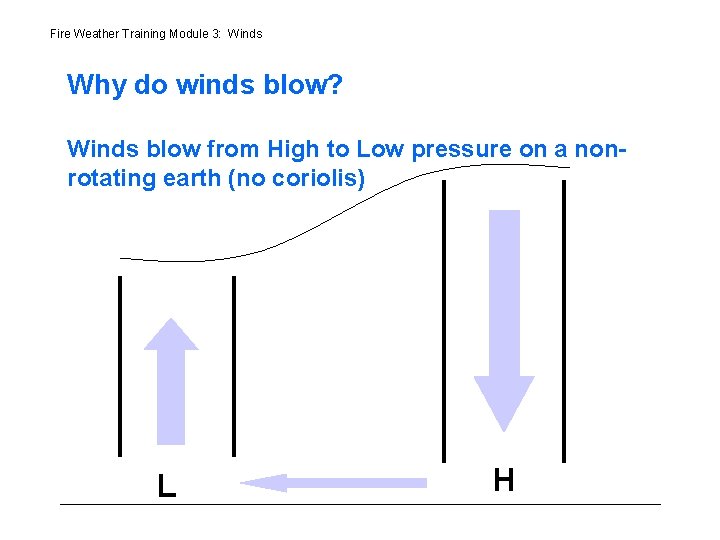
Fire Weather Training Module 3: Winds Why do winds blow? Winds blow from High to Low pressure on a nonrotating earth (no coriolis) L H
On a rotating earth Winds tend to blow parallel to the isobars due to CORIOLIS
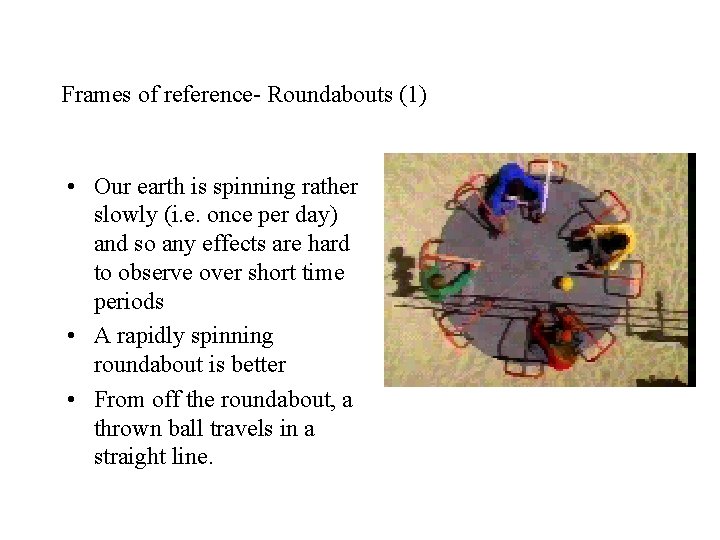
Frames of reference- Roundabouts (1) • Our earth is spinning rather slowly (i. e. once per day) and so any effects are hard to observe over short time periods • A rapidly spinning roundabout is better • From off the roundabout, a thrown ball travels in a straight line.
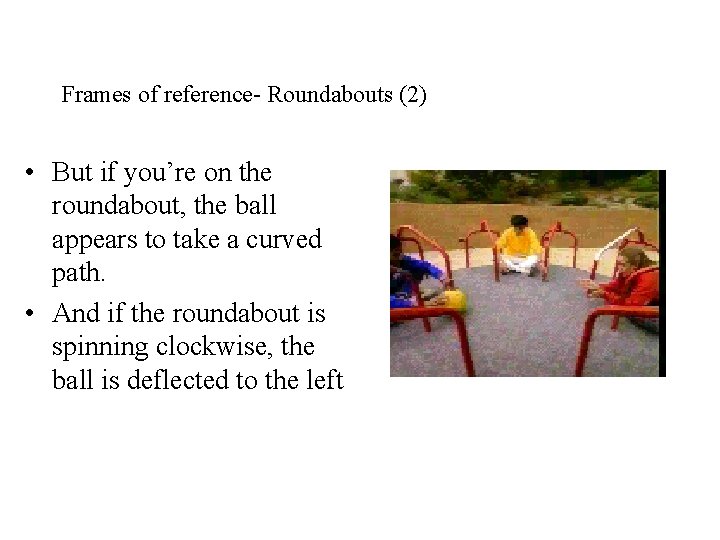
Frames of reference- Roundabouts (2) • But if you’re on the roundabout, the ball appears to take a curved path. • And if the roundabout is spinning clockwise, the ball is deflected to the left
Coriolis Force u Zero at Equator and maximum at Poles u Always acts perpendicular to the wind direction – (To the left in the Southern Hemisphere) u The magnitude of the force is proportional to the wind speed
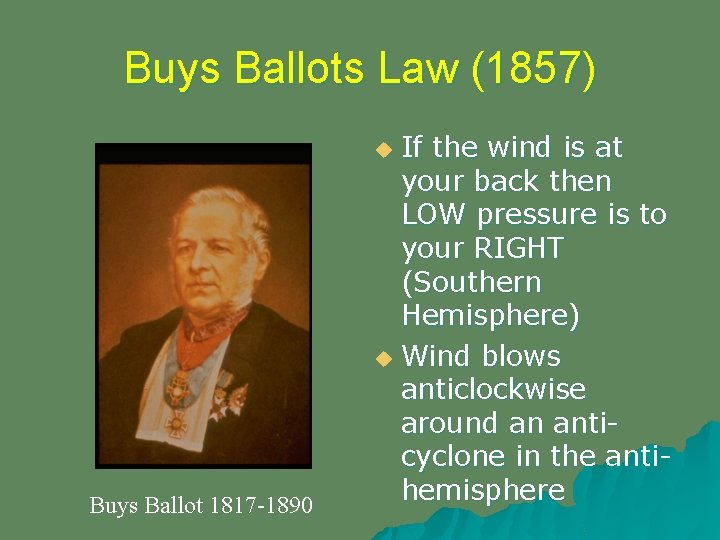
Buys Ballots Law (1857) If the wind is at your back then LOW pressure is to your RIGHT (Southern Hemisphere) u Wind blows anticlockwise around an anticyclone in the antihemisphere u Buys Ballot 1817 -1890
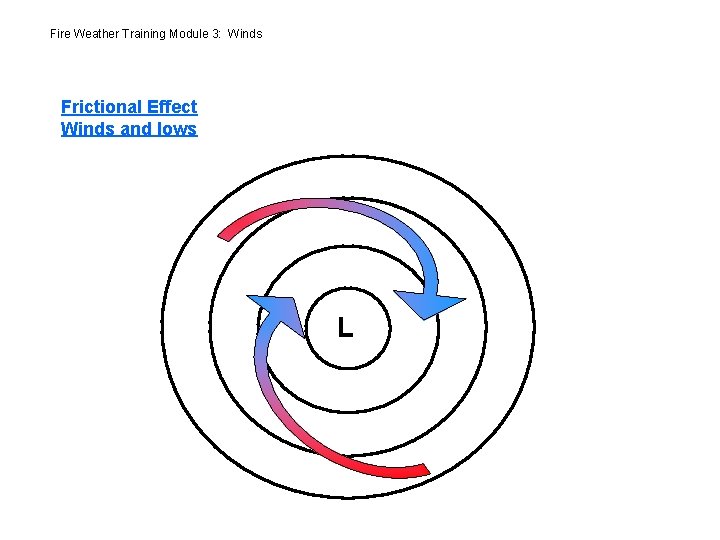
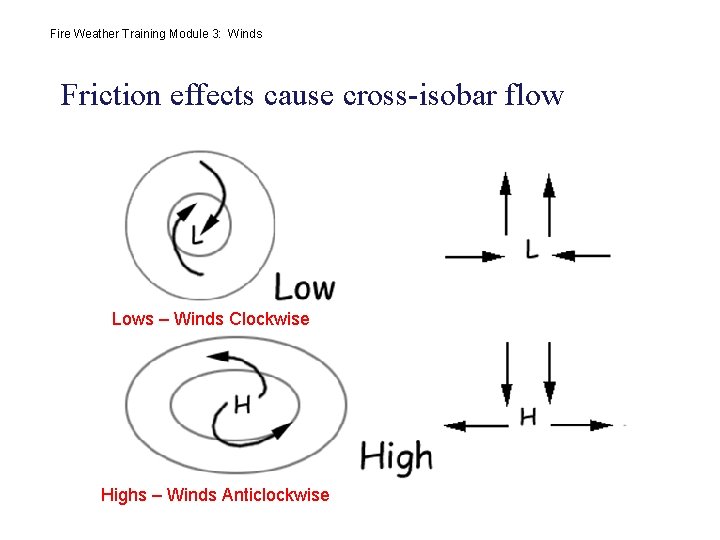
Flow Approximations Geostrophic Wind – Flow parallel along straight isobars (from weather chart) Actual wind affected by n Friction – Flow across isobars (30 degrees) n Local Winds – Sea Breezes Land Breezes Katabatic Winds
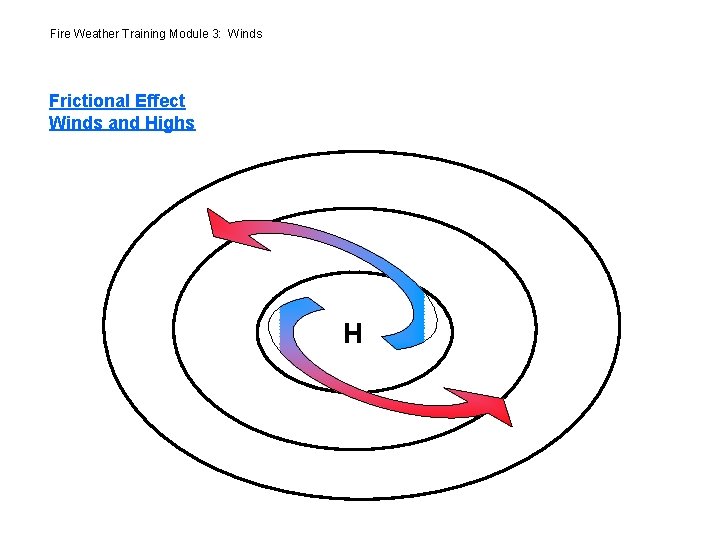
Fire Weather Training Module 3: Winds Frictional Effect Winds and Highs H
Fire Weather Training Module 3: Winds Frictional Effect Winds and lows L
Fire Weather Training Module 3: Winds Friction effects cause cross-isobar flow Lows – Winds Clockwise Highs – Winds Anticlockwise
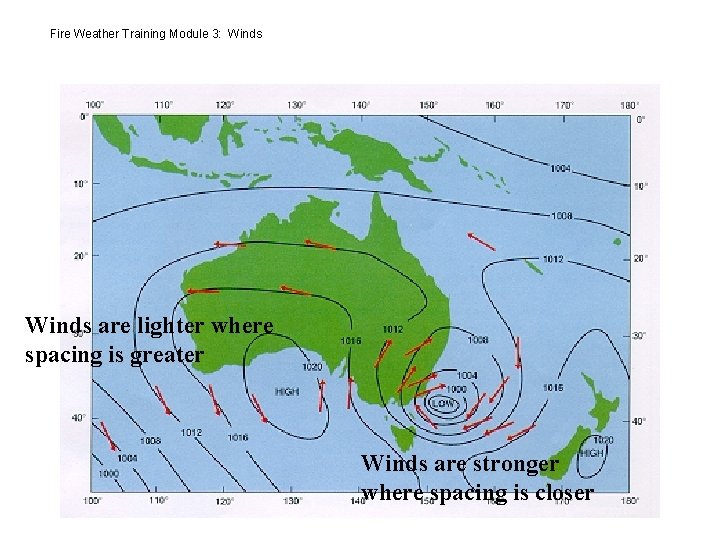
Fire Weather Training Module 3: Winds are lighter where spacing is greater Winds are stronger where spacing is closer
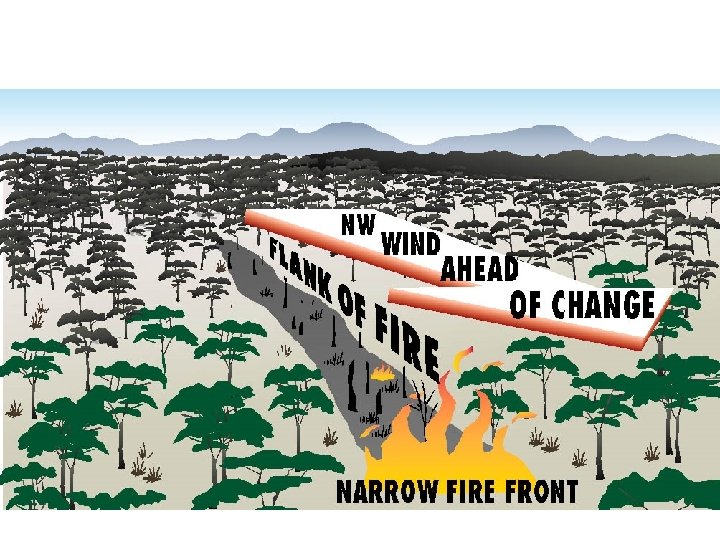
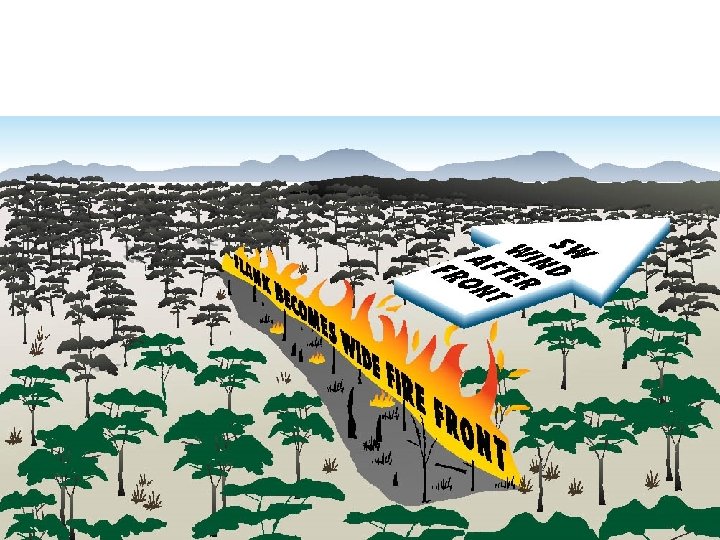
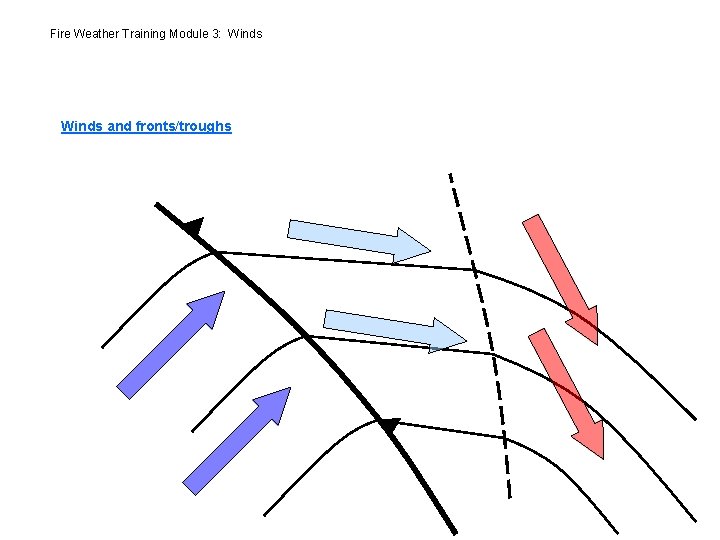
Fire Weather Training Module 3: Winds and fronts/troughs
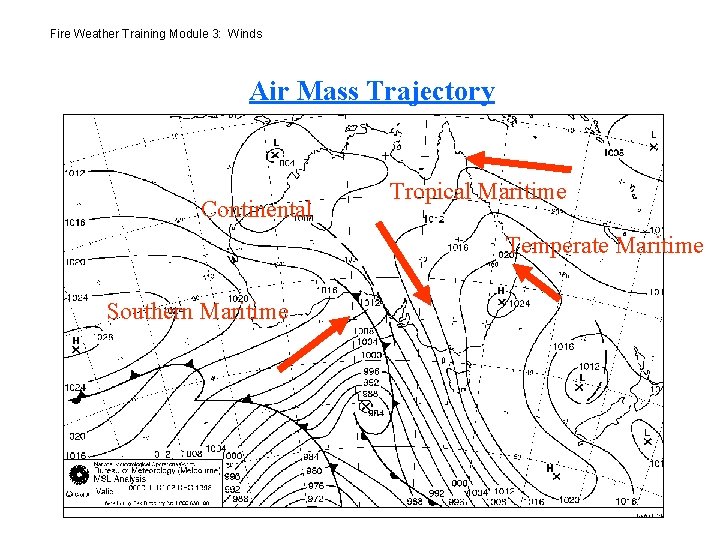
Fire Weather Training Module 3: Winds Air Mass Trajectory Continental Tropical Maritime Temperate Maritime Southern Maritime
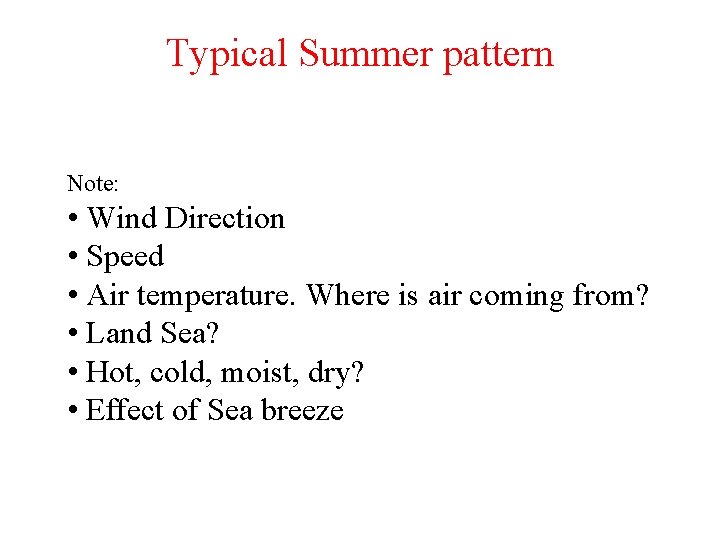
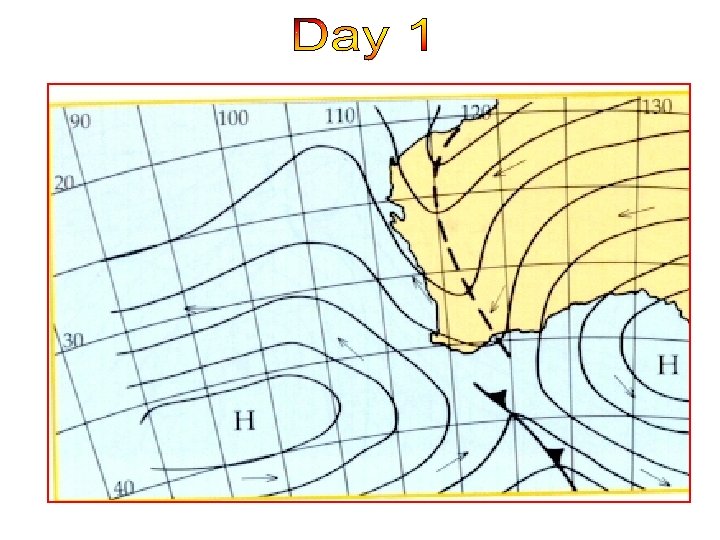
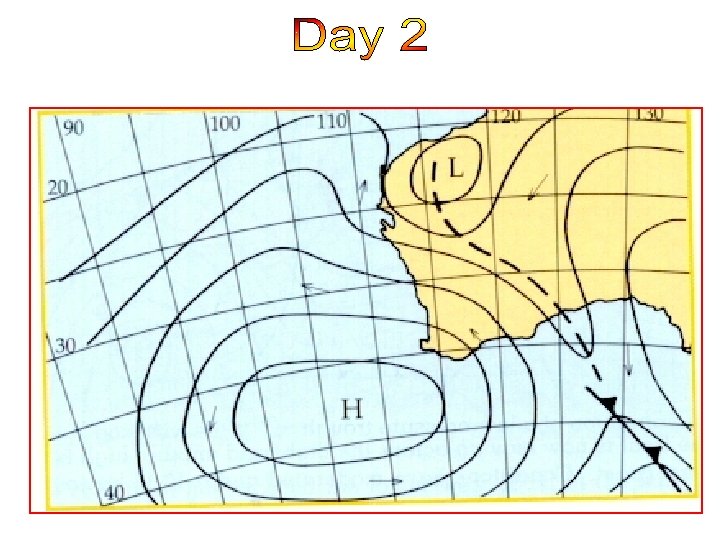
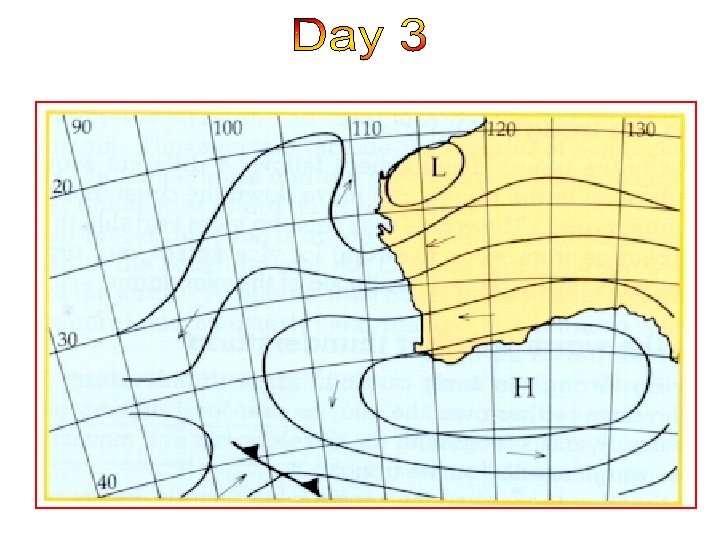
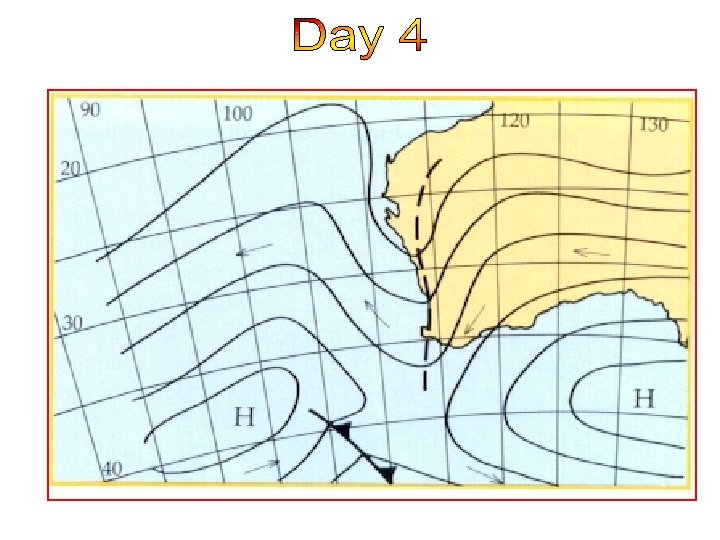
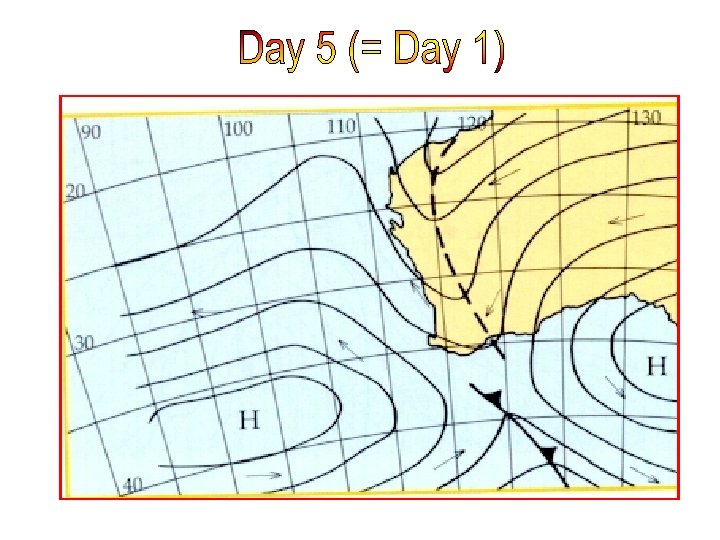
Typical Summer pattern Note: • Wind Direction • Speed • Air temperature. Where is air coming from? • Land Sea? • Hot, cold, moist, dry? • Effect of Sea breeze