
Fire Safety The Stats Fire death statistics 1986


- Slides: 22
Fire Safety
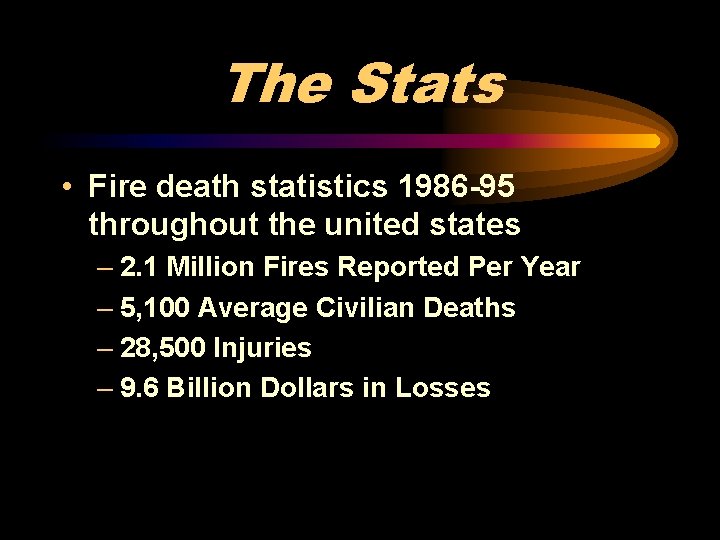
The Stats • Fire death statistics 1986 -95 throughout the united states – 2. 1 Million Fires Reported Per Year – 5, 100 Average Civilian Deaths – 28, 500 Injuries – 9. 6 Billion Dollars in Losses
Definitions • • • Carbon dioxide (co 2) Combustible Combustion Conduction Convection
Definitions • • • Fire cause Fire prevention code Flammable Flash point Ignition source Ignition temperature
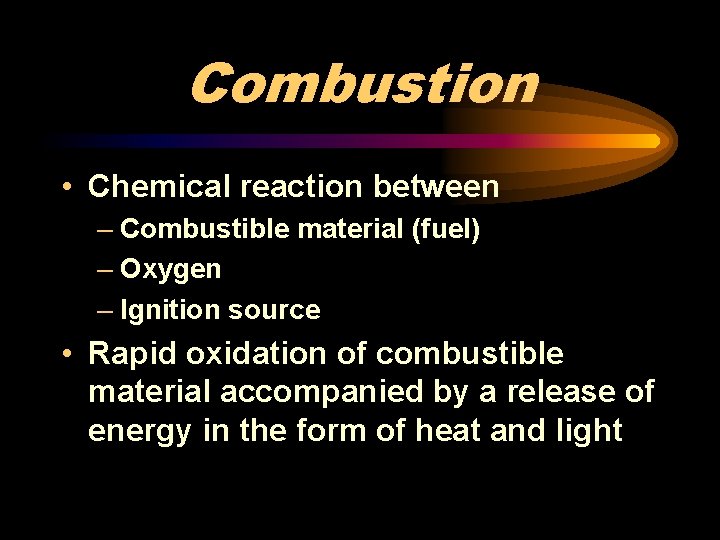
Combustion • Chemical reaction between – Combustible material (fuel) – Oxygen – Ignition source • Rapid oxidation of combustible material accompanied by a release of energy in the form of heat and light
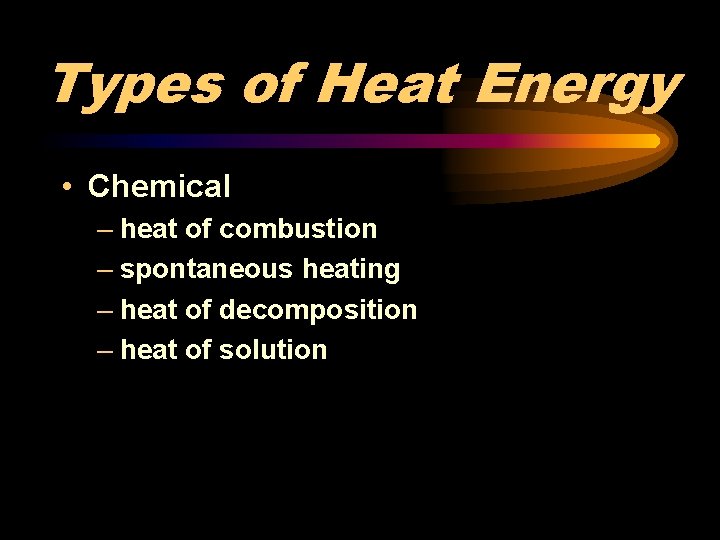
Types of Heat Energy • Chemical – heat of combustion – spontaneous heating – heat of decomposition – heat of solution
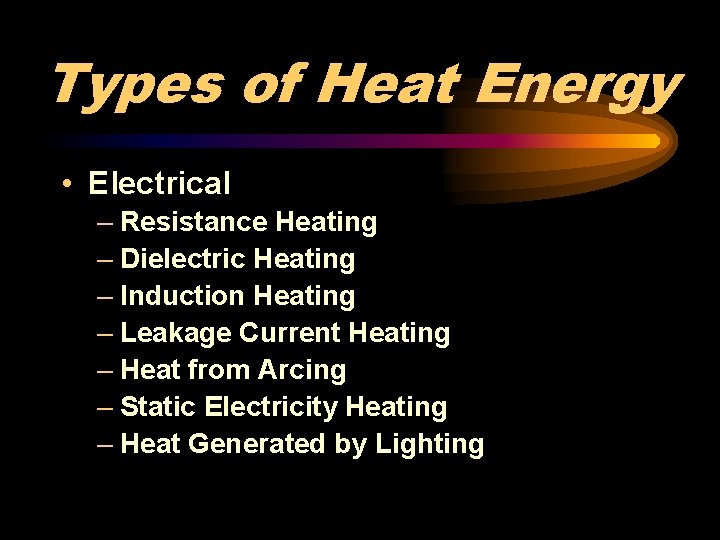
Types of Heat Energy • Electrical – Resistance Heating – Dielectric Heating – Induction Heating – Leakage Current Heating – Heat from Arcing – Static Electricity Heating – Heat Generated by Lighting
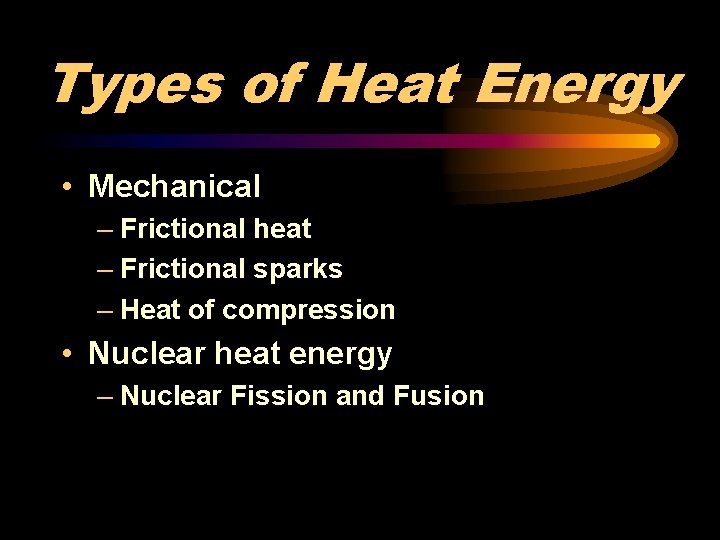
Types of Heat Energy • Mechanical – Frictional heat – Frictional sparks – Heat of compression • Nuclear heat energy – Nuclear Fission and Fusion
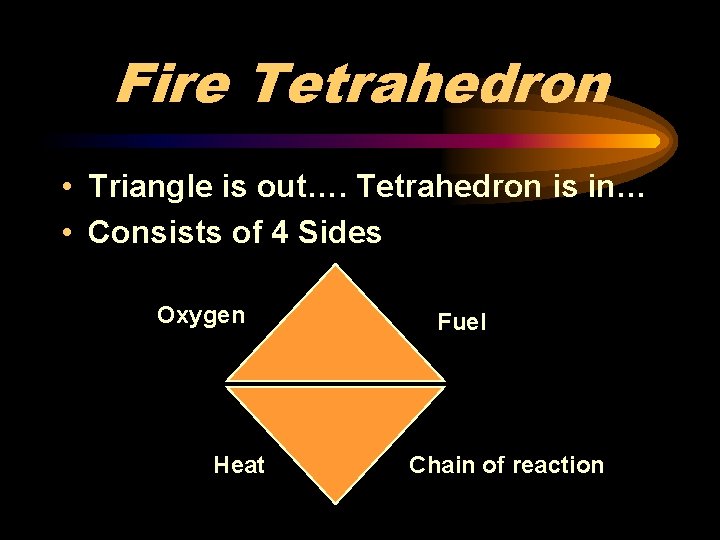
Fire Tetrahedron • Triangle is out…. Tetrahedron is in… • Consists of 4 Sides Oxygen Heat Fuel Chain of reaction
Three Phases of Fire • Incipient – Oxygen content in air not reduced • Hot smoldering – Flame may cease to exist if area is airtight – Burning reduced to glowing embers – Dense smoke fills the room • Free-burning
Fire Hazards • Any – Material – Condition – Or act • That contributes to the start of a fire, or • Increases the extent and severity of a fire
2 Types 0 f Fire Hazards • Common – Likely to be found in almost all occupancies – Not associated with a specific: • Occupancy • Process or activity • Special – arises from the process or operations taking place in the space
General Fire Safety • Housekeeping – Storage & Disposal of Trash & Debris – Containers - selected by waste type • • general smoking materials oily rags highly combustible materials
Waste Containers • Locate away from – Heat sources • Space heaters; Furnaces; Steam pipes – Flammable & combustible liquids – Directly under combustible objects • Exterior cans – Locate away from buildings so a trash fire will not spread to the building
Flammable Trash Cans • Dispose of flammable waste in: – non-combustible container – with self closing, tight fitting lid • Oily or Greasy Materials – store in trash can with • airtight lids • supported by legs so the bottom is several inches off the floor
Housekeeping Outside • Keep roofs, yards, courts, vacant lots & open spaces – Free of wastepaper – Weeds – Litter – Combustible waste & rubbish
Types Of Fires • Class A – wood, cloth, paper, cardboard • Class B – flammable or combustible liquids, gases • Class C – energized electrical equipment • Class D – combustible metal
Fire Extinguishers • Ratings – based on use by untrained operator – 8 inch deep layer of flammable liquid • • Class A Class B Class C Class D
Placement • Readily visible – Near points of entry & exit – Protected from vandalism • Uniformly distributed – No more than 50 feet travel distance to fire for class B materials – No more than 75 feet travel distance to fire for class A materials
Placement • Easily accessible – Free from blockage – Near normal paths of travel – Mounted no more than 5 feet off ground – Large extinguishers (+40 pounds) mounted on wheels
Fire Extinguishers • Inspect monthly - ensure: – In proper location and it is accessible – Discharge nozzle or horn is not obstructed, cracked or dirty – Operating instructions on the nameplate are legible – Lock pins and tamper seals are in place – Extinguisher is full and ready for use – Extinguisher has an inspection tag
Summary • Statistics • Definitions • Combustion principles • Fire tetrahedron • 3 phases of fire • Fire hazards • General fire safety • Types of fires • Portable fire extinguishers