
Fire Engine Driving Operations Unit 3 B Basic
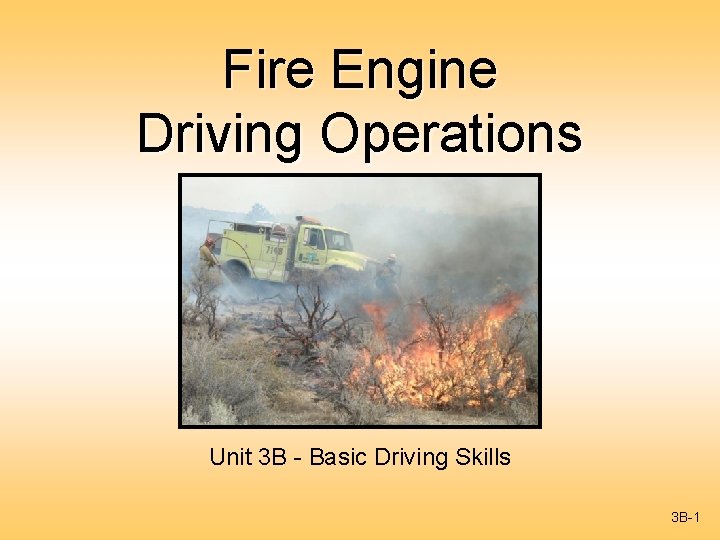
Fire Engine Driving Operations Unit 3 B - Basic Driving Skills 3 B-1
Objectives • Describe and demonstrate the driver walk-around before moving a fire engine. • Describe the STOP procedure and how it relates to the driver when operating a fire engine. • Identify danger zones around fire engines and describe actions that can be performed to reduce risk in these areas. 3 B-2
Objectives • Describe and demonstrate the start-up and shifting procedures an ENOP must perform when operating fire engines with automatic or manual transmissions. • Identify hazardous driving situations and describe actions that can be performed to reduce risk. • Demonstrate on an established course fire engine handling and maneuvering capabilities including, but not limited to backing, positioning, braking, and cornering. 3 B-3
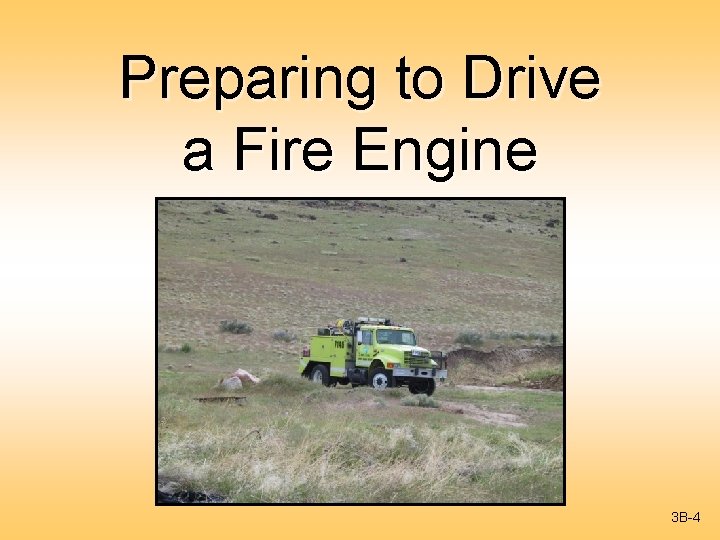
Preparing to Drive a Fire Engine 3 B-4
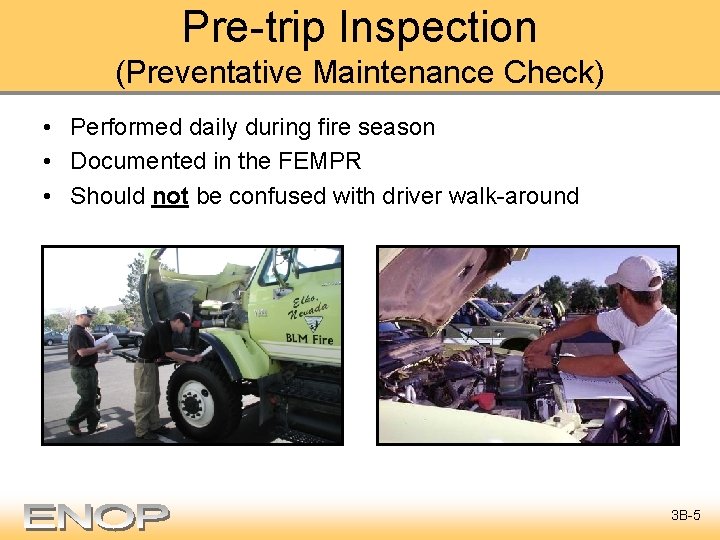
Pre-trip Inspection (Preventative Maintenance Check) • Performed daily during fire season • Documented in the FEMPR • Should not be confused with driver walk-around 3 B-5
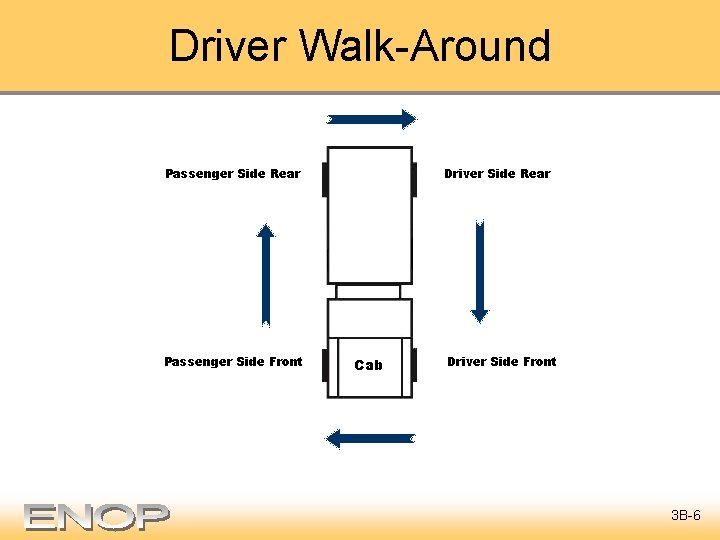
Driver Walk-Around Passenger Side Rear Passenger Side Front Driver Side Rear Cab Driver Side Front 3 B-6
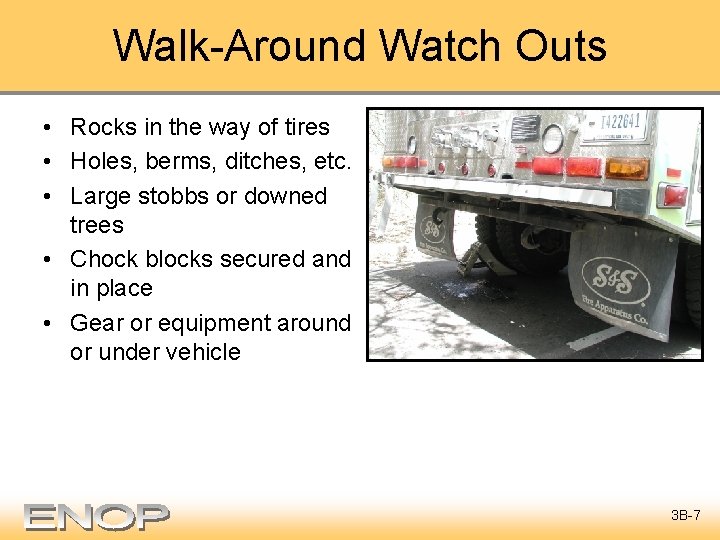
Walk-Around Watch Outs • Rocks in the way of tires • Holes, berms, ditches, etc. • Large stobbs or downed trees • Chock blocks secured and in place • Gear or equipment around or under vehicle 3 B-7
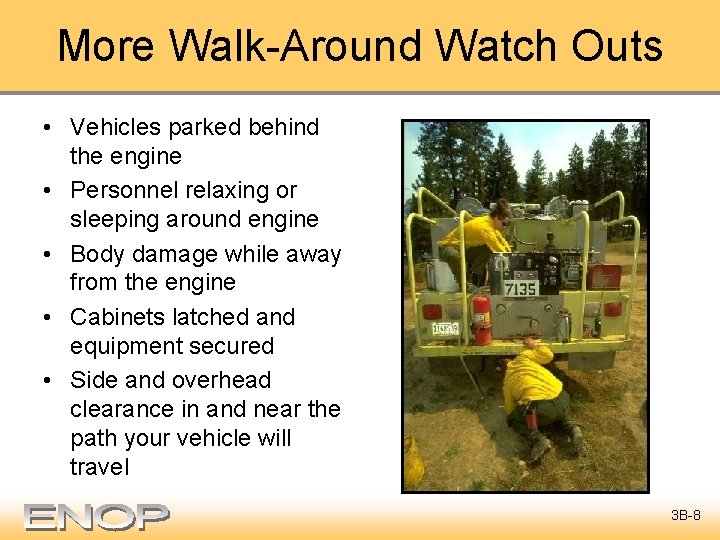
More Walk-Around Watch Outs • Vehicles parked behind the engine • Personnel relaxing or sleeping around engine • Body damage while away from the engine • Cabinets latched and equipment secured • Side and overhead clearance in and near the path your vehicle will travel 3 B-8
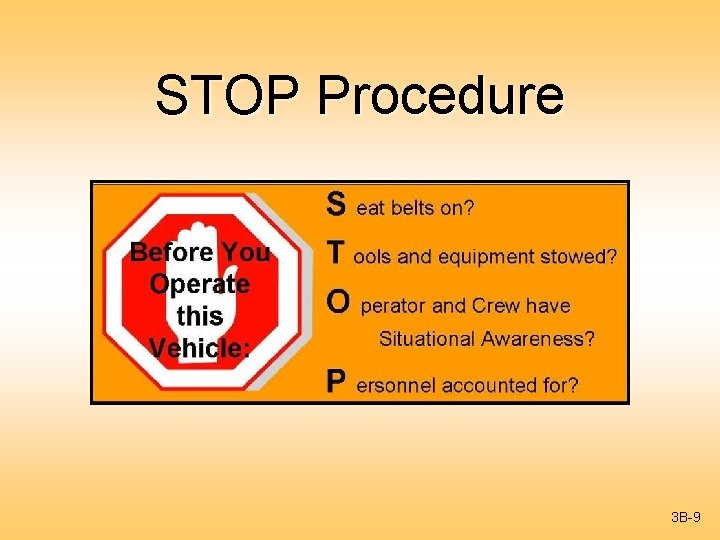
STOP Procedure 3 B-9
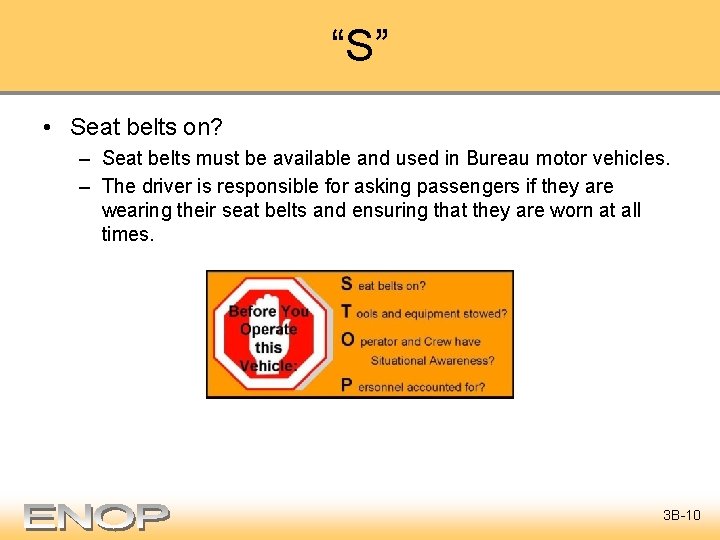
“S” • Seat belts on? – Seat belts must be available and used in Bureau motor vehicles. – The driver is responsible for asking passengers if they are wearing their seat belts and ensuring that they are worn at all times. 3 B-10
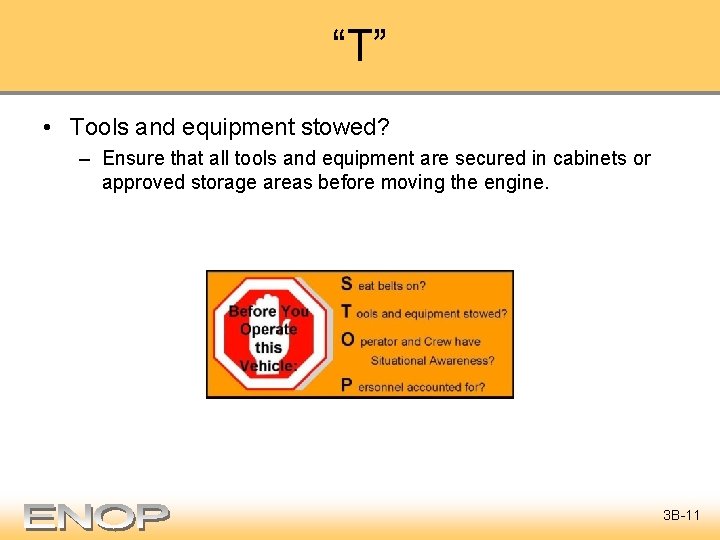
“T” • Tools and equipment stowed? – Ensure that all tools and equipment are secured in cabinets or approved storage areas before moving the engine. 3 B-11
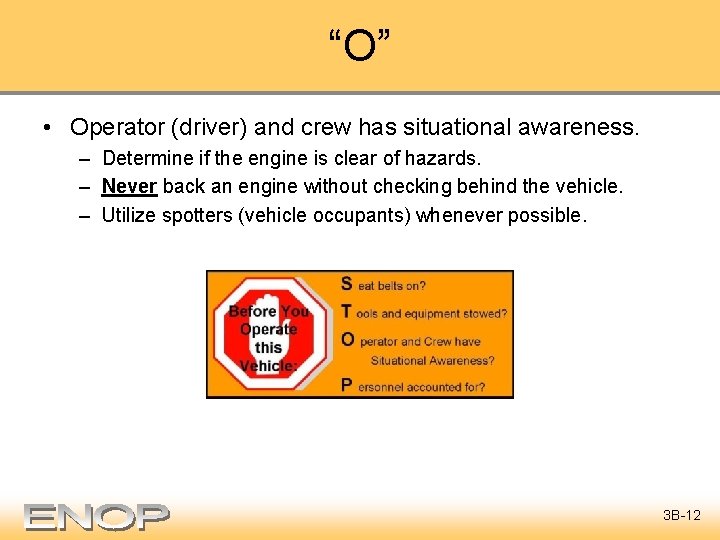
“O” • Operator (driver) and crew has situational awareness. – Determine if the engine is clear of hazards. – Never back an engine without checking behind the vehicle. – Utilize spotters (vehicle occupants) whenever possible. 3 B-12
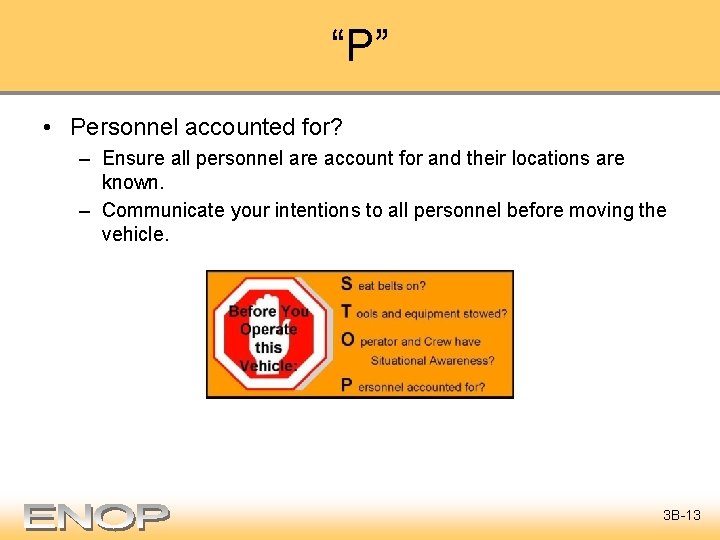
“P” • Personnel accounted for? – Ensure all personnel are account for and their locations are known. – Communicate your intentions to all personnel before moving the vehicle. 3 B-13
Engine Danger Zones 3 B-14
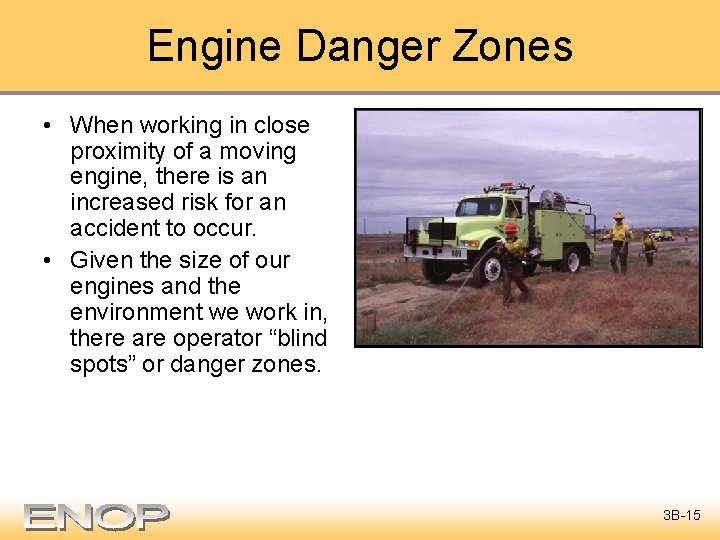
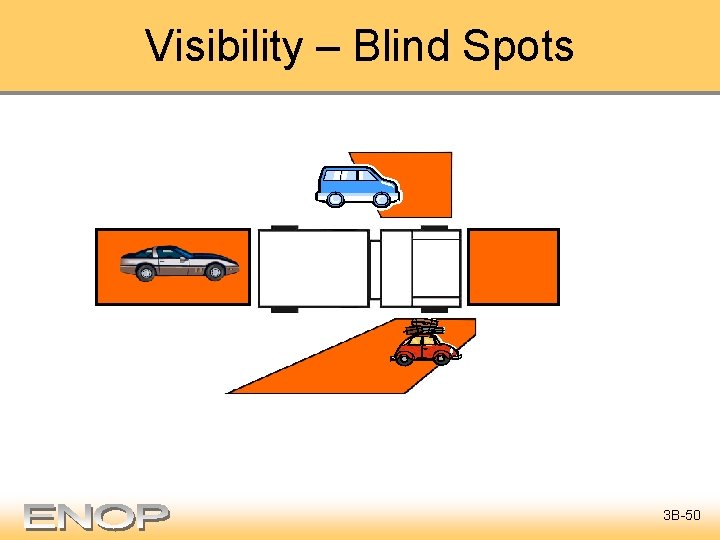
Engine Danger Zones • When working in close proximity of a moving engine, there is an increased risk for an accident to occur. • Given the size of our engines and the environment we work in, there are operator “blind spots” or danger zones. 3 B-15
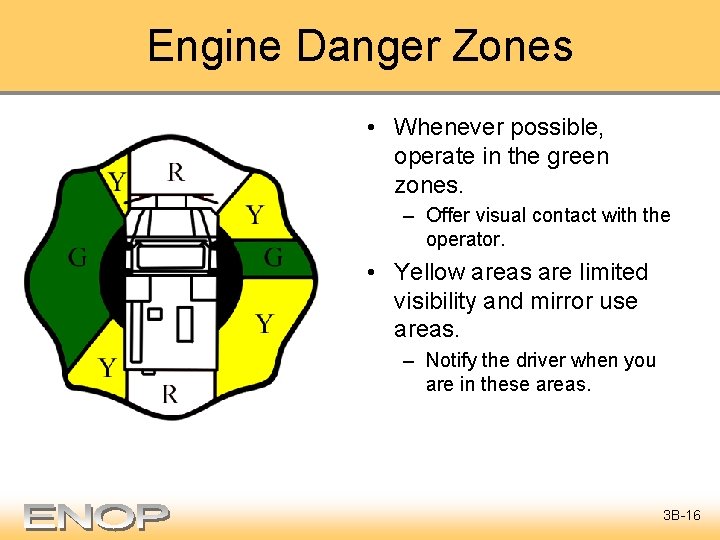
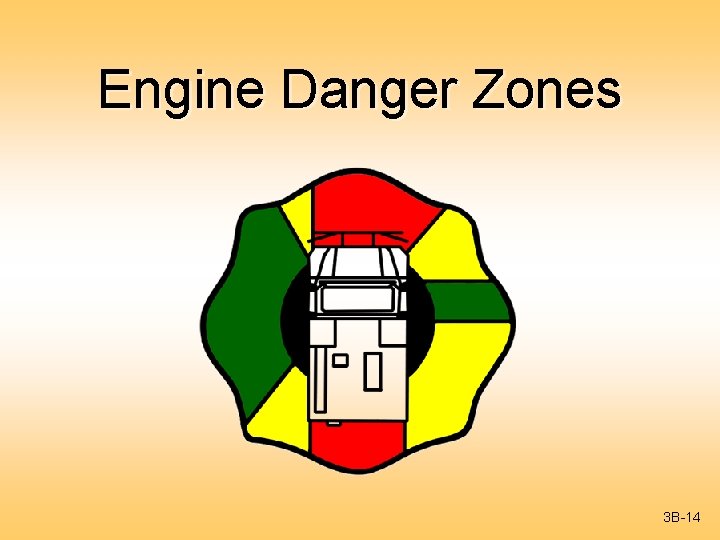
Engine Danger Zones • Whenever possible, operate in the green zones. – Offer visual contact with the operator. • Yellow areas are limited visibility and mirror use areas. – Notify the driver when you are in these areas. 3 B-16
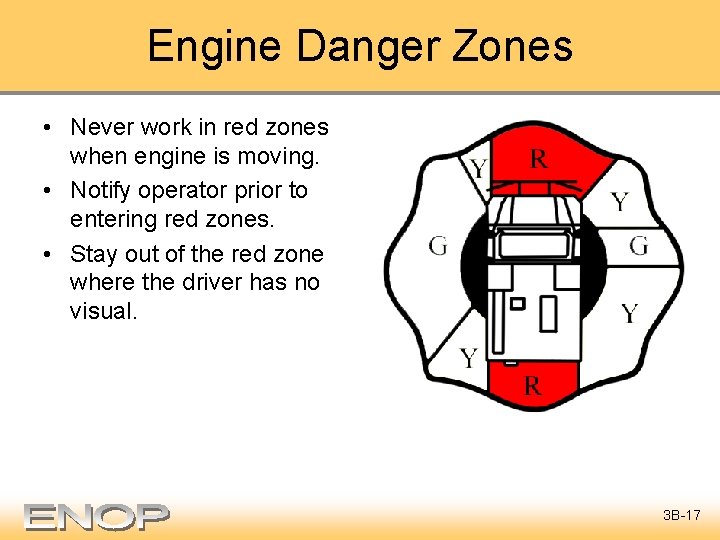
Engine Danger Zones • Never work in red zones when engine is moving. • Notify operator prior to entering red zones. • Stay out of the red zone where the driver has no visual. 3 B-17
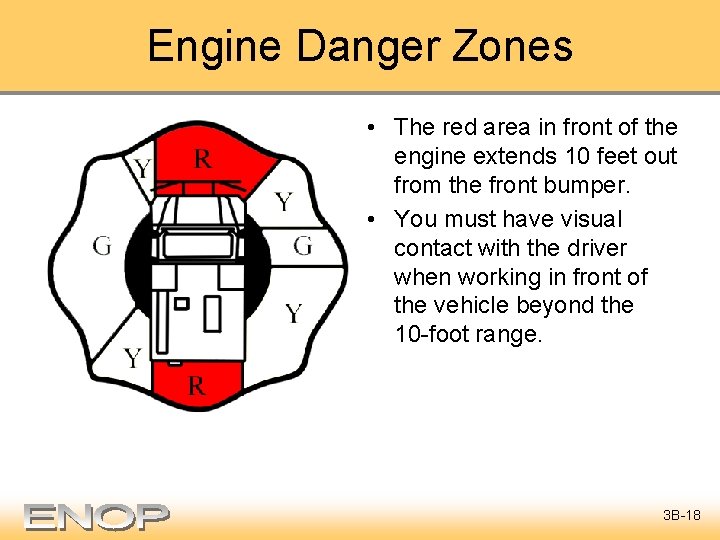
Engine Danger Zones • The red area in front of the engine extends 10 feet out from the front bumper. • You must have visual contact with the driver when working in front of the vehicle beyond the 10 -foot range. 3 B-18
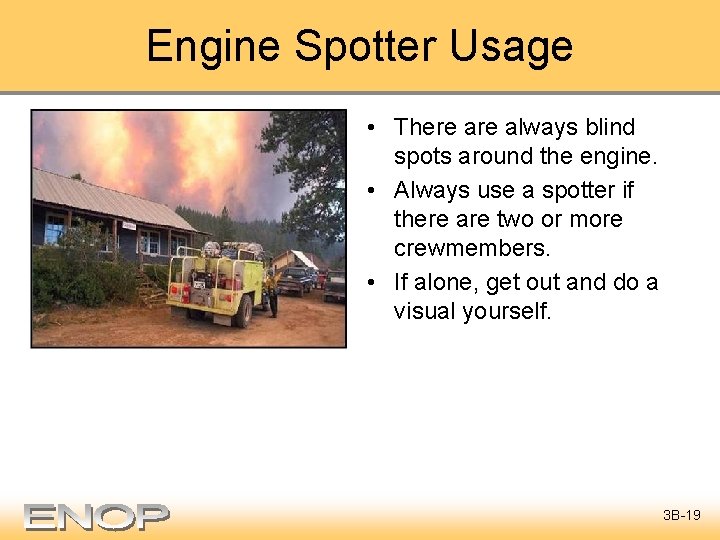
Engine Spotter Usage • There always blind spots around the engine. • Always use a spotter if there are two or more crewmembers. • If alone, get out and do a visual yourself. 3 B-19
When to Use a Spotter • • • Backing up Off-road pioneering Hazardous conditions exist Low vehicle clearances exist Narrow/confined driving spaces exist 3 B-20
Spotter Techniques • Spotters should have a clear line of sight to the driver. Spotter position should be: – Forward movement: Outside the forward red zone on the driver side windshield – Backing movement: Outside the rear red zone on the driver side mirror • Spotters and drivers should understand a common set of hand signals. 3 B-21
Spotter Techniques • • • Spotters and drivers need to communicate on the planned action. Spotter distance from the engine will depend on various situations at the time of the maneuver; however, visual contact between spotter and driver shall not be compromised. If driver loses sight of the spotter, the driver should stop immediately and determine the spotter’s location. 3 B-22
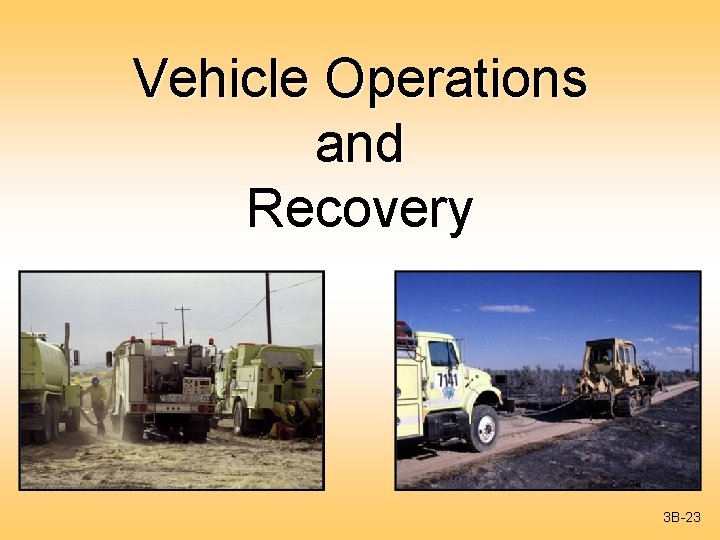
Vehicle Operations and Recovery 3 B-23
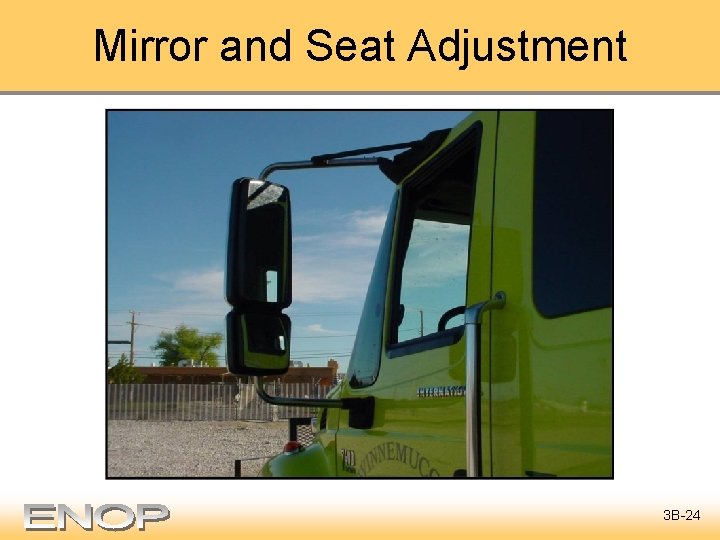
Mirror and Seat Adjustment 3 B-24
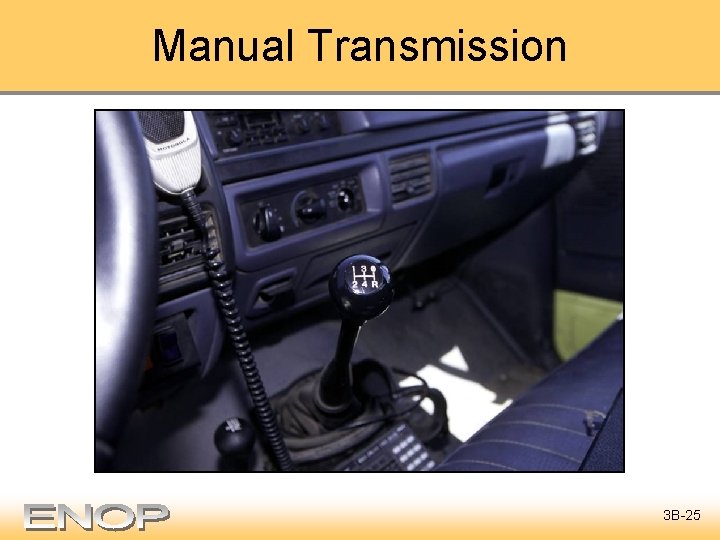
Manual Transmission 3 B-25
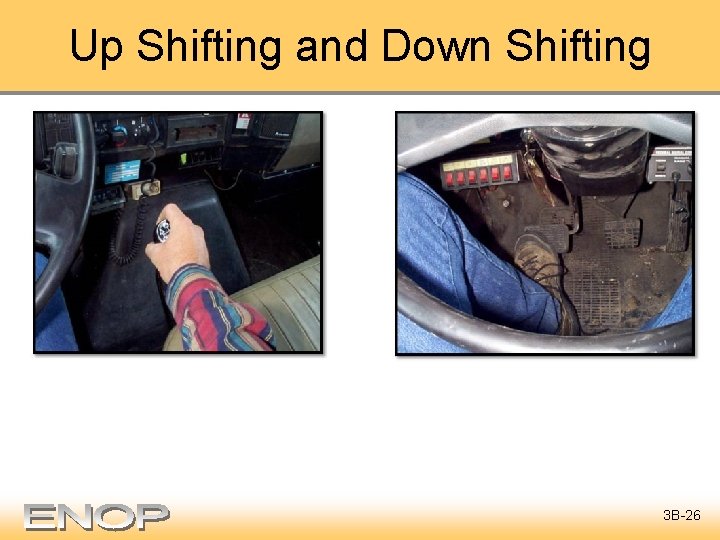
Up Shifting and Down Shifting 3 B-26
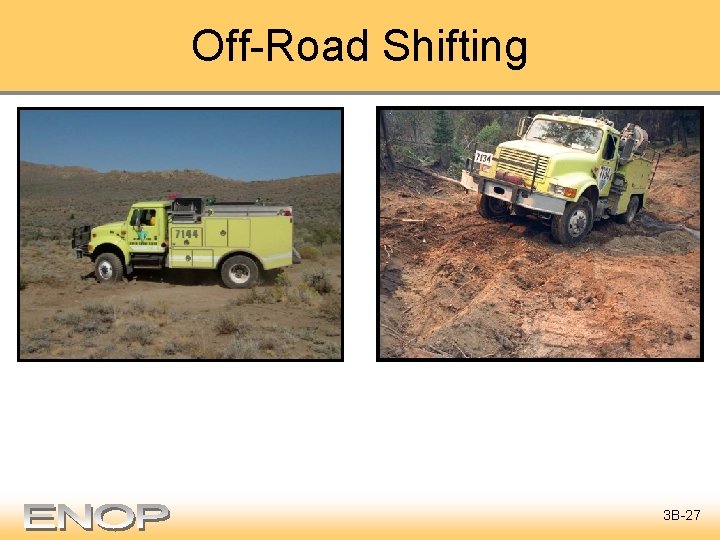
Off-Road Shifting 3 B-27
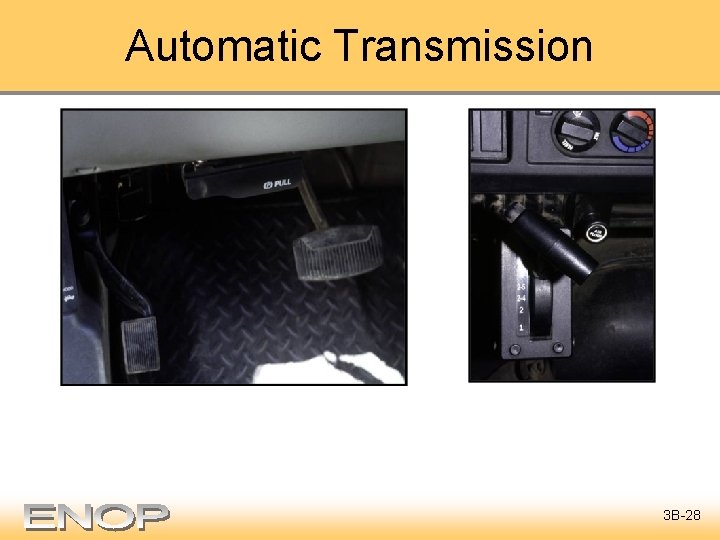
Automatic Transmission 3 B-28
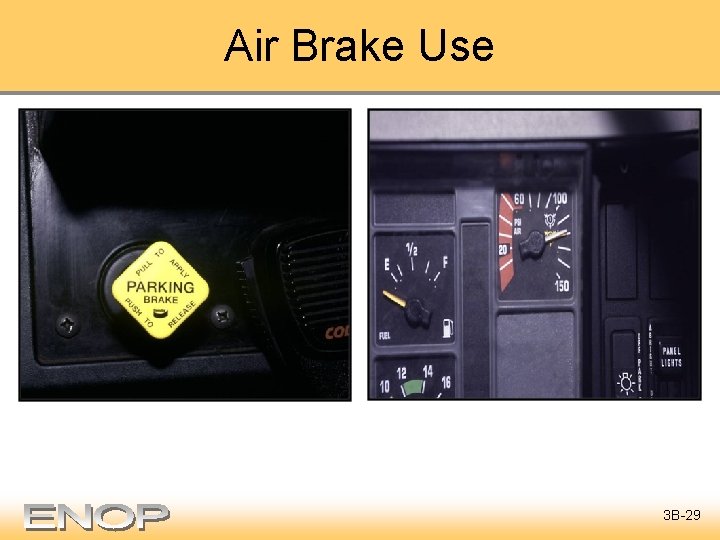
Air Brake Use 3 B-29
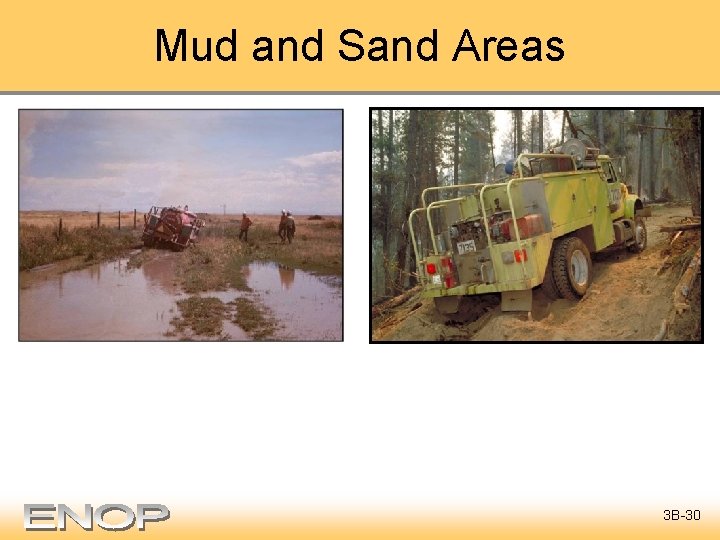
Mud and Sand Areas 3 B-30
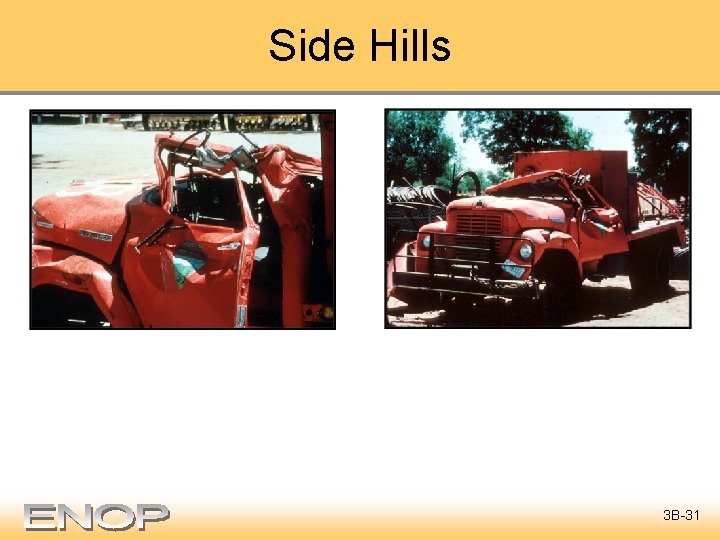
Side Hills 3 B-31
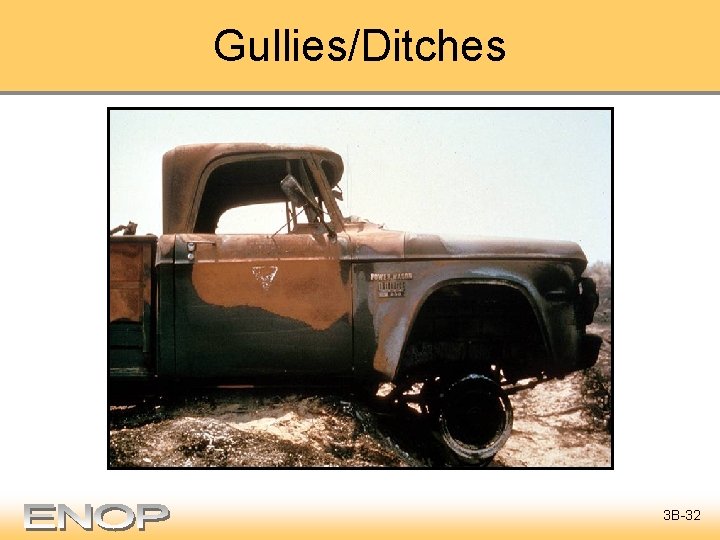
Gullies/Ditches 3 B-32
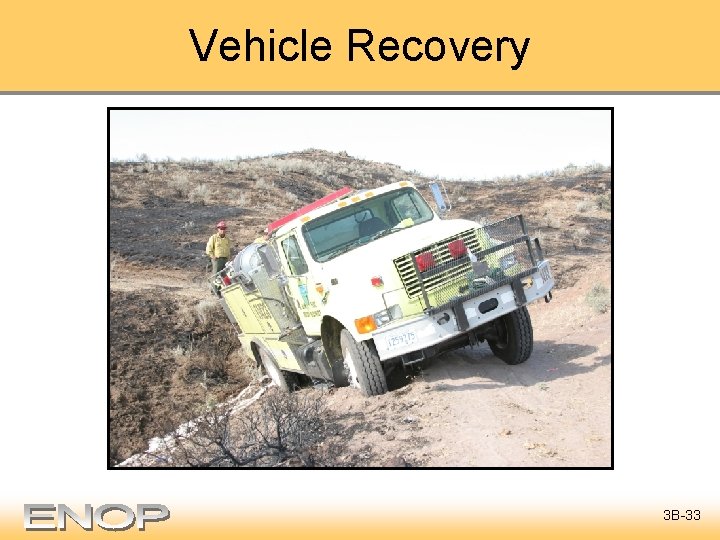
Vehicle Recovery 3 B-33
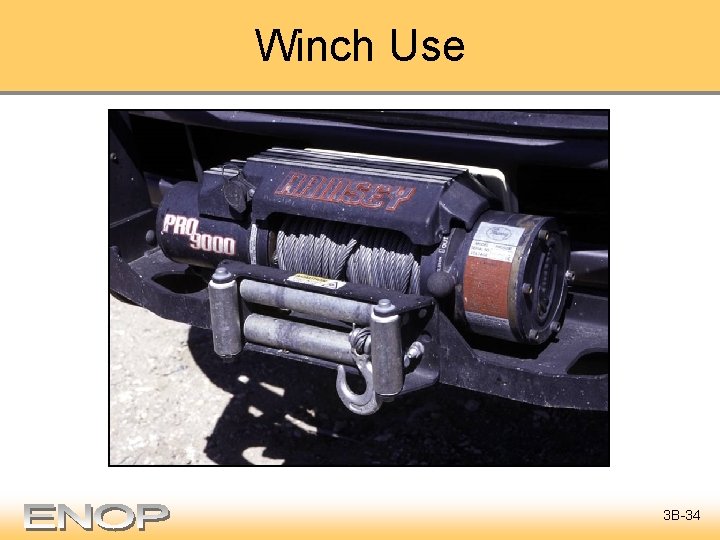
Winch Use 3 B-34
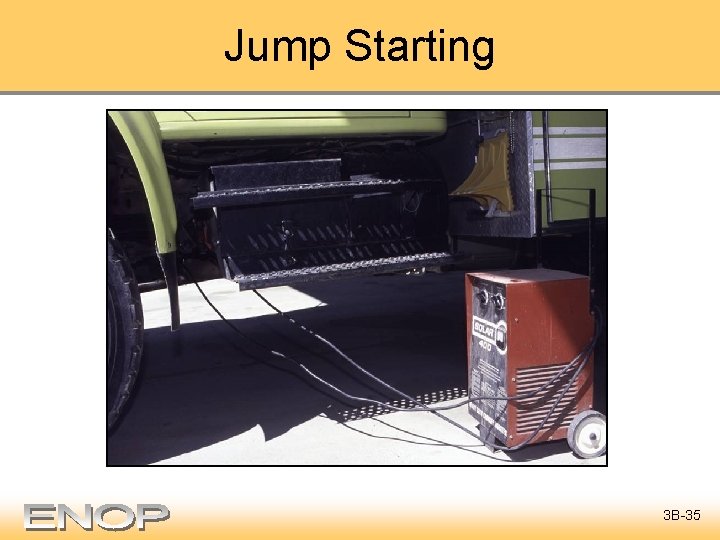
Jump Starting 3 B-35
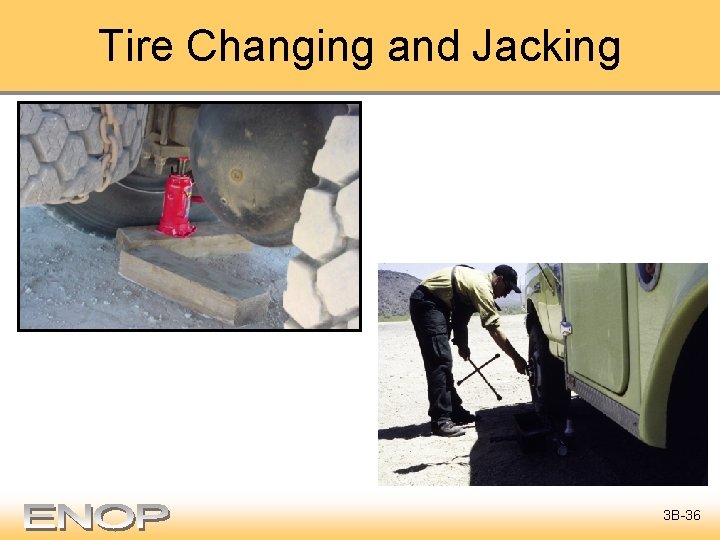
Tire Changing and Jacking 3 B-36
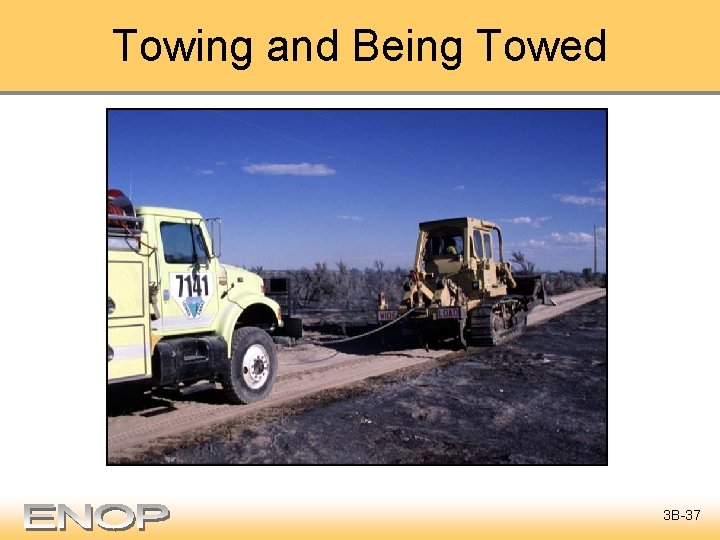
Towing and Being Towed 3 B-37
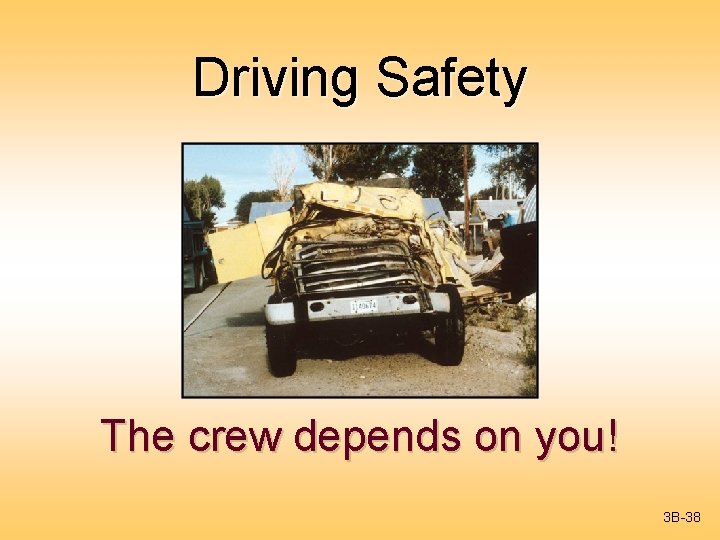
Driving Safety The crew depends on you! 3 B-38
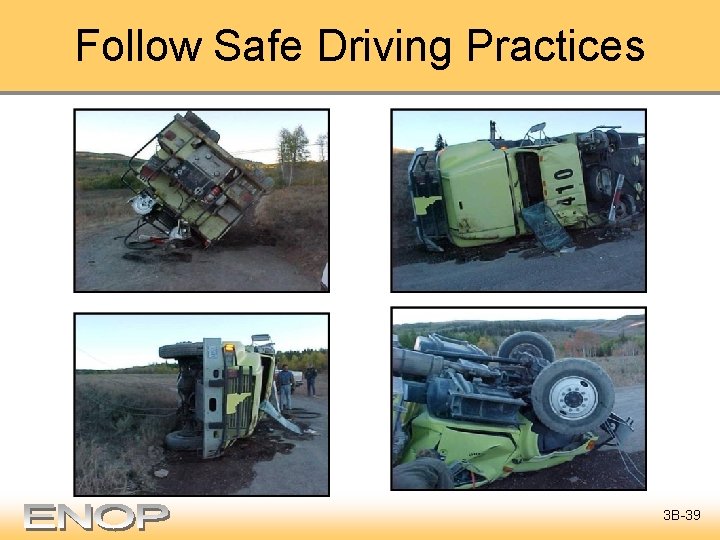
Follow Safe Driving Practices 3 B-39
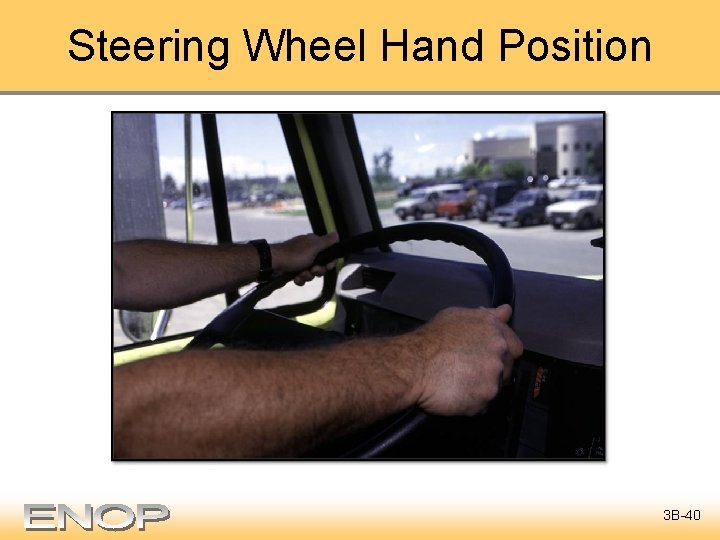
Steering Wheel Hand Position 3 B-40
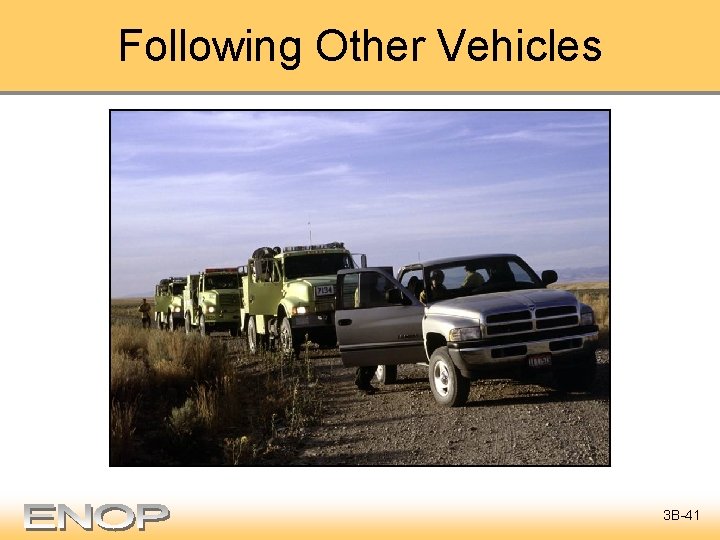
Following Other Vehicles 3 B-41
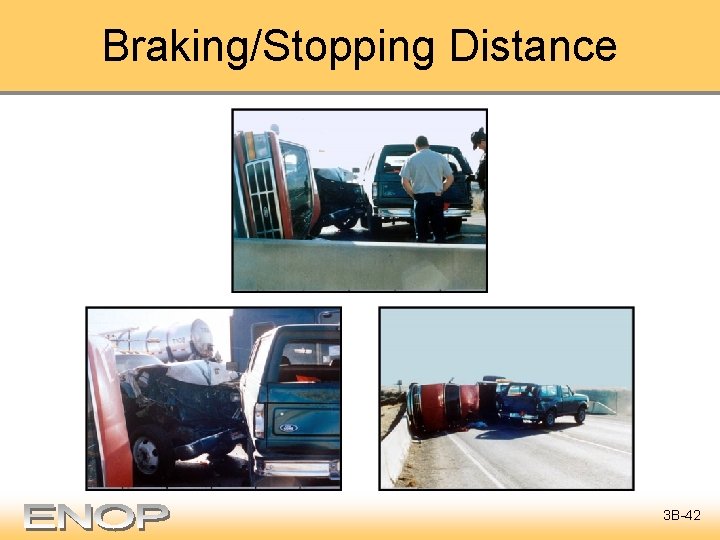
Braking/Stopping Distance 3 B-42
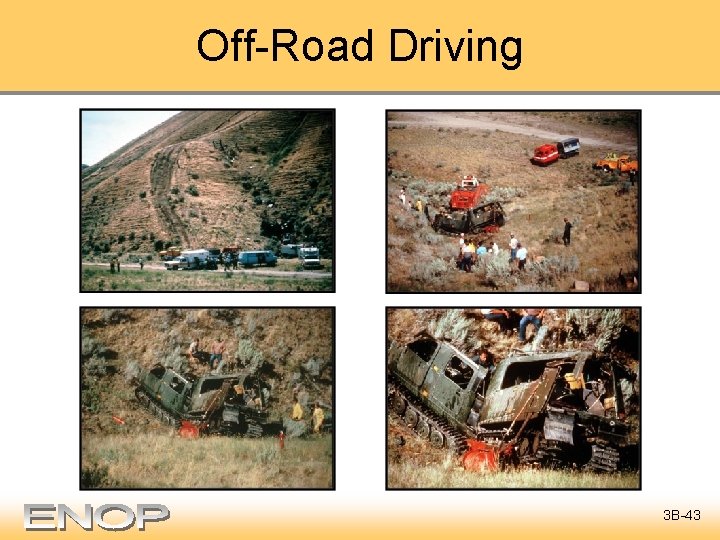
Off-Road Driving 3 B-43
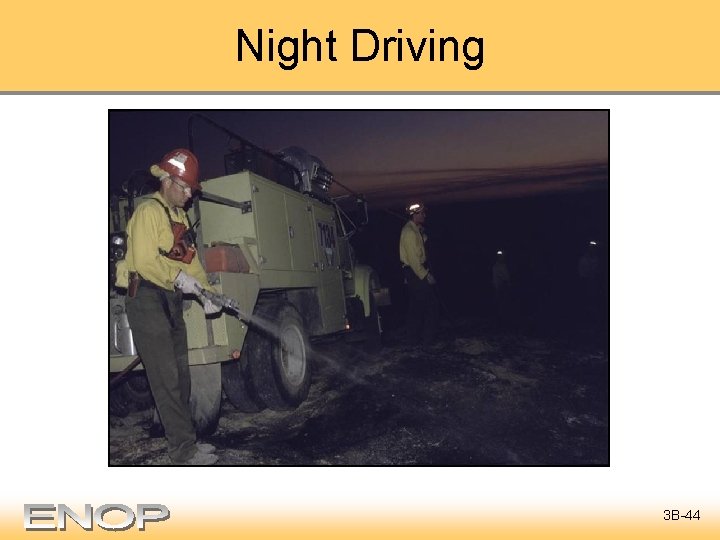
Night Driving 3 B-44
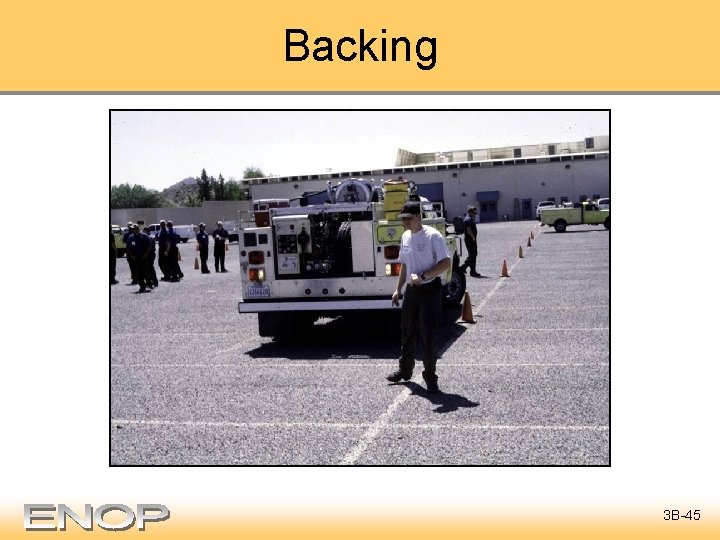
Backing 3 B-45
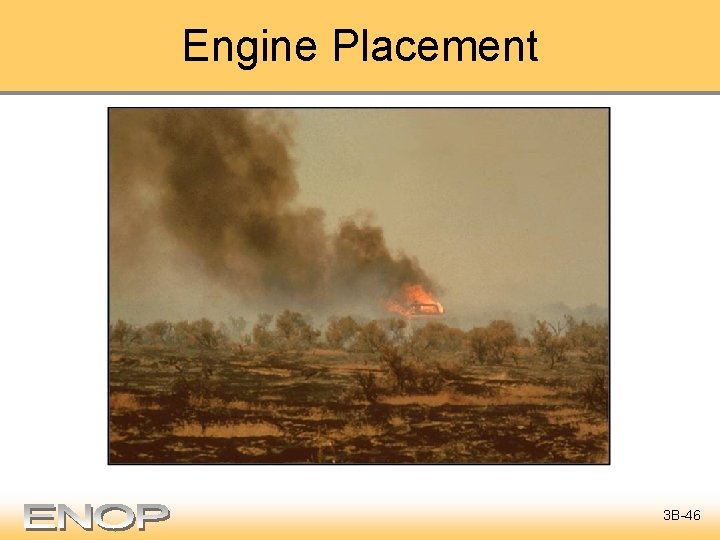
Engine Placement 3 B-46
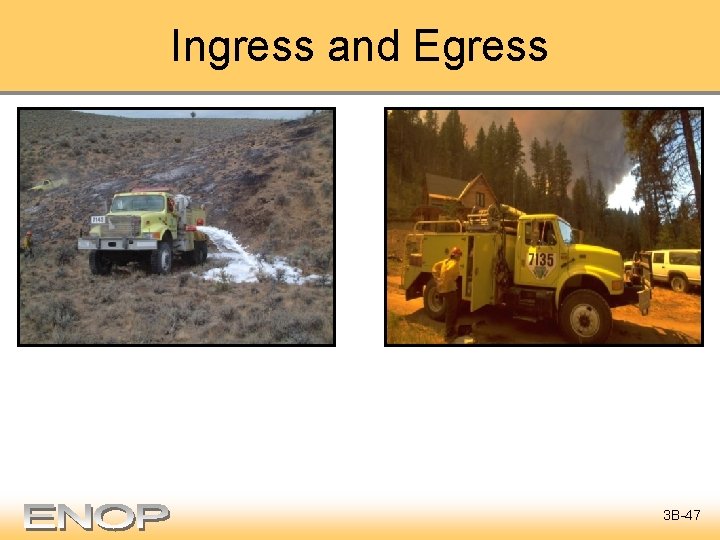
Ingress and Egress 3 B-47
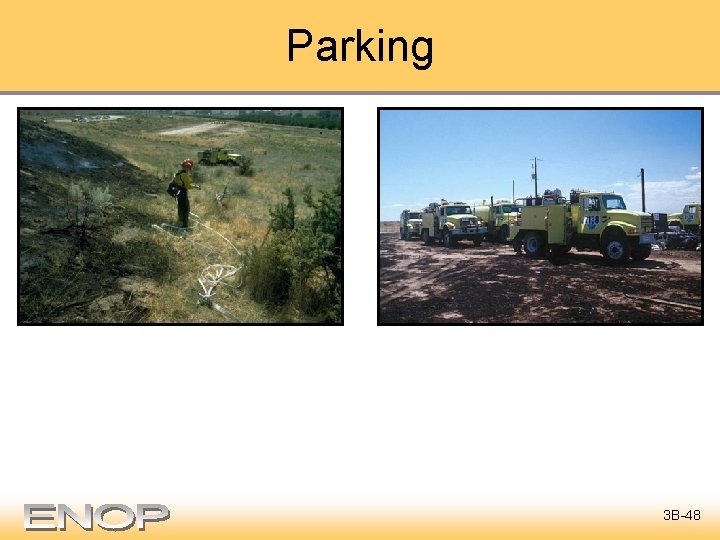
Parking 3 B-48
The Black 3 B-49
Visibility – Blind Spots 3 B-50
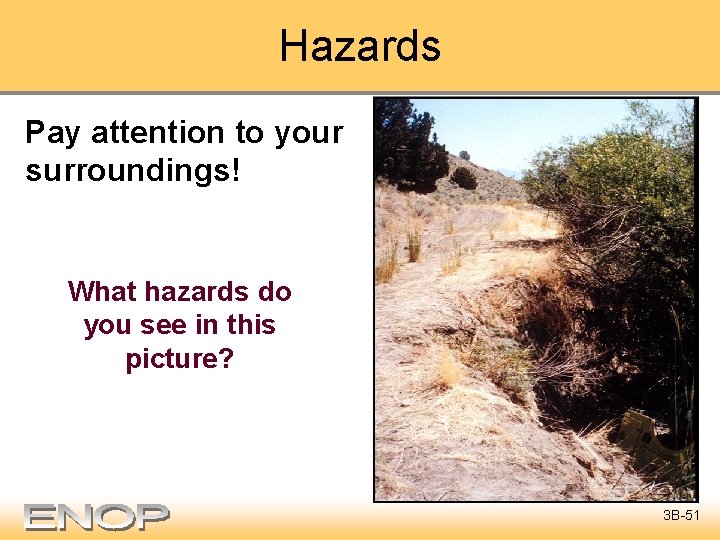
Hazards Pay attention to your surroundings! What hazards do you see in this picture? 3 B-51
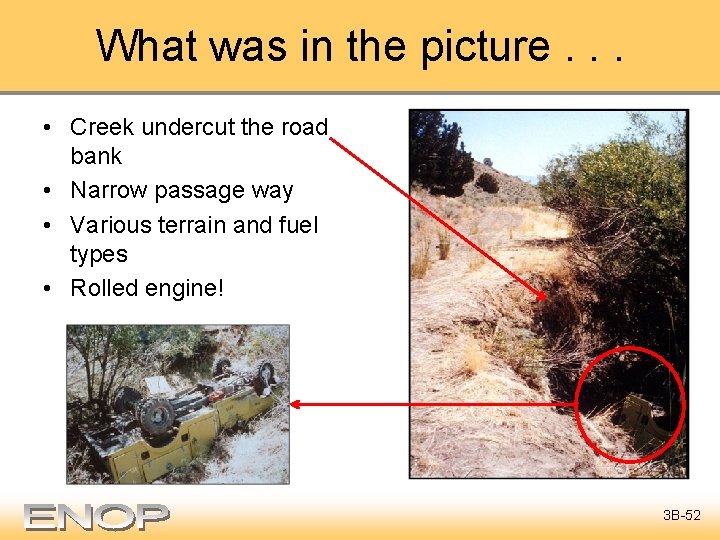
What was in the picture. . . • Creek undercut the road bank • Narrow passage way • Various terrain and fuel types • Rolled engine! 3 B-52
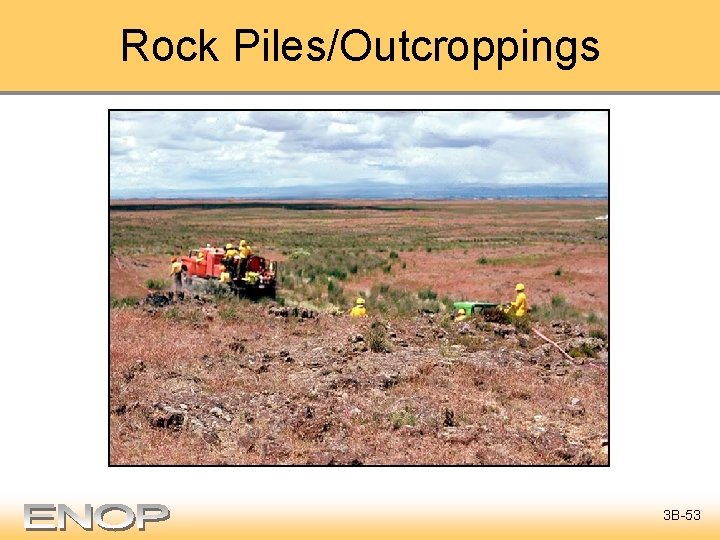
Rock Piles/Outcroppings 3 B-53
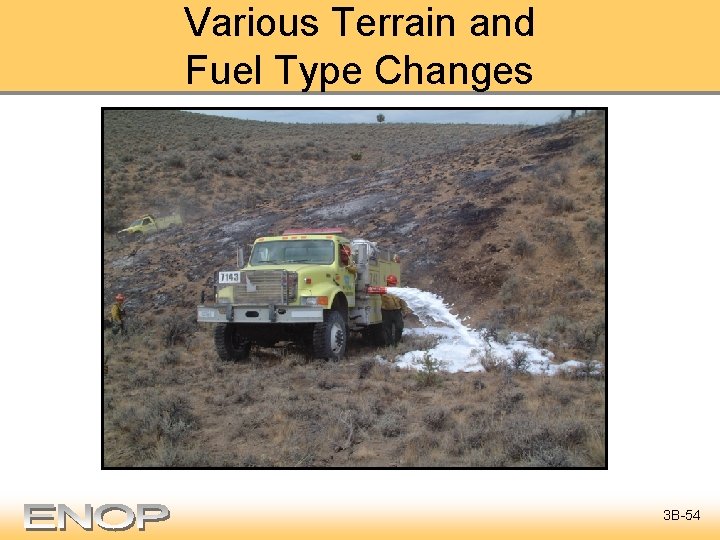
Various Terrain and Fuel Type Changes 3 B-54
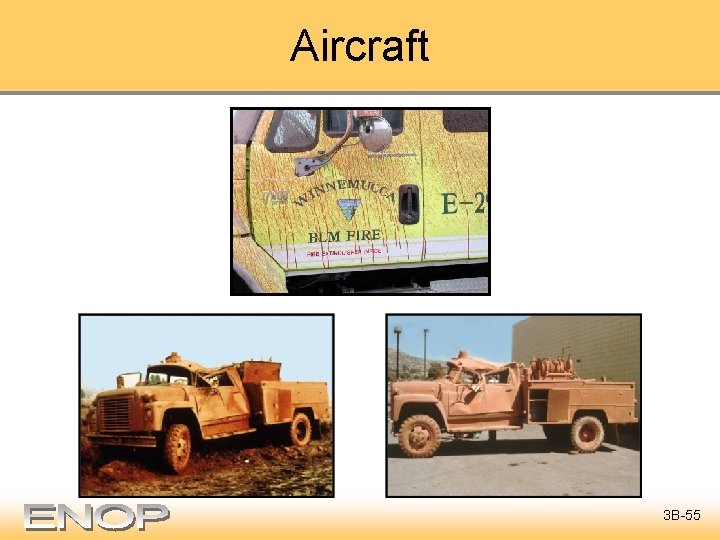
Aircraft 3 B-55
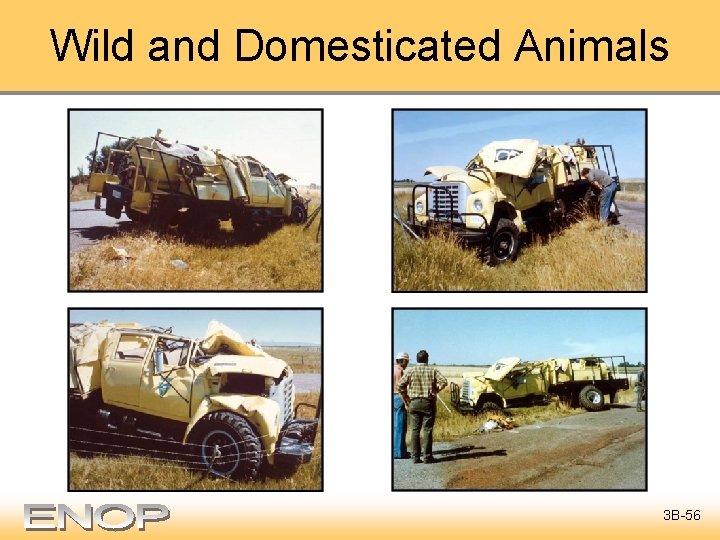
Wild and Domesticated Animals 3 B-56
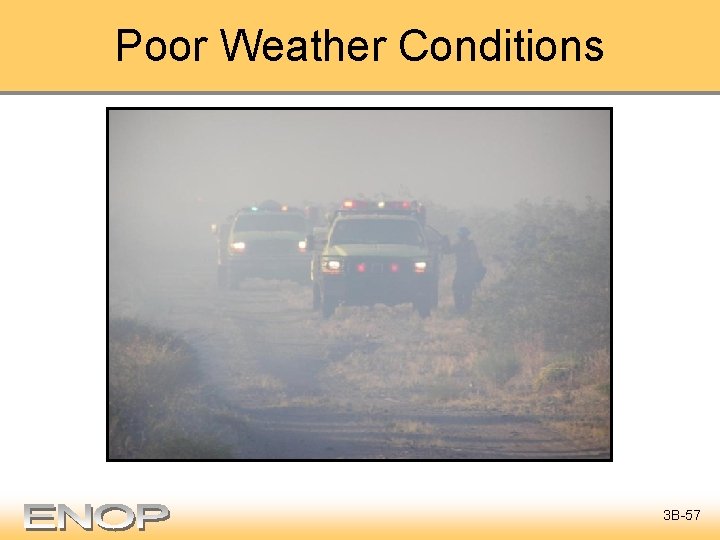
Poor Weather Conditions 3 B-57
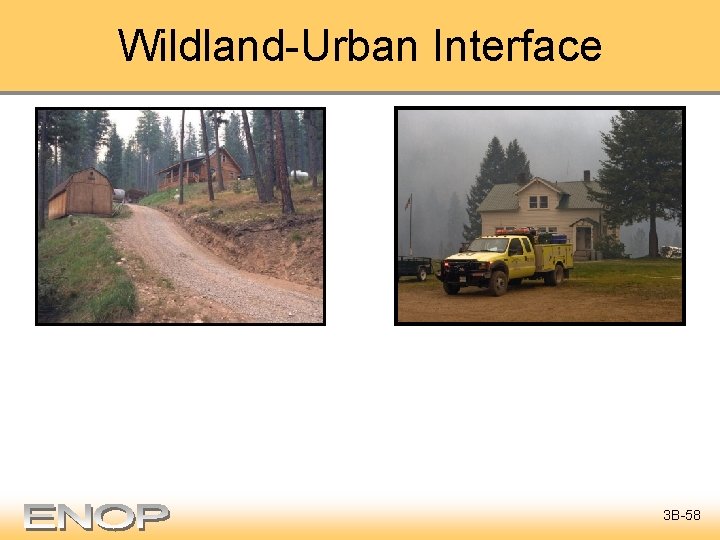
Wildland-Urban Interface 3 B-58
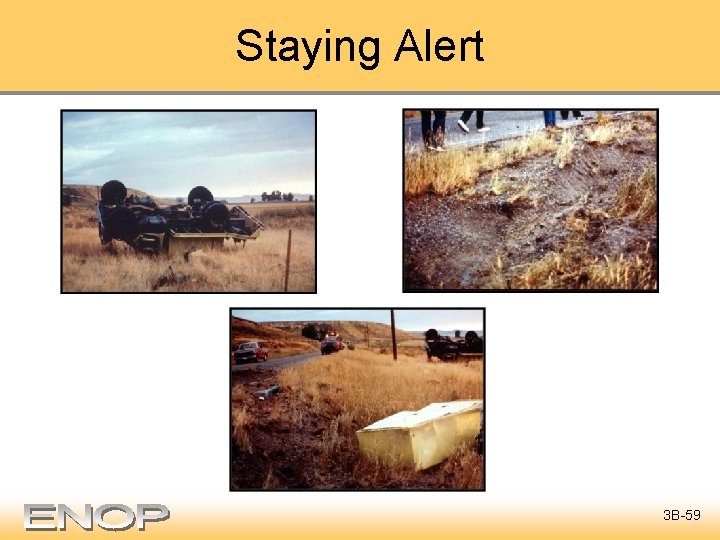
Staying Alert 3 B-59
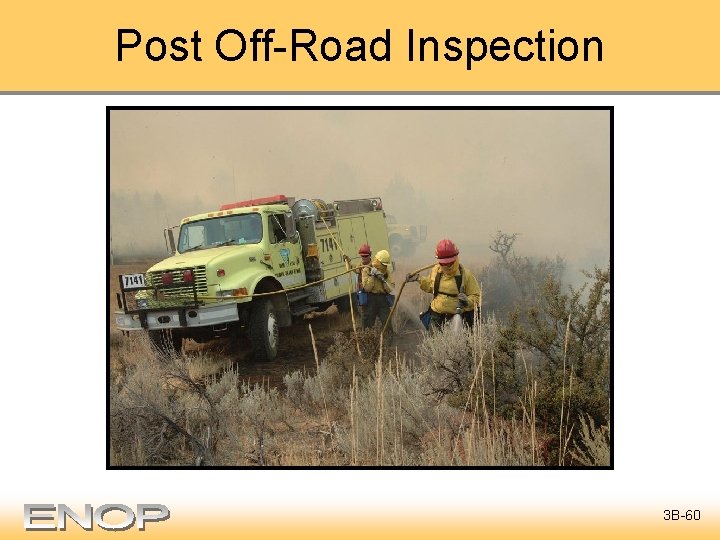
Post Off-Road Inspection 3 B-60
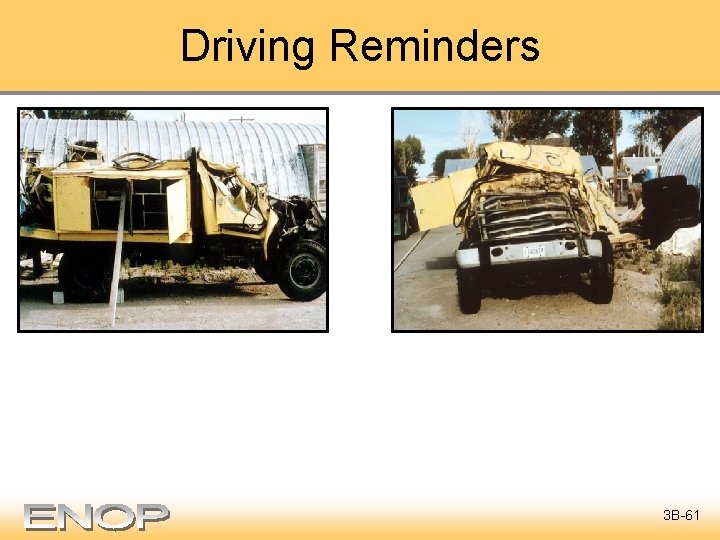
Driving Reminders 3 B-61
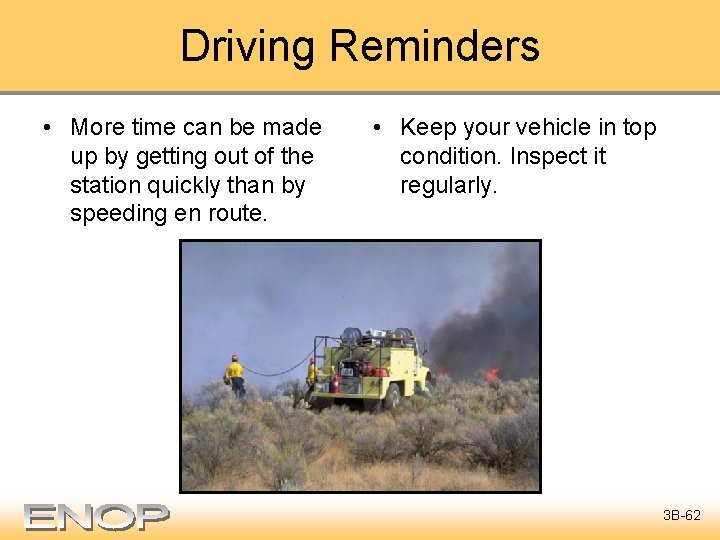
Driving Reminders • More time can be made up by getting out of the station quickly than by speeding en route. • Keep your vehicle in top condition. Inspect it regularly. 3 B-62
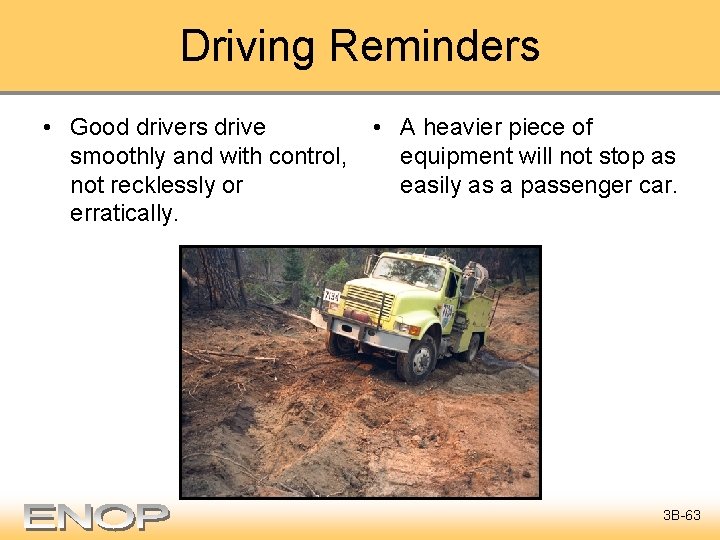
Driving Reminders • Good drivers drive smoothly and with control, not recklessly or erratically. • A heavier piece of equipment will not stop as easily as a passenger car. 3 B-63
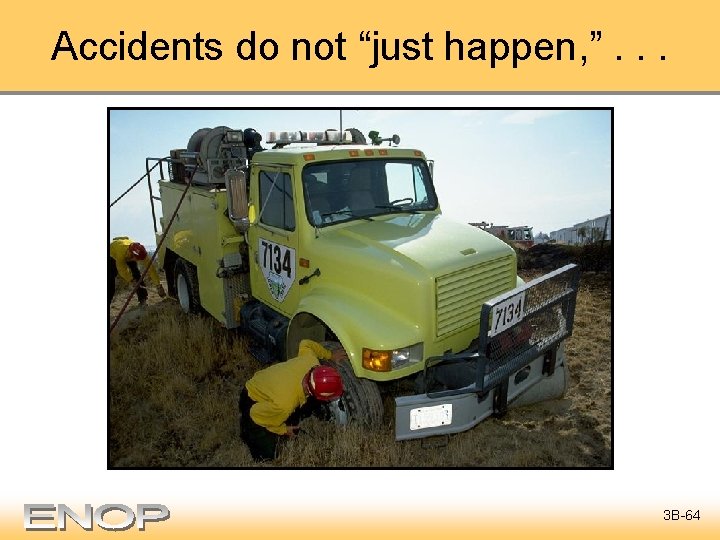
Accidents do not “just happen, ”. . . 3 B-64
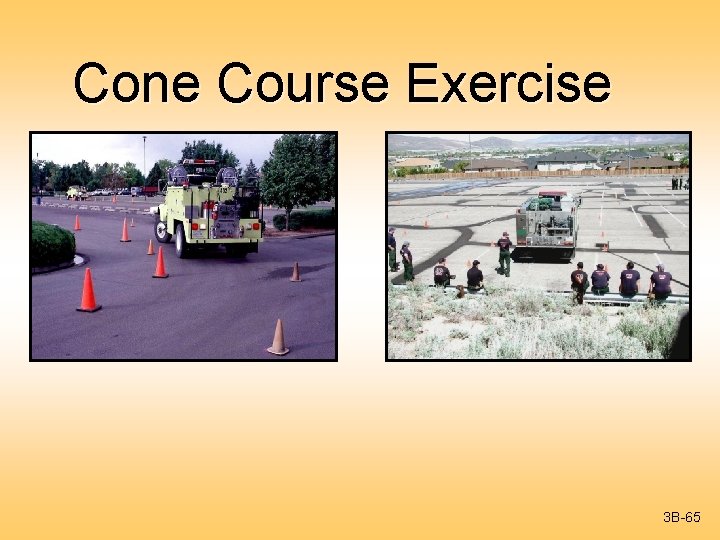
Cone Course Exercise 3 B-65
Objectives • Describe and demonstrate the driver walk-around before moving a fire engine. • Describe the STOP procedure and how it relates to the driver when operating a fire engine. • Identify danger zones around fire engines and describe actions that can be performed to reduce risk in these areas. 3 B-66
Objectives • Describe and demonstrate the start-up and shifting procedures an ENOP must perform when operating fire engines with automatic or manual transmissions. • Identify hazardous driving situations and describe actions that can be performed to reduce risk. • Demonstrate on an established course fire engine handling and maneuvering capabilities including, but not limited to backing, positioning, braking, and cornering. 3 B-67
- Slides: 67