
FINANCIAL FOUNDATIONS FOR THRIVING COMMUNITIES Beyond the Bottom
FINANCIAL FOUNDATIONS FOR THRIVING COMMUNITIES Beyond the Bottom Line
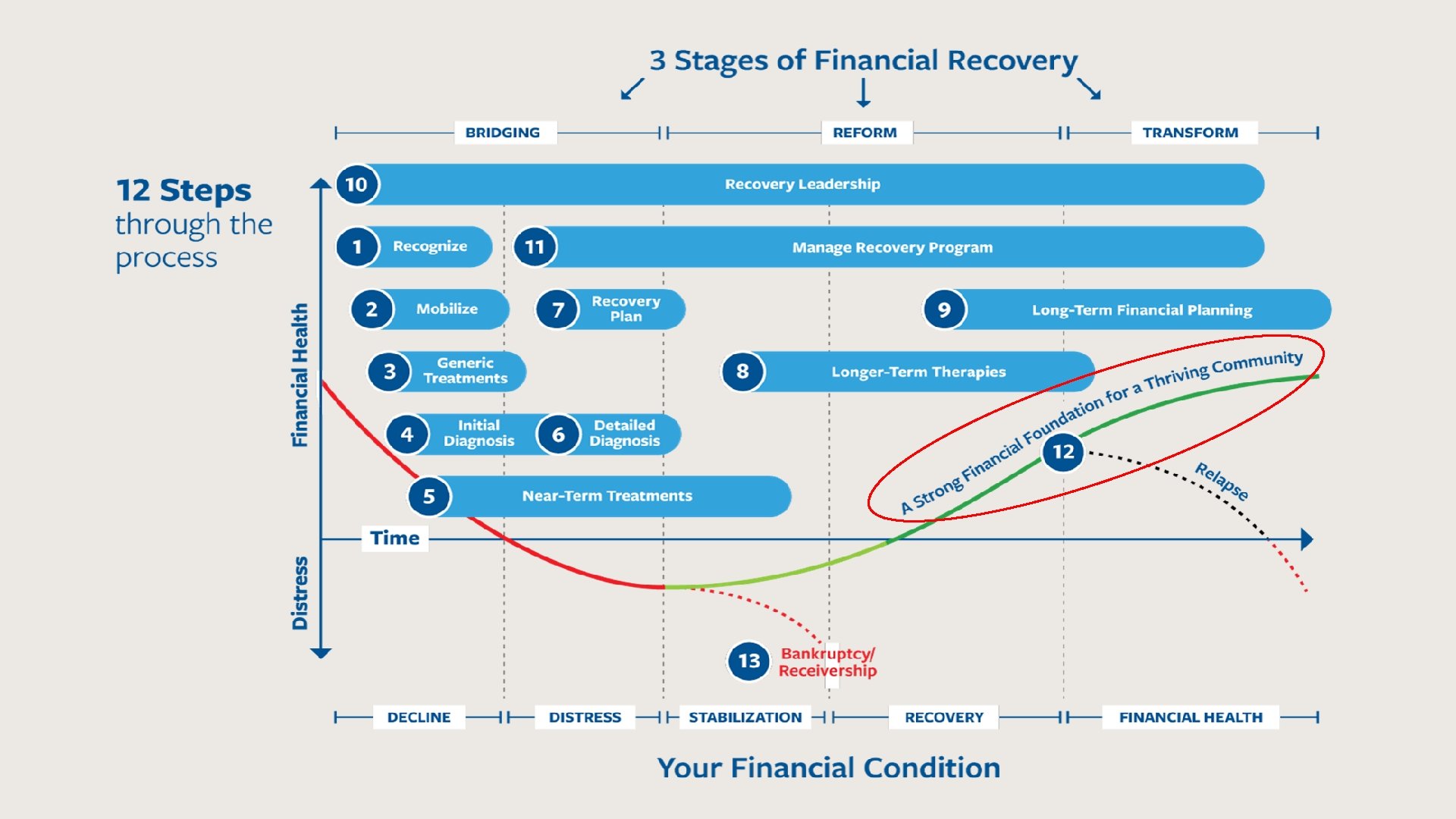
PLAN FOR OUR PRESENTATION • Why GFOA is concerned about this • What we are doing about it —Fiscal First Aid —Financial Foundations for Thriving Communities • How we are extending these initiatives • Help we could use
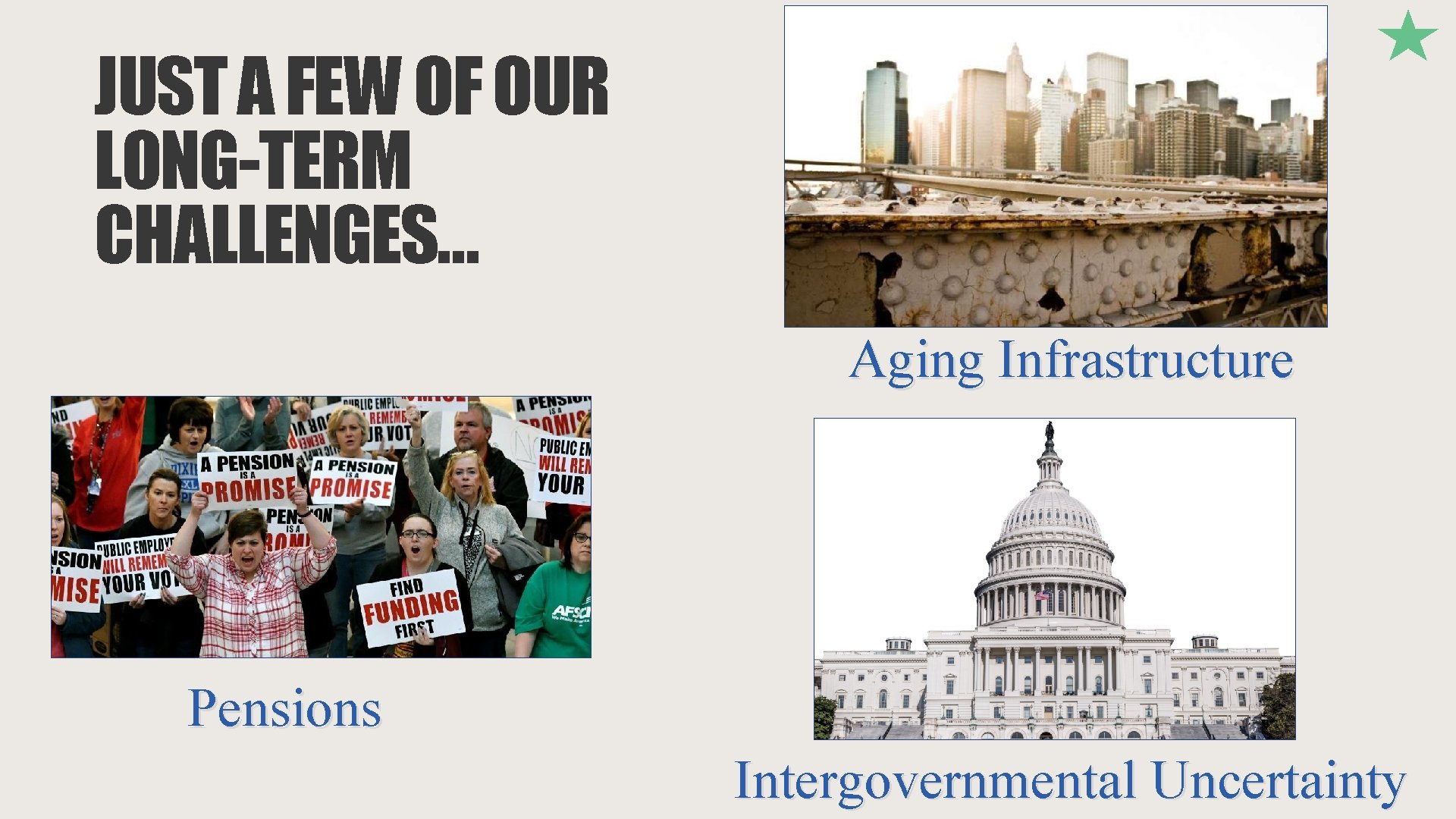
JUST A FEW OF OUR LONG-TERM CHALLENGES… Aging Infrastructure Pensions Intergovernmental Uncertainty
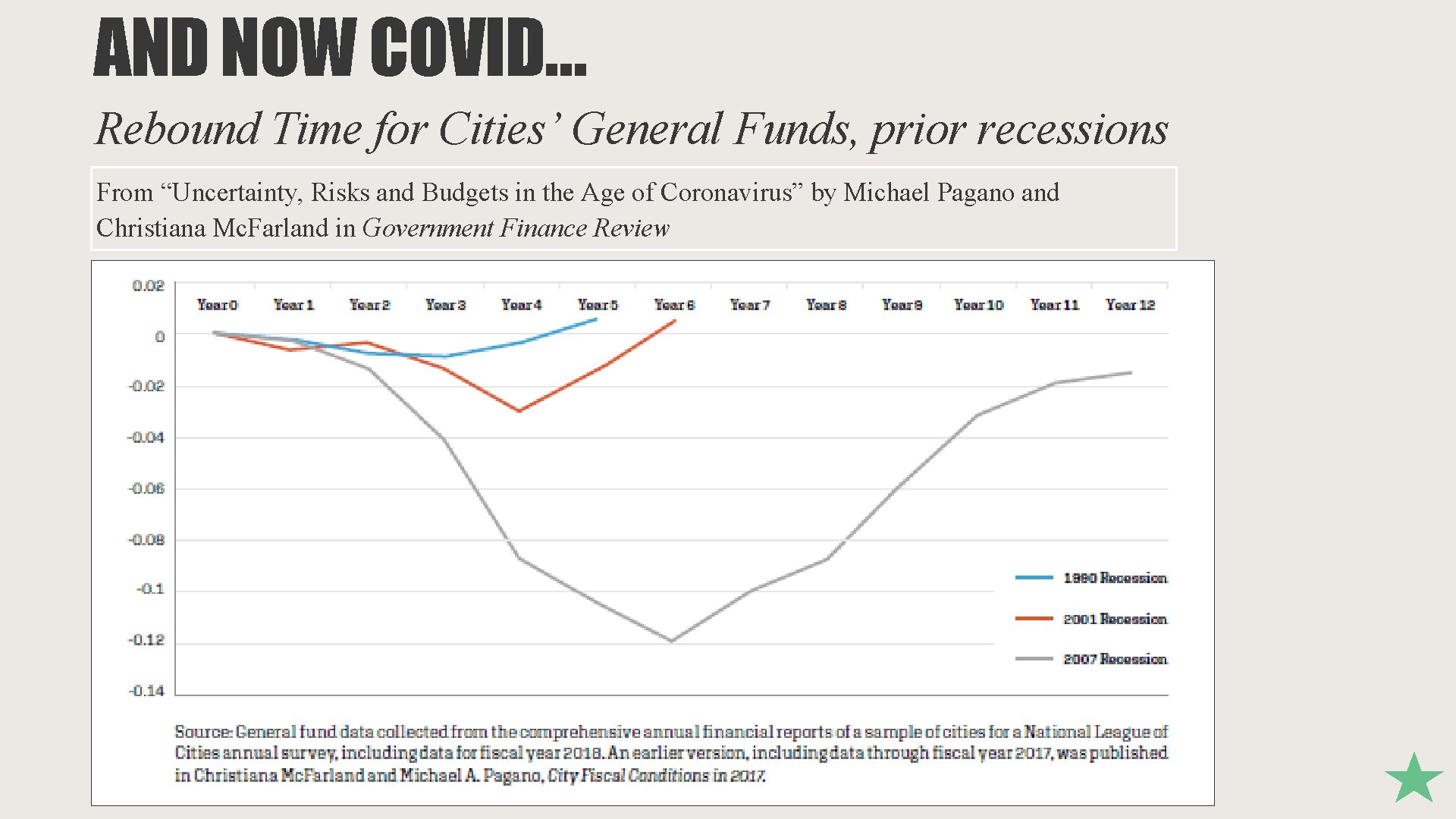
AND NOW COVID… Rebound Time for Cities’ General Funds, prior recessions From “Uncertainty, Risks and Budgets in the Age of Coronavirus” by Michael Pagano and Christiana Mc. Farland in Government Finance Review
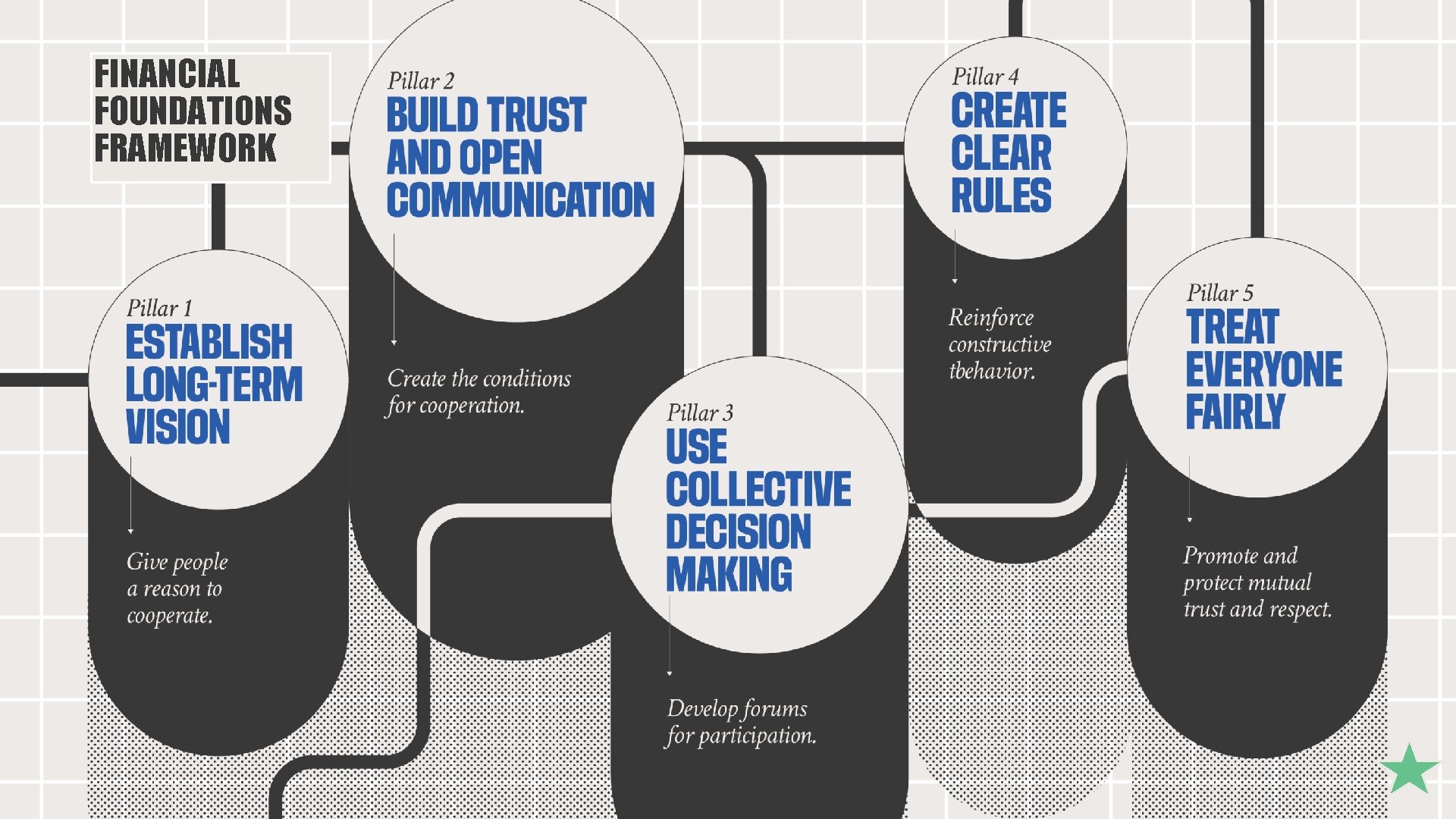
FINANCIAL FOUNDATIONS FRAMEWORK
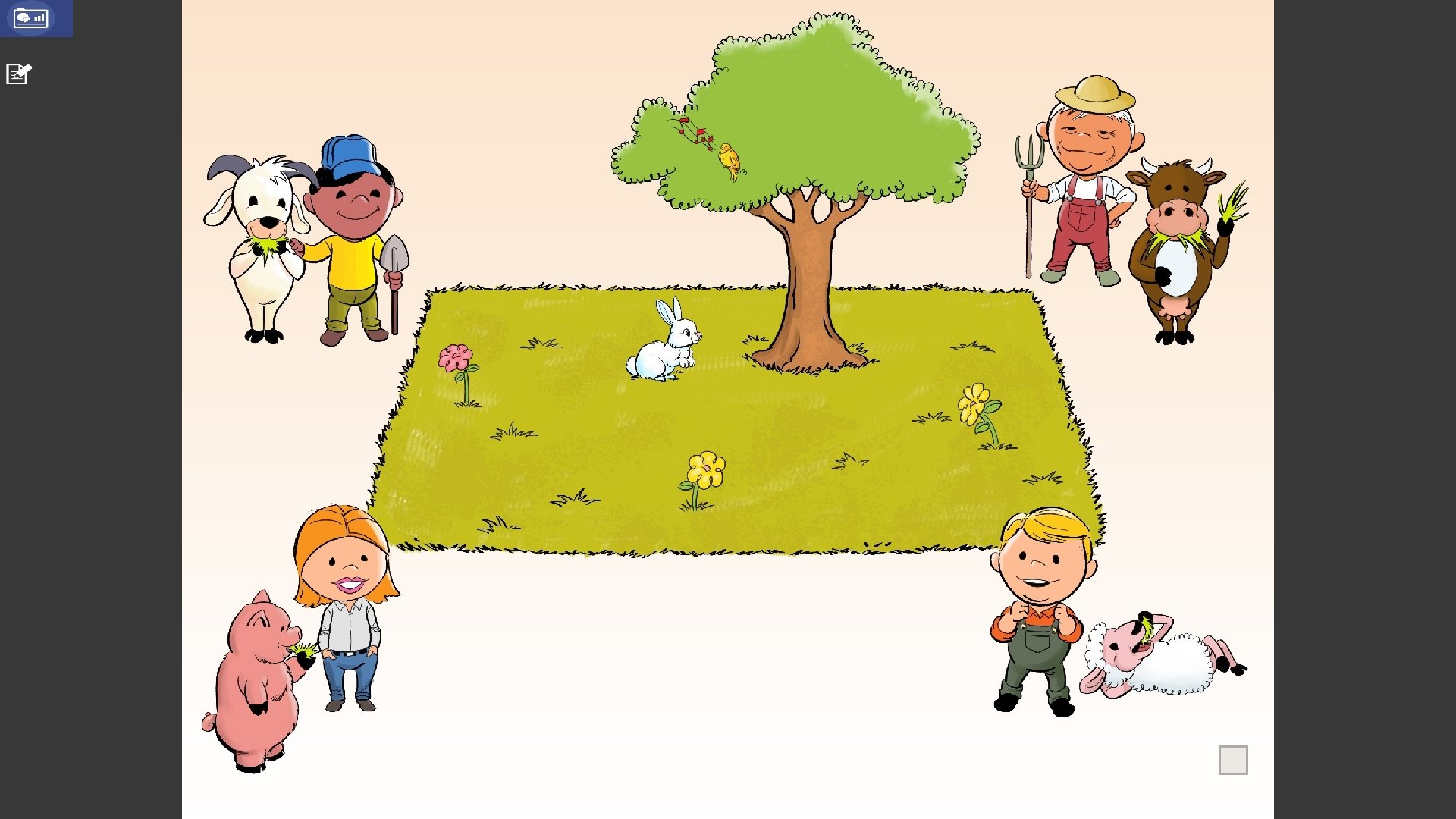
S 7 THE TRAGEDY OF THE COMMONS
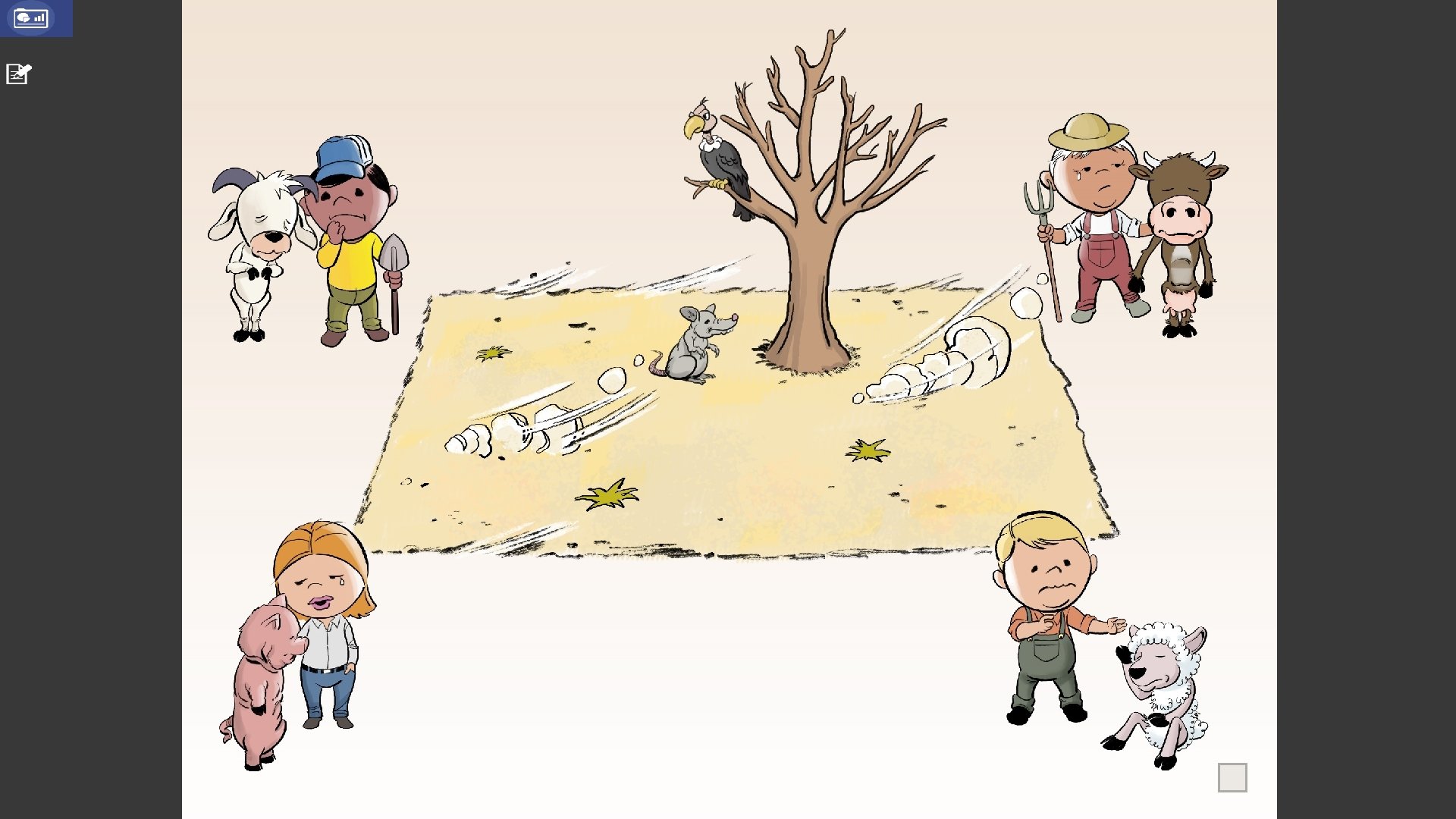
THE TRAGEDY OF THE COMMONS
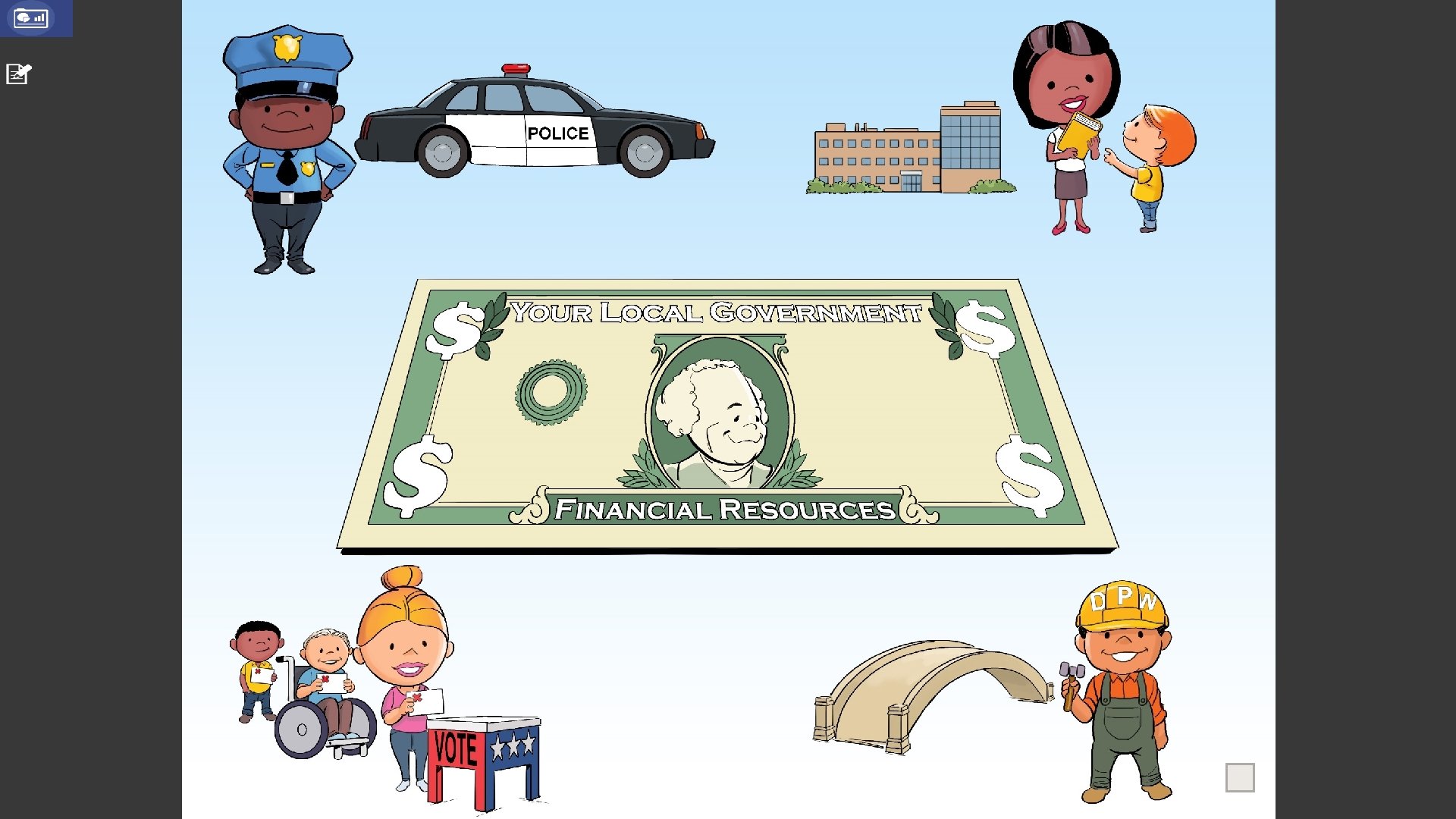
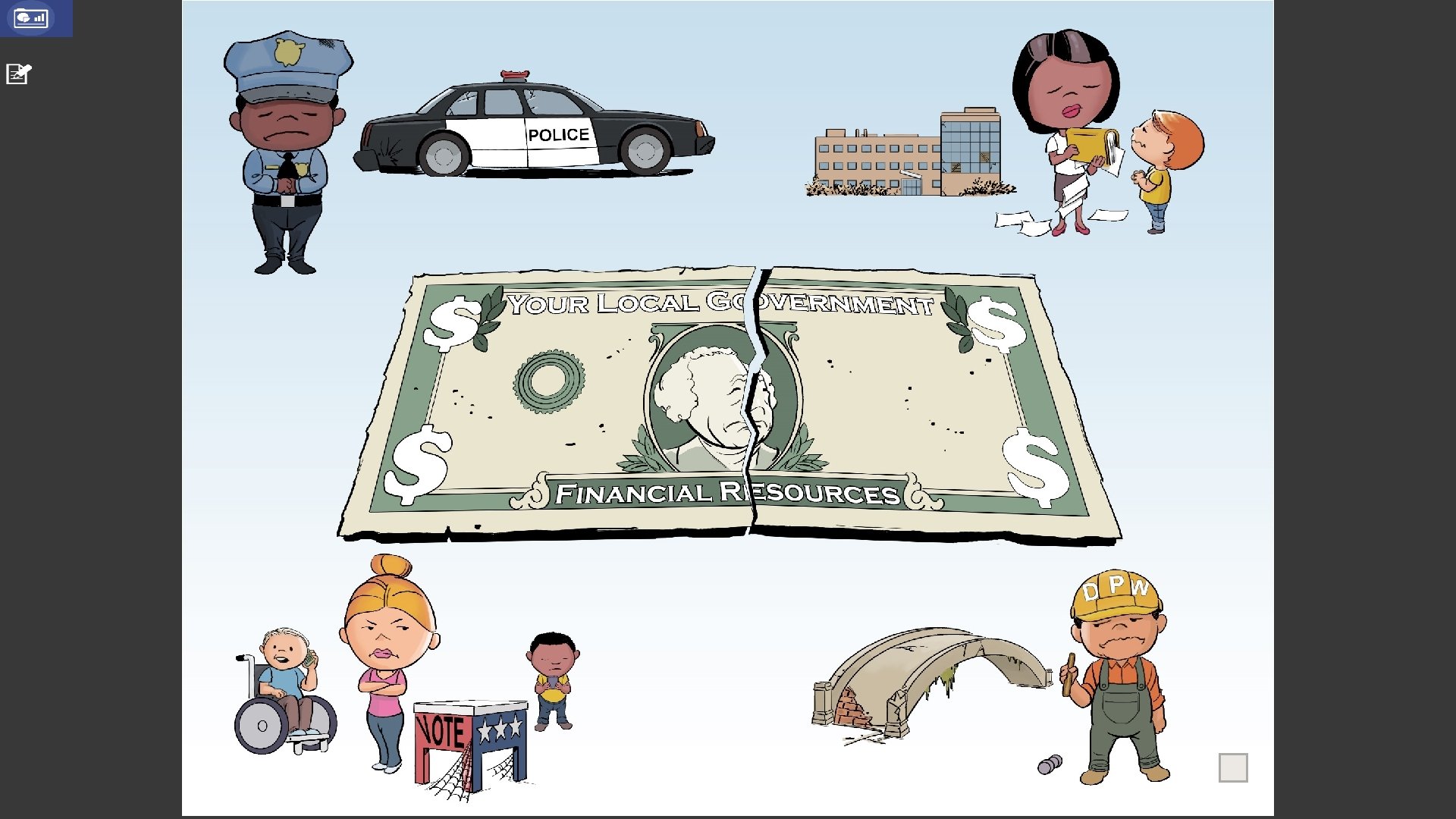
THE TRAGEDY OF LOCAL GOVERNMENT?
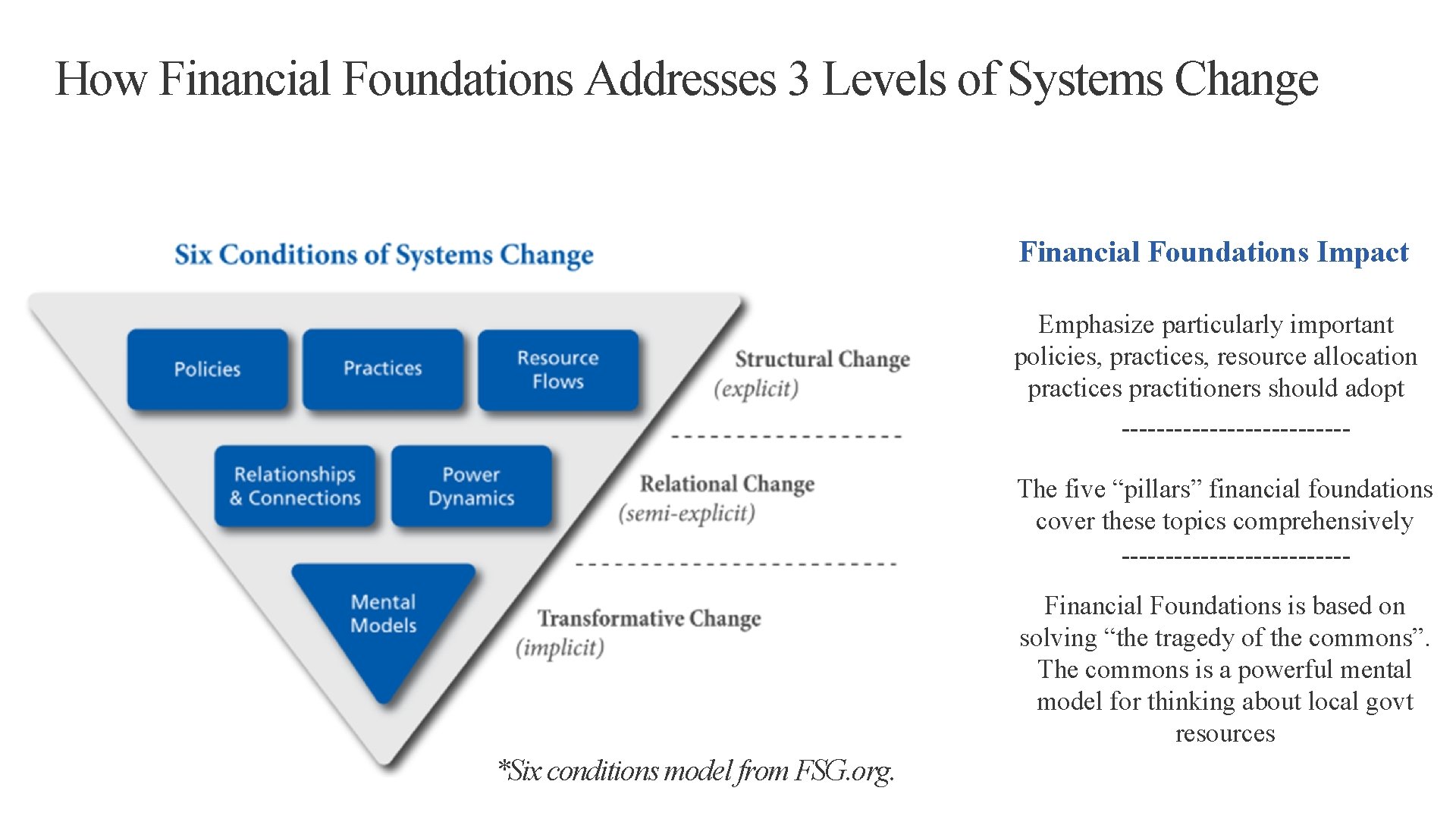
How Financial Foundations Addresses 3 Levels of Systems Change Financial Foundations Impact Emphasize particularly important policies, practices, resource allocation practices practitioners should adopt -------------The five “pillars” financial foundations cover these topics comprehensively -------------Financial Foundations is based on solving “the tragedy of the commons”. The commons is a powerful mental model for thinking about local govt resources *Six conditions model from FSG. org.
What’s Next?
CREDENTIALING SYSTEM FOR LOCAL GOVERNMENT “FOUNDATION BUILDERS” Emphasize hands-on doing to build a strong foundation Members complete practical “challenges” to gain credentialing Link individual work to advancing the profession and helping all communities Higher purpose than just individual accolades
CREDENTIALING SYSTEM FOR LOCAL GOVERNMENT “FOUNDATION BUILDERS” Intended Outcome: Public finance officers have skills and will to build strong financial foundation in their community. Measurable increase in uptake of key practices. Timeline: The 2020 Financial Policies Challenge is happening right now to pilot test credentialing. We will learn, pivot, and move forward from there.
PEER-TO-PEER KNOWLEDGE SHARING NETWORK Accelerate re-use and dissemination of field-tested practices Surface and publicize best work being done Build connections between practitioners doing the work of financial foundations Create network of supporters
PEER-TO-PEER KNOWLEDGE SHARING NETWORK Intended Outcome: Content and experience for building a strong financial foundation is readily sharable between governments. Measurable progress in both quality and quantity of resource shared. Timeline: The 2020 Financial Policies Challenge is also pilot testing elements of peer-to-peer knowledge sharing. Again, we will learn, pivot, go forward form there.
LEARNING CONFERENCE Personal touch Nothing beats in-person network and learning together Focused on interests of people engaged in building a strong financial foundation Can be more focused than a more generalist forum
LEARNING CONFERENCE Intended Outcome: People make connections with likeminded folks and workshop solutions to common problems. Tangible, actionable solutions created at conference. Timeline: GFOA was working with a likeminded organization, Resource. X, to pilot test a Financial Foundations conference in August 2020. Now exploring virtual option
E-LEARNING On-demand Nano-learning opportunities Asynchronous education to fit busy schedules. Fit time available and may also match how adults learn best
E-LEARNING Intended Outcome: Public finance officers learn concepts and practices needed to support a strong financial foundation. Timeline: GFOA has built its first course “Giving Voice to Values”. This is a partnership with the inventor of this curriculum, who has a proven track record in e-Learning. Available now. GFOA has procured LMS. Also piloted nano-credits as mini-podcasts
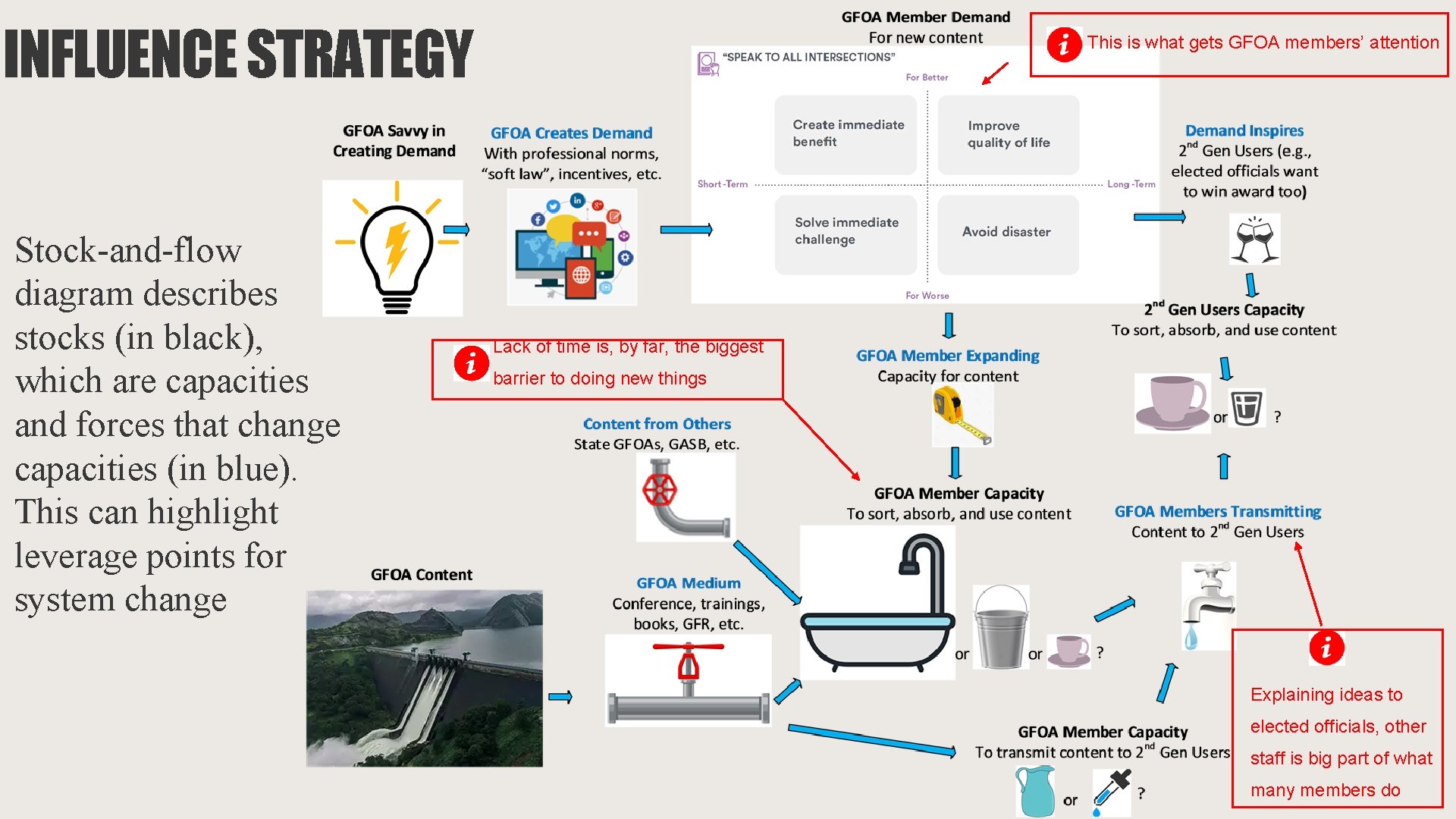
INFLUENCE STRATEGY Stock-and-flow diagram describes stocks (in black), which are capacities and forces that change capacities (in blue). This can highlight leverage points for system change This is what gets GFOA members’ attention Lack of time is, by far, the biggest barrier to doing new things Explaining ideas to elected officials, other staff is big part of what many members do
Conversation about Where to Next
- Slides: 22