
Final Case Study Reproductive Sally Anderson Holly Cobb
Final Case Study: Reproductive Sally Anderson Holly Cobb Christine Douglas Rachel Drosselmeyer Megan Reid
Patient History OB History • A. J. is a white, gravid 25 y. o. • G 8 P 4034 • 33 weeks gestation • Breech presentation • Oligohydramnios • H. A. ’s last 2 months Medications • Prenatal vitamins • Tylenol for headache, prn
Patient History • • Medical History No allergies 5’ 6 “, 135 lbs. MRSA culture positive, 2006 THC , last use 2005 Surgical History • D&C • Lap salpinectomy
Psychosocial History • Married • Blended Family • Children with family members while mother in hospital • Patient unemployed-stay at home mom • Adequate support/resources • English speaking • Non-smoker
Case Study Initial • From out of town • Reports migraine onset in a. m. , unrelieved by Tylenol. • Denies visual disturbances • Severe RUQ and epigastric pain approx 1 hr after dinner. • Taken to local hospital by husband
Clinical Findings at Local Hospital • • • BP 143/95 FHR tracing “normal”, No contractions Morphine and Dilaudid for pain Zofran and Phenergan for nausea Cholelithiasas per abdominal U. S.
Initial Working Diagnosis • Urinary tract infection • Cholelithiasis • ^ BP thought to be due to pain from UTI and gallstones.
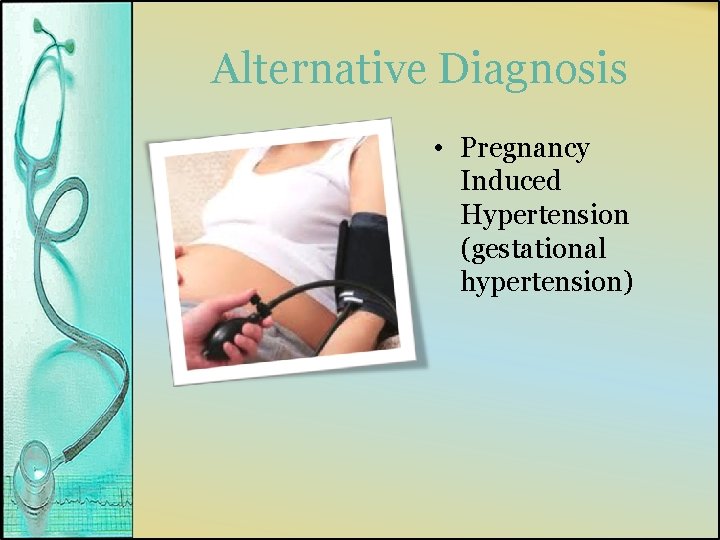
Alternative Diagnosis • Pregnancy Induced Hypertension (gestational hypertension)
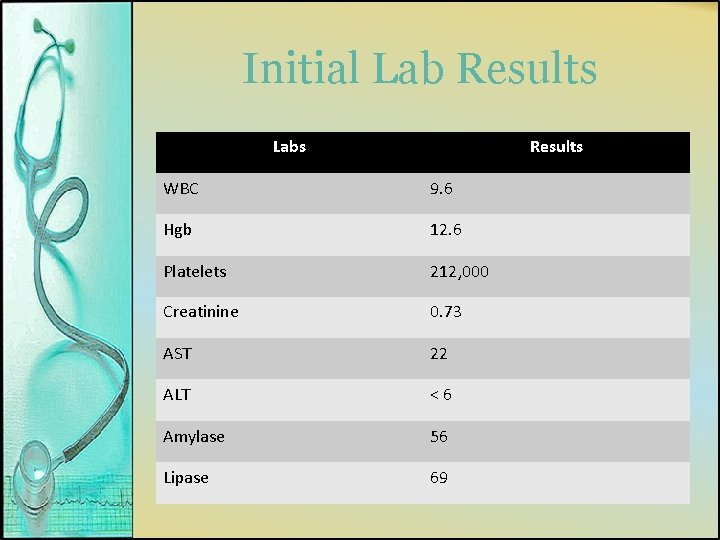
Initial Lab Results Labs Results WBC 9. 6 Hgb 12. 6 Platelets 212, 000 Creatinine 0. 73 AST 22 ALT <6 Amylase 56 Lipase 69
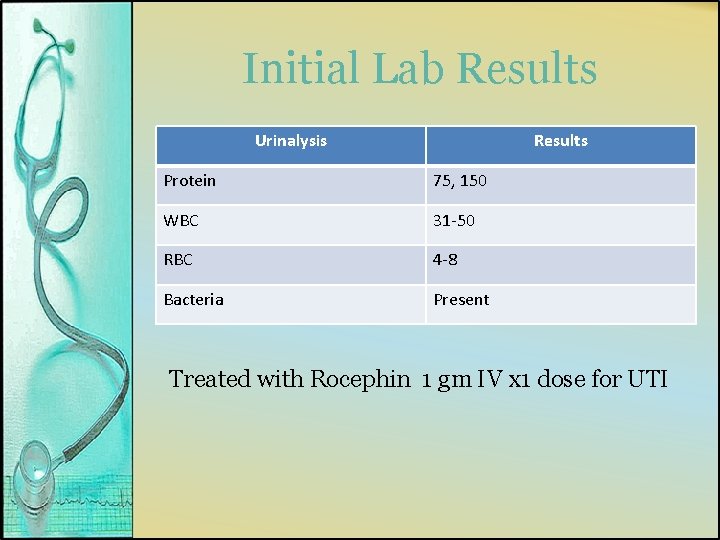
Initial Lab Results Urinalysis Results Protein 75, 150 WBC 31 -50 RBC 4 -8 Bacteria Present Treated with Rocephin 1 gm IV x 1 dose for UTI
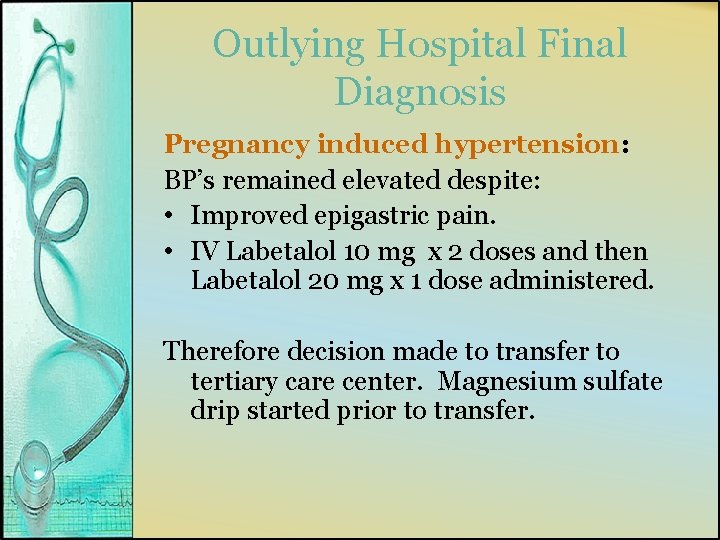
Outlying Hospital Final Diagnosis Pregnancy induced hypertension: BP’s remained elevated despite: • Improved epigastric pain. • IV Labetalol 10 mg x 2 doses and then Labetalol 20 mg x 1 dose administered. Therefore decision made to transfer to tertiary care center. Magnesium sulfate drip started prior to transfer.
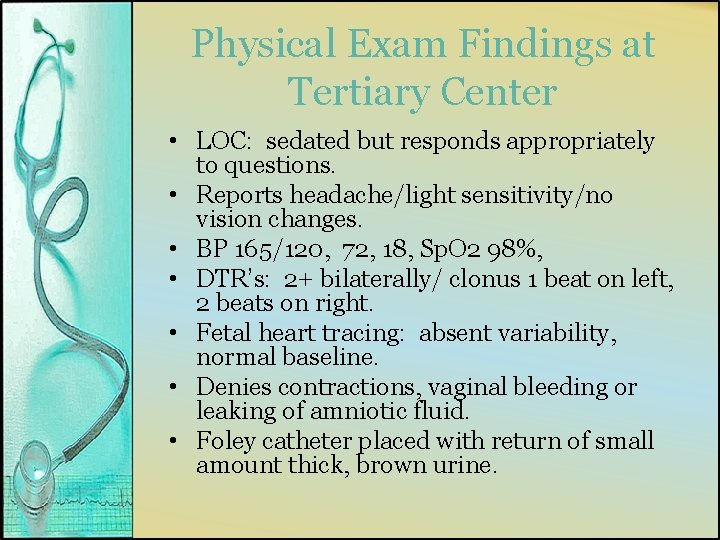
Physical Exam Findings at Tertiary Center • LOC: sedated but responds appropriately to questions. • Reports headache/light sensitivity/no vision changes. • BP 165/120, 72, 18, Sp. O 2 98%, • DTR’s: 2+ bilaterally/ clonus 1 beat on left, 2 beats on right. • Fetal heart tracing: absent variability, normal baseline. • Denies contractions, vaginal bleeding or leaking of amniotic fluid. • Foley catheter placed with return of small amount thick, brown urine.
Plan • Continue magnesium sulfate for seizure prophylaxis. • PIH labs with 24 hr urine collection. • Antihypertensives • Corticosteroids (#2 of 2) for fetal lung maturity. • GBS culture • C/S for breech if indicated • MFM consultation in a. m.
Labs Results Hgb 11. 6 Platelets 60, 000, 50, 000 ALT 453 Creatinine 0. 8 Uric Acid 5. 2
1 Hour After Admission • C/S due to severe preeclampsia with HELLP Syndrome. • EBL: 1000 ml • Viable baby girl to NICU. • Apgars 7/8/8.
6 Hours After C/S • • VS: 98. 1 F, 106/69, 88, 18, 97% Firm fundus Bowels sounds x 4 Incision: clean/dry/intact, scant drainage on pressure bandage. • No edema in extremities • Patellar reflexes: 1+ • Brachoradialis reflexes: 2+
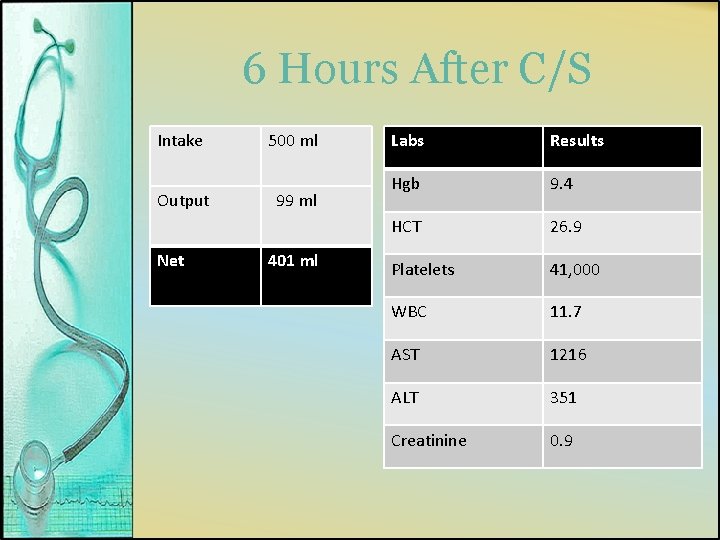
6 Hours After C/S Intake Output Net 500 ml 99 ml 401 ml Labs Results Hgb 9. 4 HCT 26. 9 Platelets 41, 000 WBC 11. 7 AST 1216 ALT 351 Creatinine 0. 9
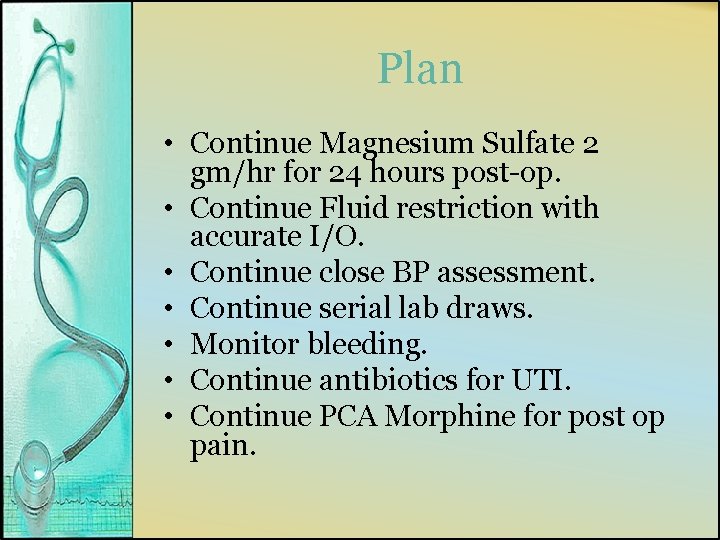
Plan • Continue Magnesium Sulfate 2 gm/hr for 24 hours post-op. • Continue Fluid restriction with accurate I/O. • Continue close BP assessment. • Continue serial lab draws. • Monitor bleeding. • Continue antibiotics for UTI. • Continue PCA Morphine for post op pain.
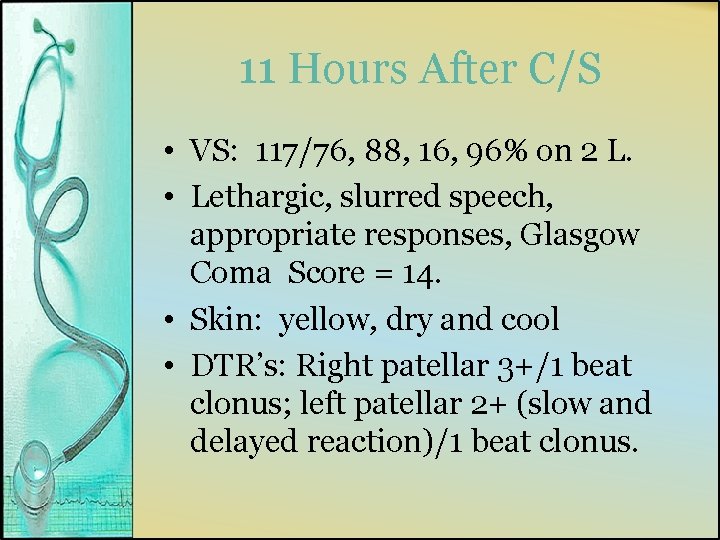
11 Hours After C/S • VS: 117/76, 88, 16, 96% on 2 L. • Lethargic, slurred speech, appropriate responses, Glasgow Coma Score = 14. • Skin: yellow, dry and cool • DTR’s: Right patellar 3+/1 beat clonus; left patellar 2+ (slow and delayed reaction)/1 beat clonus.
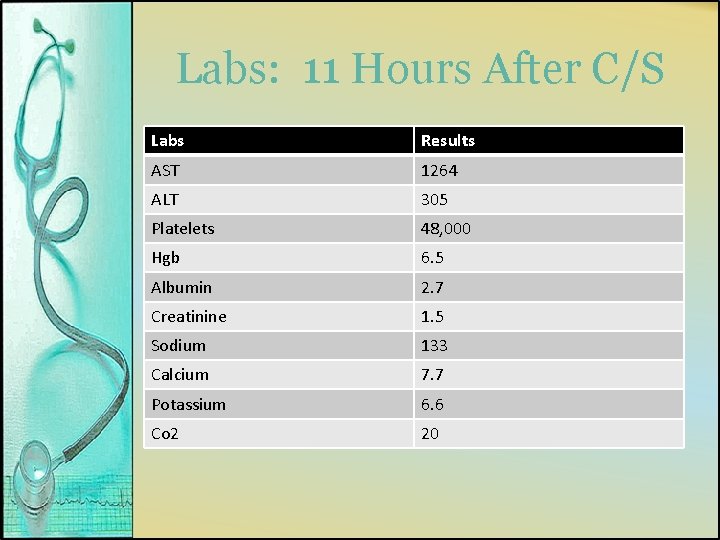
Labs: 11 Hours After C/S Labs Results AST 1264 ALT 305 Platelets 48, 000 Hgb 6. 5 Albumin 2. 7 Creatinine 1. 5 Sodium 133 Calcium 7. 7 Potassium 6. 6 Co 2 20
Are Findings from Morphine? From Magnesium ? From Worsening PIH? • Magnesium Sulfate stopped: patient more alert • Slurred speech improved
Hospitalist Consult Exam Findings: • • • No SOB/chest pain/hemoptysis Lethargic Skin: pale/yellowish Heart: RSR Lungs: Clear bilaterally Kidneys: No urine output, no peripheral edema • Abdomen: Fairly nontender. Questionable palpable liver edge. • Asymmetrical reflexes (right is areflexic, left is hyperreflexic).
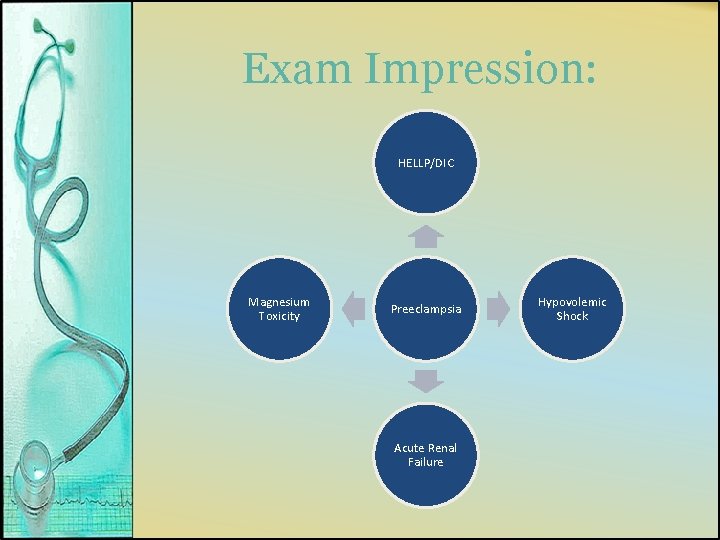
Exam Impression: HELLP/DIC Magnesium Toxicity Preeclampsia Acute Renal Failure Hypovolemic Shock
Transfer to ICU Plan: • Magnesium level • Metabolic Panel • Possible hemodialysis (consult nephrology) • EKG • Administer Insulin, Bicarbonate, Calcium chloride, glucose
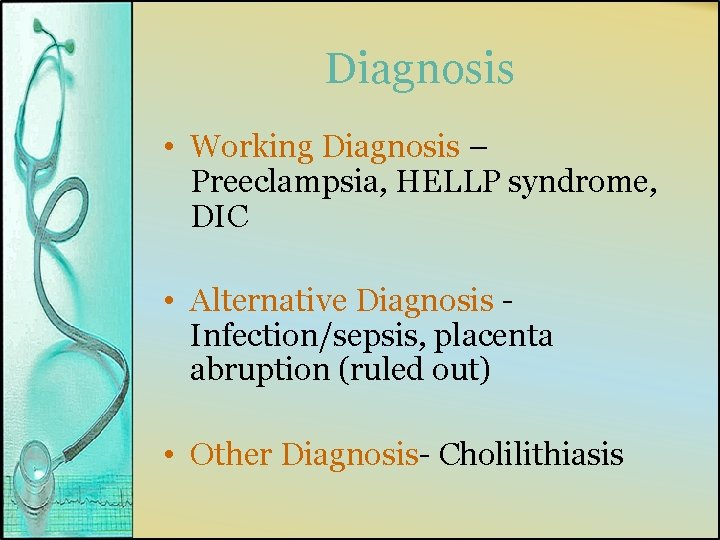
Diagnosis • Working Diagnosis – Preeclampsia, HELLP syndrome, DIC • Alternative Diagnosis Infection/sepsis, placenta abruption (ruled out) • Other Diagnosis- Cholilithiasis
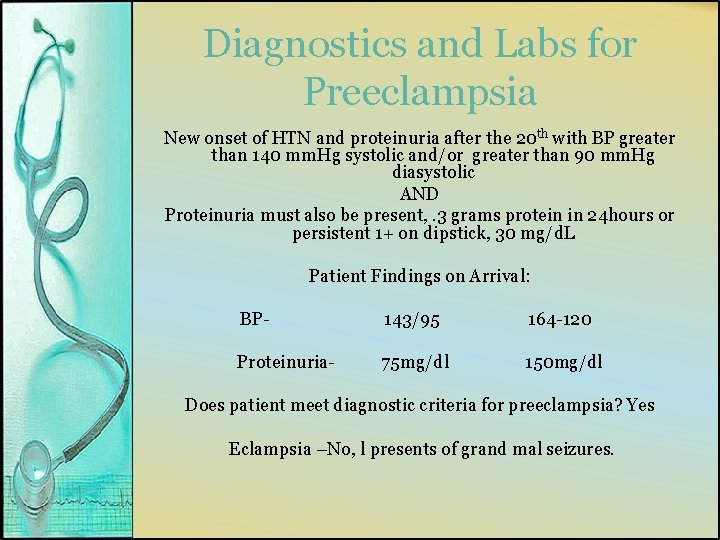
Diagnostics and Labs for Preeclampsia New onset of HTN and proteinuria after the 20 th with BP greater than 140 mm. Hg systolic and/or greater than 90 mm. Hg diasystolic AND Proteinuria must also be present, . 3 grams protein in 24 hours or persistent 1+ on dipstick, 30 mg/d. L Patient Findings on Arrival: BP- 143/95 164 -120 Proteinuria- 75 mg/dl 150 mg/dl Does patient meet diagnostic criteria for preeclampsia? Yes Eclampsia –No, l presents of grand mal seizures.
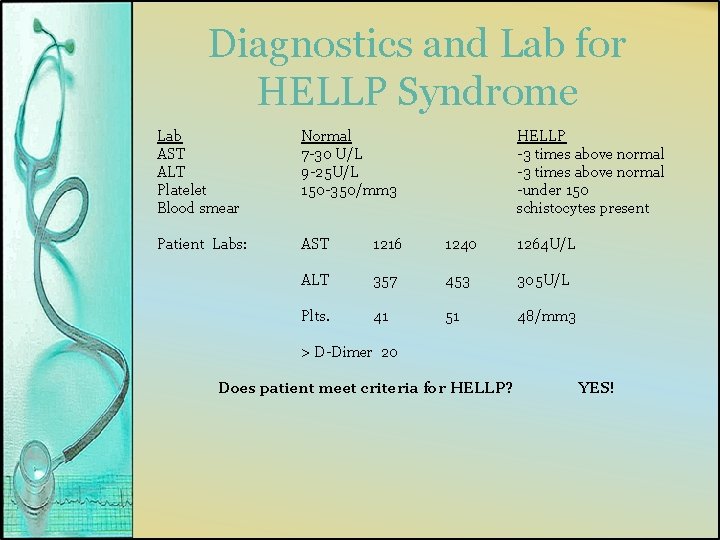
Diagnostics and Lab for HELLP Syndrome Lab AST ALT Platelet Blood smear Normal 7 -30 U/L 9 -25 U/L 150 -350/mm 3 HELLP -3 times above normal -under 150 schistocytes present Patient Labs: AST 1216 1240 1264 U/L ALT 357 453 305 U/L Plts. 41 51 48/mm 3 > D-Dimer 20 Does patient meet criteria for HELLP? YES!
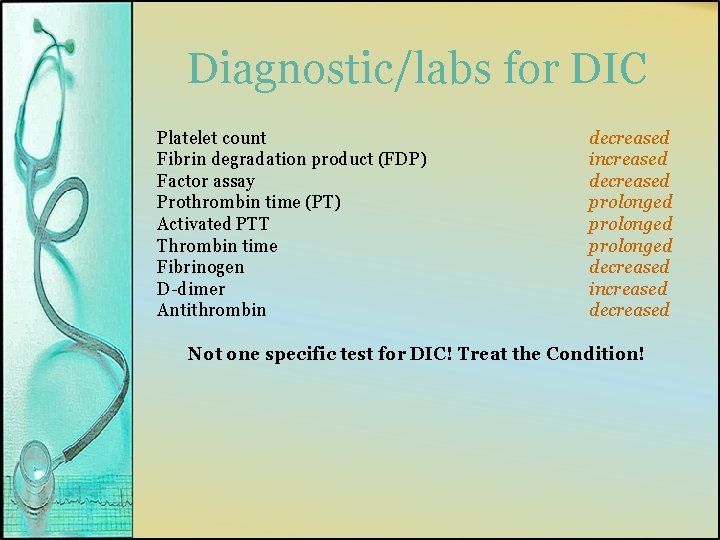
Diagnostic/labs for DIC Platelet count Fibrin degradation product (FDP) Factor assay Prothrombin time (PT) Activated PTT Thrombin time Fibrinogen D-dimer Antithrombin decreased increased decreased prolonged decreased increased decreased Not one specific test for DIC! Treat the Condition!
Other Labs • • • Urine Analysis Ultrasound WBC DIFF Comp Met Panel Chest xray
HELLP Syndrome H – hemolysis EL – elevated liver enzymes LP – low platelet count (Pub. Med Health, 2010)
Etiology of HELLP Syndrome • Exact cause is unknown • Thought to be a variant of severe preeclampsia or eclampsia – Occurs in about 1 out of 1, 000 births and in 1020% of pregnant women with preeclampsia or eclampsia • Possible underlying coagulopathy • Developmental defect of the uterus or placental ischemia • Develops before the 37 th week of pregnancy or within the week after pregnancy (Curtain & Weinstein, 1999; O’Hara Padden, 1999; Pub. Med Health, 2010)
Mechanisms of Disease Genetic Factors • Believed to have a strong genetic component • Most cases are sporadic • Not fully understood Environmental Factors • Poor prenatal care (National Institutes of Health website, 2010)
Mechanism of Disease Maternal Characteristics • • • Preeclampsia Hypertension Multiparous Maternal age >24 years White race Hx of poor pregnancy outcomes Hx of autoimmune disease Liver disease Previous diagnosis or family history of HELLP Syndrome Clinical Manifestations • • Malaise Right upper quadrant pain Headache Nausea & vomiting BP elevation Hypertension Edema Proteinuria (Curtain & Weinstein, 1999; Henderson, 2010; O’Hara Padden, 1999)
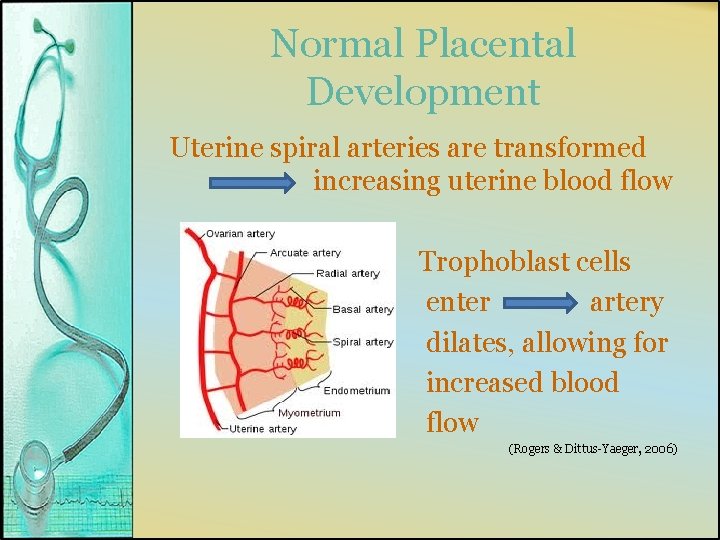
Normal Placental Development Uterine spiral arteries are transformed increasing uterine blood flow Trophoblast cells enter artery dilates, allowing for increased blood flow (Rogers & Dittus-Yaeger, 2006)
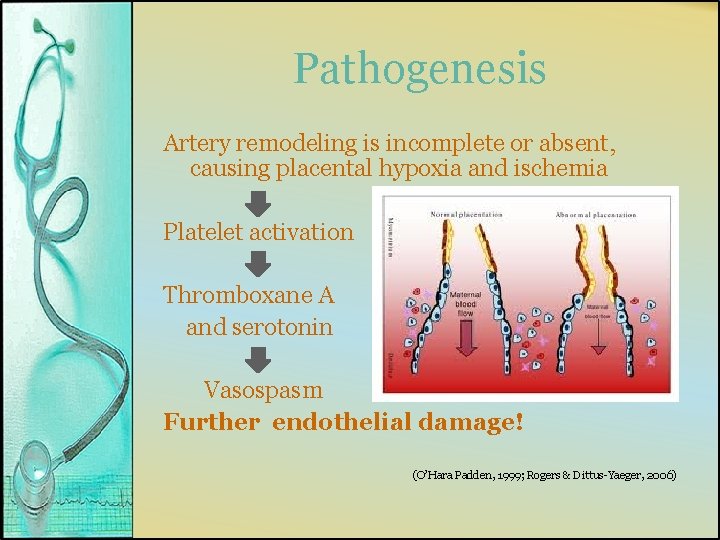
Pathogenesis Artery remodeling is incomplete or absent, causing placental hypoxia and ischemia Platelet activation Thromboxane A and serotonin Vasospasm Further endothelial damage! (O’Hara Padden, 1999; Rogers & Dittus-Yaeger, 2006)
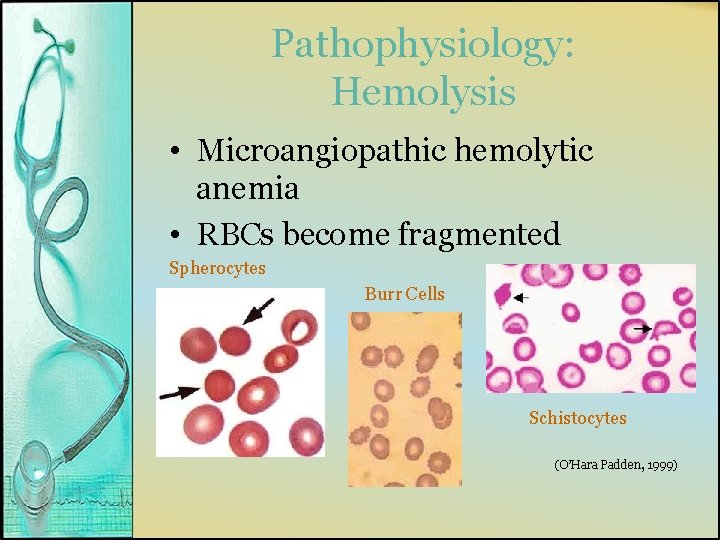
Pathophysiology: Hemolysis • Microangiopathic hemolytic anemia • RBCs become fragmented Spherocytes Burr Cells Schistocytes (O’Hara Padden, 1999)
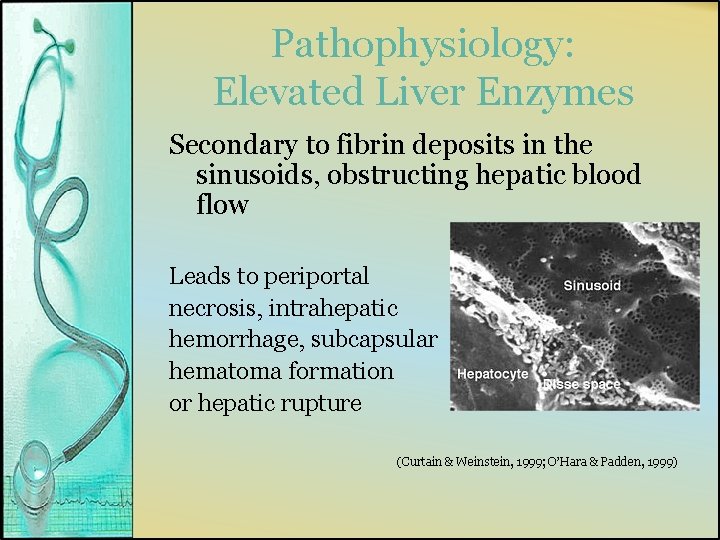
Pathophysiology: Elevated Liver Enzymes Secondary to fibrin deposits in the sinusoids, obstructing hepatic blood flow Leads to periportal necrosis, intrahepatic hemorrhage, subcapsular hematoma formation or hepatic rupture (Curtain & Weinstein, 1999; O’Hara & Padden, 1999)
Pathophysiology: Low Platelet Count • Thrombocytopenia – Increased consumption and/or destruction of platelets DIC!!!
Pathology and the Patient • • • Preeclampsia Hypertension Multiparous Maternal age >24 years White race Hx of poor pregnancy outcomes Gestational age Hemolytic anemia Elevated liver enzymes Low platelet count
Disseminated Intravascular Coagulation (DIC) DIC is life threatening acquired disorder caused by an imbalance in the coagulation system. DIC is characterized by widespread coagulation and bleeding in the vascular department. (Kruger 2006, page 1)
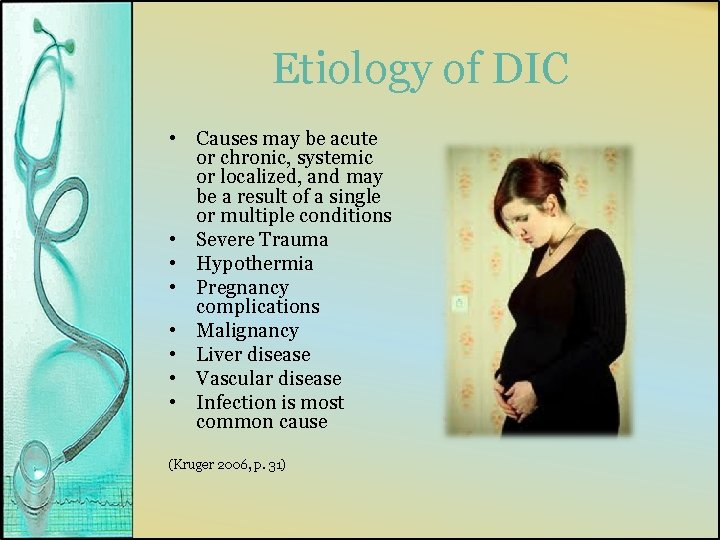
Etiology of DIC • Causes may be acute or chronic, systemic or localized, and may be a result of a single or multiple conditions • Severe Trauma • Hypothermia • Pregnancy complications • Malignancy • Liver disease • Vascular disease • Infection is most common cause (Kruger 2006, p. 31)
Mechanism of Disease Genetic Factors • Presence of Factor V Leiden • Activated C Protein Resistance Environmental Factors • • Heat Stroke Snake bites Trauma Hemolytic Transfusion reactions (Siminioni, Prandoni, Lennsing, Scudeller, Sardella, Prins, Villalta, Dazzi, Girolami, p. 1 2006).
Alteration in Defenses • • • Injury Stress: inflammatory Inflammation: cytokines Immunity: innate Neoplasia (Gando 2001)
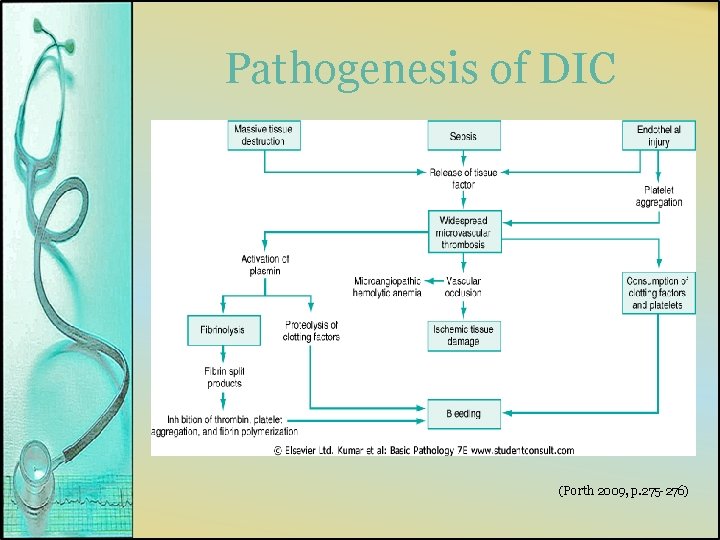
Pathogenesis of DIC (Porth 2009, p. 275 -276)
Pathogenesis and Patient • S/P c/s of breach infant – Altered mental status – Respiratory failure – Acute Renal Failure – Elevated liver Enzymes – Anemia
Treatment of Preeclampsia: Goal: • • • Bed-rest with left side down C-section (indicated >26 weeks) Delivery is only cure BP control for severe HTN (SBP >160; DBP >110) • • Prevent cerebrovascular and cardiac complications Maintain uteroplacental blood flow Maintain BP around 140/90 • Hydralazine 5 -10 mg IV q 20 -30 min • Labetolol 20 -80 mg IV bolus q 10 min or 0. 5 -2 mg/min IV gtt
Treatment of Preeclampsia • Magnesium Sulfate – Loading dose of 4 g IV, followed by 1 to 2 gm/hr IV infusion – Stabilizes seizure threshold, reduces BP – Indicated in all patients with severe preeclampsia as prophylactic treatment • Minimize maternal risk, maximize fetal maturity • Fluid management – Avoid diuretics – Fluid restriction as possible (total 80 ml/hr or 1 ml/kg/h) – Careful measurement of I&O • Daily blood tests LFTs, CBC, uric acid, LDH
Treatment of HELLP • Delivery is critical – carried out in the most controlled situation possible • Strict bed rest with left lateral decubitus position • For <34 weeks, give Mg. SO 4 and glucocorticoids • Plasmapheresis – improve platelet counts
Treatment of DIC • Transfer to ICU (if not already) for close observation • Treat underlying disease – deliver appropriate obstetric care • Platelet and plasma transfusion – Should not be instituted based on lab results alone – Indicated in active bleeding and those requiring invasive procedure
Treatment of DIC • Serial labs - coags, fibrinogen, CBC, CMP, LFT • If vitamin K deficiency – administer vitamin K • PRBC, FFP, plateletpheresis • Treat complications – Multisystem organ failure – Renal failure – hemodialysis – Respiratory failure, suspected ARDS – intubation
References Becker, J. (2011). Disseminated intravascular coagulation in emergency medicine. Retrieved from http: //emedicine. medscape. com/article/77 9097 -overview Curtain, W. M. & Weinstein, L. (1999). A review of HELLP syndrome. Journal of Perinatology, 19(2), 138 -143. Gando, S. (2001). Disseminated intravascular coagulation in trauma patients. Seminars in Thrombosis and Hemostasis, 27, (6), p. 585 -592 Henderson, T. (2010). HELLP syndrome in pregnancy and premature delivery. http: //trilby-henderson. suite 101. com/hellp -syndrome-in-pregnancy-and-prematuredelivery-a 236464. Hypertension in pregnancy. (n. d. ). In Skyscape ipad application. Kruger. D. (2006). Acute Systemic disseminated intravascular coagulation: Managing a complex medication condition. Journal of the American Academy of Physicians Assistants, 19, (5), p 28 -32. Lim, K. (2011). Preeclampsia. Retrieved from http: //emedicine. medscape. com/article/14 76919 -overview National Institutes of Health website. (2010). HELLP syndrome. Genetic and Rare Diseases Information Center. http: //rarediseases. info. nih. gov/GARD/Co ndition/8528/Qn. A/25433/HELLP_syndro me. aspx O’Hara Padden, M. 1999. HELLP syndrome: Recognition and perinatal management. Journal of the American Academy of Family Physicians, 60(3). Retrieved from http: //www. aafp. org/afp/1999/0901/p 829. html Porth, C. , Matfin, G. (2009). Pathophysiology: Concepts of altered health states. Philadelphia, PA: Lippincott Williams & Wilkins. Portis, R, Jacobs, M. A. , Skerman, J. H. & Skerman, E. B. (1997). HELLP syndrome (hemolysis, elevated liver enzymes, and low platelets) pathophysiology and anesthetic considerations. Journal of the American Association of Nurse Anesthetists, 65(1), 3747. Pub. Med Health website. 2010. HELLP syndrome. http: //www. ncbi. nlm. nih. gov/pubmedhealt h/PMH 0001892/
![References Rogers, N. & Dittus-Yaeger, L. (2006). Preeclampsia: Behind the scenes [Power. Point slides].](http://slidetodoc.com/presentation_image_h2/164c4af49382cf29fd9b03710c77e633/image-52.jpg "References Rogers, N. & Dittus-Yaeger, L. (2006). Preeclampsia: Behind the scenes [Power. Point slides].")
References Rogers, N. & Dittus-Yaeger, L. (2006). Preeclampsia: Behind the scenes [Power. Point slides]. Retrieved from faculty. alverno. edu/bowneps/MSN 621/. . . /Preeclampsia. ppt Simioni, P. , Prandoni, P. , Lensing, A. , Scudeller, A. , Sardella, C. , Prins, M. , … Girmlami, A. (2006). The risk of recurrent venous thromboembolism in patients with an Arg 506 G 1 n mutation in the gene for factor V (Factor V Leiden). British Journal of Hematology, 336, (6), p. 336 - 403.
- Slides: 52