
Filth are my Politics The Bodily Grotesque and
‘Filth are my Politics’: The Bodily Grotesque and Drag
• ‘In the period of less than a century the self-identification of gays and lesbians […] has moved from a covert and localized practice aimed at mutual recognition to a global phenomenon with encompassing political issues. ’ Marjorie Garber, Vested Interests: Cross-Dressing and Cultural Anxiety (New York: Routledge, 1992) pp. 2 -3 • Drag is the simultaneous mockery of heteronormativity and celebration of queerness
• Drag ‘is a highly adaptable form […]that addresses powerfully, if on occasion simplistically, topics of major psychological and political significance to lesbians and gay men alike. ’ Paulina Palmer, The Queer Uncanny: New Perspectives on the Gothic (Cardiff: University of Wales Press, 2012) p. 25 • ‘the grotesque ignores the impenetrable surface that closes and limits the body as a separated and completed phenomenon. ’ Mikhail Bakhtin, ‘“the Grotesque Image of the Body and its Sources”’, in The Body: A Reader, ed. Mariam Fraser and Monica Greco (New York & London: Routledge, 2005) p. 93

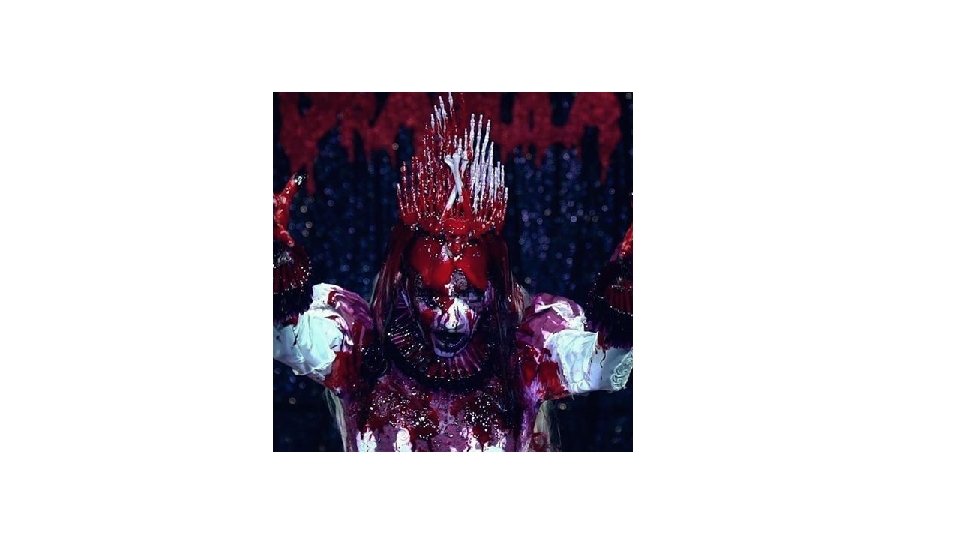
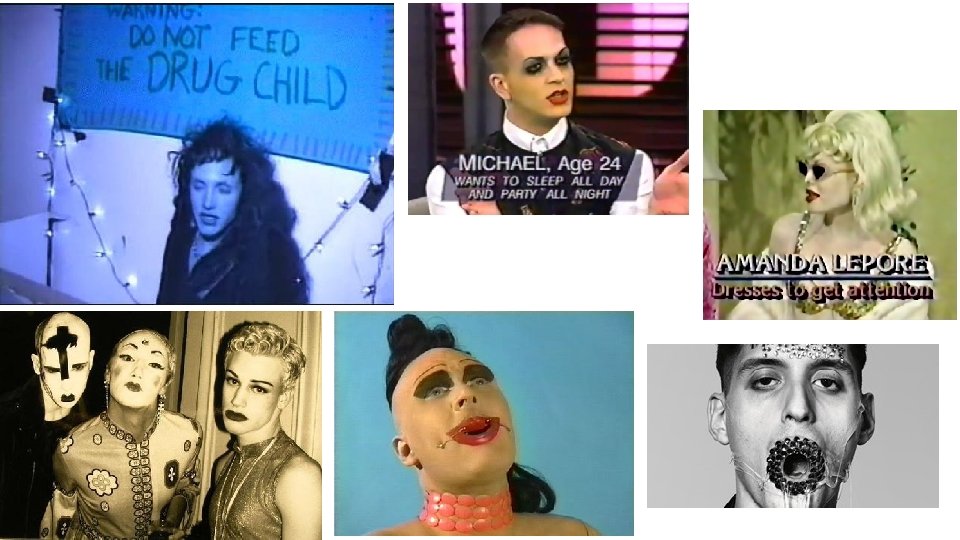
• ‘the AIDS pandemic “has made the body the gay male an object of massive public curiosity” by representing it “as a site of mysterious and fatal infections”. ’ • Palmer, citing Emmanuel S. Nelson, in The Queen Uncanny, p. 45 • Grotesque drag takes the imbrication of death and disease on the gay male body as a result of the AIDS crisis and repurposes it.
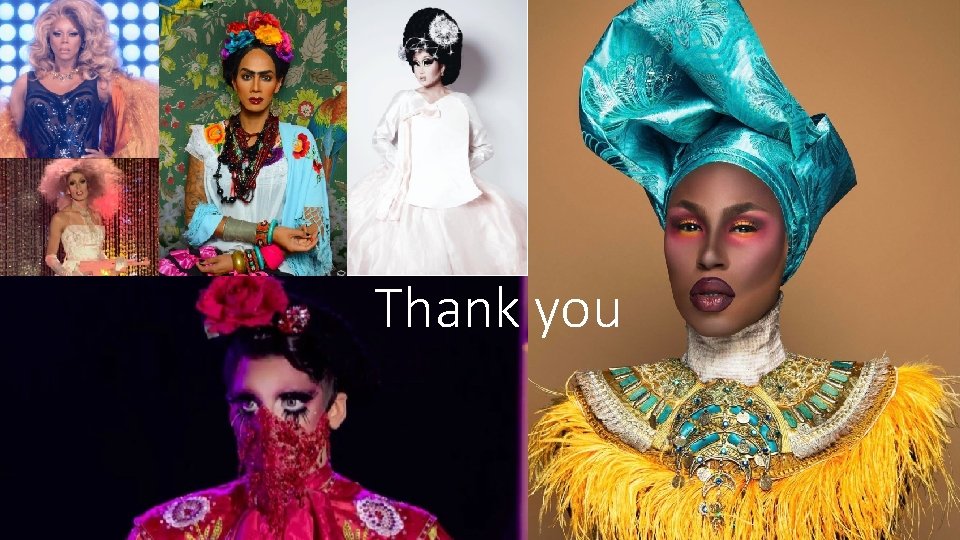
Conclusions • The political elements of drag are prevalent across drag aesthetics. The performance of stereotypes in ways that deviate from intended hetero-patriarchal/heteronormative power is indicative of this. • Filth acts as a method of renegotiating queer corporeality by performing death and disease… I think. • Drag is a celebratory medium, promoting and forcing hetero-patriarchal subjects to acknowledge the present of queer individuals and queer art/culture. So, even filthy, grotesque drag is in some way celebrating queerness. • ‘Always already other to itself, it offers a celebratory new Gothic subject, one in which horror is regenerative. ’ • Catherine Spooner, Post-Millennial Gothic: Comedy, Romance and the Rise of Happy Gothic (London: Bloomsbury, 2017) p. 176
Thank you
- Slides: 9