
Filtering and Centrifugation Physical Separation of Solids from
- Slides: 25
Filtering and Centrifugation Physical Separation of Solids from Liquids
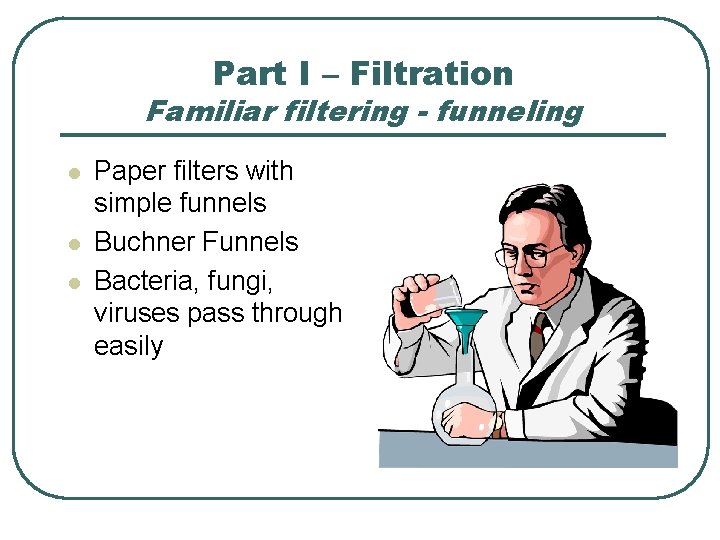
Part I – Filtration Familiar filtering - funneling l l l Paper filters with simple funnels Buchner Funnels Bacteria, fungi, viruses pass through easily
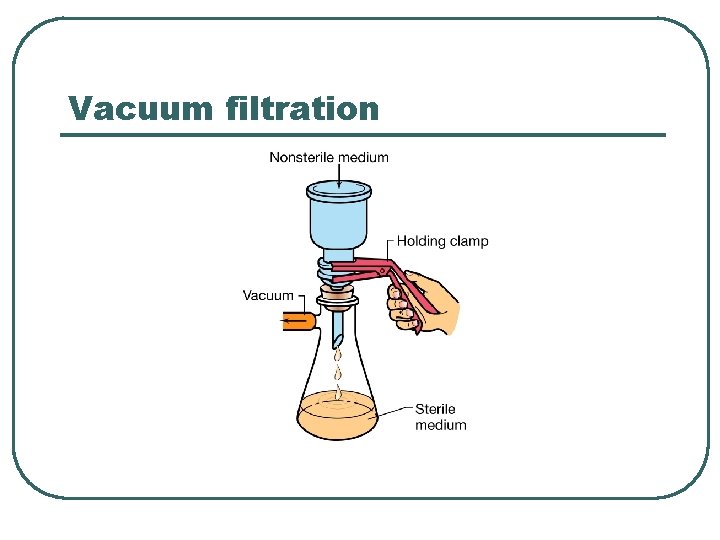
Vacuum filtration
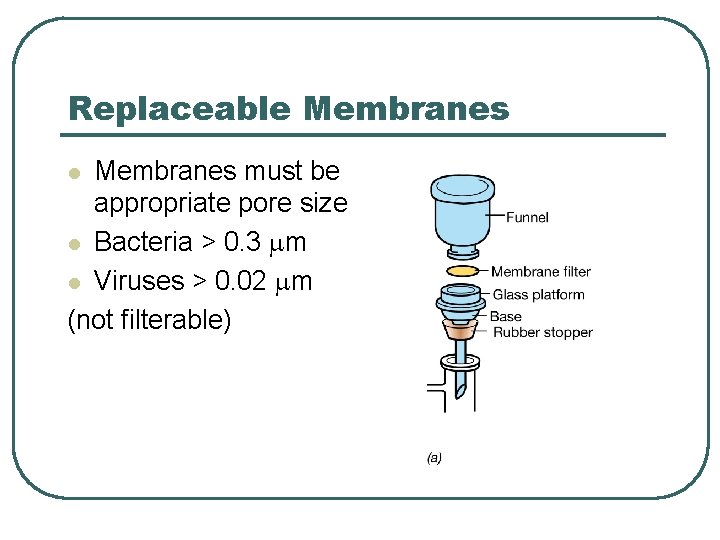
Replaceable Membranes must be appropriate pore size l Bacteria > 0. 3 m l Viruses > 0. 02 m (not filterable) l
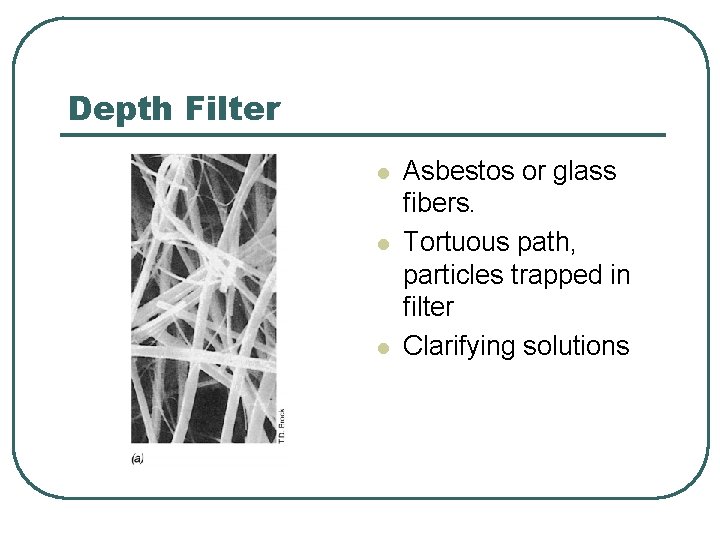
Depth Filter l l l Asbestos or glass fibers. Tortuous path, particles trapped in filter Clarifying solutions
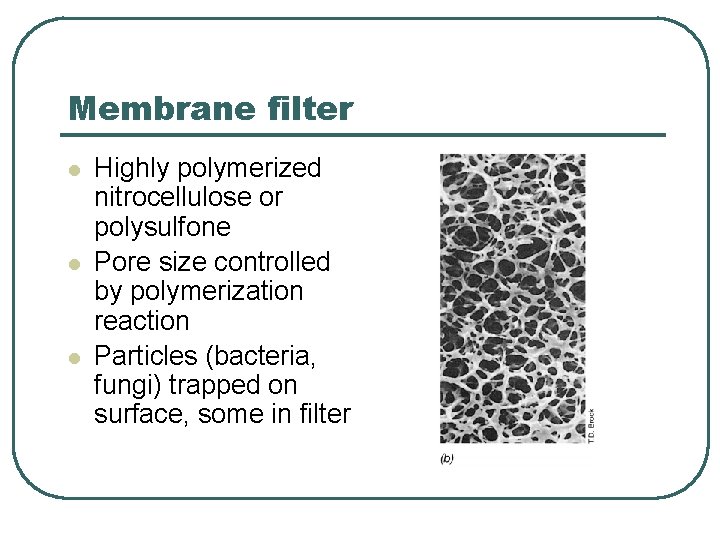
Membrane filter l l l Highly polymerized nitrocellulose or polysulfone Pore size controlled by polymerization reaction Particles (bacteria, fungi) trapped on surface, some in filter
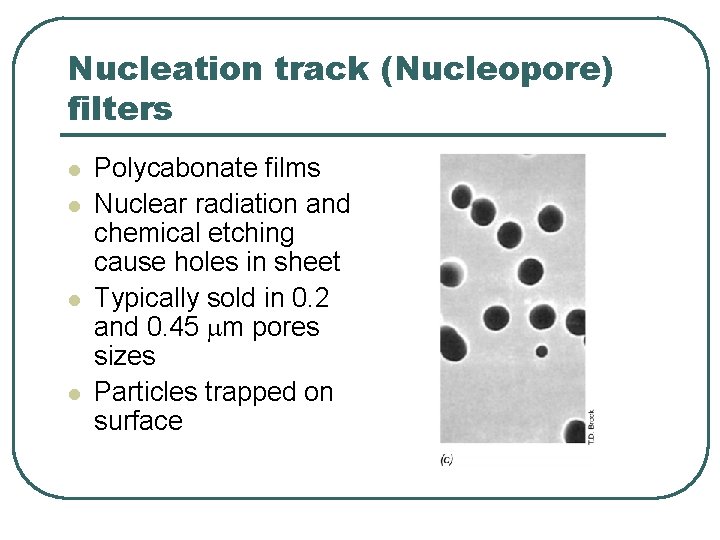
Nucleation track (Nucleopore) filters l l Polycabonate films Nuclear radiation and chemical etching cause holes in sheet Typically sold in 0. 2 and 0. 45 m pores sizes Particles trapped on surface
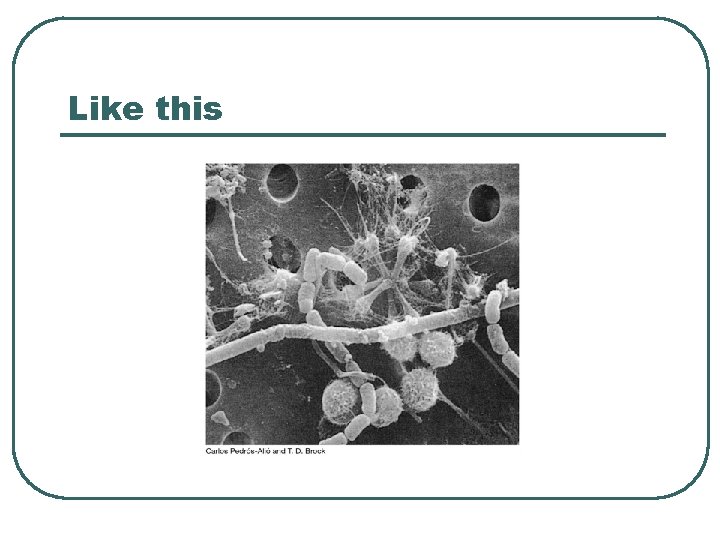
Like this
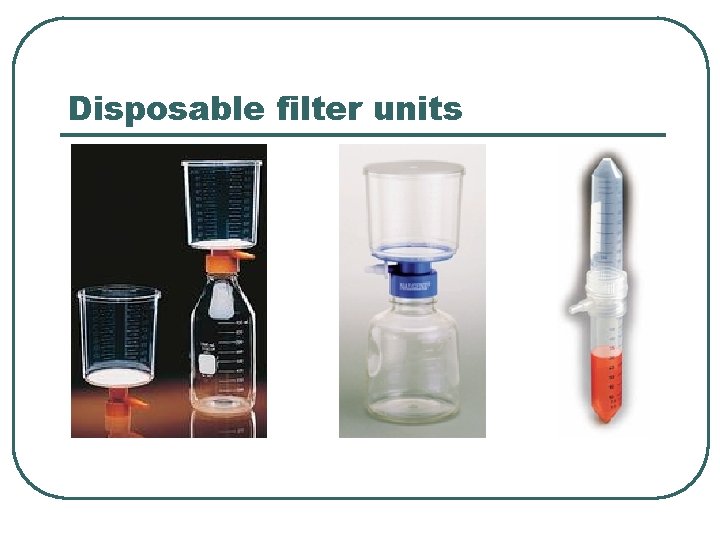
Disposable filter units
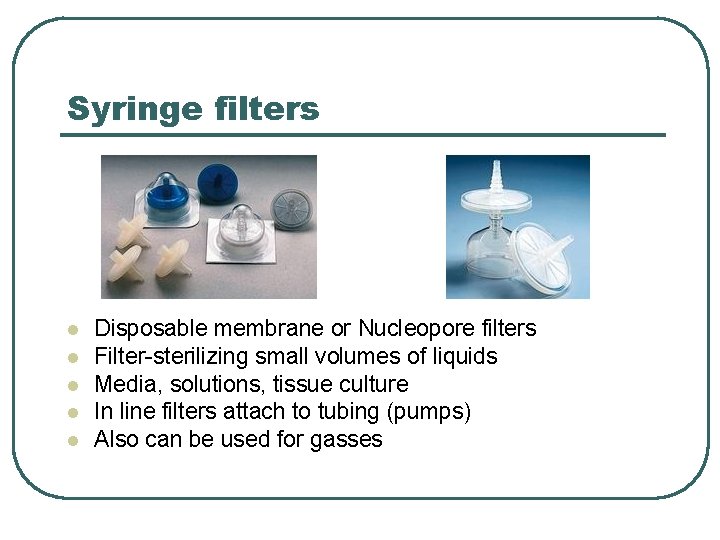
Syringe filters l l l Disposable membrane or Nucleopore filters Filter-sterilizing small volumes of liquids Media, solutions, tissue culture In line filters attach to tubing (pumps) Also can be used for gasses
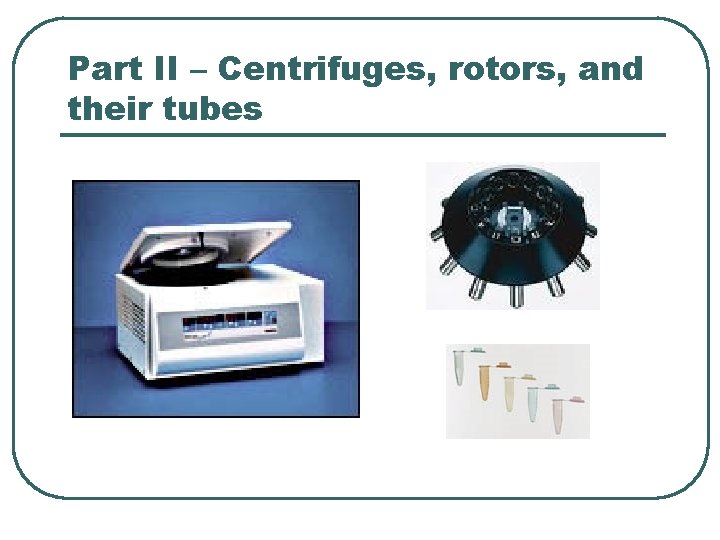
Part II – Centrifuges, rotors, and their tubes
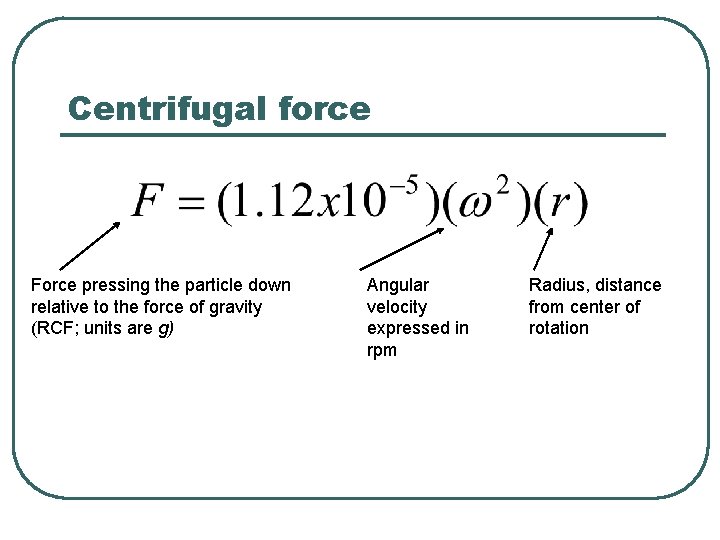
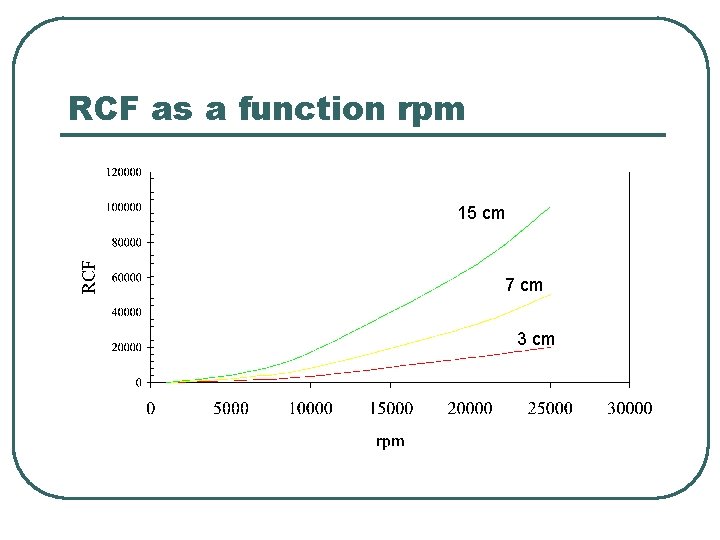
Centrifugal force Force pressing the particle down relative to the force of gravity (RCF; units are g) Angular velocity expressed in rpm Radius, distance from center of rotation
RCF as a function rpm 15 cm 7 cm 3 cm
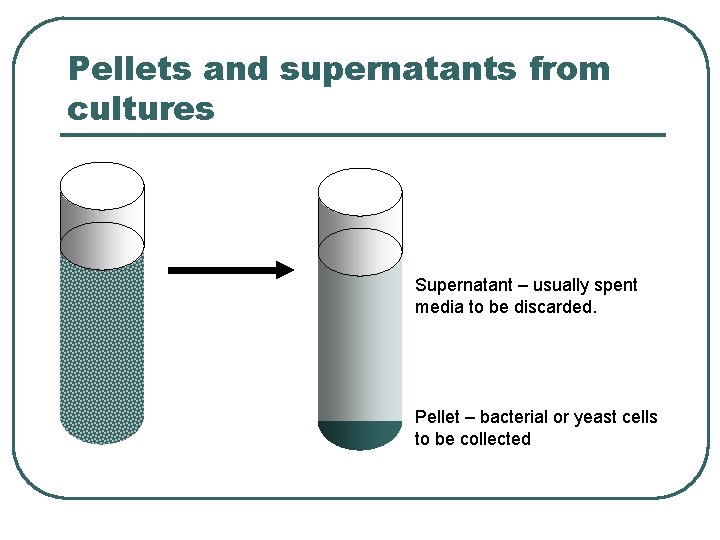
Pellets and supernatants from cultures Supernatant – usually spent media to be discarded. Pellet – bacterial or yeast cells to be collected
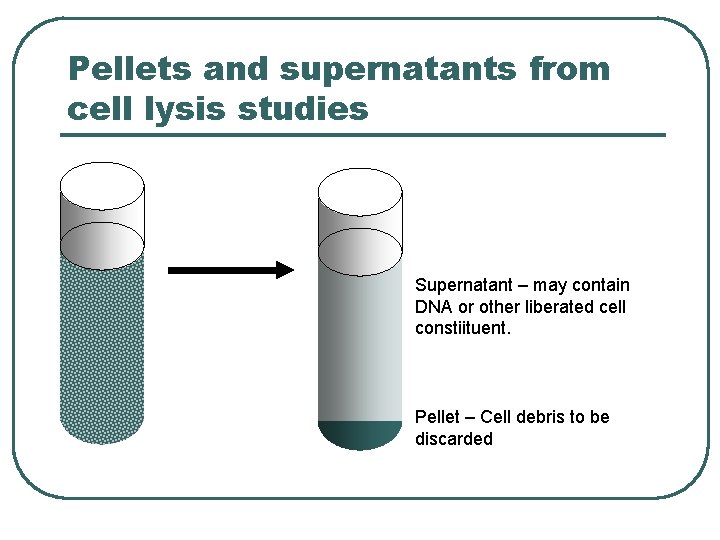
Pellets and supernatants from cell lysis studies Supernatant – may contain DNA or other liberated cell constiituent. Pellet – Cell debris to be discarded
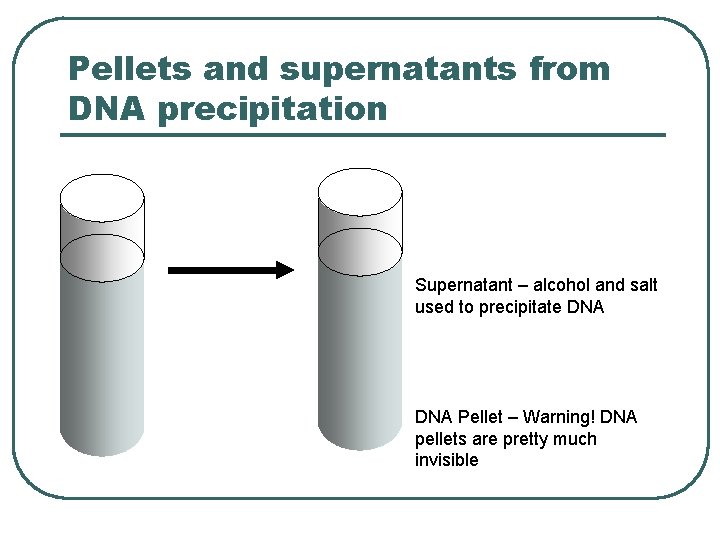
Pellets and supernatants from DNA precipitation Supernatant – alcohol and salt used to precipitate DNA Pellet – Warning! DNA pellets are pretty much invisible
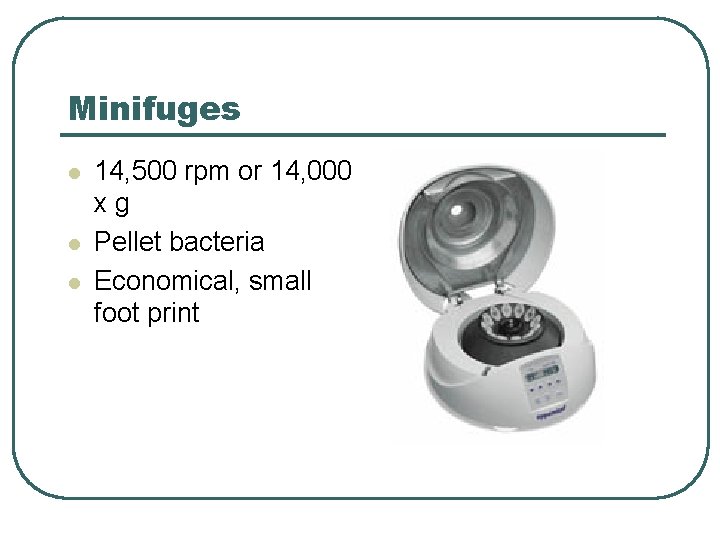
Minifuges l l l 14, 500 rpm or 14, 000 xg Pellet bacteria Economical, small foot print
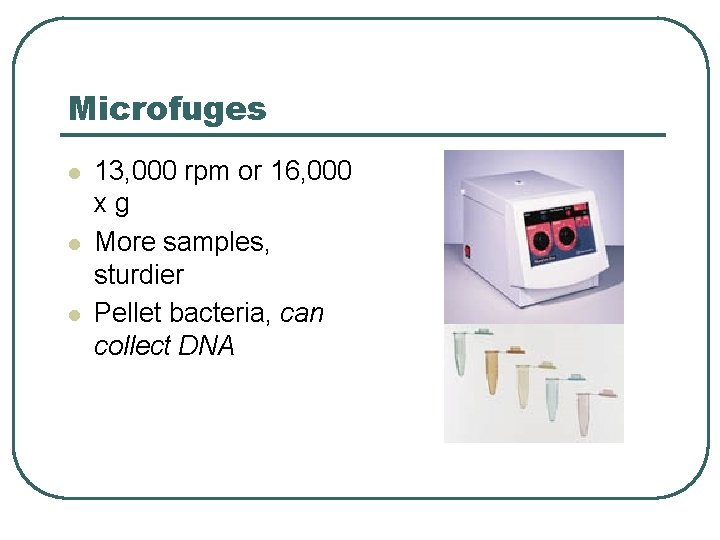
Microfuges l l l 13, 000 rpm or 16, 000 xg More samples, sturdier Pellet bacteria, can collect DNA
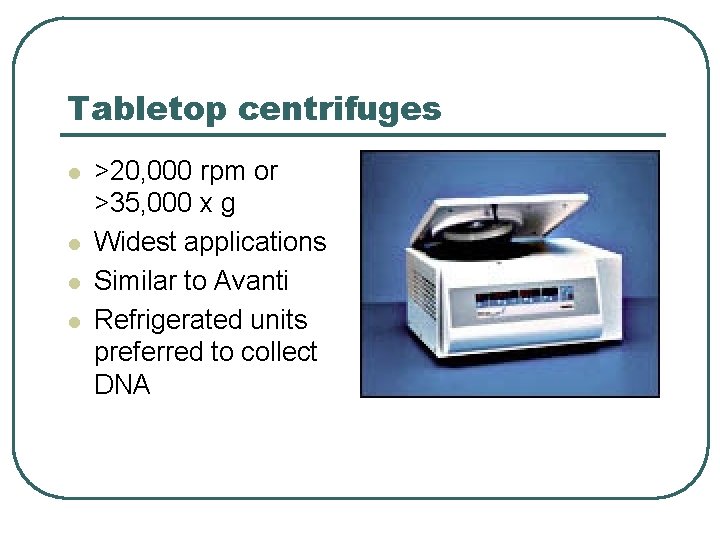
Tabletop centrifuges l l >20, 000 rpm or >35, 000 x g Widest applications Similar to Avanti Refrigerated units preferred to collect DNA
Ultracentrifuges l l l > 100, 000 x g Operate under vacuum – air creates heat from friction, and slows rotor down Pellet membranes, ribosomes Used in gradient work • • Cs. Cl – 24 hour separation of DNA Sucrose – pelleting cell fractions small proteins to ribosomes Svedberg Units – rate of migration through a sucrose gradient
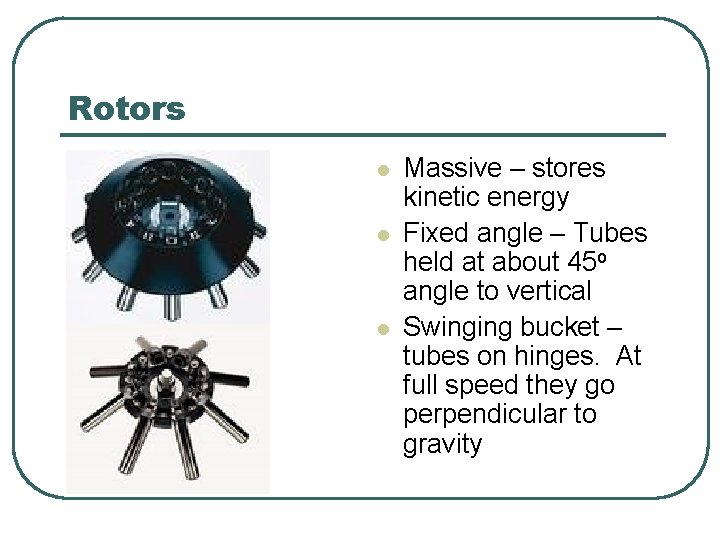
Rotors l l l Massive – stores kinetic energy Fixed angle – Tubes held at about 45 o angle to vertical Swinging bucket – tubes on hinges. At full speed they go perpendicular to gravity
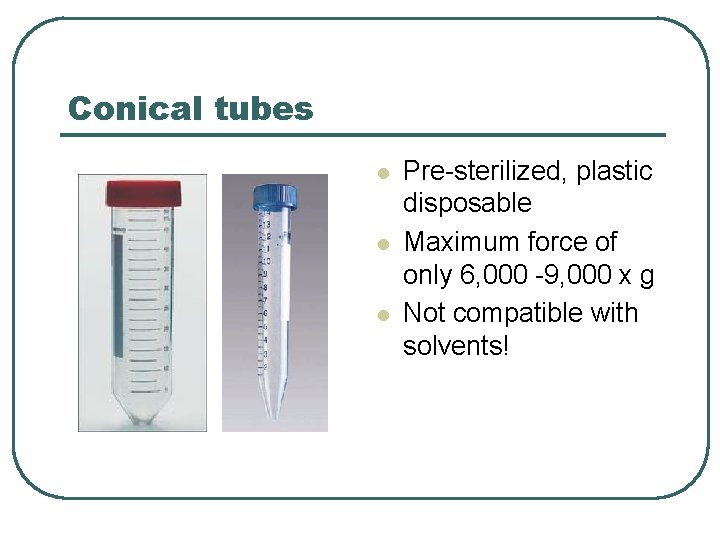
Conical tubes l l l Pre-sterilized, plastic disposable Maximum force of only 6, 000 -9, 000 x g Not compatible with solvents!
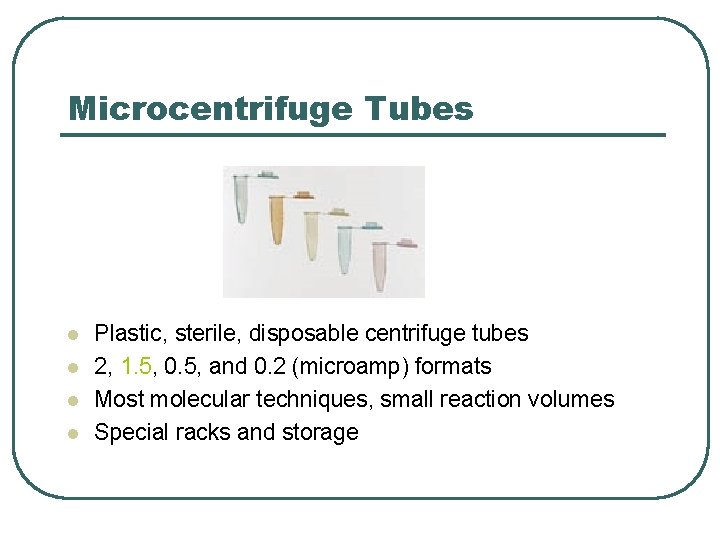
Microcentrifuge Tubes l l Plastic, sterile, disposable centrifuge tubes 2, 1. 5, 0. 5, and 0. 2 (microamp) formats Most molecular techniques, small reaction volumes Special racks and storage
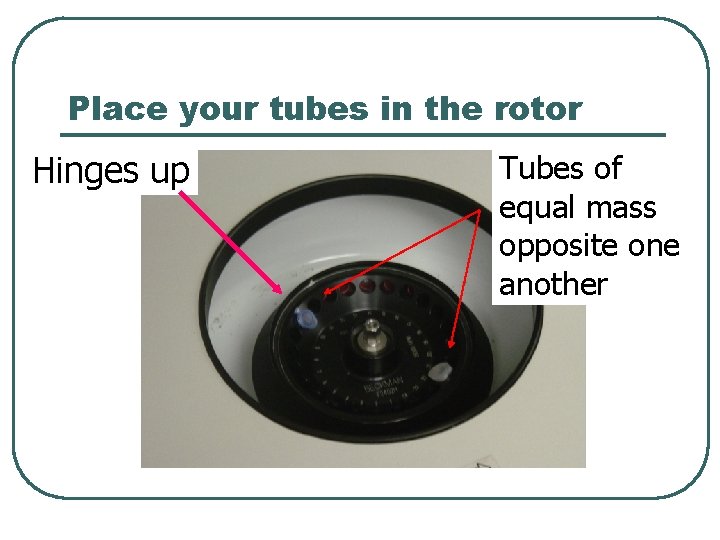
Place your tubes in the rotor Hinges up Tubes of equal mass opposite one another
Ready to try?