
Filippo de Marinis Department of Thoracic Oncology IEO
- Slides: 42
Filippo de Marinis Department of Thoracic Oncology, IEO, Milan, Italy DEPARTMENT OF THORACIC
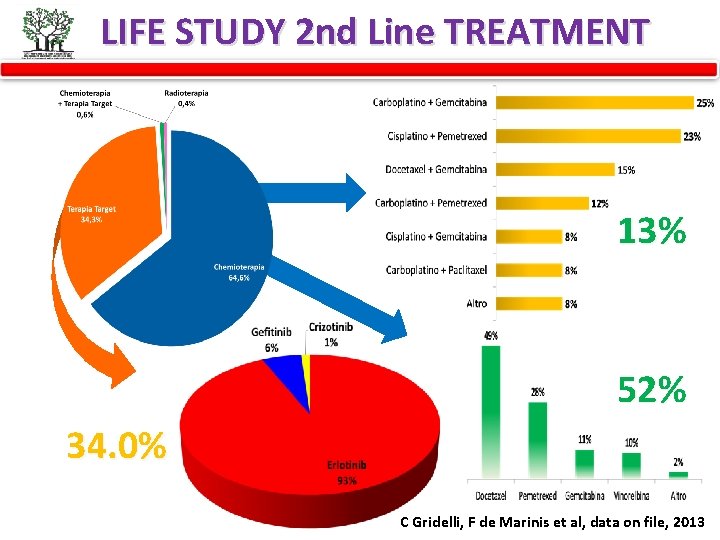
LIFE STUDY 2 nd Line TREATMENT 13% 52% 34. 0% C Gridelli, F de Marinis et al, data on file, 2013
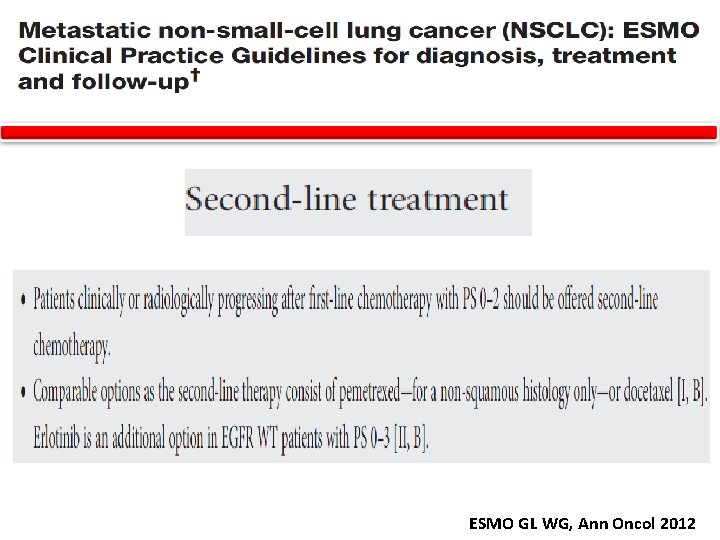
ESMO GL WG, Ann Oncol 2012
Final results of CTONG 0806: a phase II trial comparing pemetrexed with gefitinib as secondline treatment of advanced non-squamous NSCLC patients with wild-type EGFR Qing Zhou 1, Ying Cheng 2, Ming-fang Zhao 3, Jin-ji Yang 1, Hong-hong Yan 1, Li Zhang 4, Yong Song 5, Jian-hua Chen 6, Wei-neng Feng 7, Chong-rui Xu 1, Yi-long Wu 1* Chinese Thoracic Oncology Group (CTONG) 1, Guangdong Lung Cancer Institute, Guangdong General Hospital and Guangdong Academy of Medical Sciences, Guangzhou, China; 2, Jilin Provincial Cancer Hospital, Changchun, China; 3, Department of Medical Oncology, the First Hospital of China Medical University, Shenyang, China; 4, Perking Union Medical Hospital, Beijing, China; 5, Department of Respiratory Medicine, Jinling Hospital, Nanjing University School of Medicine, Nanjing, China; 6, Hunan Cancer Hospital, Changsha, China; 7, The First People's Hospital of Foshan, China; * Corresponding author Yi-long Wu, E-mail Address: syylwu@live. cn
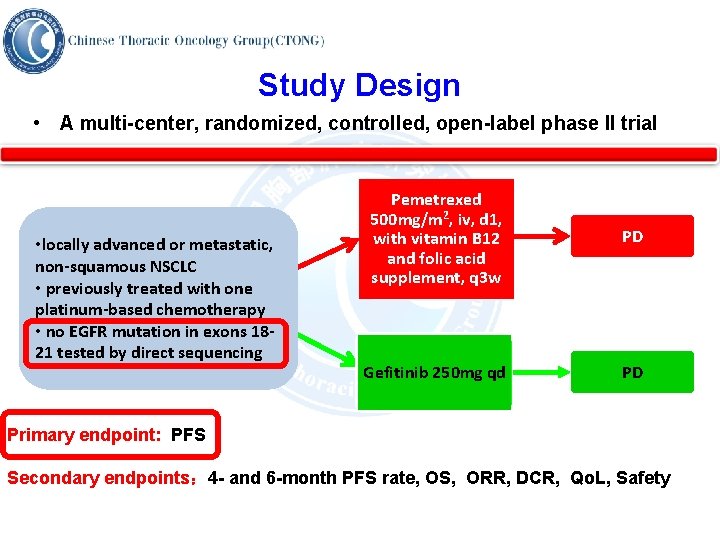
Study Design • A multi-center, randomized, controlled, open-label phase II trial • locally advanced or metastatic, non-squamous NSCLC • previously treated with one platinum-based chemotherapy • no EGFR mutation in exons 1821 tested by direct sequencing Pemetrexed 500 mg/m 2, iv, d 1, with vitamin B 12 and folic acid supplement, q 3 w PD Gefitinib 250 mg qd PD Primary endpoint: PFS Secondary endpoints: 4 - and 6 -month PFS rate, OS, ORR, DCR, Qo. L, Safety
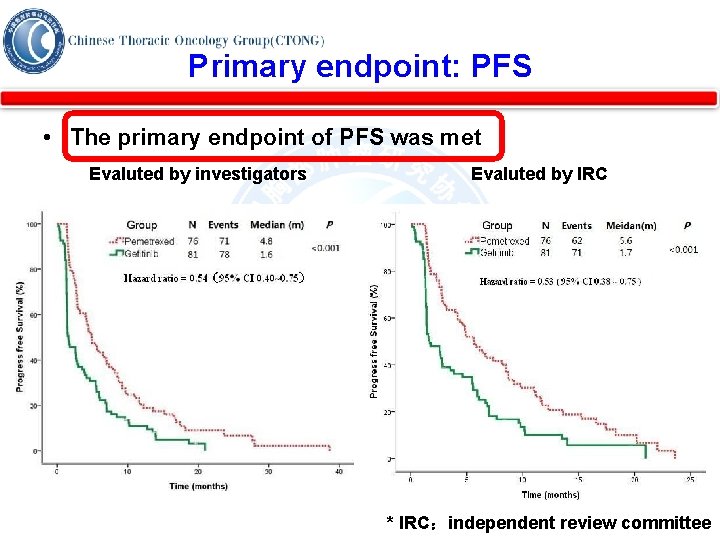
Primary endpoint: PFS • The primary endpoint of PFS was met Evaluted by investigators Evaluted by IRC * IRC:independent review committee
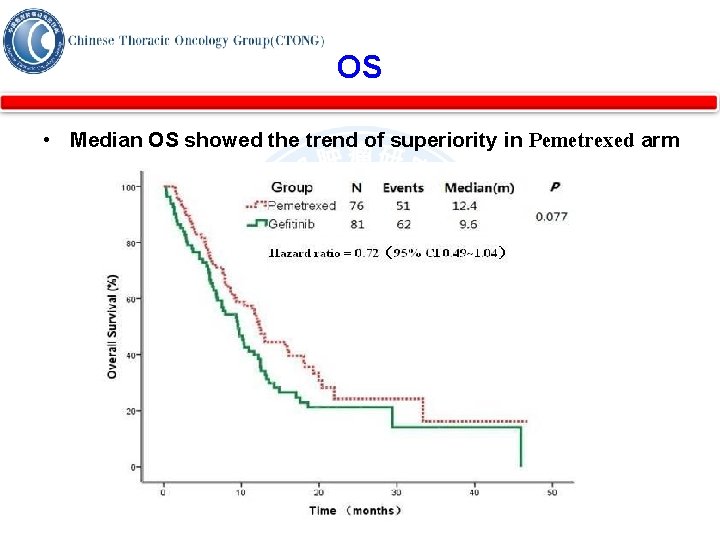
OS • Median OS showed the trend of superiority in Pemetrexed arm
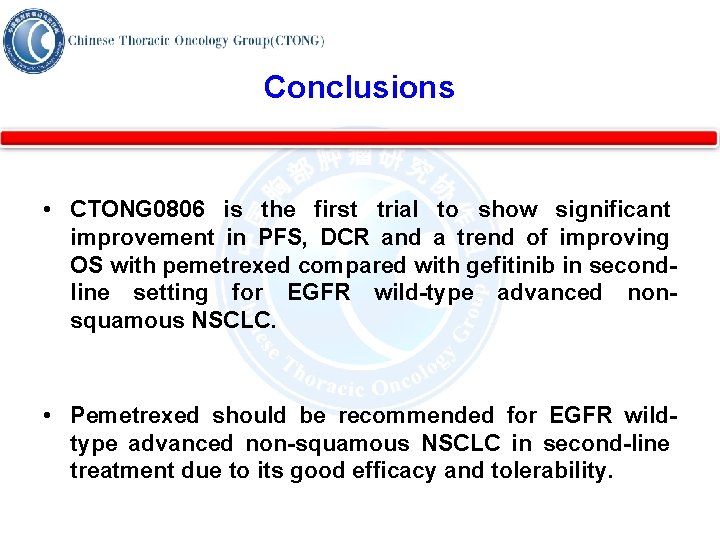
Conclusions • CTONG 0806 is the first trial to show significant improvement in PFS, DCR and a trend of improving OS with pemetrexed compared with gefitinib in secondline setting for EGFR wild-type advanced nonsquamous NSCLC. • Pemetrexed should be recommended for EGFR wildtype advanced non-squamous NSCLC in second-line treatment due to its good efficacy and tolerability.
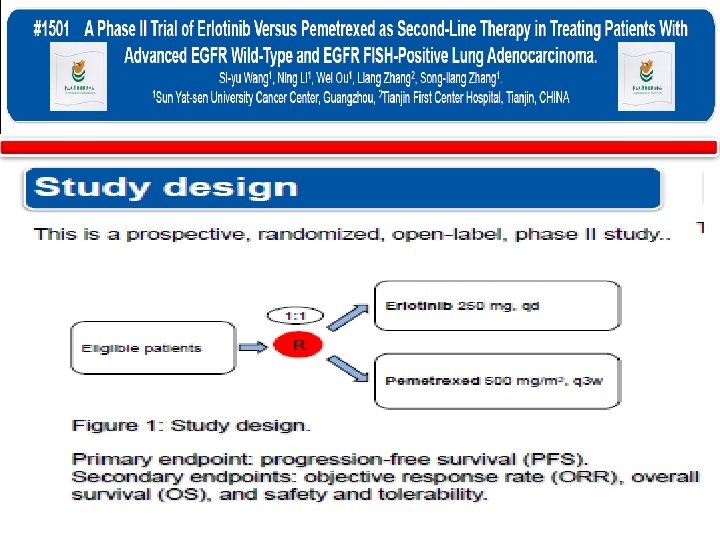
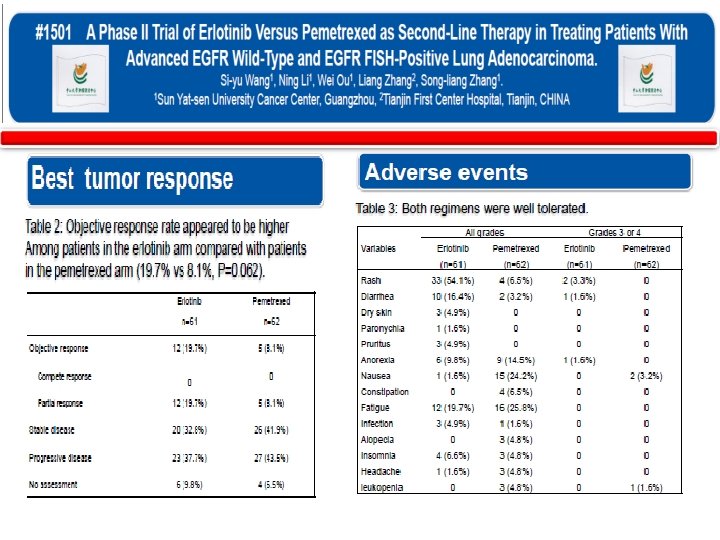
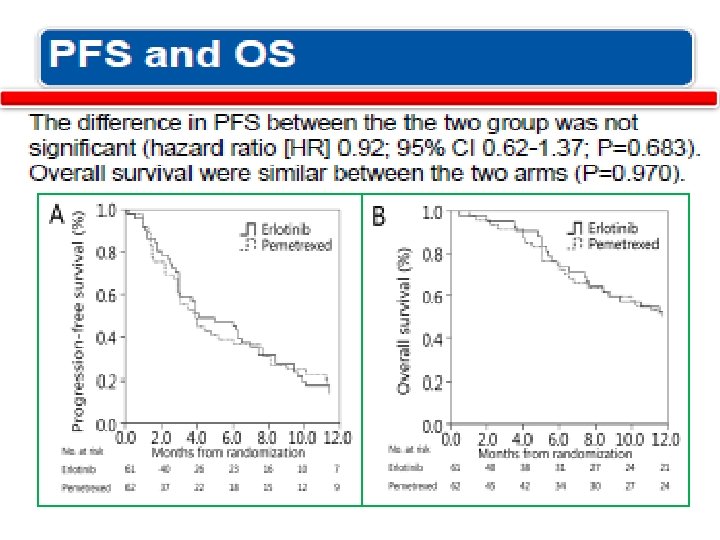
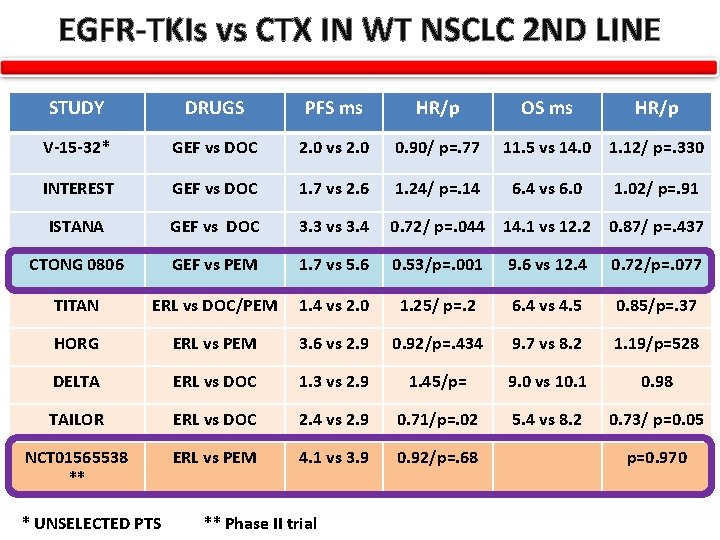
EGFR-TKIs vs CTX IN WT NSCLC 2 ND LINE STUDY DRUGS PFS ms HR/p OS ms HR/p V-15 -32* GEF vs DOC 2. 0 vs 2. 0 0. 90/ p=. 77 11. 5 vs 14. 0 1. 12/ p=. 330 INTEREST GEF vs DOC 1. 7 vs 2. 6 1. 24/ p=. 14 6. 4 vs 6. 0 1. 02/ p=. 91 ISTANA GEF vs DOC 3. 3 vs 3. 4 0. 72/ p=. 044 14. 1 vs 12. 2 0. 87/ p=. 437 CTONG 0806 GEF vs PEM 1. 7 vs 5. 6 0. 53/p=. 001 9. 6 vs 12. 4 0. 72/p=. 077 TITAN ERL vs DOC/PEM 1. 4 vs 2. 0 1. 25/ p=. 2 6. 4 vs 4. 5 0. 85/p=. 37 HORG ERL vs PEM 3. 6 vs 2. 9 0. 92/p=. 434 9. 7 vs 8. 2 1. 19/p=528 DELTA ERL vs DOC 1. 3 vs 2. 9 1. 45/p= 9. 0 vs 10. 1 0. 98 TAILOR ERL vs DOC 2. 4 vs 2. 9 0. 71/p=. 02 5. 4 vs 8. 2 0. 73/ p=0. 05 NCT 01565538 ** ERL vs PEM 4. 1 vs 3. 9 0. 92/p=. 68 * UNSELECTED PTS ** Phase II trial p=0. 970
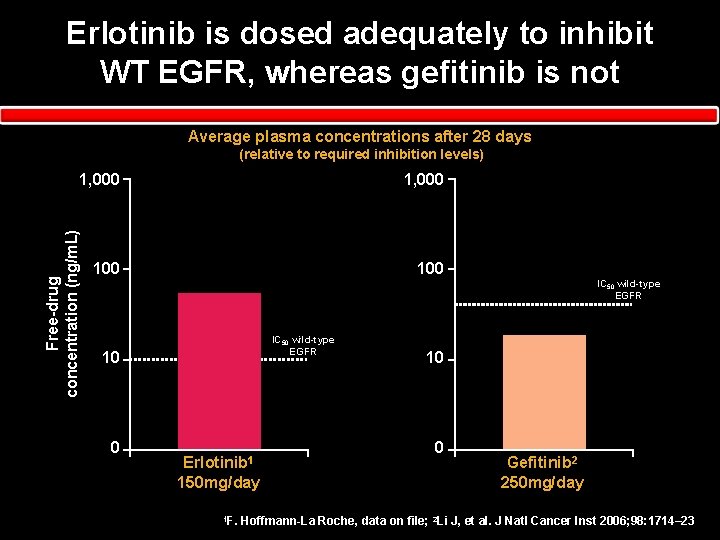
Erlotinib is dosed adequately to inhibit WT EGFR, whereas gefitinib is not Average plasma concentrations after 28 days (relative to required inhibition levels) Free-drug concentration (ng/m. L) 1, 000 100 IC 50 wild-type EGFR 10 0 Erlotinib 1 150 mg/day 10 0 Gefitinib 2 250 mg/day 1 F. Hoffmann-La Roche, data on file; 2 Li J, et al. J Natl Cancer Inst 2006; 98: 1714– 23
01. 07 | Randomized Proteomic Stratified Phase III Study of Second Line Erlotinib (E) versus Chemotherapy (CT) in Patients with Inoperable Non-Small Cell Lung Cancer (PROSE): Secondary Endpoint Analysis Presenting Author: Vanesa Gregorc 1 Co-Authors: Chiara Lazzari 1, Silvia Novello 2, Sandro Barni 3, Michele Aieta 4, Francesco Grossi 5, Tomasso De Pas 6, Filippo de Marinis 7, Manlio Mencoboni 8, Alessandra Bearz 9, Irene Floriani 10, Valter Torri 10, Fred Hirsch 11, Heinrich Roder 12, Julia Grigorieva 12, Joanna Roder 12, Alessandra Bulotta 1, Silvia Foti 1, Mariagrazia Viganò 1, Matteo Giaj Levra 2, Angela Bachi 1
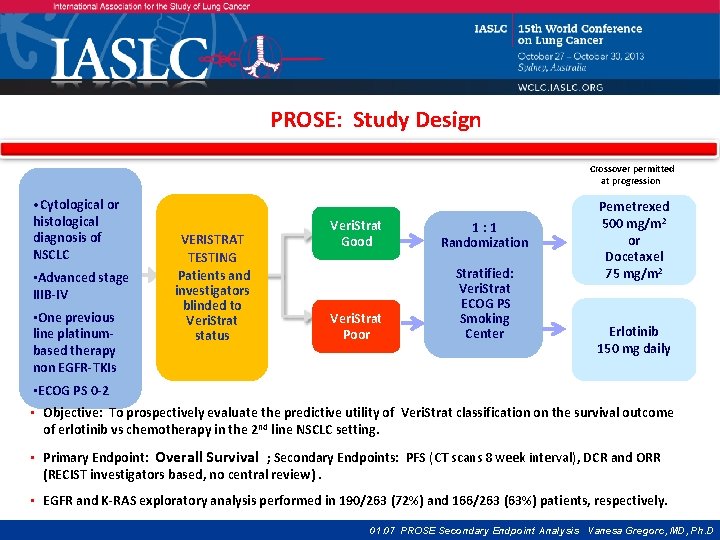
PROSE: Study Design Crossover permitted at progression • Cytological or histological diagnosis of NSCLC • Advanced stage IIIB-IV • One previous line platinumbased therapy non EGFR-TKIs VERISTRAT TESTING Patients and investigators blinded to Veri. Strat status Veri. Strat Good 1: 1 Randomization Veri. Strat Poor Stratified: Veri. Strat ECOG PS Smoking Center Pemetrexed 500 mg/m 2 or Docetaxel 75 mg/m 2 Erlotinib 150 mg daily • ECOG PS 0 -2 • Objective: To prospectively evaluate the predictive utility of Veri. Strat classification on the survival outcome of erlotinib vs chemotherapy in the 2 nd line NSCLC setting. • Primary Endpoint: Overall Survival ; Secondary Endpoints: PFS (CT scans 8 week interval), DCR and ORR (RECIST investigators based, no central review). • EGFR and K-RAS exploratory analysis performed in 190/263 (72%) and 166/263 (63%) patients, respectively. 01. 07 PROSE Secondary Endpoint Analysis Vanesa Gregorc, MD, Ph. D
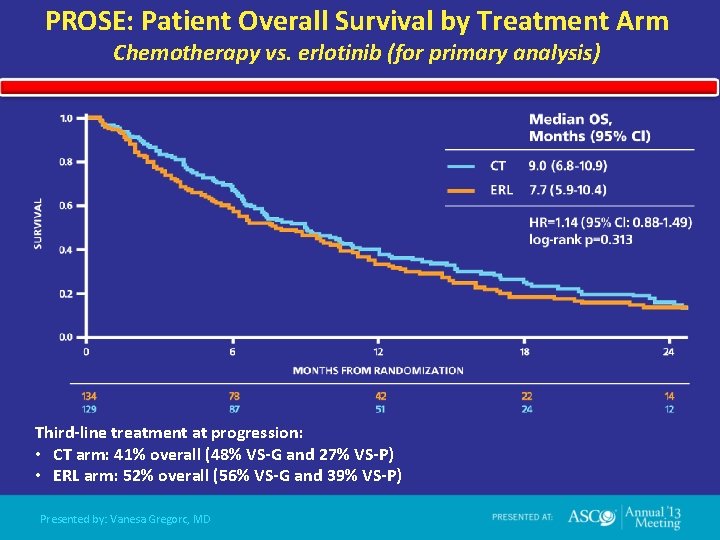
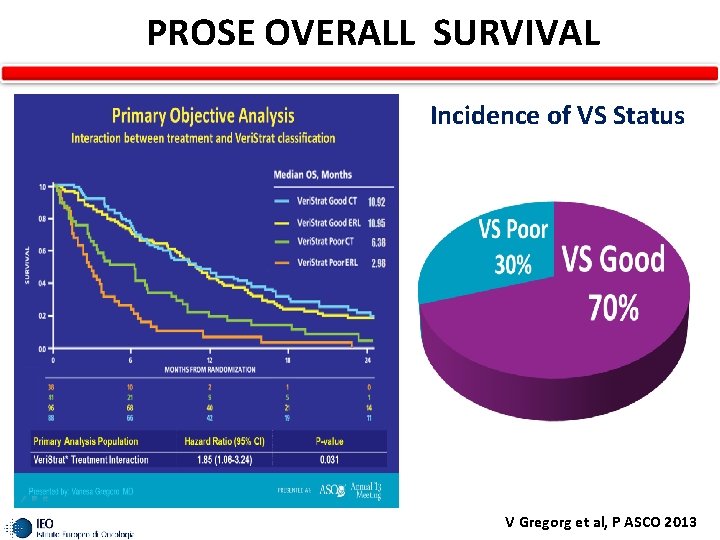
PROSE: Patient Overall Survival by Treatment Arm Chemotherapy vs. erlotinib (for primary analysis) Third-line treatment at progression: • CT arm: 41% overall (48% VS-G and 27% VS-P) • ERL arm: 52% overall (56% VS-G and 39% VS-P) Presented by: Vanesa Gregorc, MD
PROSE OVERALL SURVIVAL Incidence of VS Status V Gregorg et al, P ASCO 2013
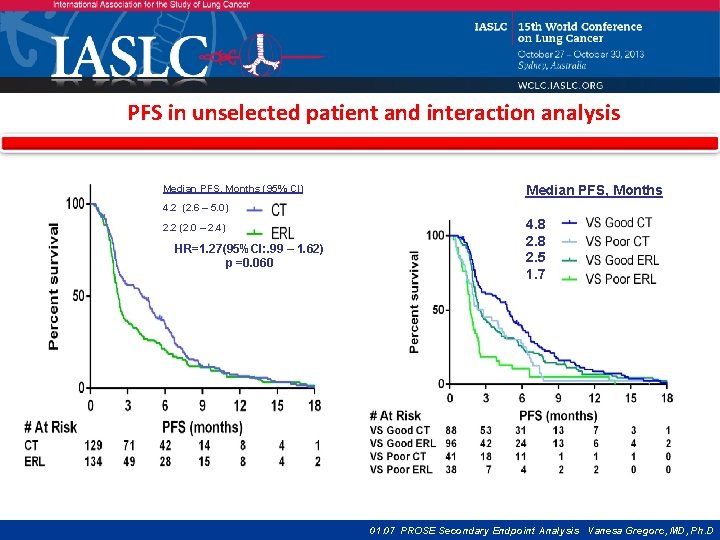
PFS in unselected patient and interaction analysis Median PFS, Months (95% CI) Median PFS, Months 4. 2 (2. 6 – 5. 0) 2. 2 (2. 0 – 2. 4) HR=1. 27(95%CI: . 99 – 1. 62) p =0. 060 4. 8 2. 5 1. 7 01. 07 PROSE Secondary Endpoint Analysis Vanesa Gregorc, MD, Ph. D
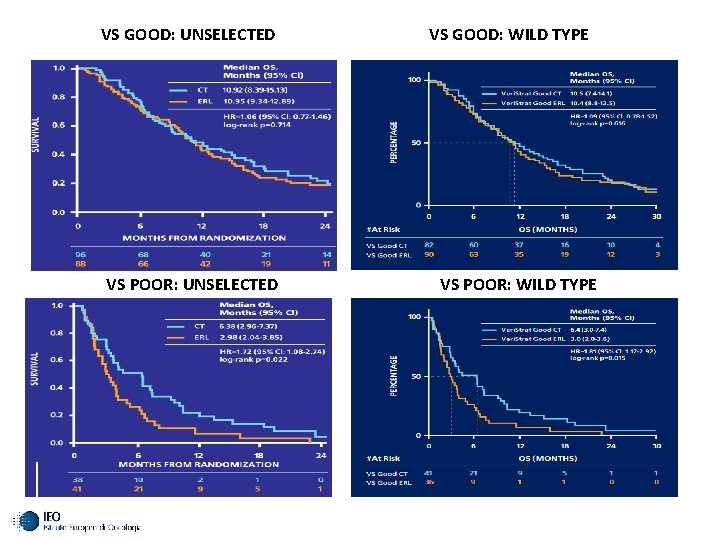
VS GOOD: UNSELECTED VS POOR: UNSELECTED VS GOOD: WILD TYPE VS POOR: WILD TYPE
Randomized Proteomic Stratified Phase III Study of Second Line Erlotinib (E) Versus Chemotherapy (CT) in Patients with Inoperable Non-Small Cell Lung Cancer (PROSE): Veri. Strat Analysis of Longitudinal Samples Authors: Alessandra Bulotta 1, Chiara Lazzari 1, Silvia Foti 1, Mariagrazia Viganò 1, Domenico Ghio 2, Silvia Novello 3, Sandro Barni 4, Michele Aieta 5, Francesco Grossi 6, Tomaso De Pas 7, Filippo de Marinis 8, Manlio Mencoboni 9, Alessandra Bearz 10, Joanna Roder 11, Heinrich Roder 11, Julia Grigorieva 11, Irene Floriani 12, Valter Torri 12, Vanesa Gregorc 1
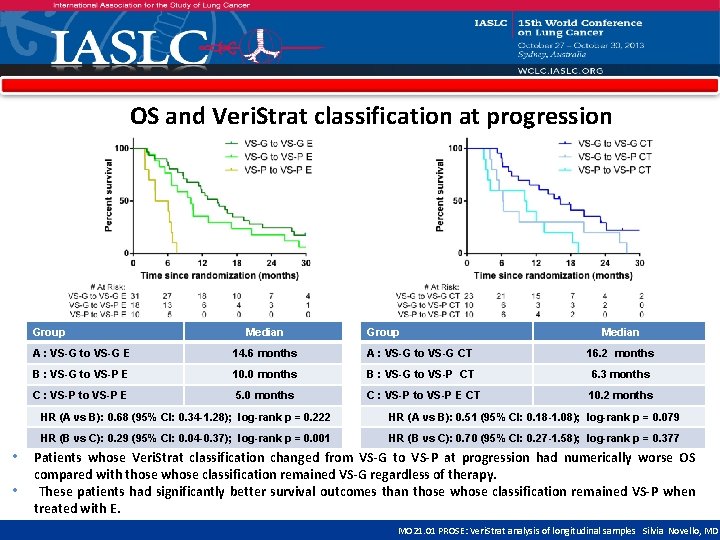
OS and Veri. Strat classification at progression Group Median A : VS-G to VS-G E 14. 6 months A : VS-G to VS-G CT 16. 2 months B : VS-G to VS-P E 10. 0 months B : VS-G to VS-P CT 6. 3 months C : VS-P to VS-P E 5. 0 months C : VS-P to VS-P E CT 10. 2 months HR (A vs B): 0. 68 (95% CI: 0. 34 -1. 28); log-rank p = 0. 222 HR (A vs B): 0. 51 (95% CI: 0. 18 -1. 08); log-rank p = 0. 079 HR (B vs C): 0. 29 (95% CI: 0. 04 -0. 37); log-rank p = 0. 001 HR (B vs C): 0. 70 (95% CI: 0. 27 -1. 58); log-rank p = 0. 377 • Patients whose Veri. Strat classification changed from VS-G to VS-P at progression had numerically worse OS • compared with those whose classification remained VS-G regardless of therapy. These patients had significantly better survival outcomes than those whose classification remained VS-P when treated with E. MO 21. 01 PROSE: Veri. Strat analysis of longitudinal samples Silvia Novello, MD
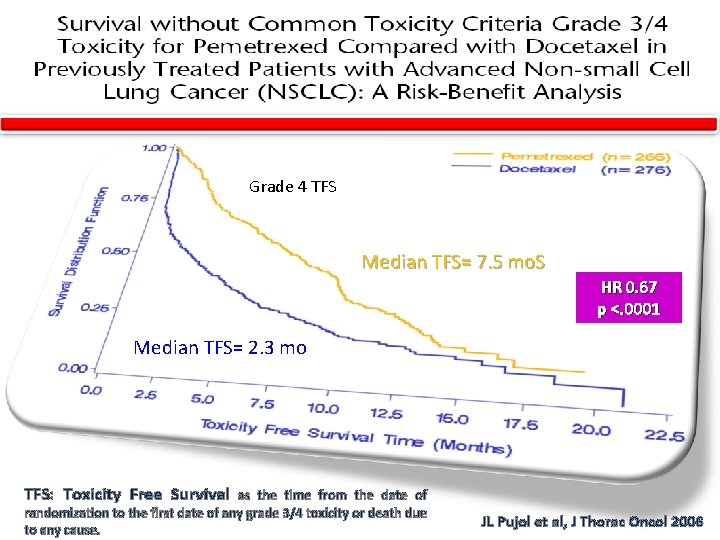
Grade 4 TFS Median TFS= 7. 5 mo. S HR 0. 67 p <. 0001 Median TFS= 2. 3 mo TFS: Toxicity Free Survival as the time from the date of randomization to the first date of any grade 3/4 toxicity or death due to any cause. JL Pujol et al, J Thorac Oncol 2006
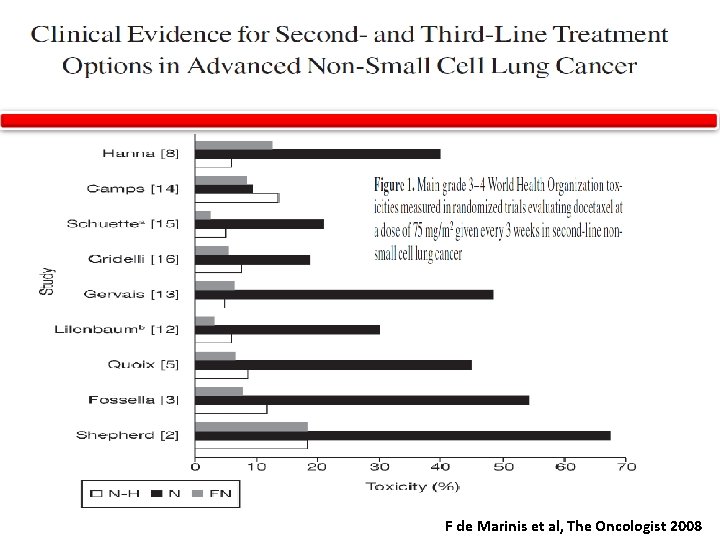
F de Marinis et al, The Oncologist 2008
O 01. 05: EGFR wild-type NSCLC patients with high mi. R-200 c expression can benefit from EGFR-TKIs Presenting Author: Jiayu Li, Ph. D Shanghai Pulmonary Hospital, Tongji University, Shanghai, China
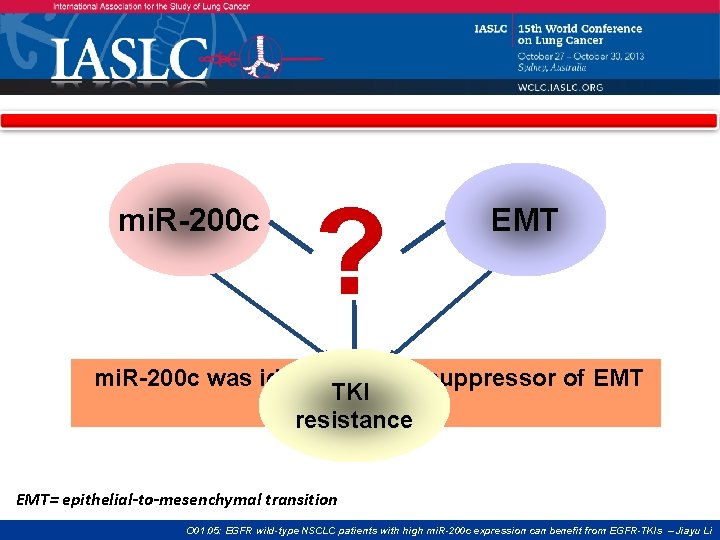
mi. RNA mi. R-200 c ? EMT mi. R-200 c was identified as a suppressor of EMT TKI resistance EMT= epithelial-to-mesenchymal transition O 01. 05: EGFR wild-type NSCLC patients with high. Presentation mi. R-200 c expression Number: can Presentation benefit from Title. EGFR-TKIs – Presenting – Jiayu Author Li
O 01. 05: EGFR wild-type NSCLC patients with high. Presentation mi. R-200 c expression Number: can Presentation benefit from Title. EGFR-TKIs – Presenting – Jiayu Author Li
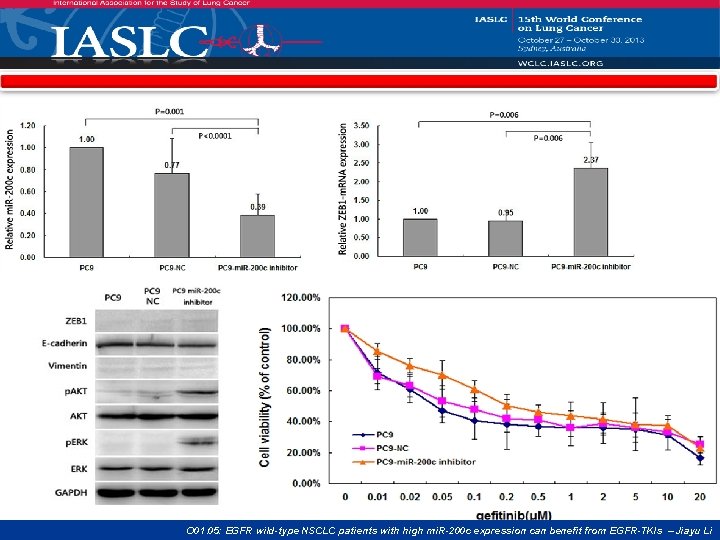
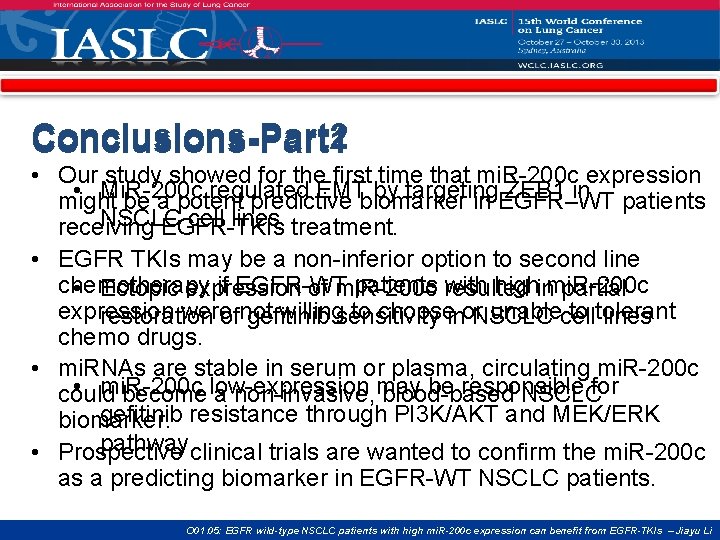
Conclusions-Part 2 Conclusions-Part 1 • Our study showed for the first time that mi. R-200 c expression • Mi. R-200 c regulated EMT by targeting ZEB 1 in might be a potent predictive biomarker in EGFR–WT patients NSCLC cell lines receiving EGFR-TKIs treatment. • EGFR TKIs may be a non-inferior option to second line chemotherapy if EGFR-WT patients with high mi. R-200 c • Ectopic expression of mi. R-200 c resulted in partial expression were not willing to choose or unable to tolerant restoration of gefitinib sensitivity in NSCLC cell lines chemo drugs. • mi. RNAs are stable in serum or plasma, circulating mi. R-200 c • mi. R-200 c low-expression may be responsible for could become a non-invasive, blood-based NSCLC gefitinib resistance through PI 3 K/AKT and MEK/ERK biomarker. pathway • Prospective clinical trials are wanted to confirm the mi. R-200 c as a predicting biomarker in EGFR-WT NSCLC patients. O 01. 05: EGFR wild-type NSCLC patients with high mi. R-200 c expression can benefit from EGFR-TKIs – Jiayu Li
Abstract: 3284 Presentation: O 16. 01 Impact of tumour burden on the overall survival analysis of the LUME-Lung 1 study: a randomized, double-blind phase 3 trial of nintedanib (BIBF 1120) + docetaxel in NSCLC patients progressing after first-line chemotherapy Presenting Author: M Reck Authors: M Reck, S Novello, A Mellemgaard, S Orlov, R Kaiser, J Barrueco, B Gaschler-Markefski, J-Y Douillard, for the LUME-Lung 1 Study Group
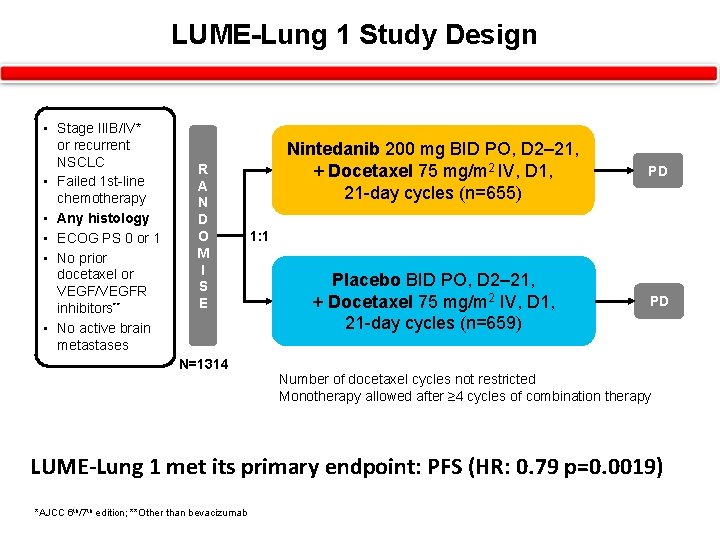
LUME-Lung 1 Study Design • Stage IIIB/IV* or recurrent NSCLC • Failed 1 st-line chemotherapy • Any histology • ECOG PS 0 or 1 • No prior docetaxel or VEGF/VEGFR inhibitors** • No active brain metastases R A N D O M I S E Nintedanib 200 mg BID PO, D 2– 21, + Docetaxel 75 mg/m 2 IV, D 1, 21 -day cycles (n=655) PD Placebo BID PO, D 2– 21, + Docetaxel 75 mg/m 2 IV, D 1, 21 -day cycles (n=659) PD 1: 1 N=1314 Number of docetaxel cycles not restricted Monotherapy allowed after ≥ 4 cycles of combination therapy LUME-Lung 1 met its primary endpoint: PFS (HR: 0. 79 p=0. 0019) *AJCC 6 th/7 th edition; **Other than bevacizumab
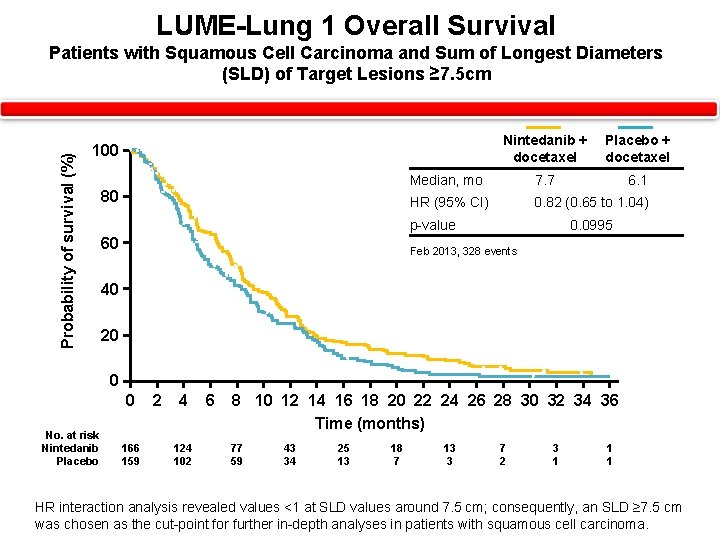
LUME-Lung 1 Overall Survival Probability of survival (%) Patients with Squamous Cell Carcinoma and Sum of Longest Diameters (SLD) of Target Lesions ≥ 7. 5 cm Nintedanib + Placebo + docetaxel 100 80 Median, mo 7. 7 HR (95% CI) 0. 82 (0. 65 to 1. 04) p-value 60 6. 1 0. 0995 Feb 2013, 328 events 40 20 0 0 No. at risk Nintedanib Placebo 2 4 6 166 148 124 102 159 133 102 74 8 10 12 14 16 18 20 22 24 26 28 30 32 34 36 Time (months) 77 59 59 42 43 34 29 24 25 13 22 10 18 7 17 4 13 3 9 3 7 2 5 2 3 1 2 1 1 1 HR interaction analysis revealed values <1 at SLD values around 7. 5 cm; consequently, an SLD ≥ 7. 5 cm was chosen as the cut-point for further in-depth analyses in patients with squamous cell carcinoma.
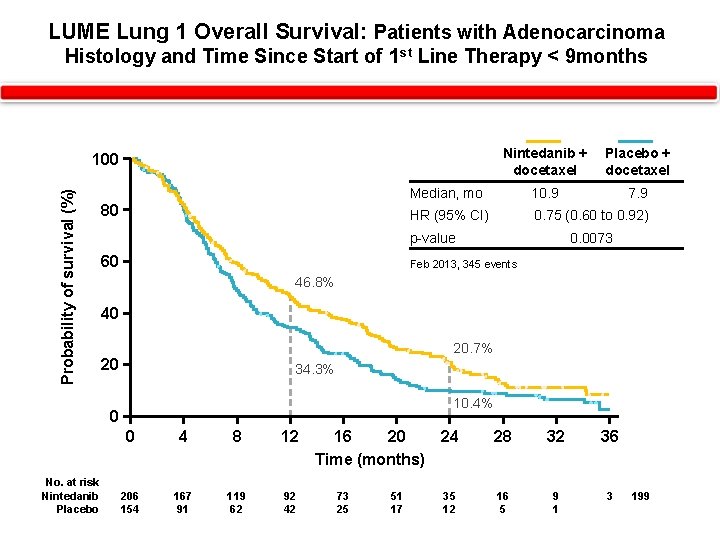
LUME Lung 1 Overall Survival: Patients with Adenocarcinoma Histology and Time Since Start of 1 st Line Therapy < 9 months Nintedanib + Placebo + docetaxel Probability of survival (%) 100 80 10. 9 HR (95% CI) 0. 75 (0. 60 to 0. 92) 60 7. 9 0. 0073 p-value Feb 2013, 345 events 46. 8% 40 20. 7% 20 34. 3% 10. 4% 0 No. at risk Nintedanib Placebo Median, mo 0 4 8 12 206 154 167 91 119 62 92 42 16 20 24 Time (months) 73 25 51 17 35 12 28 32 36 16 5 9 1 3 199
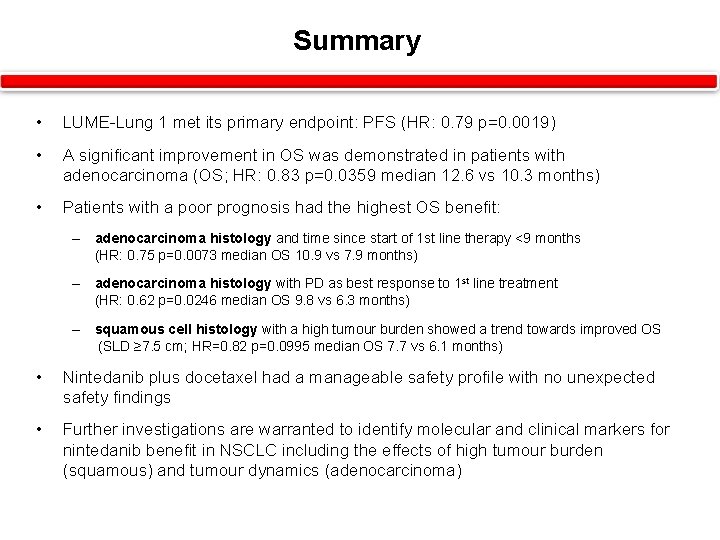
Summary • LUME-Lung 1 met its primary endpoint: PFS (HR: 0. 79 p=0. 0019) • A significant improvement in OS was demonstrated in patients with adenocarcinoma (OS; HR: 0. 83 p=0. 0359 median 12. 6 vs 10. 3 months) • Patients with a poor prognosis had the highest OS benefit: – adenocarcinoma histology and time since start of 1 st line therapy <9 months (HR: 0. 75 p=0. 0073 median OS 10. 9 vs 7. 9 months) – adenocarcinoma histology with PD as best response to 1 st line treatment (HR: 0. 62 p=0. 0246 median OS 9. 8 vs 6. 3 months) – squamous cell histology with a high tumour burden showed a trend towards improved OS (SLD ≥ 7. 5 cm; HR=0. 82 p=0. 0995 median OS 7. 7 vs 6. 1 months) • Nintedanib plus docetaxel had a manageable safety profile with no unexpected safety findings • Further investigations are warranted to identify molecular and clinical markers for nintedanib benefit in NSCLC including the effects of high tumour burden (squamous) and tumour dynamics (adenocarcinoma)
Abstract ID 2812 Analysis of Patient-Reported Outcomes from the LUME-Lung 1 Trial: A Randomized, Double-Blind, Placebo-Controlled Phase III Study in Second-Line Advanced Non-Small Cell Lung Cancer (NSCLC) Patients Silvia Novello, 1 Rolf Kaiser, 2 Anders Mellemgaard, 3 Jean-Yves Douillard, 4 Sergei Orlov, 5 Maciej Krzakowski, 6 Joachim von Pawel, 7 Maya Gottfried, 8 Igor Bondarenko, 9 Meilin Liao, 10 José Barrueco, 11 Birgit Gaschler-Markefski, 2 Ingolf Griebsch, 2 Martin Reck, 12 for the LUME-Lung 1 Study Group
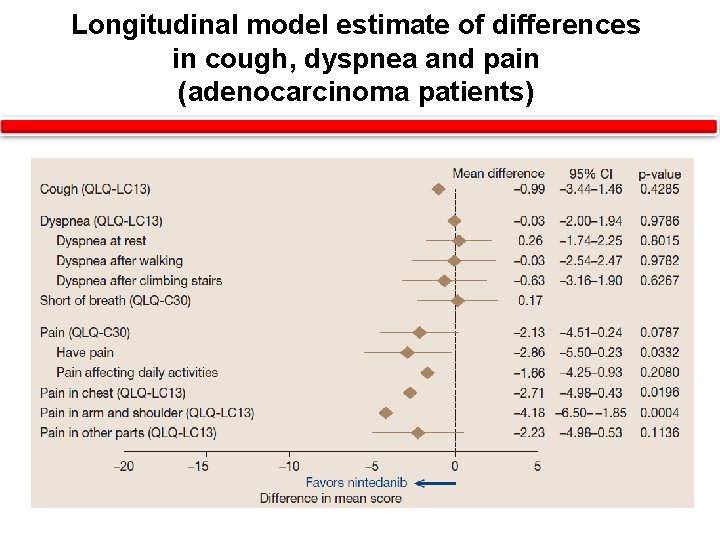
Longitudinal model estimate of differences in cough, dyspnea and pain (adenocarcinoma patients)
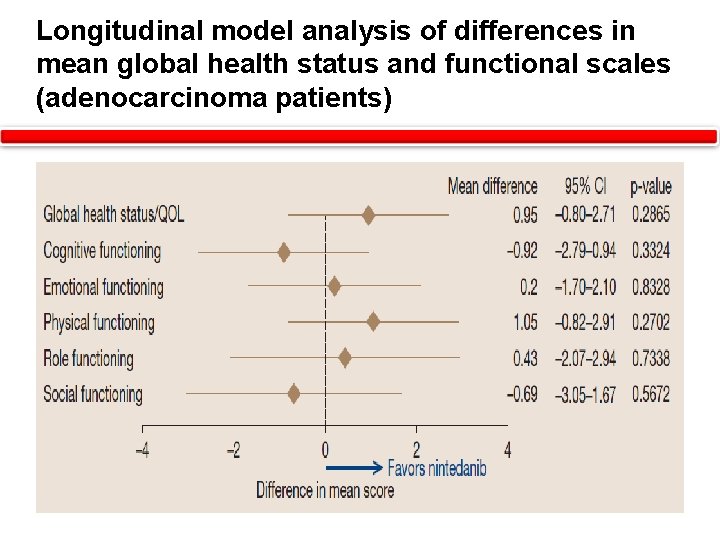
Longitudinal model analysis of differences in mean global health status and functional scales (adenocarcinoma patients)
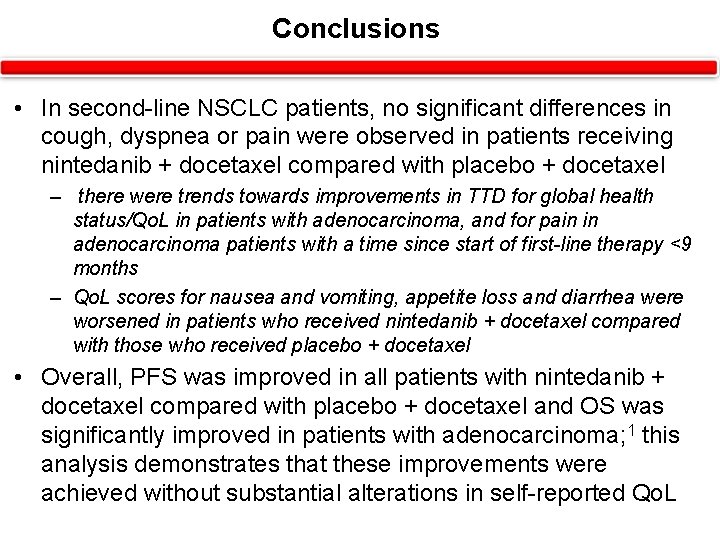
Conclusions • In second-line NSCLC patients, no significant differences in cough, dyspnea or pain were observed in patients receiving nintedanib + docetaxel compared with placebo + docetaxel – there were trends towards improvements in TTD for global health status/Qo. L in patients with adenocarcinoma, and for pain in adenocarcinoma patients with a time since start of first-line therapy <9 months – Qo. L scores for nausea and vomiting, appetite loss and diarrhea were worsened in patients who received nintedanib + docetaxel compared with those who received placebo + docetaxel • Overall, PFS was improved in all patients with nintedanib + docetaxel compared with placebo + docetaxel and OS was significantly improved in patients with adenocarcinoma; 1 this analysis demonstrates that these improvements were achieved without substantial alterations in self-reported Qo. L
ABSTRACT ID NUMBER: 1045 FEASIBILITY AND CLINICAL IMPACT OF RE-BIOPSY IN ADVANCED NON SMALL CELL LUNG CANCER: A PROSPECTIVE MULTICENTRIC STUDY IN REAL WORLD SETTING (GFPC study 12 -01) PRESENTER: Professor Alain VERGNENEGRE C Dujon (Le Chesnay, France), C Chouaid (Saint Antoine, France), P Do (Caen, France), I Monnet (Creteil, France), A Madroszyk (Marseille Calmette, France), H Le Caer (Draguignan, France), JB Auliac (Mantes la Jolie, France), H Berard (Toulon HIA, France), P Thomas (Gap, France), H Lena (Rennes, France), G Robinet (Brest, France), N Baize (Angers, France), A Bizieux-Thaminy (La Roche sur Yon, France), G Fraboulet (Cercy Pontoise, France), C Locher (Meaux, France), J Le Treut (Aix-en-Provence, France), S Hominal (Pringy, France), A Vergnenegre (Limoges, France) MO-07: Rebiopsy– A Vergnenegre
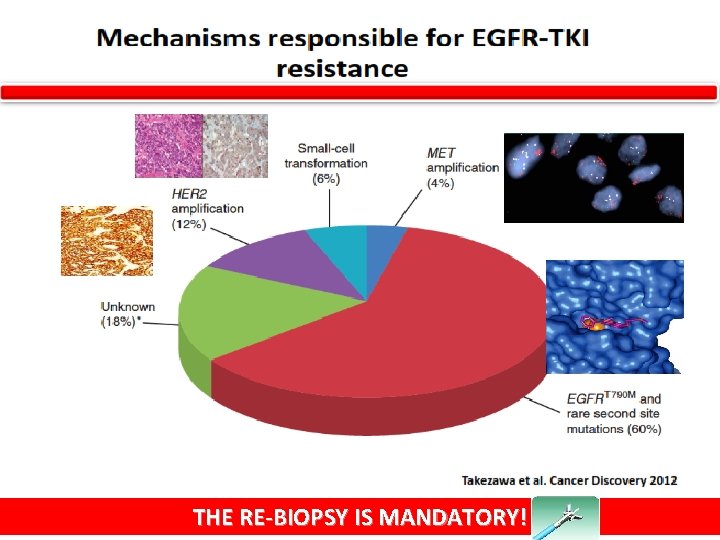
THE RE-BIOPSY IS MANDATORY!
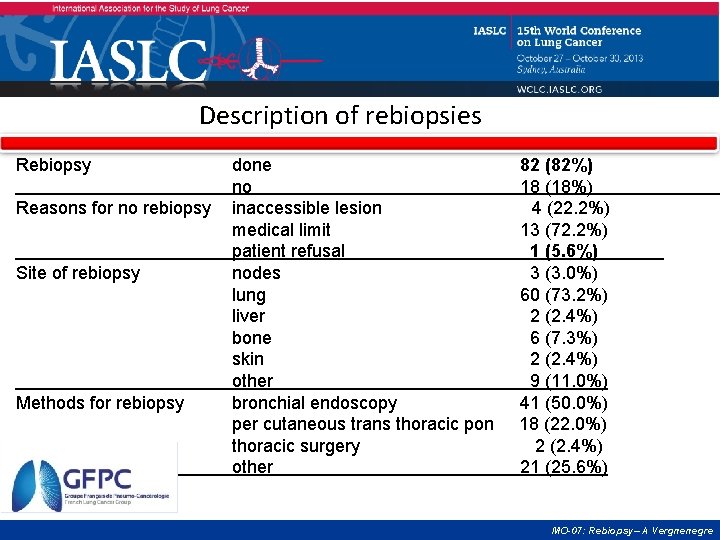
Description of rebiopsies Rebiopsy Reasons for no rebiopsy Site of rebiopsy Methods for rebiopsy done 82 (82%) no 18 (18%) inaccessible lesion 4 (22. 2%) medical limit 13 (72. 2%) patient refusal 1 (5. 6%) nodes 3 (3. 0%) lung 60 (73. 2%) liver 2 (2. 4%) bone 6 (7. 3%) skin 2 (2. 4%) other 9 (11. 0%) bronchial endoscopy 41 (50. 0%) per cutaneous trans thoracic pon 18 (22. 0%) thoracic surgery 2 (2. 4%) other 21 (25. 6%) MO-07: Rebiopsy– A Vergnenegre
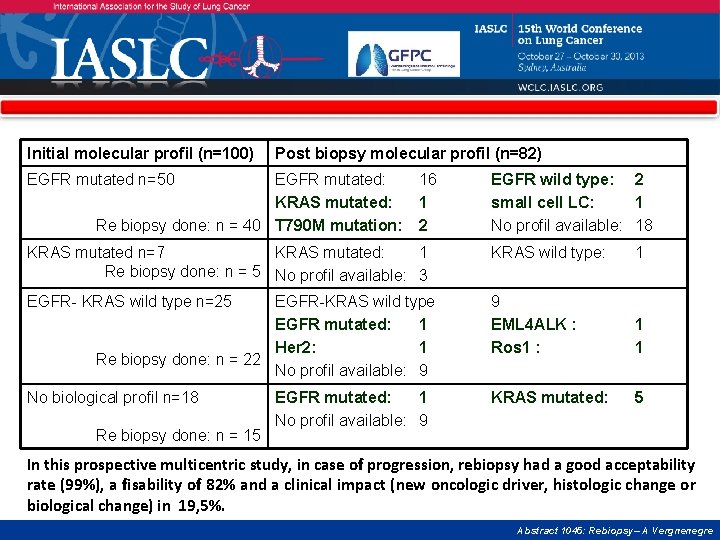
Initial molecular profil (n=100) Post biopsy molecular profil (n=82) EGFR mutated n=50 EGFR mutated: 16 KRAS mutated: 1 Re biopsy done: n = 40 T 790 M mutation: 2 EGFR wild type: 2 small cell LC: 1 No profil available: 18 KRAS mutated n=7 KRAS mutated: 1 Re biopsy done: n = 5 No profil available: 3 KRAS wild type: 1 EGFR- KRAS wild type n=25 9 EML 4 ALK : Ros 1 : 1 1 KRAS mutated: 5 EGFR-KRAS wild type EGFR mutated: 1 Her 2: 1 Re biopsy done: n = 22 No profil available: 9 No biological profil n=18 Re biopsy done: n = 15 EGFR mutated: 1 No profil available: 9 In this prospective multicentric study, in case of progression, rebiopsy had a good acceptability rate (99%), a fisability of 82% and a clinical impact (new oncologic driver, histologic change or biological change) in 19, 5%. Abstract 1045: Rebiopsy– A Vergnenegre
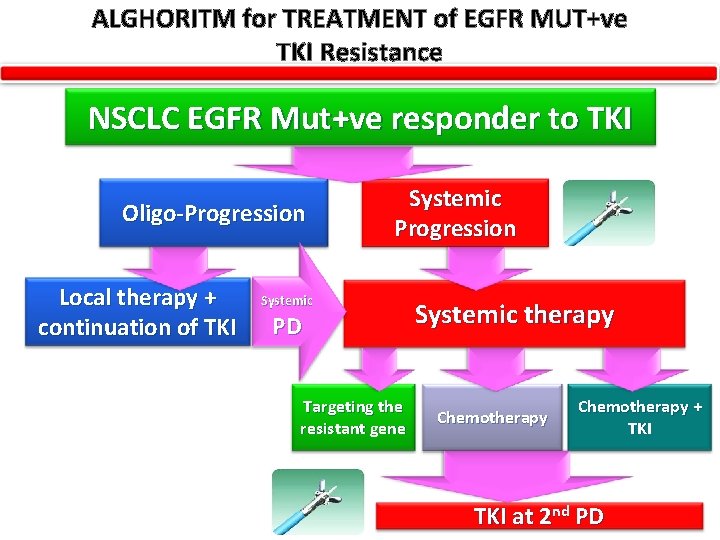
ALGHORITM for TREATMENT of EGFR MUT+ve TKI Resistance NSCLC EGFR Mut+ve responder to TKI Systemic Progression Oligo-Progression Local therapy + continuation of TKI Systemic PD Targeting the resistant gene Systemic therapy Chemotherapy + TKI at 2 nd PD