
Figure 6 1 p 267 A series RLC
- Slides: 24
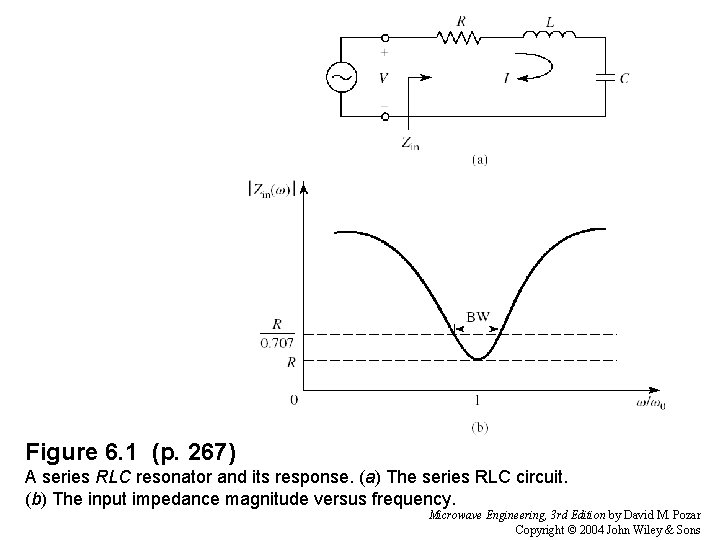
Figure 6. 1 (p. 267) A series RLC resonator and its response. (a) The series RLC circuit. (b) The input impedance magnitude versus frequency. Microwave Engineering, 3 rd Edition by David M. Pozar Copyright © 2004 John Wiley & Sons
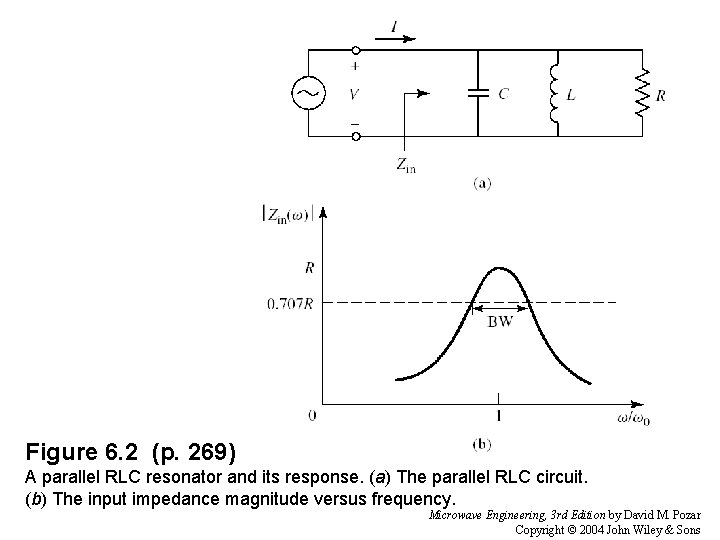
Figure 6. 2 (p. 269) A parallel RLC resonator and its response. (a) The parallel RLC circuit. (b) The input impedance magnitude versus frequency. Microwave Engineering, 3 rd Edition by David M. Pozar Copyright © 2004 John Wiley & Sons
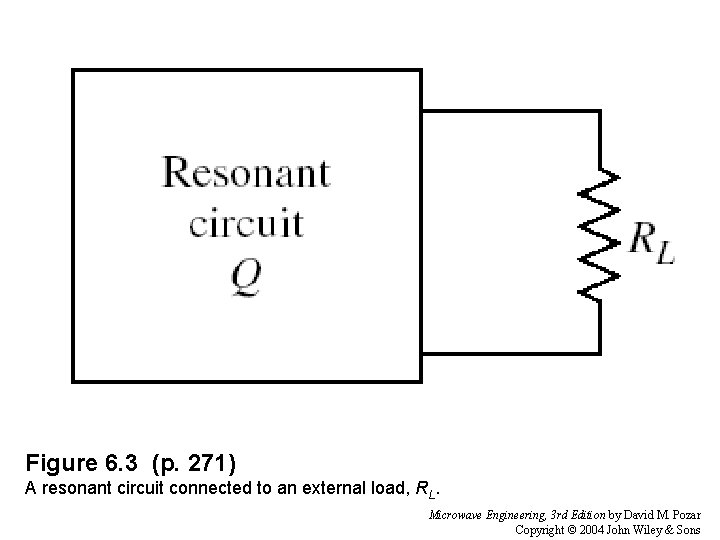
Figure 6. 3 (p. 271) A resonant circuit connected to an external load, RL. Microwave Engineering, 3 rd Edition by David M. Pozar Copyright © 2004 John Wiley & Sons
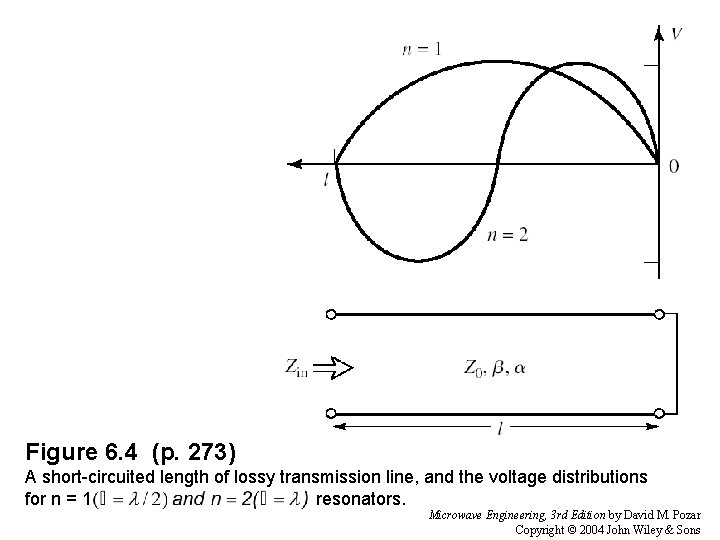
Figure 6. 4 (p. 273) A short-circuited length of lossy transmission line, and the voltage distributions for n = 1 resonators. Microwave Engineering, 3 rd Edition by David M. Pozar Copyright © 2004 John Wiley & Sons
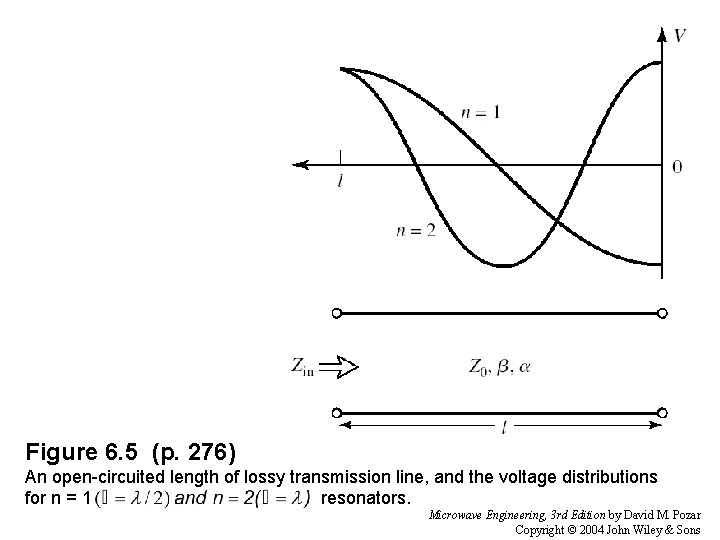
Figure 6. 5 (p. 276) An open-circuited length of lossy transmission line, and the voltage distributions for n = 1 resonators. Microwave Engineering, 3 rd Edition by David M. Pozar Copyright © 2004 John Wiley & Sons
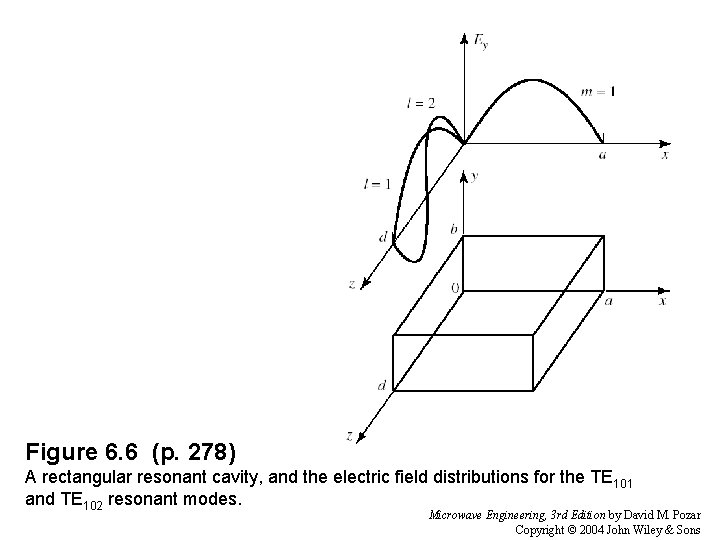
Figure 6. 6 (p. 278) A rectangular resonant cavity, and the electric field distributions for the TE 101 and TE 102 resonant modes. Microwave Engineering, 3 rd Edition by David M. Pozar Copyright © 2004 John Wiley & Sons
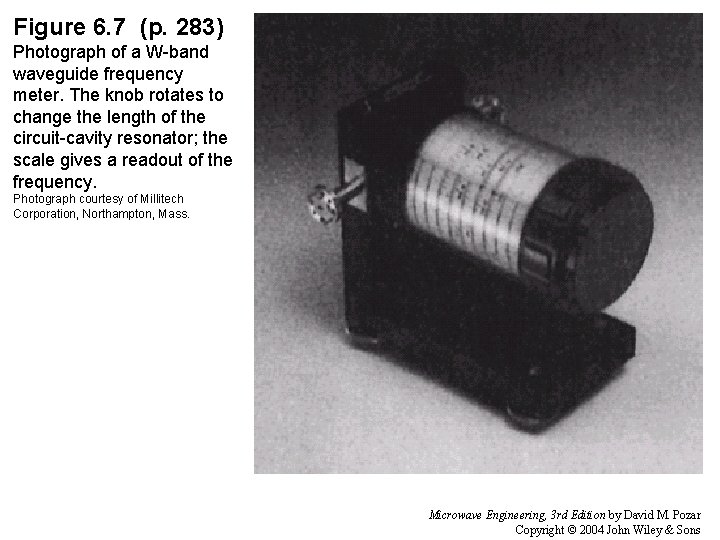
Figure 6. 7 (p. 283) Photograph of a W-band waveguide frequency meter. The knob rotates to change the length of the circuit-cavity resonator; the scale gives a readout of the frequency. Photograph courtesy of Millitech Corporation, Northampton, Mass. Microwave Engineering, 3 rd Edition by David M. Pozar Copyright © 2004 John Wiley & Sons
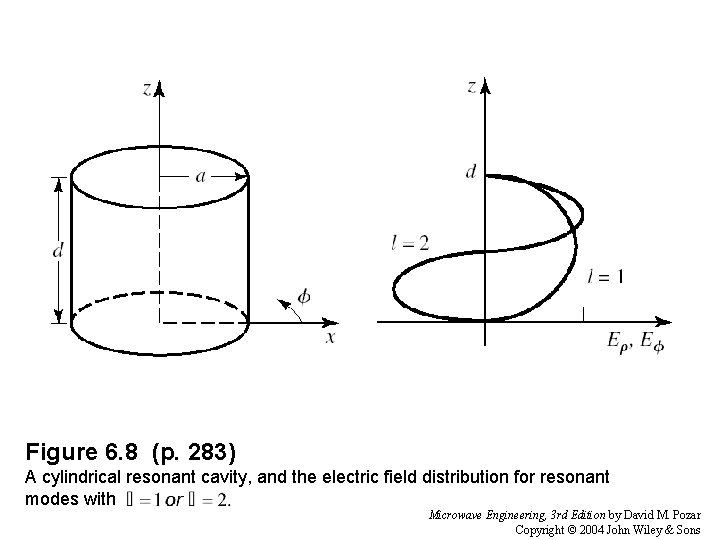
Figure 6. 8 (p. 283) A cylindrical resonant cavity, and the electric field distribution for resonant modes with Microwave Engineering, 3 rd Edition by David M. Pozar Copyright © 2004 John Wiley & Sons
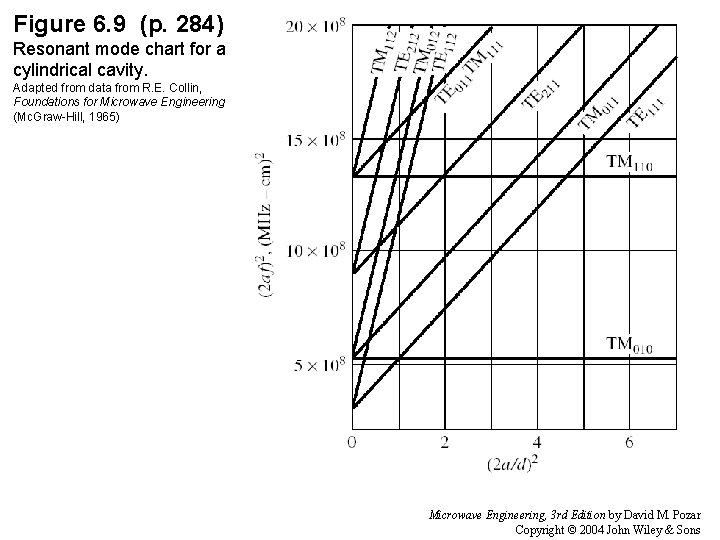
Figure 6. 9 (p. 284) Resonant mode chart for a cylindrical cavity. Adapted from data from R. E. Collin, Foundations for Microwave Engineering (Mc. Graw-Hill, 1965) Microwave Engineering, 3 rd Edition by David M. Pozar Copyright © 2004 John Wiley & Sons
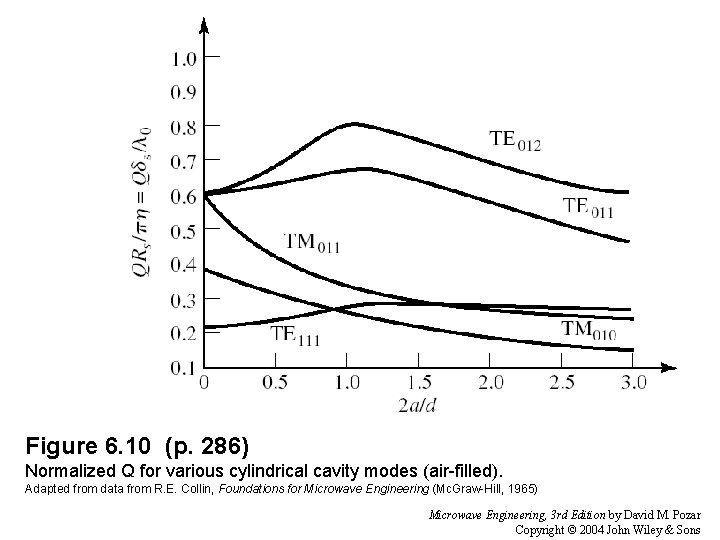
Figure 6. 10 (p. 286) Normalized Q for various cylindrical cavity modes (air-filled). Adapted from data from R. E. Collin, Foundations for Microwave Engineering (Mc. Graw-Hill, 1965) Microwave Engineering, 3 rd Edition by David M. Pozar Copyright © 2004 John Wiley & Sons
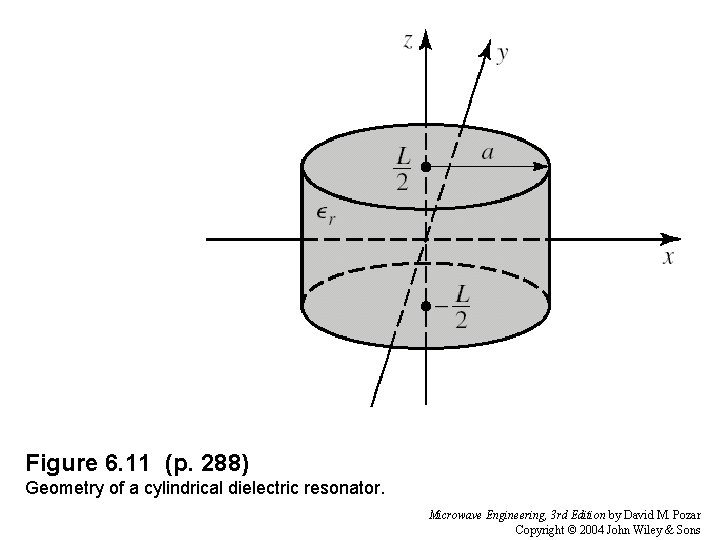
Figure 6. 11 (p. 288) Geometry of a cylindrical dielectric resonator. Microwave Engineering, 3 rd Edition by David M. Pozar Copyright © 2004 John Wiley & Sons
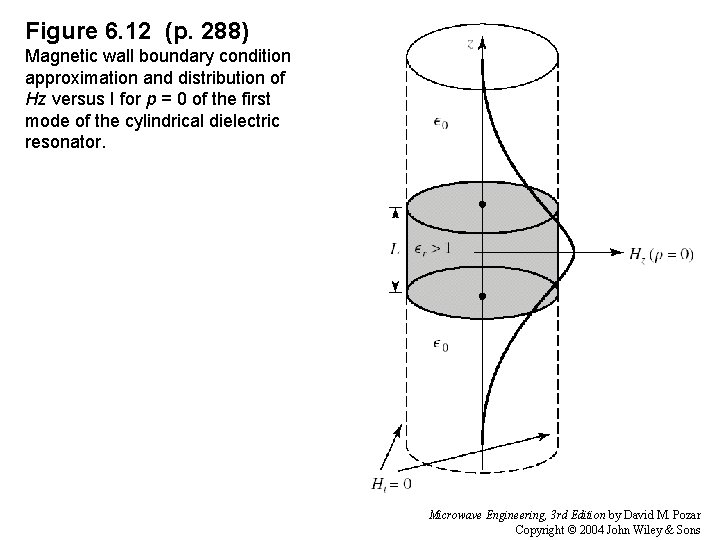
Figure 6. 12 (p. 288) Magnetic wall boundary condition approximation and distribution of Hz versus I for p = 0 of the first mode of the cylindrical dielectric resonator. Microwave Engineering, 3 rd Edition by David M. Pozar Copyright © 2004 John Wiley & Sons
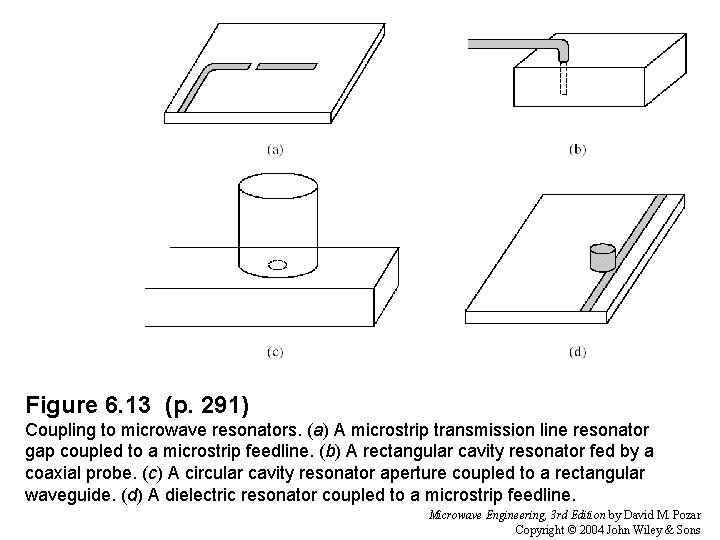
Figure 6. 13 (p. 291) Coupling to microwave resonators. (a) A microstrip transmission line resonator gap coupled to a microstrip feedline. (b) A rectangular cavity resonator fed by a coaxial probe. (c) A circular cavity resonator aperture coupled to a rectangular waveguide. (d) A dielectric resonator coupled to a microstrip feedline. Microwave Engineering, 3 rd Edition by David M. Pozar Copyright © 2004 John Wiley & Sons
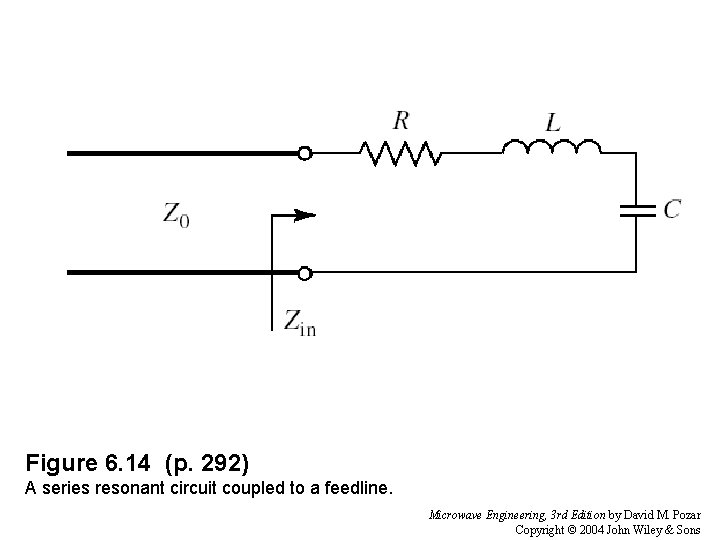
Figure 6. 14 (p. 292) A series resonant circuit coupled to a feedline. Microwave Engineering, 3 rd Edition by David M. Pozar Copyright © 2004 John Wiley & Sons
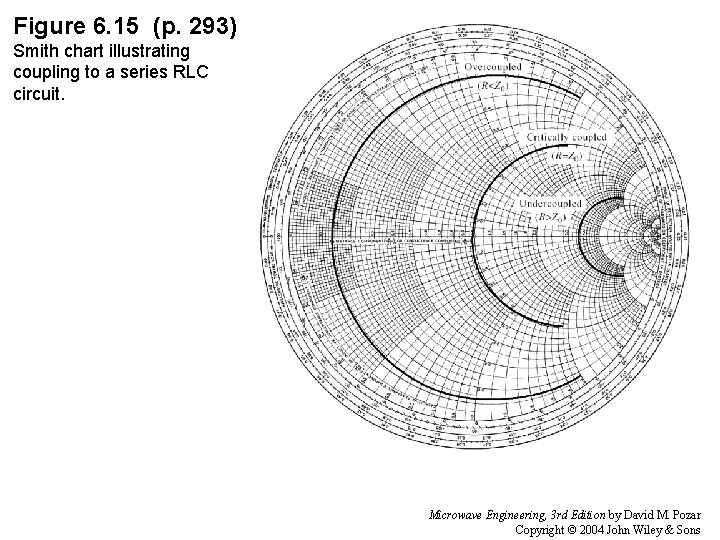
Figure 6. 15 (p. 293) Smith chart illustrating coupling to a series RLC circuit. Microwave Engineering, 3 rd Edition by David M. Pozar Copyright © 2004 John Wiley & Sons
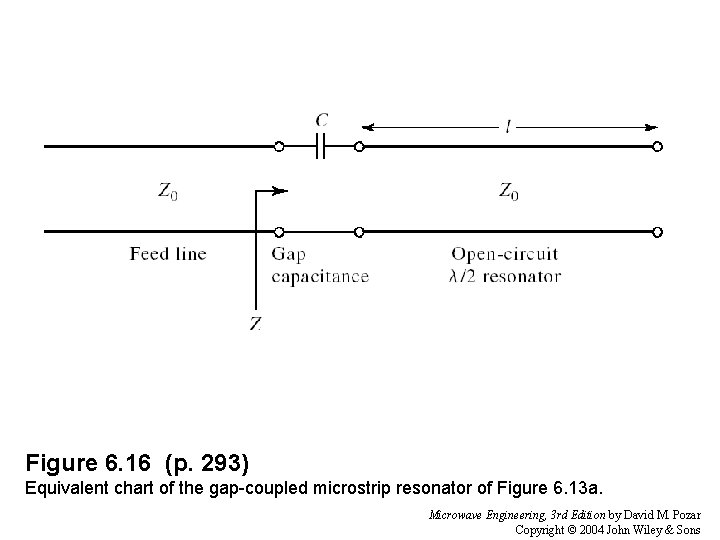
Figure 6. 16 (p. 293) Equivalent chart of the gap-coupled microstrip resonator of Figure 6. 13 a. Microwave Engineering, 3 rd Edition by David M. Pozar Copyright © 2004 John Wiley & Sons
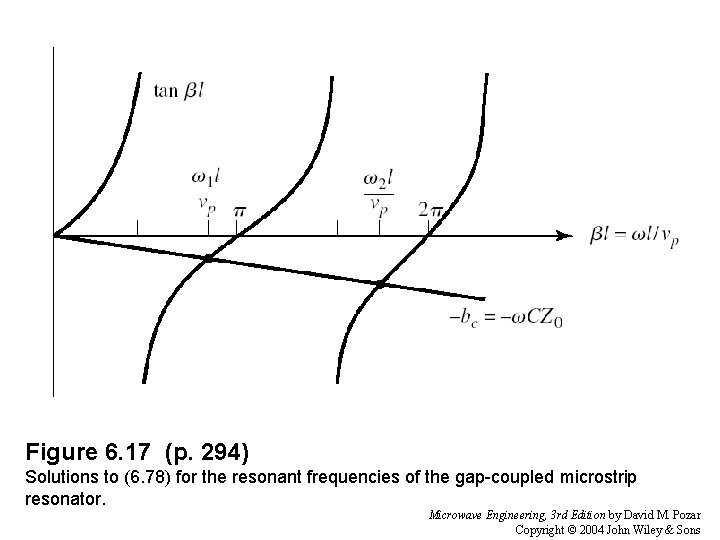
Figure 6. 17 (p. 294) Solutions to (6. 78) for the resonant frequencies of the gap-coupled microstrip resonator. Microwave Engineering, 3 rd Edition by David M. Pozar Copyright © 2004 John Wiley & Sons
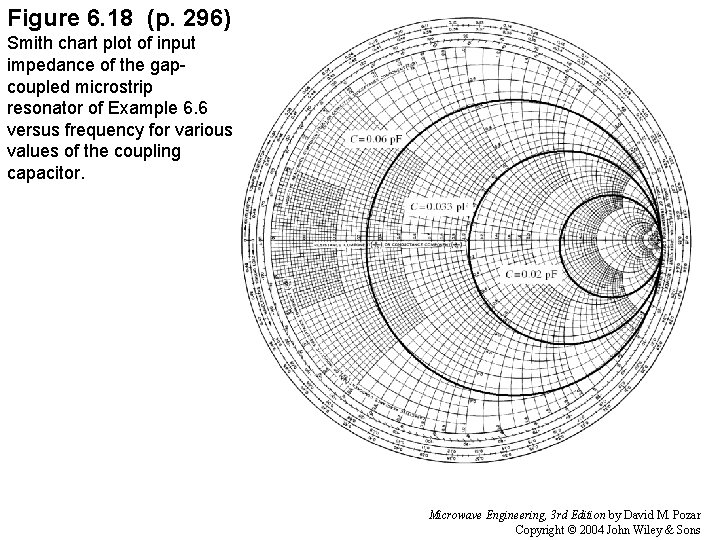
Figure 6. 18 (p. 296) Smith chart plot of input impedance of the gapcoupled microstrip resonator of Example 6. 6 versus frequency for various values of the coupling capacitor. Microwave Engineering, 3 rd Edition by David M. Pozar Copyright © 2004 John Wiley & Sons
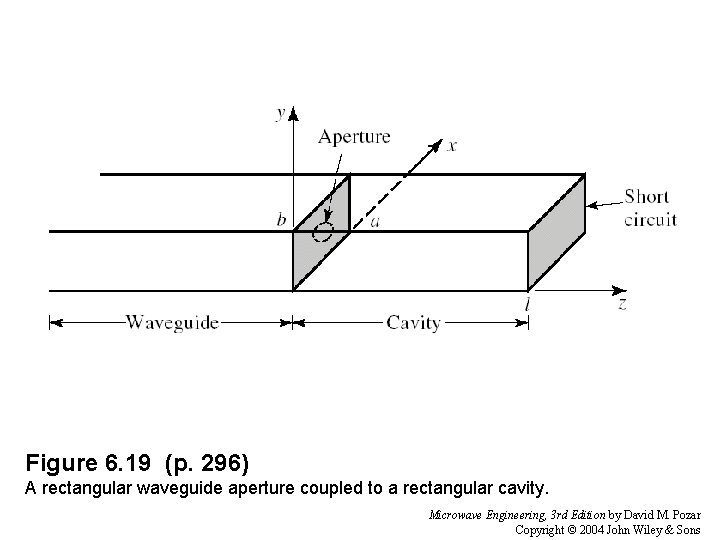
Figure 6. 19 (p. 296) A rectangular waveguide aperture coupled to a rectangular cavity. Microwave Engineering, 3 rd Edition by David M. Pozar Copyright © 2004 John Wiley & Sons
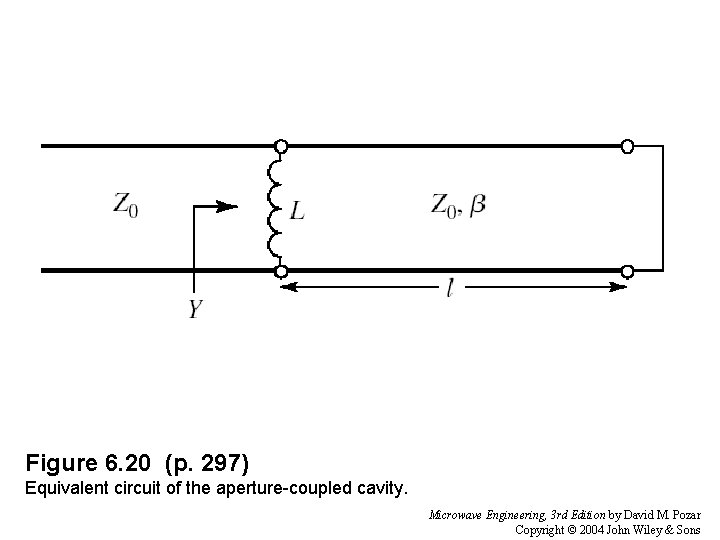
Figure 6. 20 (p. 297) Equivalent circuit of the aperture-coupled cavity. Microwave Engineering, 3 rd Edition by David M. Pozar Copyright © 2004 John Wiley & Sons
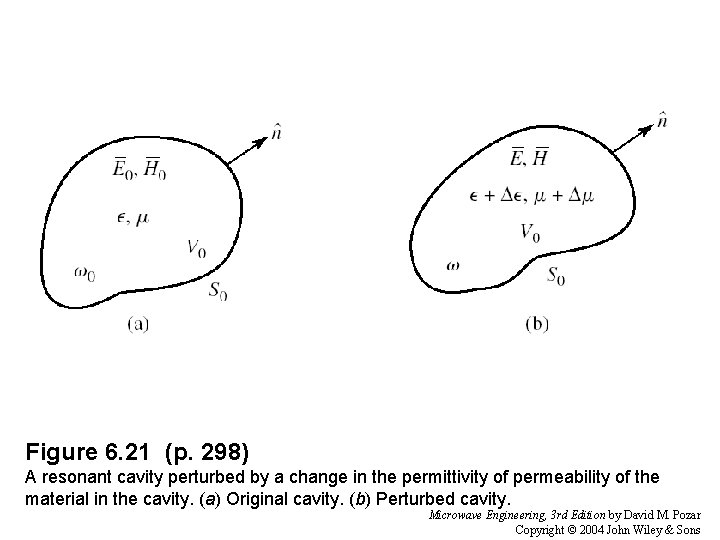
Figure 6. 21 (p. 298) A resonant cavity perturbed by a change in the permittivity of permeability of the material in the cavity. (a) Original cavity. (b) Perturbed cavity. Microwave Engineering, 3 rd Edition by David M. Pozar Copyright © 2004 John Wiley & Sons
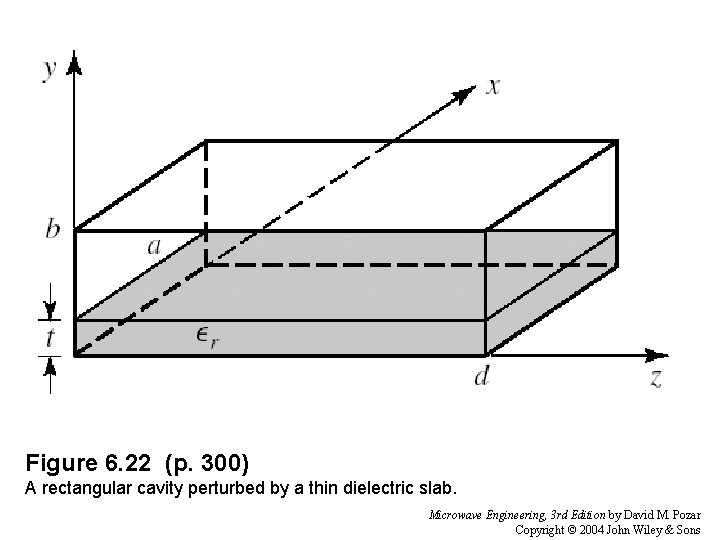
Figure 6. 22 (p. 300) A rectangular cavity perturbed by a thin dielectric slab. Microwave Engineering, 3 rd Edition by David M. Pozar Copyright © 2004 John Wiley & Sons
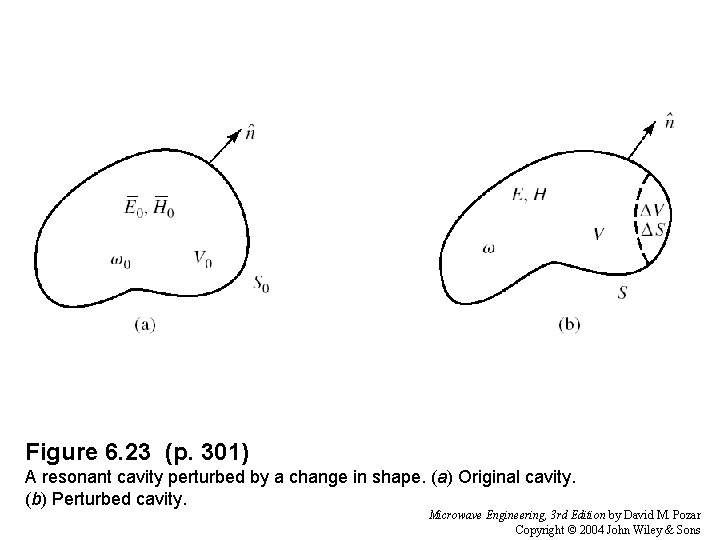
Figure 6. 23 (p. 301) A resonant cavity perturbed by a change in shape. (a) Original cavity. (b) Perturbed cavity. Microwave Engineering, 3 rd Edition by David M. Pozar Copyright © 2004 John Wiley & Sons
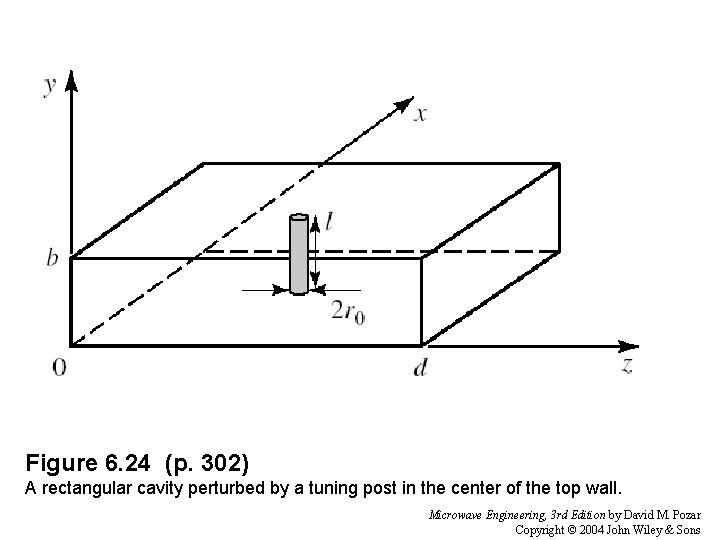
Figure 6. 24 (p. 302) A rectangular cavity perturbed by a tuning post in the center of the top wall. Microwave Engineering, 3 rd Edition by David M. Pozar Copyright © 2004 John Wiley & Sons