
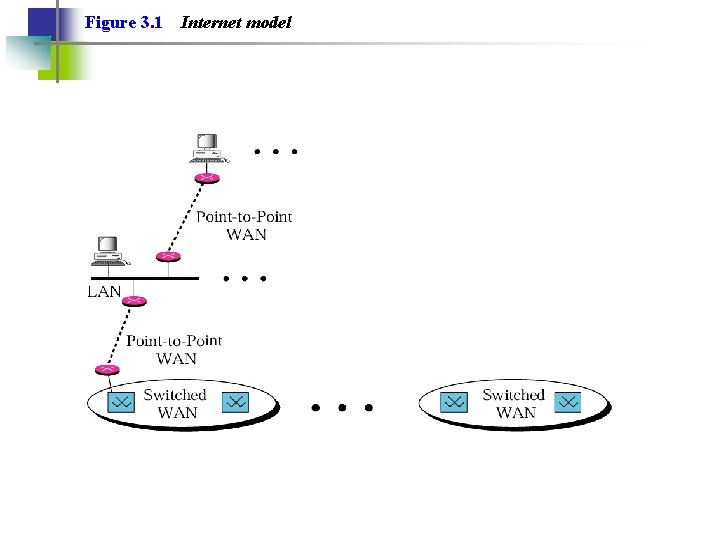
Figure 3 1 Internet model Underlying Technology Local

- Slides: 17
Figure 3. 1 Internet model
Underlying Technology
Local Area Networks A local area network (LAN) is a data communication system that allows a number of independent devices to communicate directly with each other in a limited geographic area such as a single department, a single building, or a campus. A large organization may need several connected LANs. The most popular LANs are Ethernet and wireless LANs. We briefly review these technologies in this section.
Ethernet Traditional Ethernet had a 10 -Mbps data rate Access Method : CSMA/CD ( carrier sense multiple access with collision detection )
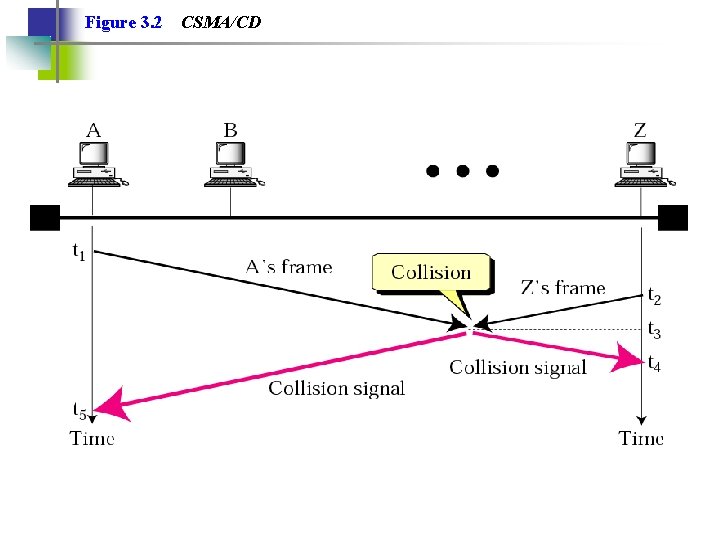
Figure 3. 2 CSMA/CD
1 - every station has an equal right to the media (multiple access) 2 - every station with frame to send first listens to (sense )the medium. if there is no data on the medium , the station can start sending (carrier sense) 3 - it may happen that two stations both sense the medium , find it idle , and start sending. In this case a collision occurs. The protocol forces the station to continue to listen to the line after sending begun If there is collision , all station sense collision Each sending station sending a jam signal to destroy the data on the line Each station waits a different random time , try again random time prevent the simultaneous re-sending of data.
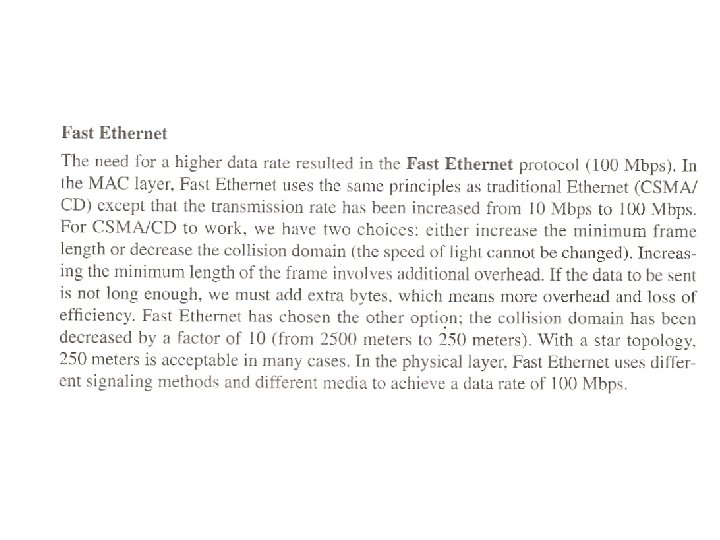
The factor are related in the CSMA/CD 1 -minimum frame length (bit) 2 - data transmission rate (bps) 3 - collision domain (m). (max network distance ) The time the station needs to wait to be sure that there is no data on the line =min frame length/transmission rate =the time required to send out the minimum frame length Min frame length/ transmission rate is proportional to Collision domain / propagation speed
In traditional Ethernet Min frame length =520 bits Transmission rate=10 Mbps Propagation speed = speed of light Collision domain = 2500 m
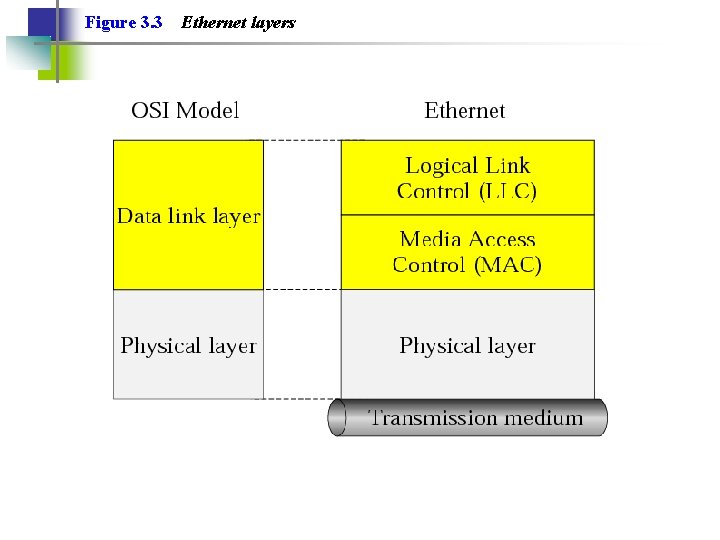
Figure 3. 3 Ethernet layers
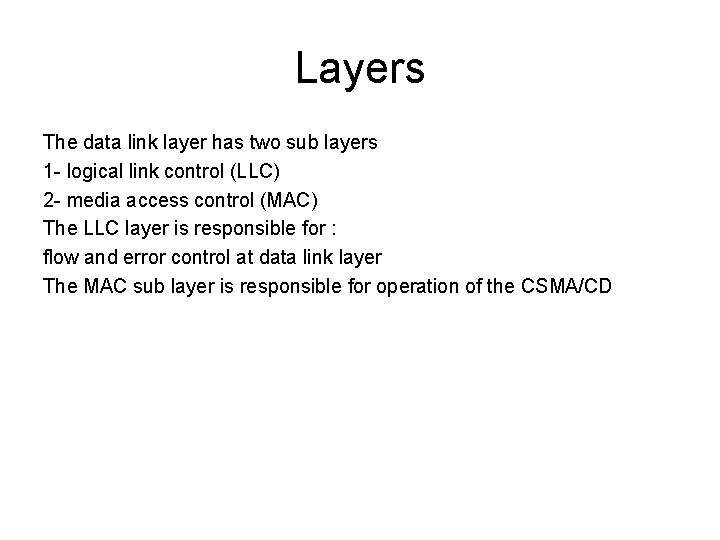
Layers The data link layer has two sub layers 1 - logical link control (LLC) 2 - media access control (MAC) The LLC layer is responsible for : flow and error control at data link layer The MAC sub layer is responsible for operation of the CSMA/CD
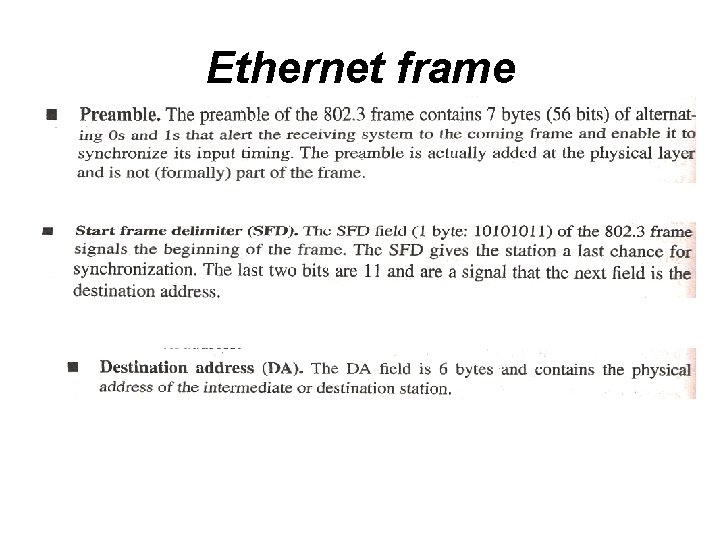
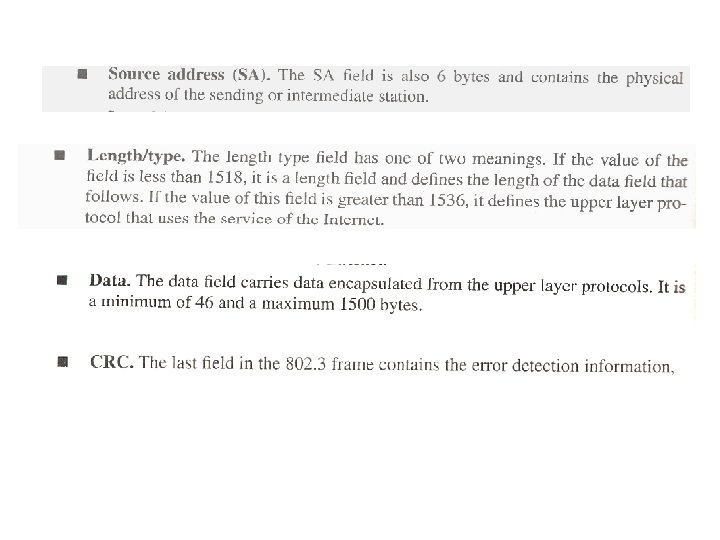
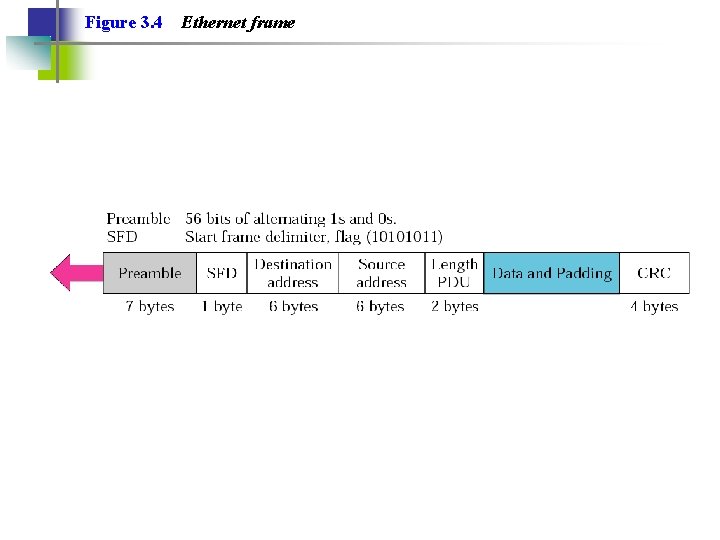
Ethernet frame
Figure 3. 4 Ethernet frame
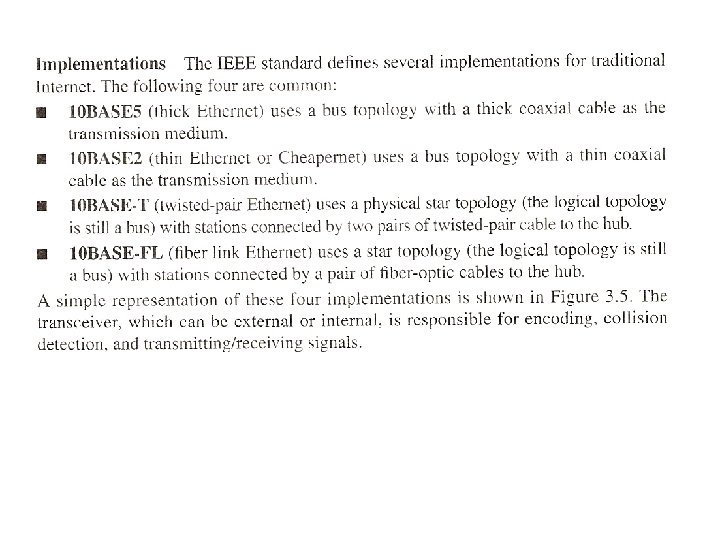
Figure 3. 5 Ethernet implementations