
Figure 10 35 Adaptive mate guarding by the
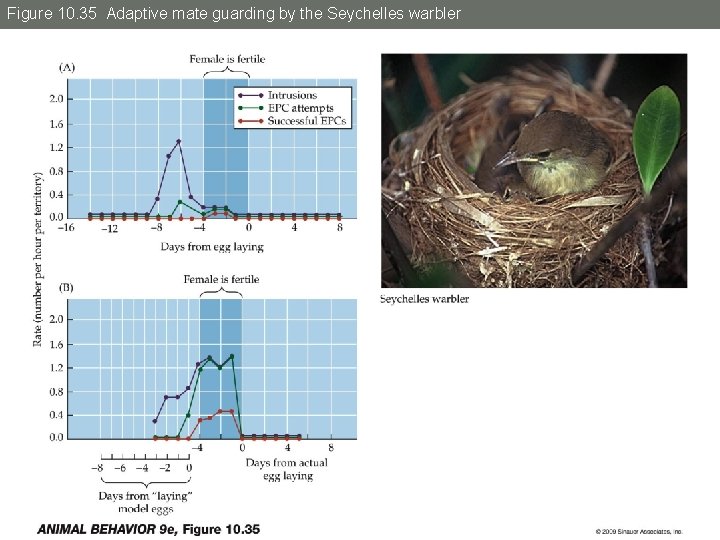
Figure 10. 35 Adaptive mate guarding by the Seychelles warbler
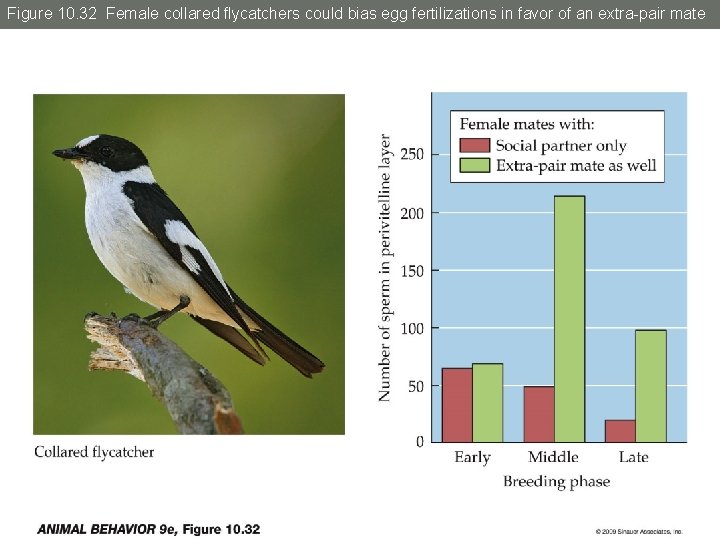
Figure 10. 32 Female collared flycatchers could bias egg fertilizations in favor of an extra-pair mate


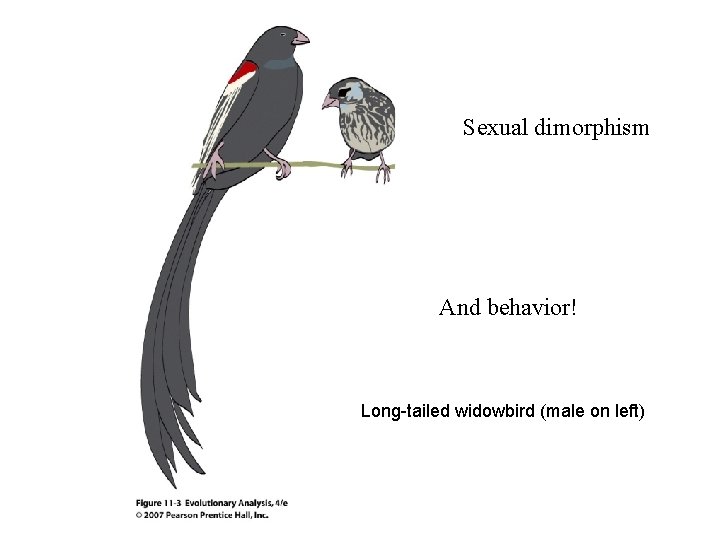
Sexual dimorphism And behavior! Long-tailed widowbird (male on left)
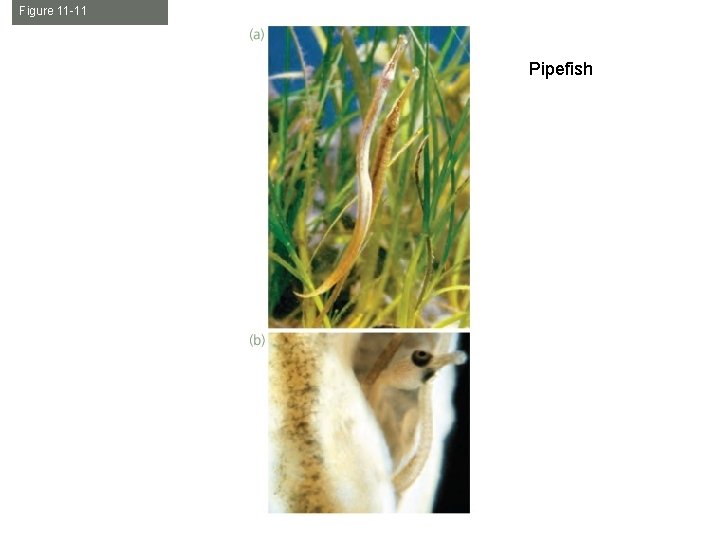
Figure 11 -11 Pipefish
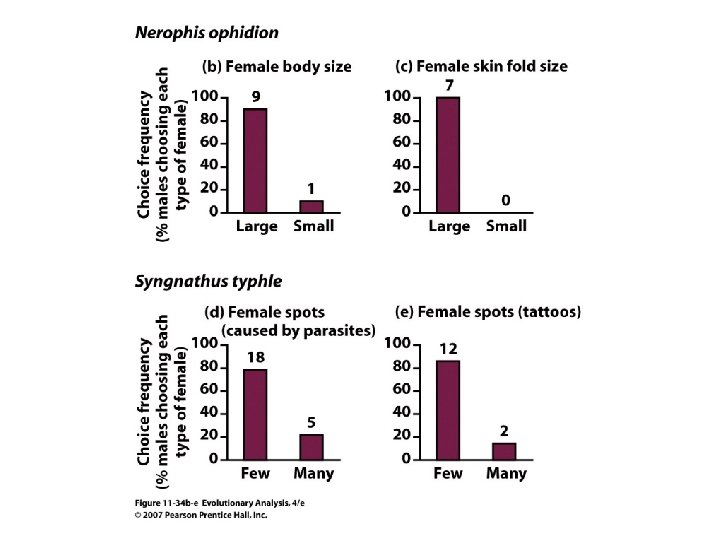
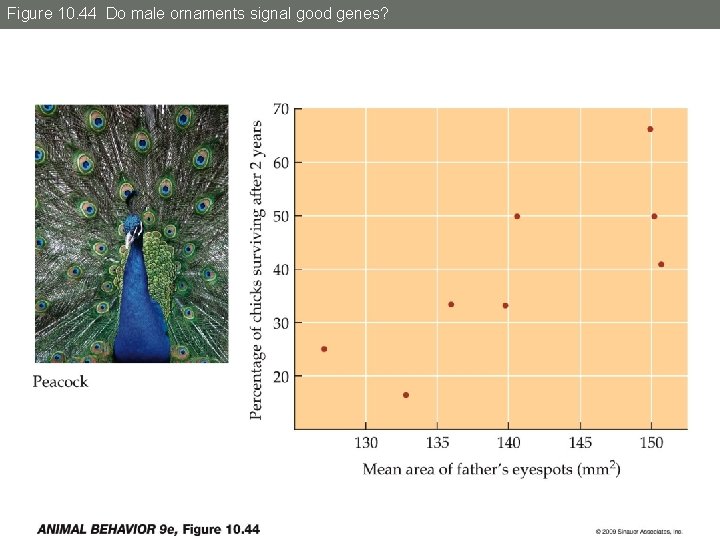
Figure 10. 44 Do male ornaments signal good genes?
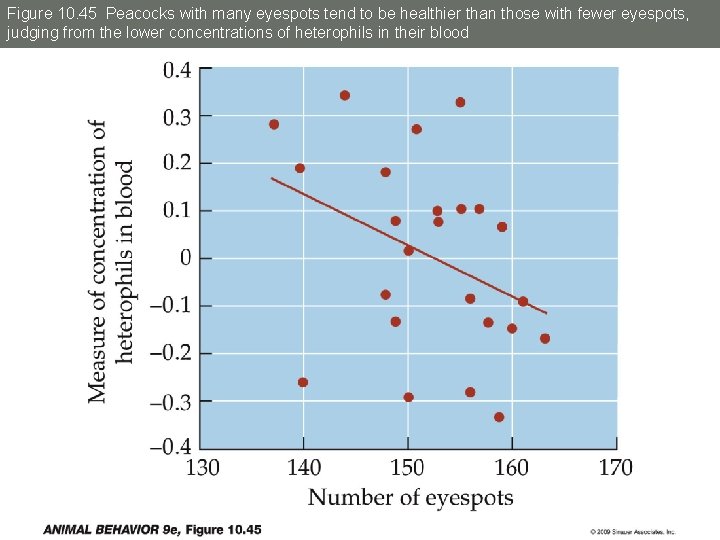
Figure 10. 45 Peacocks with many eyespots tend to be healthier than those with fewer eyespots, judging from the lower concentrations of heterophils in their blood
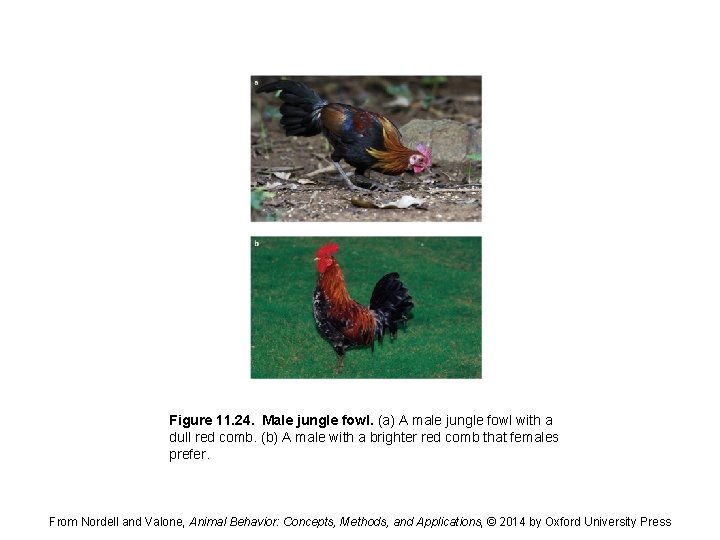
Figure 11. 24. Male jungle fowl. (a) A male jungle fowl with a dull red comb. (b) A male with a brighter red comb that females prefer. From Nordell and Valone, Animal Behavior: Concepts, Methods, and Applications, © 2014 by Oxford University Press
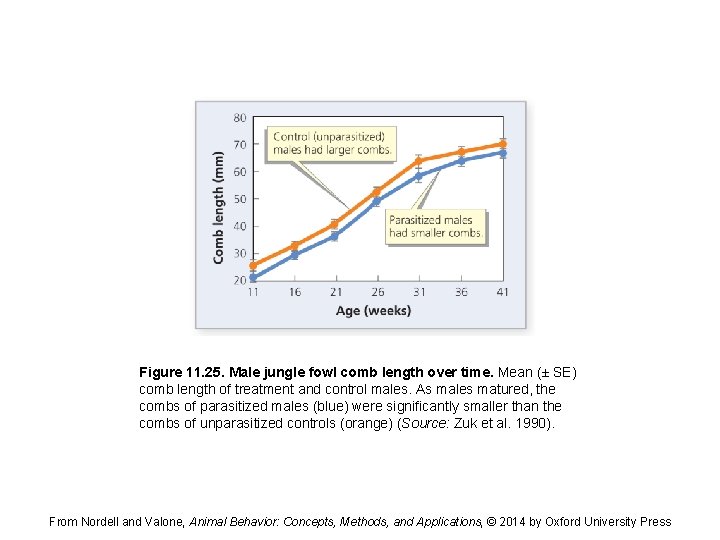
Figure 11. 25. Male jungle fowl comb length over time. Mean (± SE) comb length of treatment and control males. As males matured, the combs of parasitized males (blue) were significantly smaller than the combs of unparasitized controls (orange) (Source: Zuk et al. 1990). From Nordell and Valone, Animal Behavior: Concepts, Methods, and Applications, © 2014 by Oxford University Press
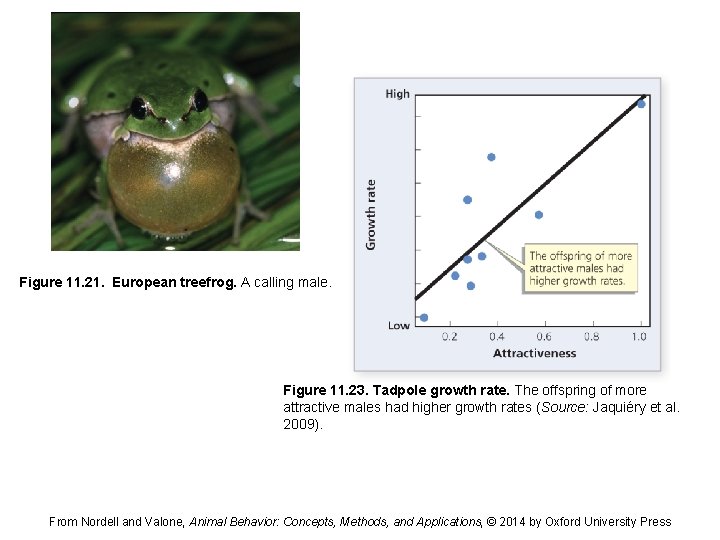
Figure 11. 21. European treefrog. A calling male. Figure 11. 23. Tadpole growth rate. The offspring of more attractive males had higher growth rates (Source: Jaquiéry et al. 2009). From Nordell and Valone, Animal Behavior: Concepts, Methods, and Applications, © 2014 by Oxford University Press
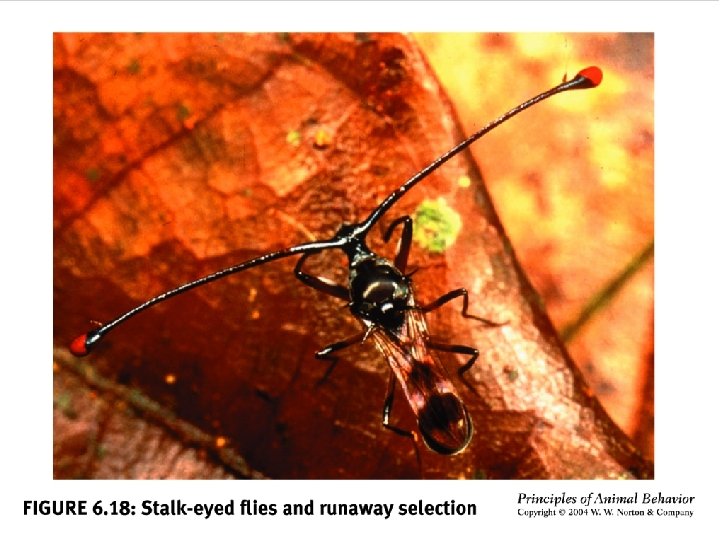
Fig. 6. 18
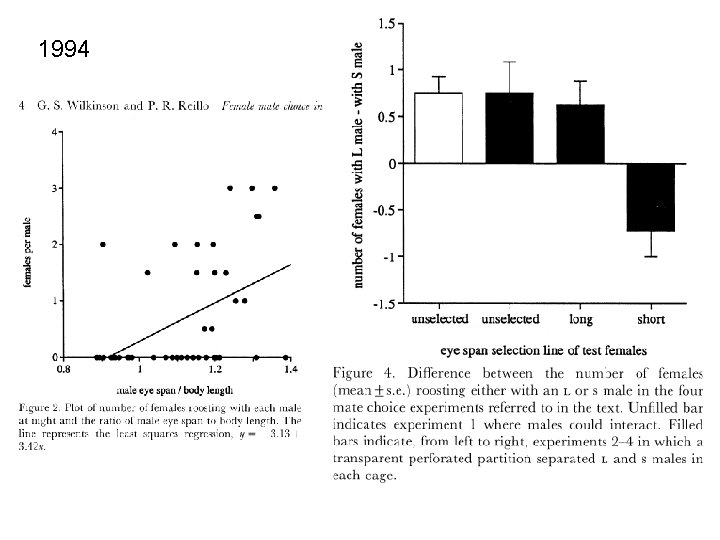
1994
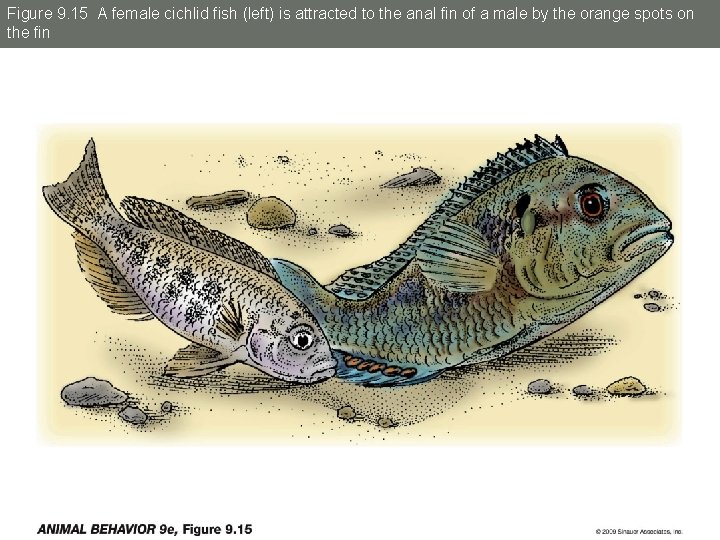
Figure 9. 15 A female cichlid fish (left) is attracted to the anal fin of a male by the orange spots on the fin
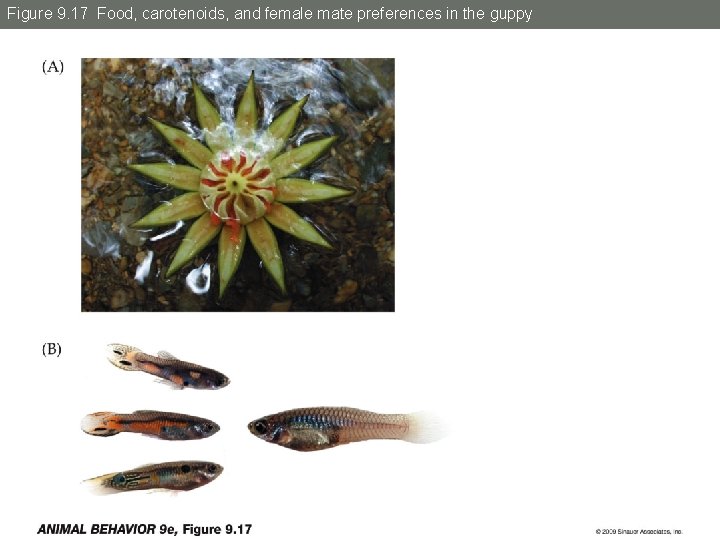
Figure 9. 17 Food, carotenoids, and female mate preferences in the guppy
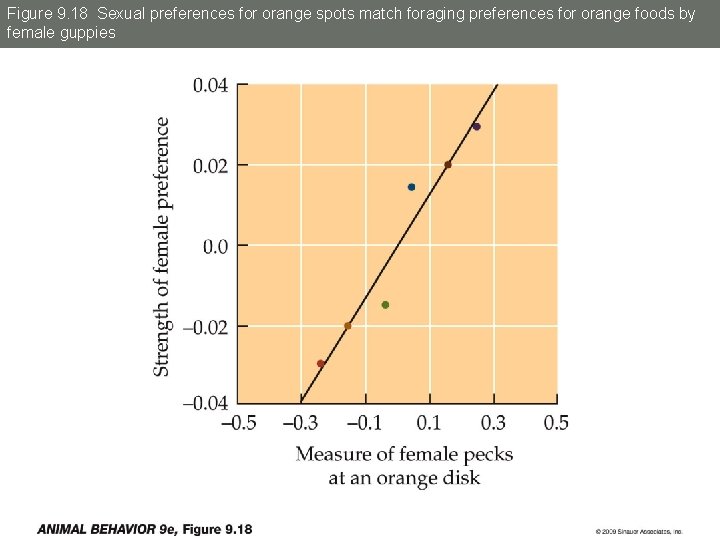
Figure 9. 18 Sexual preferences for orange spots match foraging preferences for orange foods by female guppies
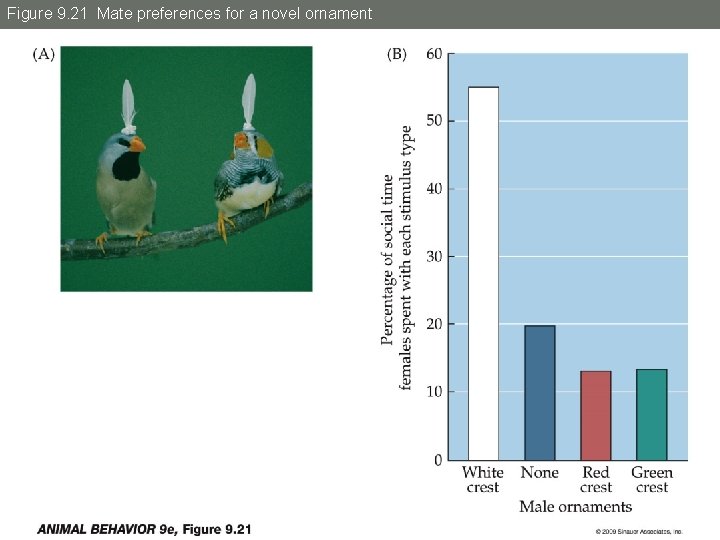
Figure 9. 21 Mate preferences for a novel ornament
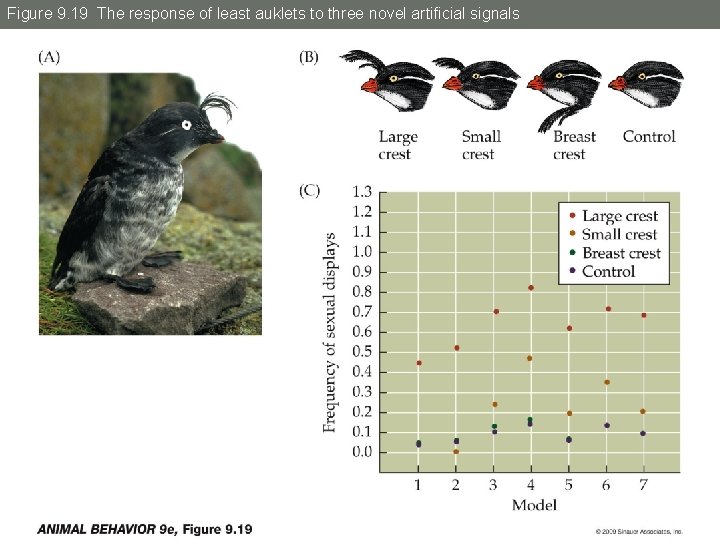
Figure 9. 19 The response of least auklets to three novel artificial signals
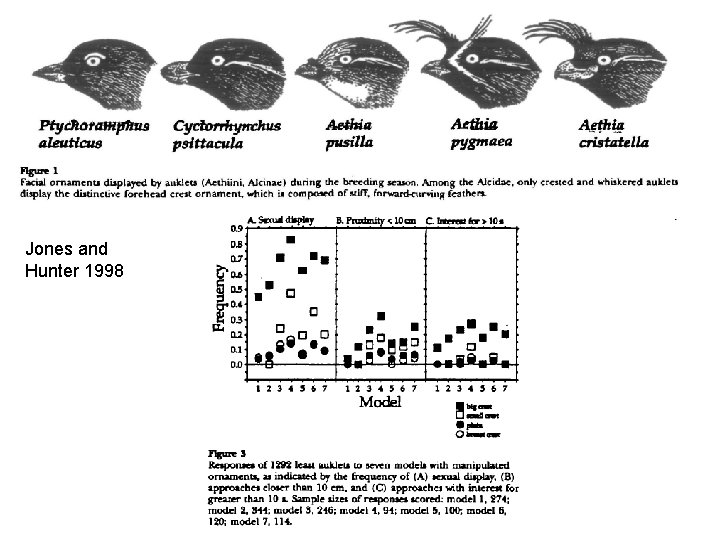
Jones and Hunter 1998
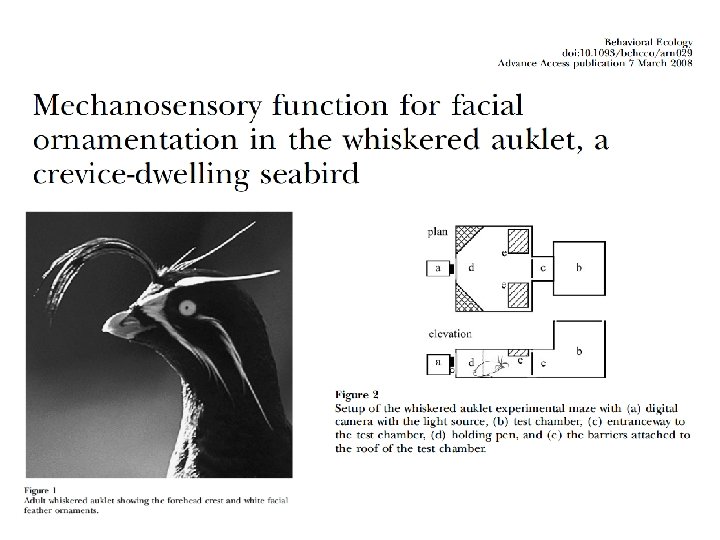
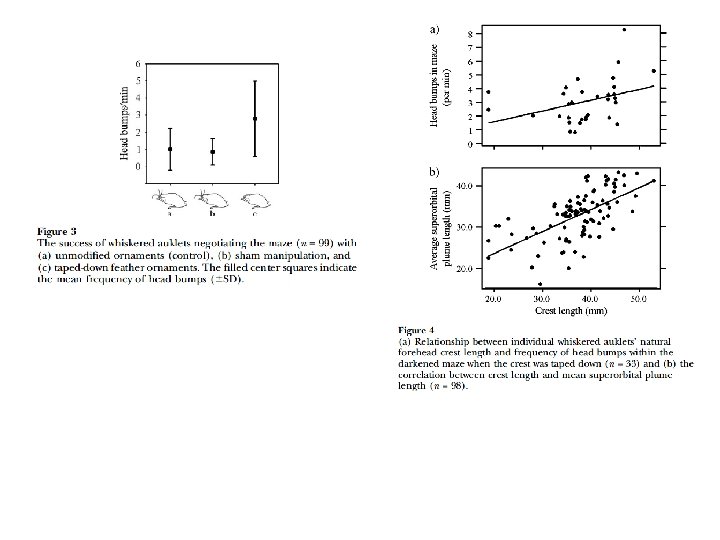
- Slides: 26