
Figurative language in The Lady or the Tiger
- Slides: 9
Figurative language in “The Lady or the Tiger? ”
Allusion A figure of speech that makes reference to a person, place, or event--real or fictional.
In the story… “Nothing pleased him so much as to make the crooked straight and crush down uneven places. ” In the King James Bible… “I will go before thee, and make the crooked places straight. I will break in pieces the gates of brass, and cut in sunder the bars of iron. ”
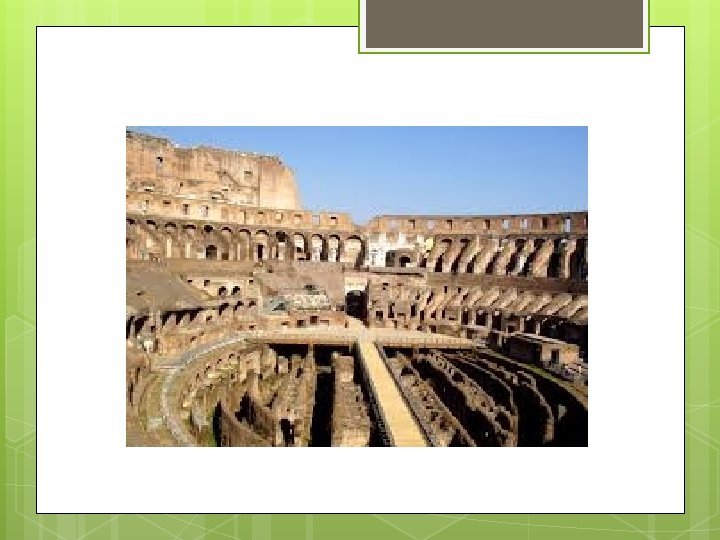
Roman Coliseum The king’s entire system of “justice” is an allusion to the Roman Coliseum • The Romans built the Coliseum in 70 AD. • It was an amphitheater covering 6 acres. • It is the most famous structure to survive 2, 000 years from the Classical World. • One of its many gruesome purposes was to entertain the Romans with violent gladiator games. • It could hold up to 80, 000 spectators.
Situational Irony A situation where the final outcome is contradictory to what is expected.
The 3 rd person omniscient narrator describes the “reward” the king’s subject will receive when he chooses the door with the lady behind it and gets married on the spot.
Idiom A form of expression that is not taken literally and is understood by a specific group of people.
“Every barleycorn a king. ” This is a modified version of the expression “every inch a king, ” which means ‘thoroughly kingly. ” Origin of the expression: In the past, grains of barley were used as units of measurement.