
Figurative Language FIGURATIVE LANGUAGE The opposite of literal
- Slides: 30
Figurative Language
FIGURATIVE LANGUAGE The opposite of literal language is figurative language. Figurative language is language that means more than what it says on the surface. s It usually gives us a feeling about its subject. s A writer’s tool s It helps the reader to visualize (see) what the writer is thinking s It puts a picture in the readers mind
WHAT IS FIGURATIVE LANGUAGE? s Whenever you describe something by comparing it with something else, you are using figurative language.
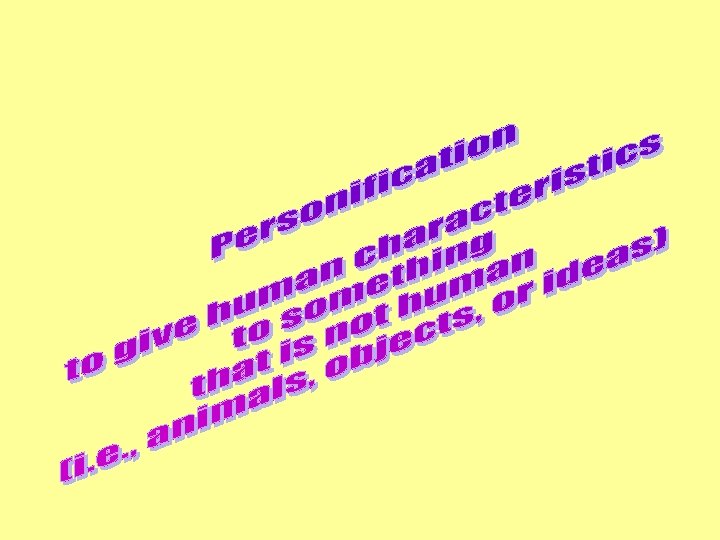
TYPES OF FIGURATIVE LANGUAGE s s s s s Simile Metaphor Personification Alliteration Assonance Consonance Onomatopoeia Hyperbole Idioms Allusion
Simile a direct comparison between two unlike things or a way of describing something by comparing it to something else, usually using the words “like” or “as”
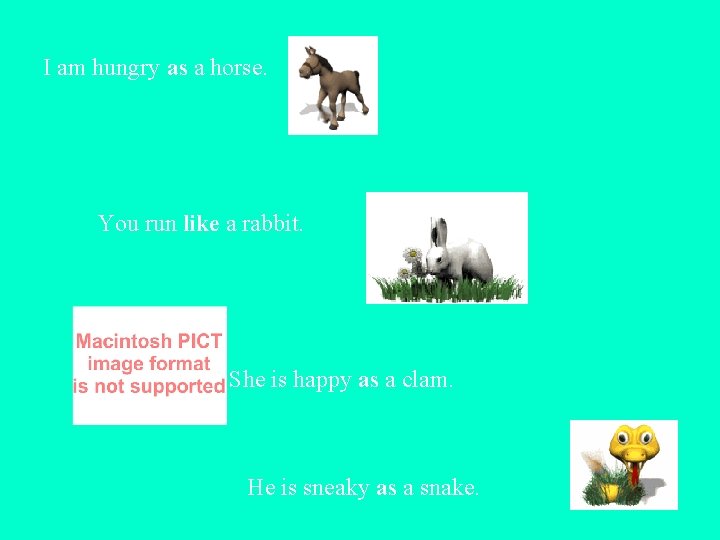
I am hungry as a horse. You run like a rabbit. She is happy as a clam. He is sneaky as a snake.
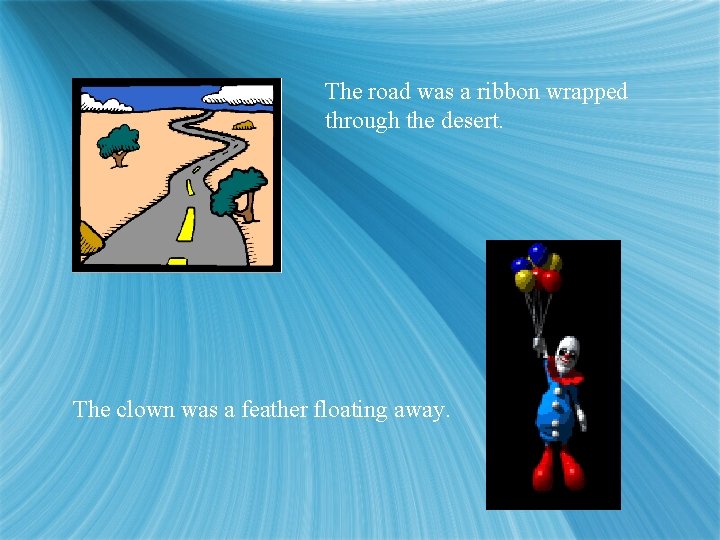
The road was a ribbon wrapped through the desert. The clown was a feather floating away.
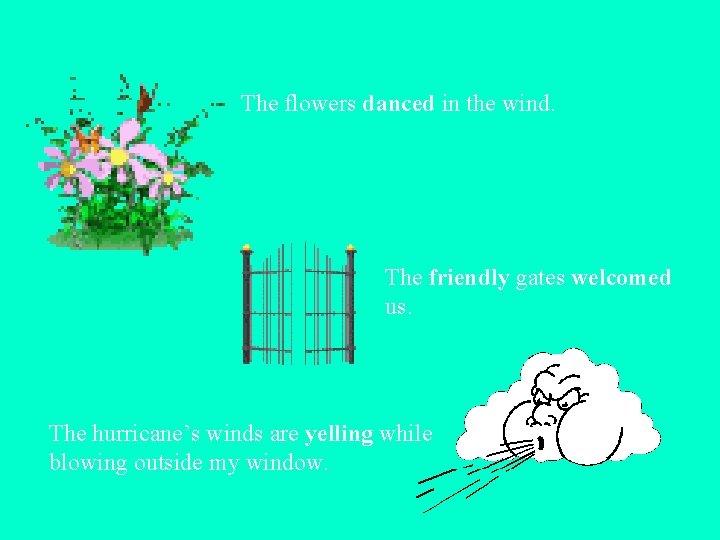
The flowers danced in the wind. The friendly gates welcomed us. The hurricane’s winds are yelling while blowing outside my window.
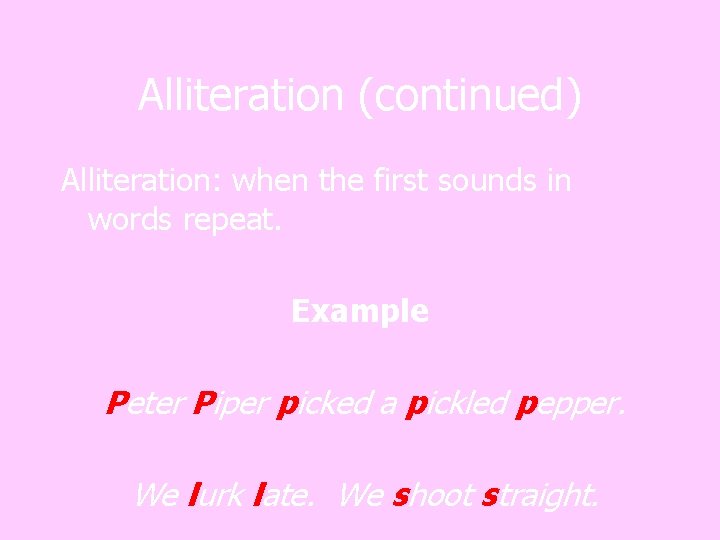
Alliteration (continued) Alliteration: when the first sounds in words repeat. Example Peter Piper picked a pickled pepper. We lurk late. We shoot straight.
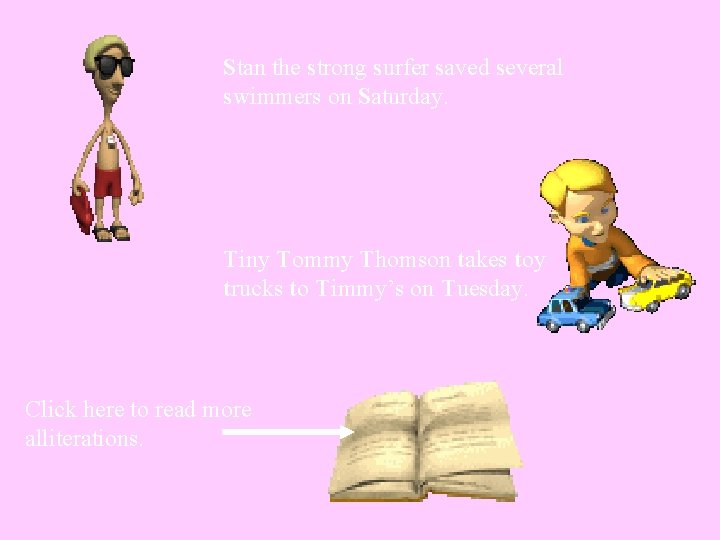
Stan the strong surfer saved several swimmers on Saturday. Tiny Tommy Thomson takes toy trucks to Timmy’s on Tuesday. Click here to read more alliterations.
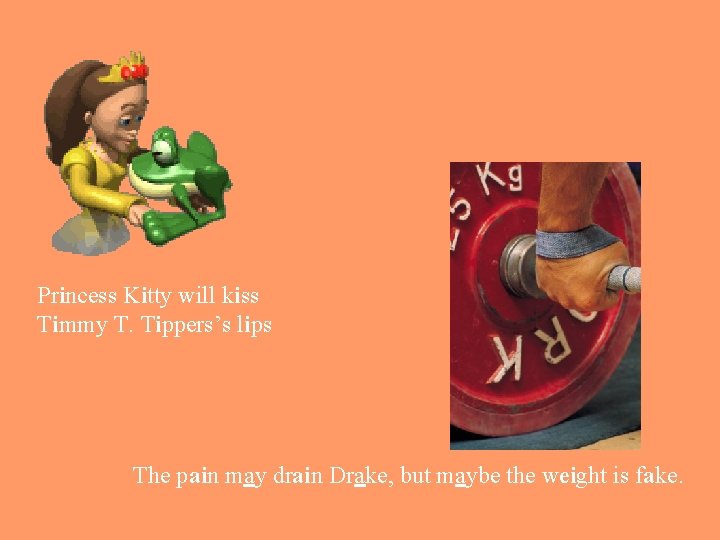
Princess Kitty will kiss Timmy T. Tippers’s lips The pain may drain Drake, but maybe the weight is fake.
Consonance When consonants repeat in the middle or end of words. Vowels: a, e, i, o, u, and sometimes y. Consonants: all other letters. Examples Mammals named Sam are clammy. Curse, bless me now! With fierce tears I prey.
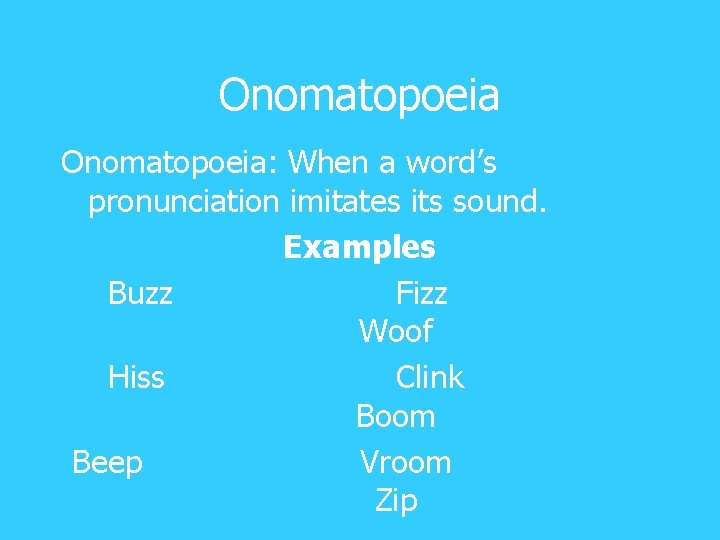
Onomatopoeia: When a word’s pronunciation imitates its sound. Examples Buzz Fizz Woof Hiss Clink Boom Beep Vroom Zip
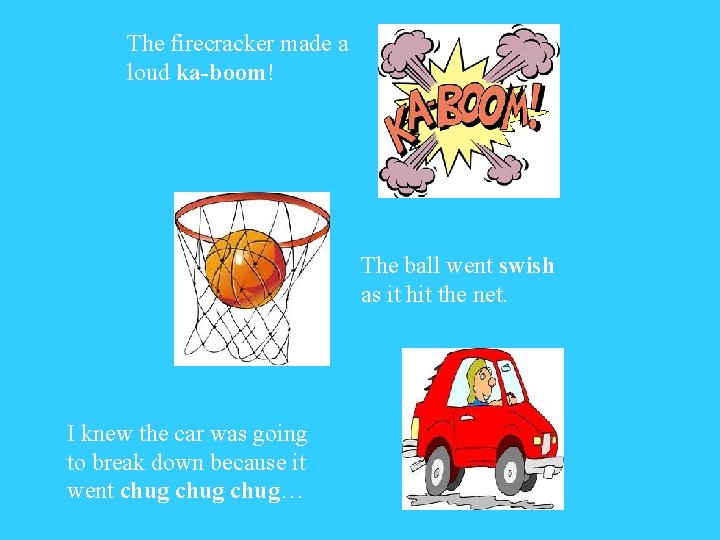
The firecracker made a loud ka-boom! I knew the car was going to break down because it went chug… The ball went swish as it hit the net.
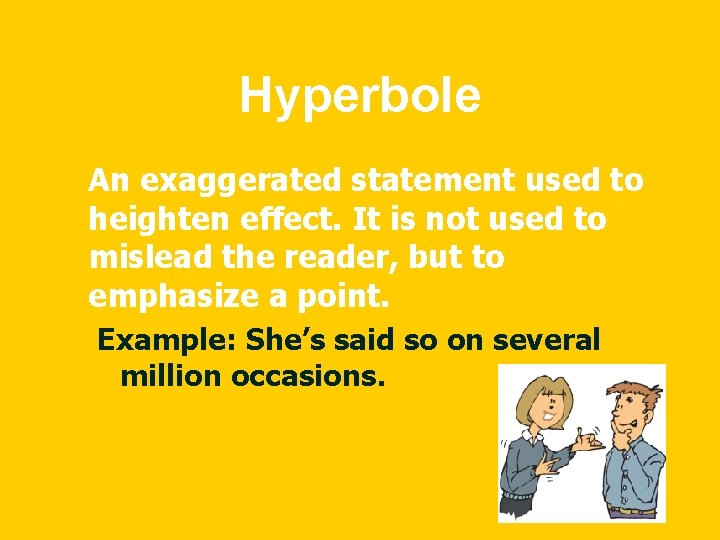
Hyperbole s An exaggerated statement used to heighten effect. It is not used to mislead the reader, but to emphasize a point. Example: She’s said so on several million occasions.
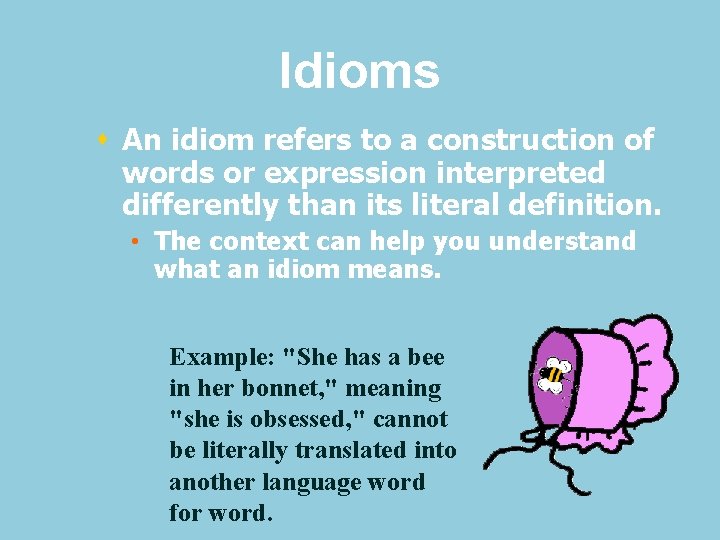
Idioms s An idiom refers to a construction of words or expression interpreted differently than its literal definition. • The context can help you understand what an idiom means. Example: "She has a bee in her bonnet, " meaning "she is obsessed, " cannot be literally translated into another language word for word.
Idioms (continued) s An expression that carries a different meaning because of the context in which it is used s “slang” terms Examples “Up the creek without a paddle” “On top of the world” “Fingers crossed” “Shake a leg” or “Break a leg” “Put a lid on it” “It’s raining cats and dogs”
Allusion s A reference to a person, event, period of history, or to another well-known work of literature s The writer assumes will recognize the reference Example 1. Someone being as reliable as George Washington or as reliable as Benedict Arnold s Washington was reliable, Arnold was not s Jesus' story portrays him dying on the cross in order to save mankind (Matthew 27: 45 -56) 2. To communicate the idea of self-sacrifice by referring to Jesus
Practice Quiz I’ll put some lines of poetry on the board. Write down which techniques are used: alliteration, assonance, consonance, onomatopoeia Some poems use more than one technique.
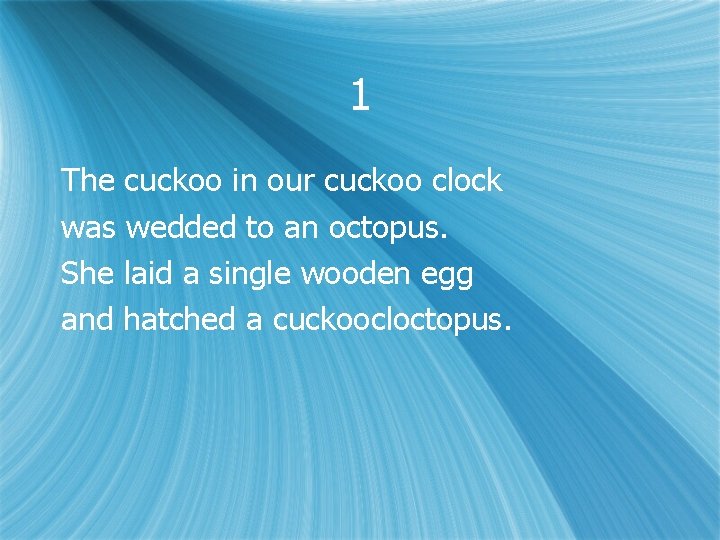
1 The cuckoo in our cuckoo clock was wedded to an octopus. She laid a single wooden egg and hatched a cuckoocloctopus.
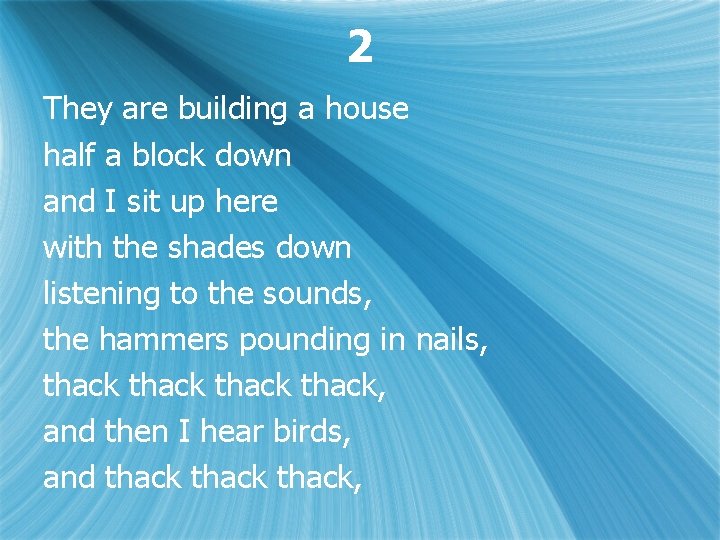
2 They are building a house half a block down and I sit up here with the shades down listening to the sounds, the hammers pounding in nails, thack, and then I hear birds, and thack,
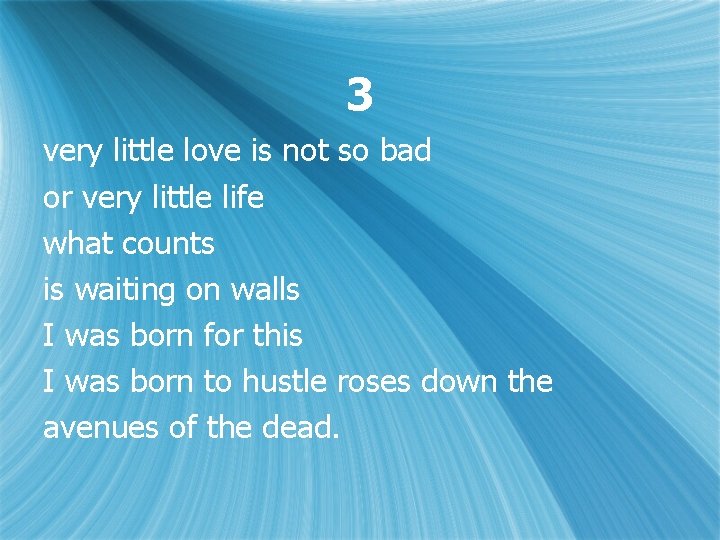
3 very little love is not so bad or very little life what counts is waiting on walls I was born for this I was born to hustle roses down the avenues of the dead.
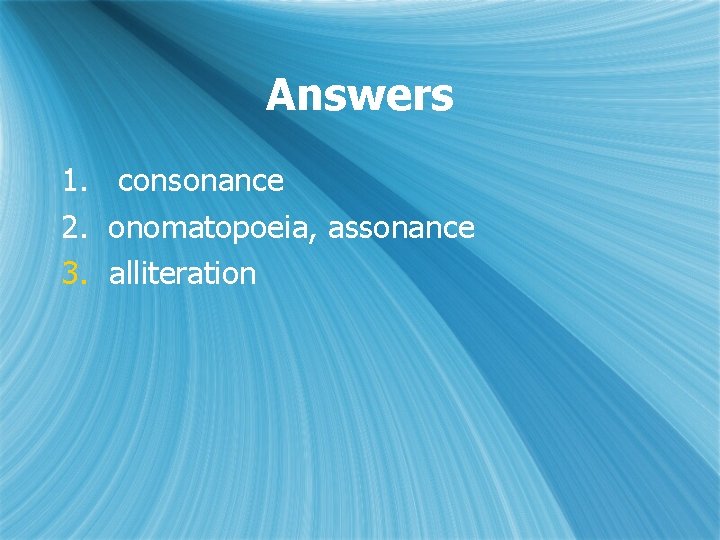
Answers 1. consonance 2. onomatopoeia, assonance 3. alliteration
Figurative Language Resources s s Eye on Idioms (Online PPT) Paint by Idioms (Game) Alliteration or Simile? (Quiz) Similes and Metaphors (PPT) The Search for Similes, Metaphors, and Idioms (PPT) Alliteration (PPT) Onomatopoeia (PPT) Personification (PPT) Hyperbole (PPT) Idioms (PPT) Simile (PPT)
s s s s Teaching Similes and Metaphors Alliteration Lesson Plan and Resources http: //volweb. utk. edu/Schools/bedford/harrisms/1 allitera. htm Hyperbole- Lesson Plans and Resources http: //volweb. utk. edu/Schools/bedford/harrisms/10 lesson. htm Idiom Lesson Plan http: //volweb. utk. edu/Schools/bedford/harrisms/6 lesson. htm Imagery- Lesson Plans and Resources http: //volweb. utk. edu/Schools/bedford/harrisms/imagery 2. htm Lesson Plan for Puns http: //volweb. utk. edu/Schools/bedford/harrisms/5 lesson. htm Onomatopoeia- Lesson Plans and Resources http: //volweb. utk. edu/Schools/bedford/harrisms/9 lesson. htm Personification Lesson Plans and Resources http: //volweb. utk. edu/Schools/bedford/harrisms/7 lesson. htm Proverbs- Lesson Plans and Resources http: //volweb. utk. edu/Schools/bedford/harrisms/proverbs 2. htm