
Fig 12 1 Network topologies Fig 12 2
- Slides: 44
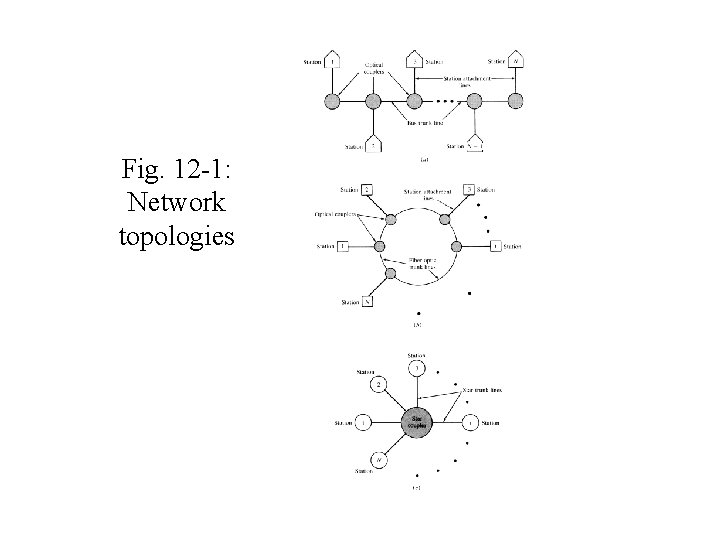
Fig. 12 -1: Network topologies
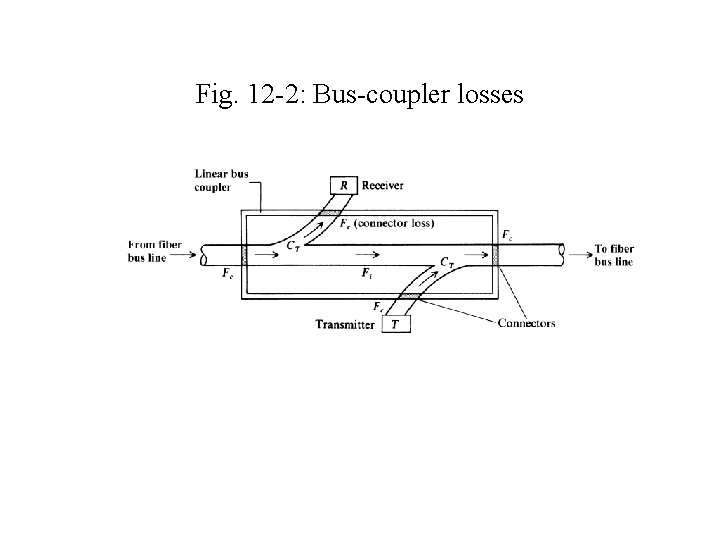
Fig. 12 -2: Bus-coupler losses
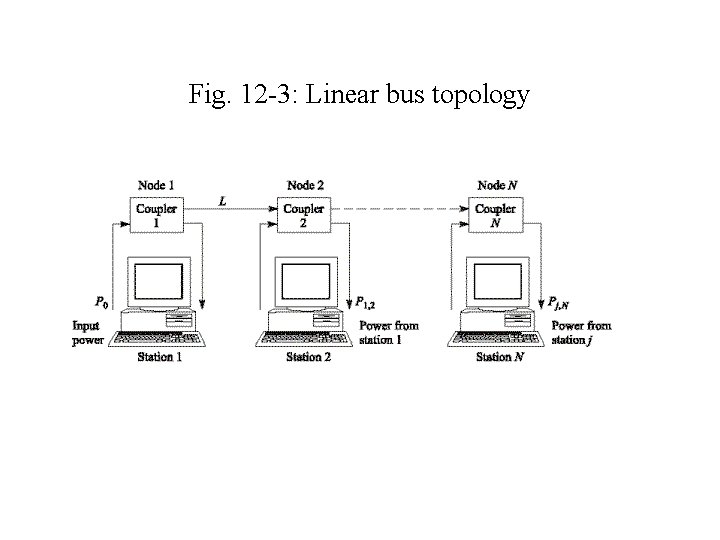
Fig. 12 -3: Linear bus topology
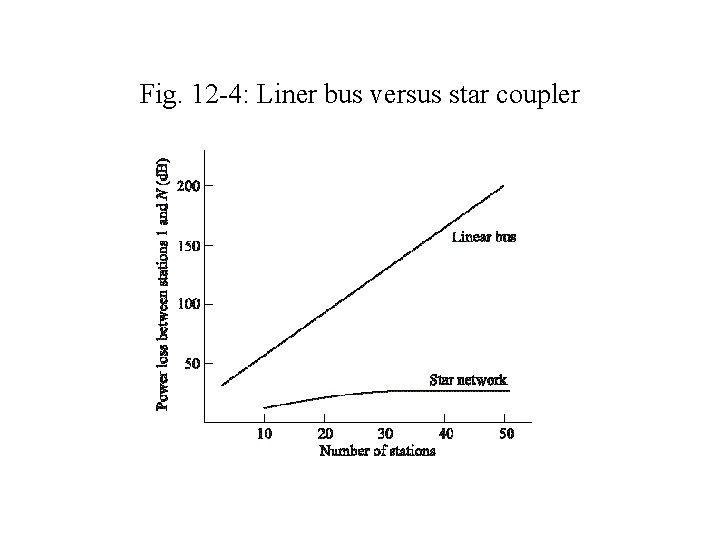
Fig. 12 -4: Liner bus versus star coupler
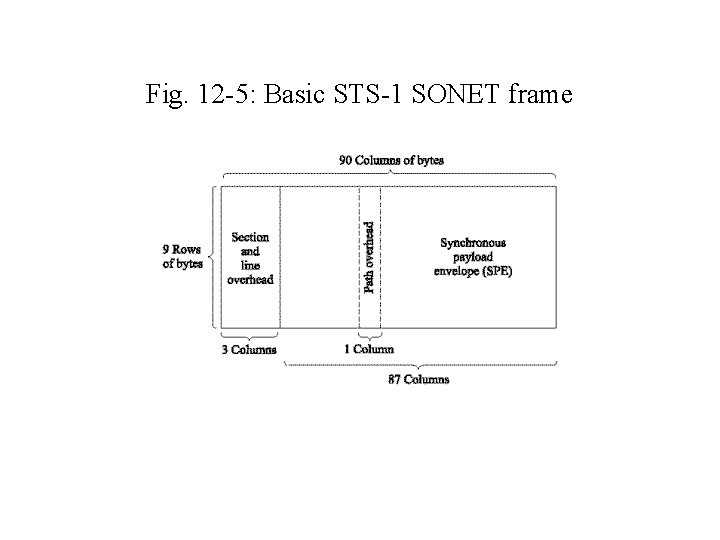
Fig. 12 -5: Basic STS-1 SONET frame
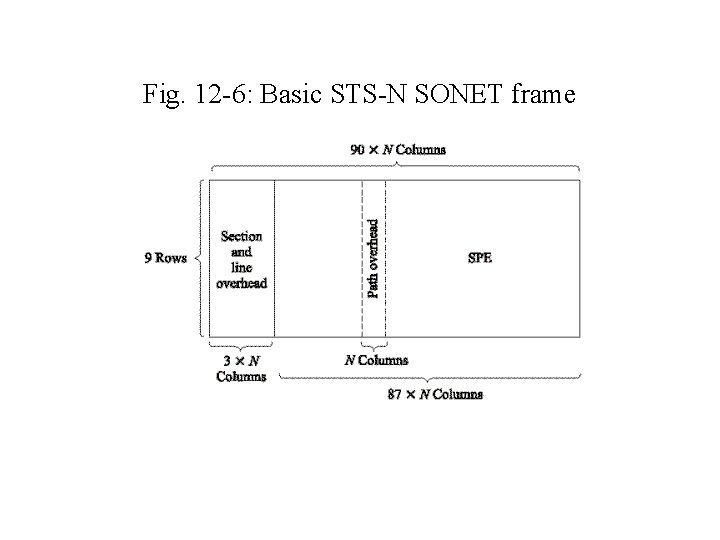
Fig. 12 -6: Basic STS-N SONET frame
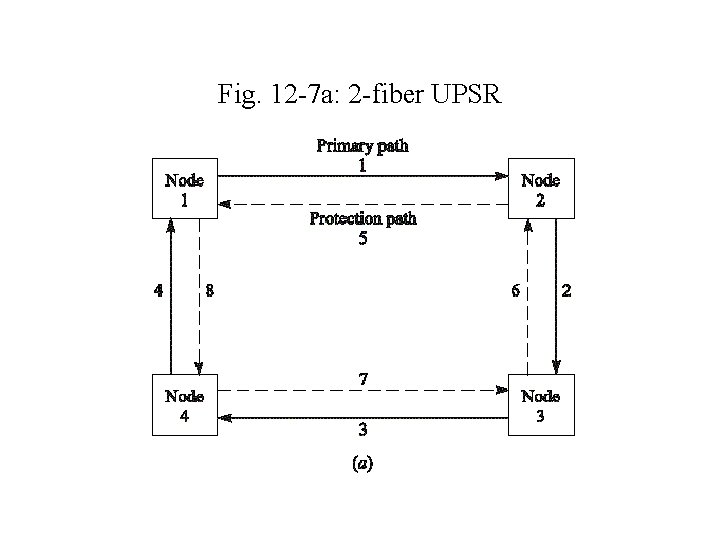
Fig. 12 -7 a: 2 -fiber UPSR
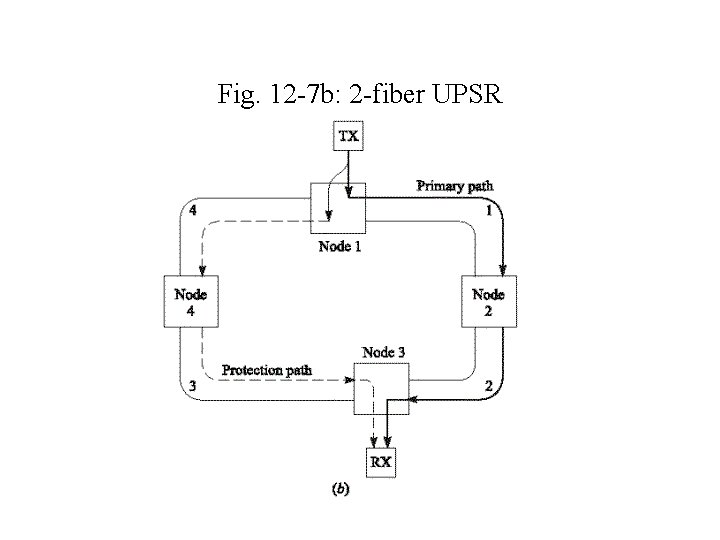
Fig. 12 -7 b: 2 -fiber UPSR
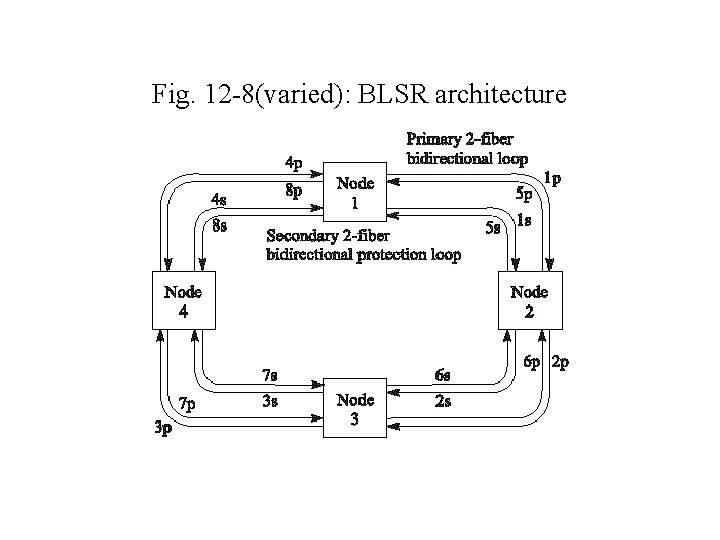
Fig. 12 -8(varied): BLSR architecture
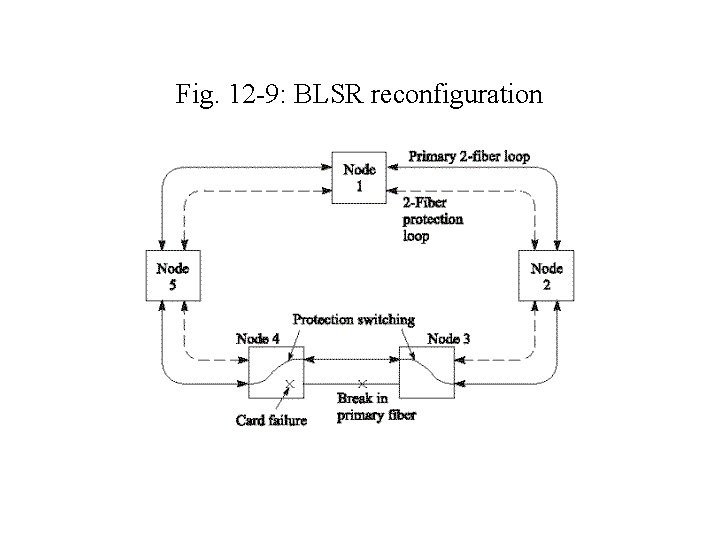
Fig. 12 -9: BLSR reconfiguration
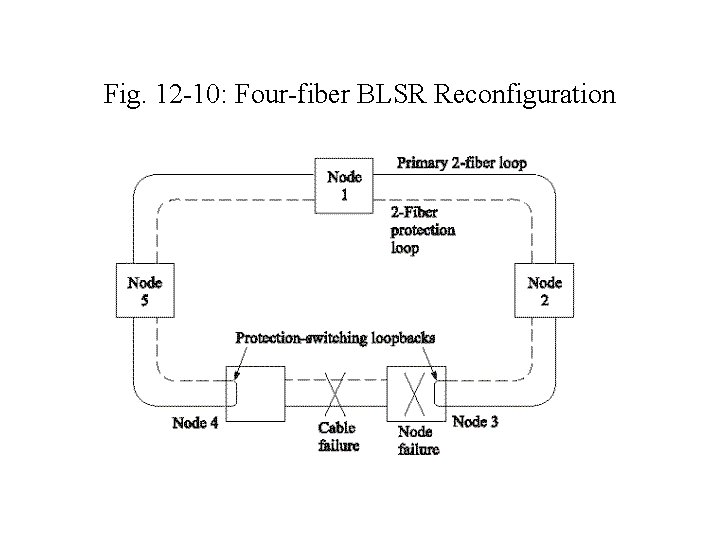
Fig. 12 -10: Four-fiber BLSR Reconfiguration
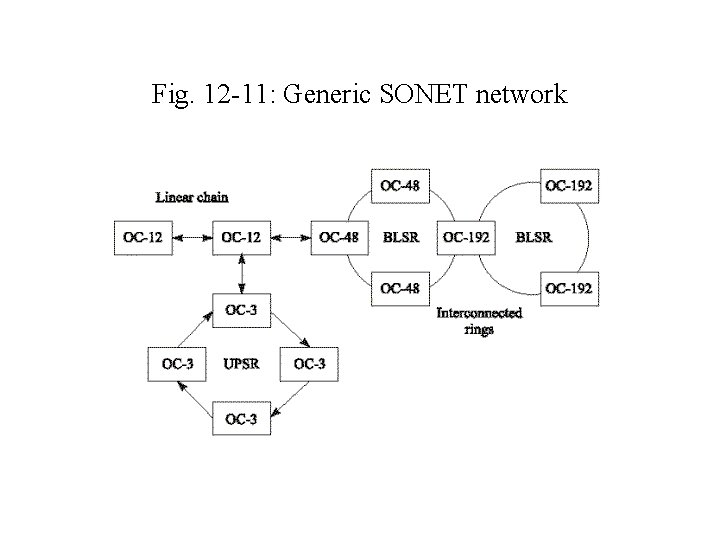
Fig. 12 -11: Generic SONET network
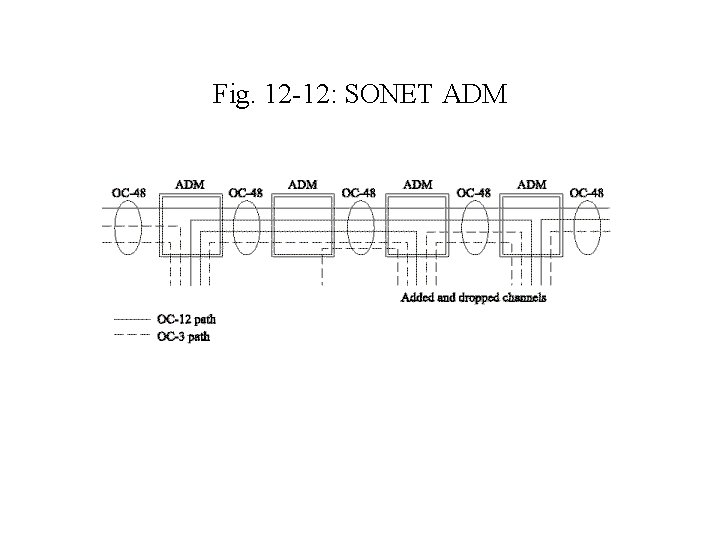
Fig. 12 -12: SONET ADM
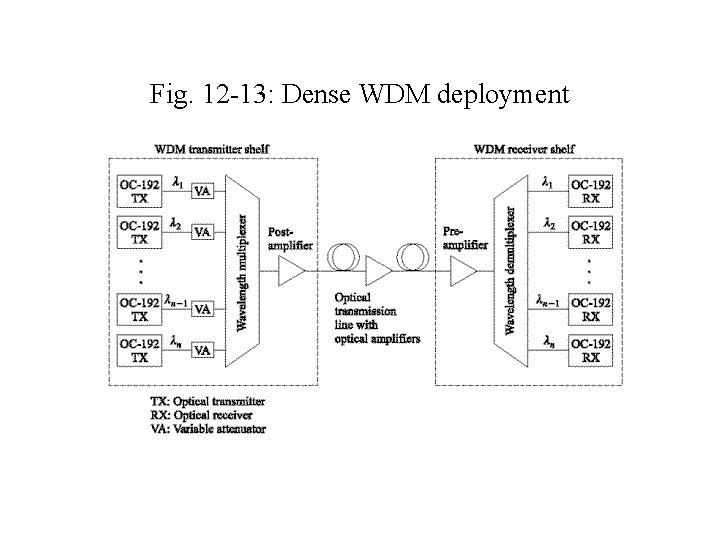
Fig. 12 -13: Dense WDM deployment
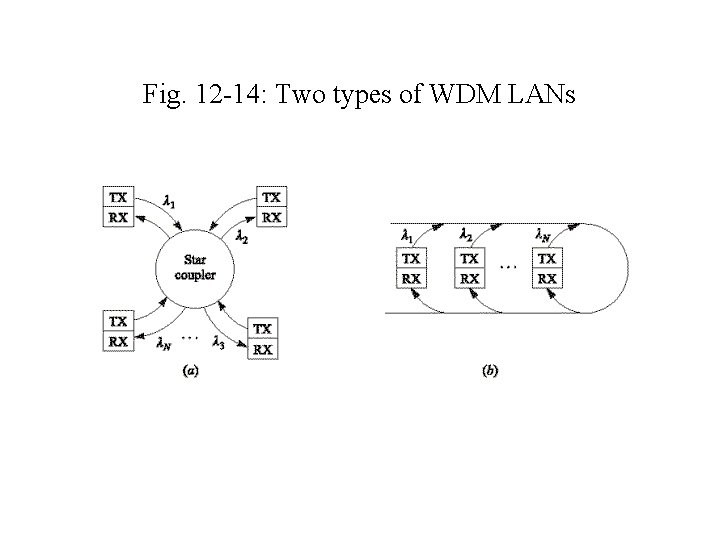
Fig. 12 -14: Two types of WDM LANs
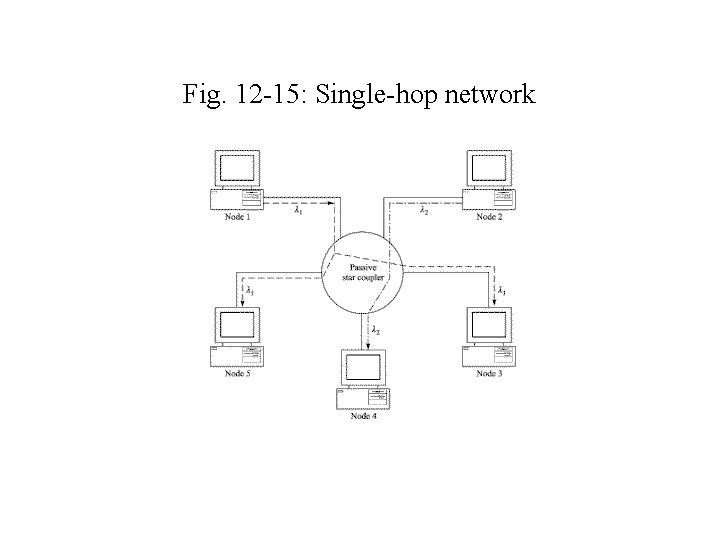
Fig. 12 -15: Single-hop network
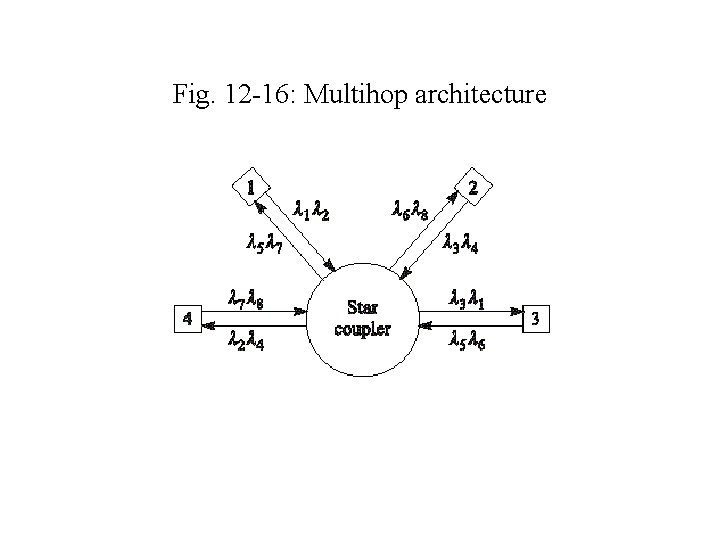
Fig. 12 -16: Multihop architecture
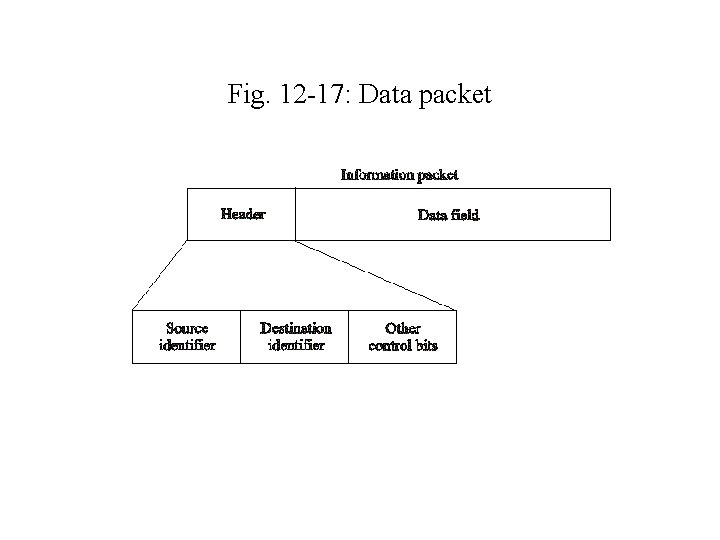
Fig. 12 -17: Data packet
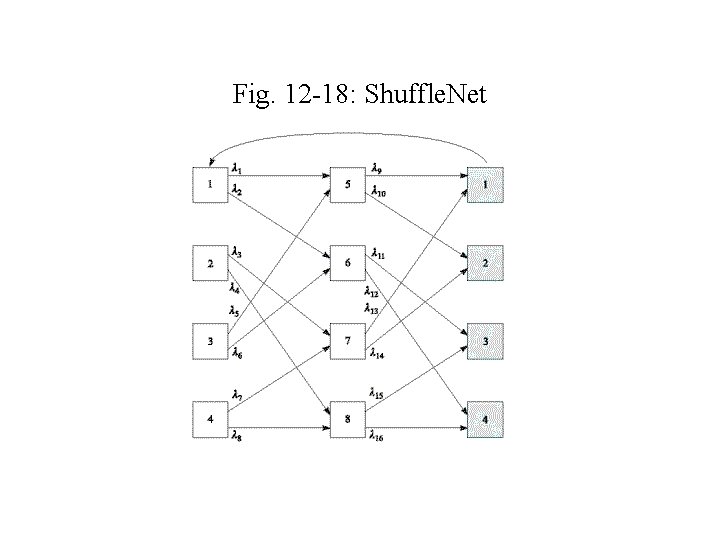
Fig. 12 -18: Shuffle. Net
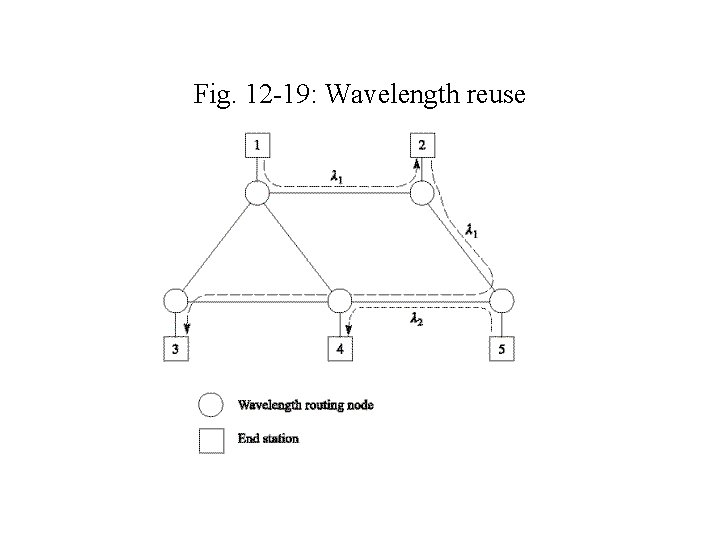
Fig. 12 -19: Wavelength reuse
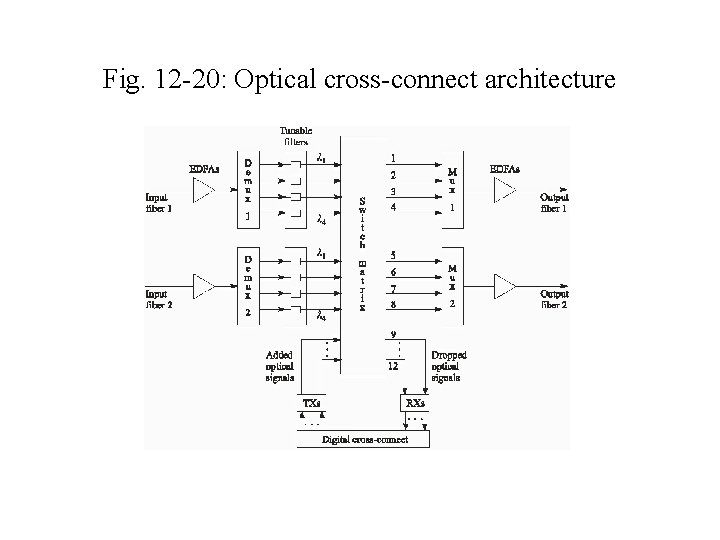
Fig. 12 -20: Optical cross-connect architecture
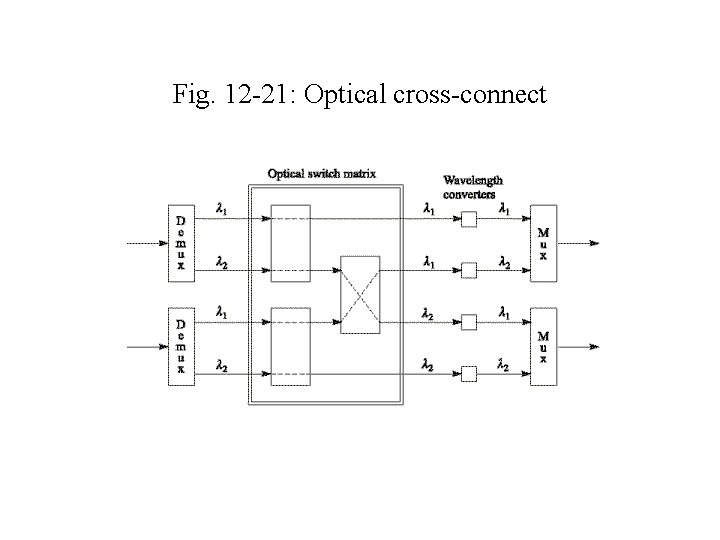
Fig. 12 -21: Optical cross-connect
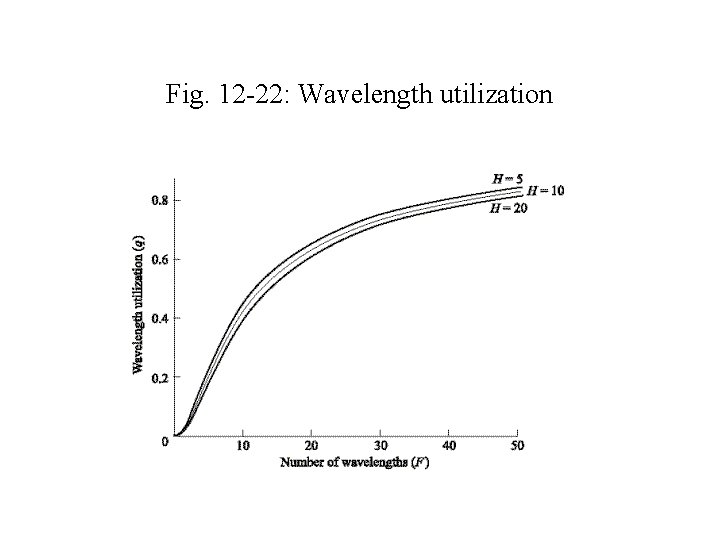
Fig. 12 -22: Wavelength utilization
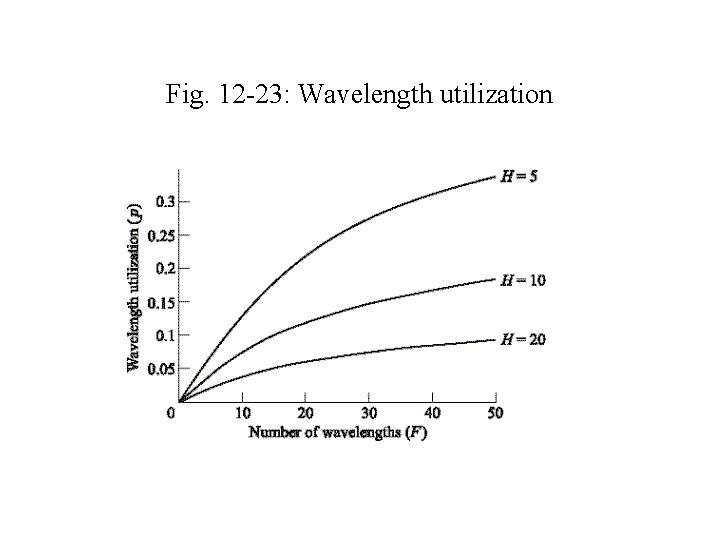
Fig. 12 -23: Wavelength utilization
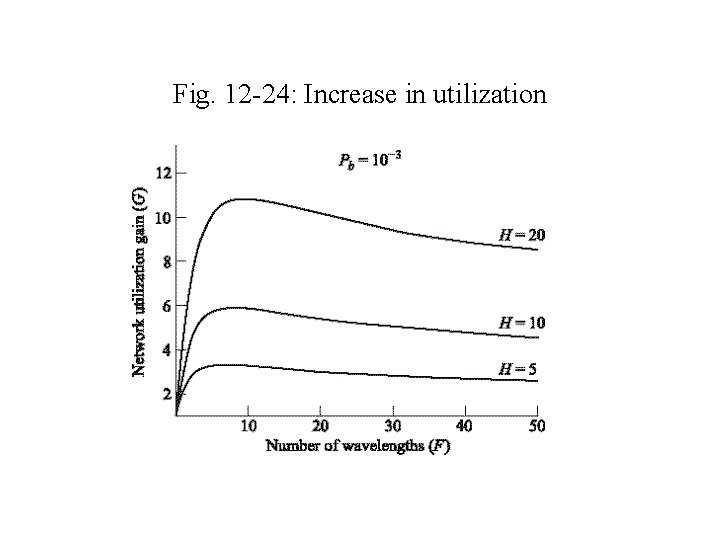
Fig. 12 -24: Increase in utilization
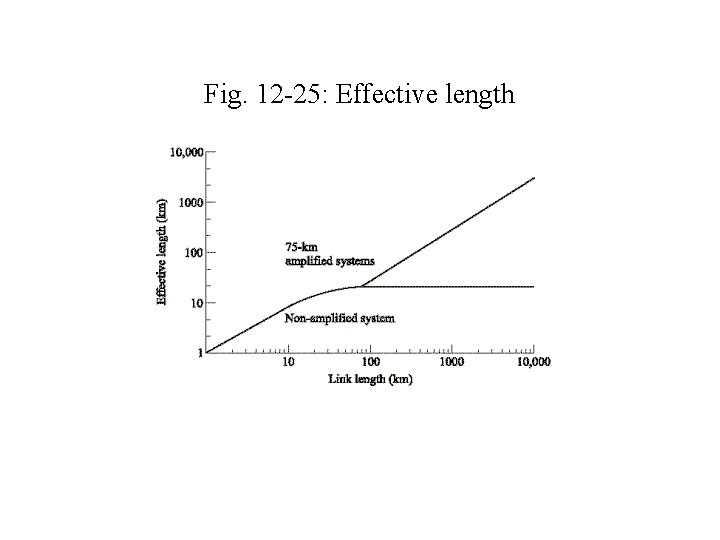
Fig. 12 -25: Effective length
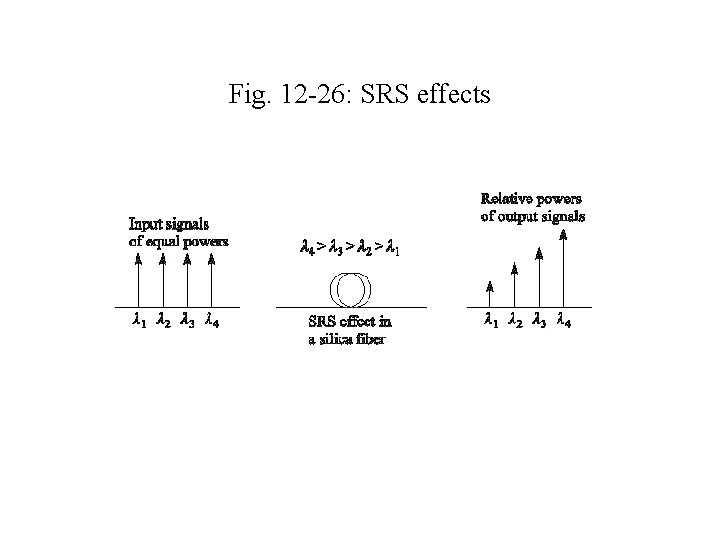
Fig. 12 -26: SRS effects
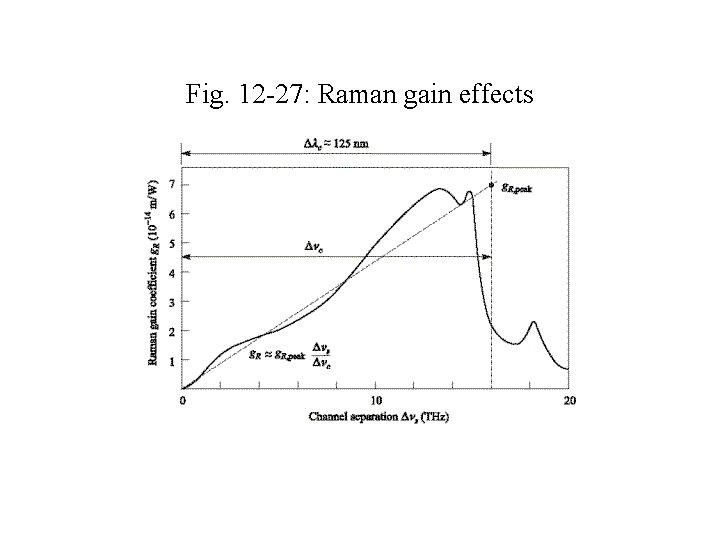
Fig. 12 -27: Raman gain effects
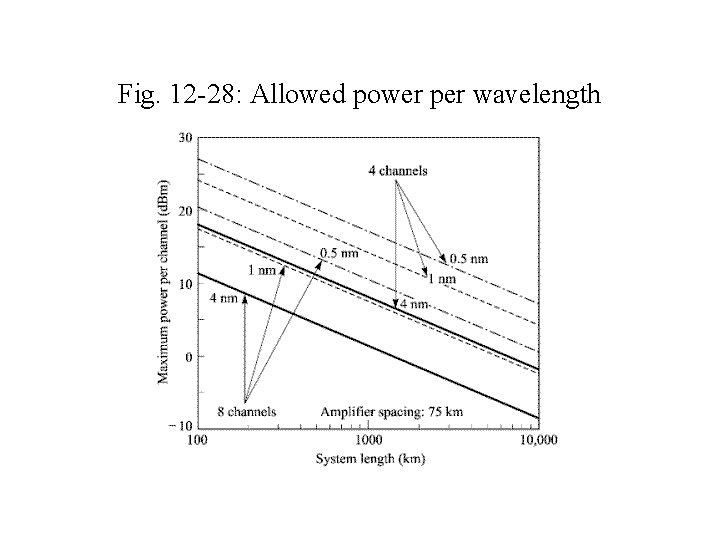
Fig. 12 -28: Allowed power per wavelength
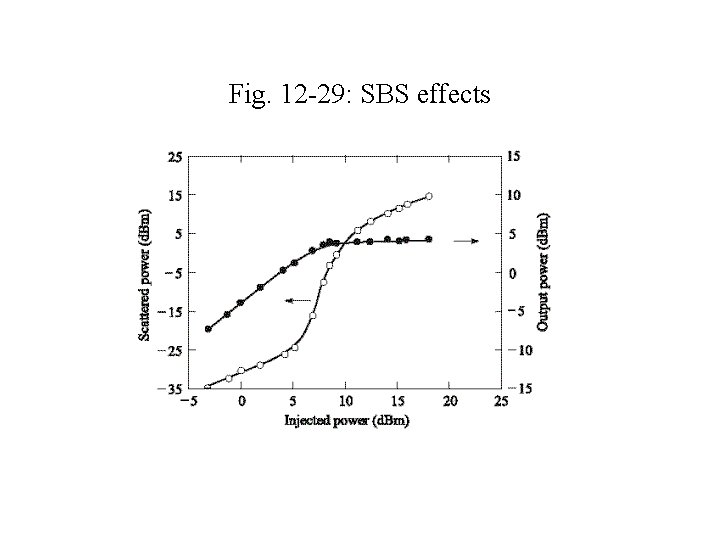
Fig. 12 -29: SBS effects
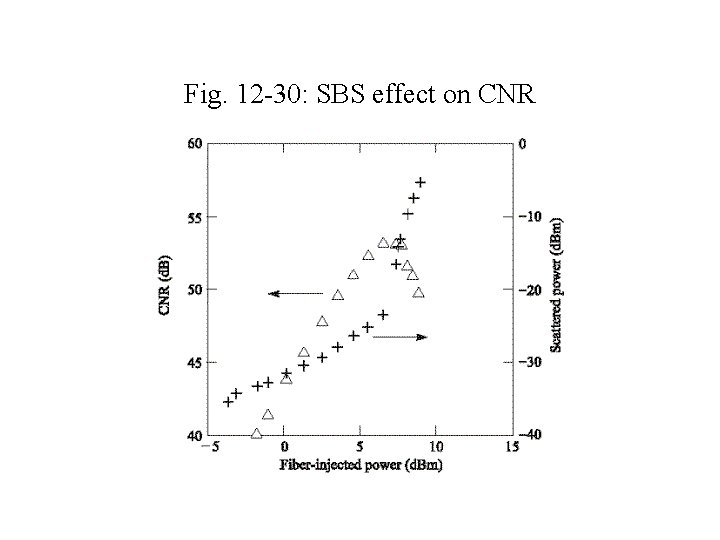
Fig. 12 -30: SBS effect on CNR
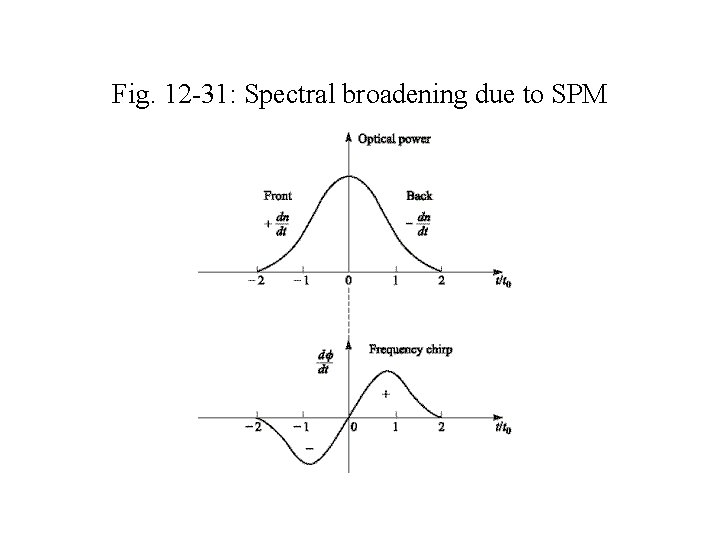
Fig. 12 -31: Spectral broadening due to SPM
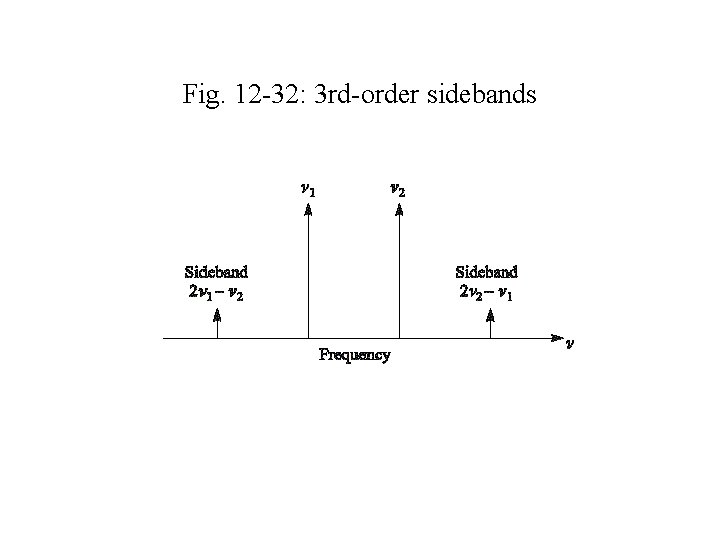
Fig. 12 -32: 3 rd-order sidebands
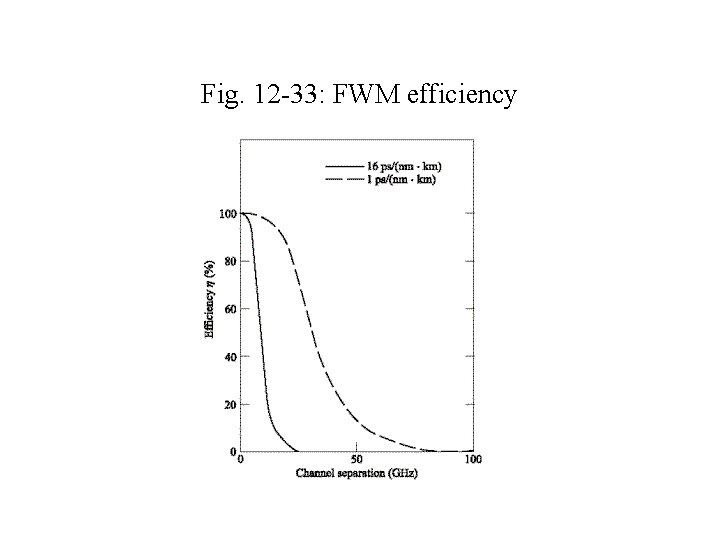
Fig. 12 -33: FWM efficiency
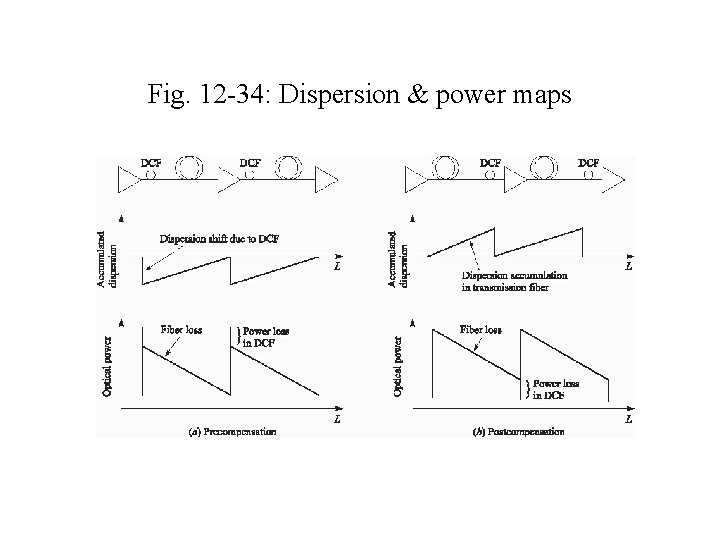
Fig. 12 -34: Dispersion & power maps
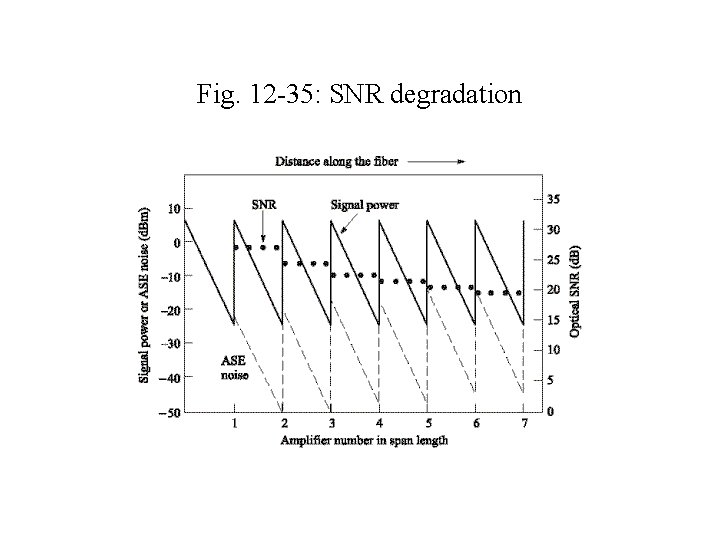
Fig. 12 -35: SNR degradation
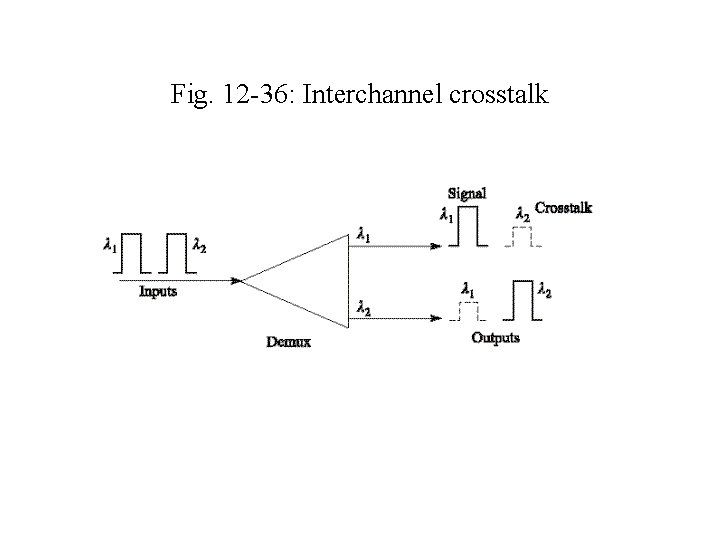
Fig. 12 -36: Interchannel crosstalk
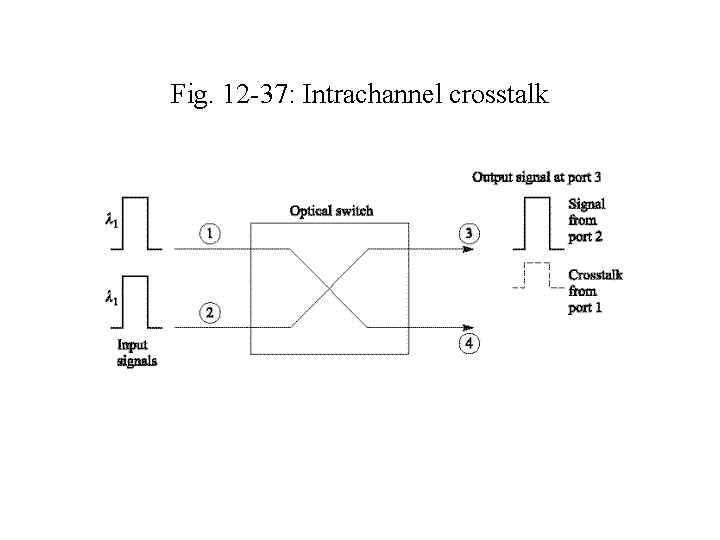
Fig. 12 -37: Intrachannel crosstalk
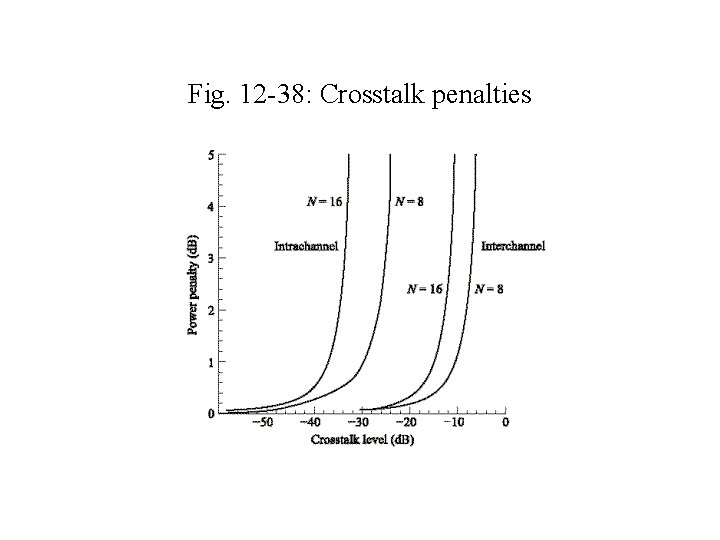
Fig. 12 -38: Crosstalk penalties
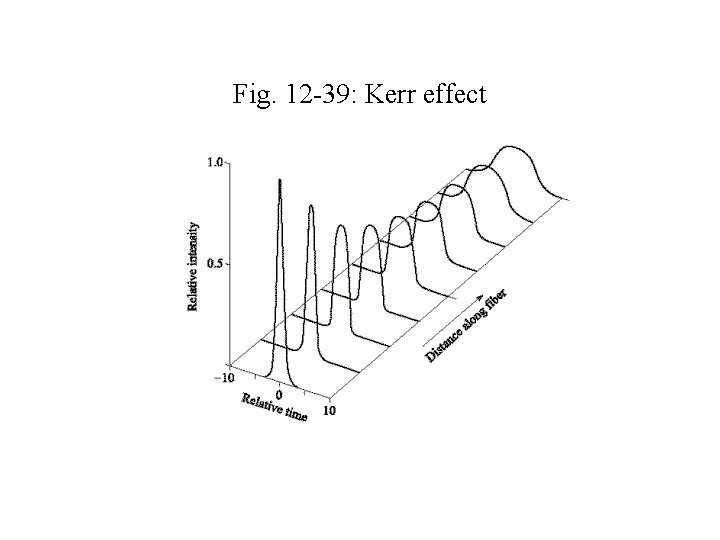
Fig. 12 -39: Kerr effect
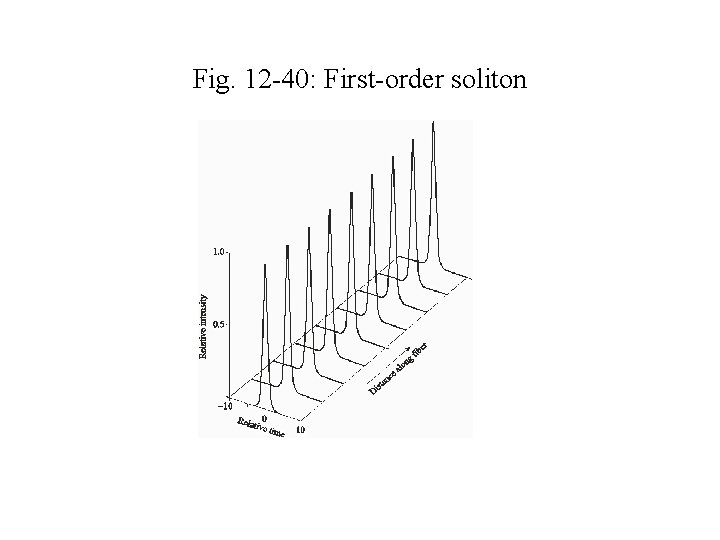
Fig. 12 -40: First-order soliton
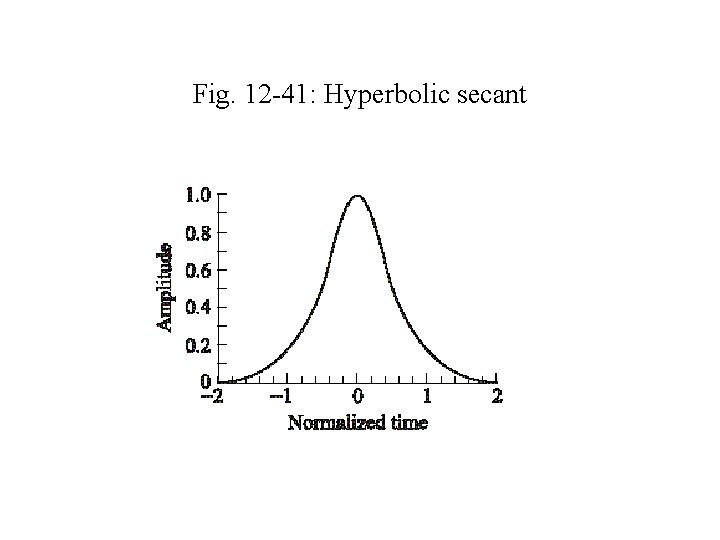
Fig. 12 -41: Hyperbolic secant
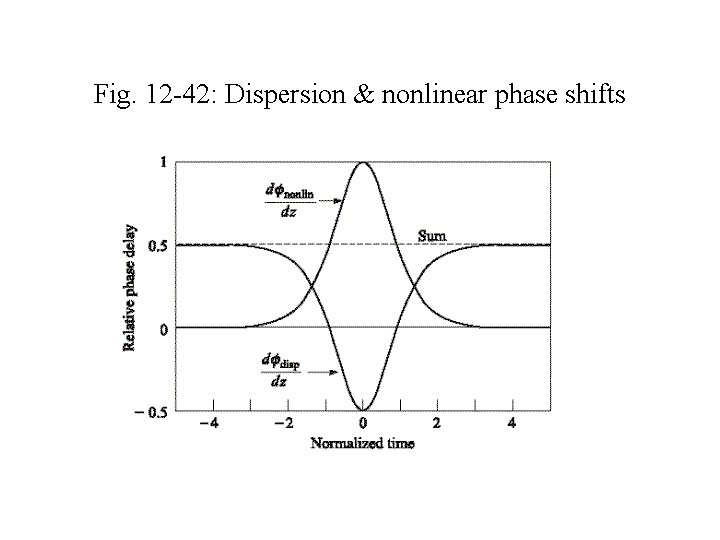
Fig. 12 -42: Dispersion & nonlinear phase shifts
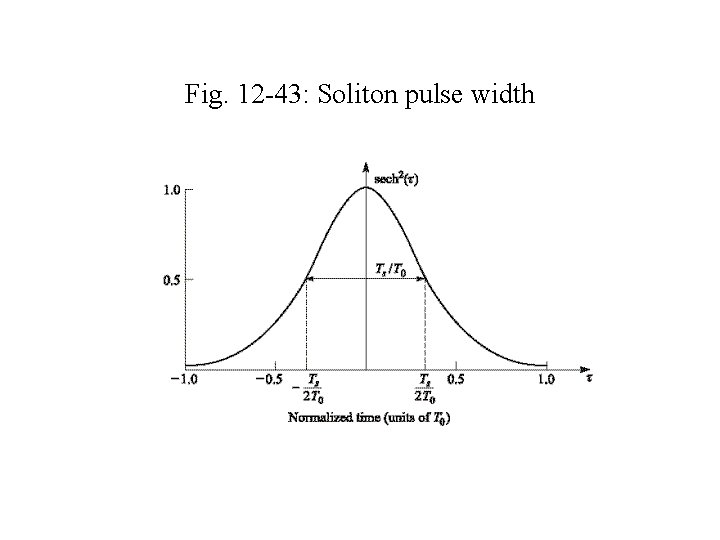
Fig. 12 -43: Soliton pulse width