
Fibrinoid necrosis Robbins Chronic inflammatory cells attacking the

Fibrinoid necrosis Robbins Chronic inflammatory cells attacking the vessel wall
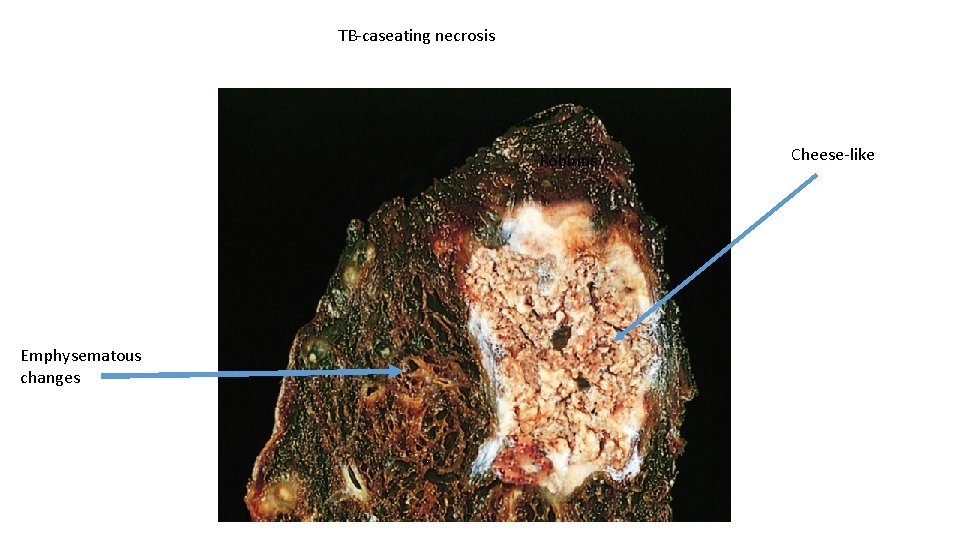
TB-caseating necrosis Robbins Emphysematous changes Cheese-like

Fibrillary background due to glial cell processes Web. Path Neurons (large nucleus, prominent nucleolus and bulky cytoplasm) Small nuclei are glial cells Macrophages in liquefactive necrosis of brain (brain infarction)
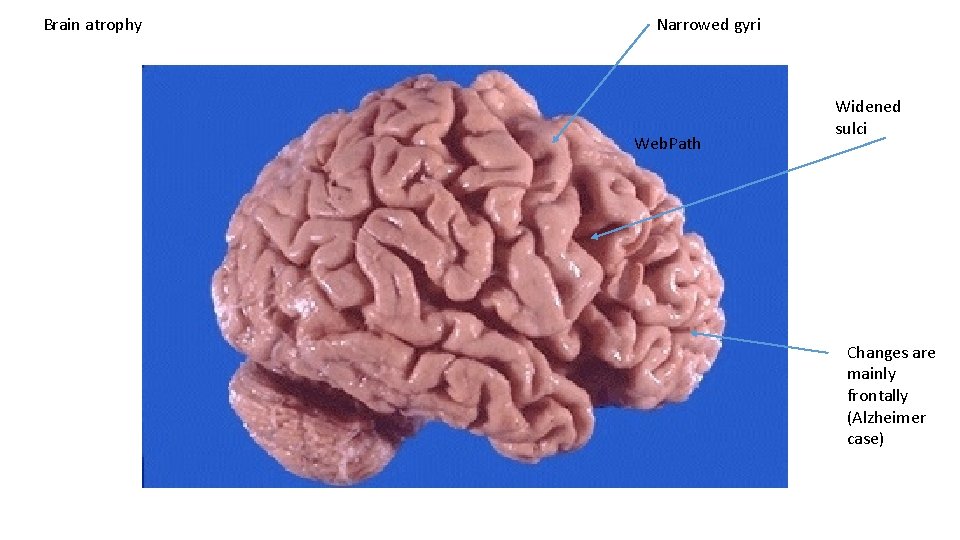
Brain atrophy Narrowed gyri Web. Path Widened sulci Changes are mainly frontally (Alzheimer case)
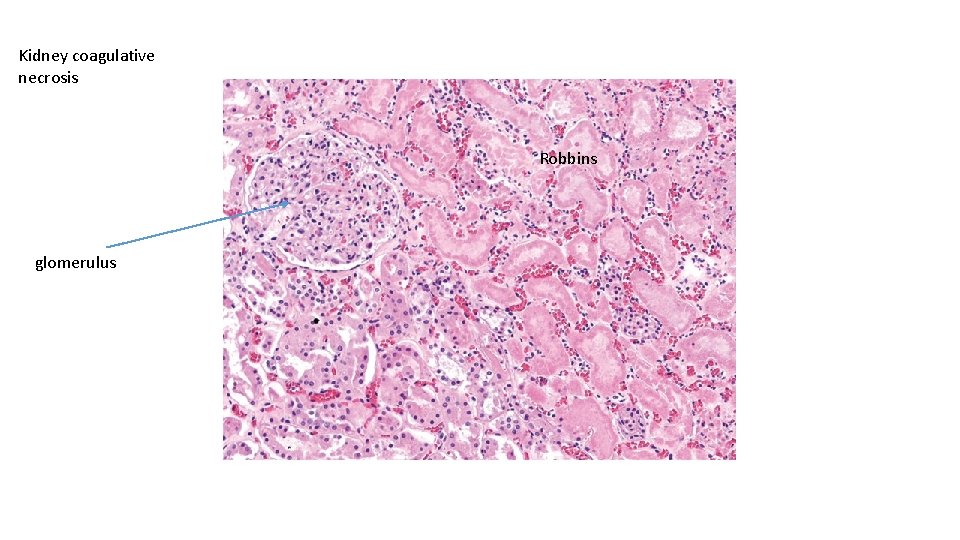
Kidney coagulative necrosis Robbins glomerulus
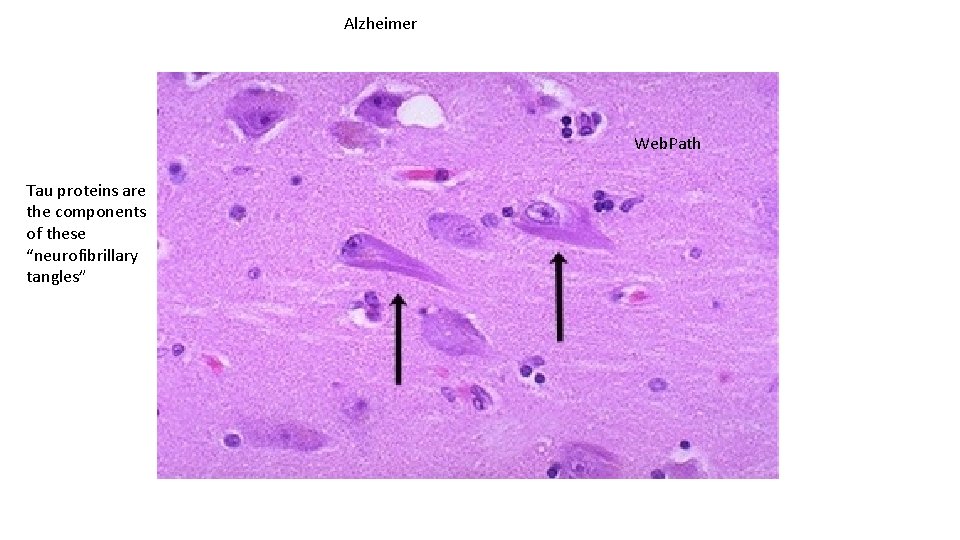
Alzheimer Web. Path Tau proteins are the components of these “neurofibrillary tangles”
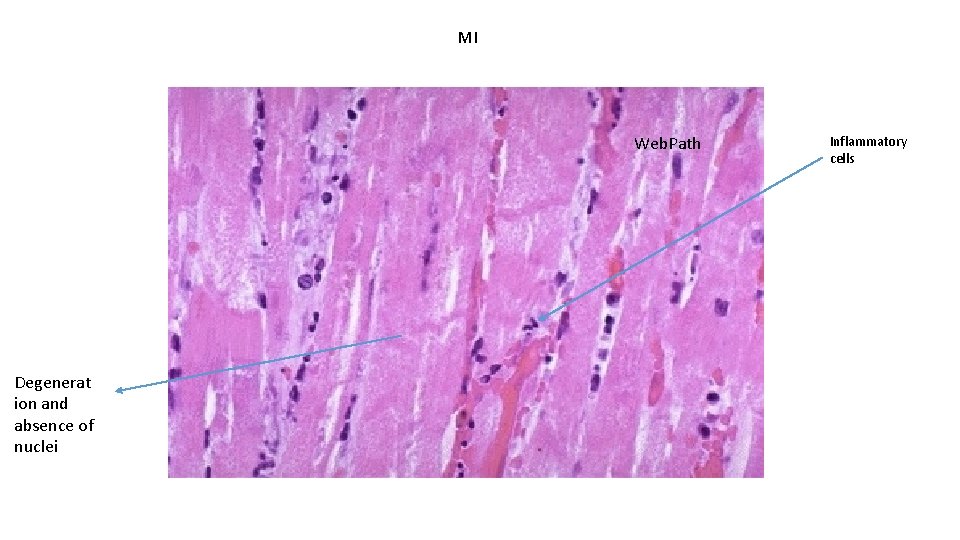
MI Web. Path Degenerat ion and absence of nuclei Inflammatory cells
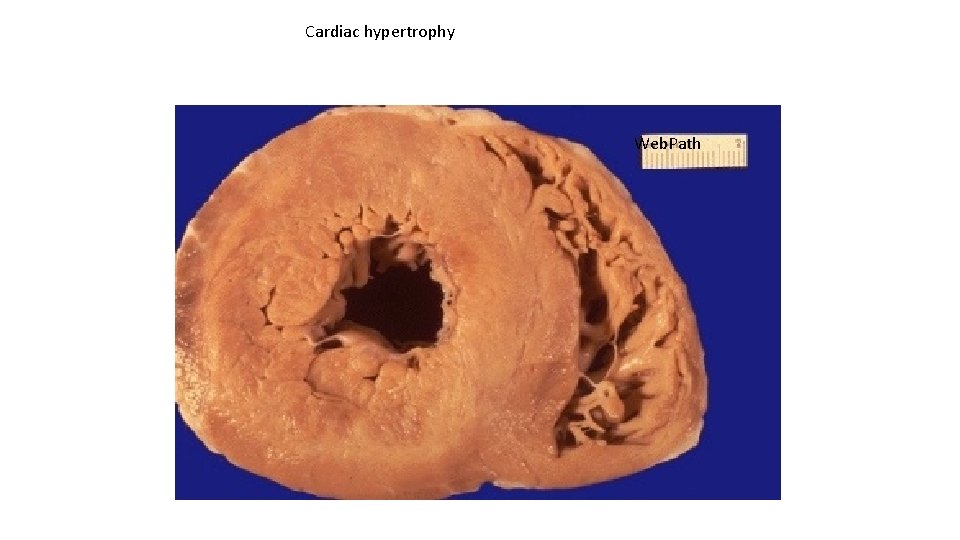
Cardiac hypertrophy Web. Path
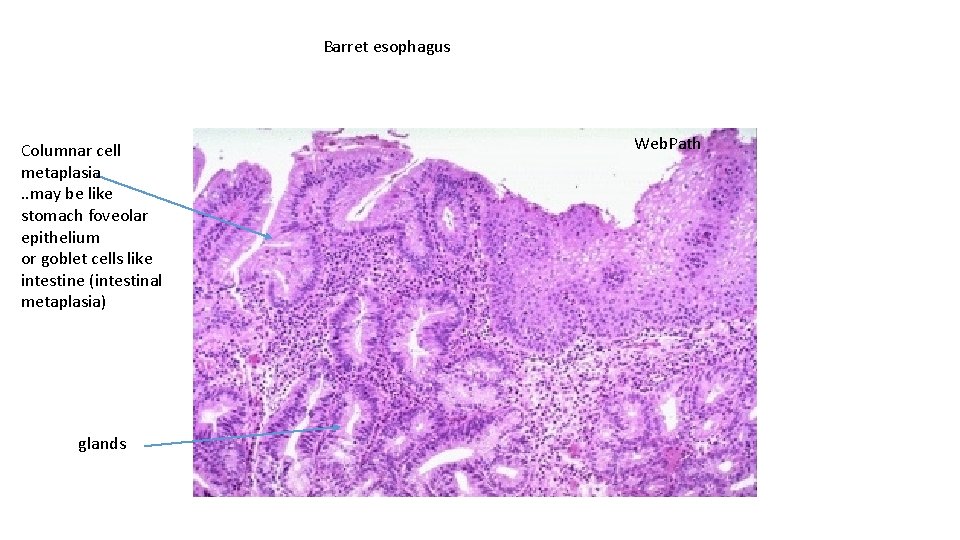
Barret esophagus Columnar cell metaplasia. . may be like stomach foveolar epithelium or goblet cells like intestine (intestinal metaplasia) glands Web. Path
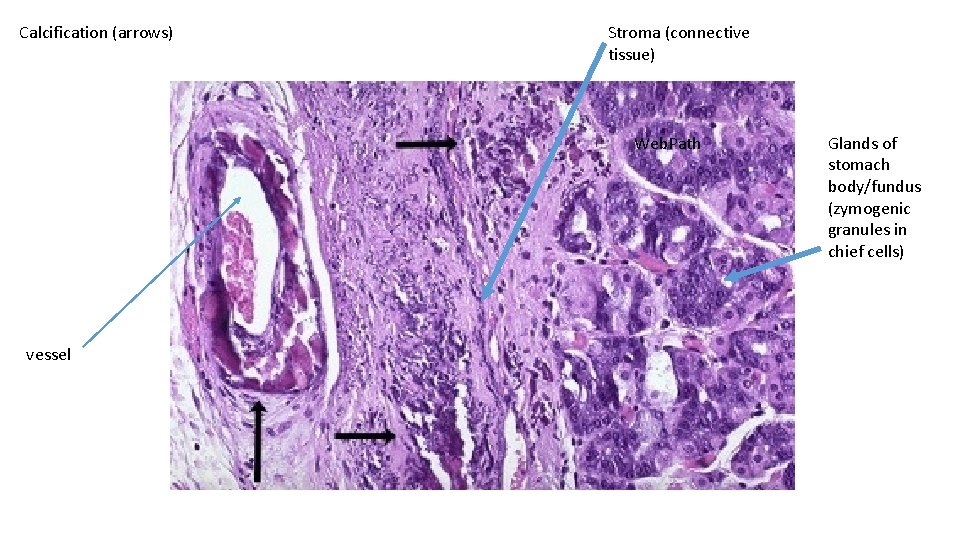
Calcification (arrows) Stroma (connective tissue) Web. Path vessel Glands of stomach body/fundus (zymogenic granules in chief cells)
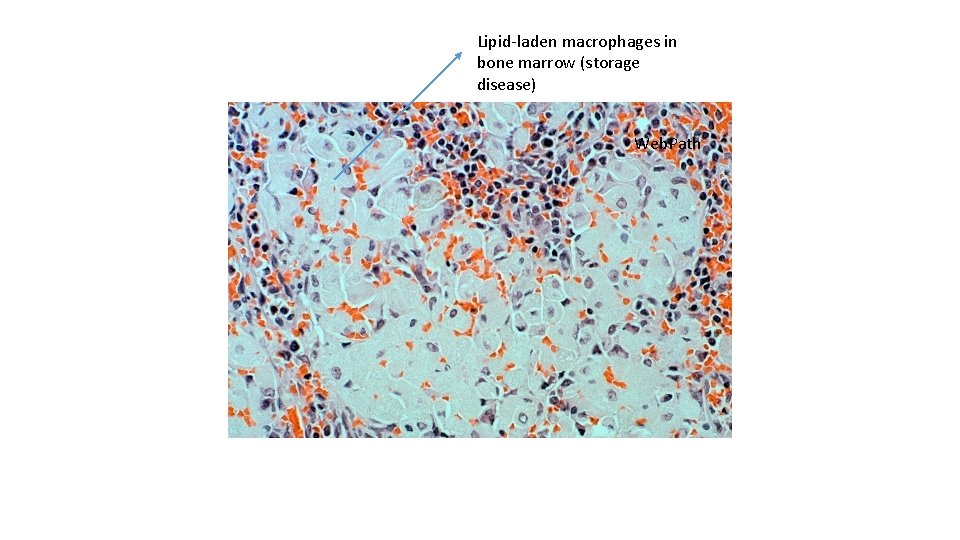
Lipid-laden macrophages in bone marrow (storage disease) Web. Path
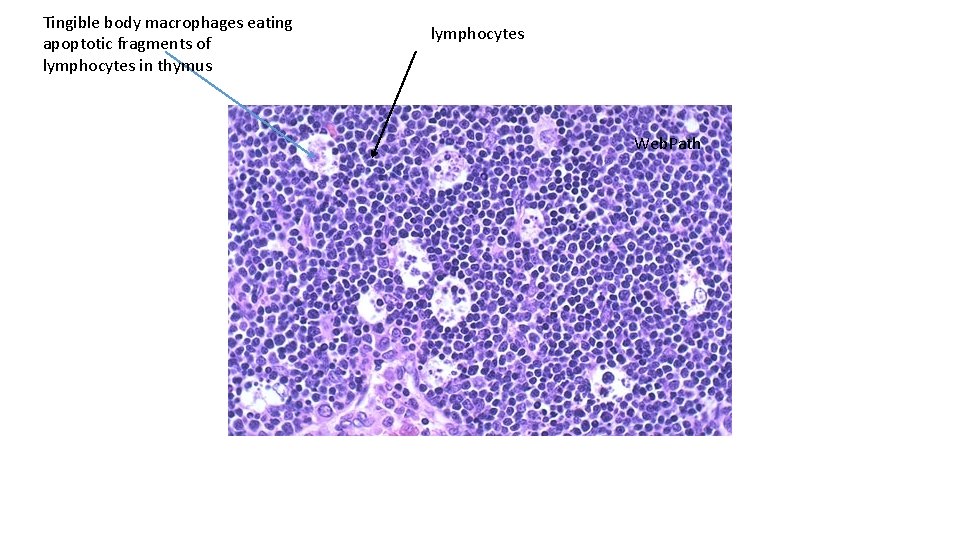
Tingible body macrophages eating apoptotic fragments of lymphocytes in thymus lymphocytes Web. Path
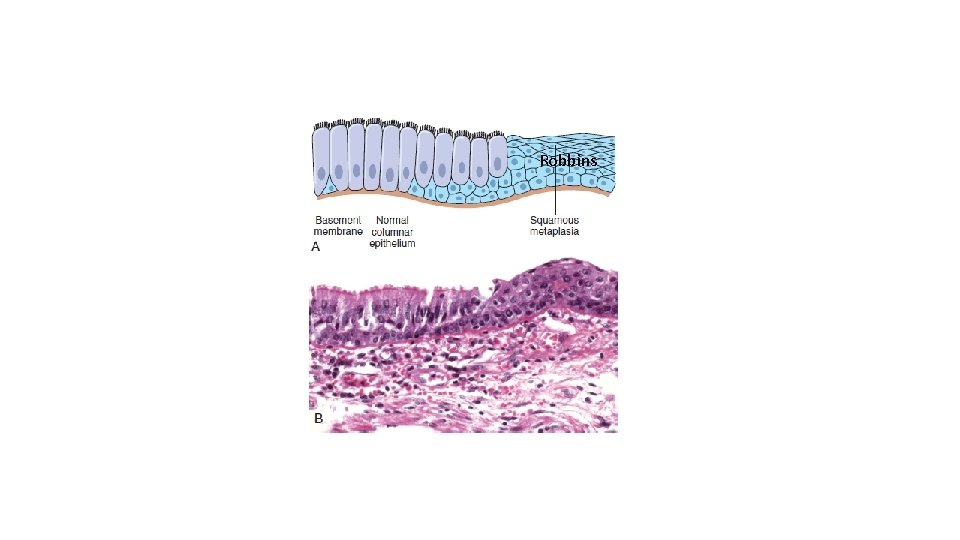
Robbins
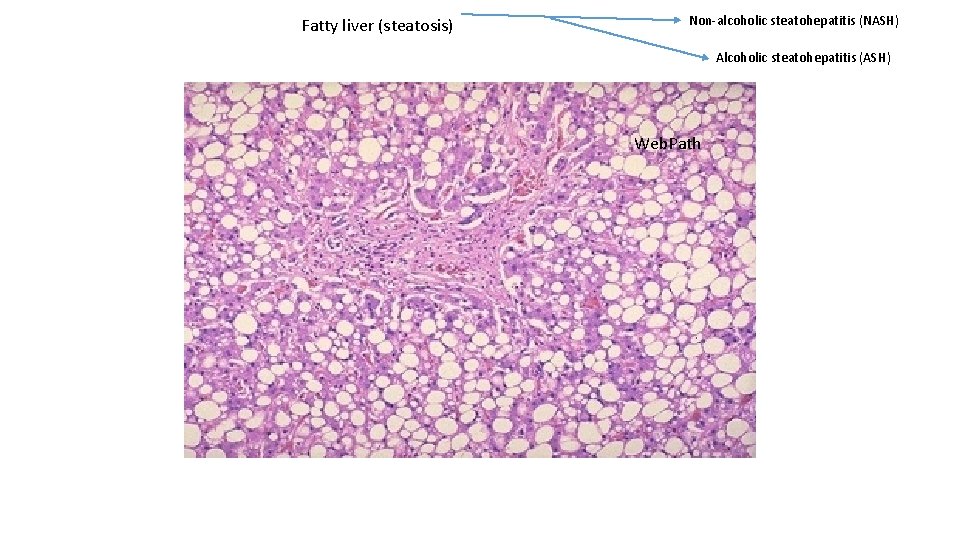
Fatty liver (steatosis) Non-alcoholic steatohepatitis (NASH) Alcoholic steatohepatitis (ASH) Web. Path
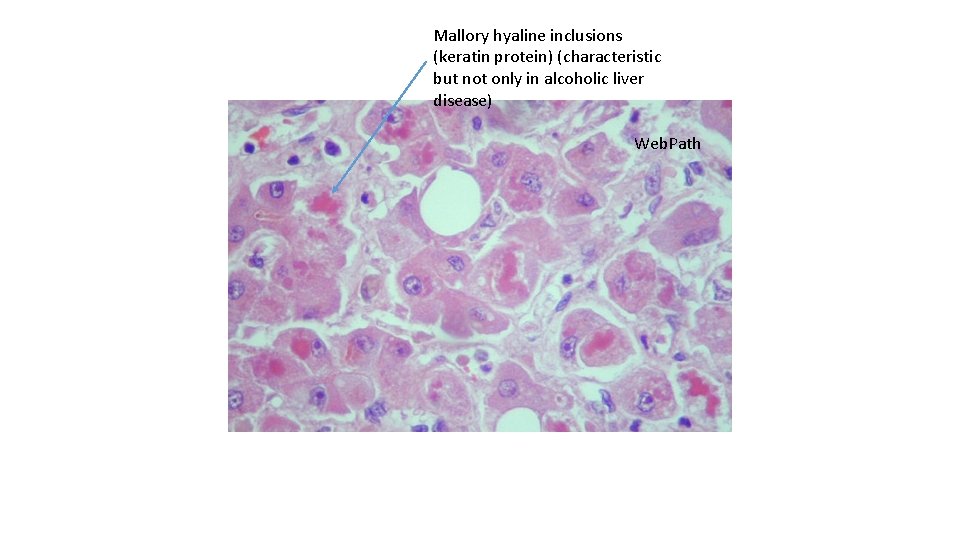
Mallory hyaline inclusions (keratin protein) (characteristic but not only in alcoholic liver disease) Web. Path
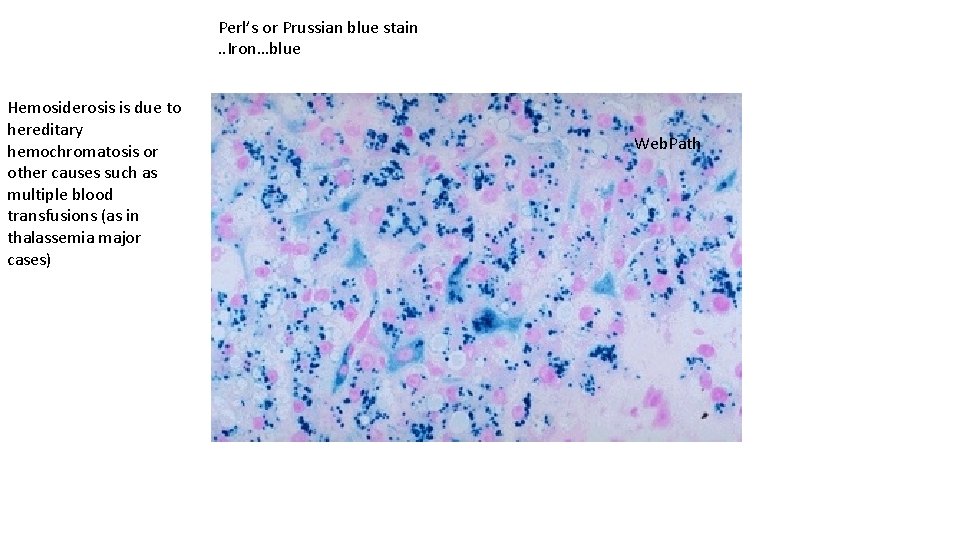
Perl’s or Prussian blue stain. . Iron…blue Hemosiderosis is due to hereditary hemochromatosis or other causes such as multiple blood transfusions (as in thalassemia major cases) Web. Path
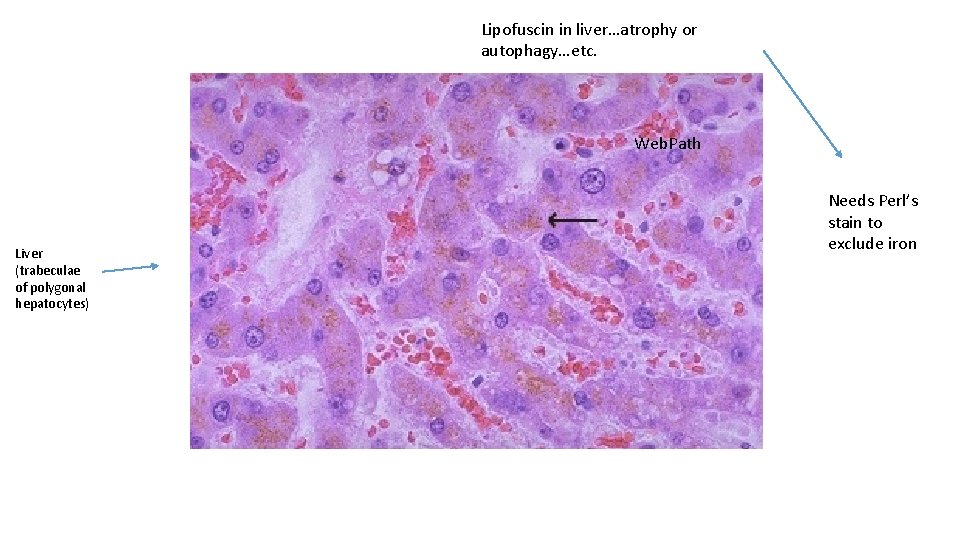
Lipofuscin in liver…atrophy or autophagy…etc. Web. Path Liver (trabeculae of polygonal hepatocytes) Needs Perl’s stain to exclude iron
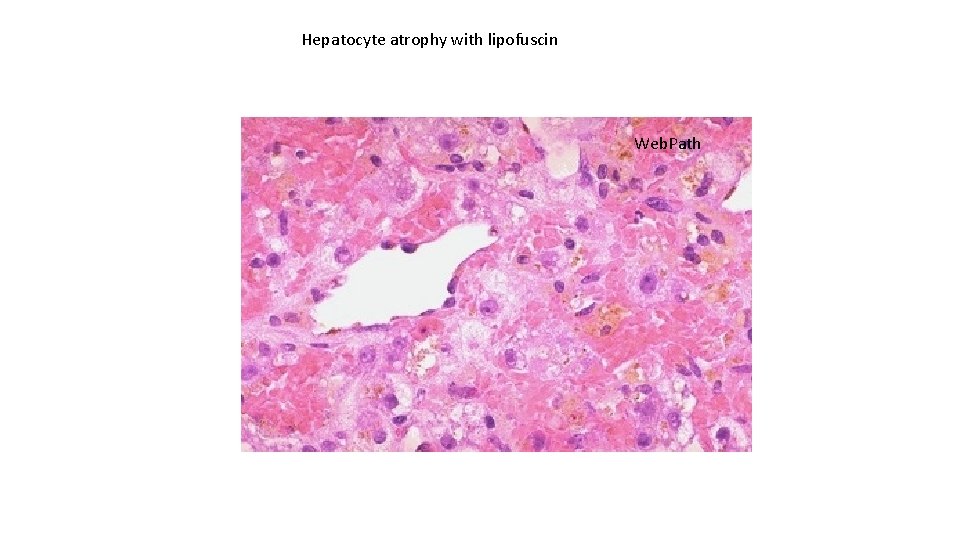
Hepatocyte atrophy with lipofuscin Web. Path
- Slides: 19