
FHWA Midwestern ProgramProject Delivery Workshop Construction Quality Control













- Slides: 68
FHWA Midwestern Program/Project Delivery Workshop Construction Quality Control Breakout St. Louis, MO October 17, 2001
Intent Of This Overview ü Legislation/Policy ü FHWA/STA Roles ü Industry Example ü FHWA Construction Involvement ü “Inspections” ü Training ü Specifications
Legislative/Policy Background Information
Expectations – Regardless of Program Structure Secretary Mineta: “ensure that the Federal government gets what it pays for. . . Major transportation projects are managed wisely and appropriately ü Congressman Rogers – questioned FHWA actions to review and ensure accurate project estimates and control of overruns ü Federal agencies are accountable for the expenditure of all funds ü
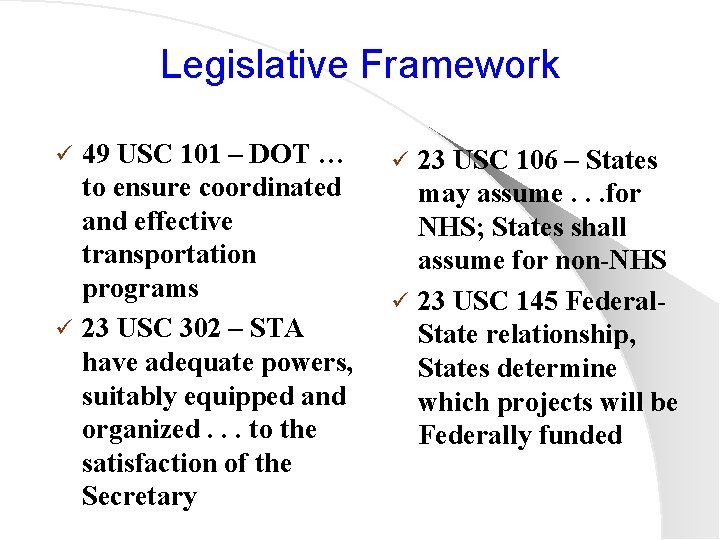
Legislative Framework 49 USC 101 – DOT … to ensure coordinated and effective transportation programs ü 23 USC 302 – STA have adequate powers, suitably equipped and organized. . . to the satisfaction of the Secretary ü 23 USC 106 – States may assume. . . for NHS; States shall assume for non-NHS ü 23 USC 145 Federal. State relationship, States determine which projects will be Federally funded ü
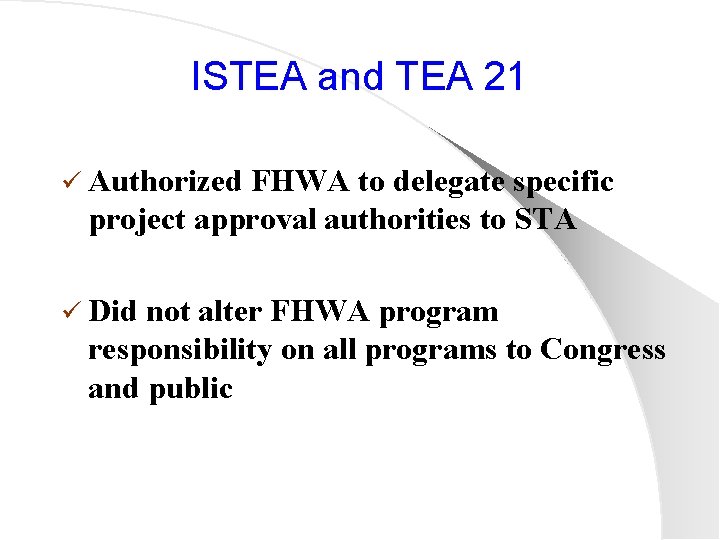
ISTEA and TEA 21 ü Authorized FHWA to delegate specific project approval authorities to STA ü Did not alter FHWA program responsibility on all programs to Congress and public
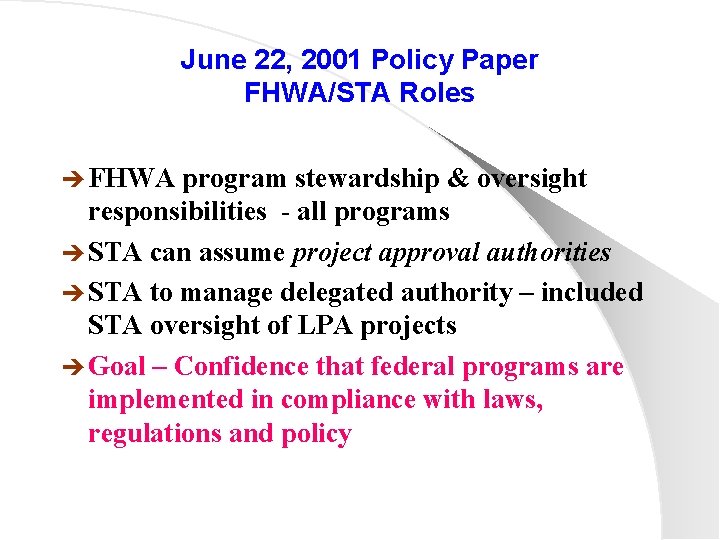
June 22, 2001 Policy Paper FHWA/STA Roles è FHWA program stewardship & oversight responsibilities - all programs è STA can assume project approval authorities è STA to manage delegated authority – included STA oversight of LPA projects è Goal – Confidence that federal programs are implemented in compliance with laws, regulations and policy
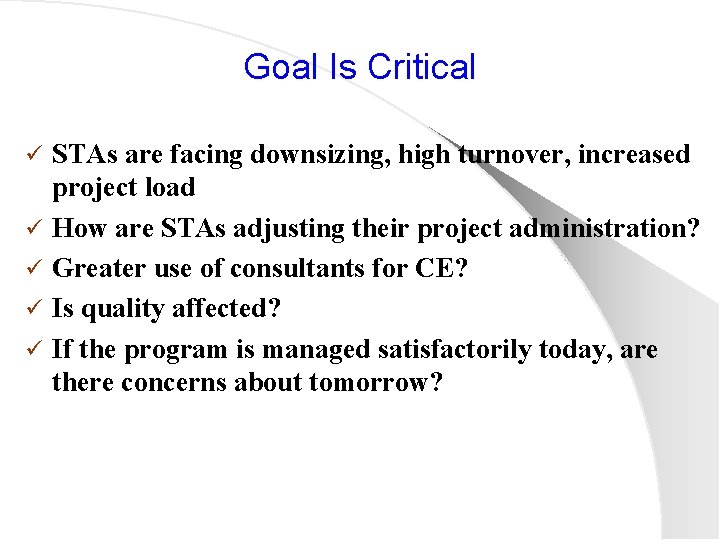
Goal Is Critical ü ü ü STAs are facing downsizing, high turnover, increased project load How are STAs adjusting their project administration? Greater use of consultants for CE? Is quality affected? If the program is managed satisfactorily today, are there concerns about tomorrow?
FHWA/STA Roles (Continued) FHWA/STA joint assessment of FHWA programs, delegated authorities ü Unit performance plans include stewardship and oversight strategies ü FHWA sets stewardship and oversight strategy based on risk assessment ü
FHWA/STA Roles (Continued) Oversight through: process reviews, program evaluation, program management activities, and project involvement activities ü Include both NHS and non-NHS project reviews in oversight activities ü
With All That Said, What Is the Tie to Construction Quality and the FHWA’s Involvement ? ?
Let’s Start With a Private Industry Situation……. This “hands off” example is hopefully not indicative of STA or LPA projects Credit to the individual who developed the following 16 slides
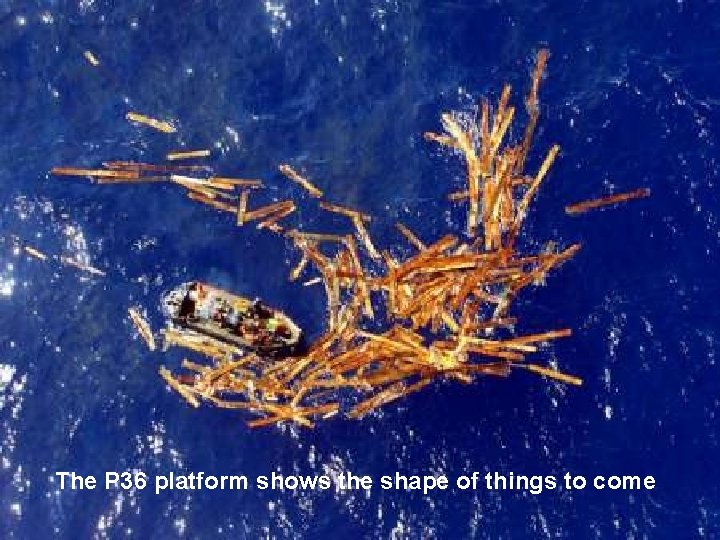
QUALITY ASSURANCE AND THE SINKING OF THE LARGEST OFFSHORE OIL PLATFORM March 2001
For those of you who may be involved in project cost control (at whatever level),
please read this quote from a Petrobras executive,
extolling the benefits of cutting quality assurance and inspection costs,
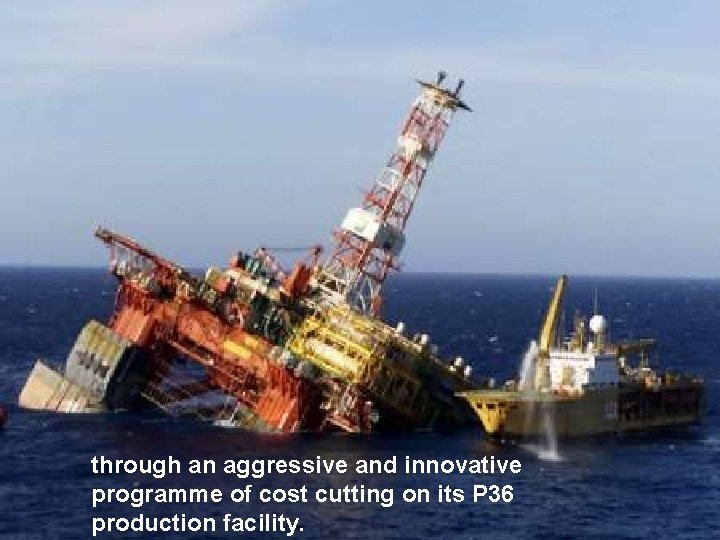
on the project that sunk into the Atlantic Ocean off the coast of Brazil in March 2001.
"Petrobras has established new global benchmarks for the generation of exceptional shareholder wealth
through an aggressive and innovative programme of cost cutting on its P 36 production facility.
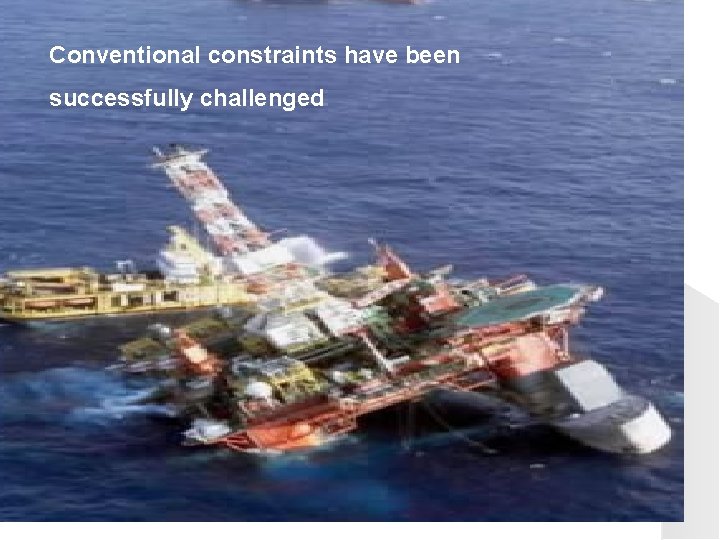
Conventional constraints have been successfully challenged
and replaced with new paradigms appropriate to the globalised corporate market place.
Through an integrated network of facilitated workshops,
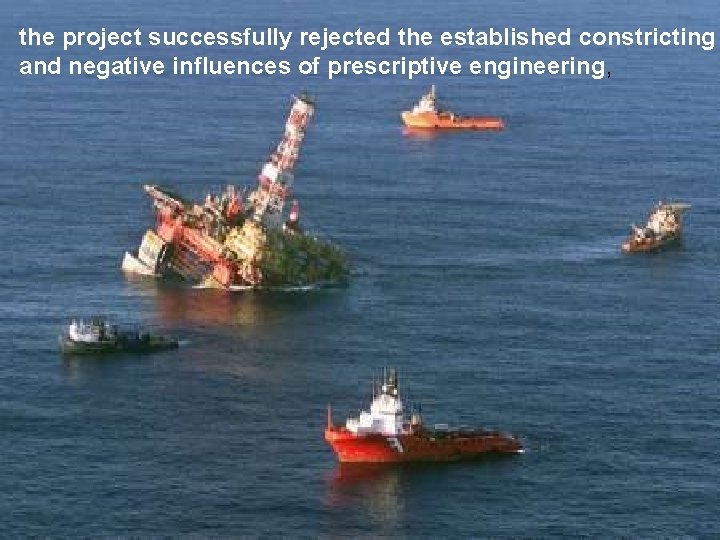
the project successfully rejected the established constricting and negative influences of prescriptive engineering,
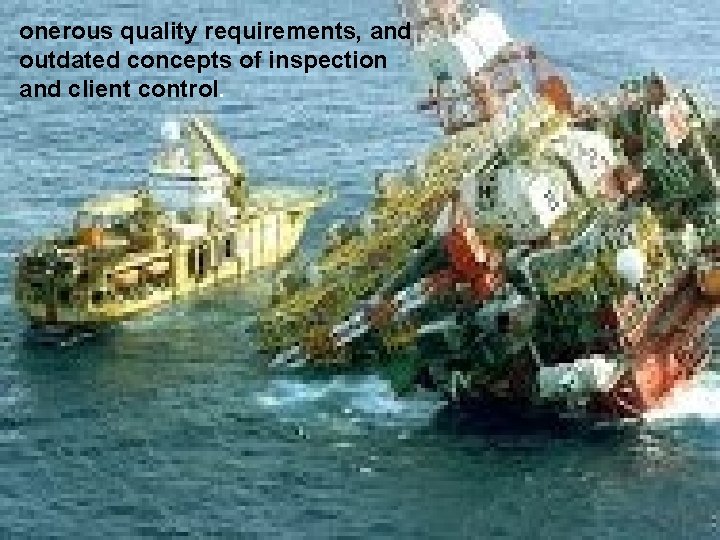
onerous quality requirements, and outdated concepts of inspection and client control.
Elimination of these unnecessary straitjackets has empowered the project's suppliers and contractors to propose highly economical solutions,
with the win-win bonus of enhanced profitability margins for themselves.
The P 36 platform shows the shape of things to come
in unregulated global market economy of the 21 st Century. “
Now Back to Highways !
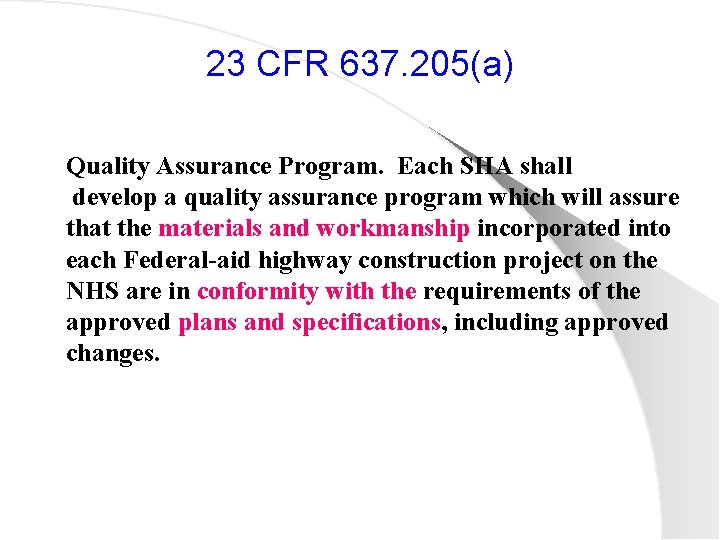
23 CFR 637. 205(a) Quality Assurance Program. Each SHA shall develop a quality assurance program which will assure that the materials and workmanship incorporated into each Federal-aid highway construction project on the NHS are in conformity with the requirements of the approved plans and specifications, including approved changes.
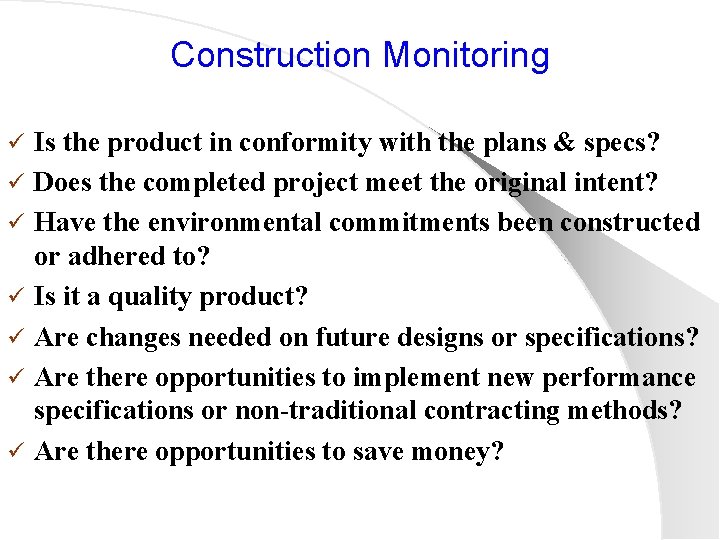
Construction Monitoring ü ü ü ü Is the product in conformity with the plans & specs? Does the completed project meet the original intent? Have the environmental commitments been constructed or adhered to? Is it a quality product? Are changes needed on future designs or specifications? Are there opportunities to implement new performance specifications or non-traditional contracting methods? Are there opportunities to save money?
It’s more than just observing if the slump and air content are within specification tolerance!
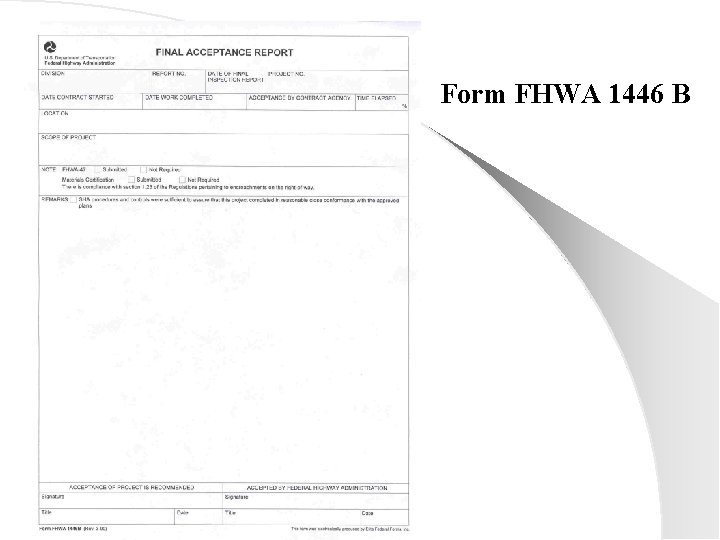
FEDERAL-AID POLICY GUIDE G 6042. 8 CHAPTER 6 CONSTRUCTION MONITORING Par. • Purpose • Definitions • Policy • Annual Construction Monitoring Program • Construction Inspections • Frequency of Inspections • Construction Inspection Reports • Annual Reports December 9, 1991, Transmittal 1 Attachment 1 - Construction Inspection Report (Form FHWA 1446 A) Attachment 2 - Final Acceptance Report (Form FHWA 1446 B) Attachment 3 - Final Acceptance Report for CA and SRP projects (Form FHWA 1446 C) 1. PURPOSE. To establish policies, procedures, and guidelines relating to the inspection, acceptance, and quality of Federal-aid highway construction.
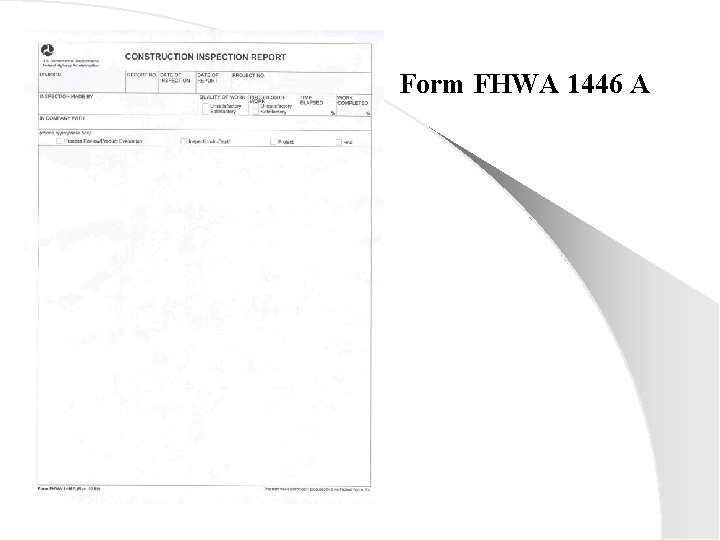
Form FHWA 1446 A
Form FHWA 1446 A ü Generally each time a project visit is made § Full oversight projects § Can be brief overview Construction problems Ø Upcoming changes Ø Quality issues Ø ü Construction ü Copy to STA inspections and final inspection
Form FHWA 1446 B
The FHWA’s non-regulatory Construction Monitoring guidelines G 6042. 8 are implemented through the division/STA stewardship plans
You can’t “inspect in quality, ” it has to be a Contractor/STA/FHWA team effort !!!
Construction Focus Areas ü Grading and Drainage ü Foundations ü Plant mix Bituminous Paving ü Concrete Paving ü Structural Concrete ü Structural Steel
Construction Focus Areas ü Work Zone Traffic Control ü Erosion Control (temporary and permanent) ü Environmental Commitments ü Measurement and Payment ü Contract Administration ü Project Records and Documentation
Use the division/STA risk analysis to decide where to focus resources
Common “Quality” Threads ü Properly trained contractor and owner personnel ü Quality materials ü Quality construction/fabrication techniques ü Quality plans and specifications ü Qualified laboratories ü Pride in workmanship
How Do You Identify Problems? ü Know the plans and specifications better than the individual constructing (LOFTY GOAL !!!) ü Take time to thoroughly understand the activity (the PROCESS) ü Ask questions (very IMPORTANT) ü Have a written plan of attack (inspection documentation form)
How Do You Identify Problems? ü Develop a good working relationship with the STA project personnel based on trust and mutual understanding ü Measure of Success is: Having the resident/project engineer call you and ask for your opinion on how to resolve a construction problem
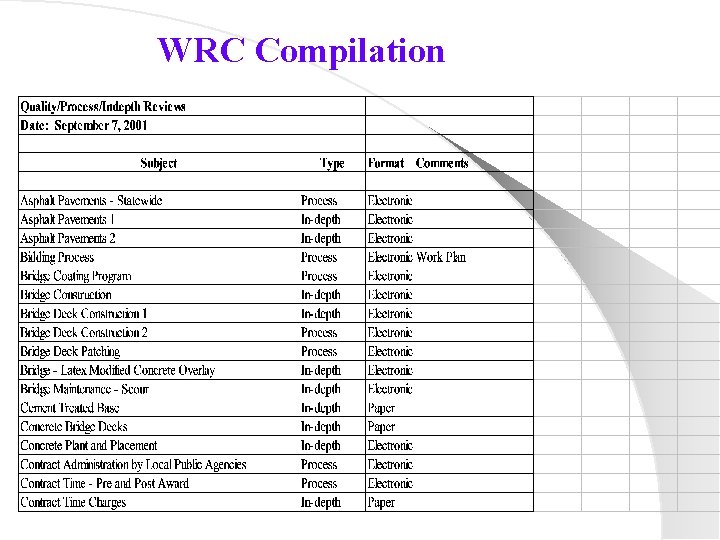
Inspection Documentation Forms ü Inspection documentation forms § Process reviews/product evaluations § Continuous improvement reviews § Quality reviews § In-depth inspections ü Each Division has their own ü “Old Region 5” compilation ü WRC compilation
WRC Compilation
Training Opportunities ü ü ü ü NHI/FHWA courses American Association of State Highway and Transportation Officials (AASHTO) Regional/State technician certification programs National Institute for Certification in Engineering Technologies (NICET) American Concrete Institute (ACI) National Asphalt Pavement Association (NAPA) Associated General Contractors of America (AGC)
Training Opportunities ü ü ü National Center for Asphalt Technology (NCAT) American Road & Transportation Builders Association (ARTBA) American Concrete Pavement Association (ACPA) American Public Works Association (APWA) National Ready Mixed Concrete Association (NRMCA) Internet
Technician Qualification or Certification Program A program that allows a person to become qualified to perform quality assurance testing, which may include process control, acceptance, or verification, by taking an established training curriculum and passing written and hands-on examinations.
Why Qualify/Certify ? ü ü ü Minimize sampling & testing errors Better assurance that material meet specifications Reduce project failures High project costs demand accurate and reliable test results Improve overall construction quality through improved sampling and testing performance
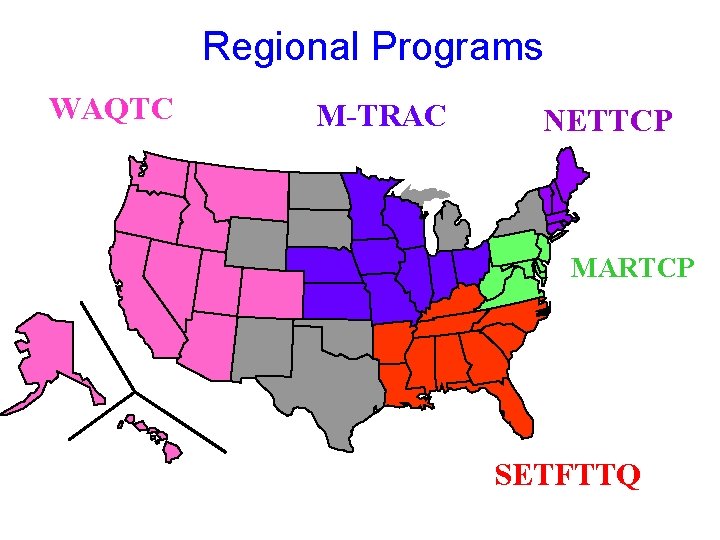
Tester/inspector Certification ü Regional (5) § Western Alliance for Quality Transportation Construction § § (WAQTC) Mid-Atlantic Region Technician Certification Program (MARTCP) North Central Multi-Regional Training and Certification Program (M-TRAC) Southeast Task Force on Technician Training and Certification (SETFTTC) New England Transportation Technician Certification Program (NETTCP)
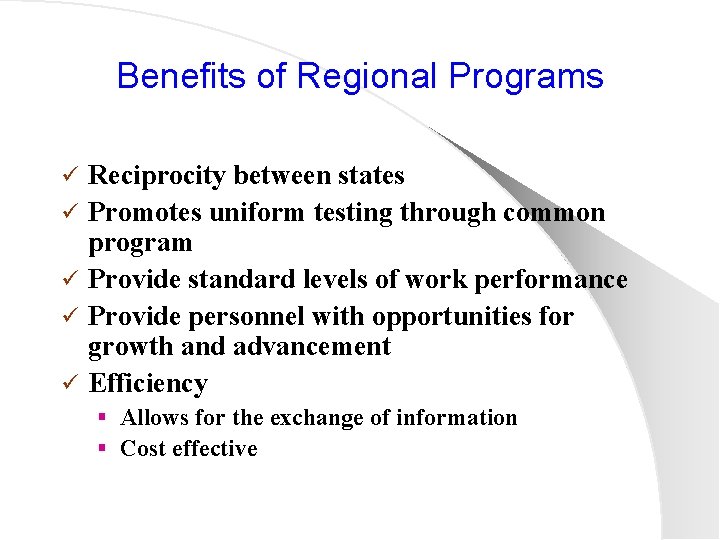
Benefits of Regional Programs ü ü ü Reciprocity between states Promotes uniform testing through common program Provide standard levels of work performance Provide personnel with opportunities for growth and advancement Efficiency § Allows for the exchange of information § Cost effective
Regional Programs WAQTC M-TRAC NETTCP MARTCP SETFTTQ
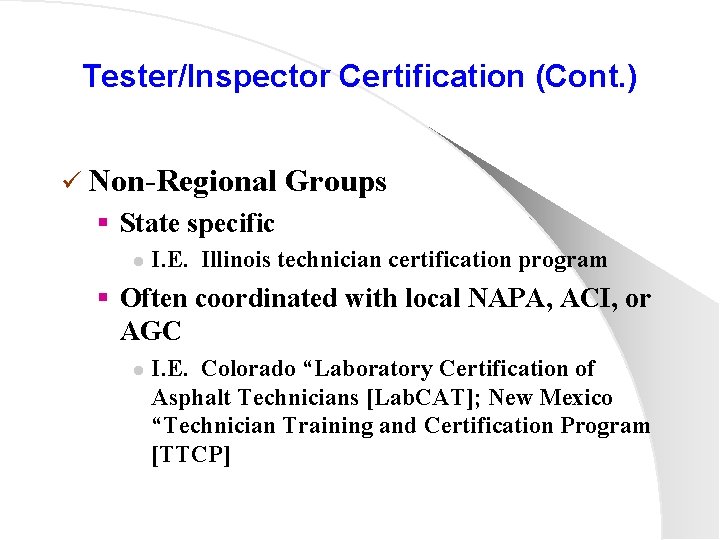
Tester/Inspector Certification (Cont. ) ü Non-Regional Groups § State specific l I. E. Illinois technician certification program § Often coordinated with local NAPA, ACI, or AGC l I. E. Colorado “Laboratory Certification of Asphalt Technicians [Lab. CAT]; New Mexico “Technician Training and Certification Program [TTCP]
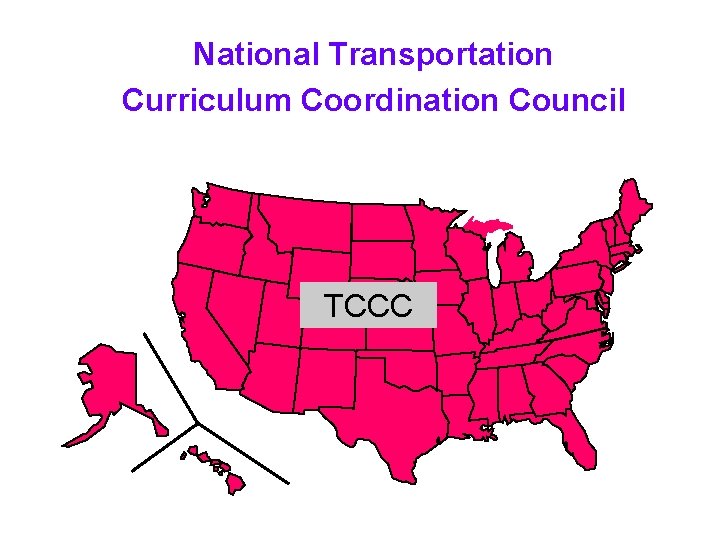
National Transportation Curriculum Coordination Council TCCC
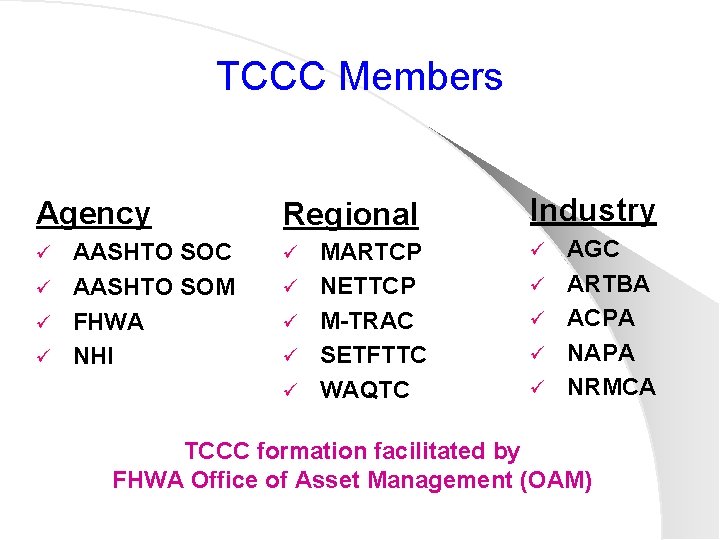
TCCC Members Agency Regional AASHTO SOC ü AASHTO SOM ü FHWA ü NHI ü ü ü MARTCP NETTCP M-TRAC SETFTTC WAQTC Industry ü ü ü AGC ARTBA ACPA NAPA NRMCA TCCC formation facilitated by FHWA Office of Asset Management (OAM)
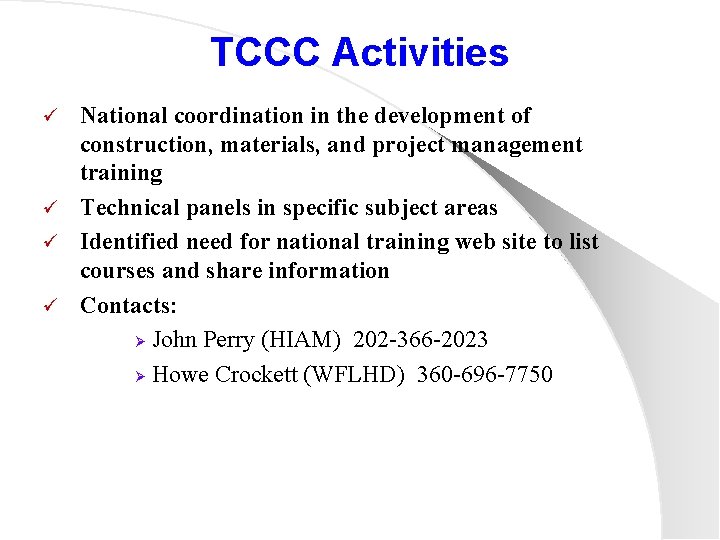
TCCC Activities National coordination in the development of construction, materials, and project management training ü Technical panels in specific subject areas ü Identified need for national training web site to list courses and share information ü Contacts: Ø John Perry (HIAM) 202 -366 -2023 Ø Howe Crockett (WFLHD) 360 -696 -7750 ü
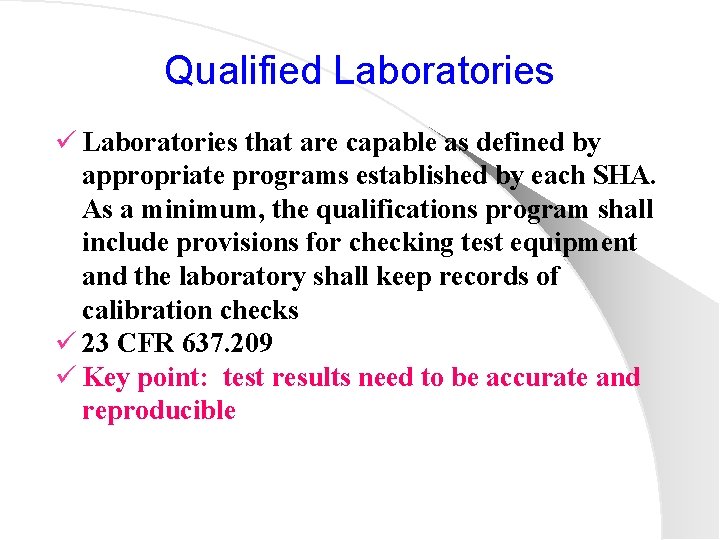
Qualified Laboratories ü Laboratories that are capable as defined by appropriate programs established by each SHA. As a minimum, the qualifications program shall include provisions for checking test equipment and the laboratory shall keep records of calibration checks ü 23 CFR 637. 209 ü Key point: test results need to be accurate and reproducible
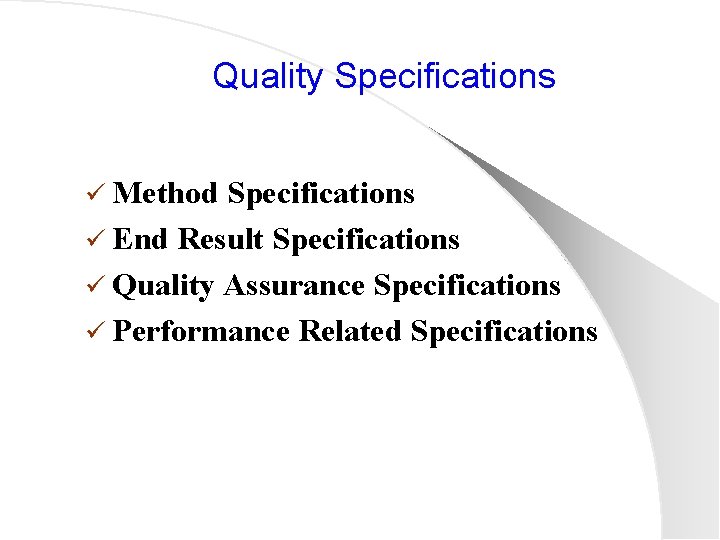
Quality Specifications ü Method Specifications ü End Result Specifications ü Quality Assurance Specifications ü Performance Related Specifications
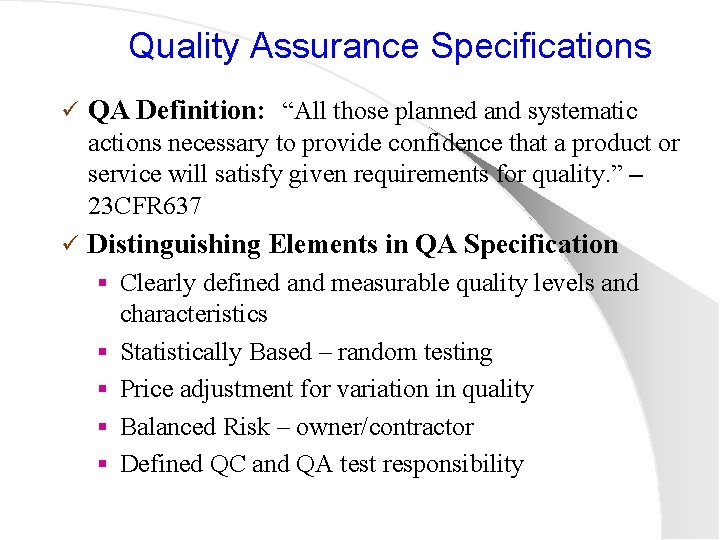
Quality Assurance Specifications ü QA Definition: “All those planned and systematic actions necessary to provide confidence that a product or service will satisfy given requirements for quality. ” – 23 CFR 637 ü Distinguishing Elements in QA Specification § Clearly defined and measurable quality levels and § § characteristics Statistically Based – random testing Price adjustment for variation in quality Balanced Risk – owner/contractor Defined QC and QA test responsibility
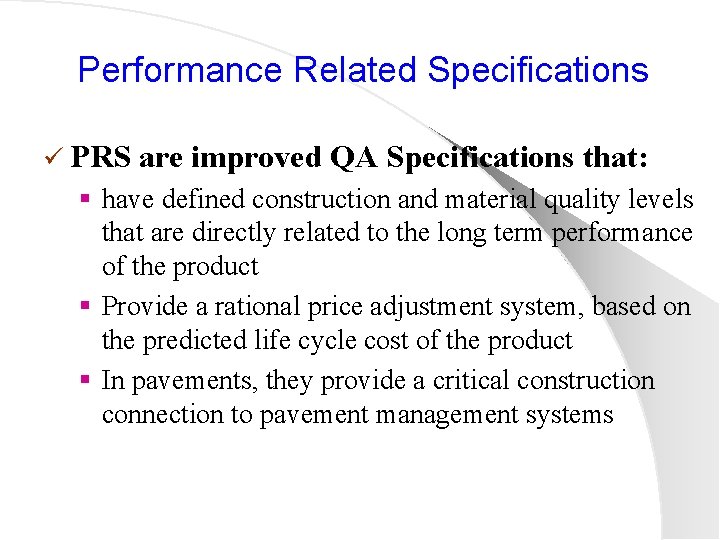
Performance Related Specifications ü PRS are improved QA Specifications that: § have defined construction and material quality levels that are directly related to the long term performance of the product § Provide a rational price adjustment system, based on the predicted life cycle cost of the product § In pavements, they provide a critical construction connection to pavement management systems
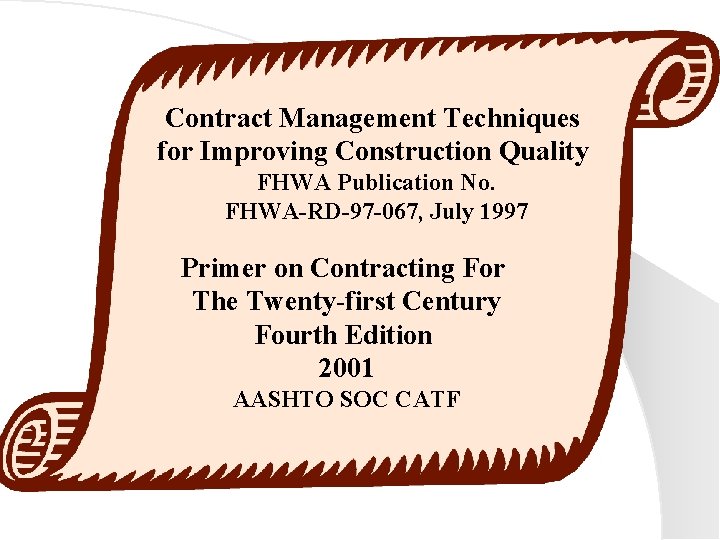
Contract Management Techniques for Improving Construction Quality FHWA Publication No. FHWA-RD-97 -067, July 1997 Primer on Contracting For The Twenty-first Century Fourth Edition 2001 AASHTO SOC CATF
You Find A Concern During a Review……. . What Do You Do? ? ?
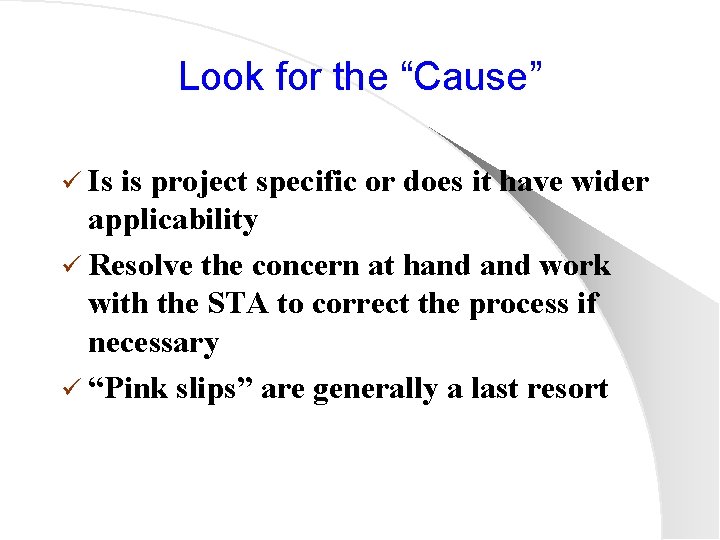
Look for the “Cause” ü Is is project specific or does it have wider applicability ü Resolve the concern at hand work with the STA to correct the process if necessary ü “Pink slips” are generally a last resort
Resolving Concerns ü Do not direct the contractor’s operations § STA/Contractor contractual relationship ü Work with the RE/PE to resolve concern before you leave the project § Your report should reflect positive resolution or recommend the process be further reviewed
Remember Your Goals Confidence that federal programs are implemented in compliance with laws, regulations and policy è Confidence that the public is receiving a long lasting, quality product è Confidence that the construction process is as efficient and effective as possible è
If I can be of assistance………. Bill Hakala Construction and Contract Administration Engineer Western Resource Center 303 -716 -2151 303 -969 -6727 fax william. hakala@fhwa. dot. gov
Let’s Discuss Two Division Specific Programs………