
Fetal to Neonatal Transition Adjusting to ExtraUterine Life


- Slides: 46
Fetal to Neonatal Transition Adjusting to Extra-Uterine Life
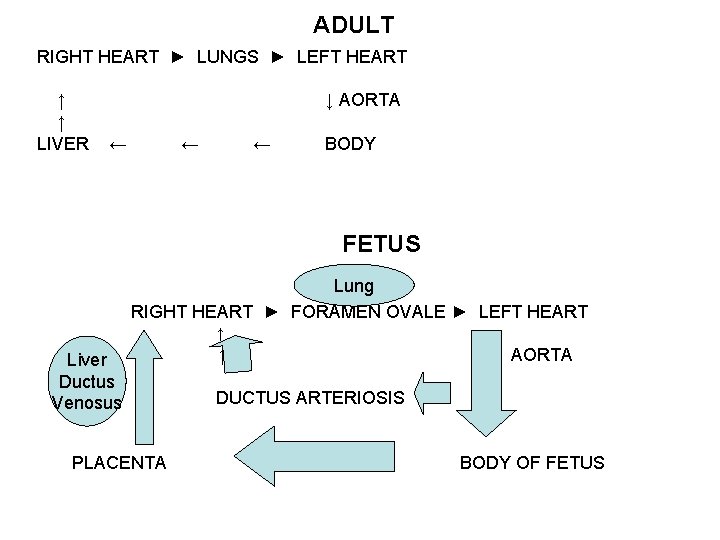
Cardiovascular Function • Ductus Arteriosis – Duct between Pulmonary Artery and Aorta that allows most blood to be shunted past the Pulmonary Artery and into Aorta. With increase in p. O 2 at birth, the Ductus Arteriosis closes and blood is forced to go to the lungs for oxygenation. • Foramen Ovale – Valve (flap-type) that closes when pressure in left side of heart increases upon closure of the Ductus Arteriosis.
ADULT RIGHT HEART ► LUNGS ► LEFT HEART ↑ ↑ LIVER ↓ AORTA ← ← ← BODY FETUS Liver Ductus Venosus Lung RIGHT HEART ► FORAMEN OVALE ► LEFT HEART ↑ ↑ AORTA PLACENTA DUCTUS ARTERIOSIS BODY OF FETUS
Gut • • Filled with Amniotic Fluid drunk at 500 ml/day Contains meconium – fecal material Absorbs amino acids, sugars and electrolytes Digestion of proteins, aborption of amino acids and incorporation into fetal tissues • Colostrum – fluid phase pinocytosis and gut closure regarding absorption of immunoglobulins – Passive Immunity – required for piglets and beneficial for offspring of all species – Gut maturation • IGF-I and EGF in colostrum stimulate gut maturation
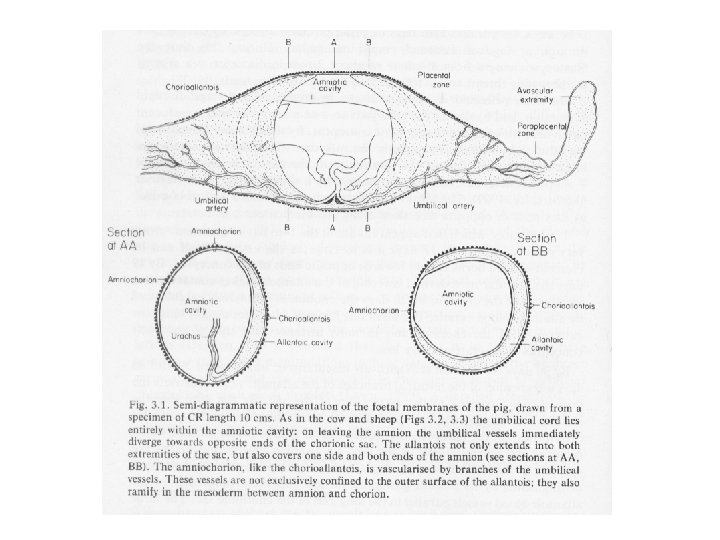
Renal System • Normal fetus – 450 ml urine/day into amniotic sac with turnover of 300 to 600 ml/h of amnionic fluid • Proteinuria in fetal life to closure of kidney tubules in neonate • Absence or malfunction of kidneys leads to death or retarded development
Respiratory System • Fetal breathing occurs in utero • Allows development of intercostal muscles of chest and diaphragm associated with breathing
Endocrine System • Decapitated fetal pigs and lambs grow normally in utero due to fetal (IGF-I and IGF-II from all tissues) and placental hormones and growth factors • Maternal hormones not transported across the placenta except for some steroids • Fetal-Placental Hormones Do Affect Maternal System
Endocrine System • Fetal-Placental Hormones Do Affect Maternal System – Quieting effect on nervous system • Progesterone • Opiods – endorphins, enkephalins, dynorphins – Increase in cardiac output – Peripheral vasodilation – Increase renal clearance – Altered glucose, fat, protein and mineral metabolism to accommodate needs of fetalplacental tissue growth
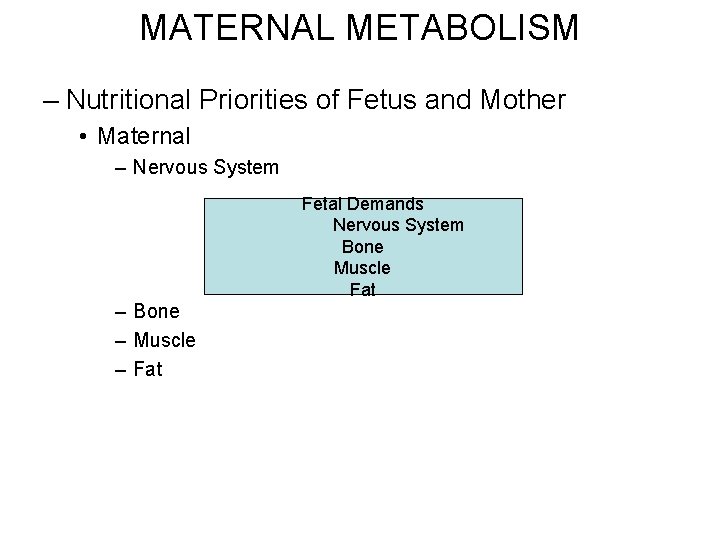
MATERNAL METABOLISM – Nutritional Priorities of Fetus and Mother • Maternal – Nervous System – Bone – Muscle – Fat Fetal Demands Nervous System Bone Muscle Fat
Complete Inanition in Sows • Water only: Days 0 -40, 30 to 70 or 70 to 110 – – – No effect on fetal weight at birth Rapid realimentation of sows caused abortion Model for nutrient partitioning Animal welfare concerns Study done by Lloyd Anderson, Iowa State University 9 Am J Physiol. 1979 Sep; 237(3): E 273 -8. – PMID: 474753 [Pub. Med - indexed for MEDLINE] – 4: Anderson LL, Hard DL, Kertiles LP. Related Articles, Links – Progesterone secretion and fetal development during prolonged starvation in the pig. Am J Physiol. 1979 237(3): E 273 -8; Am J Physiol. 1979 236(4): E 335 -41; Am J Physiol. 1978 234(2): E 190 -6.
Thyroid Function • Thyroxin (T 4) and triiodothyronine (T 3) required for normal development of brain, bones, hair/wool
Pancrease • Insulin regulates glucose metabolism by fetus • Diabetic mother – leads to more glucose transport to fetal-placental tissue and increased (insulin dependent) storage of energy as glycogen and/or fat
Fetal Adrenal Glands • Norepinephrine – Release of surfactant from epithelial cells of lung lobuloalveolar structures – Absorption of liquid from lungs • Glucocorticoids (Cortisol and Corticosterone) – – – – Lung maturation Lactogenesis Thyroxin to Triiodothyronine Glucose storage as glycogen Insulin secretion in response to glucose Transition from fetal hemoglobin to adult hemoglobin Closure of Ductus Arteriosis Parturition
Lung Maturation • Synthesis and secretion of surfactant by lung alveolar epithelium – Glucocorticoids – Synthesis (Transcription and Translation) of surfactant and storage in cells – Norepinephrine – Secretion of surfactant • Surfactant essential for lung alveoli to maintain integrity and not collapse by providing high surface tension when stretched. • Fetuses deficient in surfactant develop Hyalin Membrane Disease and often die • Now Pediatricians have artificial surfactant to decrease risk of Hyalin Membrane Disease
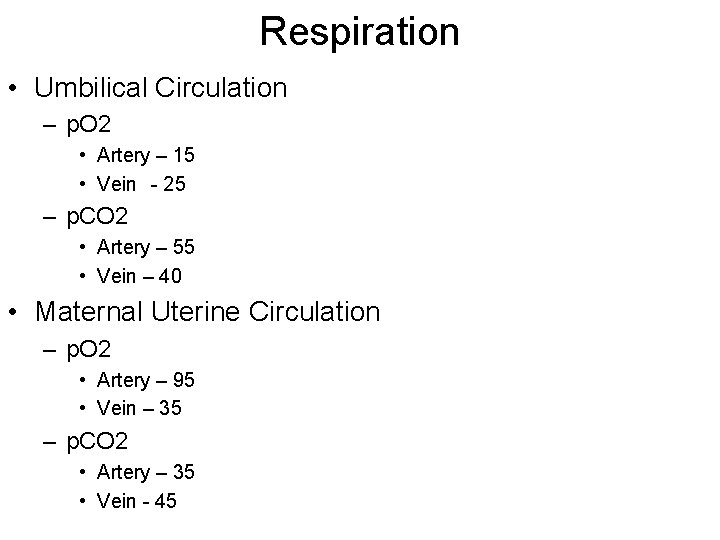
Respiration • Umbilical Circulation – p. O 2 • Artery – 15 • Vein - 25 – p. CO 2 • Artery – 55 • Vein – 40 • Maternal Uterine Circulation – p. O 2 • Artery – 95 • Vein – 35 – p. CO 2 • Artery – 35 • Vein - 45
Factors Affecting Reproductive Efficiency OVULATION RATE FERTILIZATION RATE EMBRYONIC SURVIVAL UTERINE CAPACITY
FACTORS AFFECTING REPRODUCTIVE PERFORMANCE UTERINE CAPACITY EMBRYONIC DEATHS FERTILIZATION RATE OVULATION RATE
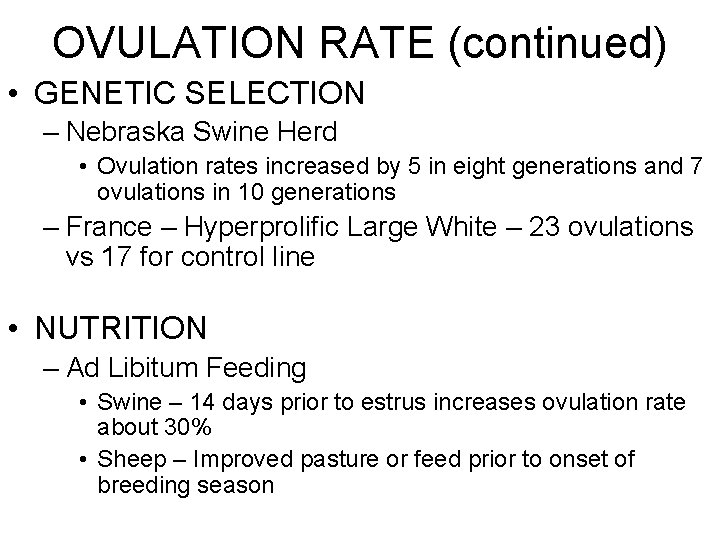
OVULATION RATE • HORMONAL REGULATION – e. CG – FSH • NUTRITION – Ad Libitum Feeding • Swine – 14 days prior to estrus increases ovulation rate about 30% • Sheep – Improved pasture or feed prior to onset of breeding season
OVULATION RATE (continued) • GENETIC SELECTION – Boorola Merino • • Single gene mutation to decrease inhibin Ovulation rates – 3 to 5 or more Finish Landrace and Romanov – 4 or more ovulations Assaf ewes by introgression the Fec. B (Booroola) gene (Gootwine et al. , 2001). • NUTRITION – Ad Libitum Feeding • Swine – 14 days prior to estrus increases ovulation rate about 30% • Sheep – Improved pasture or feed prior to onset of breeding season
OVULATION RATE (continued) • GENETIC SELECTION – Nebraska Swine Herd • Ovulation rates increased by 5 in eight generations and 7 ovulations in 10 generations – France – Hyperprolific Large White – 23 ovulations vs 17 for control line • NUTRITION – Ad Libitum Feeding • Swine – 14 days prior to estrus increases ovulation rate about 30% • Sheep – Improved pasture or feed prior to onset of breeding season
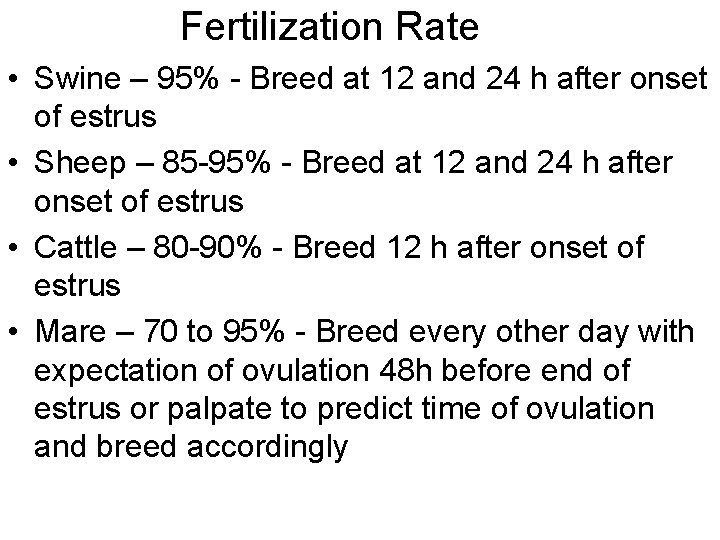
Fertilization Rate • Swine – 95% - Breed at 12 and 24 h after onset of estrus • Sheep – 85 -95% - Breed at 12 and 24 h after onset of estrus • Cattle – 80 -90% - Breed 12 h after onset of estrus • Mare – 70 to 95% - Breed every other day with expectation of ovulation 48 h before end of estrus or palpate to predict time of ovulation and breed accordingly
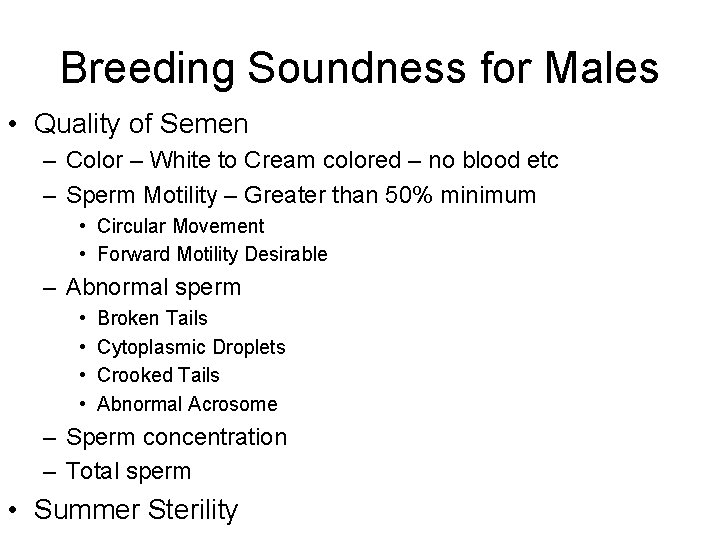
Breeding Soundness for Males • Quality of Semen – Color – White to Cream colored – no blood etc – Sperm Motility – Greater than 50% minimum • Circular Movement • Forward Motility Desirable – Abnormal sperm • • Broken Tails Cytoplasmic Droplets Crooked Tails Abnormal Acrosome – Sperm concentration – Total sperm • Summer Sterility
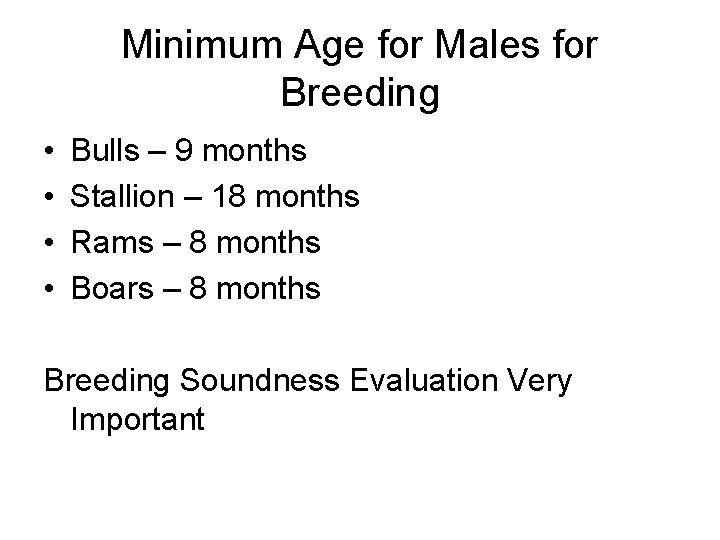
Minimum Age for Males for Breeding • • Bulls – 9 months Stallion – 18 months Rams – 8 months Boars – 8 months Breeding Soundness Evaluation Very Important
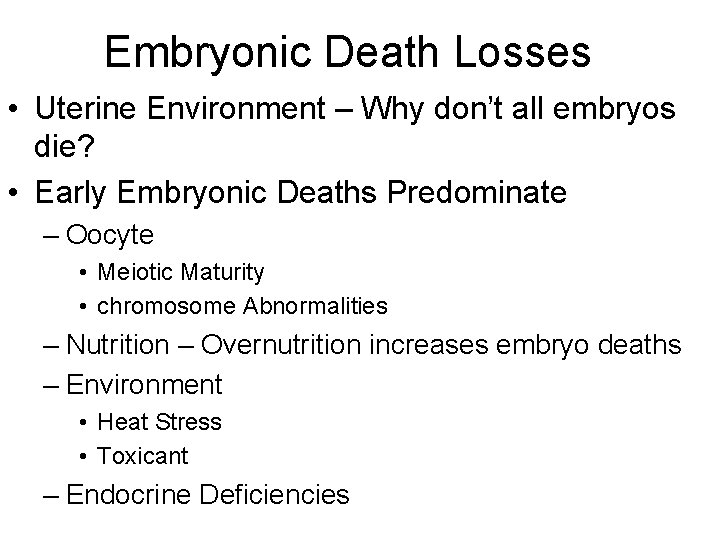
Embryonic Death Losses • Uterine Environment – Why don’t all embryos die? • Early Embryonic Deaths Predominate – Oocyte • Meiotic Maturity • chromosome Abnormalities – Nutrition – Overnutrition increases embryo deaths – Environment • Heat Stress • Toxicant – Endocrine Deficiencies
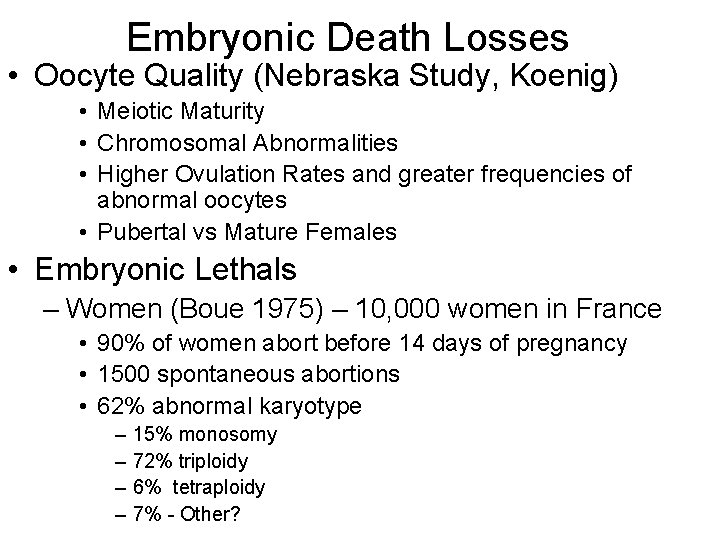
Embryonic Death Losses • Oocyte Quality (Nebraska Study, Koenig) • Meiotic Maturity • Chromosomal Abnormalities • Higher Ovulation Rates and greater frequencies of abnormal oocytes • Pubertal vs Mature Females • Embryonic Lethals – Women (Boue 1975) – 10, 000 women in France • 90% of women abort before 14 days of pregnancy • 1500 spontaneous abortions • 62% abnormal karyotype – – 15% monosomy 72% triploidy 6% tetraploidy 7% - Other?
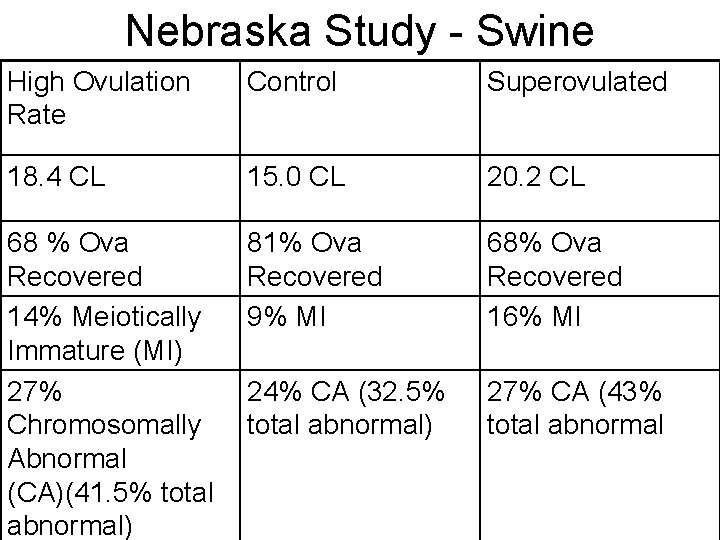
Nebraska Study - Swine High Ovulation Rate Control Superovulated 18. 4 CL 15. 0 CL 20. 2 CL 68 % Ova Recovered 14% Meiotically Immature (MI) 27% Chromosomally Abnormal (CA)(41. 5% total abnormal) 81% Ova Recovered 9% MI 68% Ova Recovered 16% MI 24% CA (32. 5% total abnormal) 27% CA (43% total abnormal
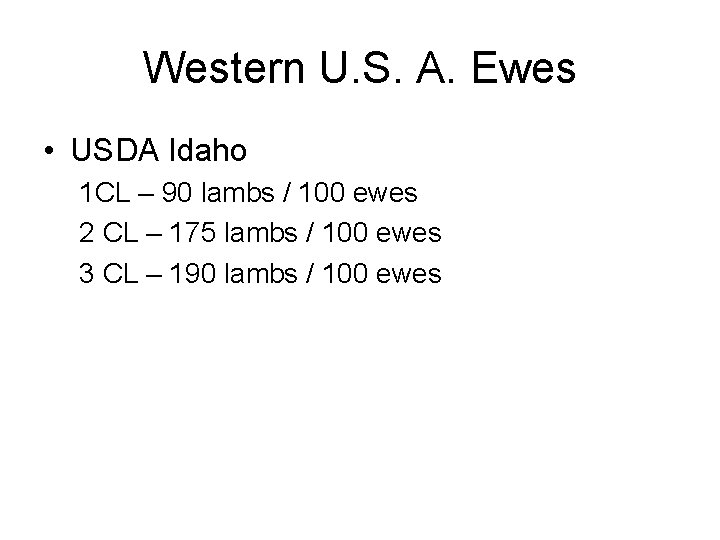
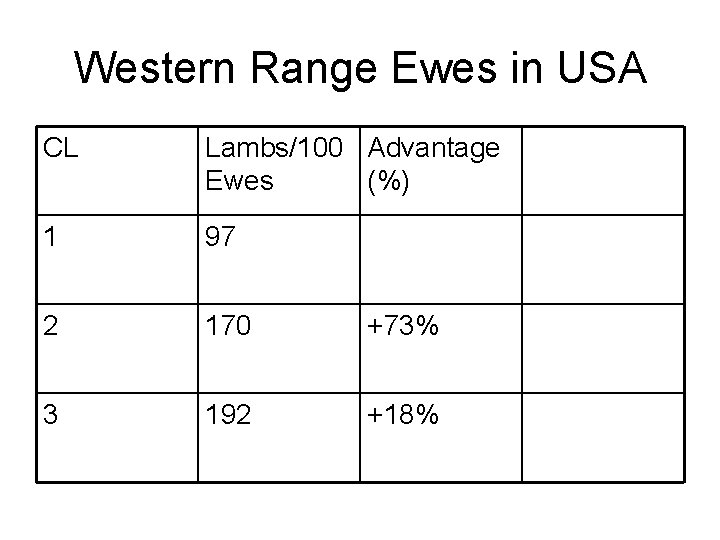
Western U. S. A. Ewes • USDA Idaho 1 CL – 90 lambs / 100 ewes 2 CL – 175 lambs / 100 ewes 3 CL – 190 lambs / 100 ewes
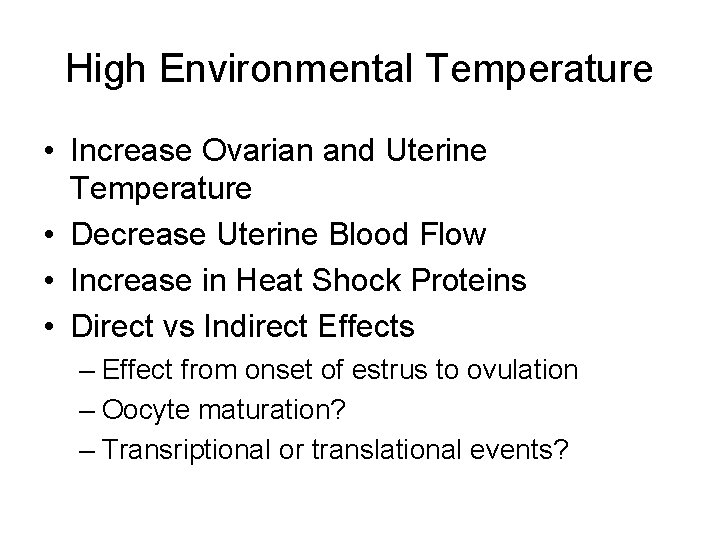
High Environmental Temperature • Increase Ovarian and Uterine Temperature • Decrease Uterine Blood Flow • Increase in Heat Shock Proteins • Direct vs Indirect Effects – Effect from onset of estrus to ovulation – Oocyte maturation? – Transriptional or translational events?
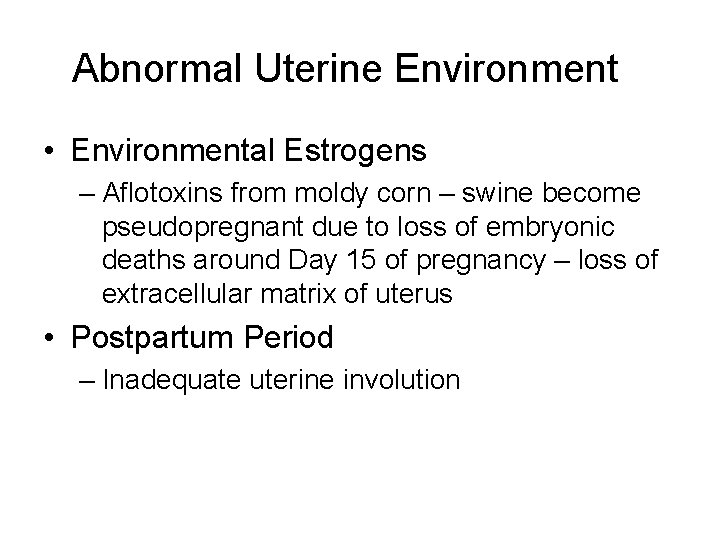
Abnormal Uterine Environment • Environmental Estrogens – Aflotoxins from moldy corn – swine become pseudopregnant due to loss of embryonic deaths around Day 15 of pregnancy – loss of extracellular matrix of uterus • Postpartum Period – Inadequate uterine involution
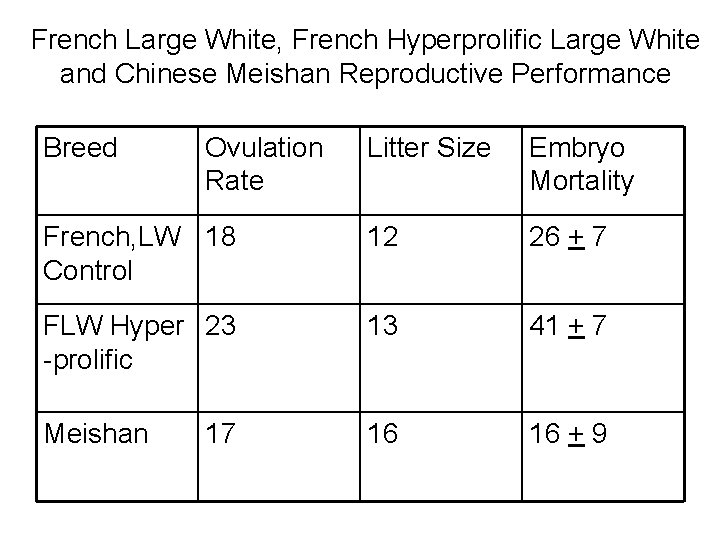
French Large White, French Hyperprolific Large White and Chinese Meishan Reproductive Performance Breed Ovulation Rate Litter Size Embryo Mortality French, LW 18 Control 12 26 + 7 FLW Hyper 23 -prolific 13 41 + 7 Meishan 16 16 + 9 17
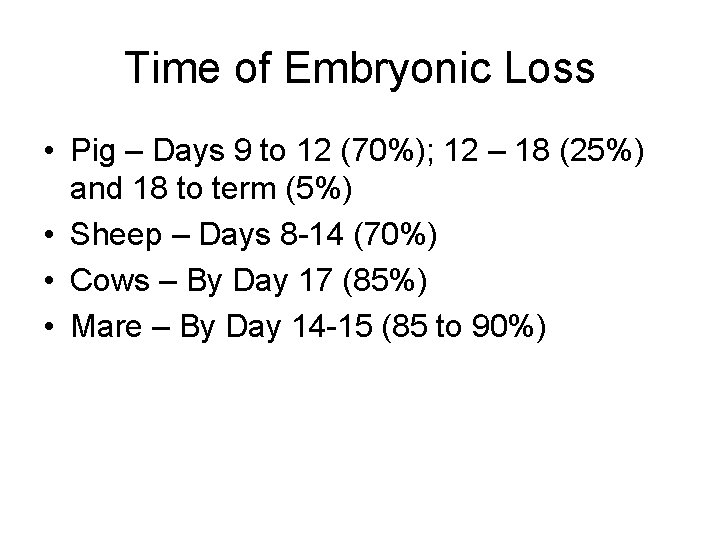
Time of Embryonic Loss • Pig – Days 9 to 12 (70%); 12 – 18 (25%) and 18 to term (5%) • Sheep – Days 8 -14 (70%) • Cows – By Day 17 (85%) • Mare – By Day 14 -15 (85 to 90%)
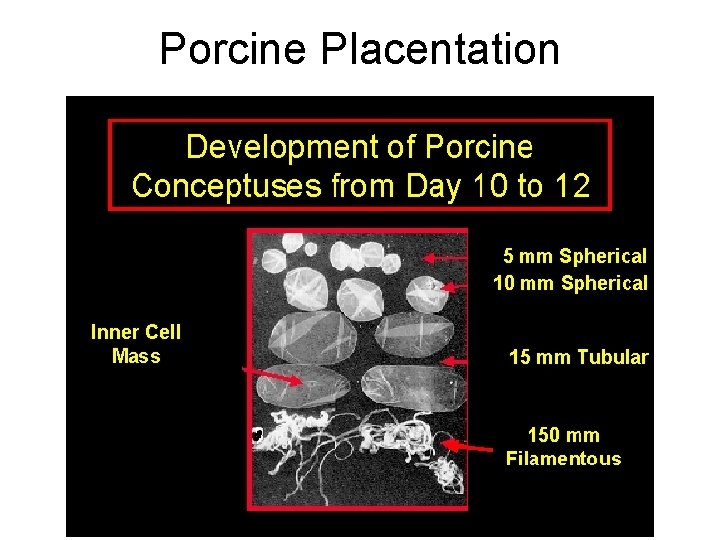
Porcine Placentation
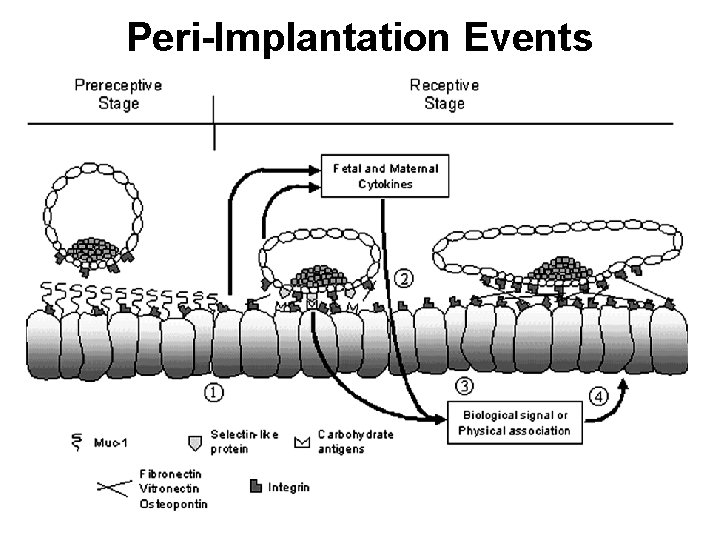
Peri-Implantation Events
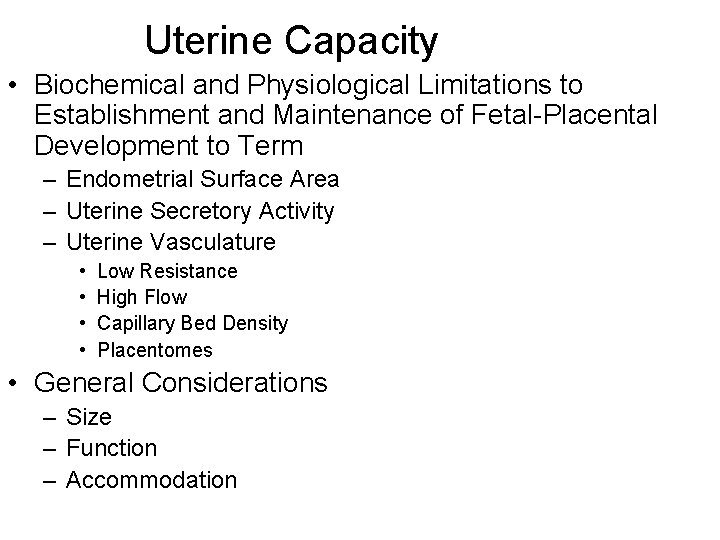
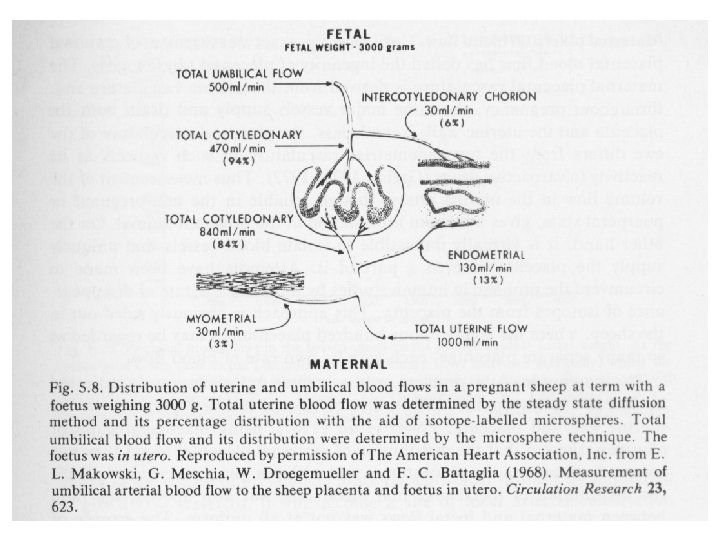
Uterine Capacity • Biochemical and Physiological Limitations to Establishment and Maintenance of Fetal-Placental Development to Term – Endometrial Surface Area – Uterine Secretory Activity – Uterine Vasculature • • Low Resistance High Flow Capillary Bed Density Placentomes • General Considerations – Size – Function – Accommodation
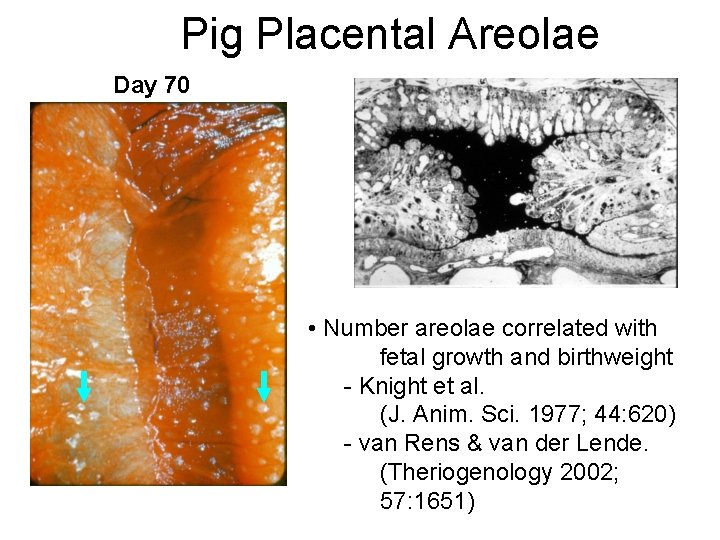
Pig Placental Areolae Day 70 • Number areolae correlated with fetal growth and birthweight - Knight et al. (J. Anim. Sci. 1977; 44: 620) - van Rens & van der Lende. (Theriogenology 2002; 57: 1651)
Western Range Ewes in USA CL Lambs/100 Advantage Ewes (%) 1 97 2 170 +73% 3 192 +18%
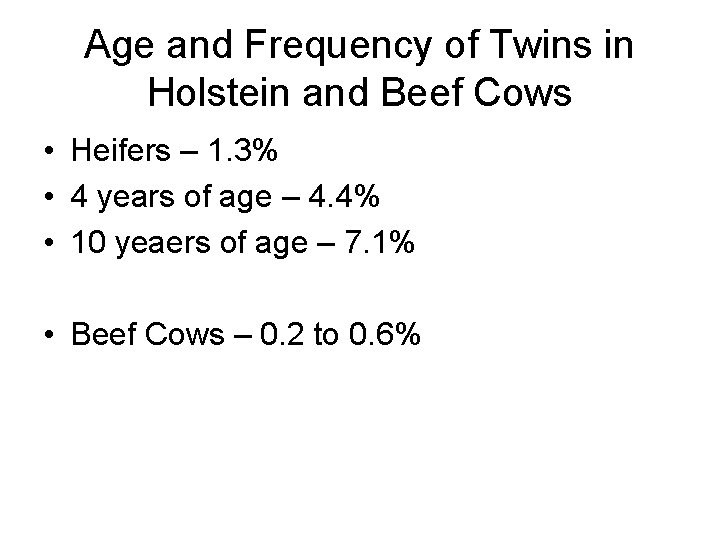
Age and Frequency of Twins in Holstein and Beef Cows • Heifers – 1. 3% • 4 years of age – 4. 4% • 10 yeaers of age – 7. 1% • Beef Cows – 0. 2 to 0. 6%
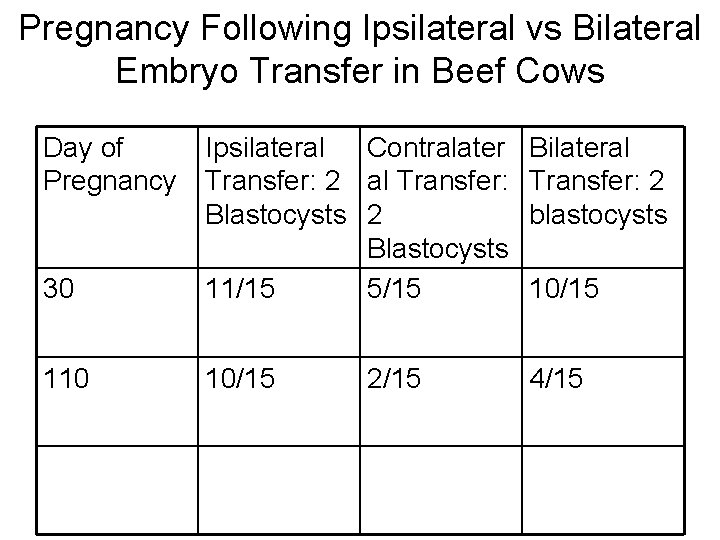
Pregnancy Following Ipsilateral vs Bilateral Embryo Transfer in Beef Cows Day of Pregnancy 30 Ipsilateral Contralater Bilateral Transfer: 2 Blastocysts 2 blastocysts Blastocysts 11/15 5/15 10/15 110 10/15 2/15 4/15
Intrauterine Migration of Blastocysts • Sheep – Yes, when there are multiple ovulations • Cattle – Rare, less than 10% regardless of site of ovulation – Sreenan and Beehan (1976) indicated 75% to 81% embryo survival in 52 dairy heifers following bilateral embryo transfer
Problems with Multiple Offspring in Cattle • • • Freemartins Abortions at about 150 to 180 days Small calves with high mortality Cows abandon one calf Retained placenta from 6 – 11% for cows with single calf to 66% to 100% in cows giving birth to multiple calves
Characteristics of Prolific Breeds of Sheep and Pigs • Moderate increase or no increase in ovulation rate • Increased embryonic survival • Smaller, but uniform placentae • Smaller, but uniform birth weights of offspring • Increase in mammary development – milk production or increase in number of glands • Increase in uterine vascularity • Models for functional genomic inquiries
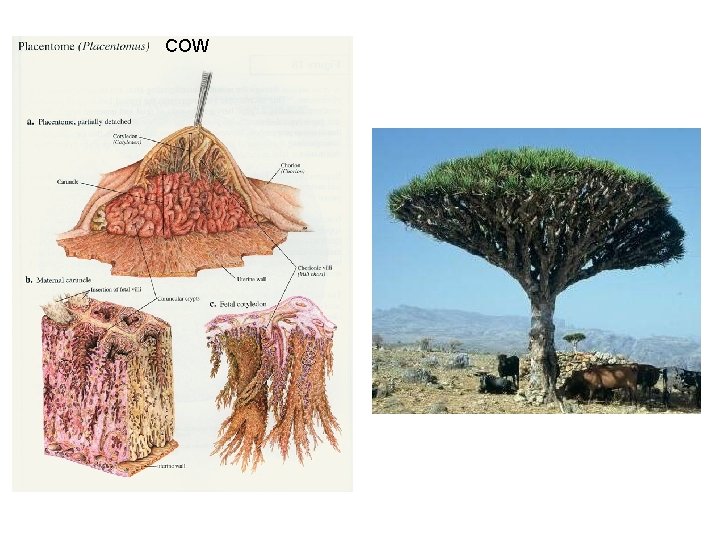
COW