
Fetal and neonatal circulation Rudolph congenital heart diseases



- Slides: 44
Fetal and neonatal circulation
Rudolph congenital heart diseases
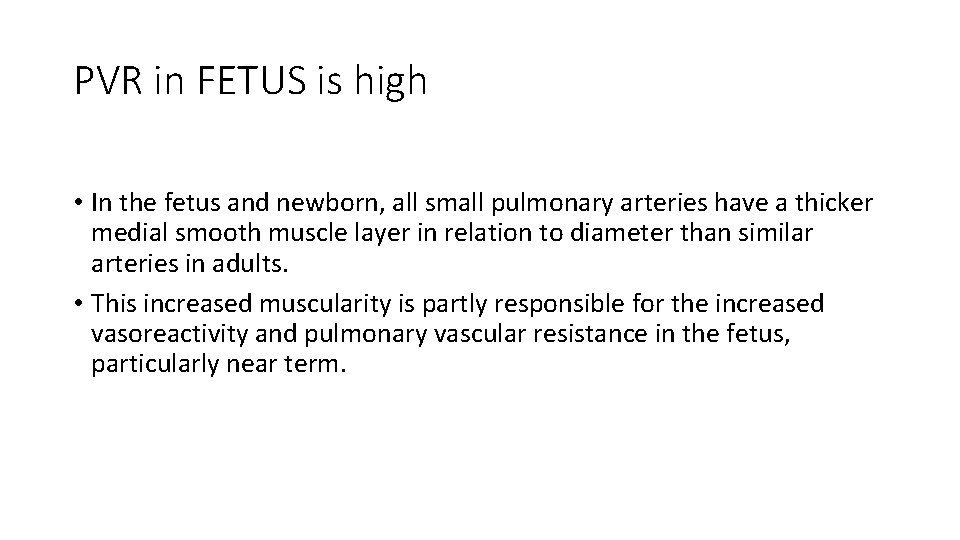
PVR in FETUS is high • In the fetus and newborn, all small pulmonary arteries have a thicker medial smooth muscle layer in relation to diameter than similar arteries in adults. • This increased muscularity is partly responsible for the increased vasoreactivity and pulmonary vascular resistance in the fetus, particularly near term.
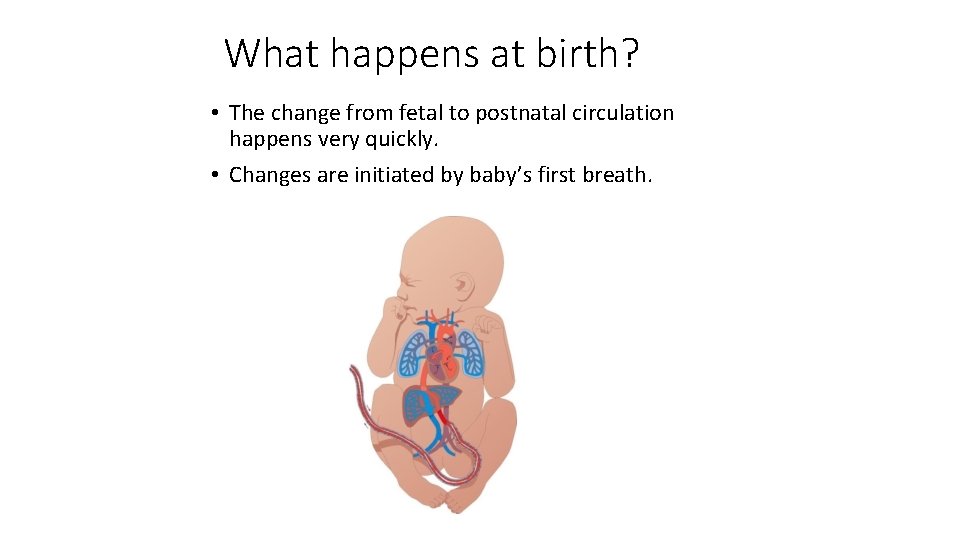
What happens at birth? • The change from fetal to postnatal circulation happens very quickly. • Changes are initiated by baby’s first breath.
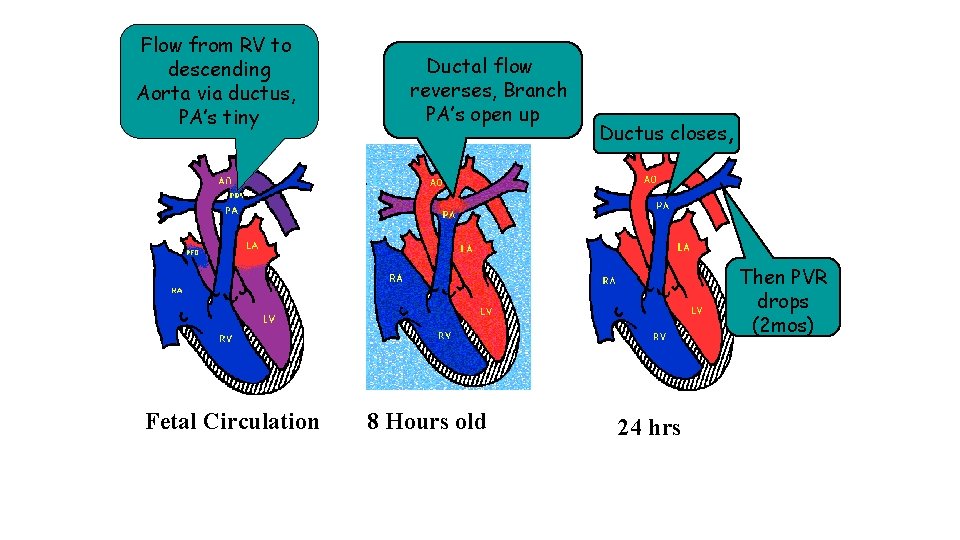
What are the changes? • 1. Decrease in pulmonary vascular resistance • 2. Disruption of the umbilical-placental circulation – SVR increases • 3. Abruptly at birth, the ductus arteriosus changes from a right-to-left conduit of blood to the descending aorta, to a left-to-right conduit of blood to the lungs
Pulmonary circulation • Breathing at birth is associated with a marked fall in PVR and rise in PBF. – oxygen • PA pressure does not fall as rapidly and remain elevated till the ductus is widely patent. • Once the ductus is closed, PA pressure can vary independent of systemic pressure.
The transitional circulation • After the initial rapid decrease in pulmonary vascular resistance and pulmonary arterial blood pressure, there is a slow, progressive decrease, with adult levels reached after 2 to 6 weeks. • This is due to vascular remodeling, muscular involution, and rheologic changes. • In the first 4 to 6 weeks after birth, there is progressive involution of the circumferential medial smooth muscle with overall reduction in medial muscular thickness of the walls of the small pulmonary arteries
Ductus arteriosus closure – physiological • Immediately after birth, contraction and cellular migration of the medial smooth muscle in the wall of the ductus arteriosus produce shortening, increased wall thickness, and protrusion into the lumen of the thickened intima (intimal cushions or mounds), resulting in functional closure. • This commonly occurs within 12 hours after birth in full-term human infants
Ductus arteriosus closure – anatomic • Completed by 2 to 3 weeks in human infants, produced by infolding of the endothelium, disruption and fragmentation of the internal elastic lamina, proliferation of the subintimal layers, and hemorrhage and necrosis in the subintimal region. • The mounds enlarge progressively, and there is connective tissue formation and replacement of muscle fibers with fibrosis and permanent sealing of the lumen to produce the ligamentum arteriosum
Ductus arteriosus closure – mechanism • The increased level of oxygen probably causes vasoconstriction of the ductal musculature, • Reduction in circulating prostaglandins of the E series plays a role • Maturity of the newborn are important factors in closure of the ductus. • Acetylcholine and bradykinin also constrict the ductus.
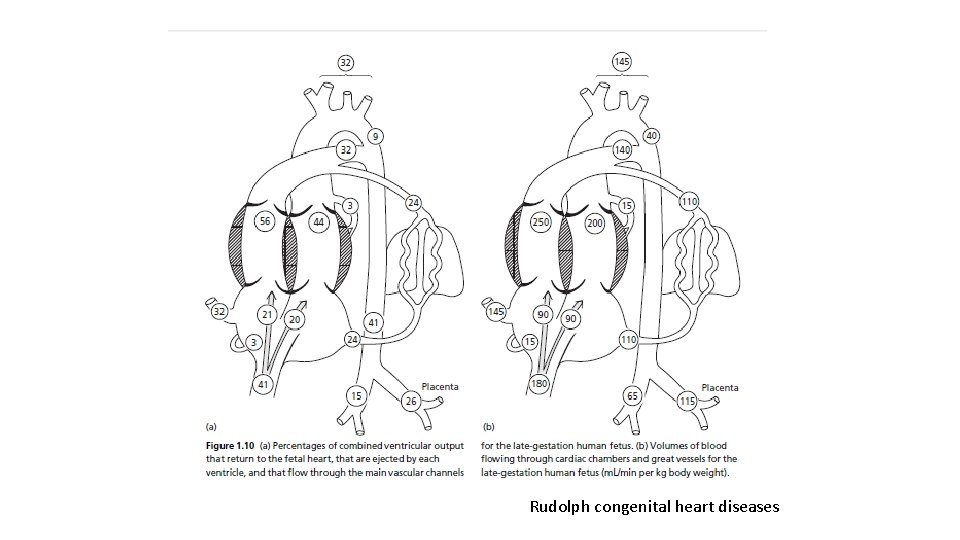
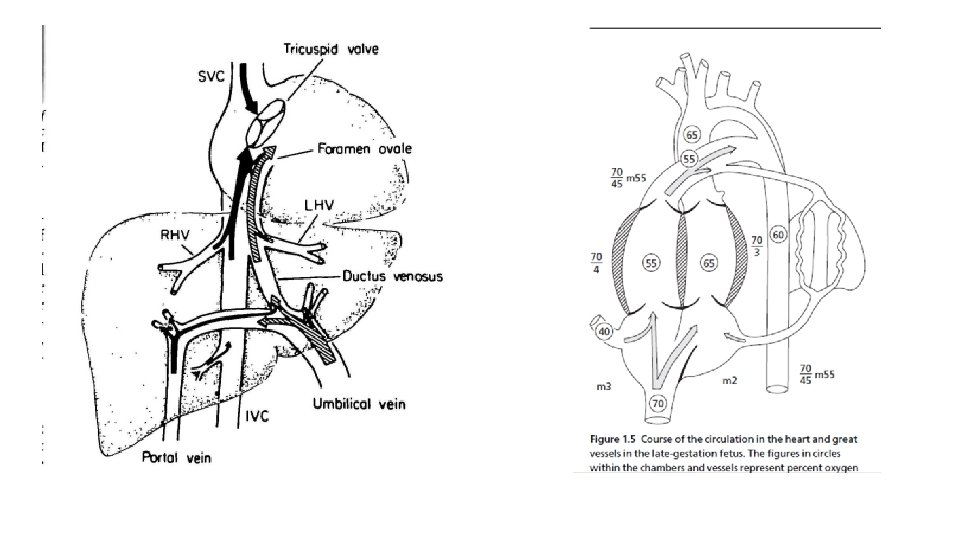
Closure of the foramen ovale • Passive - secondary to alterations in the relative return of blood to the right and left atria • At birth combined ventricular output returning from the lung changes from 8% prenatally to >50% • Left atrial pressure thus exceeds right, and the redundant flap of tissue of the foramen ovale that previously bowed into the left atrium is now pressed against the septum • Closes shortly after birth, fuses completely in first year.
Flow from RV to descending Aorta via ductus, PA’s tiny Ductal flow reverses, Branch PA’s open up Ductus closes, Then PVR drops (2 mos) Fetal Circulation 8 Hours old 24 hrs
HEART FAILURE IN NEWBORN
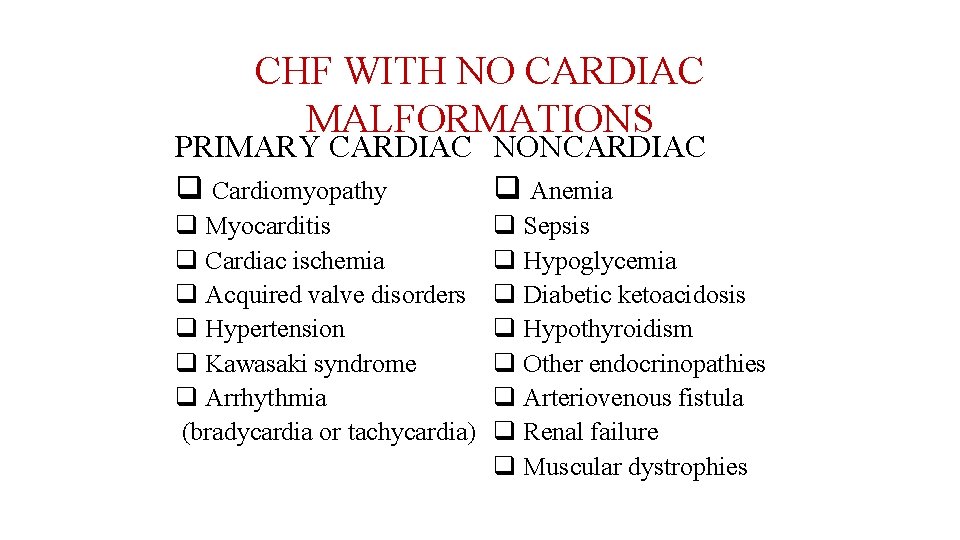
CHF WITH NO CARDIAC MALFORMATIONS PRIMARY CARDIAC NONCARDIAC q Cardiomyopathy q Anemia q Myocarditis q Cardiac ischemia q Acquired valve disorders q Hypertension q Kawasaki syndrome q Arrhythmia (bradycardia or tachycardia) q Sepsis q Hypoglycemia q Diabetic ketoacidosis q Hypothyroidism q Other endocrinopathies q Arteriovenous fistula q Renal failure q Muscular dystrophies
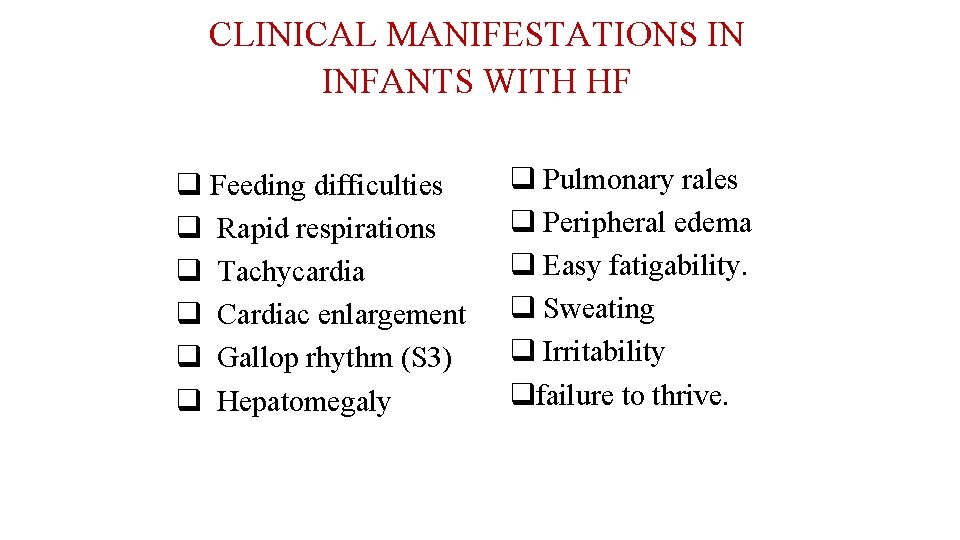
CLINICAL MANIFESTATIONS IN INFANTS WITH HF q Feeding difficulties q Rapid respirations q Tachycardia q Cardiac enlargement q Gallop rhythm (S 3) q Hepatomegaly q Pulmonary rales q Peripheral edema q Easy fatigability. q Sweating q Irritability qfailure to thrive.
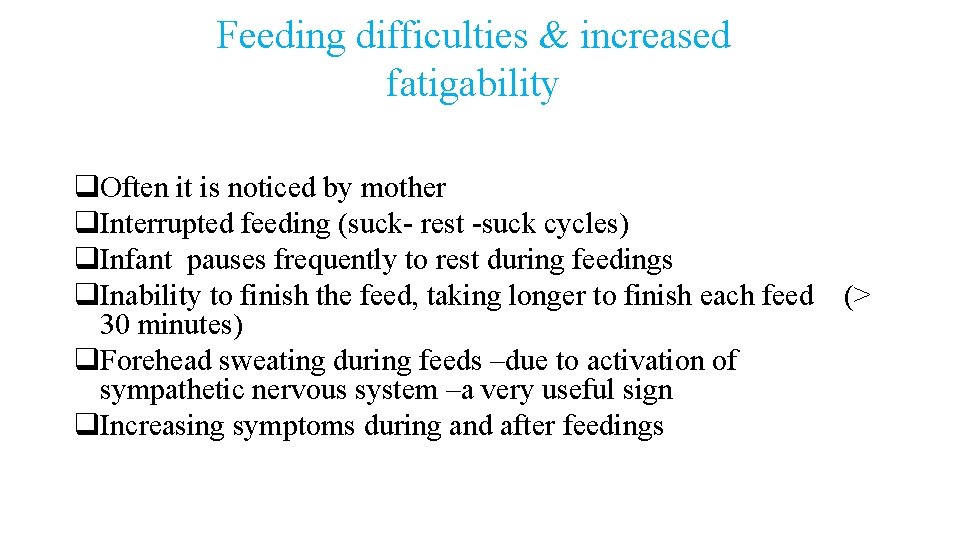
Feeding difficulties & increased fatigability q. Often it is noticed by mother q. Interrupted feeding (suck- rest -suck cycles) q. Infant pauses frequently to rest during feedings q. Inability to finish the feed, taking longer to finish each feed 30 minutes) q. Forehead sweating during feeds –due to activation of sympathetic nervous system –a very useful sign q. Increasing symptoms during and after feedings (>
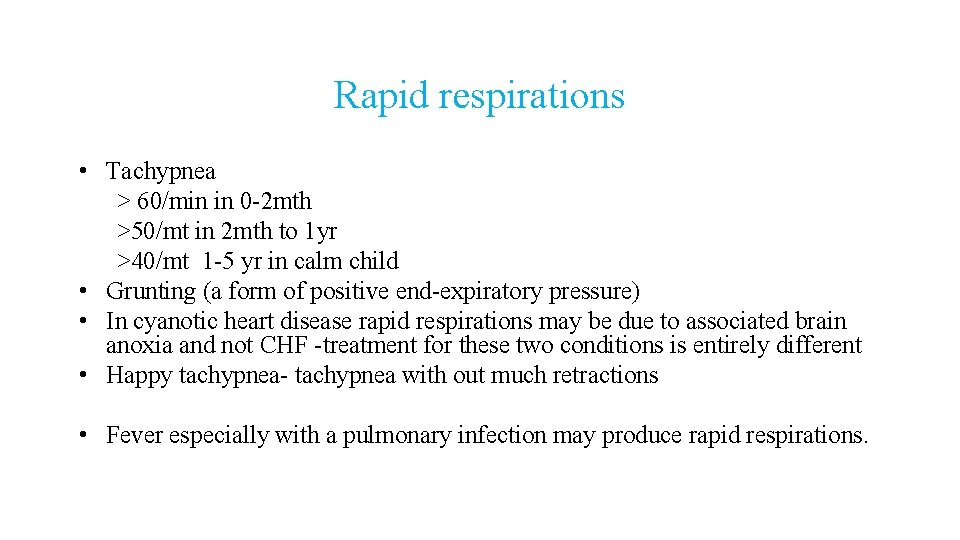
Rapid respirations • Tachypnea > 60/min in 0 -2 mth >50/mt in 2 mth to 1 yr >40/mt 1 -5 yr in calm child • Grunting (a form of positive end-expiratory pressure) • In cyanotic heart disease rapid respirations may be due to associated brain anoxia and not CHF -treatment for these two conditions is entirely different • Happy tachypnea- tachypnea with out much retractions • Fever especially with a pulmonary infection may produce rapid respirations.
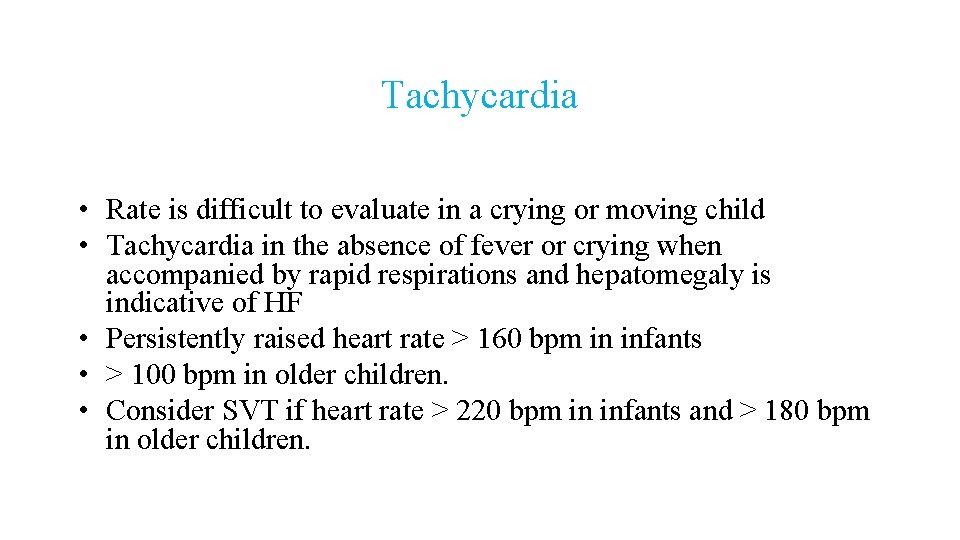
Tachycardia • Rate is difficult to evaluate in a crying or moving child • Tachycardia in the absence of fever or crying when accompanied by rapid respirations and hepatomegaly is indicative of HF • Persistently raised heart rate > 160 bpm in infants • > 100 bpm in older children. • Consider SVT if heart rate > 220 bpm in infants and > 180 bpm in older children.
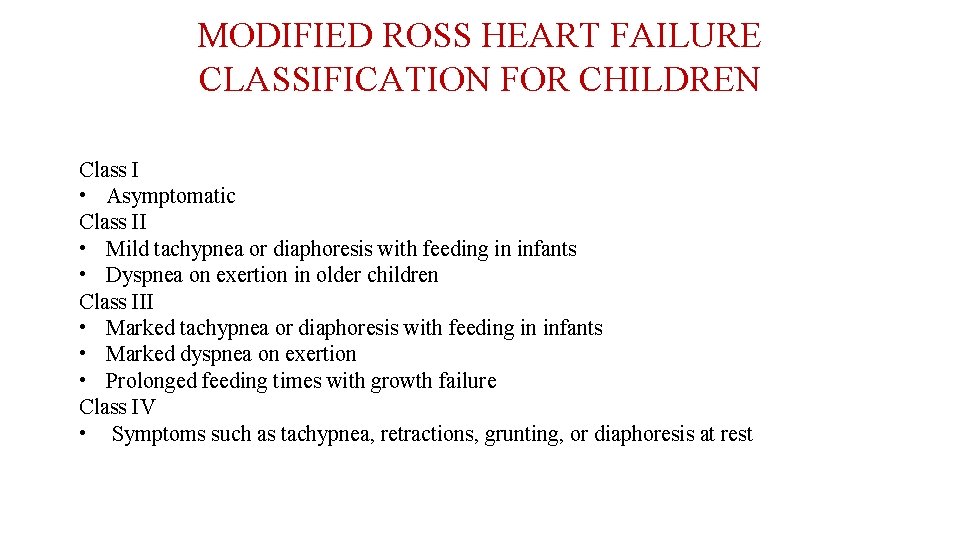
MODIFIED ROSS HEART FAILURE CLASSIFICATION FOR CHILDREN Class I • Asymptomatic Class II • Mild tachypnea or diaphoresis with feeding in infants • Dyspnea on exertion in older children Class III • Marked tachypnea or diaphoresis with feeding in infants • Marked dyspnea on exertion • Prolonged feeding times with growth failure Class IV • Symptoms such as tachypnea, retractions, grunting, or diaphoresis at rest
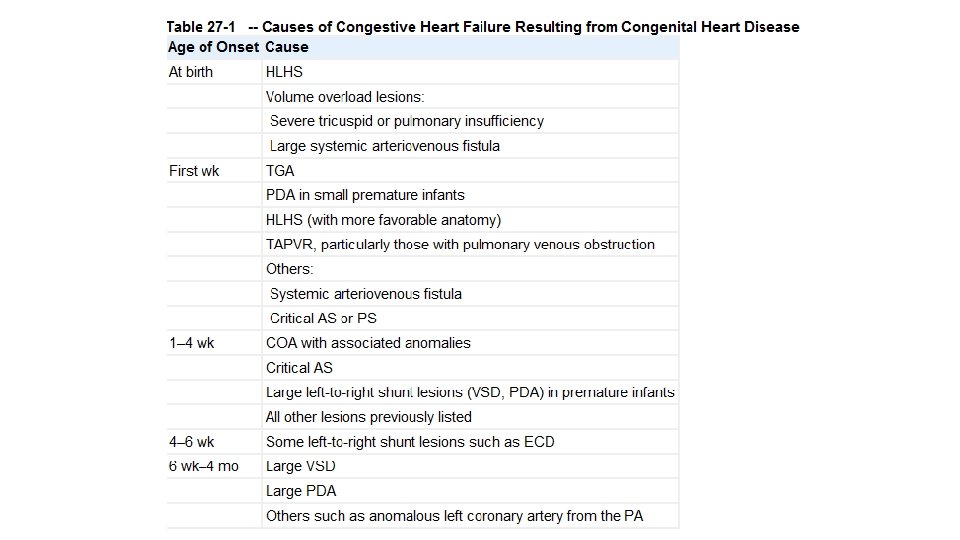
CHF on first day of life • Myocardial dysfunction secondary to asphyxia, hypoglycemia, hypocalcaemia or sepsis are usually responsible for CHF on first day • Few structural heart defects cause CHF within hours of birth • HLHS, severe TR or PR, Large AV fistula • TR secondary to hypoxia induced papillary muscle dysfunction or Ebstein’s anomaly of the valve • Improves as the pulmonary artery pressure falls over the next few days
CHF in first week of life • Critical AS or PS • Obstructive TAPVC • Adrenal insufficiency due to enzyme deficiencies or neonatal thyrotoxicosis could present with CHF in the first few days of life • TGA no VSD -1 ST week VSD and no PS-6 -8 weeks
CHF beyond second week of life • • Most common cause of CHF in infants is VSD Presents around 6 -8 weeks of age. Left to right shunt increases as the PVR falls Murmur of VSD is apparent by one week Full blown picture of CHF occurs around 6 -8 weeks. Other left to right shunts like PDA present similarly Fall in PVR is delayed in presence of hypoxic lung disease and at high altitude and can alter the time course • Spontaneous improvement in CHF -development of obstructive pulmonary arterial hypertension even in early childhood
Cyanotic heart disease in newborn
Cyanosis at birth • d TGA
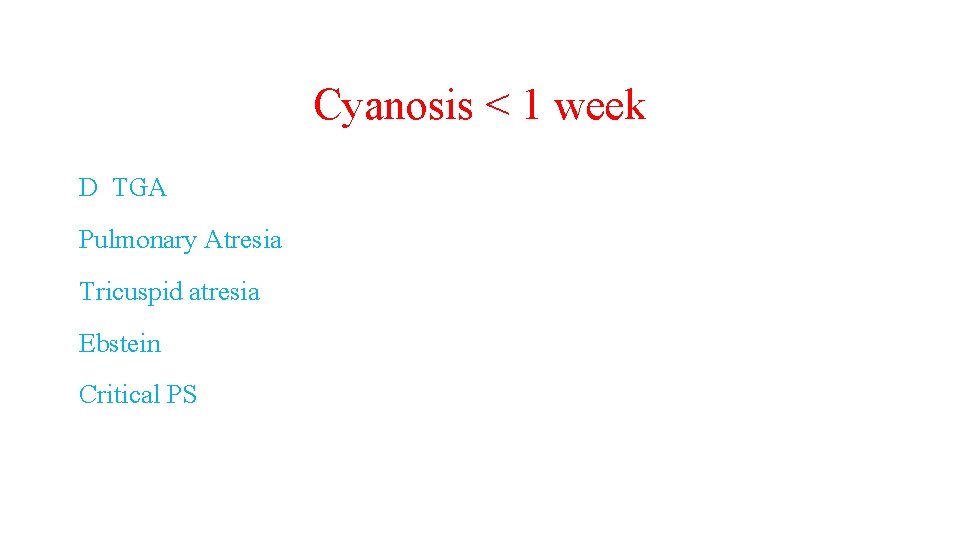
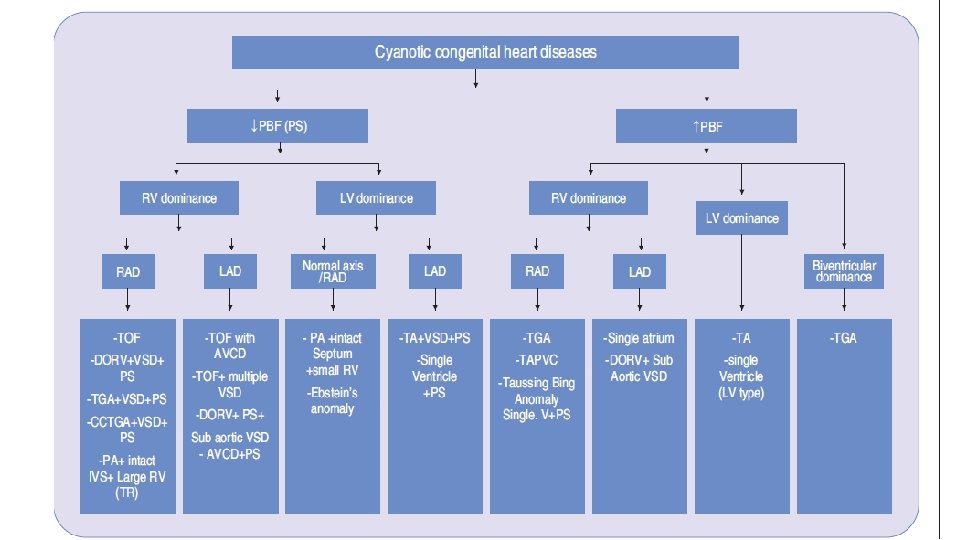
Cyanosis < 1 week D TGA Pulmonary Atresia Tricuspid atresia Ebstein Critical PS
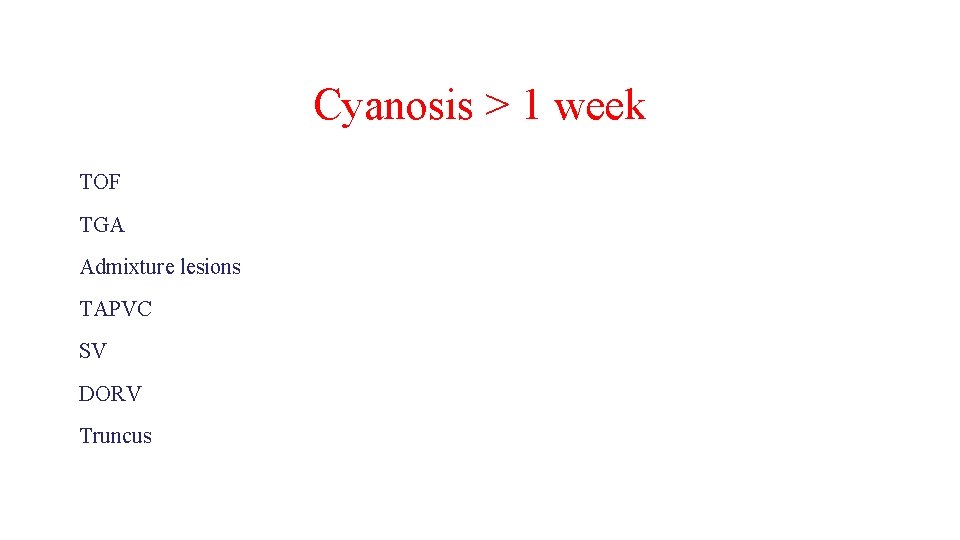
Cyanosis > 1 week TOF TGA Admixture lesions TAPVC SV DORV Truncus
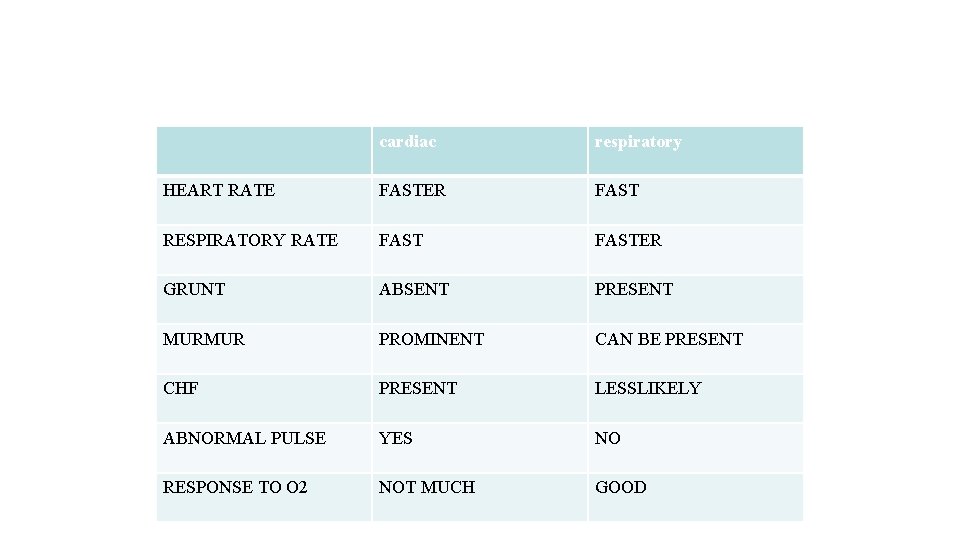
cardiac respiratory HEART RATE FASTER FAST RESPIRATORY RATE FASTER GRUNT ABSENT PRESENT MURMUR PROMINENT CAN BE PRESENT CHF PRESENT LESSLIKELY ABNORMAL PULSE YES NO RESPONSE TO O 2 NOT MUCH GOOD
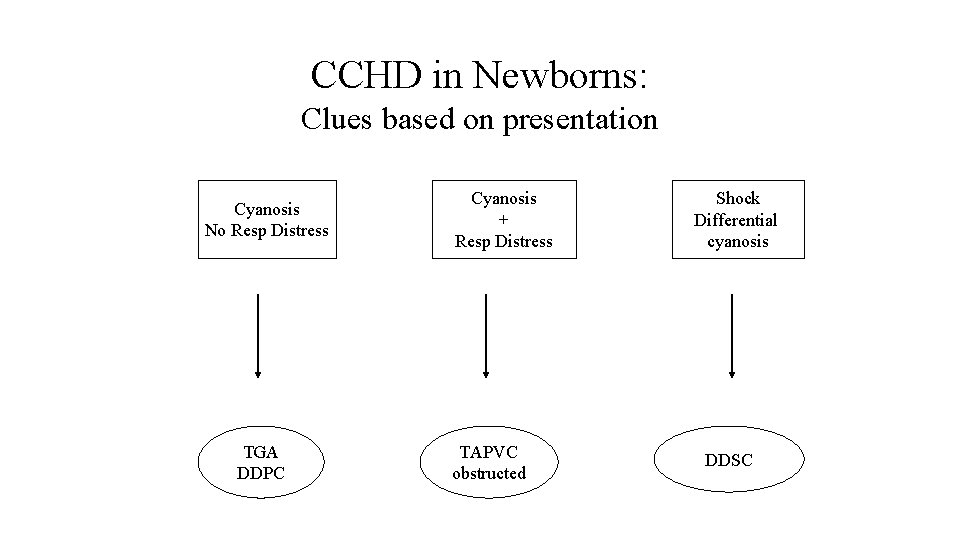
CCHD in Newborns: Clues based on presentation Cyanosis No Resp Distress TGA DDPC Cyanosis + Resp Distress TAPVC obstructed Shock Differential cyanosis DDSC
Admixture Physiology
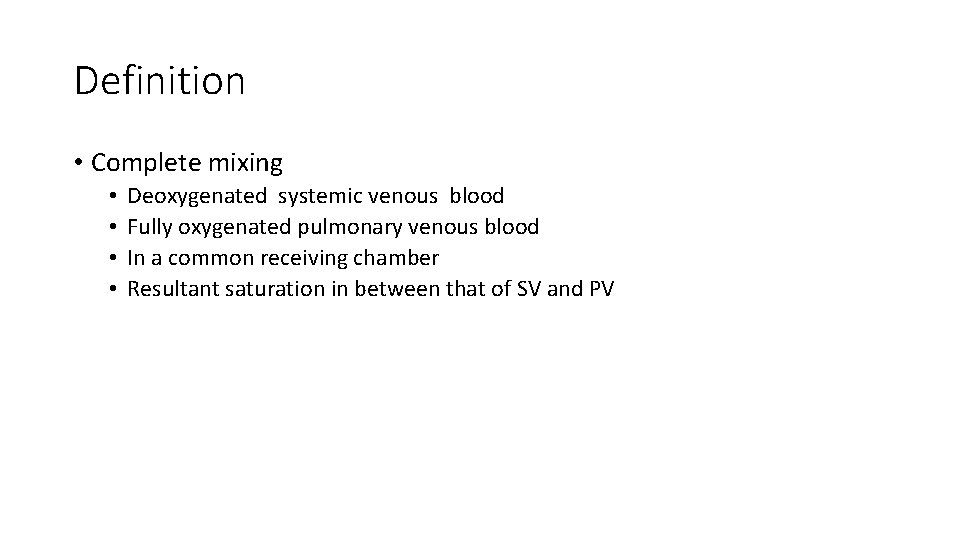
Definition • Complete mixing • • Deoxygenated systemic venous blood Fully oxygenated pulmonary venous blood In a common receiving chamber Resultant saturation in between that of SV and PV
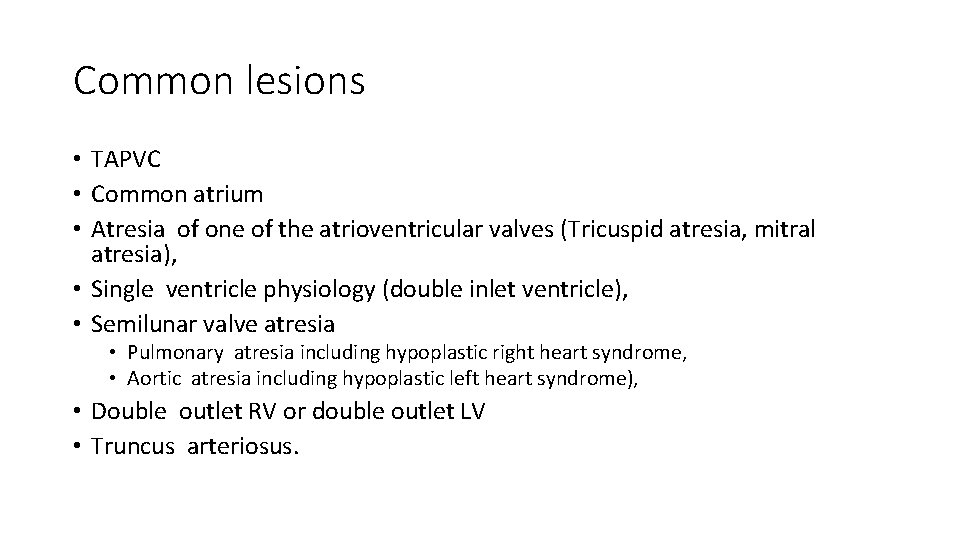
Common lesions • TAPVC • Common atrium • Atresia of one of the atrioventricular valves (Tricuspid atresia, mitral atresia), • Single ventricle physiology (double inlet ventricle), • Semilunar valve atresia • Pulmonary atresia including hypoplastic right heart syndrome, • Aortic atresia including hypoplastic left heart syndrome), • Double outlet RV or double outlet LV • Truncus arteriosus.
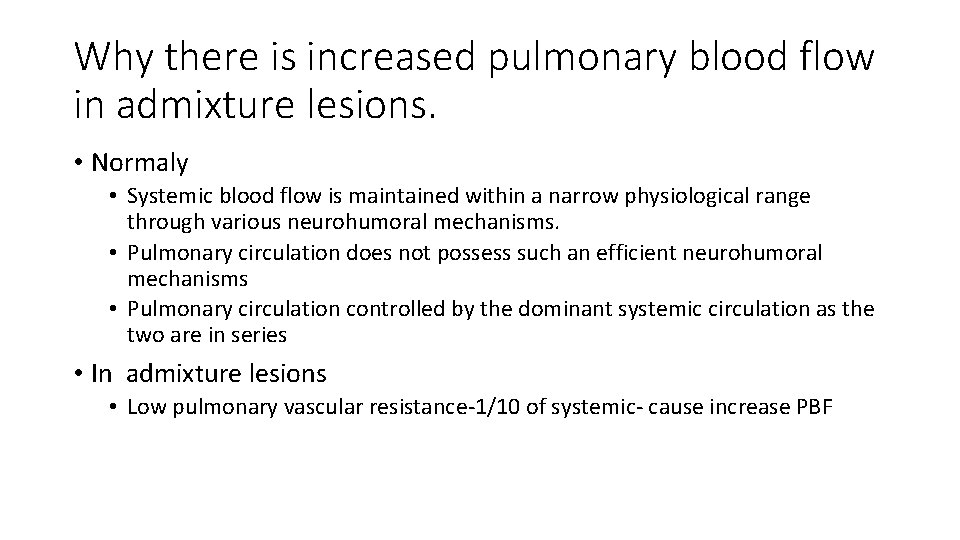
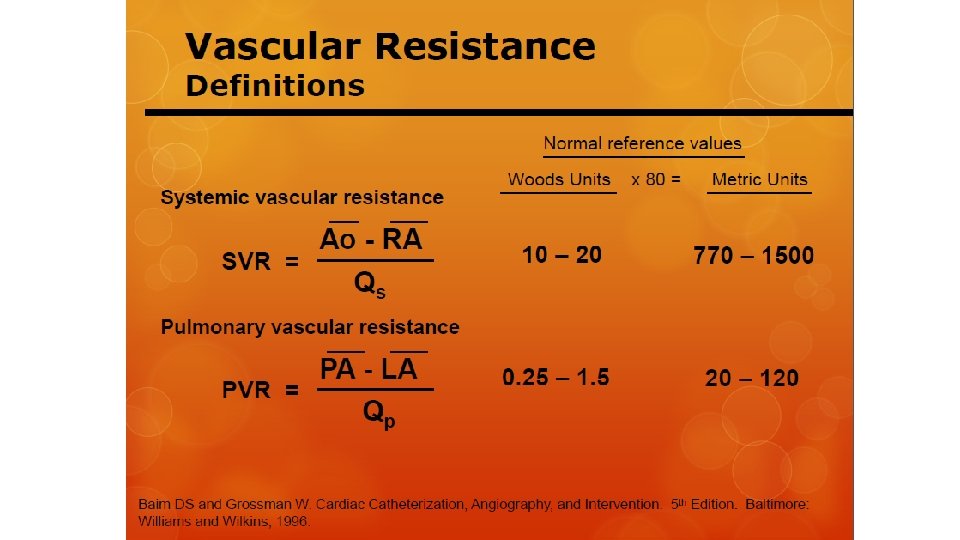
Why there is increased pulmonary blood flow in admixture lesions. • Normaly • Systemic blood flow is maintained within a narrow physiological range through various neurohumoral mechanisms. • Pulmonary circulation does not possess such an efficient neurohumoral mechanisms • Pulmonary circulation controlled by the dominant systemic circulation as the two are in series • In admixture lesions • Low pulmonary vascular resistance-1/10 of systemic- cause increase PBF
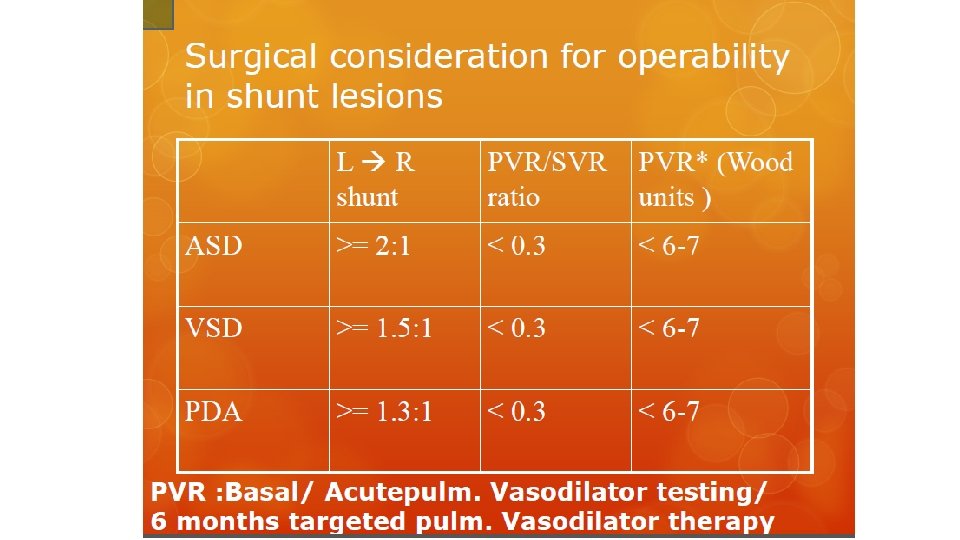
PVR
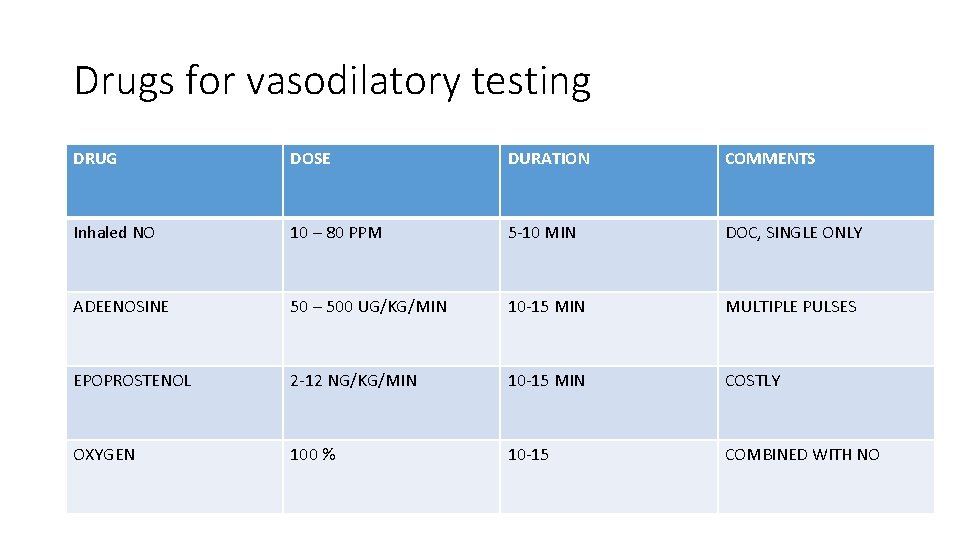
Drugs for vasodilatory testing DRUG DOSE DURATION COMMENTS Inhaled NO 10 – 80 PPM 5 -10 MIN DOC, SINGLE ONLY ADEENOSINE 50 – 500 UG/KG/MIN 10 -15 MIN MULTIPLE PULSES EPOPROSTENOL 2 -12 NG/KG/MIN 10 -15 MIN COSTLY OXYGEN 100 % 10 -15 COMBINED WITH NO
NO Advantages - No ↑ in syst. sat. - No systemic hypotension - No arterial hypoxemia Disadvantages - Methaemoglobinemia - Pulmonary edema - Lung injury
NO vs NO + Oxygen combination • Number of responders with combination significantly > than when NO/Oxygen used alone. • Combination of NO + 02 provides add’nal pulmonary vasodilatation & can rapidly identify patients with pulmonary vasoreactivity. • Good postoperative results Lock et al , JACC 2000
Positive pulmonary vasodilator test • Current recommended definition of a positive test. • Decrease in m. PAP of at least 10 mm. Hg to an absolute level below 40 mm. Hg with preserved or increased CO. • Previous • Decrease in PVR >20%
Treatment in Cath Lab for CHD • Atrial Septostomy • Stent Ductus • Ductal Closure • Pulmonary and Aortic Balloon valvuloplasty • ASD, VSD closure • Stent pulmonary arteries
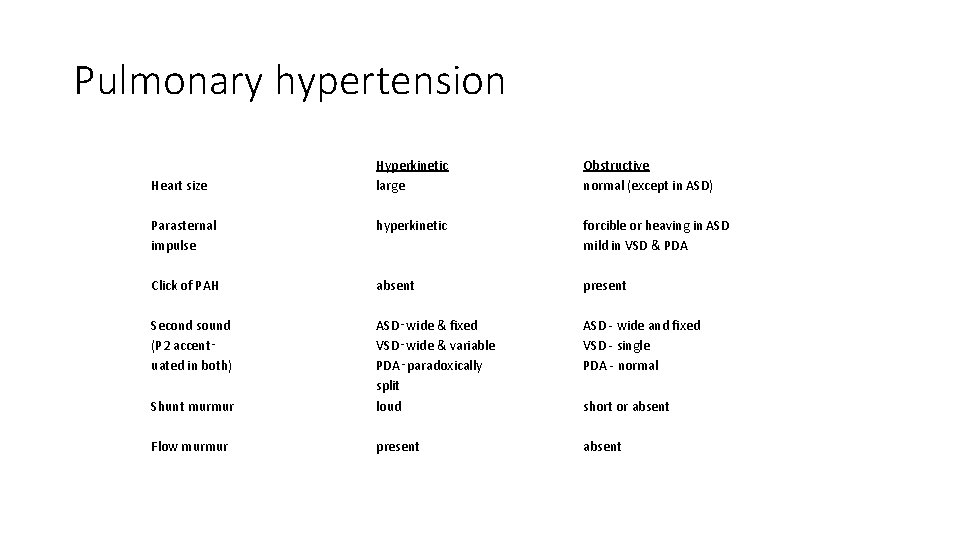
Pulmonary hypertension Hyperkinetic large Obstructive normal (except in ASD) Parasternal impulse hyperkinetic forcible or heaving in ASD mild in VSD & PDA Click of PAH absent present Second sound (P 2 accent‑ uated in both) ASD - wide and fixed VSD - single PDA - normal Shunt murmur ASD‑wide & fixed VSD‑wide & variable PDA‑paradoxically split loud Flow murmur present absent Heart size short or absent