
Fetal Alcohol Spectrum Disorders Balanced Brain for Better
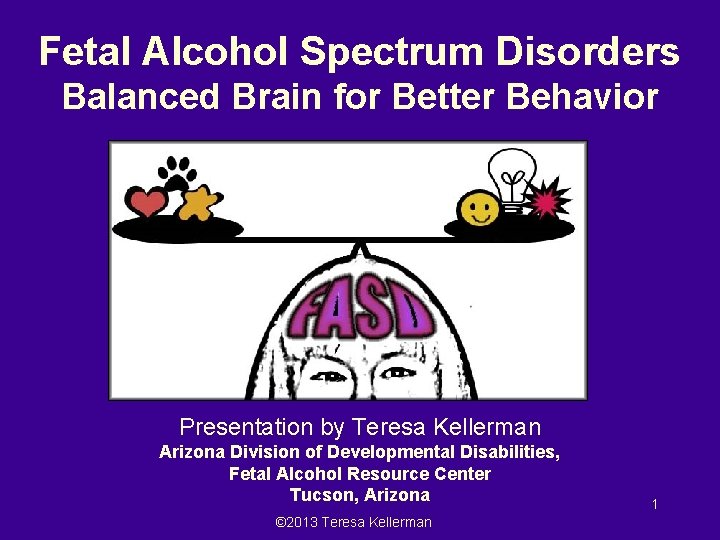
Fetal Alcohol Spectrum Disorders Balanced Brain for Better Behavior Presentation by Teresa Kellerman Arizona Division of Developmental Disabilities, Fetal Alcohol Resource Center Tucson, Arizona © 2013 Teresa Kellerman 1
Before we begin… • Do you know where the bathrooms are? • Cell phones turned off or silent • Introductions: – What’s your name? – Why are you here today? – What is something you really look forward to? 2 © 2013 Teresa Kellerman
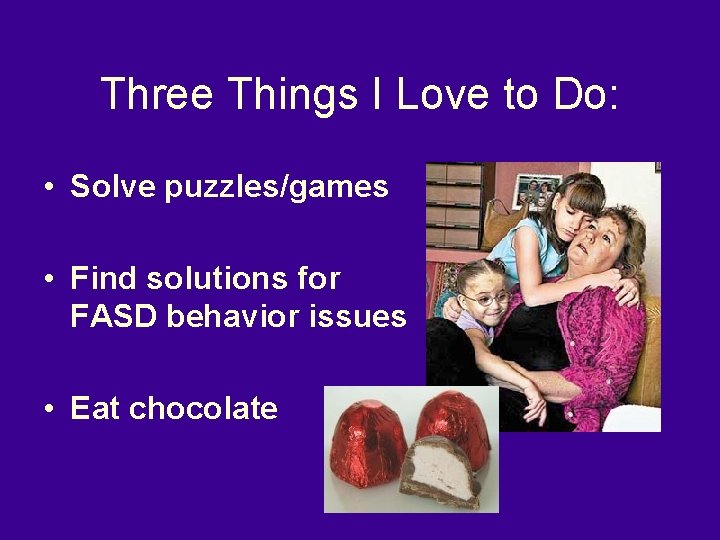
Three Things I Love to Do: • Solve puzzles/games • Find solutions for FASD behavior issues • Eat chocolate
Sources The sources for information in this training include March of Dimes, National Institute on Alcohol Abuse and Alcoholism, the FASD Center for Excellence, the National Organization on Fetal Alcohol Syndrome, and the Institute of Medicine. Most of the citations can be found on the web site of the FAS Community Resource Center at www. fascrc. com 4 © 2013 Teresa Kellerman
Agenda Review FASD Basics Impact on Brain Function and Behavior Neurological Dysfunction Neurochemical Imbalance Interventions to Balance the Brain 5 © 2013 Teresa Kellerman
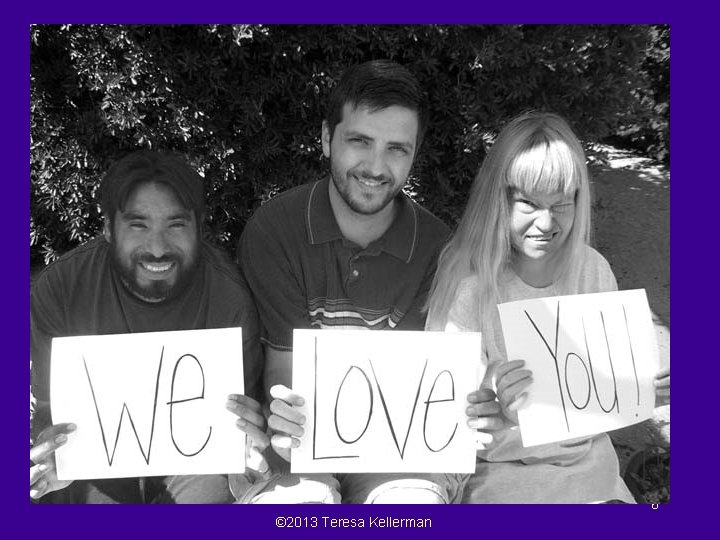
John’s Family 6 © 2013 Teresa Kellerman
Definitions and Diagnostic Terms FASD = Fetal Alcohol Spectrum Disorders FASD is an umbrella term, not a diagnosis FASD includes the following diagnoses: • FAS = Fetal Alcohol Syndrome • p. FAS = Partial Fetal Alcohol Syndrome • ARND = Alcohol Related Neurodevelopmental Disorders (formerly called Fetal Alcohol Effects or FAE) 7 © 2013 Teresa Kellerman
Most Cases of FASD are Invisible • Only 11% of children with FAS or ARND receive a diagnosis by age 6 --1996 Streissguth • The facial features of FAS are not always easily recognized during the early years • Facial features of FAS result from drinking during brief period, 3 rd week after conception. --Goodlett, C. R. , and Horn, K. H. 2001. Mechanisms of alcohol-induced damage to the developing nervous system. Alcohol Research & Health 25(3): 175 -184. © 2013 Teresa Kellerman 8
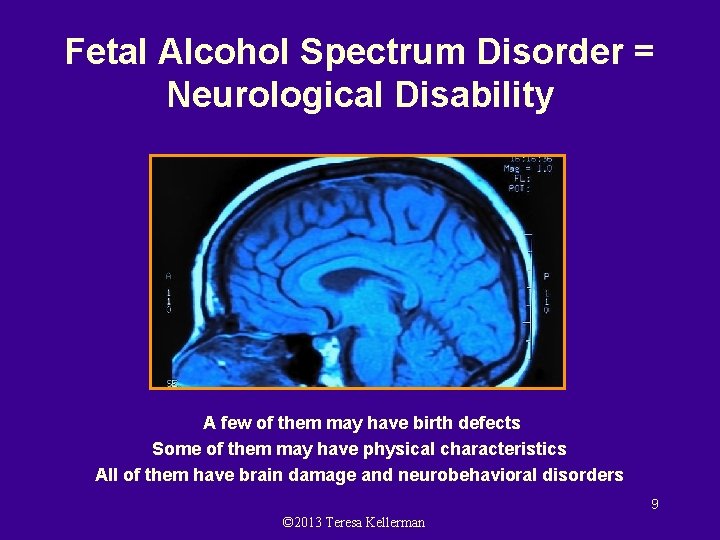
Fetal Alcohol Spectrum Disorder = Neurological Disability A few of them may have birth defects Some of them may have physical characteristics All of them have brain damage and neurobehavioral disorders 9 © 2013 Teresa Kellerman
Alcohol is a Teratogen • Alcohol causes more damage to the developing baby’s brain than any other substance, including marijuana, cocaine, meth, and heroin. -- Institute of Medicine Report to Congress • Brain is vulnerable during entire pregnancy 10 © 2013 Teresa Kellerman
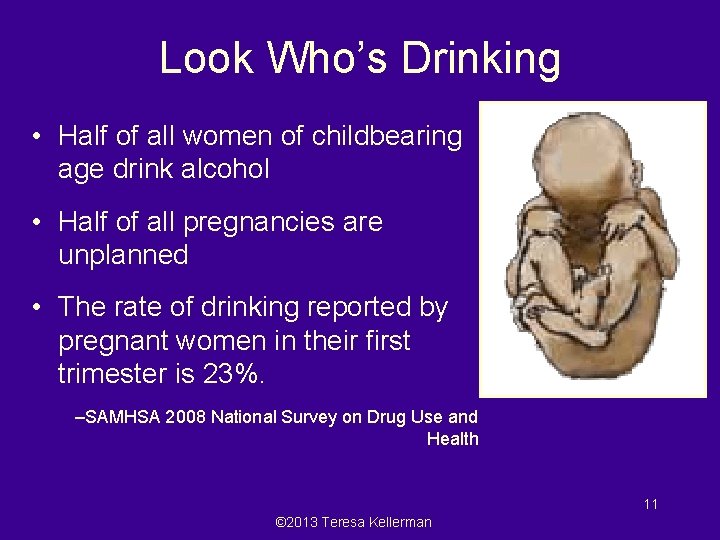
Look Who’s Drinking • Half of all women of childbearing age drink alcohol • Half of all pregnancies are unplanned • The rate of drinking reported by pregnant women in their first trimester is 23%. –SAMHSA 2008 National Survey on Drug Use and Health 11 © 2013 Teresa Kellerman
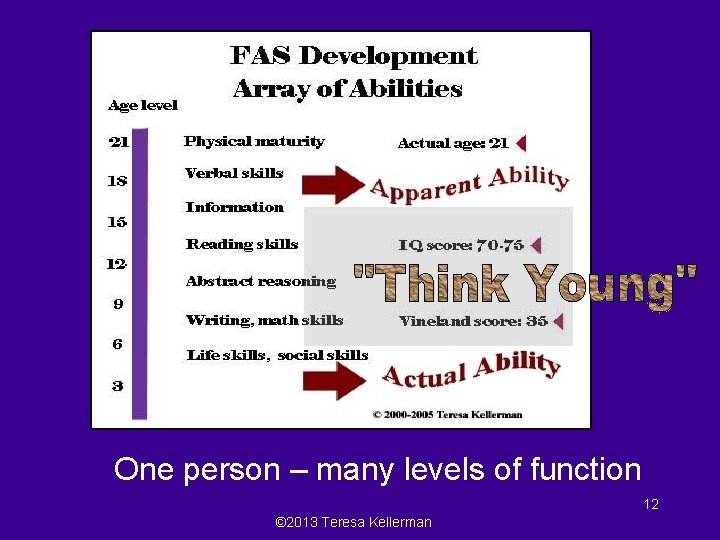
One person – many levels of function 12 © 2013 Teresa Kellerman
Social Abilities Assessment • Vineland Adaptive Behavior Scales • Parent Version - “VABS-II” • Administered by school psychologist • Social Skills component Comparison of social abilities of children with fetal alcohol syndrome to those of children with similar IQ scores and normal controls Thomas SE, Kelly SJ, Mattson SN, Riley EP. Alcohol Clin Exp Res 22: 528– 533, 1998. 13 © 2013 Teresa Kellerman
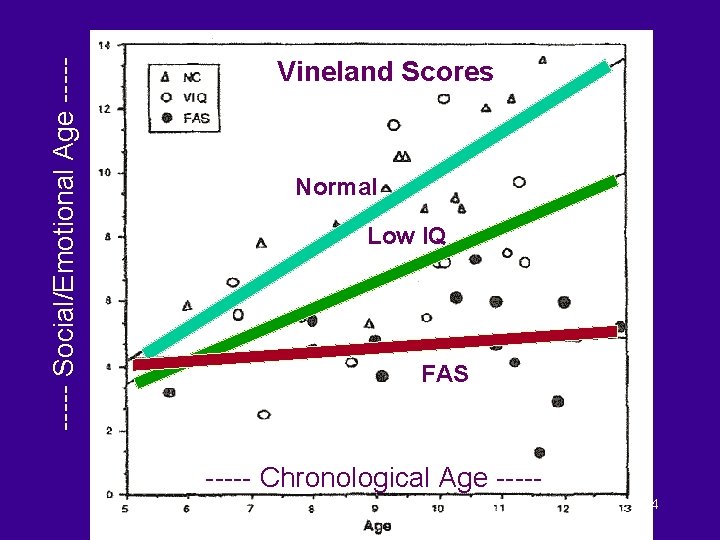
----- Social/Emotional Age ----- Vineland Scores Vineland Results • Domain: Normal • Social skills Low IQ Researchers: Ed Riley, Sarah Mattson FAS ----- Chronological Age ----14 © 2013 Teresa Kellerman
Arrested Social Development • Social developmental age is reflected in emotional regulation and conscience development. • With FAS, social development is arrested rather than delayed (Riley et all 1998). • Behavioral profile of children with FAS does not change when they become adults (Steinhausen et all 1993). • The 18 -21 year old with FAS may be functioning intellectually at the level of a 12 -16 year old but socially-emotionally at the level of a 4 -6 year old. 15 © 2013 Teresa Kellerman
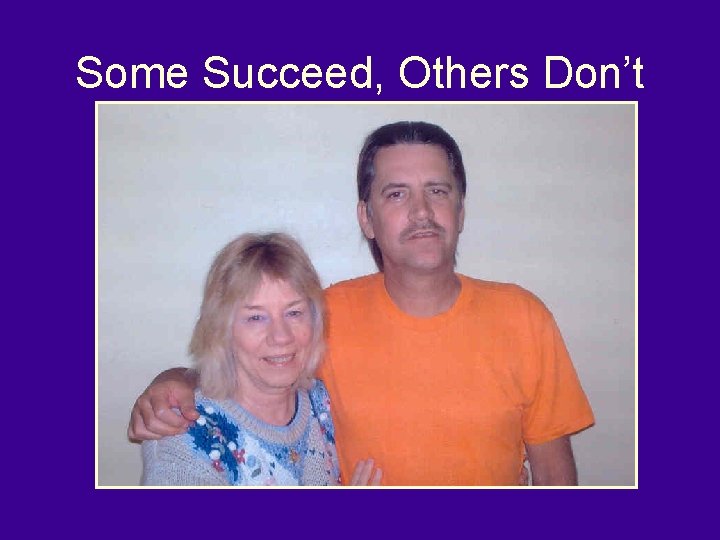
Some Succeed, Others Don’t • Some adults with FASD succeed, others fall into the cracks.
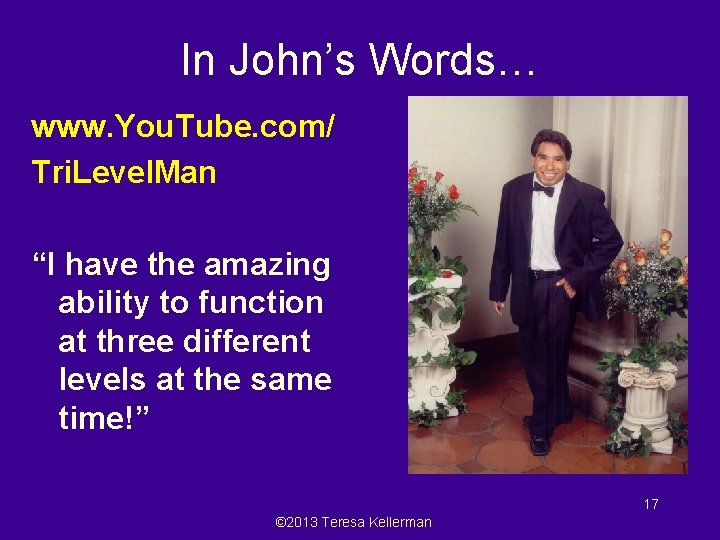
In John’s Words… www. You. Tube. com/ Tri. Level. Man “I have the amazing ability to function at three different levels at the same time!” 17 © 2013 Teresa Kellerman
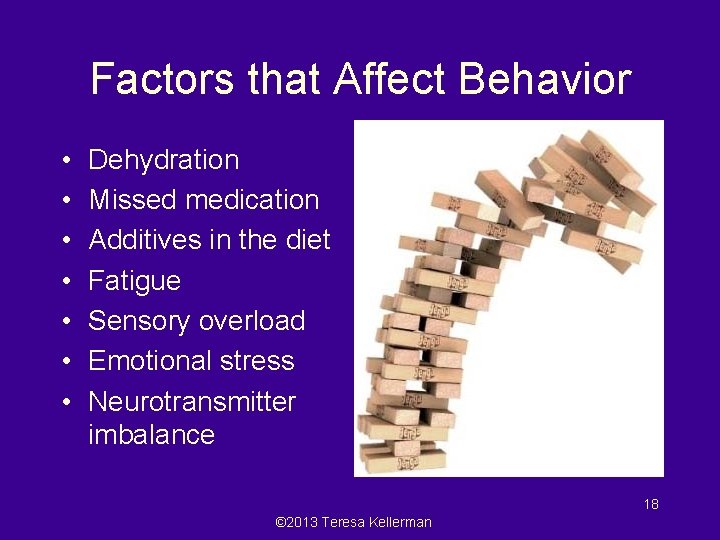
Factors that Affect Behavior • • Dehydration Missed medication Additives in the diet Fatigue Sensory overload Emotional stress Neurotransmitter imbalance 18 © 2013 Teresa Kellerman
Effects of Ethanol Exposure on the Developing Embryo • Suppresses breathing movements, and interferes with function of lungs. • Interferes with development of organs. • Alters genetic expression of tissue in craniofacial areas – underdeveloped jaw, cleft in lip or palate, ocular abnormalities. • Compromises development of the midline neural tube and forebrain. 19 © 2013 Teresa Kellerman
Effects of Ethanol Exposure on the Developing Embryo • Induces cell death and disrupts the proliferation and differentiation of brain cells. • Causes alterations in GABA(A) receptor expression in the hippocampus, thus contributing to behavioral disorders. 20 © 2013 Teresa Kellerman
Effects of Ethanol Exposure on the Developing Embryo • Causes long-term disruption in regulation of vasopressin, a neurotransmitter associated with social behaviors and mating. • Disrupts production of oxytocin, which is important for developing trust, and forming bonds of attachment. 21 © 2013 Teresa Kellerman
Effects of Ethanol Exposure on the Developing Embryo • Impacts the limbic system and reduces capacity to adapt to stress. • Moderate exposure (2 drinks/day) alters dopamine levels that affect behavior and disrupt the reward cycle in the brain. 22 © 2013 Teresa Kellerman
Effects of Ethanol Exposure on the Developing Embryo • Alters serotonin neurotransmission in discrete brain regions permanently, and reduces the development of serotonin neurons by 20%-30%. • Increases levels of maternal cortisol (stress hormone). 23 © 2013 Teresa Kellerman
Effects of Ethanol Exposure on the Developing Embryo • The frontal cortex is particularly sensitive to prenatal alcohol exposure. • The frontal lobe is the most dopaminesensitive area of the brain and houses functions like emotions, personality, problem solving, sexual and social behavior, as well as judgment, language, and problem solving abilities. 24 © 2013 Teresa Kellerman
“Executive Functions” of the prefrontal cortex • Inhibitions • Planning • Time perceptions • Internal ordering • Working memory • Self monitoring • Verbal self-regulation • Motor control • Regulation of emotions • Motivation © 2013 Teresa Kellerman 25
Neurological signs in early years • Poor habituation • Irritability – intense response to stress • Longer time to recover from stress • Sensitivity to external stimuli • Feeding problems • Disrupted sleep cycles • Developmental delays These symptoms may or may not be present. 26 © 2013 Teresa Kellerman
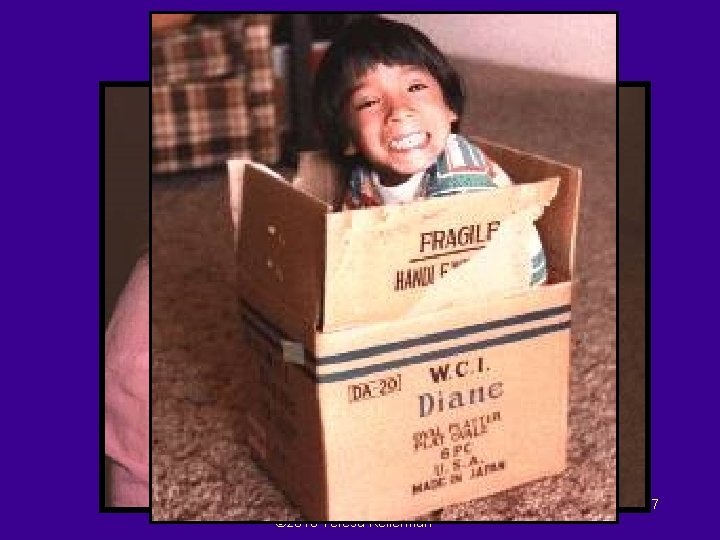
Difficult Infancy 27 © 2013 Teresa Kellerman
Neurological signs during childhood • Difficulties with bonding and attachment • Inappropriately affectionate to strangers • Inability to form healthy relationships • Memory deficits (forget the rules) • Poorly formed conscience (lying/ stealing) • Stubborn, compulsive, perseverate, tantrums • Arrested social development (“Think Young”) • Poor judgment, lack of impulse control 28 © 2013 Teresa Kellerman
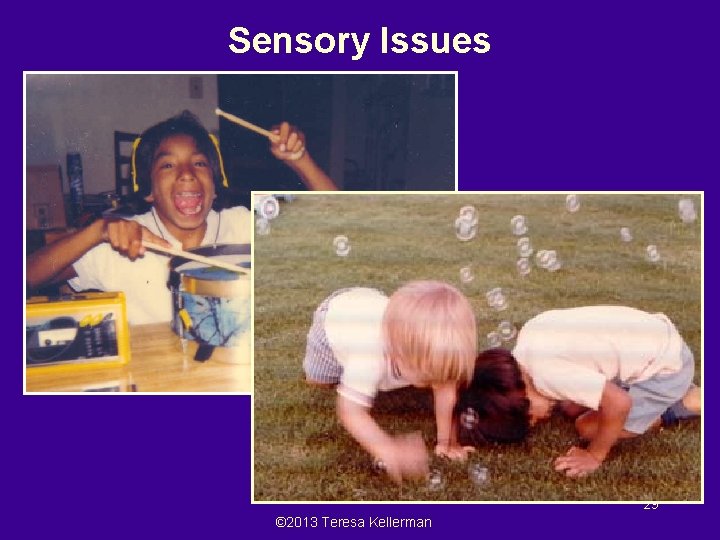
Sensory Issues 29 © 2013 Teresa Kellerman
The most troublesome symptoms are perceived as behavior problems: • Willful misconduct • Manipulation • Trying to get attention • Lazy “It’s not that they won’t, they can’t. ” -Diane Malbin www. fascets. org 30 © 2013 Teresa Kellerman
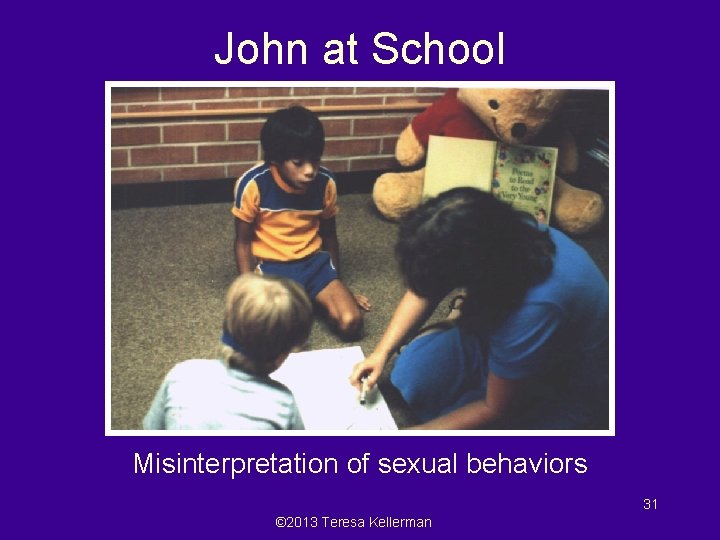
John at School Misinterpretation of sexual behaviors 31 © 2013 Teresa Kellerman
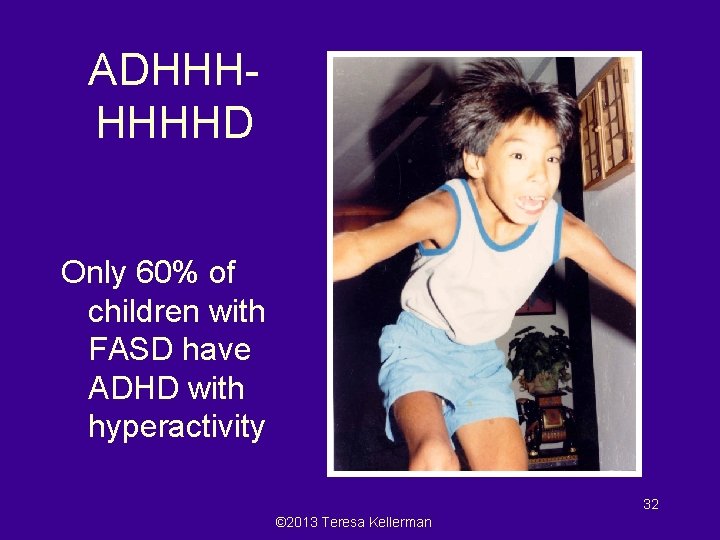
ADHHHHHHHD Only 60% of children with FASD have ADHD with hyperactivity 32 © 2013 Teresa Kellerman
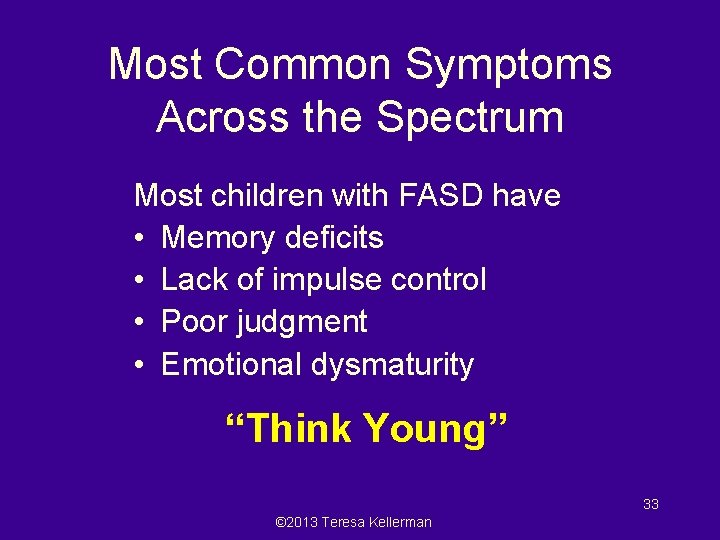
Most Common Symptoms Across the Spectrum Most children with FASD have • Memory deficits • Lack of impulse control • Poor judgment • Emotional dysmaturity “Think Young” 33 © 2013 Teresa Kellerman
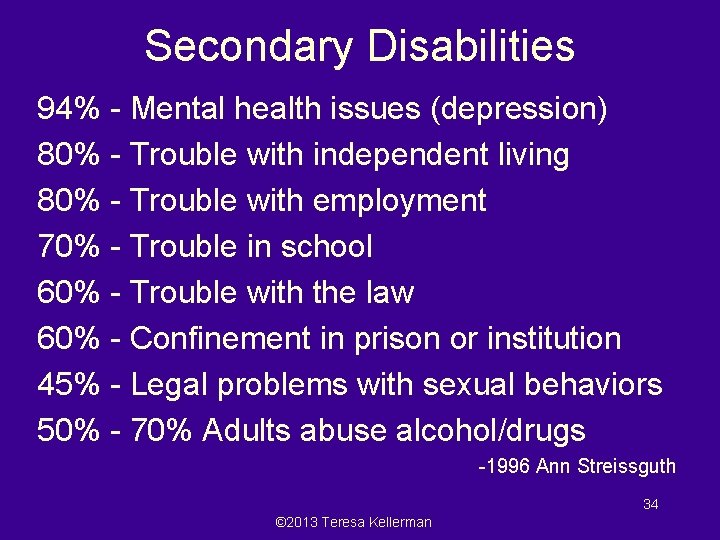
Secondary Disabilities 94% - Mental health issues (depression) 80% - Trouble with independent living 80% - Trouble with employment 70% - Trouble in school 60% - Trouble with the law 60% - Confinement in prison or institution 45% - Legal problems with sexual behaviors 50% - 70% Adults abuse alcohol/drugs -1996 Ann Streissguth 34 © 2013 Teresa Kellerman
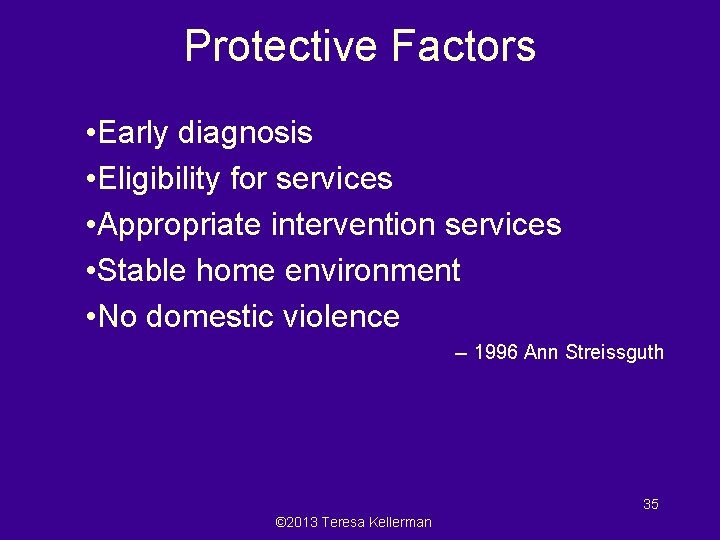
Protective Factors • Early diagnosis • Eligibility for services • Appropriate intervention services • Stable home environment • No domestic violence -- 1996 Ann Streissguth 35 © 2013 Teresa Kellerman
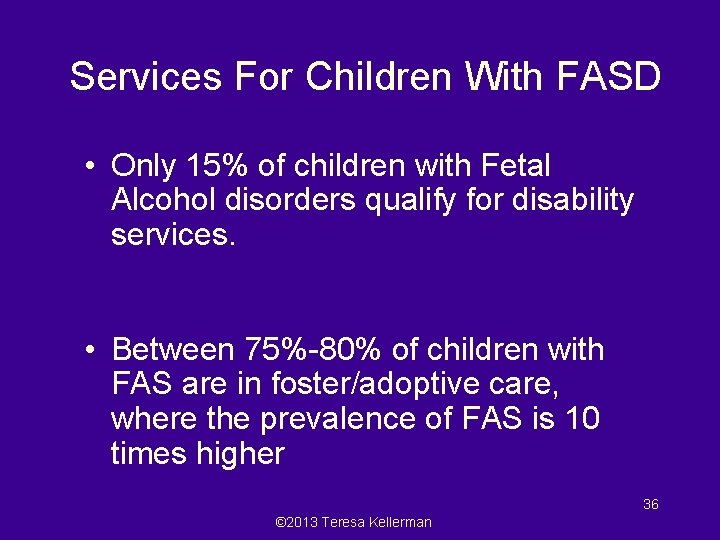
Services For Children With FASD • Only 15% of children with Fetal Alcohol disorders qualify for disability services. • Between 75%-80% of children with FAS are in foster/adoptive care, where the prevalence of FAS is 10 times higher 36 © 2013 Teresa Kellerman
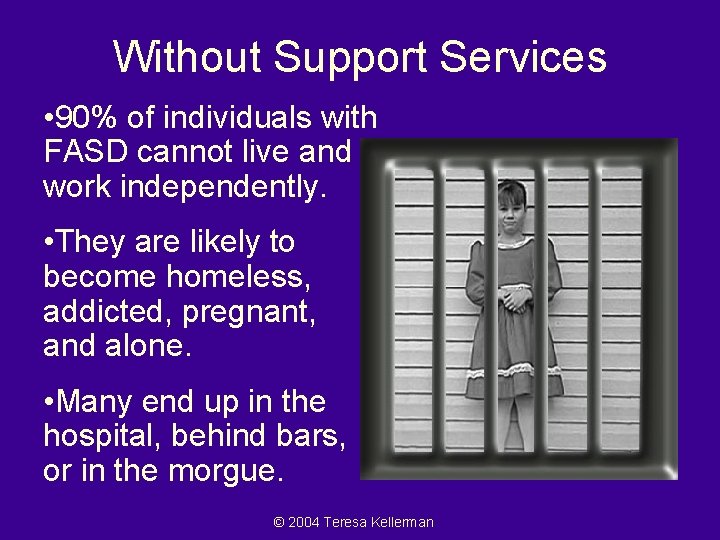
Without Support Services • 90% of individuals with FASD cannot live and work independently. • They are likely to become homeless, addicted, pregnant, and alone. • Many end up in the hospital, behind bars, or in the morgue. © 2004 Teresa Kellerman
Co-occurring Disorders • Attention Deficit Hyperactive Disorder (with or without hyperactivity) • Bi-Polar Disorder • Oppositional Defiant Disorder • Conduct Disorder • Reactive Attachment Disorder • Autism or Asperger’s • Schizophrenia Overlapping • Anxiety Disorder Characteristics 38 © 2013 Teresa Kellerman
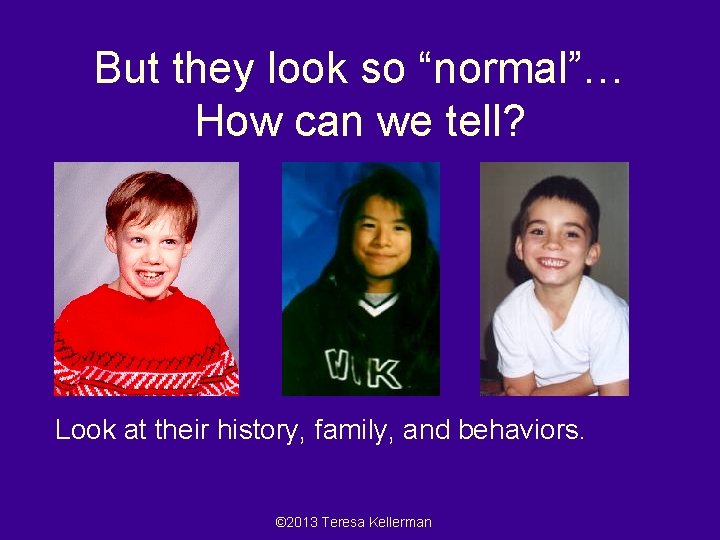
But they look so “normal”… How can we tell? Look at their history, family, and behaviors. © 2013 Teresa Kellerman
Pre-Screening for Possible FASD • Has the child been in the care of someone other than birth mother for 30 days or longer? • Is there a record of any other siblings who have a disorder associated with prenatal exposure to alcohol? • One or more of the following symptoms: 40 © 2013 Teresa Kellerman
Red Flag Symptoms • Lack of eye contact during infancy • Did not like to be cuddled as a baby • Ever suspended from school or kicked out of a program due to behavior issues • Accepted behavior management techniques just not very effective • Makes the same mistakes over and over, in spite of the consequences 41 © 2013 Teresa Kellerman
Red Flags - Adults • • • History of alcohol abuse in birth family? Multiple home placements? Special ed classes in school? Suspended or dropped out from school? History of depression? ADHD? abuse? neglect? • More than 1 jobs in past 2 years? • Trouble managing money? • Are friends older or younger? --Robin La. Due 2000, Streissguth 1996 42 © 2013 Teresa Kellerman
Effective Intervention There is no single program or plan that works for all persons with FASD Each plan needs to be individualized according to the person’s needs Clear understanding, realistic expectations, and creative problem solving will bring about solutions that work. 43 © 2013 Teresa Kellerman
The Easy Answer Stable, fun-loving family with healthy role models, who can provide close supervision, because they understand that the child has stunted social and emotional development, is impulsive, and may have poor judgment from time to time that might pose serious risk. © 2013 Teresa Kellerman
Intervention for Infants • • Swaddling Soft clothing Facing away during bottle feeding Frequent feedings Frequent naps Avoid chaos and over-stimulation White noise or gentle music Sensory integration therapy 45 © 2013 Teresa Kellerman
Intervention Guidelines: SCREAMS Model • Structure: routine, easy steps, ABC Rules • Cues: for meds, appointments, manners • Role models: TV, movies, friends, family • Environment: avoid chaos, stimulation • Attitude: understand FASD neurology (who? ) • MED: Medications, Exercise, and Diet • Supervision: many need 24/7 46 © 2013 Teresa Kellerman
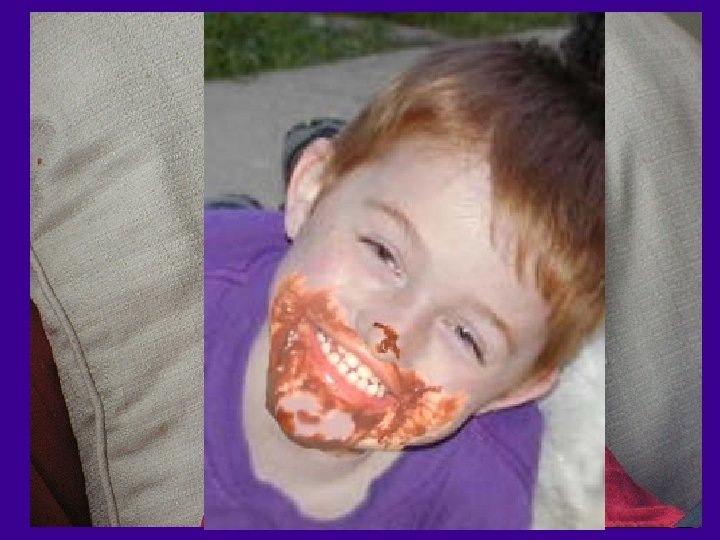
Neurotransmitters are chemical messengers that facilitate communication between neurons, which in turn affects every cell, tissue and system in the body. What do these pictures tell us? © 2013 Teresa Kellerman
Neurotransmitters Keep us Happy • • • Dopamine (excited happy) “Yeay!!!” Dopamine (excited happy) Serotonin (calm happy) “Mmmmm. ” Oxytocin (trust and love) “Awwww. ” Beta-Endorphin (opiate “high”) “Ahhhh. ” Testosterone (sex drive) “Yahoo!!!” Cortisol (stress) “Ayyyyyeeeee!!!” © 2013 Teresa Kellerman
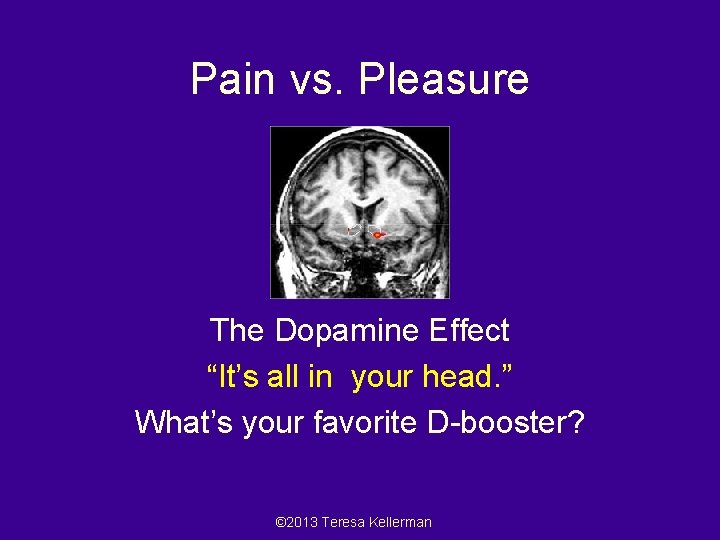
Pain vs. Pleasure The Dopamine Effect “It’s all in your head. ” What’s your favorite D-booster? © 2013 Teresa Kellerman
Neurotransmitters Out of Balance • • • Low Dopamine … depression, cutting Low Dopamine Low Serotonin … depression, impulsive Low Oxytocin … distant, mistrustful Low Beta-Endorphin … cravings High Testosterone High … libido, aggression High Cortisol … overstressed: fight or flight reflex = run, fight, shut down © 2013 Teresa Kellerman
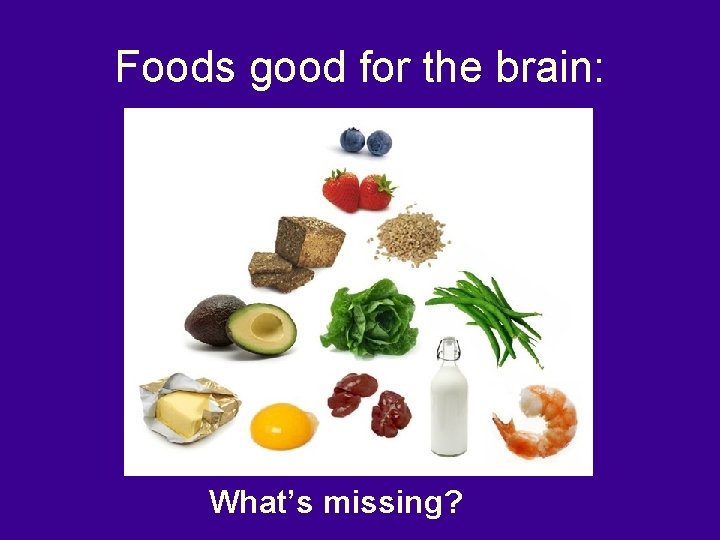
Foods good for the brain: Healthy Food Pyramid What’s missing?
Additives and Supplements Eliminate Additives • No # food coloring (especially Red 40) • No MSG (monosodium glutamate) • No aspartame (Nutrisweet, Equal) Add Vitamins: • Daily vitamin (color free) • Omega E (fish oil, flaxseed) • Lecithin (Choline) • Chocolate kisses 52 © 2013 Teresa Kellerman
Drink lots of water (Chocolate makes you thirsty)
Neurotransmitters Back in Balance • • • Increase Dopamine Increase Serotonin Increase Oxytocin Increase Beta Endorphin Decrease Testosterone Decrease Cortisol © 2013 Teresa Kellerman
Balancing the Neurotransmitters • Increase Dopamine – – – – Lots of personal attention Vigorous daily exercise (track, basketball, swimming) Rewards, awards Excitement, surprise Humor, silliness Games, contests, prizes, mega points Music, dance, rhythm Medications (stimulants like Ritalin, Adderall) © 2013 Teresa Kellerman
Balancing the Neurotransmitters • Increase Serotonin – – – – Attention Affection Praise Active Listening Mild exercise (walking, swinging) Chocolate (short term effects) Medications (SSRIs = antidepressants like Paxil, Celexa, Prozac, Zoloft. Luvox, Lexapro) © 2013 Teresa Kellerman
Balancing the Neurotransmitters • Increase Oxytocin – Cuddling – Massage – Thumb sucking, blankies – Trust-based relationships – Generosity and gift giving – Pleasant sensory experiences – Pets that like to be cuddled © 2013 Teresa Kellerman
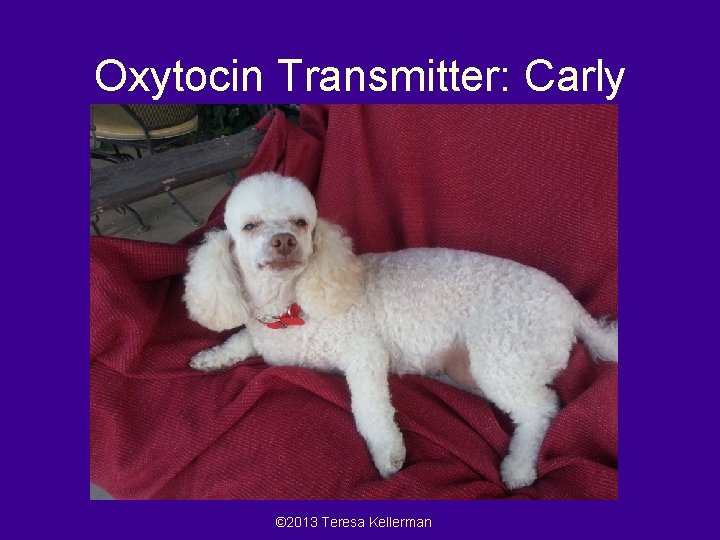
Oxytocin Transmitter: Carly © 2013 Teresa Kellerman
Balancing the Neurotransmitters • Increase Beta Endorphin – Exercise, daily: swim, walk, run, basketball, track – Vitamin, daily (especially B 12, C) – Foods high in certain vitamins and nutrients • • Chocolate Bananas Strawberries Grapes Oranges Nuts Ice cream Pasta © 2013 Teresa Kellerman

Balancing the Neurotransmitters • Decrease Testosterone – SSRIs (Paxil, Celexa, Prozac Zoloft) • Decrease Cortisol – Stress management skills – Recognize and treat PTSD – Meditation, relaxation exercises – Neurobiofeedback – Cognitive Behavior Therapy (Self Talk) © 2013 Teresa Kellerman
The ABC Rules • Ask for help • Be respectful • Communicate your needs “I promise to be respectful to myself, to others, and to my environment at all times. ”
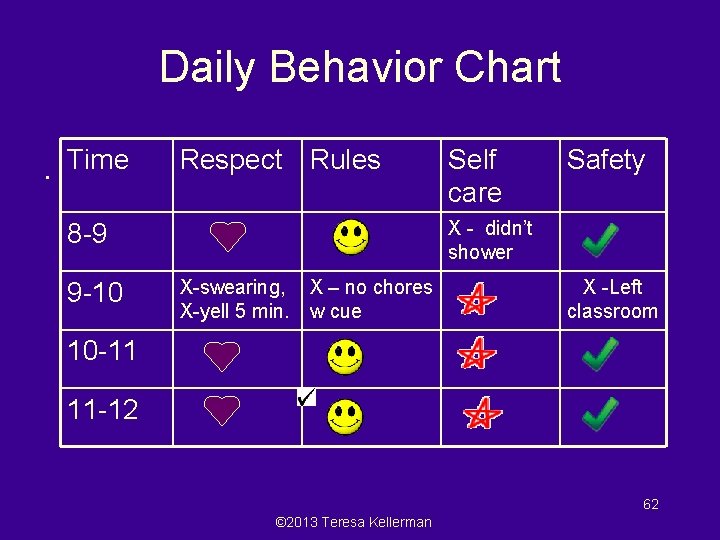
Daily Behavior Chart. Time Respect Rules Safety X - didn’t shower 8 -9 9 -10 Self care X-swearing, X – no chores X-yell 5 min. w cue X -Left classroom 10 -11 11 -12 62 © 2013 Teresa Kellerman
Positive Reinforcement • Reinforcements – Token rewards, consequences not as effective as we would like – Rewards: concrete and immediate • Do NOT ignore unwanted behaviors – Collect data • Day by day • Morning, afternoon, evening • Hour by hour 63 © 2013 Teresa Kellerman
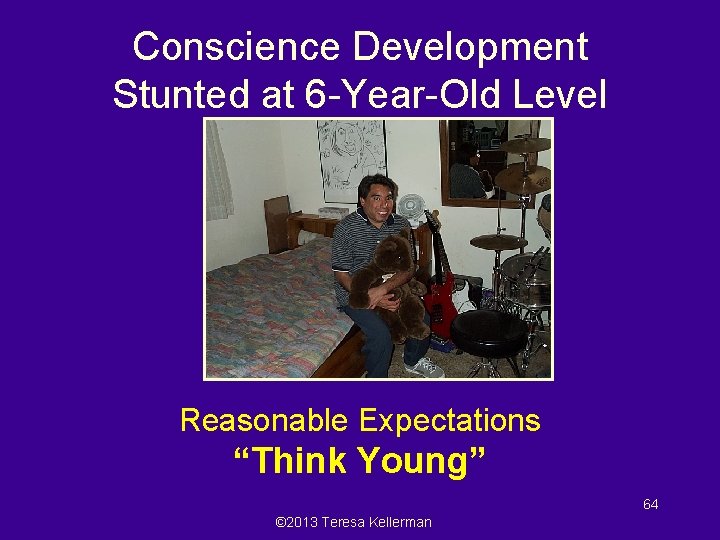
Conscience Development Stunted at 6 -Year-Old Level Reasonable Expectations “Think Young” 64 © 2013 Teresa Kellerman
SCREAMS Strategies for Balancing the Brain • Structure – Basic, simple rules – ABC Rules • Ask for help • Be respectful • Communicate your needs – Most important rule? – Everyone follows the rules © 2013 Teresa Kellerman
SCREAMS Strategies for Balancing the Brain • Cues – Remind about the ABC Rules • Ask for help • Be respectful • Communicate your needs – Remember rewards and consequences – Remind them to make the best choice © 2013 Teresa Kellerman
SCREAMS Strategies for Balancing the Brain • Role models – They learn by imitating others – Can we change our behaviors? – How can we change the behaviors of others? – How do we control what they see out there in the world? © 2013 Teresa Kellerman
SCREAMS Strategies for Balancing the Brain • Environment – How can we prevent sensory overload? – Minimize stress in the classroom – Reduce noise and chaos at home – How do we affect changes in environments we don’t control? © 2013 Teresa Kellerman
SCREAMS Strategies for Balancing the Brain • Attitude/Attention/Affection – Have realistic expectations – Try not to blame it all on poor parenting – Understand the nature of FASD – Brain damage + genetics + environment – Help the child use “Self Talk” – Lots of positive, fun, affectionate attention © 2013 Teresa Kellerman
SCREAMS Strategies for Balancing the Brain • MED = Meds, Exercise, Diet – Find a doctor willing to learn about FASD – Try different meds, combo, doses – Vigorous exercise every day – Nutrition – no Red 40, MSG, or Nutrisweet – Vitamin, Omega 3, Lecithin – Chocolate every day – Hydration (weight lbs / 2 = ounces per day) © 2013 Teresa Kellerman
SCREAMS Strategies for Balancing the Brain • Supervision – Immaturity + impulsivity + vulnerability + poor judgment = serious trouble – They can remember the rules and consequences, but they cannot always apply that information – They may be able to control impulses sometimes, but not all the time – What has happened in the past? – What are the risks if it happens again? – Enlist reliable, knowledgeable “external brain” © 2013 Teresa Kellerman
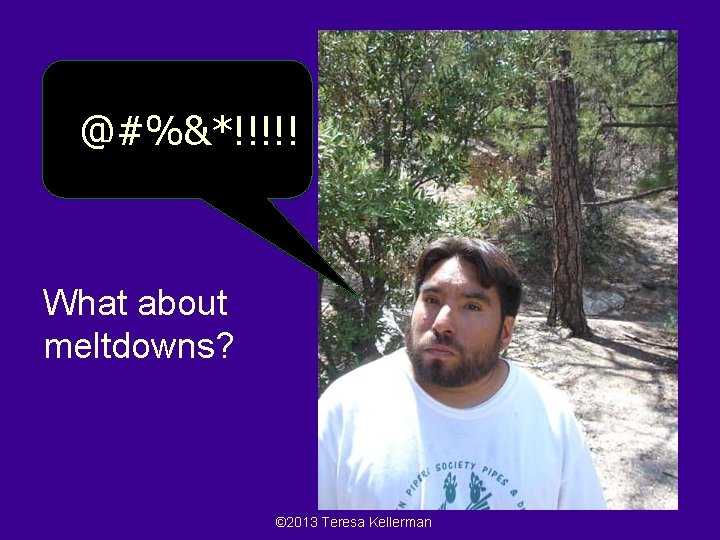
@#%&*!!!!! What about meltdowns? 72 © 2013 Teresa Kellerman
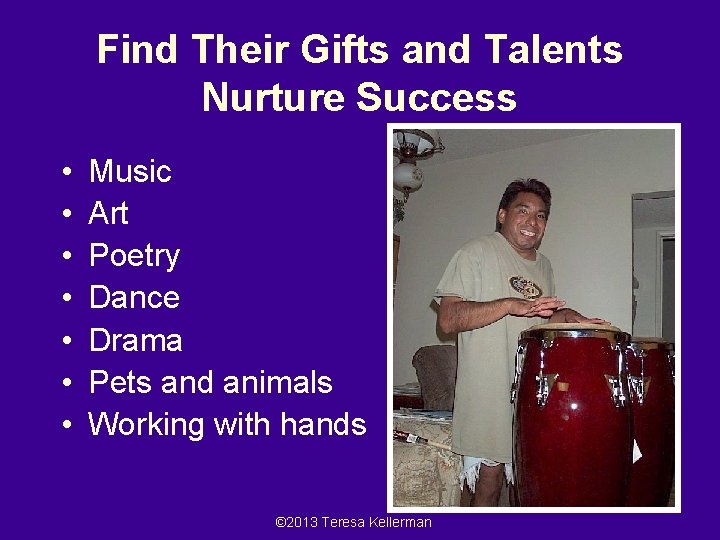
Find Their Gifts and Talents Nurture Success • • Music Art Poetry Dance Drama Pets and animals Working with hands 73 © 2013 Teresa Kellerman
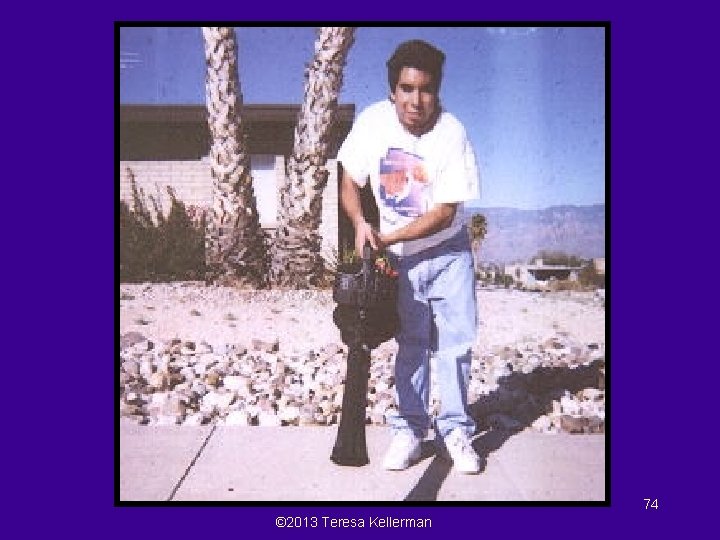
John with leaf blower 74 © 2013 Teresa Kellerman
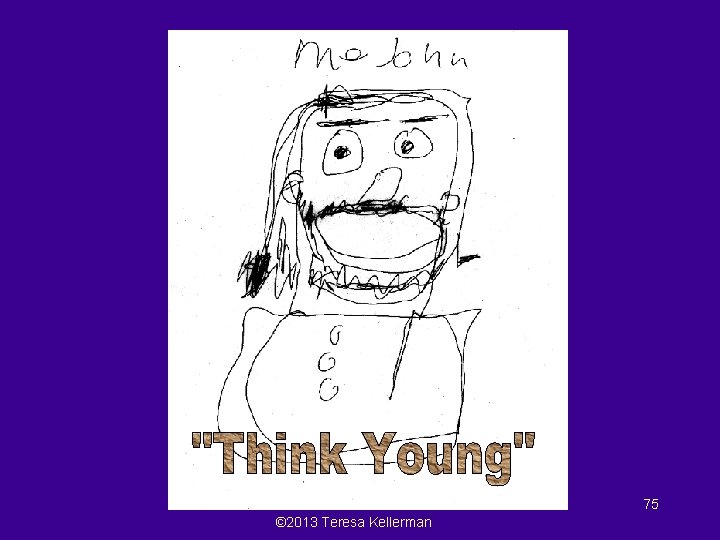
John: Self Portrait 75 © 2013 Teresa Kellerman
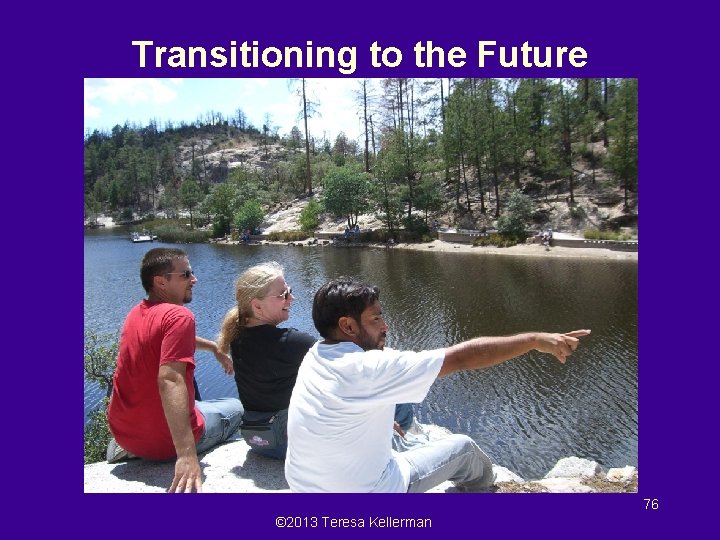
Transitioning to the Future Presentation by Teresa Kellerman Fetal Alcohol Resource Center 76 © 2013 Teresa Kellerman
Club COSTA: Circle of Support for teens and adults with FASD 77 © 2013 Teresa Kellerman
Self-Determination • For many, Self-Determination becomes Self. Termination • The smarter they are, the greater the desire to be normal, the more resistance to being controlled, the higher the expectations, the higher the risk for failure • Independence for many will lead them to homelessness, hospitalization, institutionalization, prison, or the morgue 78 © 2013 Teresa Kellerman
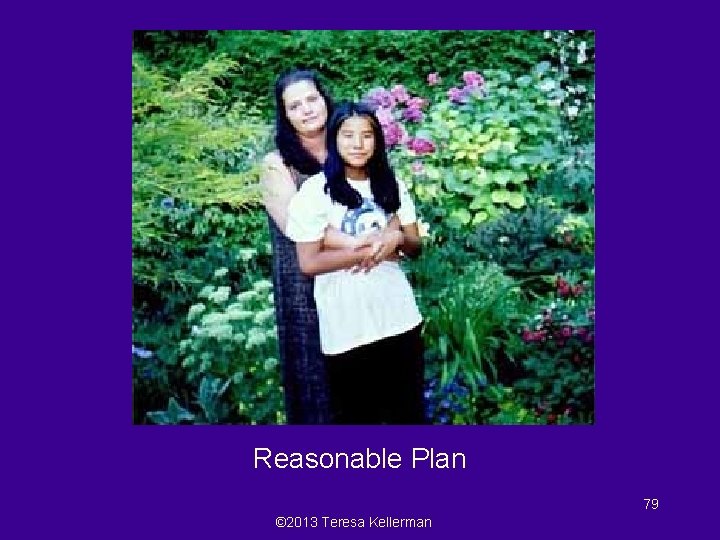
Mom & Daughter Reasonable Plan 79 © 2013 Teresa Kellerman
Which children will survive? • The children with FASD who achieve success as adults are the ones whose parents are – Stable in their own relationships – Have processed their own past grief – Talk to their children about their disability – Active in parent support group © 2013 Teresa Kellerman
Resources • FAS Community Resource Center –Support groups (Phoenix, Tucson, Parker, Sierra Vista, Flagstaff) –Lending library (Tucson) –Trainers (through The Arc) • FAS Arizona www. fasarizona. com Photos, personal stories, articles, online book store, reproducible documents, mail lists, referrals 81 © 2013 Teresa Kellerman
www. fasstar. com • • • Start at Fasstar Enterprises www. fasstar. com Click on the link for the FAS Community Resource Center Just google “FASD Articles” 82 © 2013 Teresa Kellerman
12 Step Program for Chocoholics "The 12 -step chocoholics program: Never be more than 12 steps away from chocolate!“ - Terry Moore
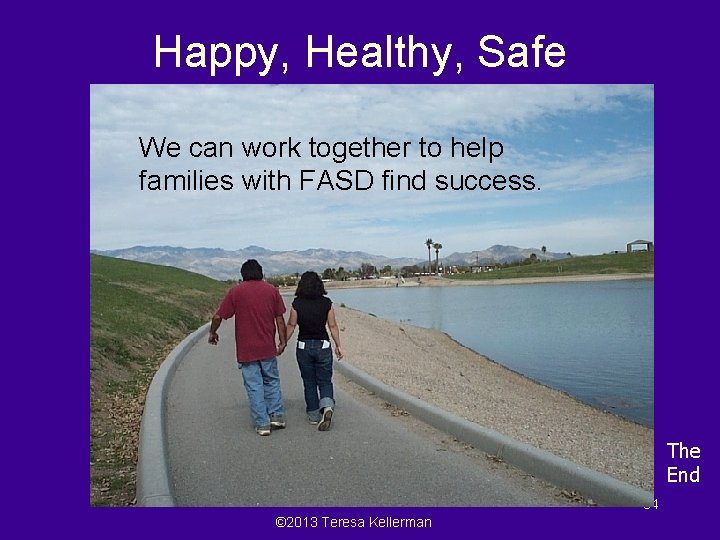
Happy, Healthy, Safe www. fasstar. com We can work together to help families with FASD find success. The End 84 © 2013 Teresa Kellerman
Thank You! For more information contact Teresa Kellerman at TKellerman@cox. net (520) 296 -9172 85 © 2013 Teresa Kellerman
- Slides: 85