
FERROGRAPHY Condition Monitoring through Oil Analysis Condition Monitoring




- Slides: 56
FERROGRAPHY Condition Monitoring through Oil Analysis
Condition Monitoring Through Oil Analysis • Monitoring the Condition Of the Oil • Monitoring the Debris in the Oil
Oil Analysis • • • Viscosity Water by Karl Fischer TAN/TBN Titration FTIR Spectroscopy (Infrared) Flash Point Fire Point Wear metals in ppm Particle Counting Chip detection Etc. ,
Used Oil Analysis Vs Ferrography • Used Oil Analysis Ø Oil Condition • Ferrography Ø Machine Condition
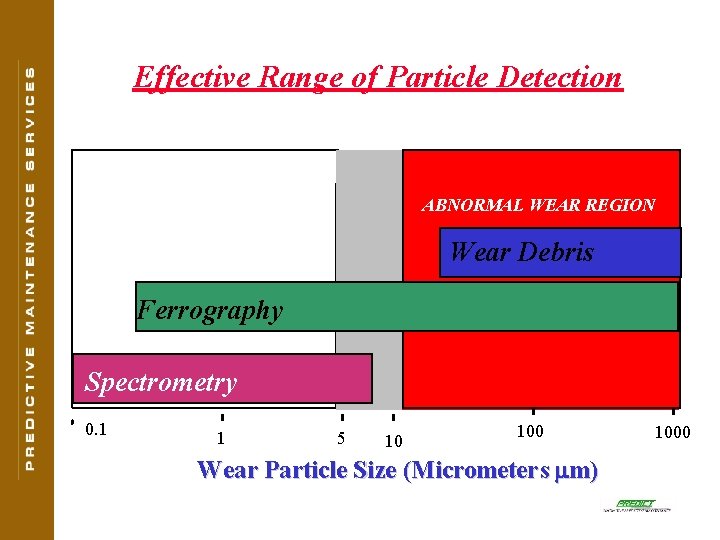
Effective Range of Particle Detection NORMAL WEAR REGION ABNORMAL WEAR REGION Wear Debris Ferrography Spectrometry 0. 1 1 5 10 100 Wear Particle Size (Micrometers m) 1000
FERROGRAPHY WEAR PARTICLE ANALYSIS
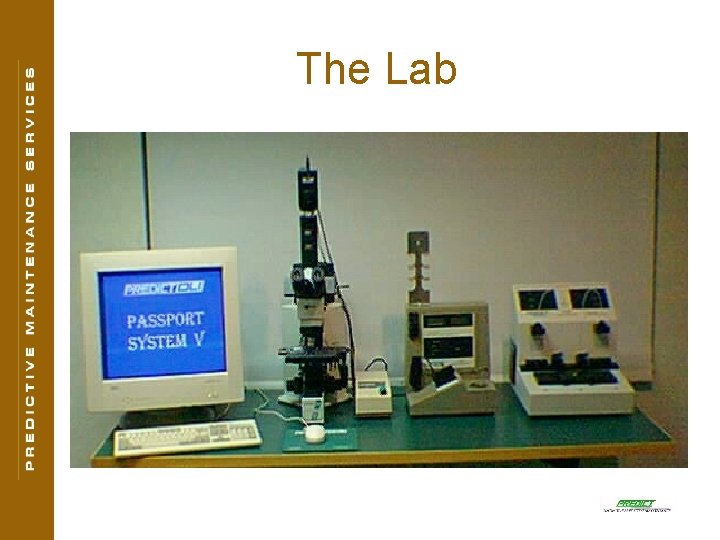
The Lab
FERROGRAPHY-HISTORY • Developed in 1971 • Used to monitor U. S military aircraft, submarines etc. ,
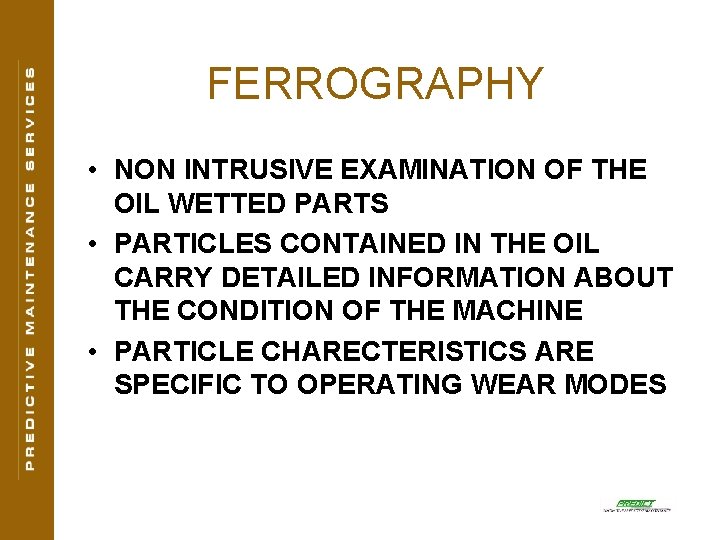
FERROGRAPHY • NON INTRUSIVE EXAMINATION OF THE OIL WETTED PARTS • PARTICLES CONTAINED IN THE OIL CARRY DETAILED INFORMATION ABOUT THE CONDITION OF THE MACHINE • PARTICLE CHARECTERISTICS ARE SPECIFIC TO OPERATING WEAR MODES
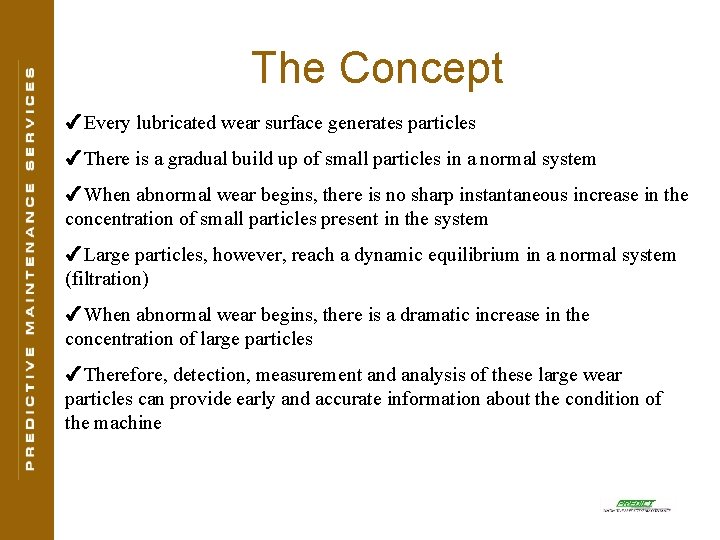
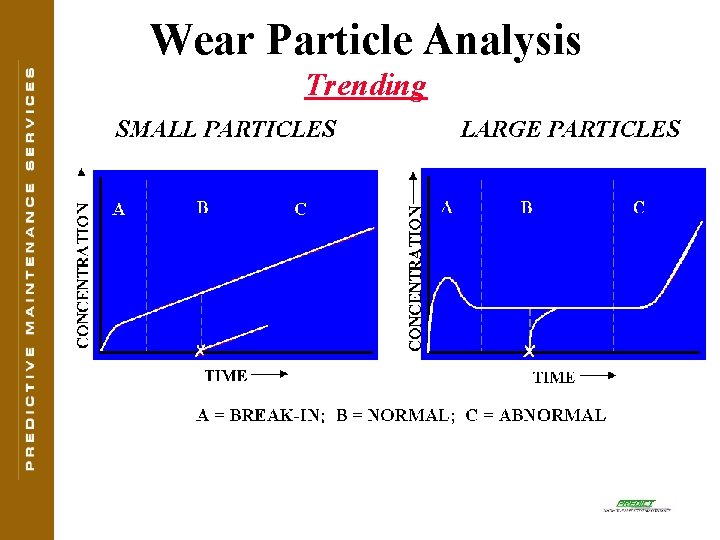
The Concept 4 Every lubricated wear surface generates particles 4 There is a gradual build up of small particles in a normal system 4 When abnormal wear begins, there is no sharp instantaneous increase in the concentration of small particles present in the system 4 Large particles, however, reach a dynamic equilibrium in a normal system (filtration) 4 When abnormal wear begins, there is a dramatic increase in the concentration of large particles 4 Therefore, detection, measurement and analysis of these large wear particles can provide early and accurate information about the condition of the machine
Wear Particle Analysis Trending
ANALYSIS • QUANTITATIVE • QUALITATIVE
QUANTITATIVE • • • DIRECT READING FERROGRAPHY DR III DL > 5 microns DS < 5 microns DL+DS = WPC (Wear Particle Concentration)
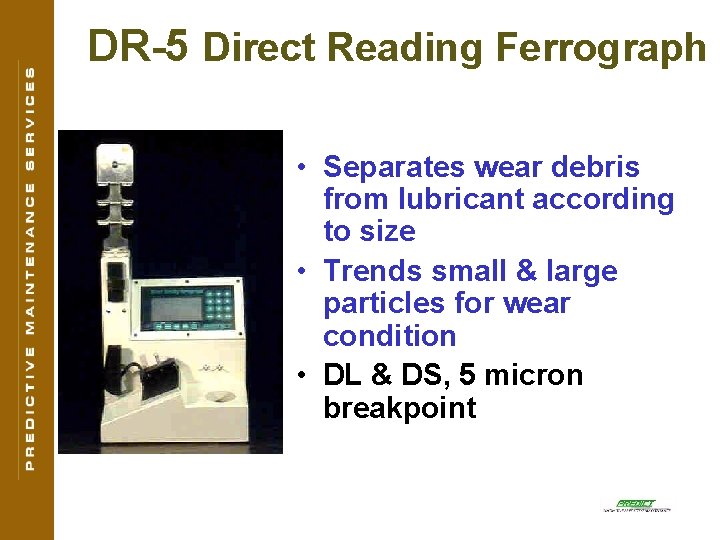
DR-5 Direct Reading Ferrograph • Separates wear debris from lubricant according to size • Trends small & large particles for wear condition • DL & DS, 5 micron breakpoint
QUALITATIVE • • ANALYTICAL FERROGRAPHY FM III FERROSCOPE PASSPORT- DATA MANAGEMENT
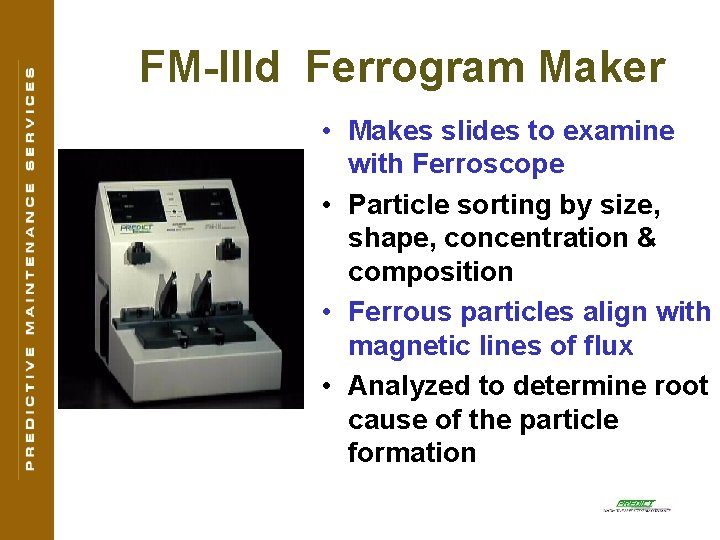
FM-IIId Ferrogram Maker • Makes slides to examine with Ferroscope • Particle sorting by size, shape, concentration & composition • Ferrous particles align with magnetic lines of flux • Analyzed to determine root cause of the particle formation
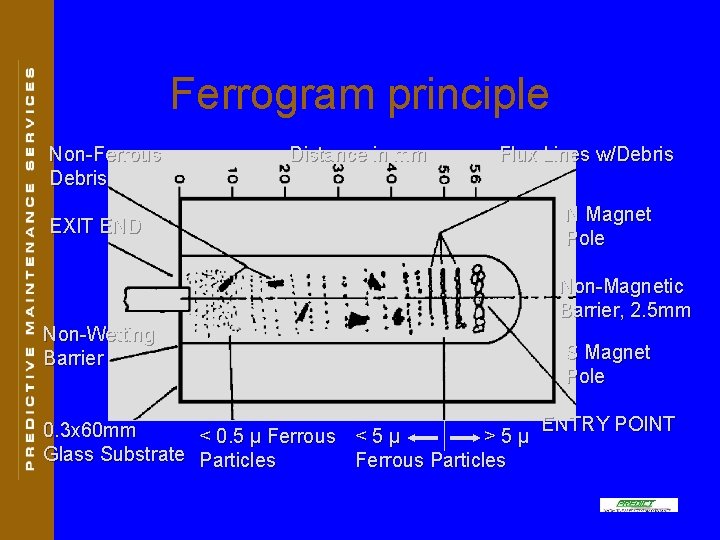
Ferrogram principle Non-Ferrous Debris EXIT END Distance in mm Flux Lines w/Debris N Magnet Pole Non-Magnetic Barrier, 2. 5 mm Non-Wetting Barrier S Magnet Pole ENTRY POINT 0. 3 x 60 mm < 0. 5 µ Ferrous < 5 µ >5µ Glass Substrate Particles Ferrous Particles
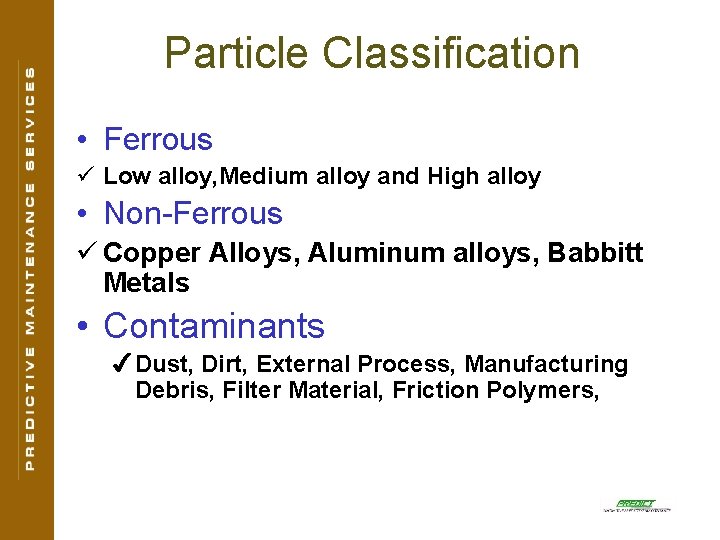
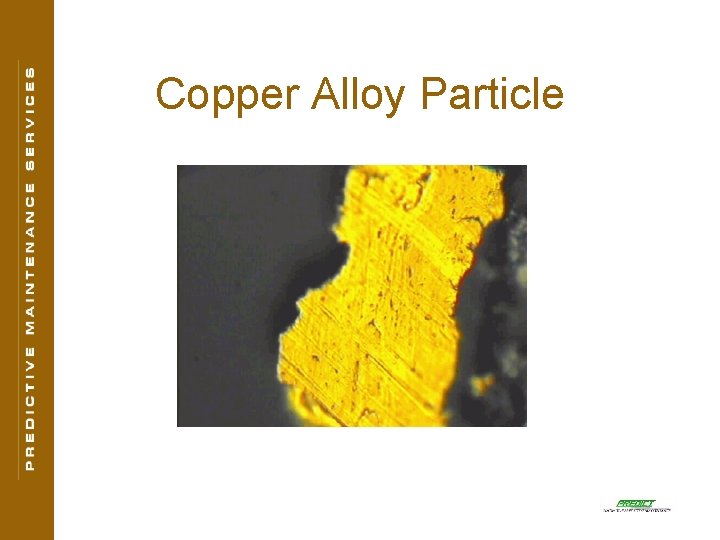
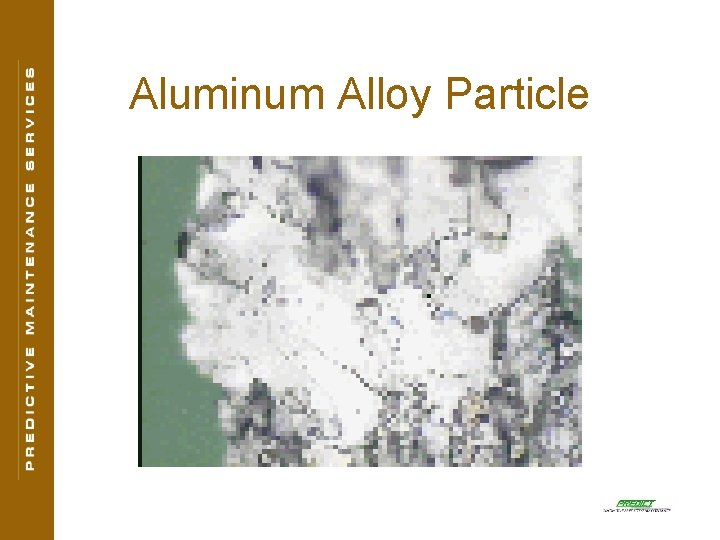
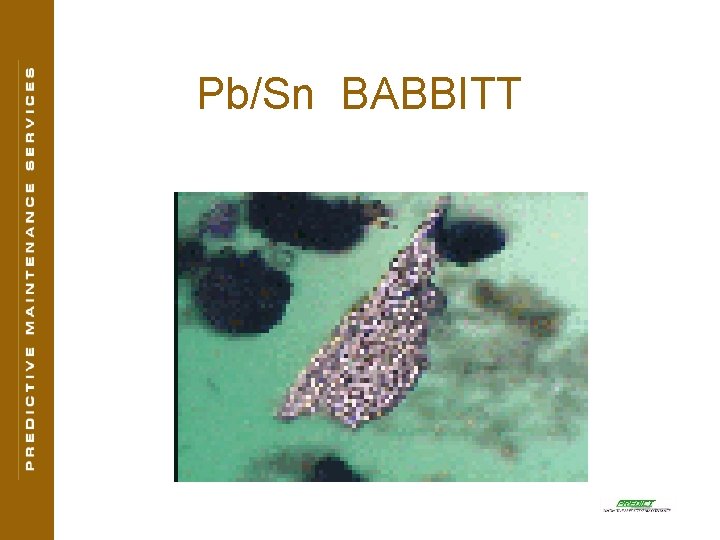
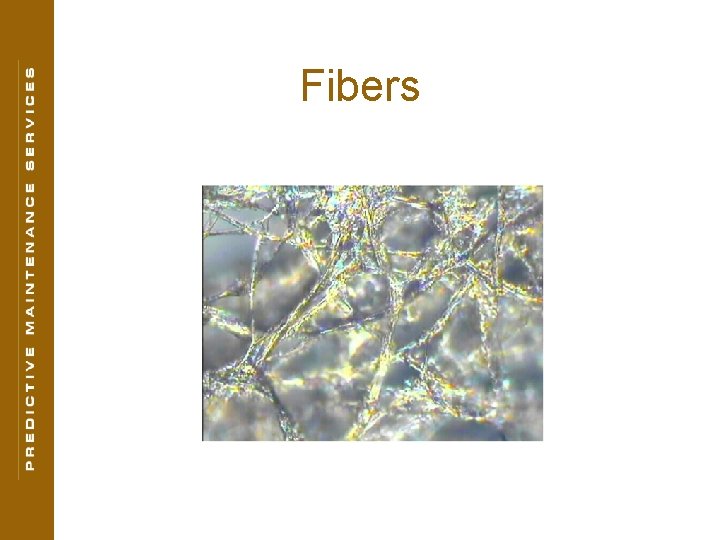
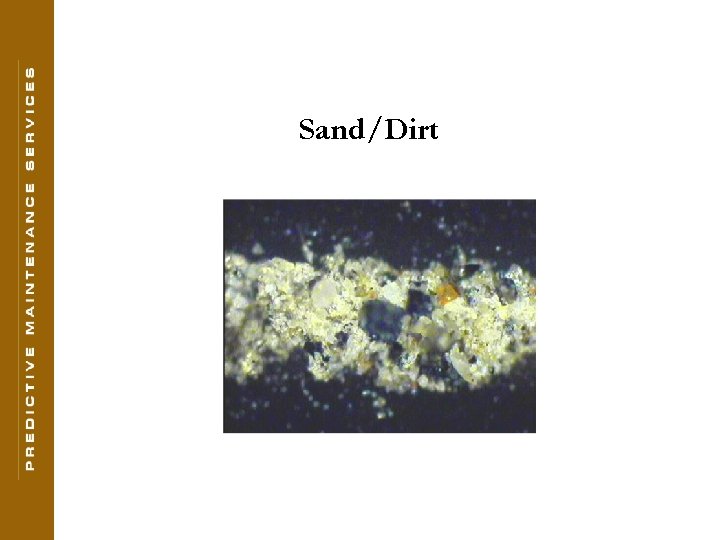
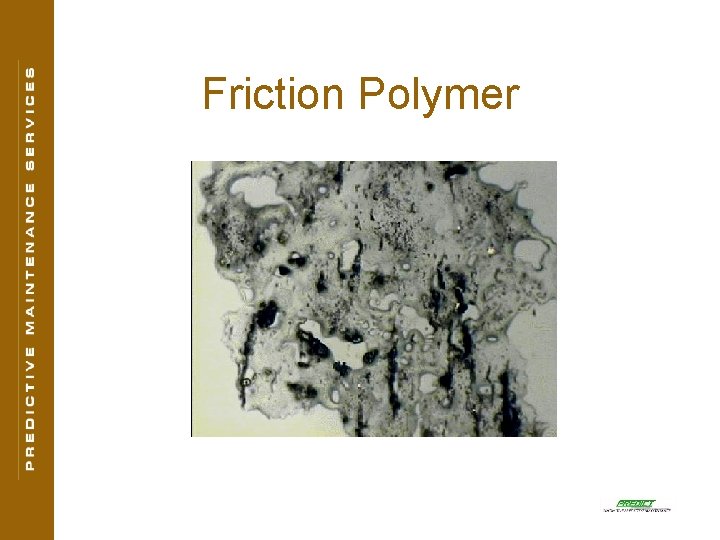
Particle Classification • Ferrous ü Low alloy, Medium alloy and High alloy • Non-Ferrous ü Copper Alloys, Aluminum alloys, Babbitt Metals • Contaminants 4 Dust, Dirt, External Process, Manufacturing Debris, Filter Material, Friction Polymers,
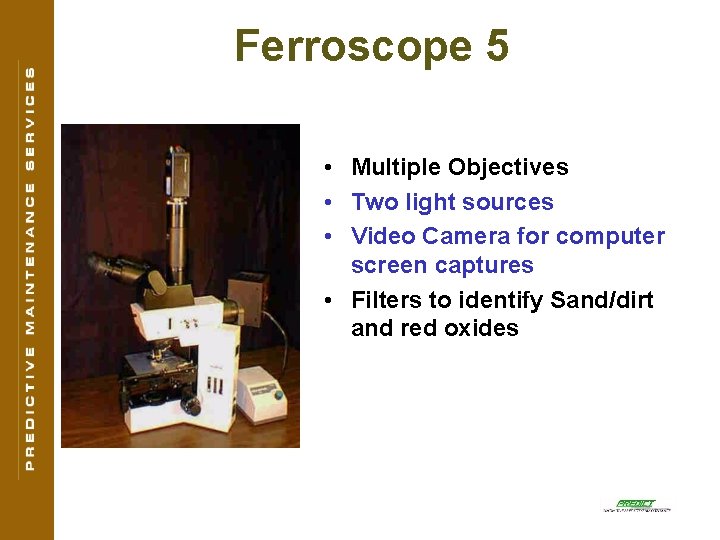
Ferroscope 5 • Multiple Objectives • Two light sources • Video Camera for computer screen captures • Filters to identify Sand/dirt and red oxides
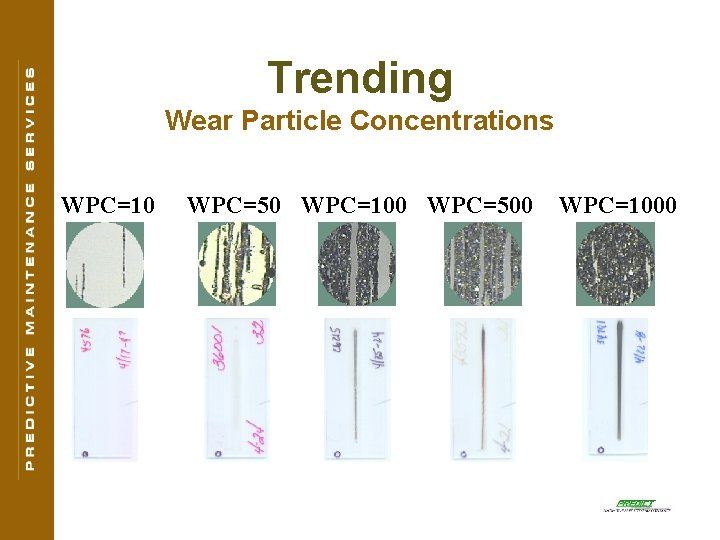
Trending Wear Particle Concentrations WPC=10 WPC=50 WPC=100 WPC=500 WPC=1000
Particles Identified in Ferrography
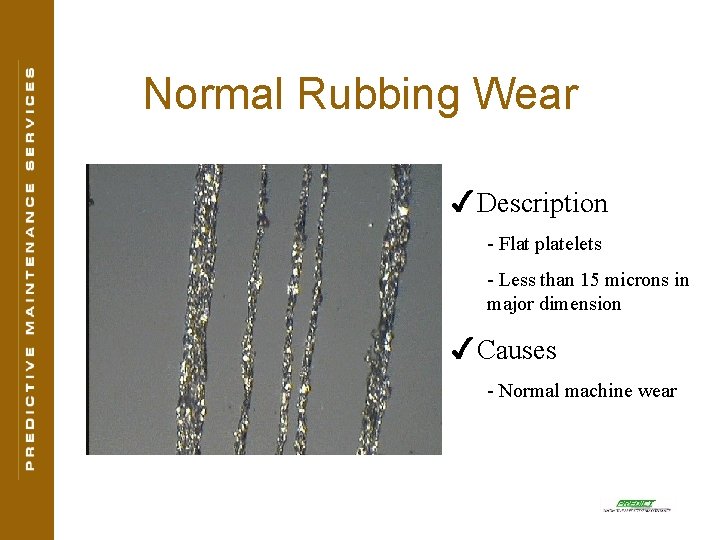
Normal Rubbing Wear 4 Description - Flat platelets - Less than 15 microns in major dimension 4 Causes - Normal machine wear
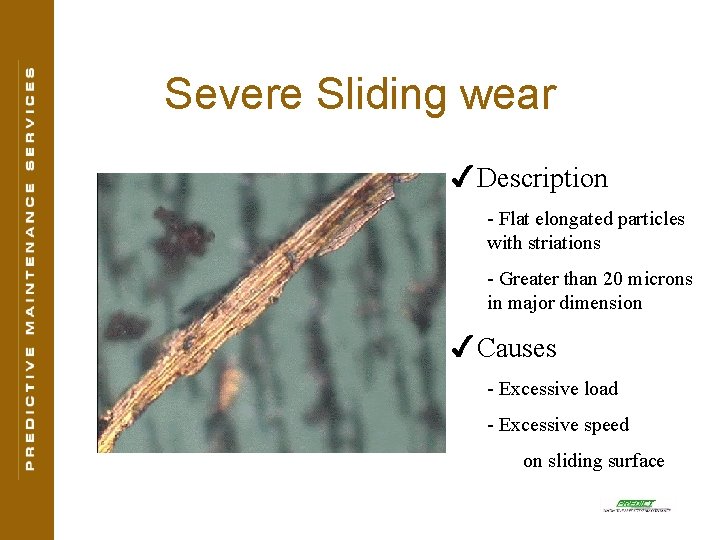
Severe Sliding wear 4 Description - Flat elongated particles with striations - Greater than 20 microns in major dimension 4 Causes - Excessive load - Excessive speed on sliding surface
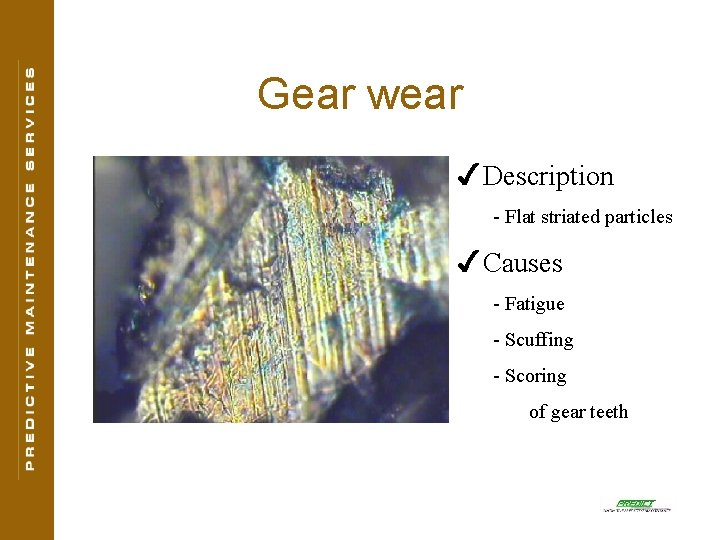
Gear wear 4 Description - Flat striated particles 4 Causes - Fatigue - Scuffing - Scoring of gear teeth
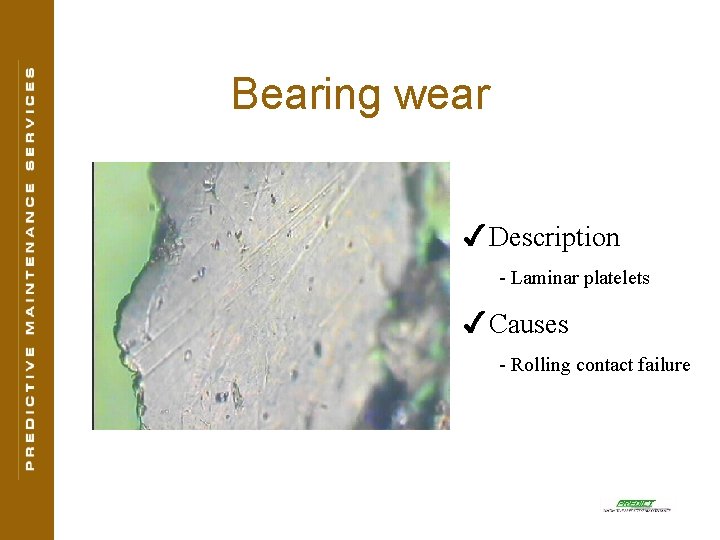
Bearing wear 4 Description - Laminar platelets 4 Causes - Rolling contact failure
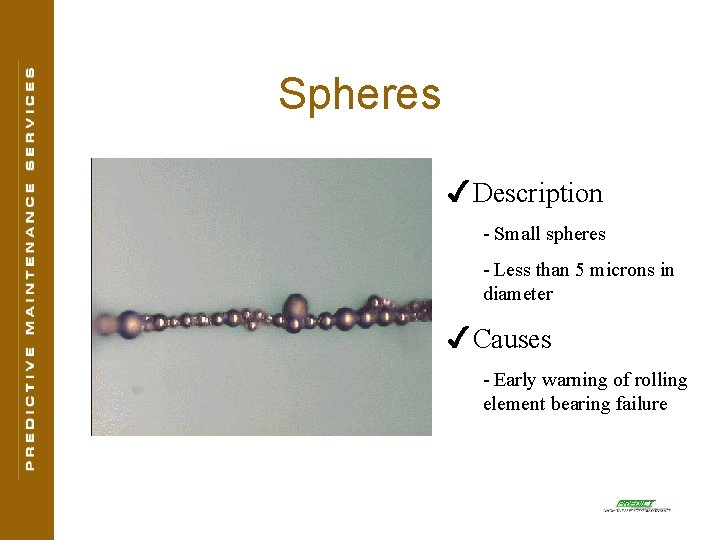
Spheres 4 Description - Small spheres - Less than 5 microns in diameter 4 Causes - Early warning of rolling element bearing failure
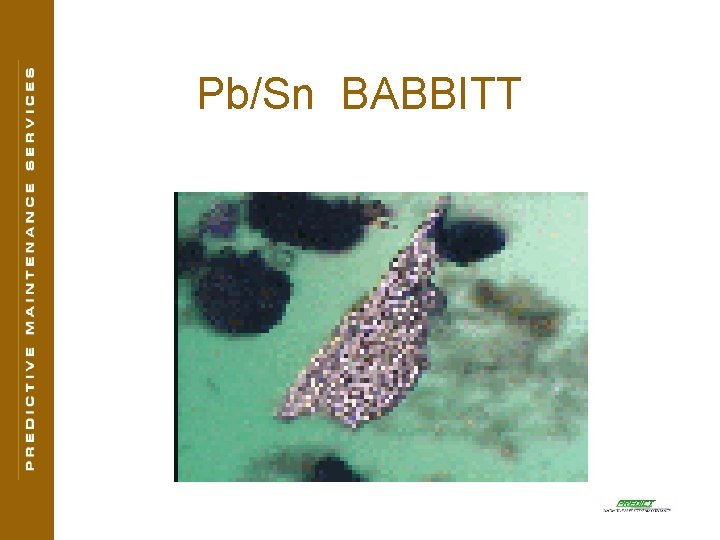
Pb/Sn BABBITT
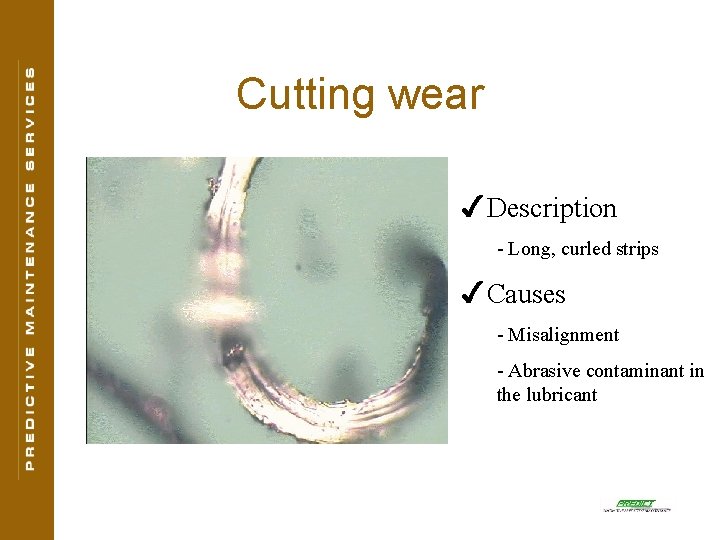
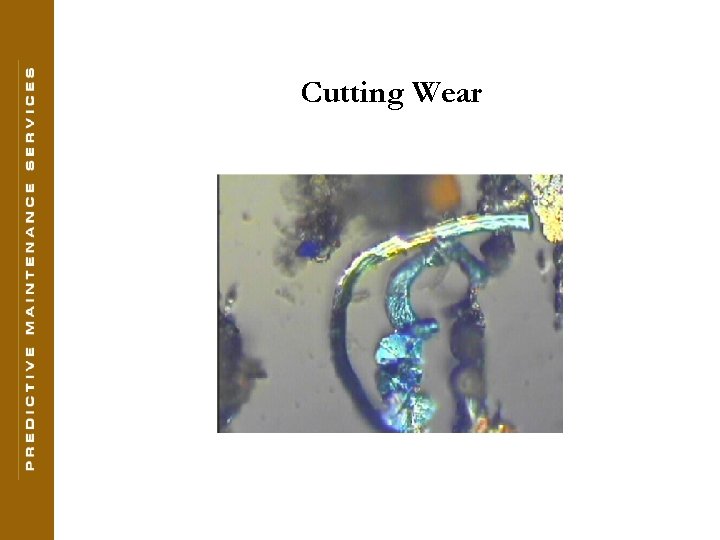
Cutting wear 4 Description - Long, curled strips 4 Causes - Misalignment - Abrasive contaminant in the lubricant
Cutting Wear
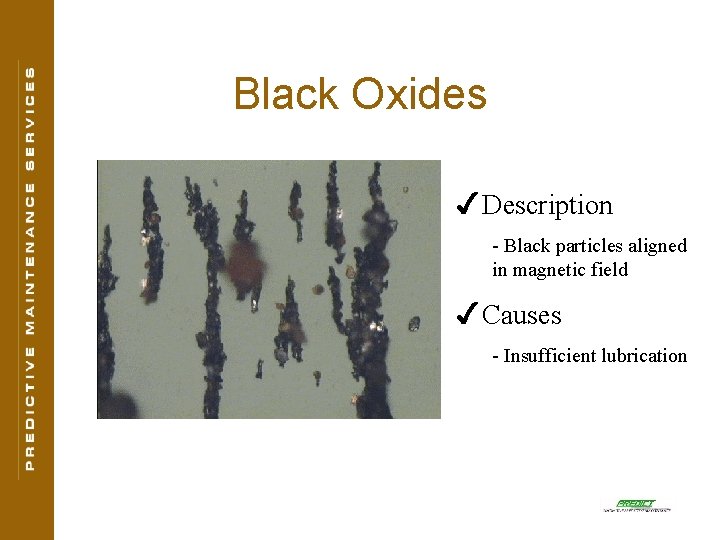
Black Oxides 4 Description - Black particles aligned in magnetic field 4 Causes - Insufficient lubrication
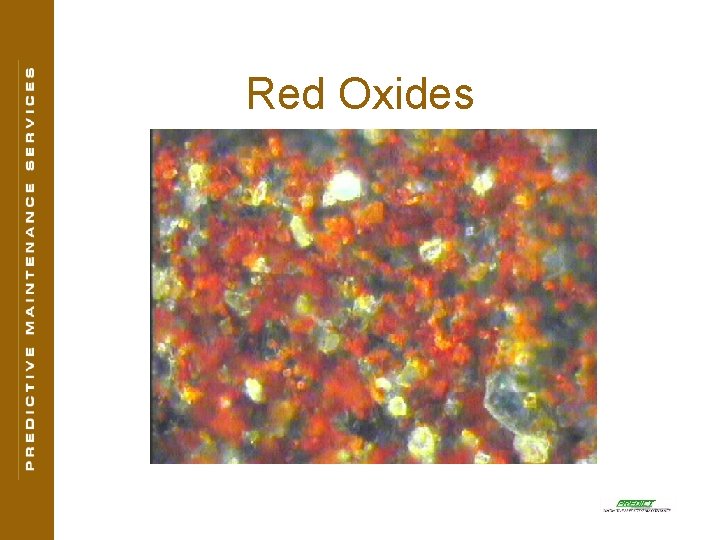
Red Oxides
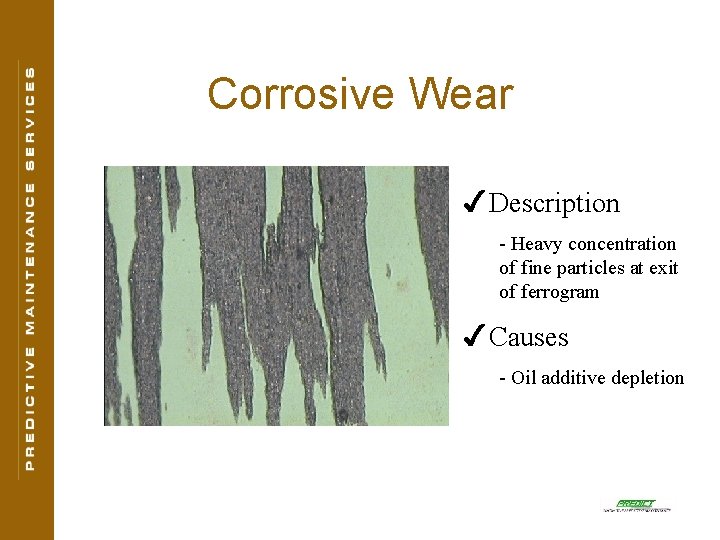
Corrosive Wear 4 Description - Heavy concentration of fine particles at exit of ferrogram 4 Causes - Oil additive depletion
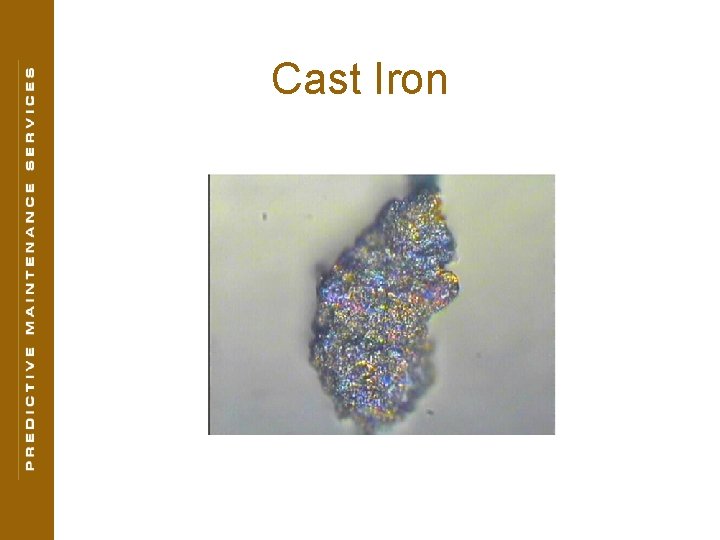
Cast Iron
Copper Alloy Particle
Aluminum Alloy Particle
Pb/Sn BABBITT
Fibers
Sand/Dirt
Friction Polymer
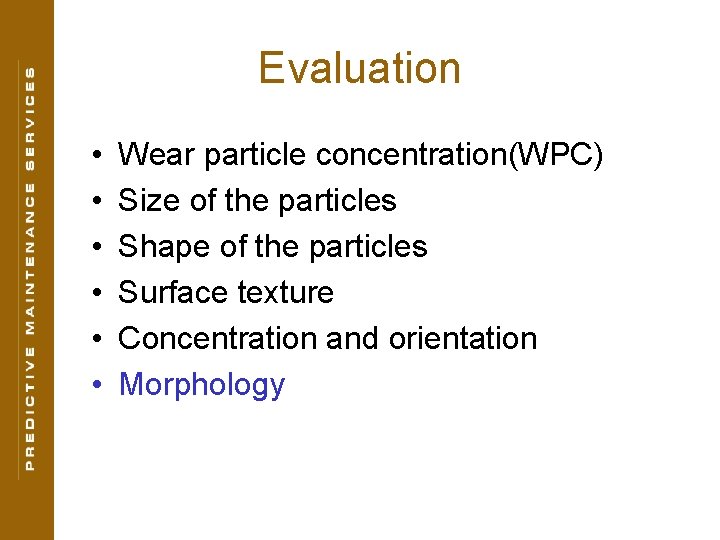
Evaluation • • • Wear particle concentration(WPC) Size of the particles Shape of the particles Surface texture Concentration and orientation Morphology
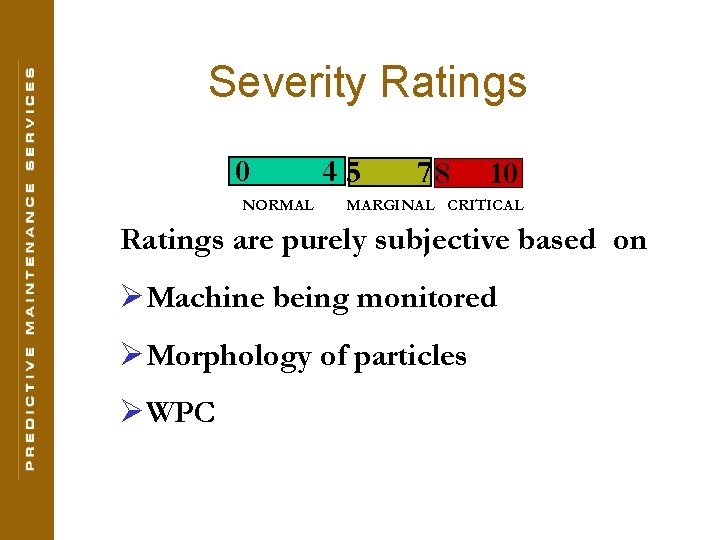
Severity Ratings 0 NORMAL 45 78 10 MARGINAL CRITICAL Ratings are purely subjective based on ØMachine being monitored ØMorphology of particles ØWPC
Case Study 1 Facility : Power Plant Equipment : ID Fan Fluid Coupling • In Sample dated 16/9/01 Cu alloy particles of size ranging up to 400 microns were observed and inspection of the internals was recommended after analyzing another sample. Samples dated 11/10/01 and 22/12 /01 have shown bearing wear particles along with Copper alloy particles. • Inspection was carried out on 5/01/02. It was found that output shaft bearing cage was completely worn out. Coupling was changed. • Savings : 1. Savings on loss of generation due to downtime itself was around 9 million units amounting to 90 lakhs approx. 2. Secondary damage to fan and coupling avoided.
Case study 2 Facility : Power Plant Equipment : Cooling tower fan Gear box. • Sample dated 06. 09. 02, report rated critical due to the presence of abnormal bearing wear(fatigue) particles and advised inspection can be carried out after analyzing another sample. • Based on this report Inspection was carrried out severe fatigue wear found on the outer & inner race and all rollers of output shaft bearing.
APPLICATION • • Bearings Gear Boxes Pumps Turbines Engines Compressors Earth Moving Equipment • Tool room equipment • Very Large , Very Slow speed M/c • • • Steel Refinery Cement Fertilizer Paper Power Plants Mining & Quarrying Tool Room Railways/Locos, Road Ships Etc. ,
BENEFITS • Ferrography identifies Wear Particles as well as Contamination • Hence, Life extension benefits of Proactive Maintenance(controlling contamination etc. , ) and early warning benefits of Predictive Maintenance can be simultaneously achieved.
CONCLUSION • Many New Technologies are being invented and applied for Condition Monitoring of Equipments • None is all inclusive, yet each has a valuable contribution to play. • Combination Of Technologies helps in finding a meaningful solution. • We look for the benefits of the technology without fulfilling the requirements.
SAMPLING TECHNIQUES
GARBAGE IN, GARBAGE OUT An analytical report, no matter how brilliantly written, is worse than meaningless if the samples taken are not representative of the system being monitored
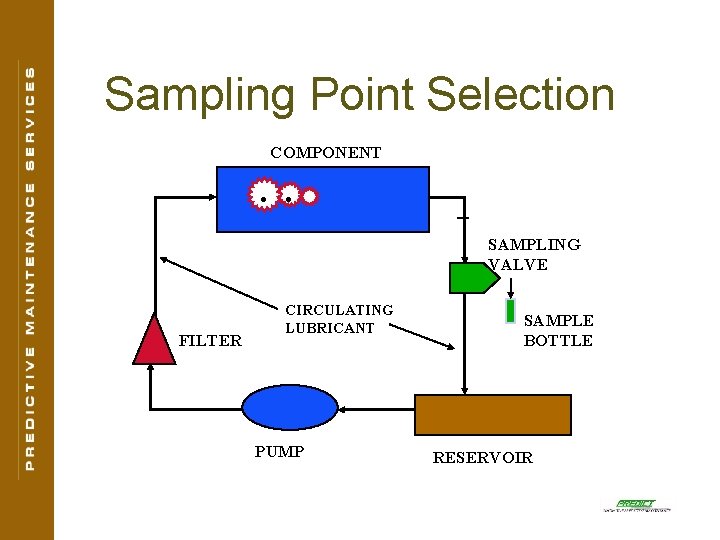
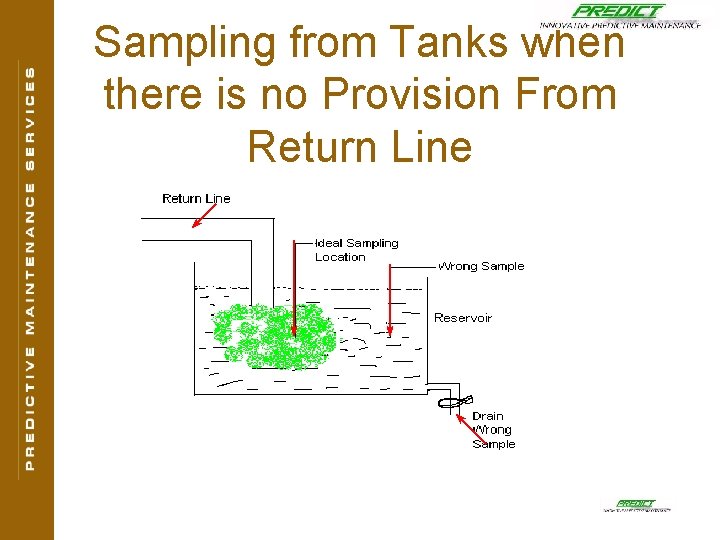
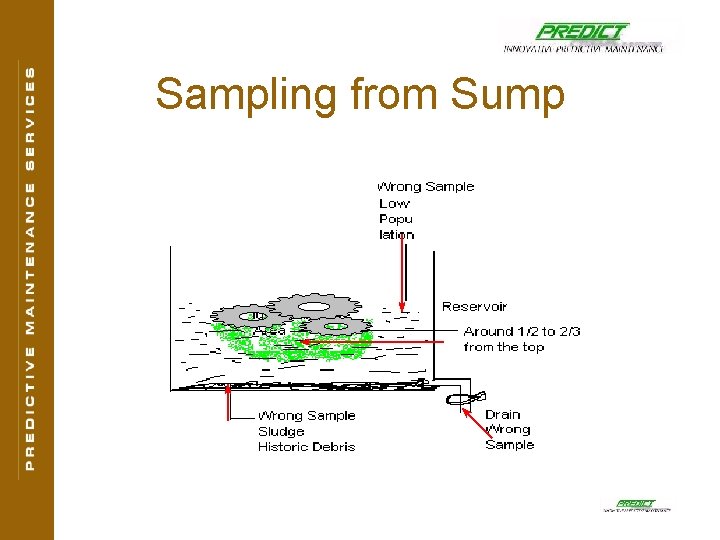
SELECTION OF SAMPLING POINT • Sample tap in return line of the last lubricated component. • Sample(valve) at about 2/3 rd distance from top in case of reservoirs, tanks. • In circulating portion of the reservoir at entry end near mid-height of the reservoir.
Sampling Point Selection COMPONENT . . SAMPLING VALVE FILTER CIRCULATING LUBRICANT PUMP SAMPLE BOTTLE RESERVOIR
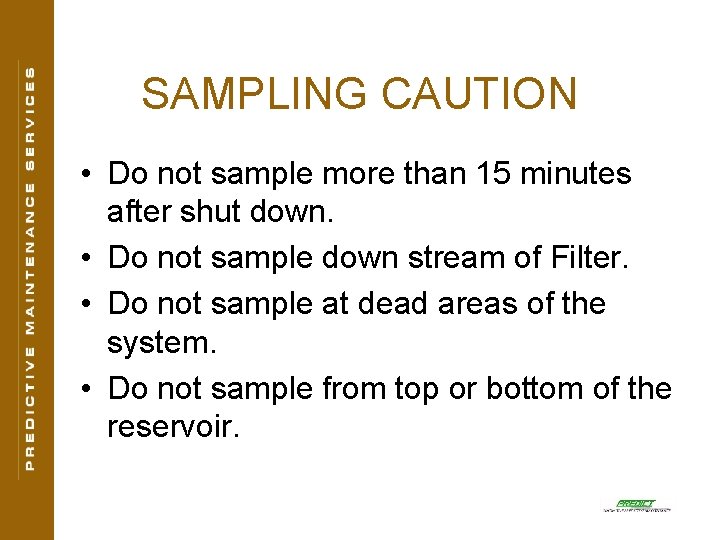
SAMPLING CAUTION • Do not sample more than 15 minutes after shut down. • Do not sample down stream of Filter. • Do not sample at dead areas of the system. • Do not sample from top or bottom of the reservoir.
Sampling from Tanks when there is no Provision From Return Line
Sampling from Sump
THANK YOU