
Fenwick Review Day Slideshow requirement BY MIDNIGHT email

Fenwick Review Day
Slideshow requirement BY MIDNIGHT- email slideshow to shaistafenwick@mooreschools. com MUST INCLUDE: 5 slides Name Why your group chose them Three 2 of interview subject and biography details you learned in the interview minutes of audio/video Picture of your group, picture of the subject
Patterns Chronological Patterns Sequential Patterns Spatial Patterns Compare-Contrast Patterns Advantages- Disadvantages Patterns Cause-Effect Patterns Problem-Solution Patterns Topical Patterns
Chronological Patterns A chronological pattern of organization arranges information according to a progression of time, either forward or backward. When a topic is best understood in terms of different segments of time, a chronological format works well. For example, topics of an historical nature are best organized using this pattern. Big chunks of time Smaller clarifying details in each Significance tied to theme

Sequential Pattern A sequential pattern of organization is similar to a chronological pattern, but arranges information according to a step-by-step sequence that describes a particular process. Using a sequential pattern, each main section of information represents a main step that one would follow in the actual process. The points included within each main section represent the sub-steps one would follow. When one wishes to describe a process that follows a specific series of steps in a particular order, then, a sequential pattern works well. Main steps Smaller steps within PROCESS

Spatial Patterns A spatial pattern of organization arranges information according to how things fit together in physical space; i. e. , where one thing exists in relation to another. This pattern works well when a writer wishes to create a mental picture of something which has various parts distinguished by physical location. Topics involving geography are often best organized using a spatial pattern. Large spaces Smaller pieces Explain relationships
Compare/Contrast Patterns A compare and contrast pattern arranges information according to how two or more things are similar to or different from one another (or both). This is an effective pattern to use when the reader can better understand one subject when it is described in relation to another. If the reader is familiar with one topic, the writer can compare or contrast it with another topic to shed insight on it. Big axes of concern Contrast/compare restate
Advantages/Disadvantages Patterns This pattern organizes information about a topic by dividing it up into its "good" and "bad" parts, or pros and cons. It is effective to use when a writer wishes to objectively discuss both sides of an issue without taking a persuasive stance. This allows the reader to weigh both sides of an issue. As with the compare-contrast pattern, there a number of possible variations to an advantages-disadvantages pattern. Advantages: List Disadvantages: List Compare: Criteria
Cause/Effect Pattern This pattern is used to show the different causes and effects of various conditions. This pattern is particularly effective when writing a persuasive document in which the writer advocates some action to solve a problem, because it demonstrates important relationships between variables. There are two major variations to this pattern; (a) dividing the outline into two major sections comprised of causes and effects (b) dividing the outline according to the different causes, with the effects of each cause contained within the larger "causes" section
Problem/Solution Pattern A problem-solution pattern divides information into two main sections, one that describes a problem and one that describes a solution. This pattern is typically used in persuasive writing, where the writer's general purpose is to convince the reader to support a certain course of action. establishesthat a problem exists, then provides a solution. In the problem section, the writer identifies different aspects of the and offers evidence of these problems. In the solution section, the writer identifies a potential solution and supports this solution over others. Problem Solution Clarifies differences
Topical Pattern This pattern is the most commonly used format, and will typically work when the other patterns do not. A topical pattern arranges information according to different sub-topics within a larger topic, or the "types" of things that fall within a larger category. Using this pattern, each "type" represents a main section of information.
Themes: What are they? Underlying meaning in a work of art Recurring idea in a work Main idea Big idea Salient, pervasive, abstract idea in a work
How Do You Identify Theme? Themes emerge when you can look at the work as a whole They are not a summary of surface details Some key tools to identify theme are literary devices such as: character development Setting Mood Plot point of view Figurative language Allegory Symbolism Irony
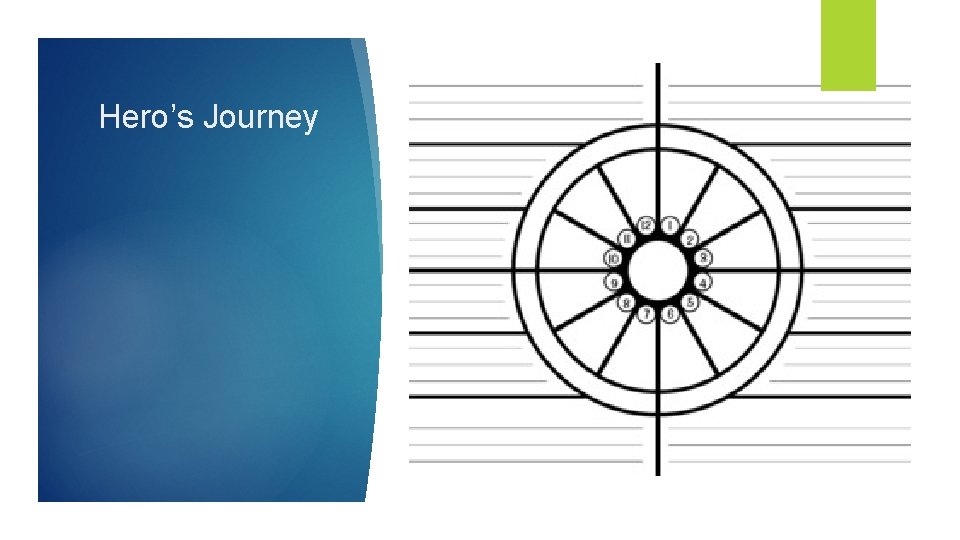
Hero’s Journey
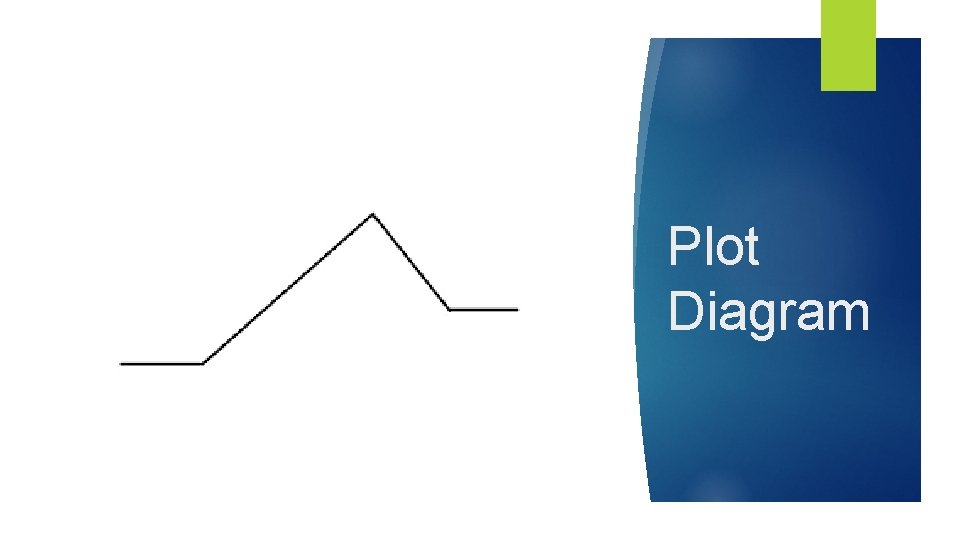
Plot Diagram
- Slides: 15