
FELINE INFECTIOUS PERITONITIS PATHOMORPHOLOGY II UWM 2019 INDEX
- Slides: 23
FELINE INFECTIOUS PERITONITIS PATHOMORPHOLOGY II UWM 2019
INDEX AETIOLOGICAL AGENT: CORONAVIRUS FIPV INFECTION PATHOGENESIS DEVELOPMENT OF ONE OF TWO FORMS OF FIP NONEFFUSIVE FORM OR DRY FORM CLINICAL SIGNS PATHOMORPHOLOGICAL FINDINGS EFFUSIVE FORM OR WET FORM EXAMPLES OF HISTOLOGICAL FINDINGS DIAGNOSIS TREATMENT AND PREVENTION ERRADICATION OF CORONAVIRUS BIBLIOGRAPHY
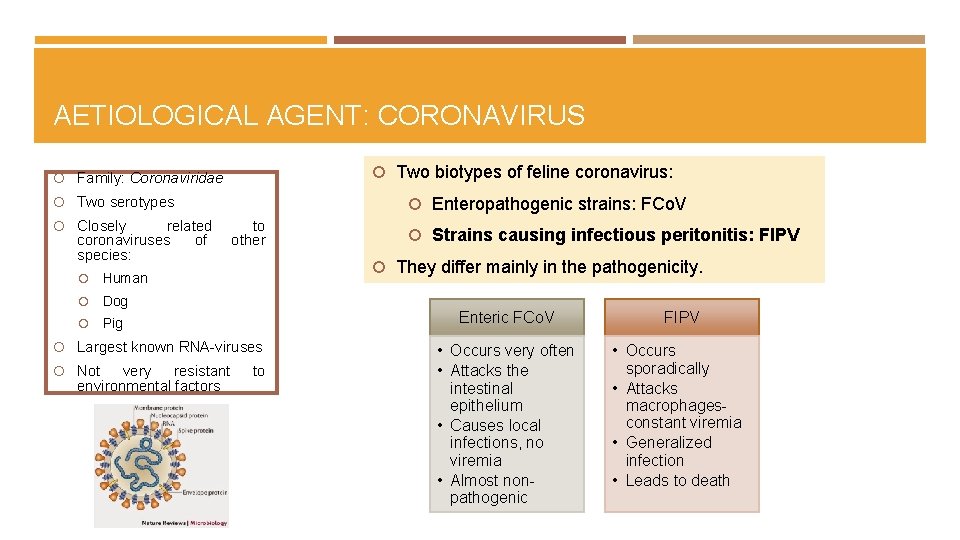
AETIOLOGICAL AGENT: CORONAVIRUS Two biotypes of feline coronavirus: Family: Coronaviridae Enteropathogenic strains: FCo. V Two serotypes Closely related coronaviruses of species: to other They differ mainly in the pathogenicity. Human Dog Enteric FCo. V Pig Largest known RNA-viruses Not very resistant environmental factors Strains causing infectious peritonitis: FIPV to • Occurs very often • Attacks the intestinal epithelium • Causes local infections, no viremia • Almost nonpathogenic FIPV • Occurs sporadically • Attacks macrophagesconstant viremia • Generalized infection • Leads to death
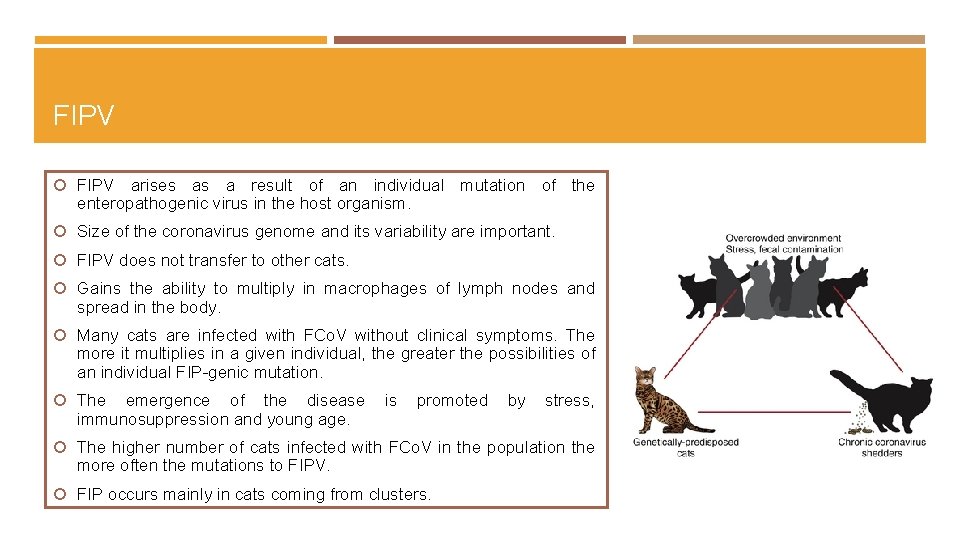
FIPV arises as a result of an individual mutation of the enteropathogenic virus in the host organism. Size of the coronavirus genome and its variability are important. FIPV does not transfer to other cats. Gains the ability to multiply in macrophages of lymph nodes and spread in the body. Many cats are infected with FCo. V without clinical symptoms. The more it multiplies in a given individual, the greater the possibilities of an individual FIP-genic mutation. The emergence of the disease immunosuppression and young age. is promoted by stress, The higher number of cats infected with FCo. V in the population the more often the mutations to FIPV. FIP occurs mainly in cats coming from clusters.
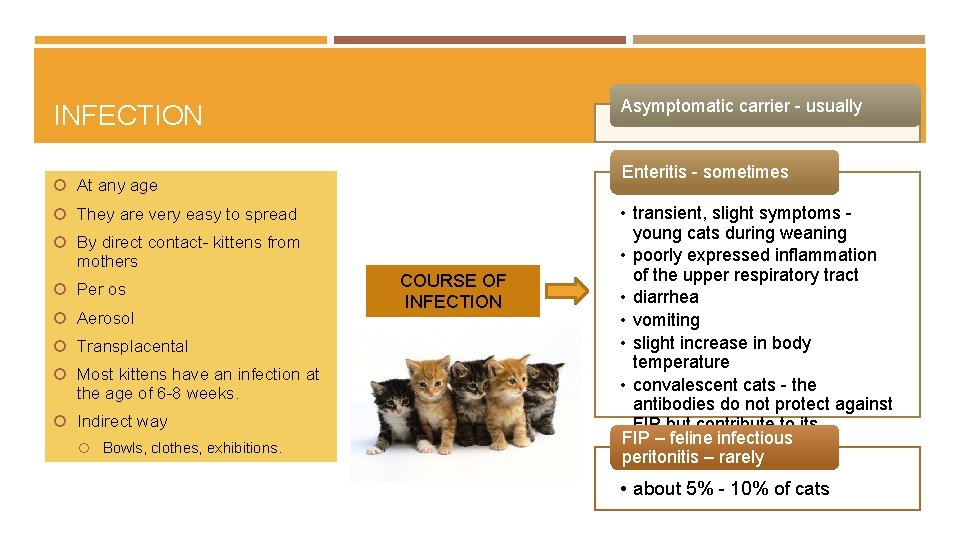
Asymptomatic carrier - usually INFECTION Enteritis - sometimes At any age They are very easy to spread By direct contact- kittens from mothers Per os Aerosol Transplacental Most kittens have an infection at the age of 6 -8 weeks. Indirect way Bowls, clothes, exhibitions. COURSE OF INFECTION • transient, slight symptoms young cats during weaning • poorly expressed inflammation of the upper respiratory tract • diarrhea • vomiting • slight increase in body temperature • convalescent cats - the antibodies do not protect against FIP but contribute to its FIP – feline infectious development! peritonitis – rarely • about 5% - 10% of cats
PATHOGENESIS Per os entrance (e. g) – intestinal biotype Intestinal biotype mutation to FIPV Replication in monocytes and macrophages – viremia Destruction of infected macrophages Release of pro-inflammatory mediators and viruses Development of granulomas Antigen-antibody complexes Inflammation of small blood vessels – vasculitis Cytokines released form destroyed macrophages Coagulopathy with the help of coagulations factors and vascular damage, DIC. ü Sufficient replicating virus is a prerequisite for the FIP mutation and following disease to occur. ü If the cat is not infected with a high enough load of feline coronavirus, there is no real threat of FIP mutation. ü Sufficient load is ensured via viral persistence and resurgence. ü Viral persistence is maintained in the colon of infected cats. ü Persistence can also be maintained in other tissues through macrophage infections.
DEVELOPMENT OF ONE OF TWO FORMS OF FIP POLYSEROSITIS (EFFUSIVE FORM) • Accumulation of fluid in the body cavities • Cats with an immune system capable of producing a humoral response but not capable of an efficient cellular response FORMATION OF INFLAMMATORY GRANULOMAS (NONEFFUSIVE FORM) • Cats with partial cellular immunity • macrophages • neutrophil granulocytes • lymphocytes • plasma cells • central necrosis general symptoms • reccuring fever of unknown origin • lack of appetite • progressive emaciation • apathy • anemia • lack of care for the hair coat
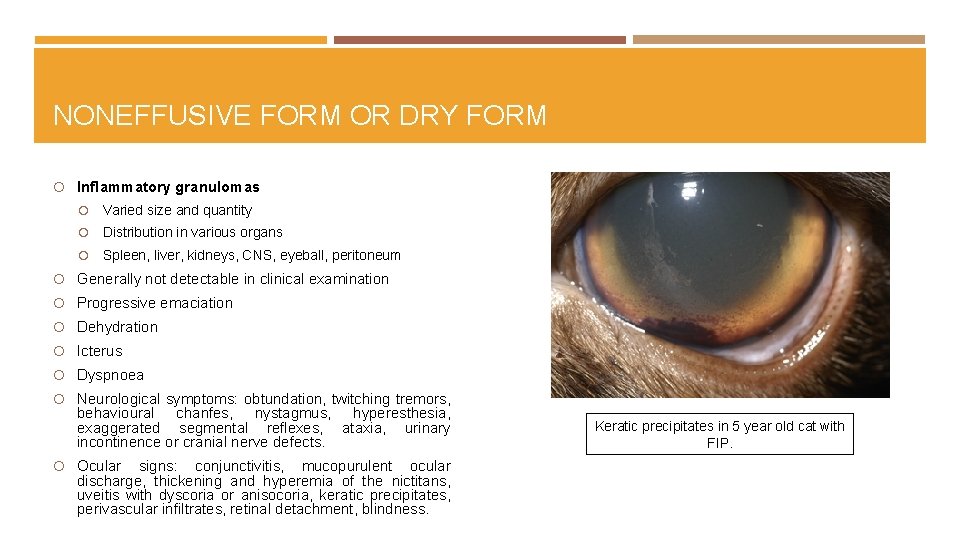
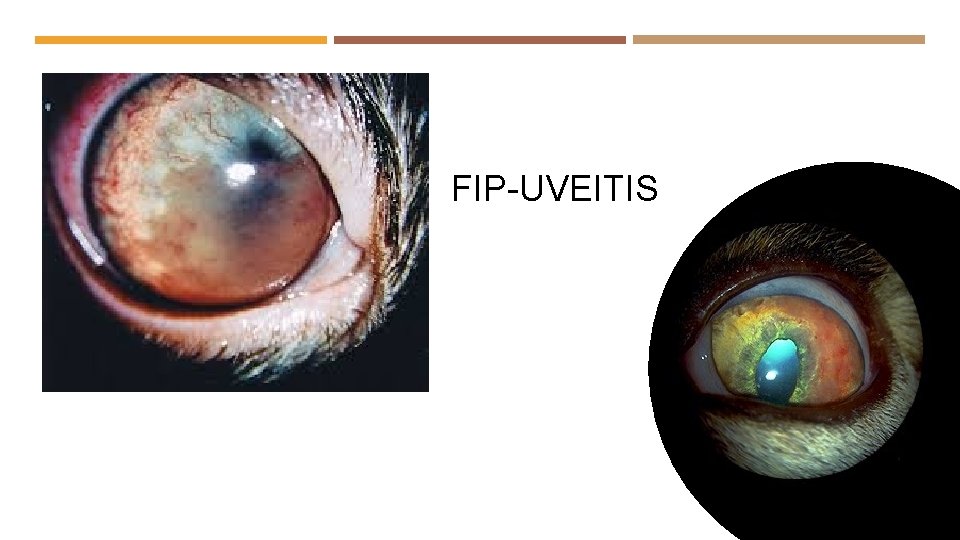
NONEFFUSIVE FORM OR DRY FORM Inflammatory granulomas Varied size and quantity Distribution in various organs Spleen, liver, kidneys, CNS, eyeball, peritoneum Generally not detectable in clinical examination Progressive emaciation Dehydration Icterus Dyspnoea Neurological symptoms: obtundation, twitching tremors, behavioural chanfes, nystagmus, hyperesthesia, exaggerated segmental reflexes, ataxia, urinary incontinence or cranial nerve defects. Ocular signs: conjunctivitis, mucopurulent ocular discharge, thickening and hyperemia of the nictitans, uveitis with dyscoria or anisocoria, keratic precipitates, perivascular infiltrates, retinal detachment, blindness. Keratic precipitates in 5 year old cat with FIP.
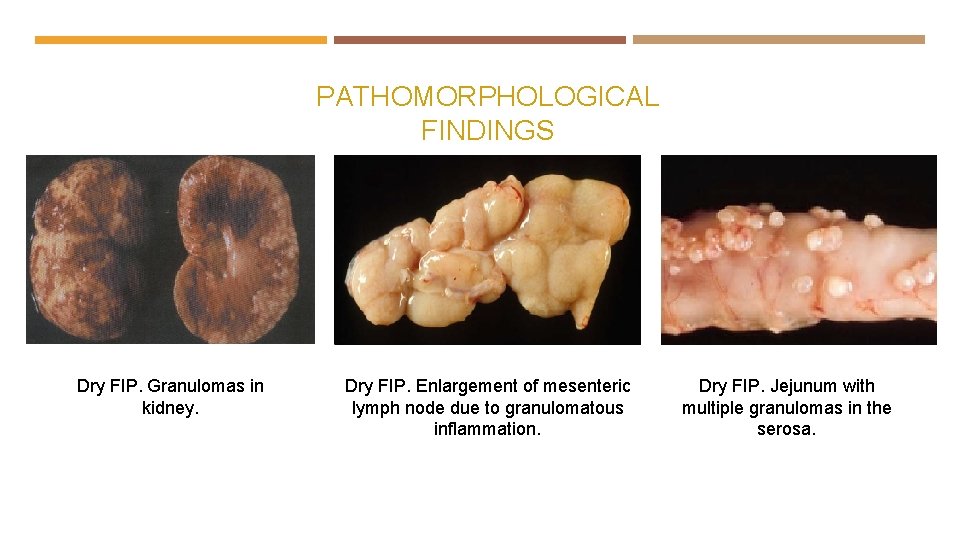
PATHOMORPHOLOGICAL FINDINGS Dry FIP. Granulomas in kidney. Dry FIP. Enlargement of mesenteric lymph node due to granulomatous inflammation. Dry FIP. Jejunum with multiple granulomas in the serosa.
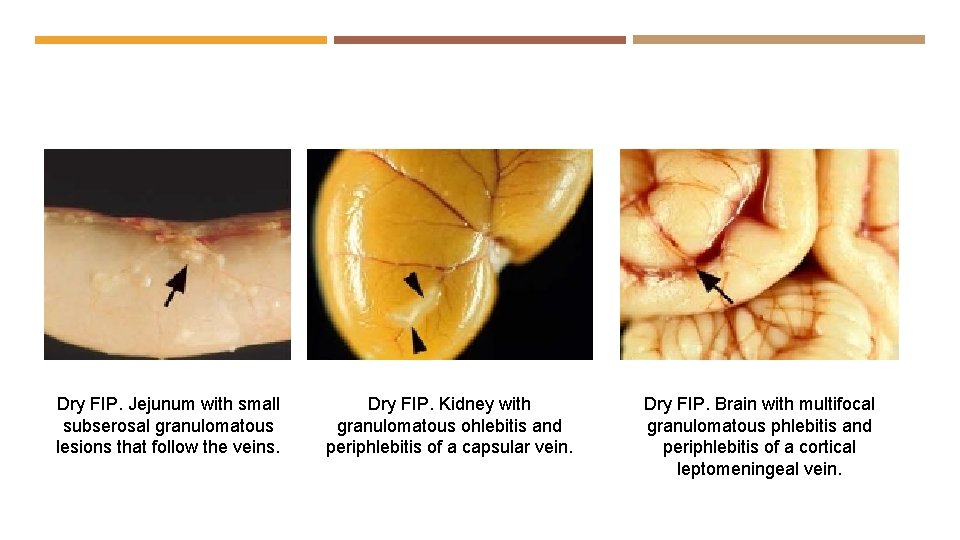
Dry FIP. Jejunum with small subserosal granulomatous lesions that follow the veins. Dry FIP. Kidney with granulomatous ohlebitis and periphlebitis of a capsular vein. Dry FIP. Brain with multifocal granulomatous phlebitis and periphlebitis of a cortical leptomeningeal vein.
FIP-UVEITIS
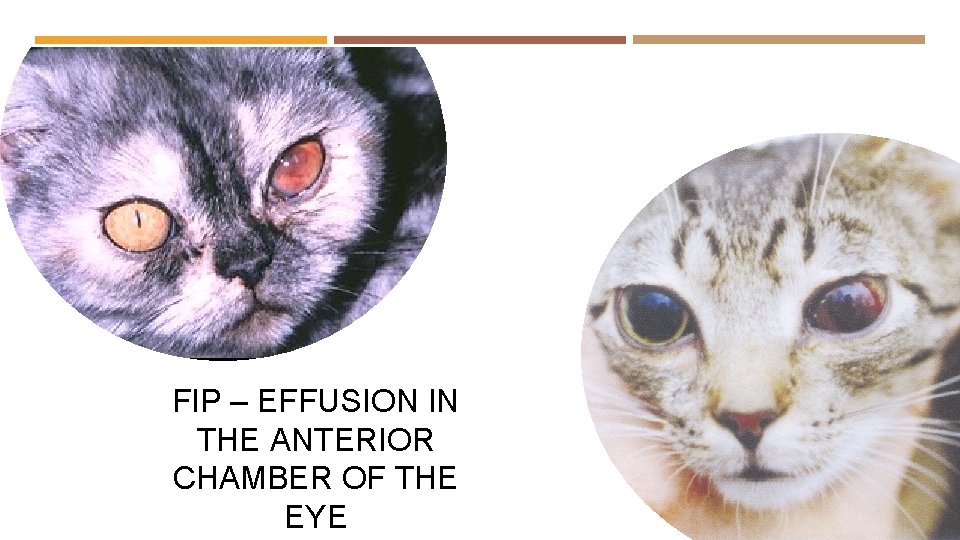
FIP – EFFUSION IN THE ANTERIOR CHAMBER OF THE EYE
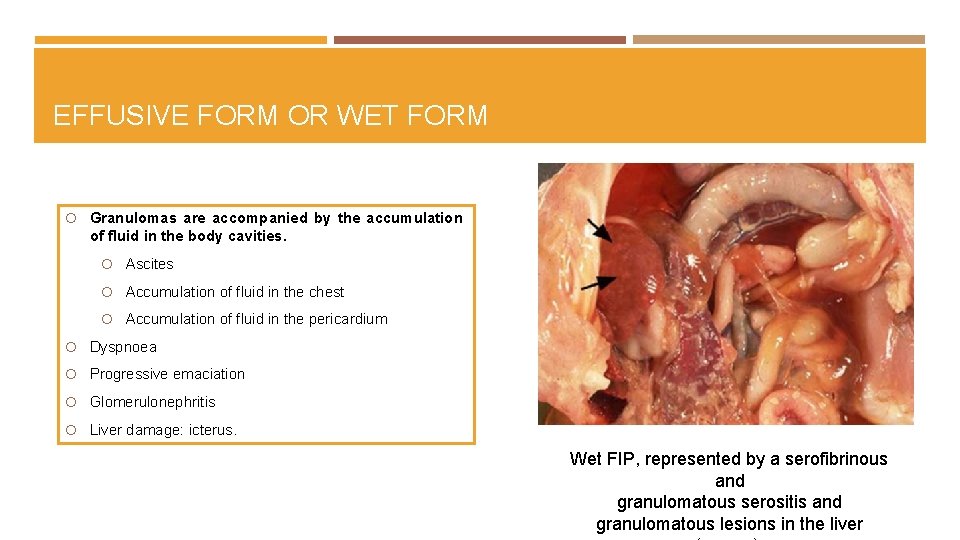
EFFUSIVE FORM OR WET FORM Granulomas are accompanied by the accumulation of fluid in the body cavities. Ascites Accumulation of fluid in the chest Accumulation of fluid in the pericardium Dyspnoea Progressive emaciation Glomerulonephritis Liver damage: icterus. Wet FIP, represented by a serofibrinous and granulomatous serositis and granulomatous lesions in the liver
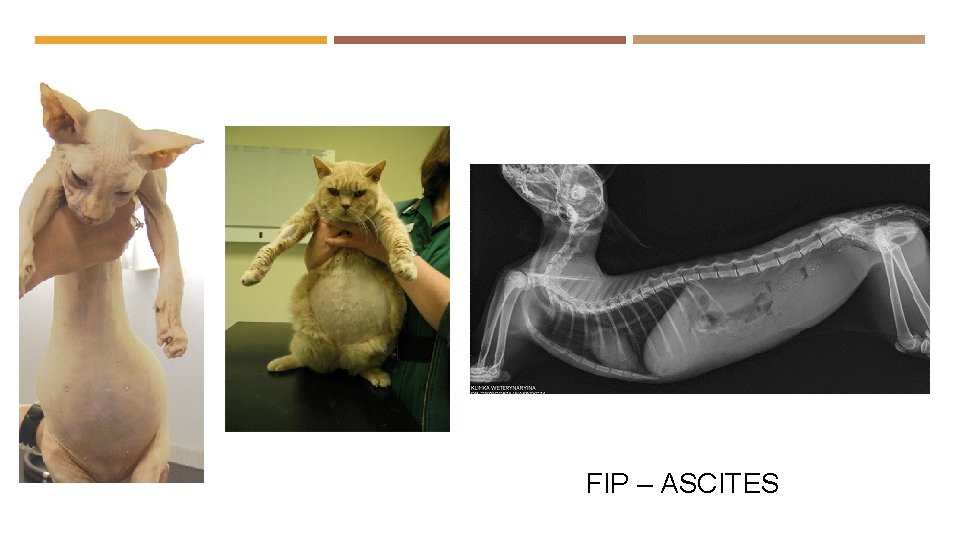
FIP – ASCITES
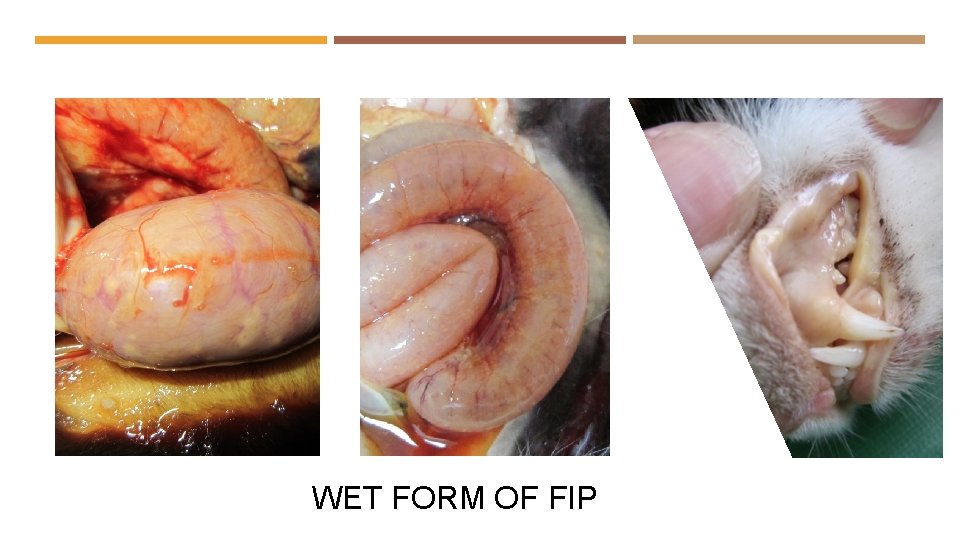
WET FORM OF FIP
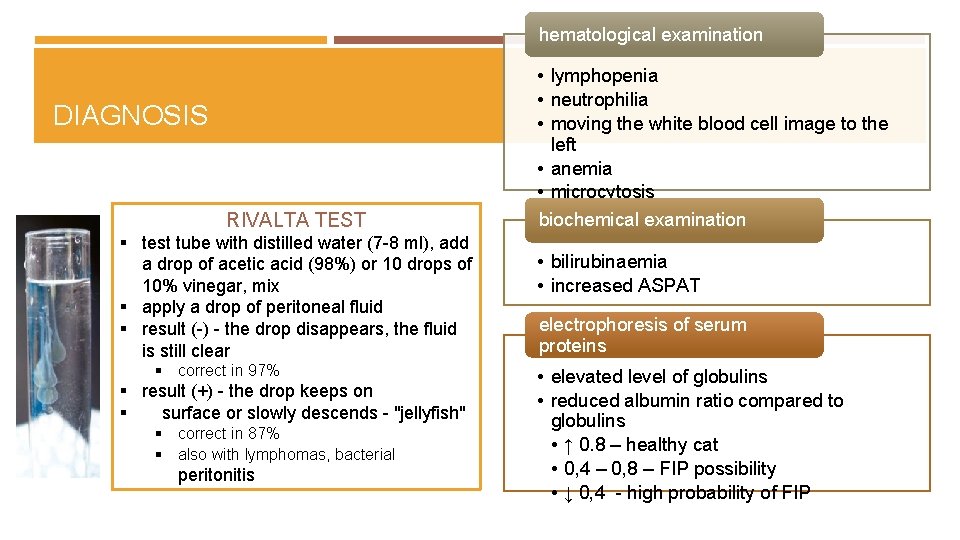
hematological examination DIAGNOSIS RIVALTA TEST § test tube with distilled water (7 -8 ml), add a drop of acetic acid (98%) or 10 drops of 10% vinegar, mix § apply a drop of peritoneal fluid § result (-) - the drop disappears, the fluid is still clear § correct in 97% § result (+) - the drop keeps on § surface or slowly descends - "jellyfish" § correct in 87% § also with lymphomas, bacterial peritonitis • lymphopenia • neutrophilia • moving the white blood cell image to the left • anemia • microcytosis biochemical examination • bilirubinaemia • increased ASPAT electrophoresis of serum proteins • elevated level of globulins • reduced albumin ratio compared to globulins • ↑ 0. 8 – healthy cat • 0, 4 – 0, 8 – FIP possibility • ↓ 0, 4 - high probability of FIP
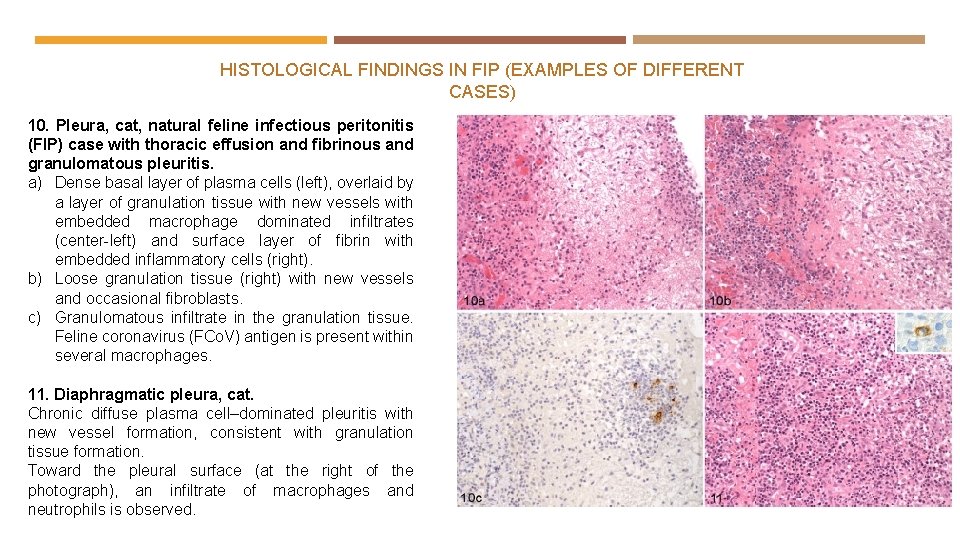
HISTOLOGICAL FINDINGS IN FIP (EXAMPLES OF DIFFERENT CASES) 10. Pleura, cat, natural feline infectious peritonitis (FIP) case with thoracic effusion and fibrinous and granulomatous pleuritis. a) Dense basal layer of plasma cells (left), overlaid by a layer of granulation tissue with new vessels with embedded macrophage dominated infiltrates (center-left) and surface layer of fibrin with embedded inflammatory cells (right). b) Loose granulation tissue (right) with new vessels and occasional fibroblasts. c) Granulomatous infiltrate in the granulation tissue. Feline coronavirus (FCo. V) antigen is present within several macrophages. 11. Diaphragmatic pleura, cat. Chronic diffuse plasma cell–dominated pleuritis with new vessel formation, consistent with granulation tissue formation. Toward the pleural surface (at the right of the photograph), an infiltrate of macrophages and neutrophils is observed.
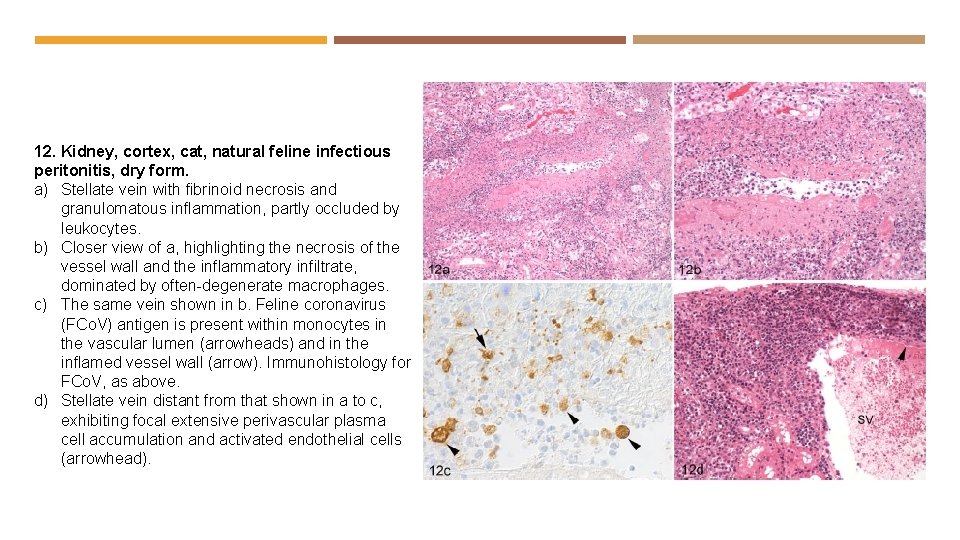
12. Kidney, cortex, cat, natural feline infectious peritonitis, dry form. a) Stellate vein with fibrinoid necrosis and granulomatous inflammation, partly occluded by leukocytes. b) Closer view of a, highlighting the necrosis of the vessel wall and the inflammatory infiltrate, dominated by often-degenerate macrophages. c) The same vein shown in b. Feline coronavirus (FCo. V) antigen is present within monocytes in the vascular lumen (arrowheads) and in the inflamed vessel wall (arrow). Immunohistology for FCo. V, as above. d) Stellate vein distant from that shown in a to c, exhibiting focal extensive perivascular plasma cell accumulation and activated endothelial cells (arrowhead).
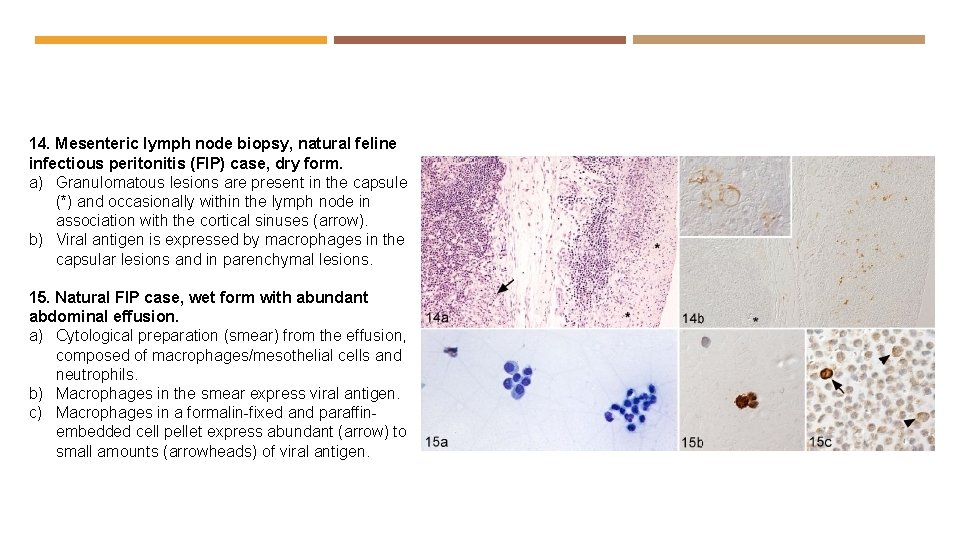
14. Mesenteric lymph node biopsy, natural feline infectious peritonitis (FIP) case, dry form. a) Granulomatous lesions are present in the capsule (*) and occasionally within the lymph node in association with the cortical sinuses (arrow). b) Viral antigen is expressed by macrophages in the capsular lesions and in parenchymal lesions. 15. Natural FIP case, wet form with abundant abdominal effusion. a) Cytological preparation (smear) from the effusion, composed of macrophages/mesothelial cells and neutrophils. b) Macrophages in the smear express viral antigen. c) Macrophages in a formalin-fixed and paraffinembedded cell pellet express abundant (arrow) to small amounts (arrowheads) of viral antigen.
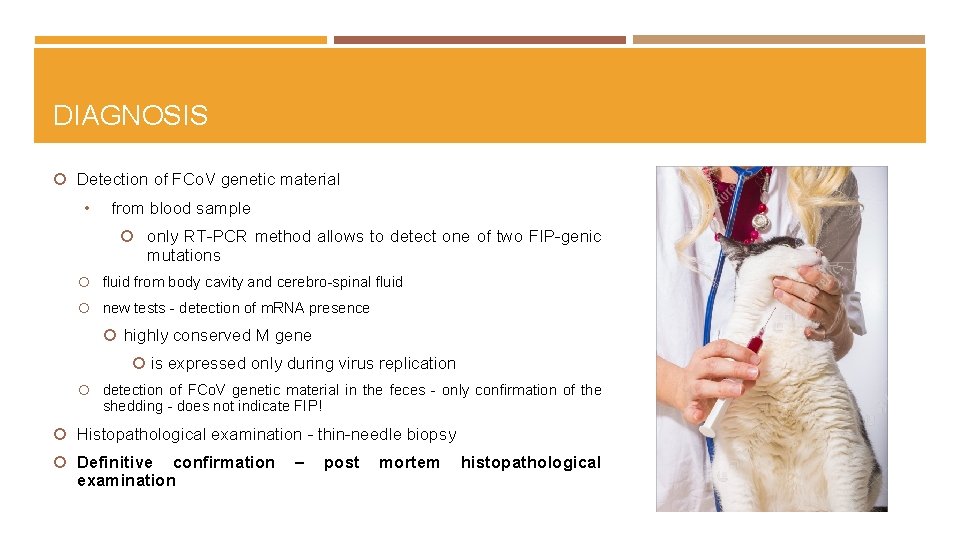
DIAGNOSIS Detection of FCo. V genetic material • from blood sample only RT-PCR method allows to detect one of two FIP-genic mutations fluid from body cavity and cerebro-spinal fluid new tests - detection of m. RNA presence highly conserved M gene is expressed only during virus replication detection of FCo. V genetic material in the feces - only confirmation of the shedding - does not indicate FIP! Histopathological examination - thin-needle biopsy Definitive confirmation examination – post mortem histopathological
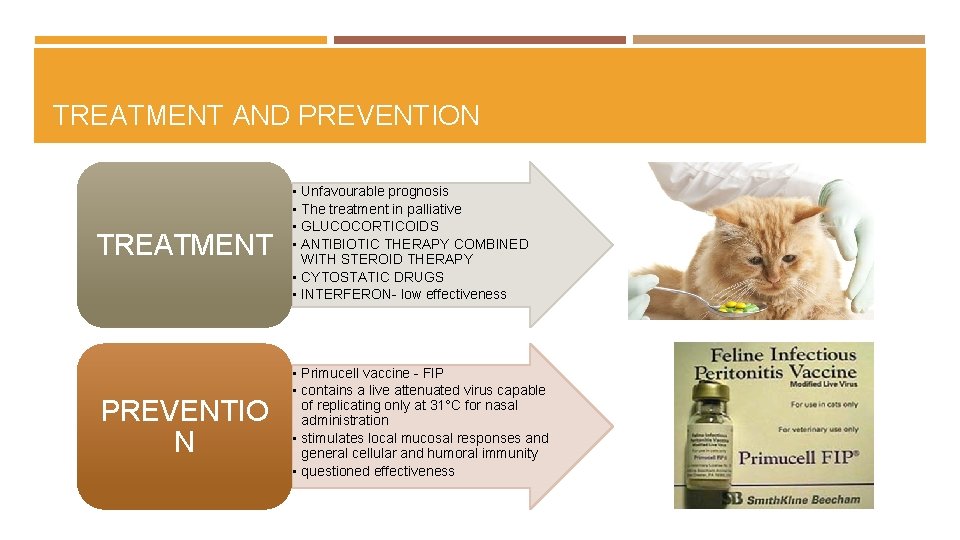
TREATMENT AND PREVENTION TREATMENT PREVENTIO N • Unfavourable prognosis • The treatment in palliative • GLUCOCORTICOIDS • ANTIBIOTIC THERAPY COMBINED WITH STEROID THERAPY • CYTOSTATIC DRUGS • INTERFERON- low effectiveness • Primucell vaccine - FIP • contains a live attenuated virus capable of replicating only at 31°C for nasal administration • stimulates local mucosal responses and general cellular and humoral immunity • questioned effectiveness
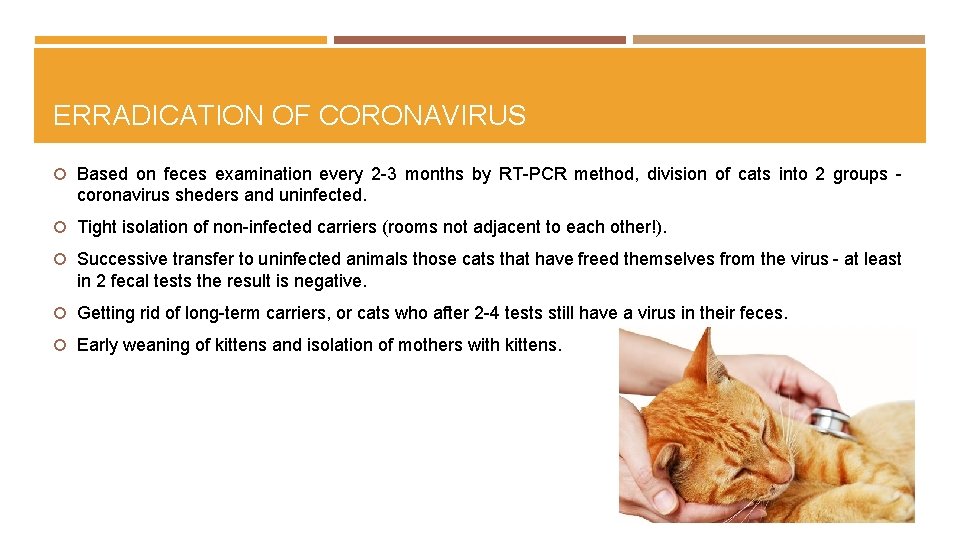
ERRADICATION OF CORONAVIRUS Based on feces examination every 2 -3 months by RT-PCR method, division of cats into 2 groups - coronavirus sheders and uninfected. Tight isolation of non-infected carriers (rooms not adjacent to each other!). Successive transfer to uninfected animals those cats that have freed themselves from the virus - at least in 2 fecal tests the result is negative. Getting rid of long-term carriers, or cats who after 2 -4 tests still have a virus in their feces. Early weaning of kittens and isolation of mothers with kittens.
BIBLIOGRAPHY Pathologic Basis of Veterinary Disease. James F. Zachary; M. Donald Mc. Gavin. European Advisory Board on Cat Diseases: ABCD – Feline infectious peritonitis. A. Kipar, M. L. Meli; Feline Infectious Peritonitis. Addie DD, Jarrett O. A study of naturally occurring feline coronavirus infections in kittens. Cornell University Feline Health Center; Feline Infectious Peritonitis (FIP).