
Feed forward mechanisms in public transport Data driven
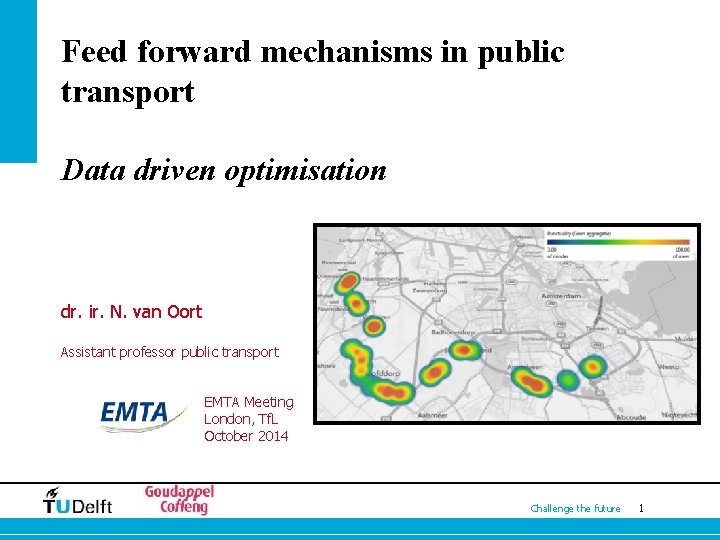
Feed forward mechanisms in public transport Data driven optimisation dr. ir. N. van Oort Assistant professor public transport EMTA Meeting London, Tf. L October 2014 Challenge the future 1
Developments in PT industry • • More attention to cost efficiency Customer focus Limited (number of) investments Enhanced quality Main challenges: Increasing cost efficiency Increasing customer experience Motivating new strategic investments • Data enable achieving objectives Challenge the future 2
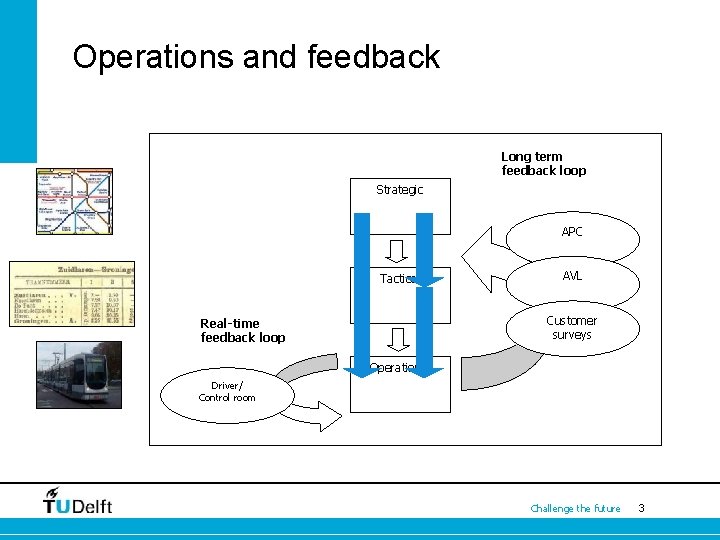
Operations and feedback Long term feedback loop Strategic APC Tactical AVL Customer surveys Real-time feedback loop Operational Driver/ Control room Challenge the future 3
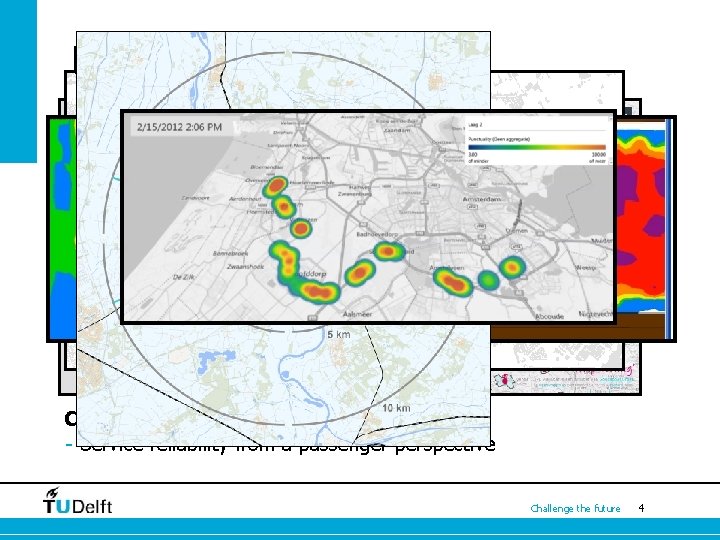
Data sources GSM data; tracking travellers - Potential public transport services Vehicle data (AVL); tracking vehicles - Evaluating and optimizing performance Passenger data (APC); tracking passengers - Evaluating and optimizing ridership and passengers flows Wi. Fi, Bluetooth, video data - Tracking pedestrian flows Combining data sources (APC and AVL) - Service reliability from a passenger perspective Challenge the future 4
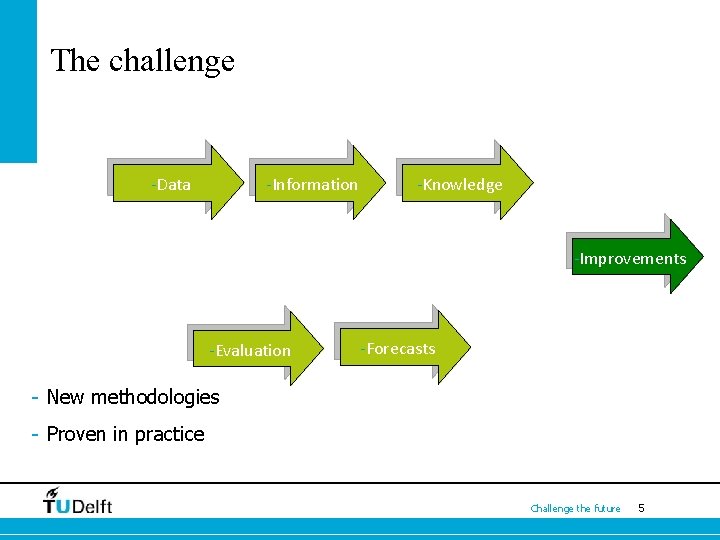
The challenge -Data -Information -Knowledge -Improvements -Evaluation -Forecasts - New methodologies - Proven in practice Challenge the future 5
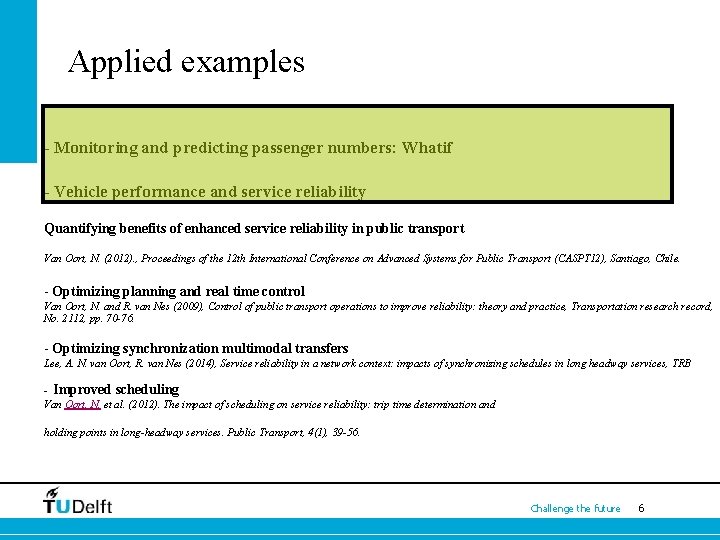
Applied examples - Monitoring and predicting passenger numbers: Whatif - Vehicle performance and service reliability Quantifying benefits of enhanced service reliability in public transport Van Oort, N. (2012). , Proceedings of the 12 th International Conference on Advanced Systems for Public Transport (CASPT 12), Santiago, Chile. - Optimizing planning and real time control Van Oort, N. and R. van Nes (2009), Control of public transport operations to improve reliability: theory and practice, Transportation research record, No. 2112, pp. 70 -76. - Optimizing synchronization multimodal transfers Lee, A. N. van Oort, R. van Nes (2014), Service reliability in a network context: impacts of synchronizing schedules in long headway services, TRB - Improved scheduling Van Oort, N. et al. (2012). The impact of scheduling on service reliability: trip time determination and holding points in long-headway services. Public Transport, 4(1), 39 -56. Challenge the future 6
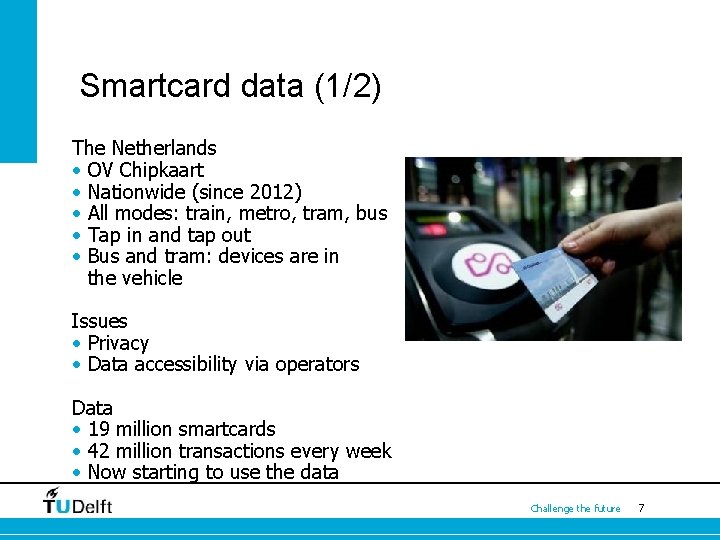
Smartcard data (1/2) The Netherlands • OV Chipkaart • Nationwide (since 2012) • All modes: train, metro, tram, bus • Tap in and tap out • Bus and tram: devices are in the vehicle Issues • Privacy • Data accessibility via operators Data • 19 million smartcards • 42 million transactions every week • Now starting to use the data Challenge the future 7
Smartcard data (2/2) • Several applications of smartcard data (Pelletier et. al (2011). Transportation Research Part C) Our research focus: Connecting to transport model • Evaluating history • Predicting the future • Whatif scenario’s • Stops: removing or adding • Faster and higher frequencies • Route changes • Quick insights into • Expected cost coverage • Expected occupancy New generation of transport models: data driven Challenge the future 8
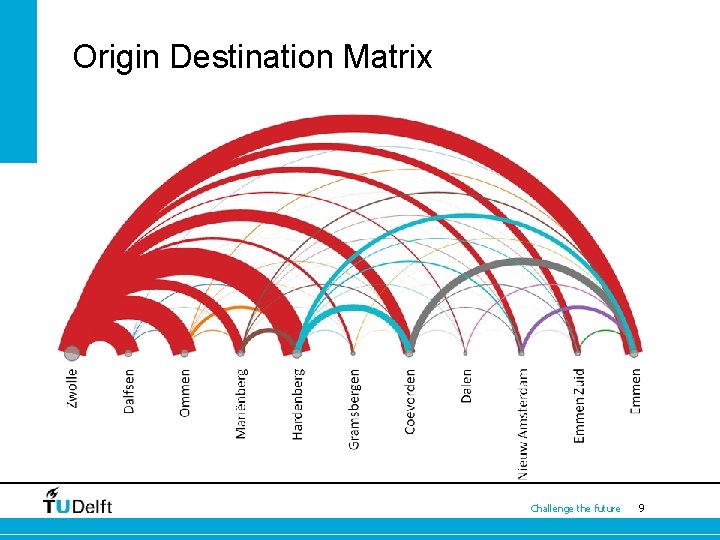
Origin Destination Matrix Challenge the future 9
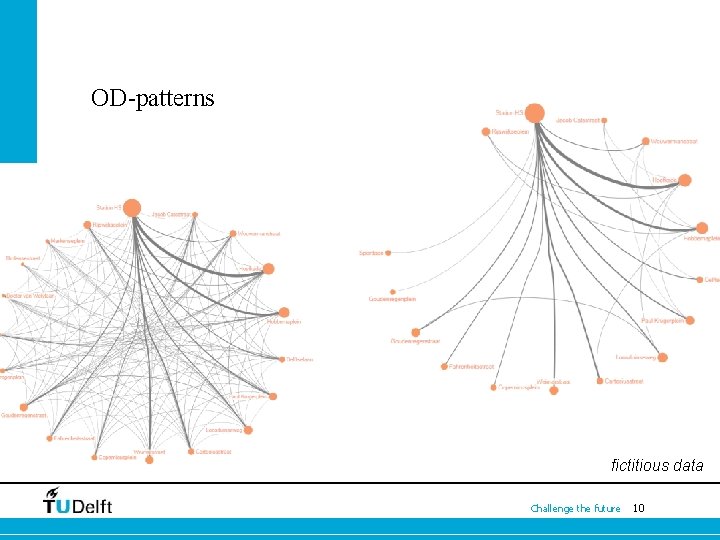
OD-patterns fictitious data Challenge the future 10
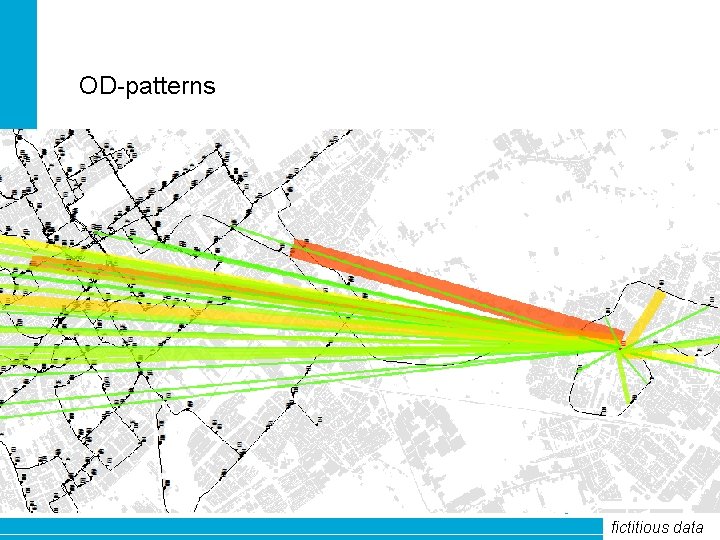
OD-patterns Challenge the future 11 fictitious data
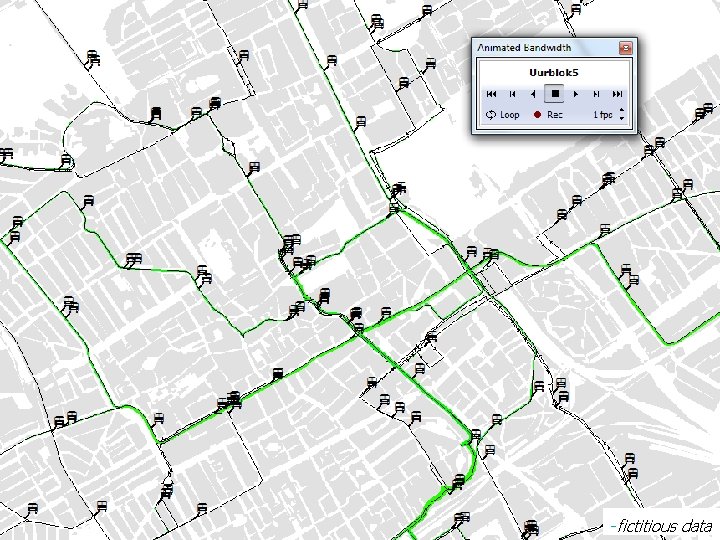
Challenge the future 12 -fictitious data
Challenge the future 13 -fictitious data
Challenge the future 14 -fictitious data
Challenge the future 15 -fictitious data
Challenge the future 16 -fictitious data
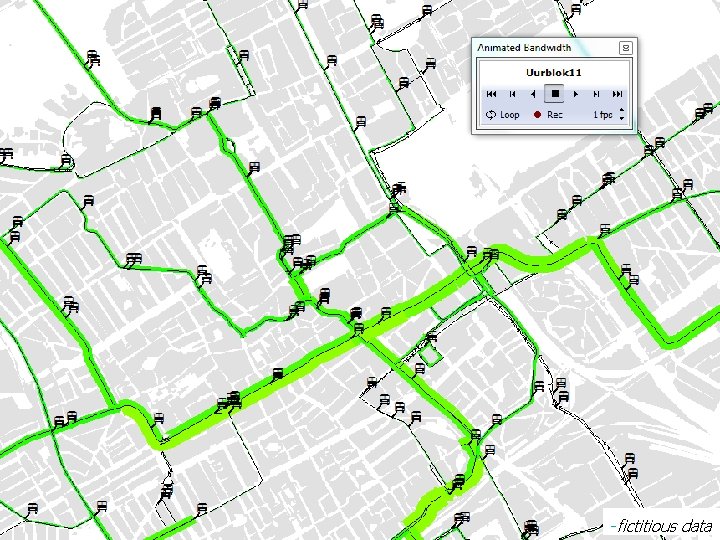
Challenge the future 17 -fictitious data
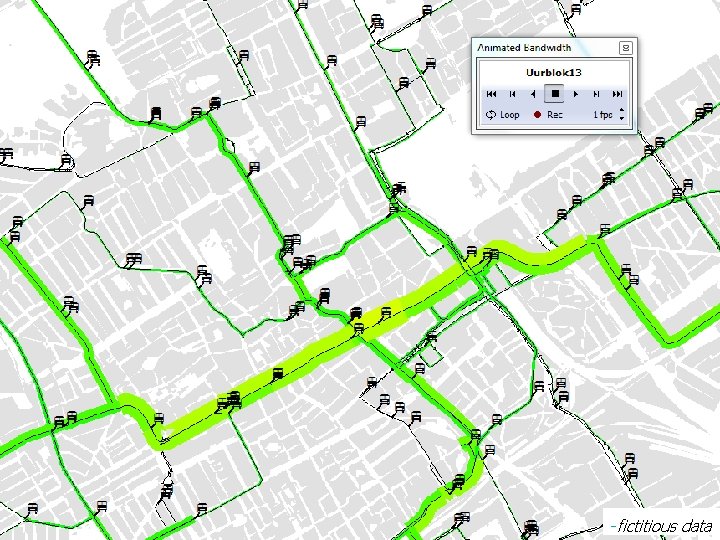
Challenge the future 18 -fictitious data
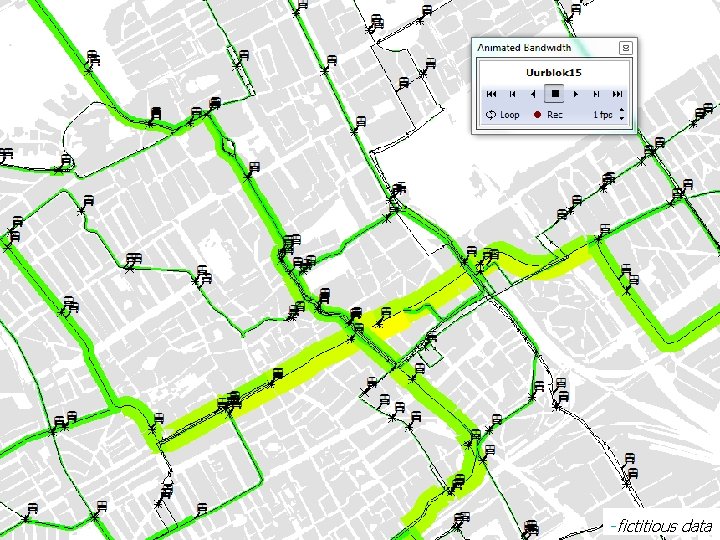
Challenge the future 19 -fictitious data
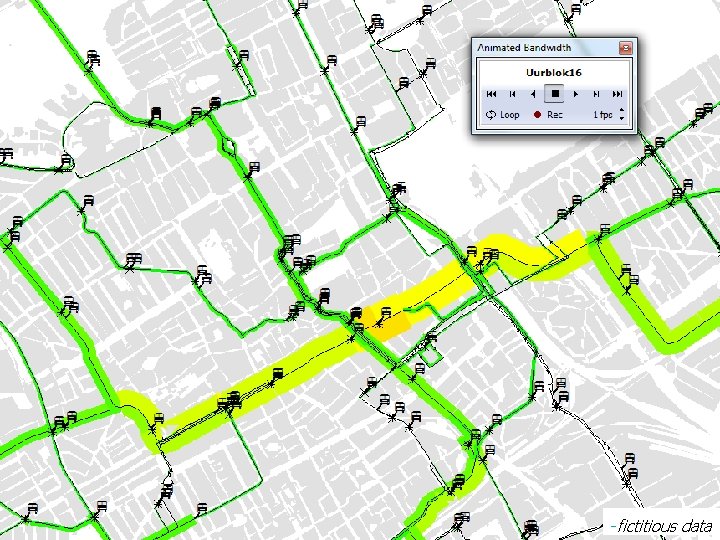
Challenge the future 20 -fictitious data
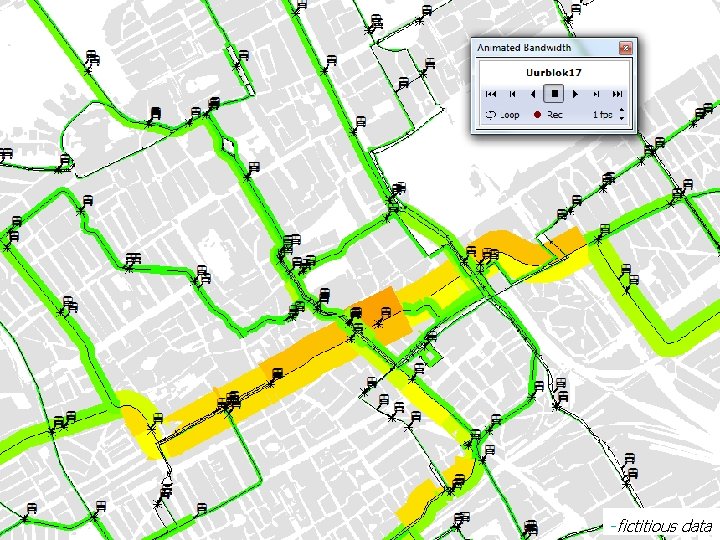
Challenge the future 21 -fictitious data
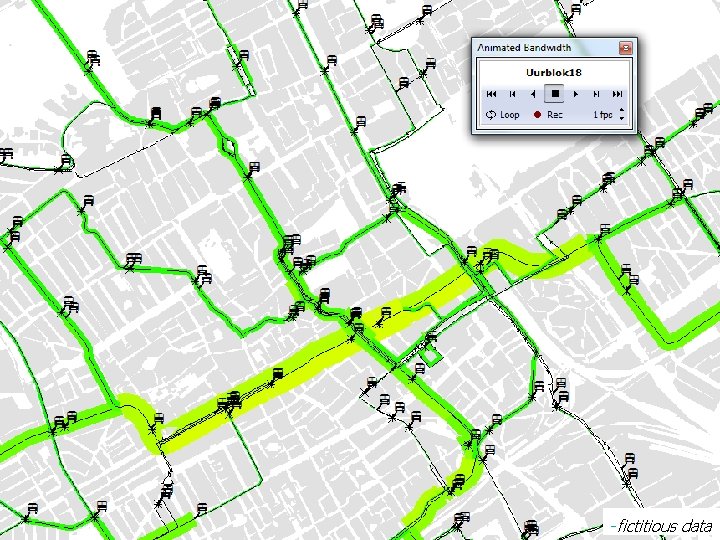
Challenge the future 22 -fictitious data
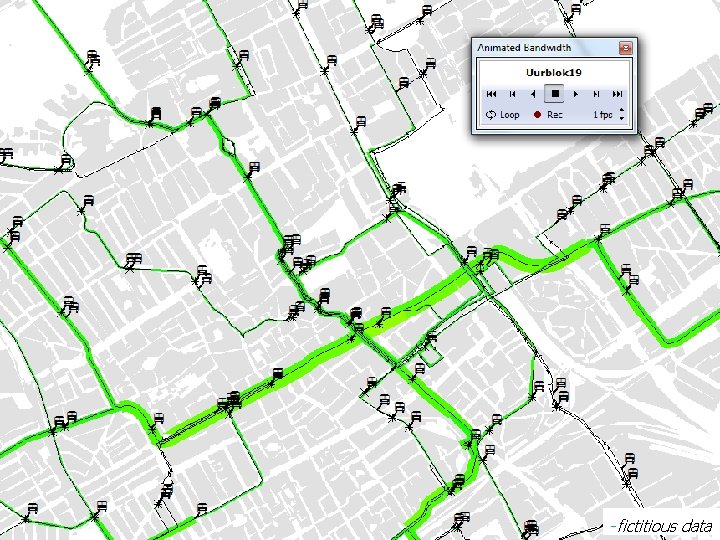
Challenge the future 23 -fictitious data
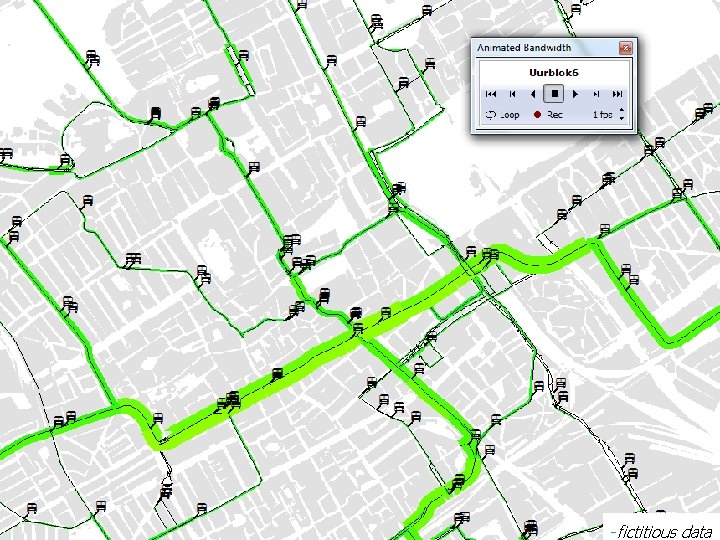
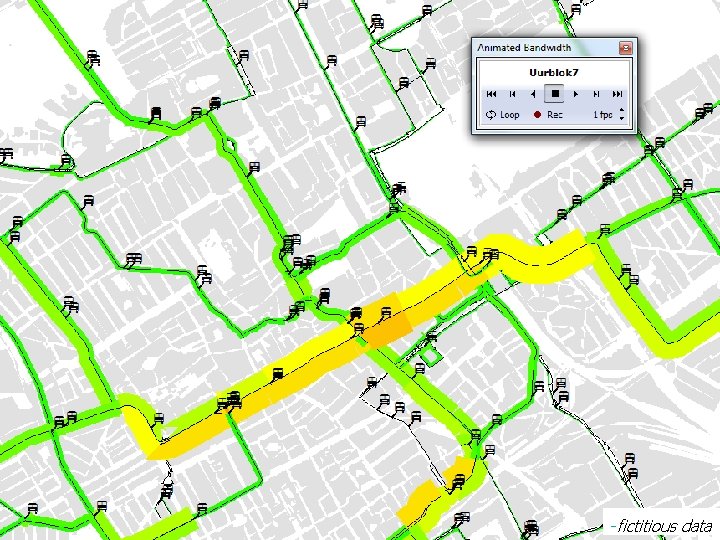
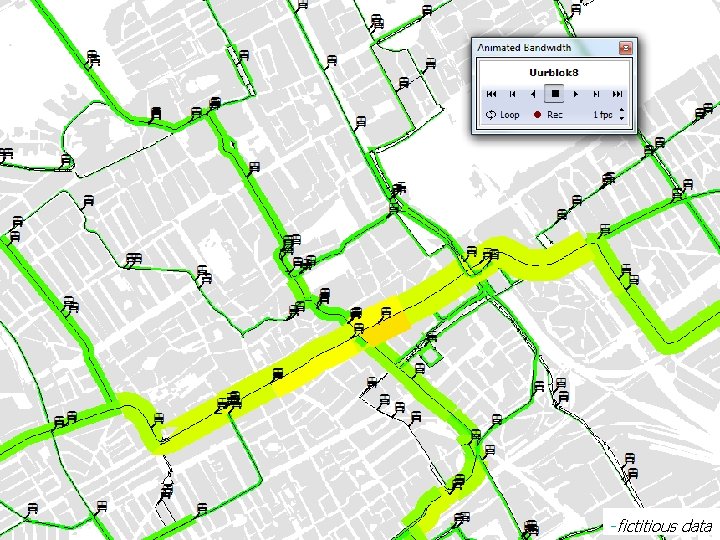
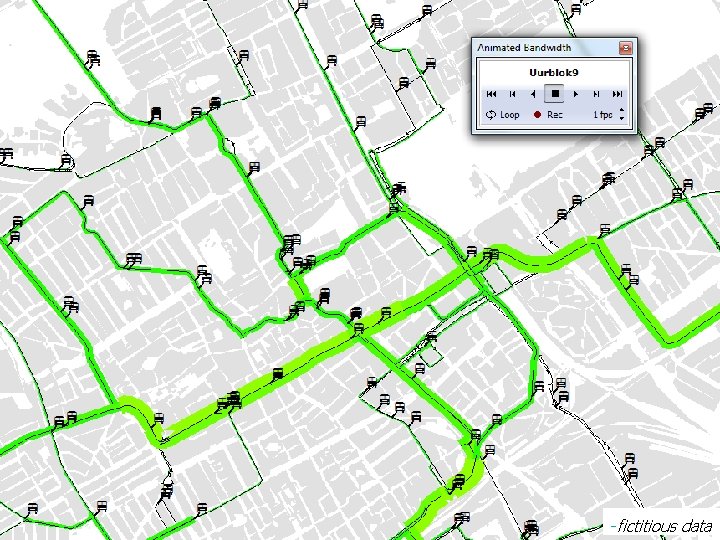
Whatif scenarios Adjusting - Speed - Fares - Time of operations - Number of stops - Routes - Frequency Illustrating impacts on (indicators): - Cost coverage - Occupancy - Ridership - On time performance - Revenues Challenge the future 24
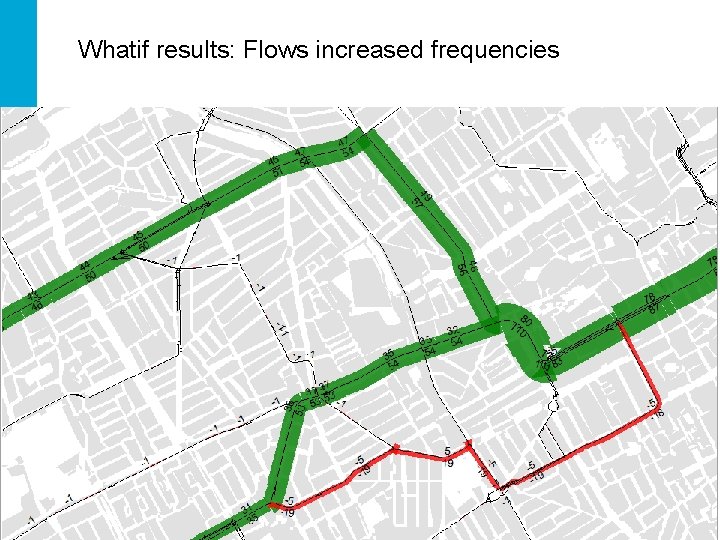
Whatif results: Flows increased frequencies Challenge the future 25
Challenge the future 26
Vehicle performance Challenge the future 27
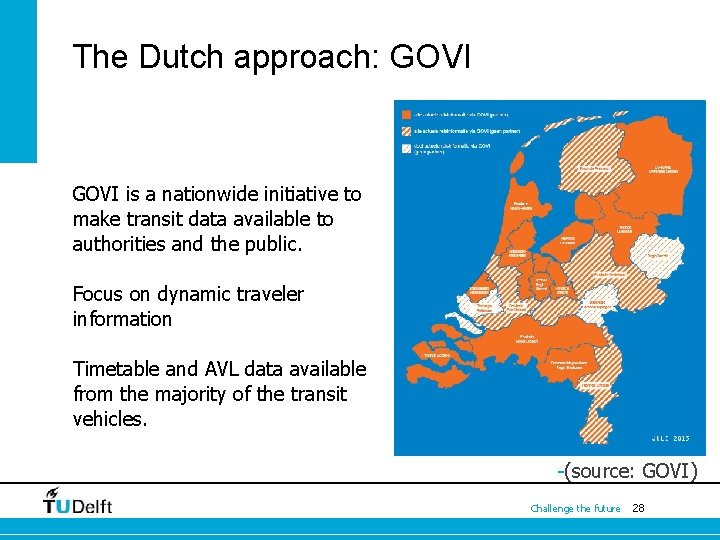
The Dutch approach: GOVI is a nationwide initiative to make transit data available to authorities and the public. Focus on dynamic traveler information Timetable and AVL data available from the majority of the transit vehicles. -(source: GOVI) Challenge the future 28
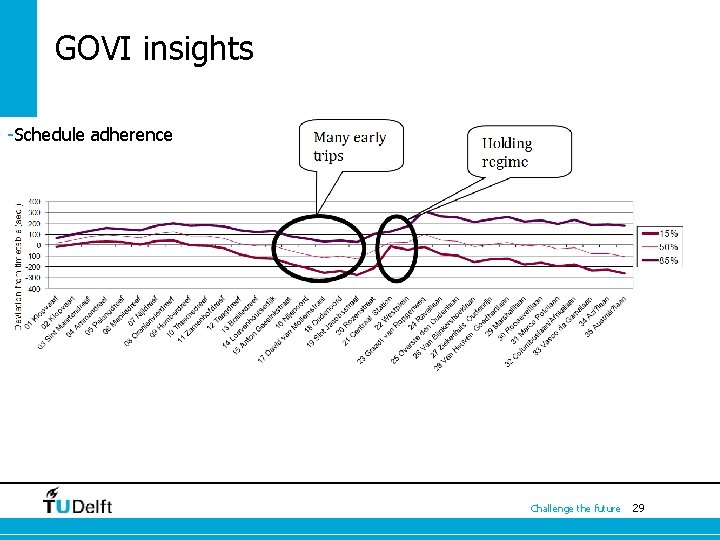
GOVI insights -Schedule adherence Challenge the future 29
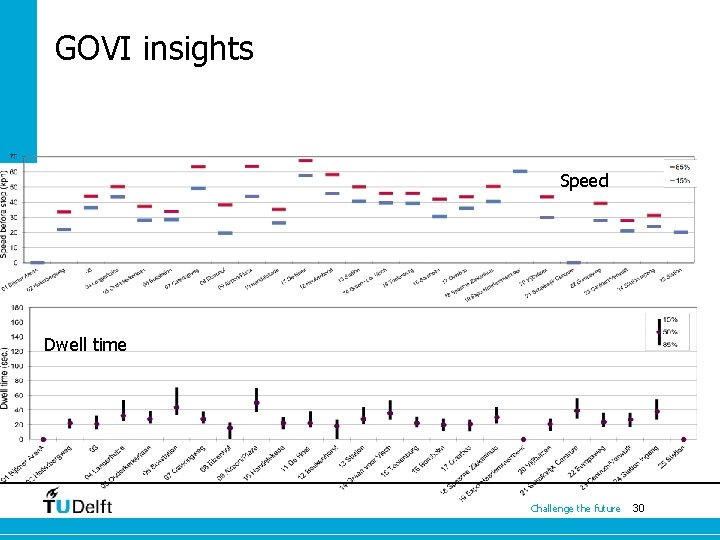
-Examples: Improving speed and service reliability GOVI insights Speed Dwell time Challenge the future 30
Challenge the future 31
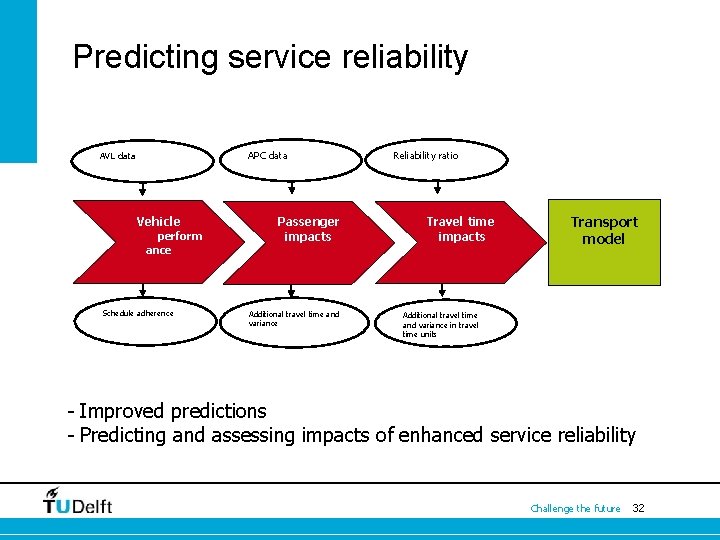
Predicting service reliability APC data AVL data Vehicle perform ance Schedule adherence Passenger impacts Additional travel time and variance Reliability ratio Travel time impacts Transport model Additional travel time and variance in travel time units - Improved predictions - Predicting and assessing impacts of enhanced service reliability Challenge the future 32
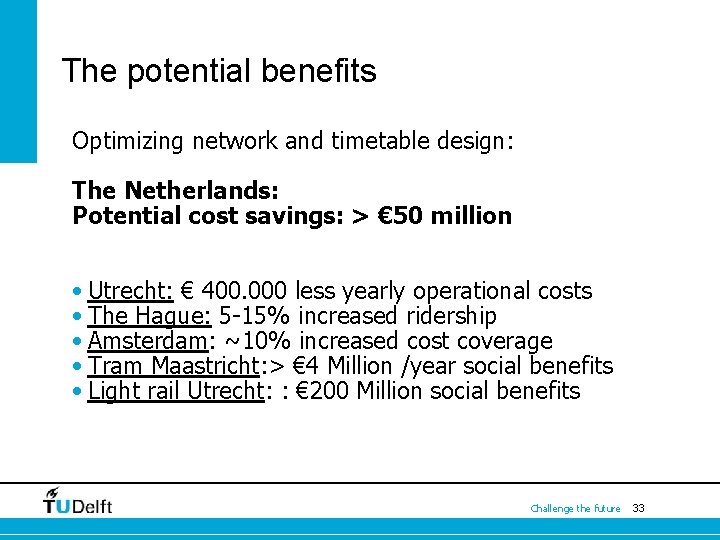
The potential benefits Optimizing network and timetable design: The Netherlands: Potential cost savings: > € 50 million • Utrecht: € 400. 000 less yearly operational costs • The Hague: 5 -15% increased ridership • Amsterdam: ~10% increased cost coverage • Tram Maastricht: > € 4 Million /year social benefits • Light rail Utrecht: : € 200 Million social benefits Challenge the future 33
Summary • Much data available • Data enables quality increase and enhanced efficiency • Substantial benefits • Evaluating and controlling -> predicting and optimizing • Data-> Information -> Knowledge -> Improvements • Two applied examples • Passenger data and whatif analysis • Vehicle performance and service reliability Challenge the future 34
Questions / Contact Niels van Oort N. van. Oort@TUDelft. nl Research papers: https: //nielsvanoort. weblog. tudelft. nl/ Challenge the future 35
- Slides: 35