
Federico II University Naples Italy Founded in 1224

- Slides: 73
“Federico II” University Naples, Italy Founded in 1224 Division Pharmacology, Department Neuroscience, School Medicine NON STEROIDAL ANTINFLAMMATORY DRUGS (NSADs) Giuseppe Pignataro Division Pharmacology, Department Neuroscience, School of Medicine, “Federico II” University of Naples, Italy
Inflammation • Inflammation is a complex protective response of the organism to injury caused by damaging agents. • It is aimed at inactivation or removal of these agents and promoting healing. • The traditional names for signs of inflammation come from Latin: • Dolor (pain) • Calor (heat) • Rubor (redness) • Tumor (swelling) • Functio laesa (loss of function)
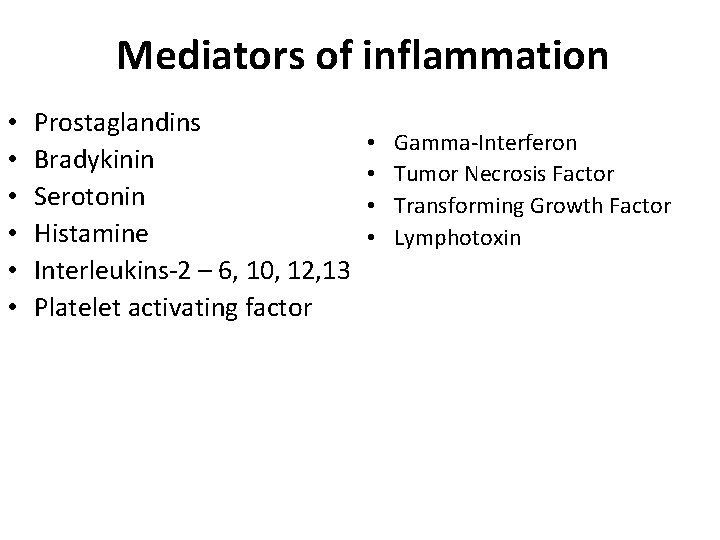
Mediators of inflammation • • • Prostaglandins Bradykinin Serotonin Histamine Interleukins-2 – 6, 10, 12, 13 Platelet activating factor • • Gamma-Interferon Tumor Necrosis Factor Transforming Growth Factor Lymphotoxin
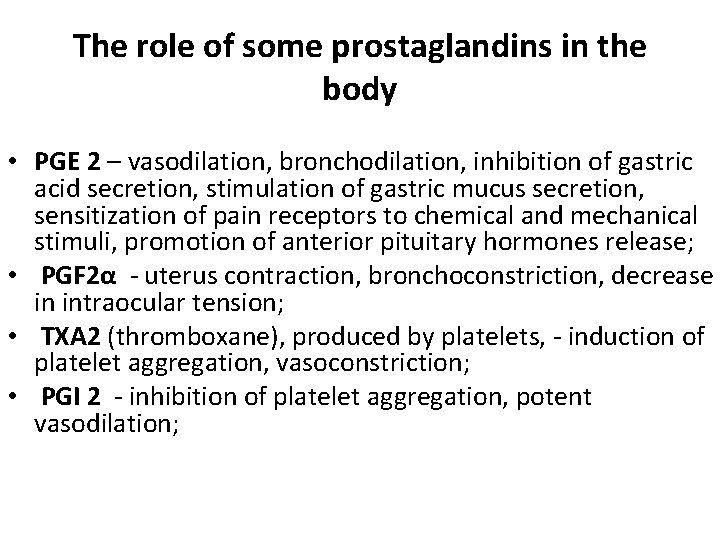
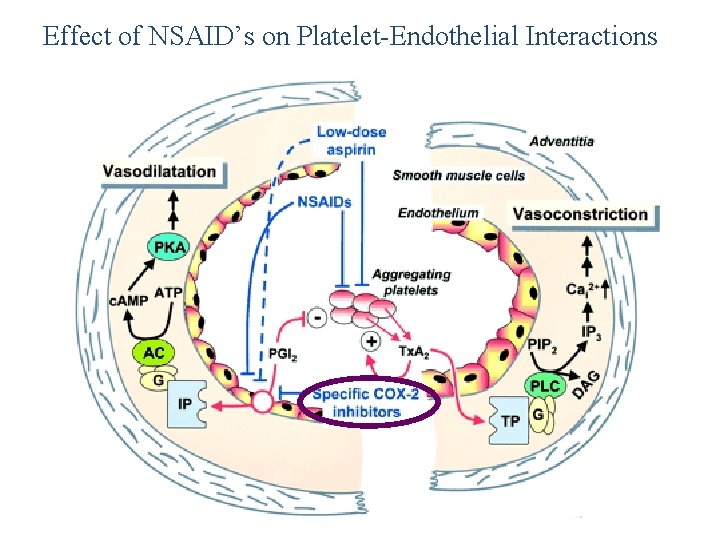
The role of some prostaglandins in the body • PGE 2 – vasodilation, bronchodilation, inhibition of gastric acid secretion, stimulation of gastric mucus secretion, sensitization of pain receptors to chemical and mechanical stimuli, promotion of anterior pituitary hormones release; • PGF 2α - uterus contraction, bronchoconstriction, decrease in intraocular tension; • TXA 2 (thromboxane), produced by platelets, - induction of platelet aggregation, vasoconstriction; • PGI 2 - inhibition of platelet aggregation, potent vasodilation;
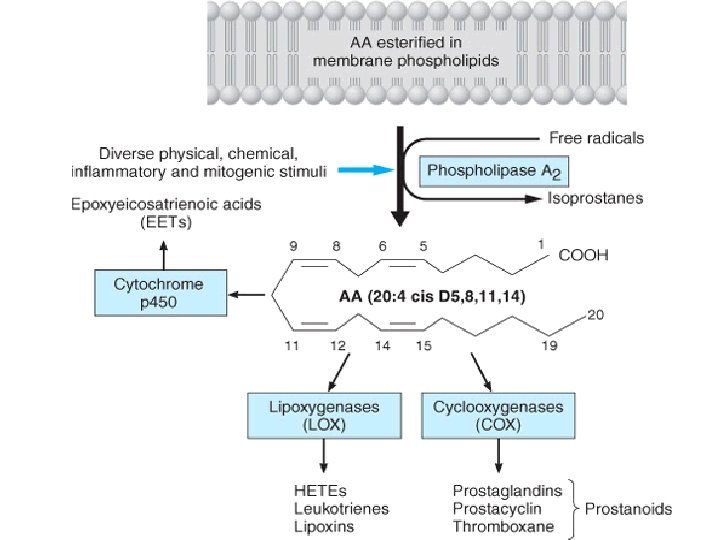
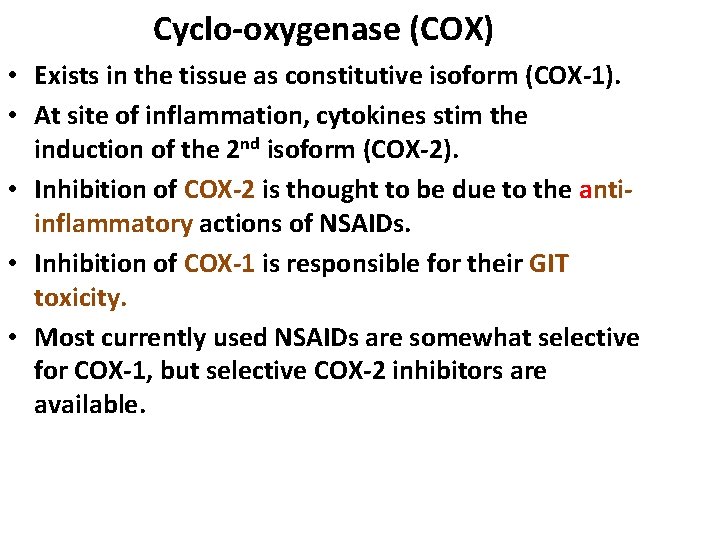
Cyclo-oxygenase (COX) • Exists in the tissue as constitutive isoform (COX-1). • At site of inflammation, cytokines stim the induction of the 2 nd isoform (COX-2). • Inhibition of COX-2 is thought to be due to the antiinflammatory actions of NSAIDs. • Inhibition of COX-1 is responsible for their GIT toxicity. • Most currently used NSAIDs are somewhat selective for COX-1, but selective COX-2 inhibitors are available.
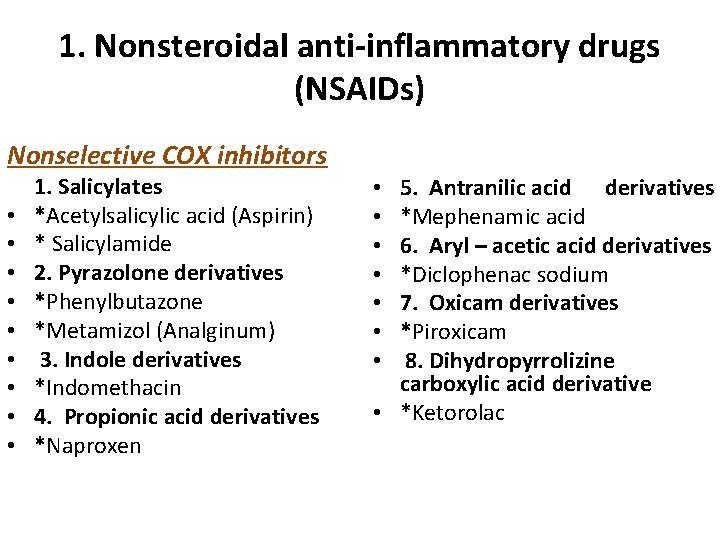
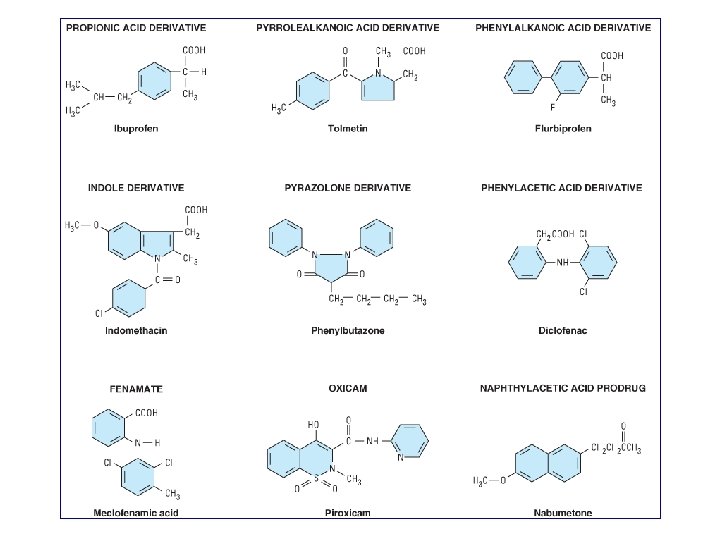
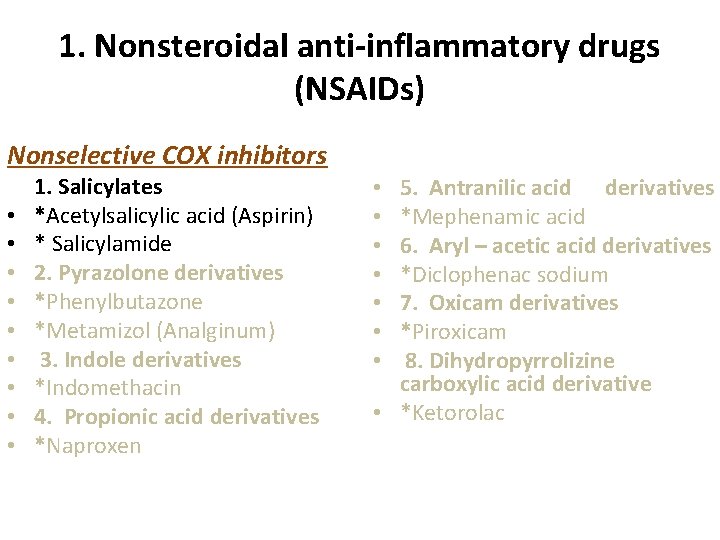
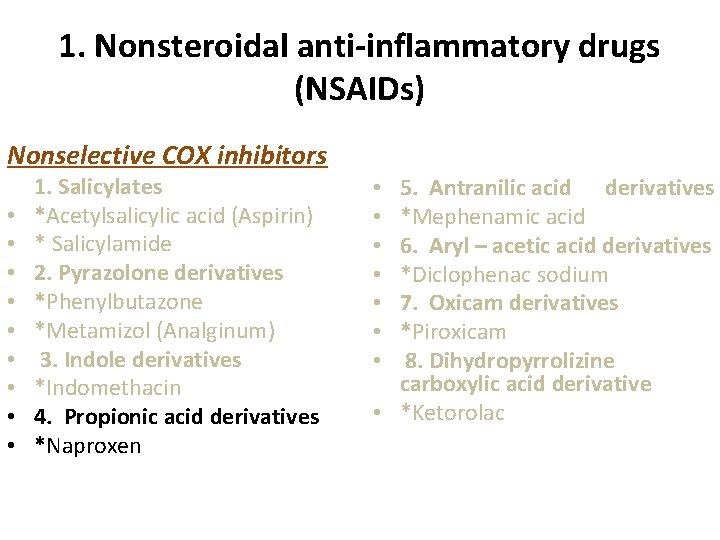
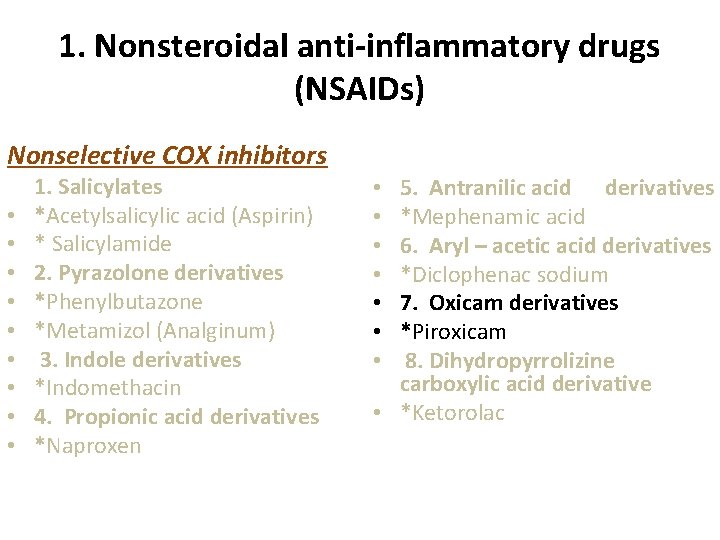
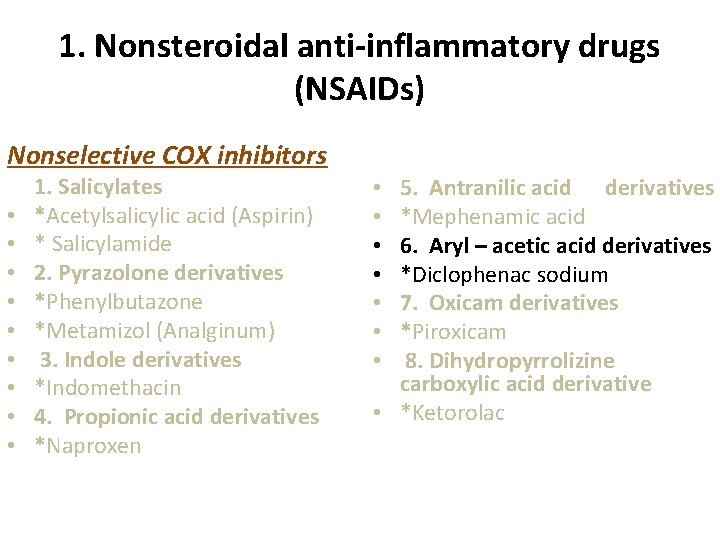
1. Nonsteroidal anti-inflammatory drugs (NSAIDs) Nonselective COX inhibitors • • • 1. Salicylates *Acetylsalicylic acid (Aspirin) * Salicylamide 2. Pyrazolone derivatives *Phenylbutazone *Metamizol (Analginum) 3. Indole derivatives *Indomethacin 4. Propionic acid derivatives *Naproxen 5. Antranilic acid derivatives *Mephenamic acid 6. Aryl – acetic acid derivatives *Diclophenac sodium 7. Oxicam derivatives *Piroxicam 8. Dihydropyrrolizine carboxylic acid derivative • *Ketorolac • •
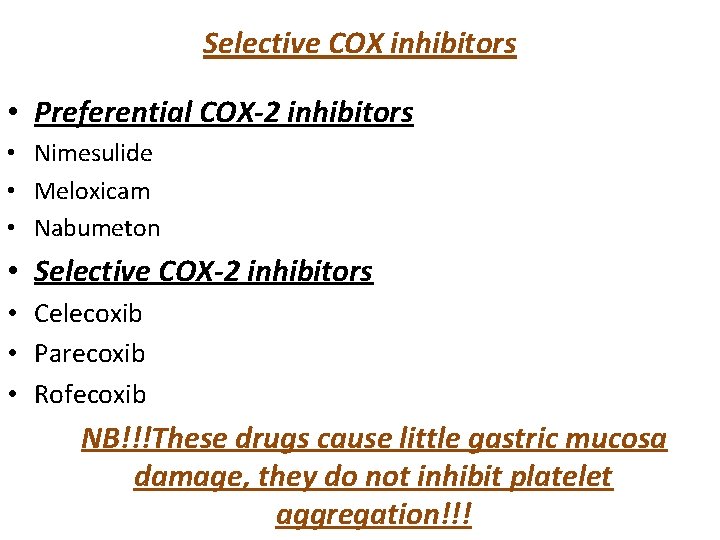
Selective COX inhibitors • Preferential COX-2 inhibitors • Nimesulide • Meloxicam • Nabumeton • Selective COX-2 inhibitors • Celecoxib • Parecoxib • Rofecoxib NB!!!These drugs cause little gastric mucosa damage, they do not inhibit platelet aggregation!!!
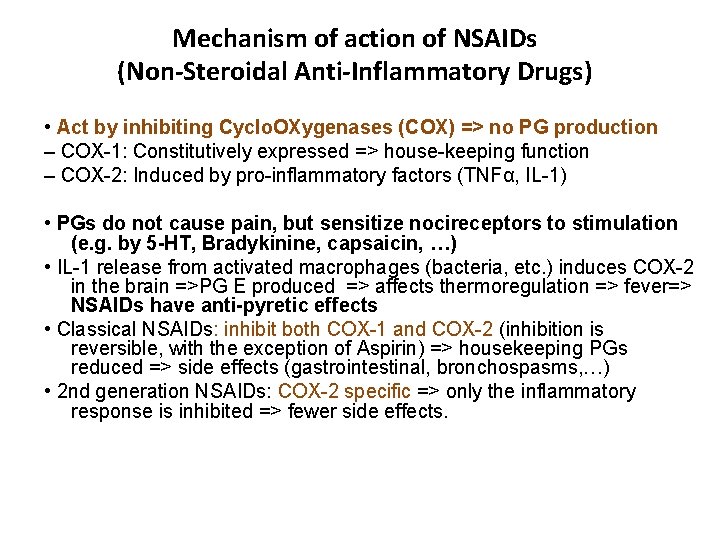
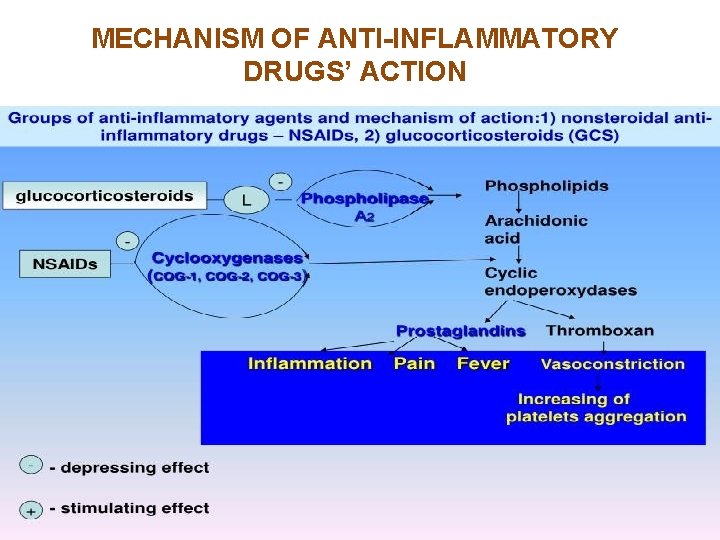
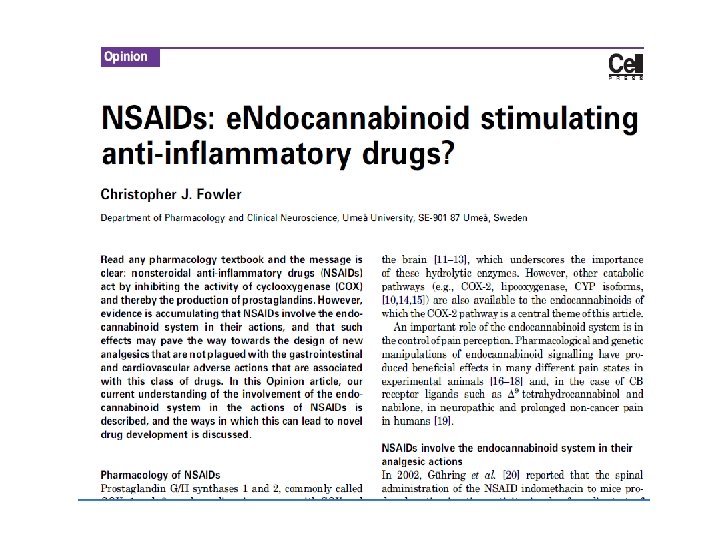
Mechanism of action of NSAIDs (Non-Steroidal Anti-Inflammatory Drugs) • Act by inhibiting Cyclo. OXygenases (COX) => no PG production – COX-1: Constitutively expressed => house-keeping function – COX-2: Induced by pro-inflammatory factors (TNFα, IL-1) • PGs do not cause pain, but sensitize nocireceptors to stimulation (e. g. by 5 -HT, Bradykinine, capsaicin, …) • IL-1 release from activated macrophages (bacteria, etc. ) induces COX-2 in the brain =>PG E produced => affects thermoregulation => fever=> NSAIDs have anti-pyretic effects • Classical NSAIDs: inhibit both COX-1 and COX-2 (inhibition is reversible, with the exception of Aspirin) => housekeeping PGs reduced => side effects (gastrointestinal, bronchospasms, …) • 2 nd generation NSAIDs: COX-2 specific => only the inflammatory response is inhibited => fewer side effects.
MECHANISM OF ANTI-INFLAMMATORY DRUGS’ ACTION
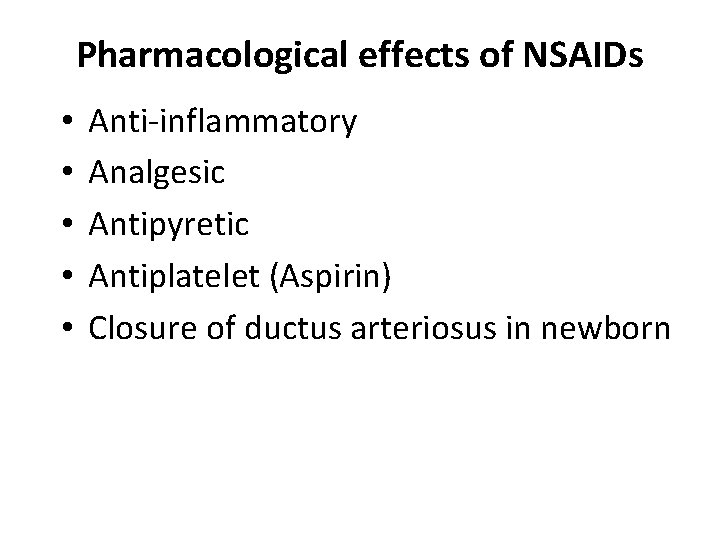
Pharmacological effects of NSAIDs • • • Anti-inflammatory Analgesic Antipyretic Antiplatelet (Aspirin) Closure of ductus arteriosus in newborn
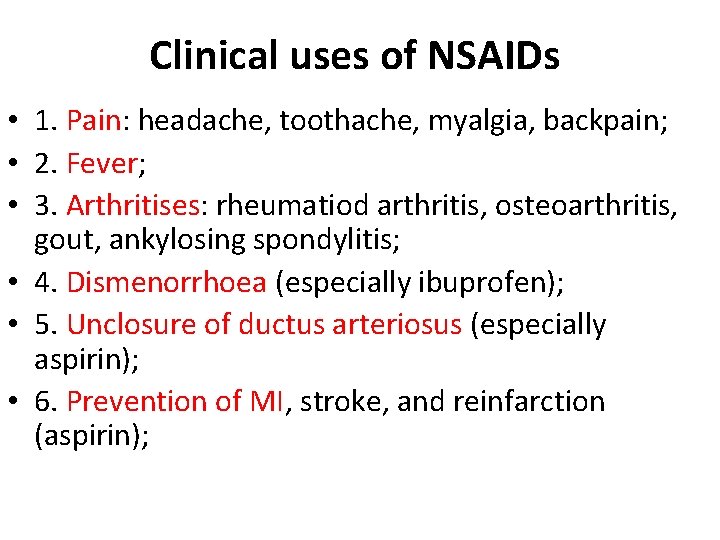
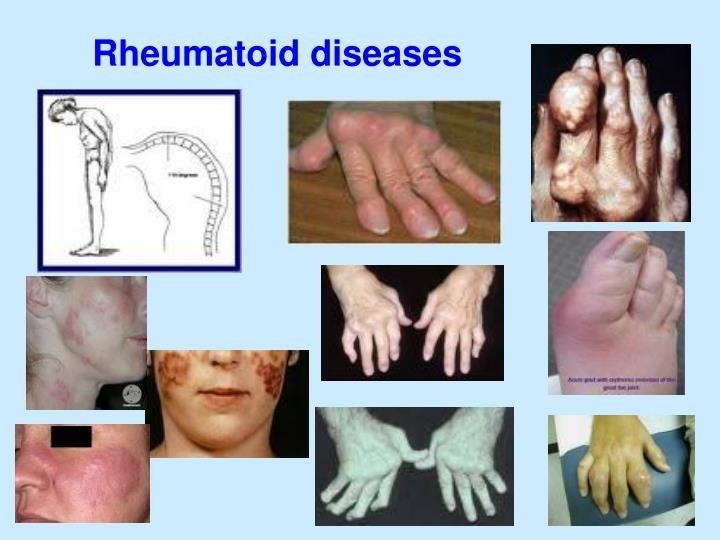
Clinical uses of NSAIDs • 1. Pain: headache, toothache, myalgia, backpain; • 2. Fever; • 3. Arthritises: rheumatiod arthritis, osteoarthritis, gout, ankylosing spondylitis; • 4. Dismenorrhoea (especially ibuprofen); • 5. Unclosure of ductus arteriosus (especially aspirin); • 6. Prevention of MI, stroke, and reinfarction (aspirin);
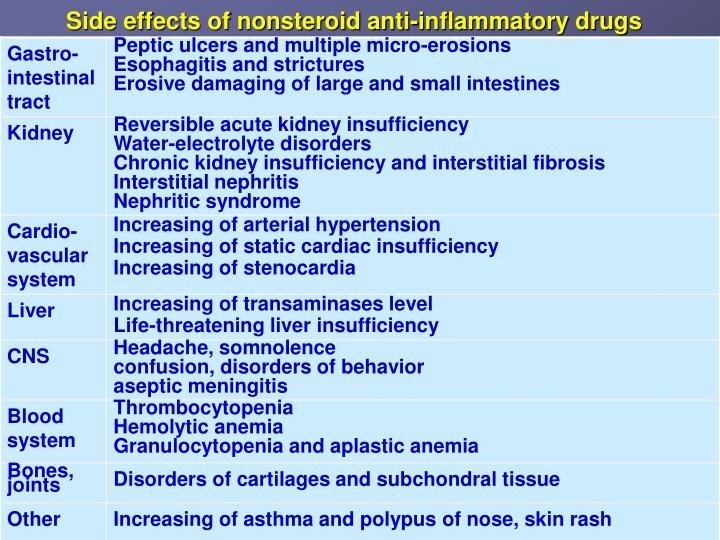
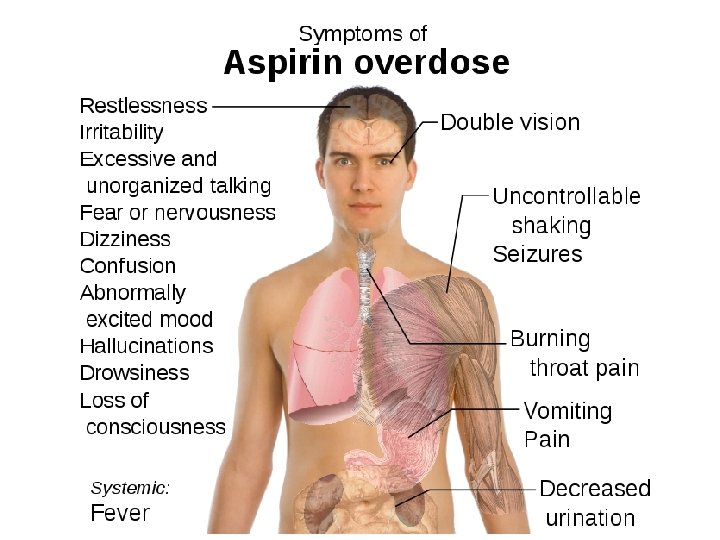
Side effects of NSAIDs • 1. GIT disturbances: epigastric pain, nausea, gastric peptic ulcer (especially aspirin), gastrointestinal bleeding (especially indomethacin); • 2. CNS disturbances: dizziness, mental confusion, hallucination and psychosis, depression (especially indomethacin); • 3. Leukopenia, agranulocytosis (indomethacin, phenylbutzone, metamizol); • 4. Water and sodium retention, edema (phenylbutzone); • 5. Hypersensitivity reactions • 6. Reye’s syndrom, bronchospasm (aspirin)
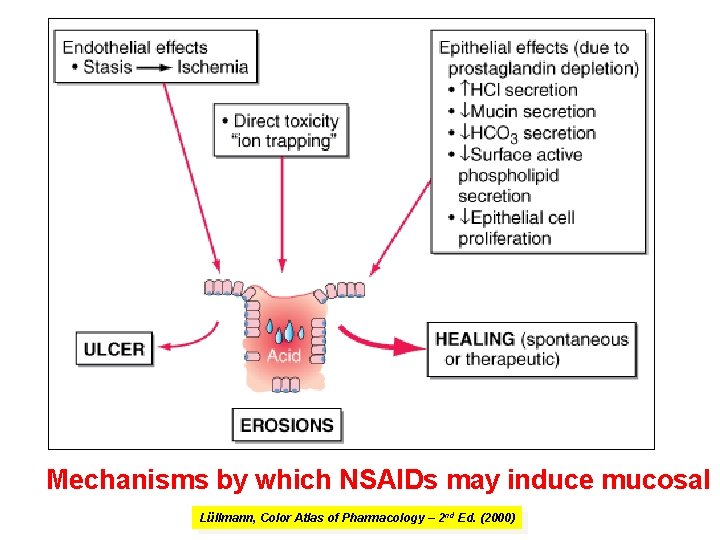
Mechanisms by which NSAIDs may induce mucosal i Lüllmann, Color Atlas of Pharmacology – 2 nd Ed. (2000)
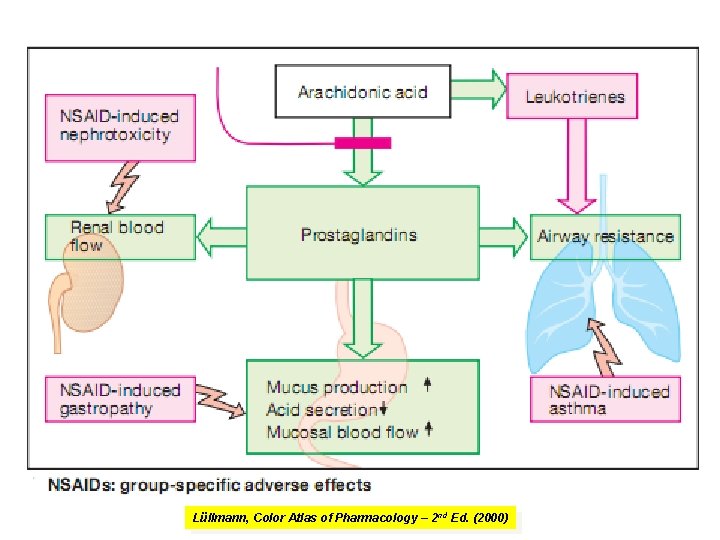
Lüllmann, Color Atlas of Pharmacology – 2 nd Ed. (2000)
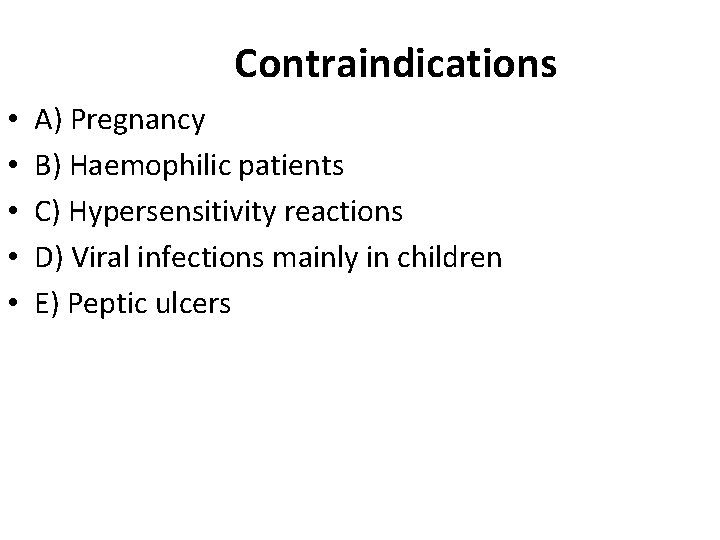
Contraindications • • • A) Pregnancy B) Haemophilic patients C) Hypersensitivity reactions D) Viral infections mainly in children E) Peptic ulcers
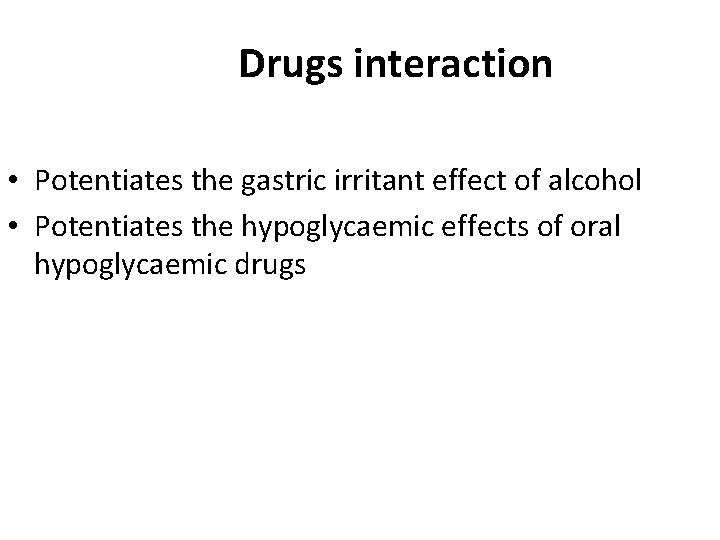
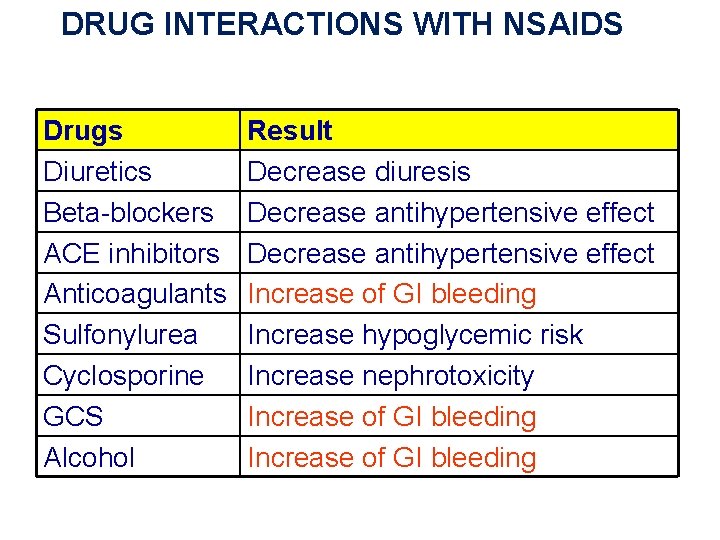
Drugs interaction • Potentiates the gastric irritant effect of alcohol • Potentiates the hypoglycaemic effects of oral hypoglycaemic drugs
Lüllmann, Color Atlas of Pharmacology – 2 nd Ed. (2000)
1. Nonsteroidal anti-inflammatory drugs (NSAIDs) Nonselective COX inhibitors • • • 1. Salicylates *Acetylsalicylic acid (Aspirin) * Salicylamide 2. Pyrazolone derivatives *Phenylbutazone *Metamizol (Analginum) 3. Indole derivatives *Indomethacin 4. Propionic acid derivatives *Naproxen 5. Antranilic acid derivatives *Mephenamic acid 6. Aryl – acetic acid derivatives *Diclophenac sodium 7. Oxicam derivatives *Piroxicam 8. Dihydropyrrolizine carboxylic acid derivative • *Ketorolac • •
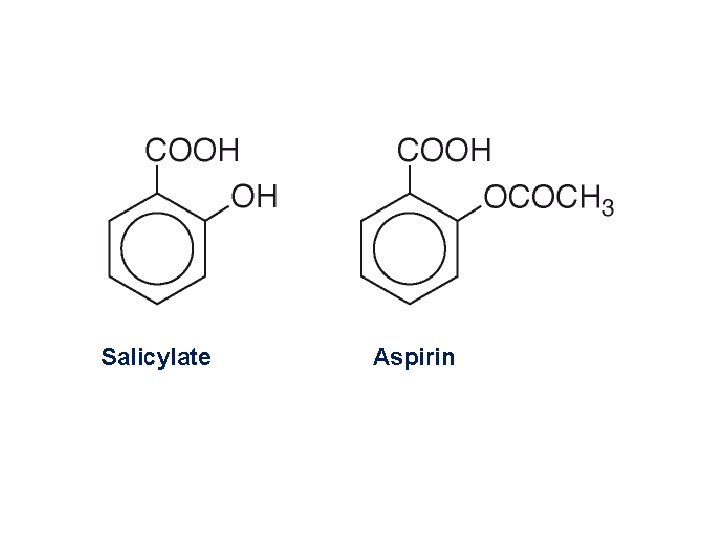
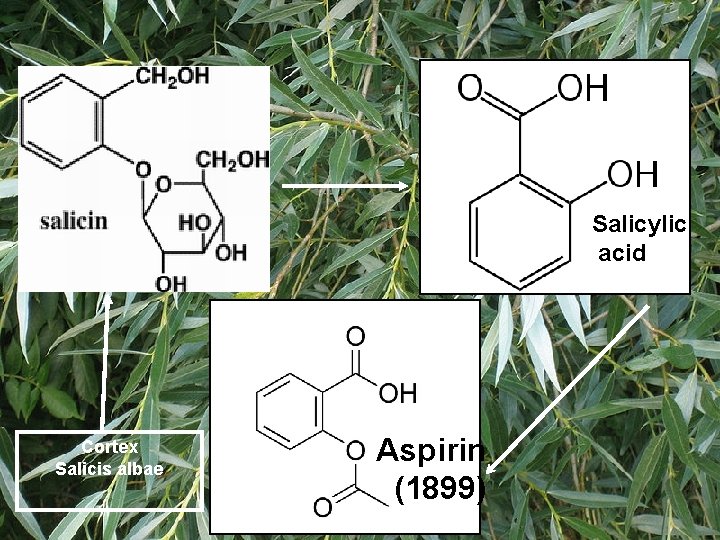
Salicylate Aspirin
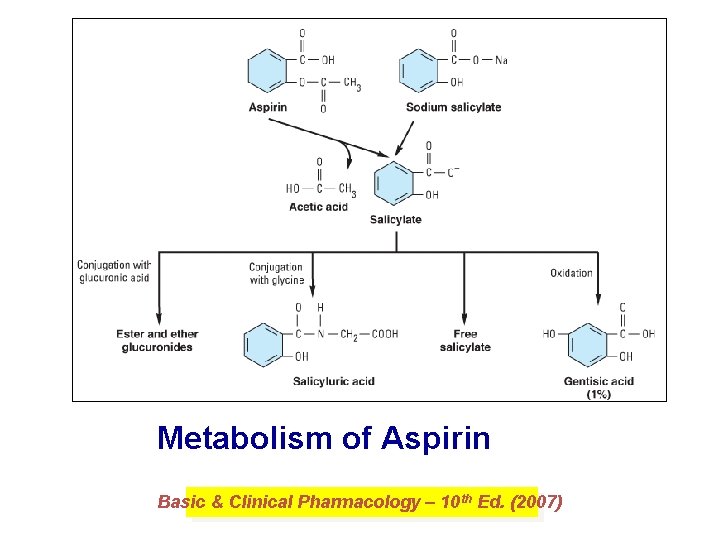
Metabolism of Aspirin Basic & Clinical Pharmacology – 10 th Ed. (2007)
Salicylic acid Cortex Salicis albae Aspirin (1899)
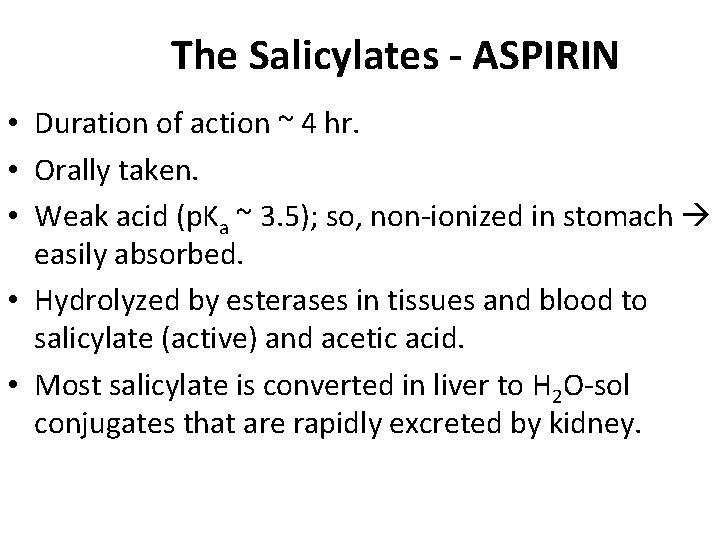
The Salicylates - ASPIRIN • Duration of action ~ 4 hr. • Orally taken. • Weak acid (p. Ka ~ 3. 5); so, non-ionized in stomach easily absorbed. • Hydrolyzed by esterases in tissues and blood to salicylate (active) and acetic acid. • Most salicylate is converted in liver to H 2 O-sol conjugates that are rapidly excreted by kidney.
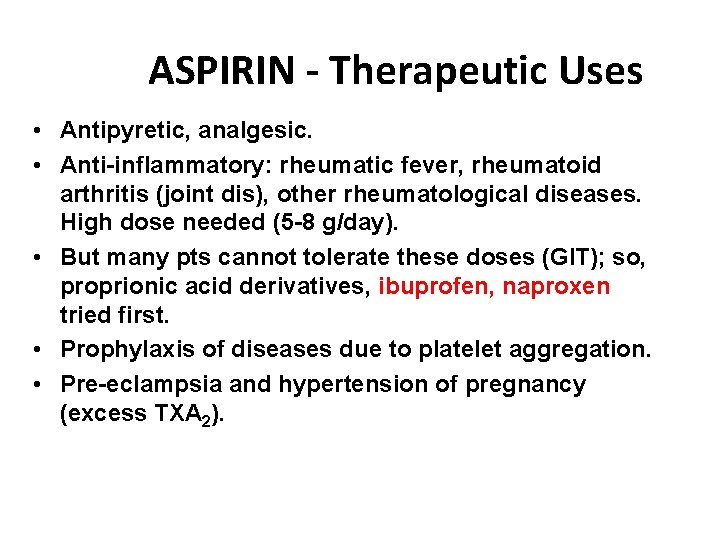
ASPIRIN - Therapeutic Uses • Antipyretic, analgesic. • Anti-inflammatory: rheumatic fever, rheumatoid arthritis (joint dis), other rheumatological diseases. High dose needed (5 -8 g/day). • But many pts cannot tolerate these doses (GIT); so, proprionic acid derivatives, ibuprofen, naproxen tried first. • Prophylaxis of diseases due to platelet aggregation. • Pre-eclampsia and hypertension of pregnancy (excess TXA 2).
Effect of NSAID’s on Platelet-Endothelial Interactions
SIDE EFFECTS 1. Low doses: uncoupling phosphorylation → ↑ CO 2 → stimulates respiration. 2. Direct stimulation of respiratory center → Hyperventilation → resp. alkalosis → renal compensation 3. Depression of respiratory center and cardiovascular center → ↓ BP, respiratory acidosis, no compensation + metabolic acidosis also
Renal • COX-1 and COX-2 – generated PGs (Tx. A 2, PGF 2 , PGI 2 (glom), PGE 2 (medulla), powerful vasodilators) can both incr and decr Na+ retention (natriuresis predominates), usually in response to changes in tubular Cl-, extracellular tonicity or low bp. • NSAIDs tend to promote Na+ retention and can therefore increase bp. Can counteract effects of many anti-hypertensives (diuretics, ACE inhibitors and -AR antagonists). • • PGs have minimal impact on normal renal blood flow, but become important in the compromised kidney. Patients (particularly elderly and volume depleted) are at risk of renal ischemia with NSAIDs.
Gestation PGs (generated from COX-2) are involved in the initiation and progression of labor and delivery. Therefore, inhibition of their production by NSAIDs can prolong gestation. Respiratory system High doses (salicylates) cause partial uncoupling of oxidative phosphorylation with increased CO 2 production (COX-independent effects). Increase in plasma CO 2 hyperventilation. Even higher doses cause depression of respiration. Other uses of NSAIDs (mechanisms less understood) Decreased risk of fatal colon carcinoma
REYE’S SYNDROME “Reye’s syndrome”, a rare form of hepatic encephalopathy seen in children, having viral infection (varicella, influenza), has been noted. Aspirin should not be given to children under 15 years unless specifically indicated, e. g. for juvenile arthritis (paracetamol is preferred).
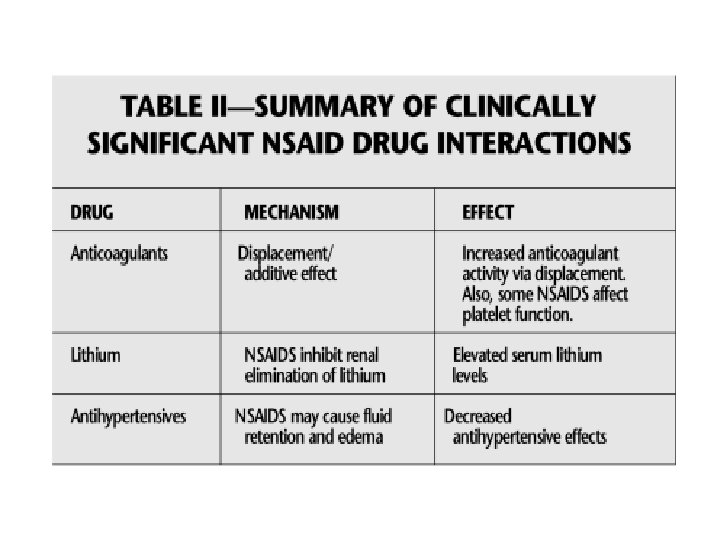
DRUG INTERACTIONS WITH NSAIDS Drugs Diuretics Beta-blockers ACE inhibitors Anticoagulants Sulfonylurea Cyclosporine GCS Alcohol Result Decrease diuresis Decrease antihypertensive effect Increase of GI bleeding Increase hypoglycemic risk Increase nephrotoxicity Increase of GI bleeding
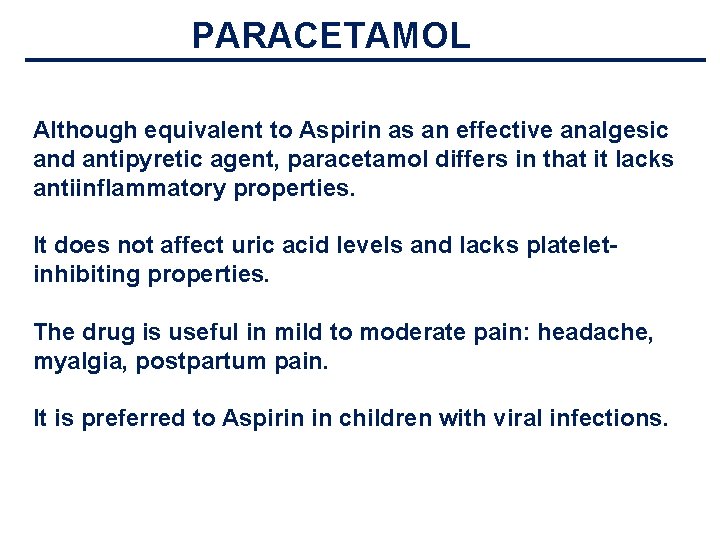
PARACETAMOL Although equivalent to Aspirin as an effective analgesic and antipyretic agent, paracetamol differs in that it lacks antiinflammatory properties. It does not affect uric acid levels and lacks plateletinhibiting properties. The drug is useful in mild to moderate pain: headache, myalgia, postpartum pain. It is preferred to Aspirin in children with viral infections.
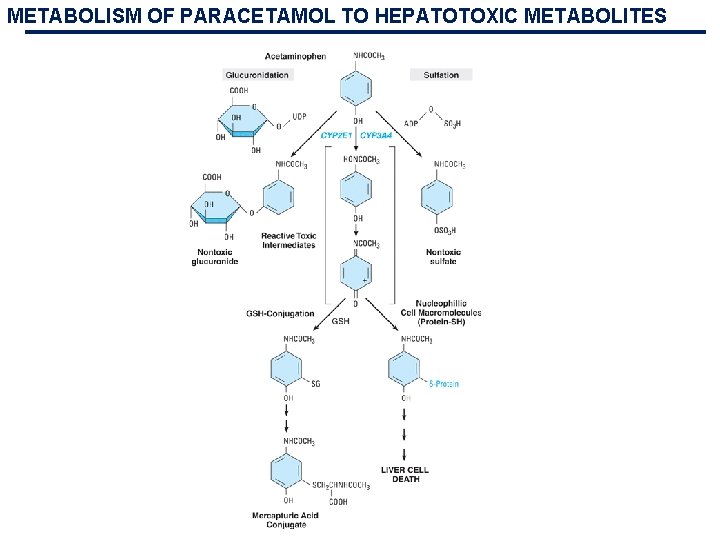
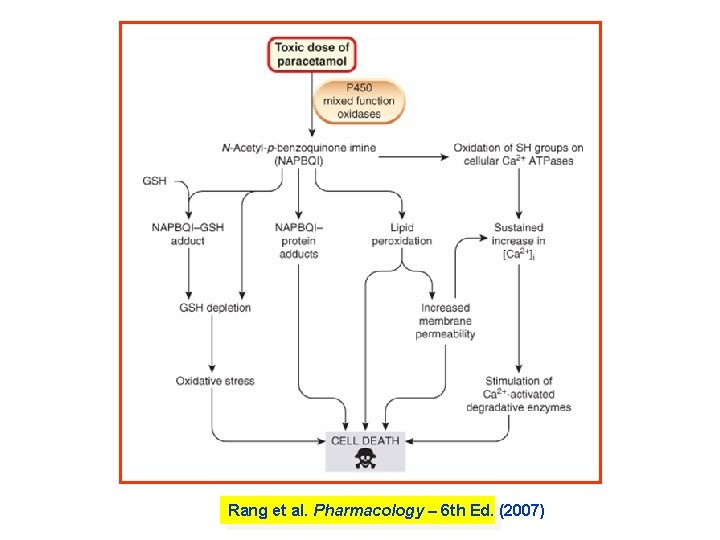
METABOLISM OF PARACETAMOL TO HEPATOTOXIC METABOLITES
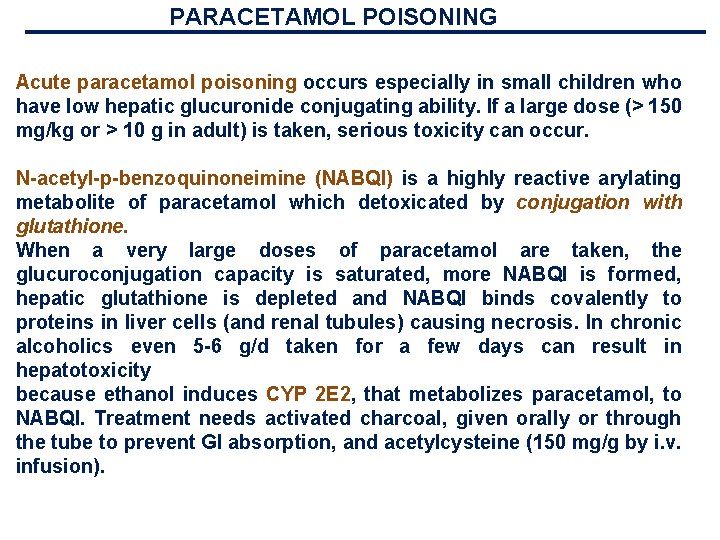
PARACETAMOL POISONING Acute paracetamol poisoning occurs especially in small children who have low hepatic glucuronide conjugating ability. If a large dose (> 150 mg/kg or > 10 g in adult) is taken, serious toxicity can occur. N-acetyl-p-benzoquinoneimine (NABQI) is a highly reactive arylating metabolite of paracetamol which detoxicated by conjugation with glutathione. When a very large doses of paracetamol are taken, the glucuroconjugation capacity is saturated, more NABQI is formed, hepatic glutathione is depleted and NABQI binds covalently to proteins in liver cells (and renal tubules) causing necrosis. In chronic alcoholics even 5 -6 g/d taken for a few days can result in hepatotoxicity because ethanol induces CYP 2 E 2, that metabolizes paracetamol, to NABQI. Treatment needs activated charcoal, given orally or through the tube to prevent GI absorption, and acetylcysteine (150 mg/g by i. v. infusion).
Rang et al. Pharmacology – 6 th Ed. (2007)
1. Nonsteroidal anti-inflammatory drugs (NSAIDs) Nonselective COX inhibitors • • • 1. Salicylates *Acetylsalicylic acid (Aspirin) * Salicylamide 2. Pyrazolone derivatives *Phenylbutazone *Metamizol (Analginum) 3. Indole derivatives *Indomethacin 4. Propionic acid derivatives *Naproxen 5. Antranilic acid derivatives *Mephenamic acid 6. Aryl – acetic acid derivatives *Diclophenac sodium 7. Oxicam derivatives *Piroxicam 8. Dihydropyrrolizine carboxylic acid derivative • *Ketorolac • •
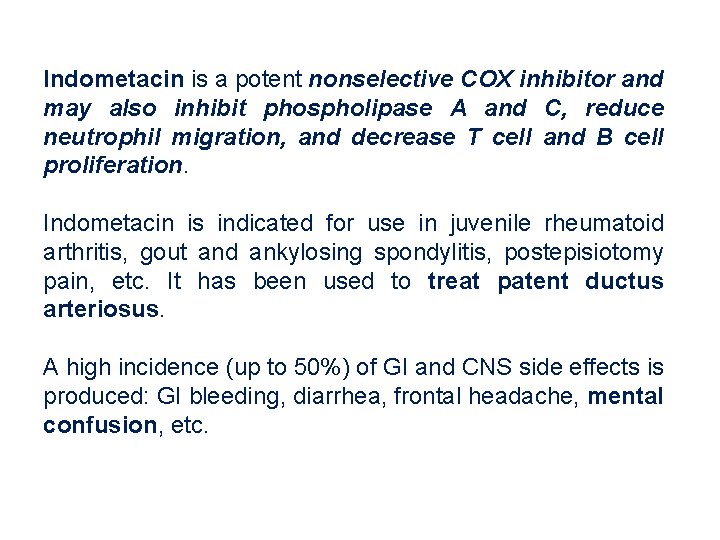
Indometacin is a potent nonselective COX inhibitor and may also inhibit phospholipase A and C, reduce neutrophil migration, and decrease T cell and B cell proliferation. Indometacin is indicated for use in juvenile rheumatoid arthritis, gout and ankylosing spondylitis, postepisiotomy pain, etc. It has been used to treat patent ductus arteriosus. A high incidence (up to 50%) of GI and CNS side effects is produced: GI bleeding, diarrhea, frontal headache, mental confusion, etc.
1. Nonsteroidal anti-inflammatory drugs (NSAIDs) Nonselective COX inhibitors • • • 1. Salicylates *Acetylsalicylic acid (Aspirin) * Salicylamide 2. Pyrazolone derivatives *Phenylbutazone *Metamizol (Analginum) 3. Indole derivatives *Indomethacin 4. Propionic acid derivatives *Naproxen 5. Antranilic acid derivatives *Mephenamic acid 6. Aryl – acetic acid derivatives *Diclophenac sodium 7. Oxicam derivatives *Piroxicam 8. Dihydropyrrolizine carboxylic acid derivative • *Ketorolac • •
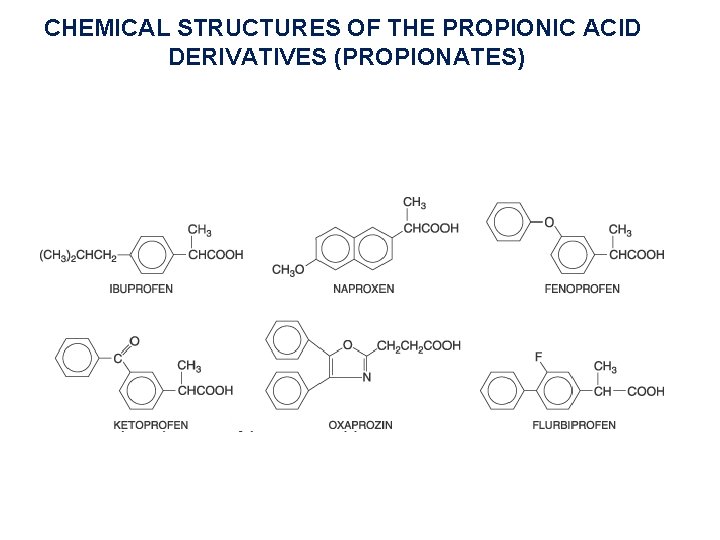
CHEMICAL STRUCTURES OF THE PROPIONIC ACID DERIVATIVES (PROPIONATES)
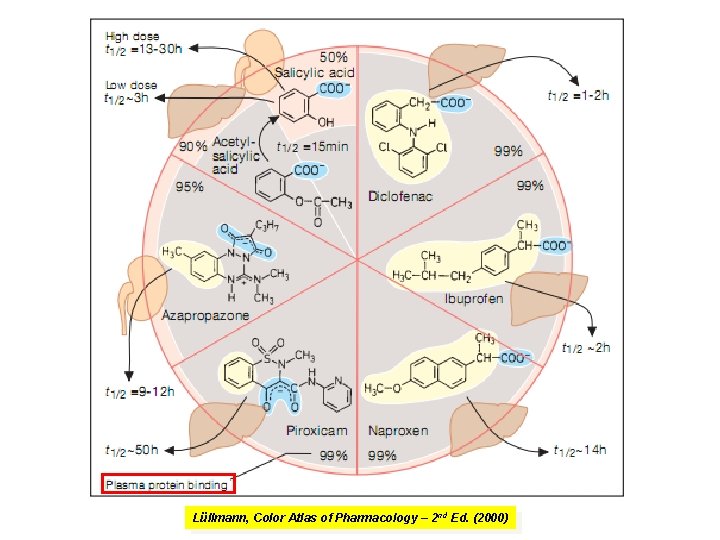
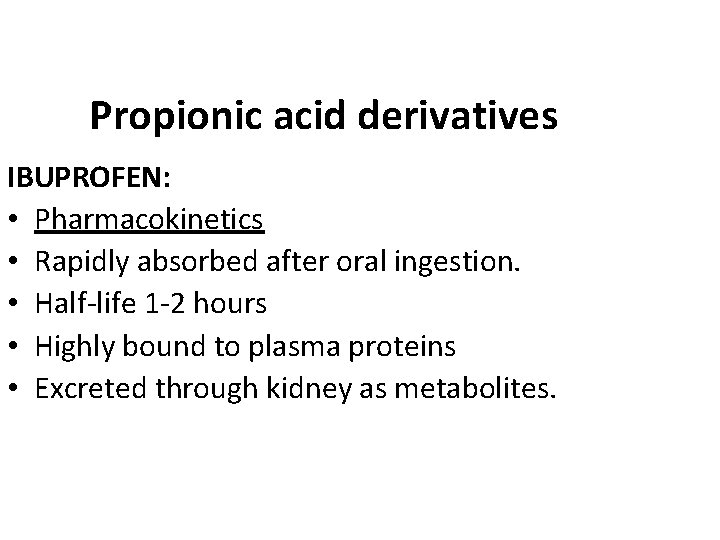
Propionic acid derivatives IBUPROFEN: • Pharmacokinetics • Rapidly absorbed after oral ingestion. • Half-life 1 -2 hours • Highly bound to plasma proteins • Excreted through kidney as metabolites.
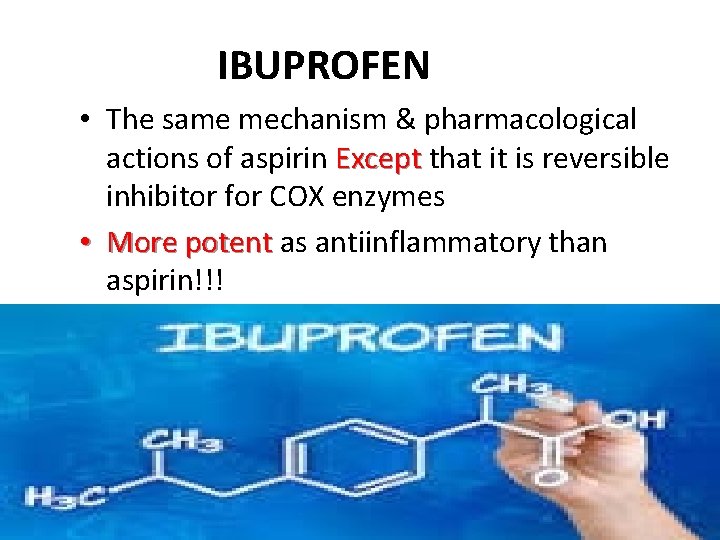
IBUPROFEN • The same mechanism & pharmacological actions of aspirin Except that it is reversible inhibitor for COX enzymes • More potent as antiinflammatory than aspirin!!!
Clinical uses • • • A) Analgesic B) Antipyretic C) Anti-inflammatory D)Acute gouty arthritis E) Patent ductus arteriosus
Preparations of Ibuprofen Oral preparations. Topical cream for osteoarthritis. A liquid gel for rapid relief of postsurgical dental pain. • Intravenous route as in patent ductus arteriosus • • •
Adverse effects • 1. Gastric upset (less frequent than aspirin). • 2. Fluid retention • 3. Hypersensetivity reactions • 4. Ocular disturbances • 5. Rare hematologic effects (agranulocytosis & aplastic anaemia).
Contraindications • • • 1. Peptic ulcer 2. Allergic patients to aspirin 3. Kidney impairment 4. Liver diseases 5. Pregnancy 6. Haemophilic patients The concomitant administration of ibuprofen antagonizes the irrevesible platelet inhibition of ASPIRIN (limit cardioprotective effect of aspirin).
1. Nonsteroidal anti-inflammatory drugs (NSAIDs) Nonselective COX inhibitors • • • 1. Salicylates *Acetylsalicylic acid (Aspirin) * Salicylamide 2. Pyrazolone derivatives *Phenylbutazone *Metamizol (Analginum) 3. Indole derivatives *Indomethacin 4. Propionic acid derivatives *Naproxen 5. Antranilic acid derivatives *Mephenamic acid 6. Aryl – acetic acid derivatives *Diclophenac sodium 7. Oxicam derivatives *Piroxicam 8. Dihydropyrrolizine carboxylic acid derivative • *Ketorolac • •
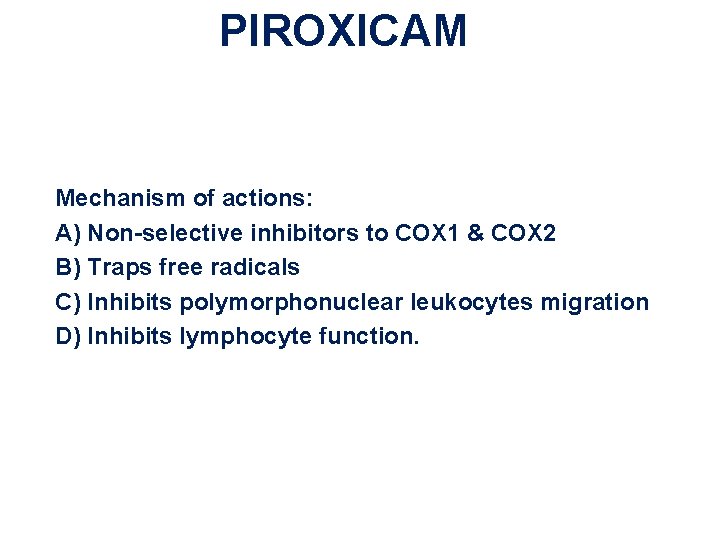
PIROXICAM Mechanism of actions: A) Non-selective inhibitors to COX 1 & COX 2 B) Traps free radicals C) Inhibits polymorphonuclear leukocytes migration D) Inhibits lymphocyte function.
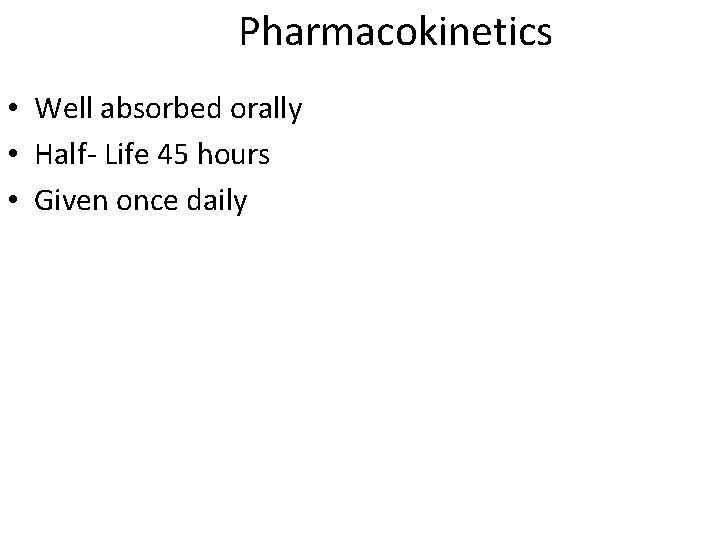
Pharmacokinetics • Well absorbed orally • Half- Life 45 hours • Given once daily
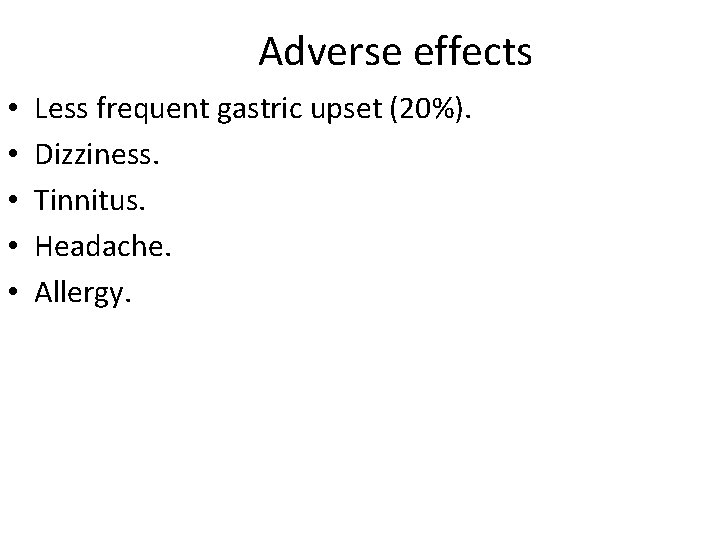
Adverse effects • • • Less frequent gastric upset (20%). Dizziness. Tinnitus. Headache. Allergy.
1. Nonsteroidal anti-inflammatory drugs (NSAIDs) Nonselective COX inhibitors • • • 1. Salicylates *Acetylsalicylic acid (Aspirin) * Salicylamide 2. Pyrazolone derivatives *Phenylbutazone *Metamizol (Analginum) 3. Indole derivatives *Indomethacin 4. Propionic acid derivatives *Naproxen 5. Antranilic acid derivatives *Mephenamic acid 6. Aryl – acetic acid derivatives *Diclophenac sodium 7. Oxicam derivatives *Piroxicam 8. Dihydropyrrolizine carboxylic acid derivative • *Ketorolac • •
Acetic acid derivatives DICLOFENAC • Mechanism of action • Non-selective inhibitor to COX 1 & COX 2. • More potent as anti-inflammatory than analgesic and antipyretics.
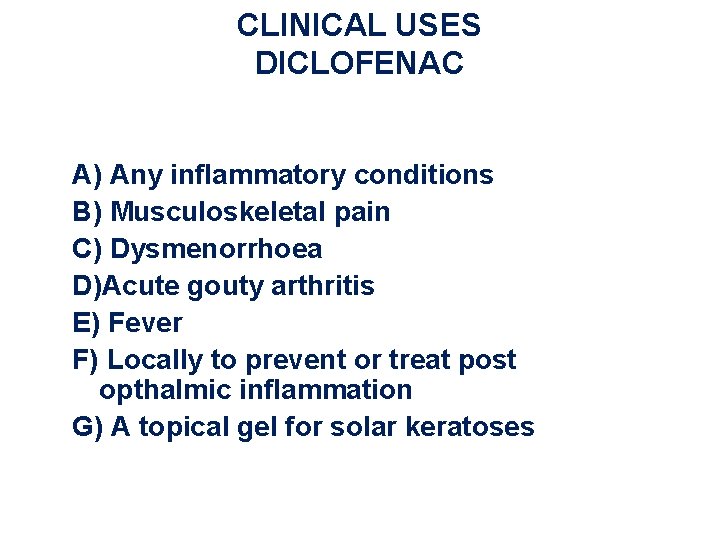
CLINICAL USES DICLOFENAC A) Any inflammatory conditions B) Musculoskeletal pain C) Dysmenorrhoea D)Acute gouty arthritis E) Fever F) Locally to prevent or treat post opthalmic inflammation G) A topical gel for solar keratoses
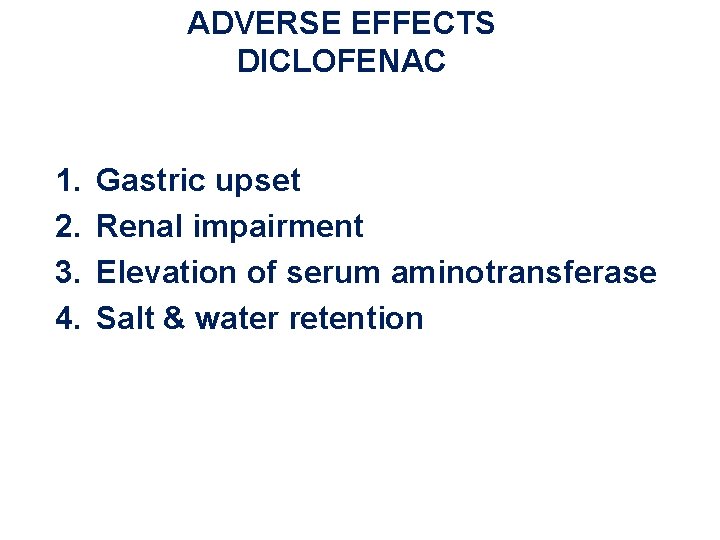
ADVERSE EFFECTS DICLOFENAC 1. 2. 3. 4. Gastric upset Renal impairment Elevation of serum aminotransferase Salt & water retention
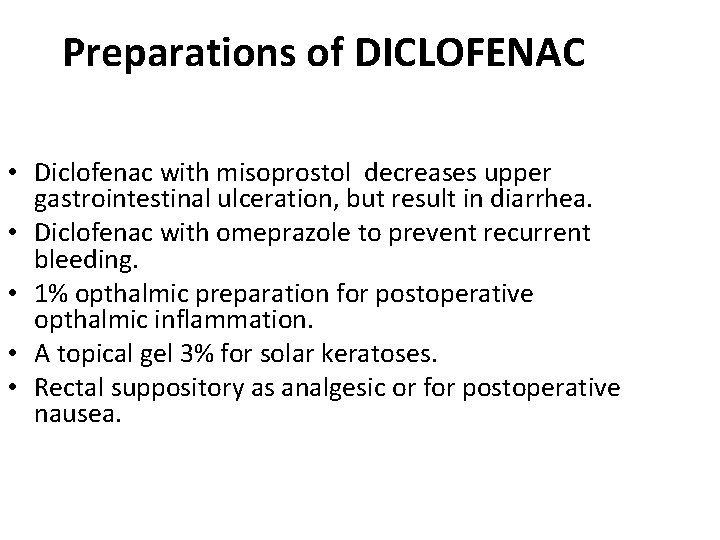
Preparations of DICLOFENAC • Diclofenac with misoprostol decreases upper gastrointestinal ulceration, but result in diarrhea. • Diclofenac with omeprazole to prevent recurrent bleeding. • 1% opthalmic preparation for postoperative opthalmic inflammation. • A topical gel 3% for solar keratoses. • Rectal suppository as analgesic or for postoperative nausea.
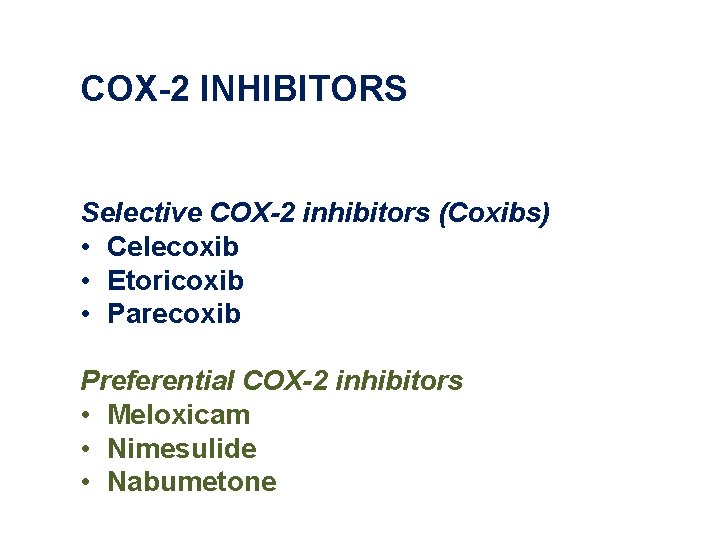
COX-2 INHIBITORS Selective COX-2 inhibitors (Coxibs) • Celecoxib • Etoricoxib • Parecoxib Preferential COX-2 inhibitors • Meloxicam • Nimesulide • Nabumetone
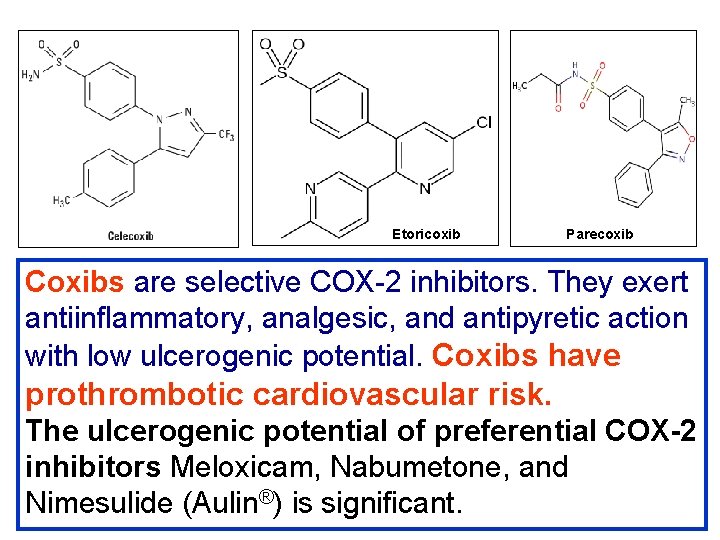
Etoricoxib Parecoxib Coxibs are selective COX-2 inhibitors. They exert antiinflammatory, analgesic, and antipyretic action with low ulcerogenic potential. Coxibs have prothrombotic cardiovascular risk. The ulcerogenic potential of preferential COX-2 inhibitors Meloxicam, Nabumetone, and Nimesulide (Aulin®) is significant.
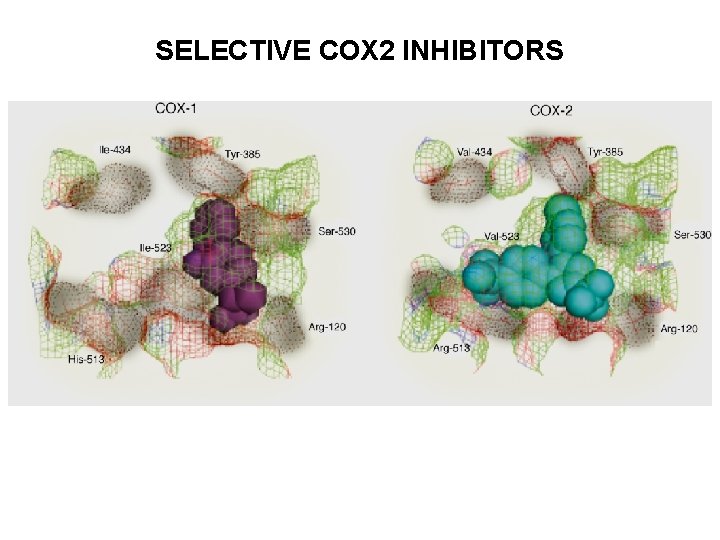
SELECTIVE COX 2 INHIBITORS
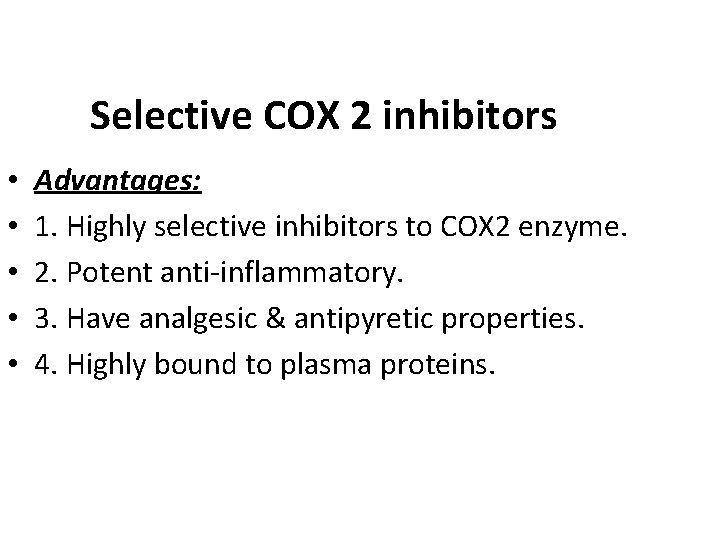
Selective COX 2 inhibitors • • • Advantages: 1. Highly selective inhibitors to COX 2 enzyme. 2. Potent anti-inflammatory. 3. Have analgesic & antipyretic properties. 4. Highly bound to plasma proteins.
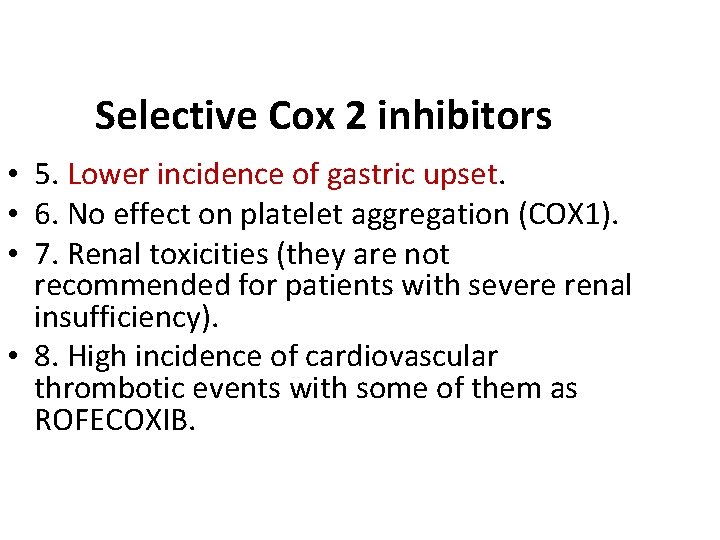
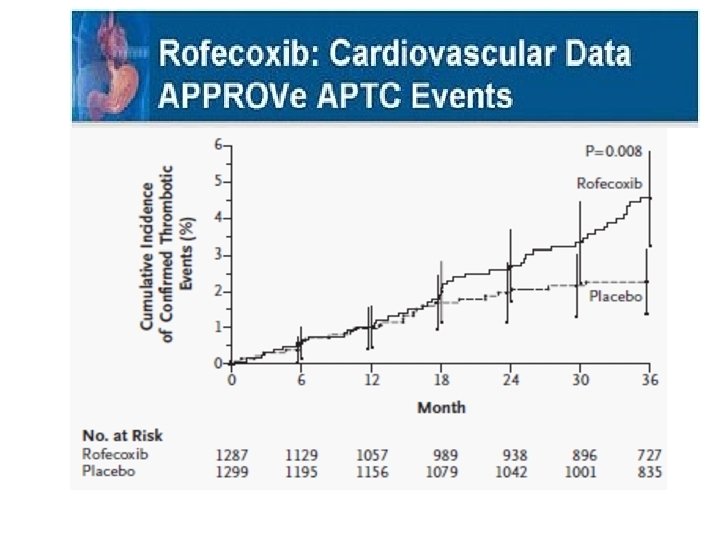
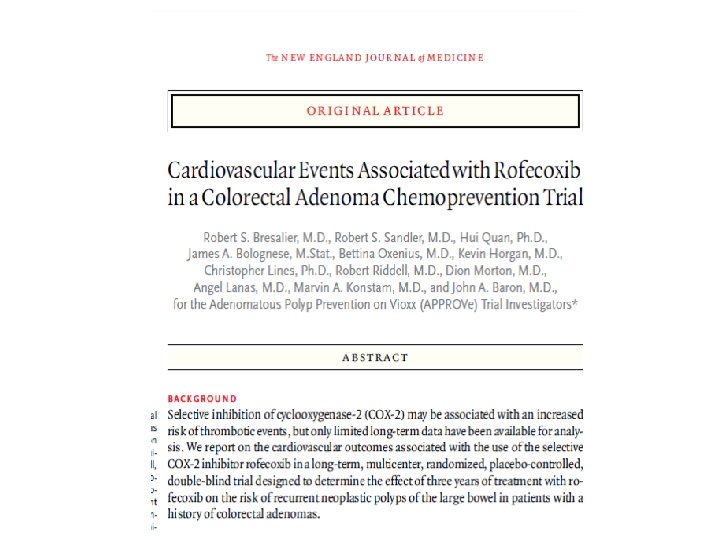
Selective Cox 2 inhibitors 5. Lower incidence of gastric upset. 6. No effect on platelet aggregation (COX 1). 7. Renal toxicities (they are not recommended for patients with severe renal insufficiency). • 8. High incidence of cardiovascular thrombotic events with some of them as ROFECOXIB. • • •
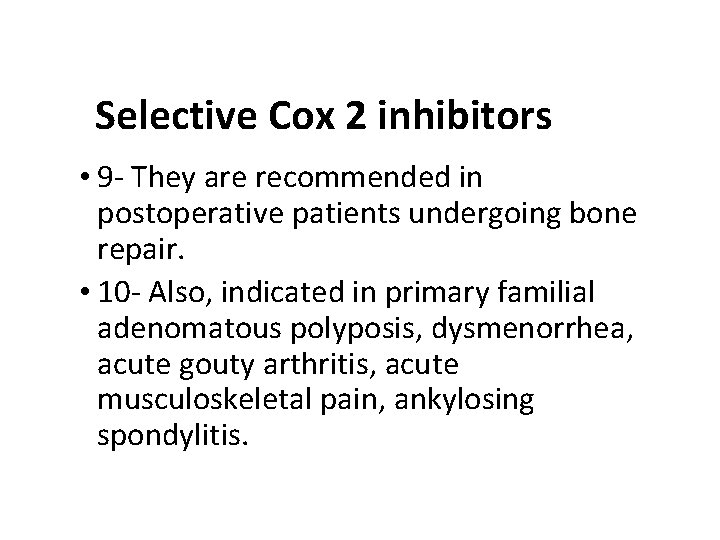
Selective Cox 2 inhibitors • 9 - They are recommended in postoperative patients undergoing bone repair. • 10 - Also, indicated in primary familial adenomatous polyposis, dysmenorrhea, acute gouty arthritis, acute musculoskeletal pain, ankylosing spondylitis.
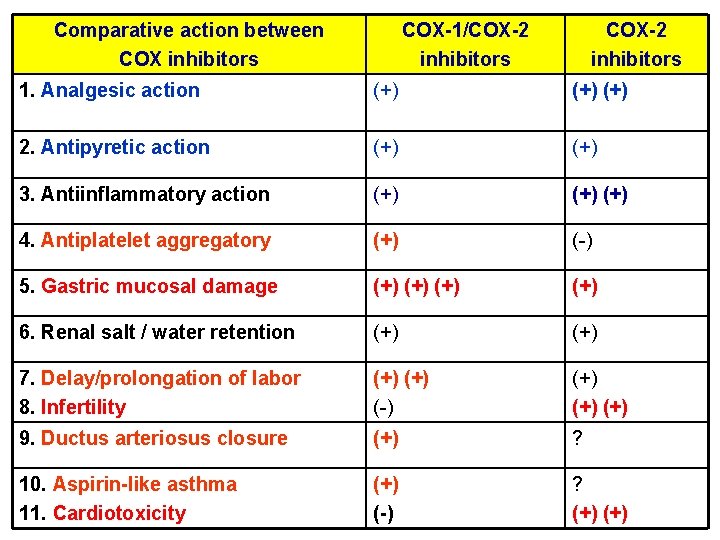
Comparative action between COX inhibitors COX-1/COX-2 inhibitors 1. Analgesic action (+) (+) 2. Antipyretic action (+) 3. Antiinflammatory action (+) (+) 4. Antiplatelet aggregatory (+) (-) 5. Gastric mucosal damage (+) (+) 6. Renal salt / water retention (+) 7. Delay/prolongation of labor 8. Infertility (+) (-) (+) (+) 9. Ductus arteriosus closure (+) ? 10. Aspirin-like asthma 11. Cardiotoxicity (+) (-) ? (+)
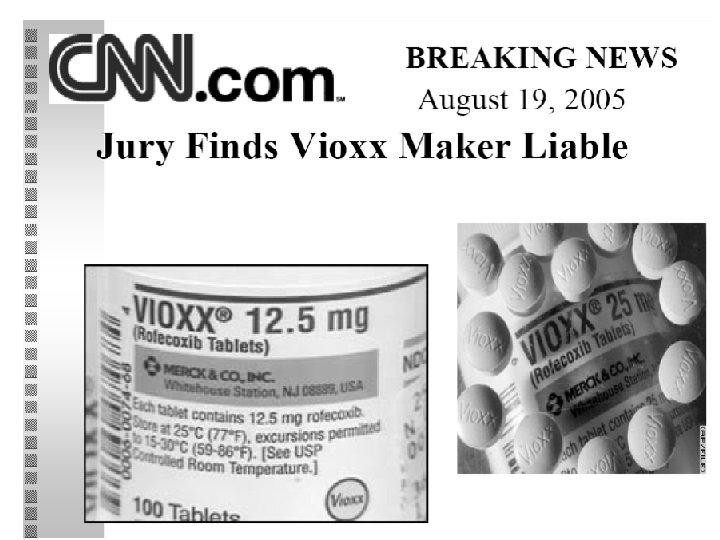
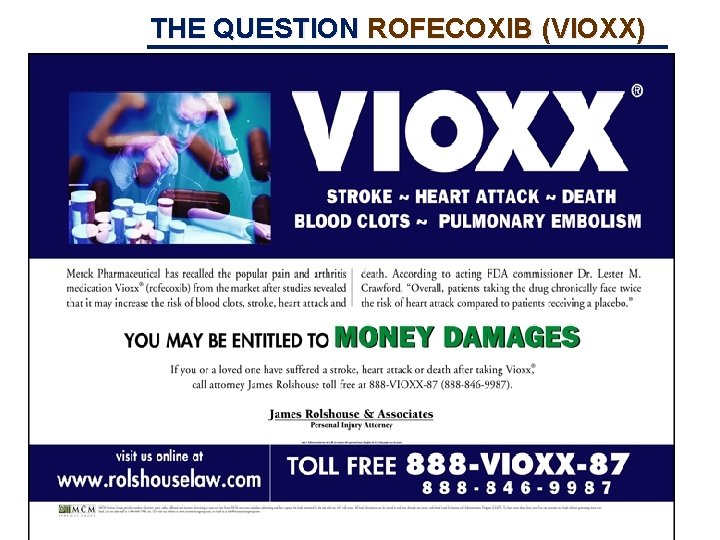
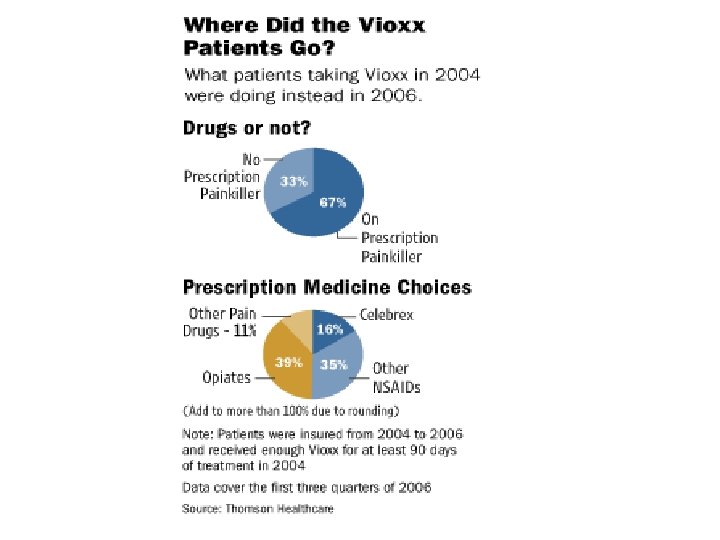
THE QUESTION ROFECOXIB (VIOXX)
IL CASO ROFECOXIB (VIOXX)
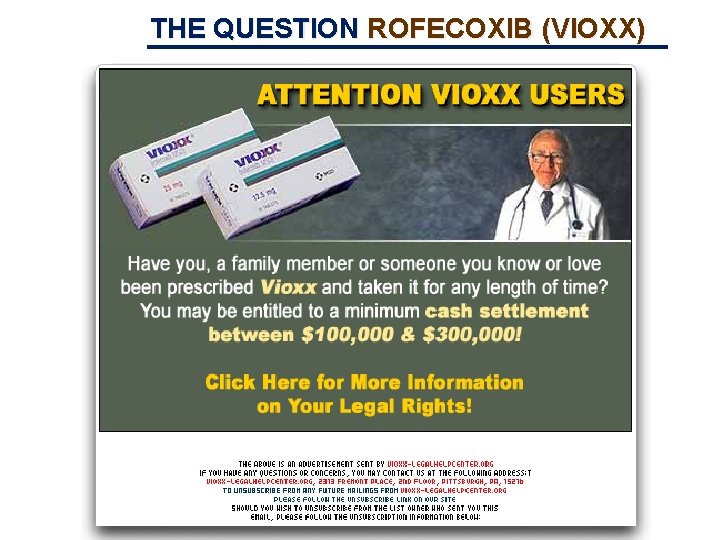
THE QUESTION ROFECOXIB (VIOXX)
IL CASO ROFECOXIB (VIOXX)
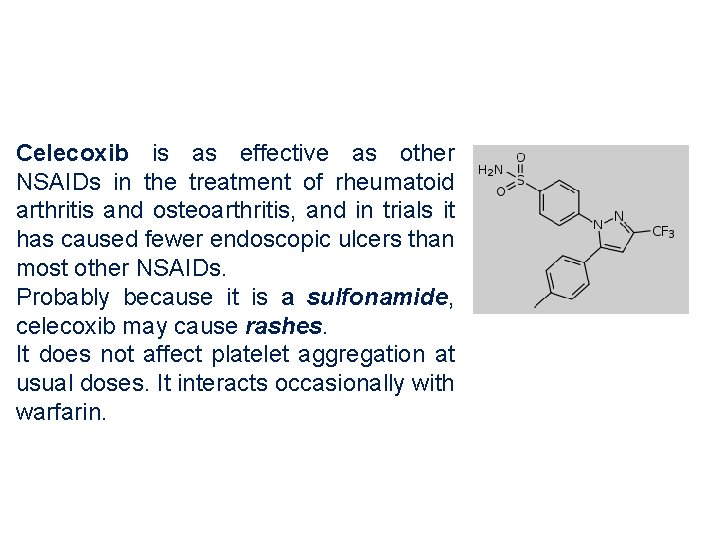
Celecoxib is as effective as other NSAIDs in the treatment of rheumatoid arthritis and osteoarthritis, and in trials it has caused fewer endoscopic ulcers than most other NSAIDs. Probably because it is a sulfonamide, celecoxib may cause rashes. It does not affect platelet aggregation at usual doses. It interacts occasionally with warfarin.