
Fatigue Crack Propagation MSE 527 Principles of Failure

- Slides: 52
Fatigue Crack Propagation MSE 527
Principles of Failure Analysis General Procedures 16 of 37
Definition of Failure When a part or device can no longer perform its intended function, the part has failed. 17 of 37
Definition of Failure Analysis A systematic, science-based method employed for investigation of failures occurring during tests or in service. 18 of 37
Fundamental Sources of Failure * Deficiencies in design. * Deficiencies in selection of materials. * Imperfections in materials. * Deficiencies in processing. * Errors in assembly. * Improper service conditions. 19 of 37
Impact of Failure Analysis on Society * Cost of failure analysis. * Improvement of products. 20 of 37
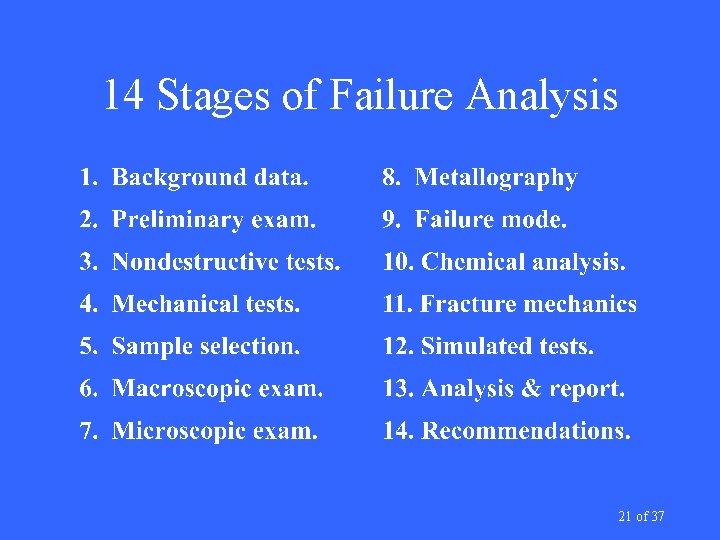
14 Stages of Failure Analysis 21 of 37
1. Collection of background data and samples. * Manufacturing history. * Service history. * Photographic records. * Wreckage analysis. * Inventory of parts. * Abnormal conditions. * Sequence of fractures. * Sample selection. 22 of 37
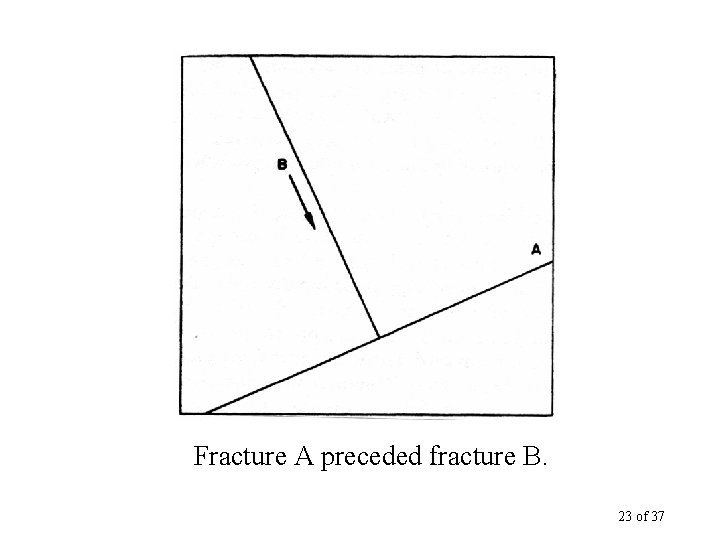
Fracture A preceded fracture B. 23 of 37
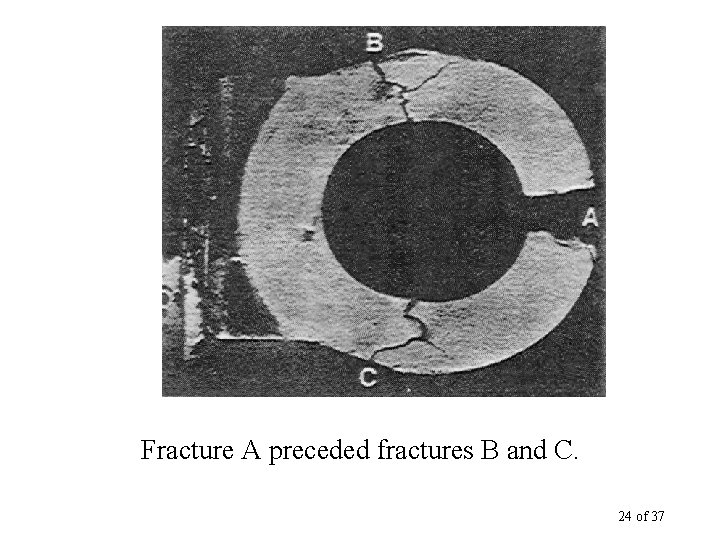
Fracture A preceded fractures B and C. 24 of 37
2. Preliminary Examinations. * Most important part of failure analysis. * Visual inspection of all parts. * Detailed photography of all parts. * Study of the fractures. 25 of 37
3. Nondestructive Inspections. * Magnetic particle inspection. * Liquid penetrant inspection. * Electromagnetic inspection. * Ultrasonic inspection. * Radiography. * Residual stress analysis. 26 of 37
4. Mechanical Testing. * Hardness testing. * Tensile testing. * Shear testing. * Impact testing. * Fatigue testing. * Fracture mechanics testing. 27 of 37
5. Selection and Preservation of Fracture Surfaces. * How? Very Carefully!!! * Prevent chemical damage to samples. * Prevent mechanical damage to samples. * Prevent thermal damage to samples. * Careful cleaning: Least destructive technique first. 28 of 37
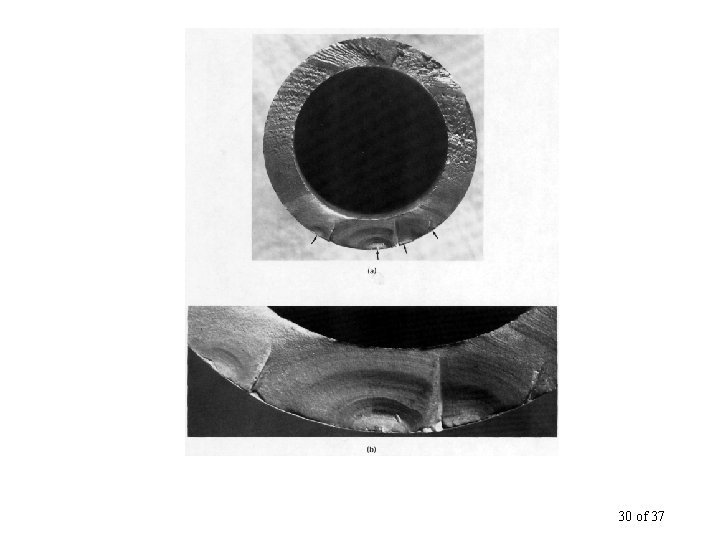
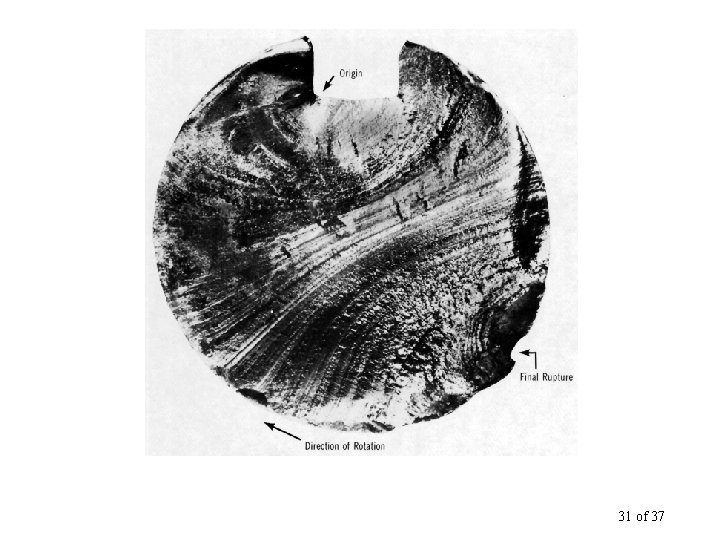
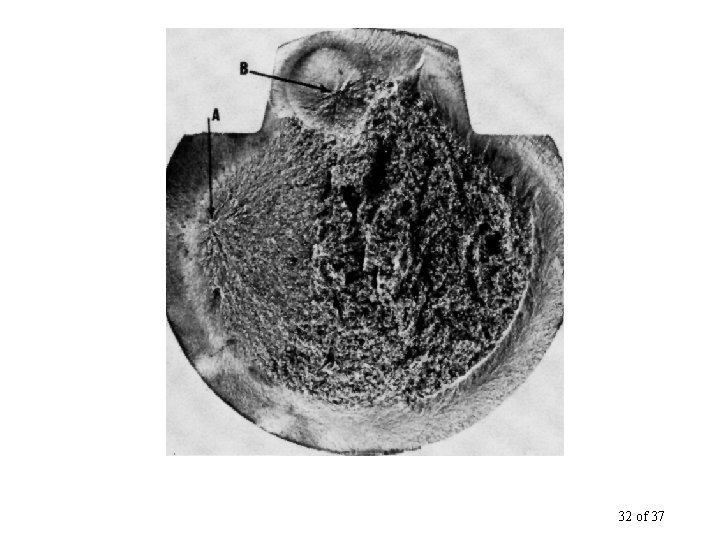
6. Macroscopic Examinations * Use low power stereo-microscopes. * Determine Origin of failure. * Determine direction of crack growth: Chevron patterns, River marks, beach marks etc. . . * Determine ductile or brittle fracture. * Locate other cracks. 29 of 37
30 of 37
31 of 37
32 of 37
7. Microscopic Examinations * Light microscopes: shallow depth of field. * Transmission Electron Microscopes (TEM): sample preparation problems. * Scanning Electron Microscopes ( SEM): conductivity problems. coating and replication techniques. 33 of 37
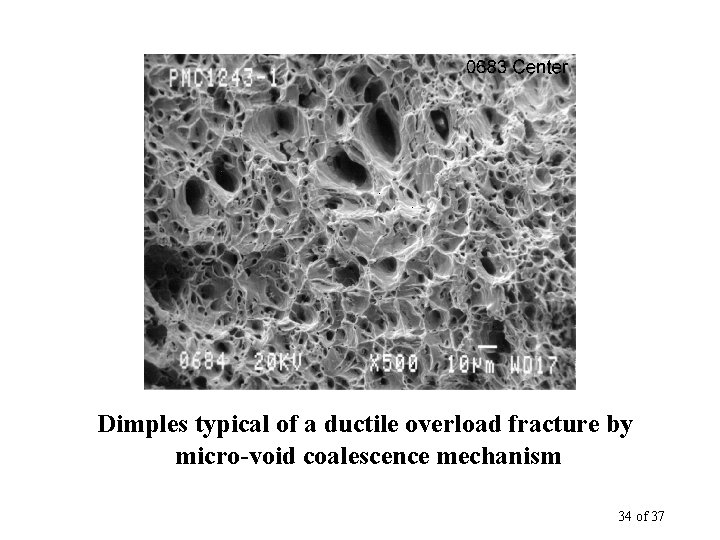
Dimples typical of a ductile overload fracture by micro-void coalescence mechanism 34 of 37
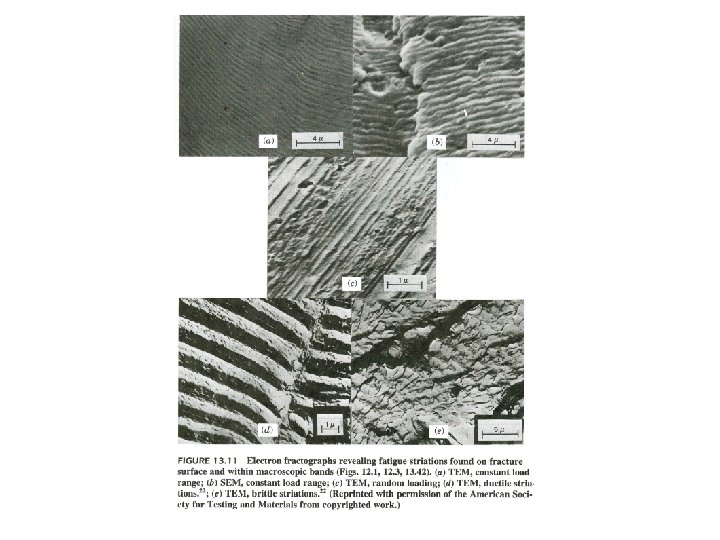
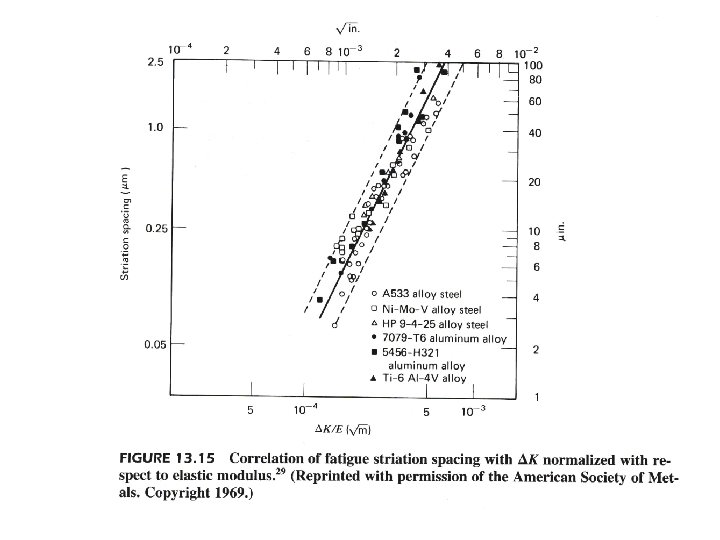
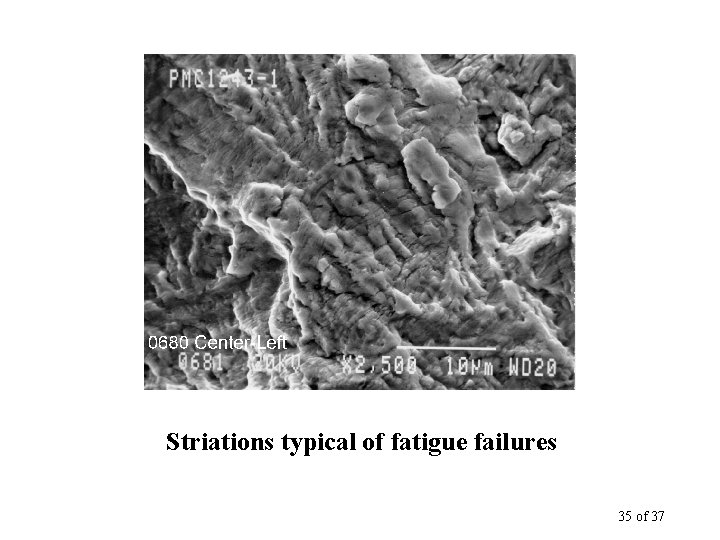
Striations typical of fatigue failures 35 of 37
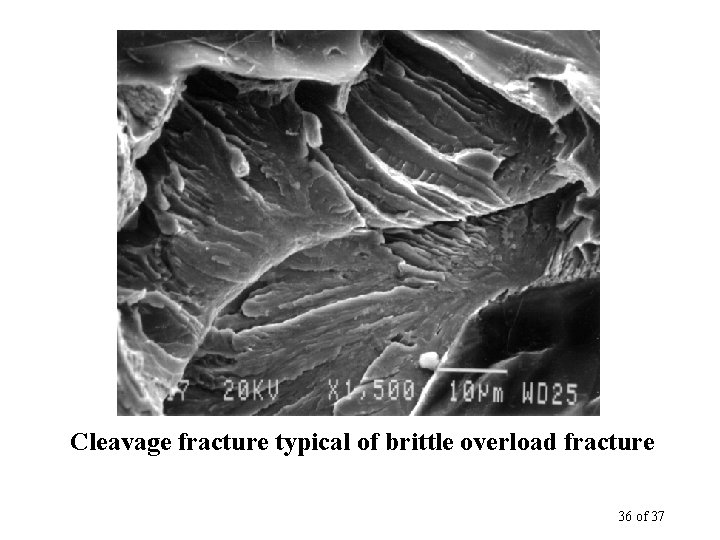
Cleavage fracture typical of brittle overload fracture 36 of 37
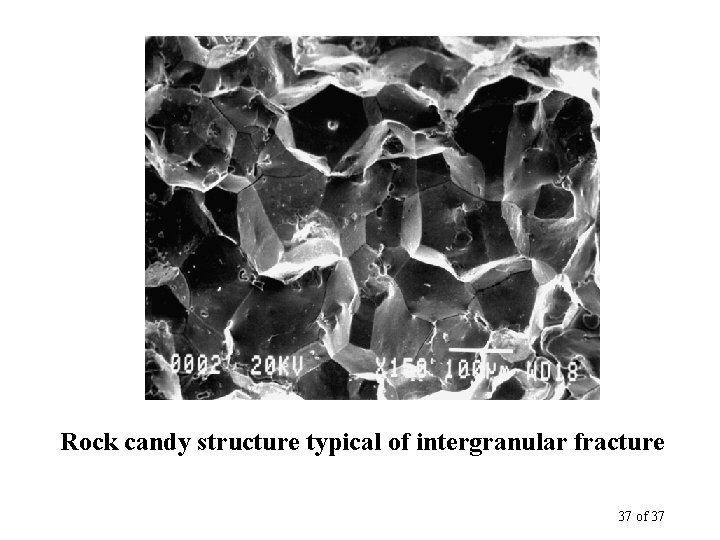
Rock candy structure typical of intergranular fracture 37 of 37
8. Metallographic Examination * Class of Material: Cast or Wrought * General Microstructure. * Crack Path: Transgranular and/or Intergranular * Heat Treatment Problems: Decarburization, Alpha-Case, etc…. 38 of 37
Lap defect in forging 39 of 37
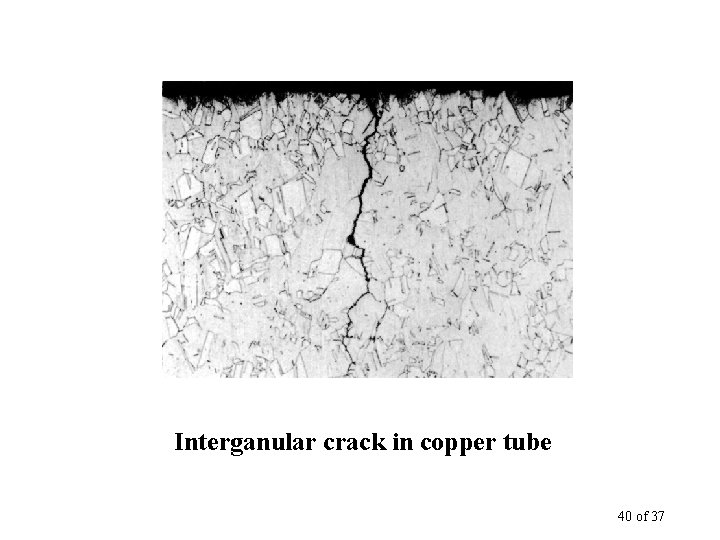
Interganular crack in copper tube 40 of 37
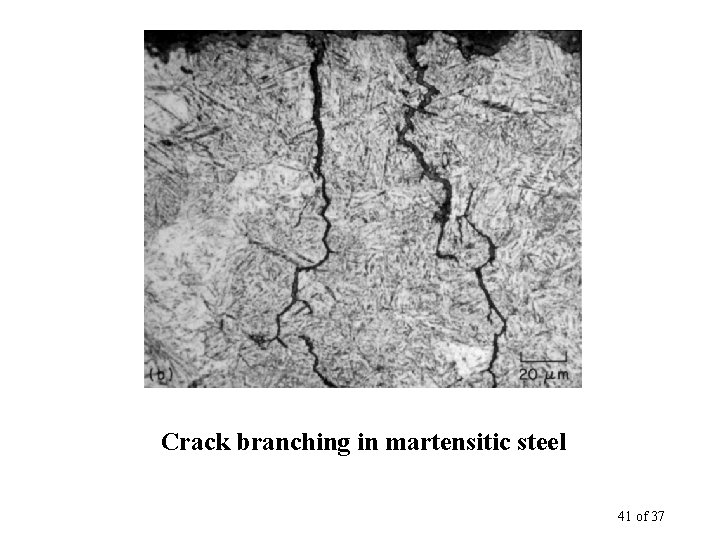
Crack branching in martensitic steel 41 of 37
9. Failure Modes * Ductile: Plastic Deformation Equiaxed or Shear Dimples Dull, Gray and usually Transgranular. * Brittle: No Macroscopic Plastic Deformation Cleavage, Intergranular or Striations Difficult to diagnose. 42 of 37
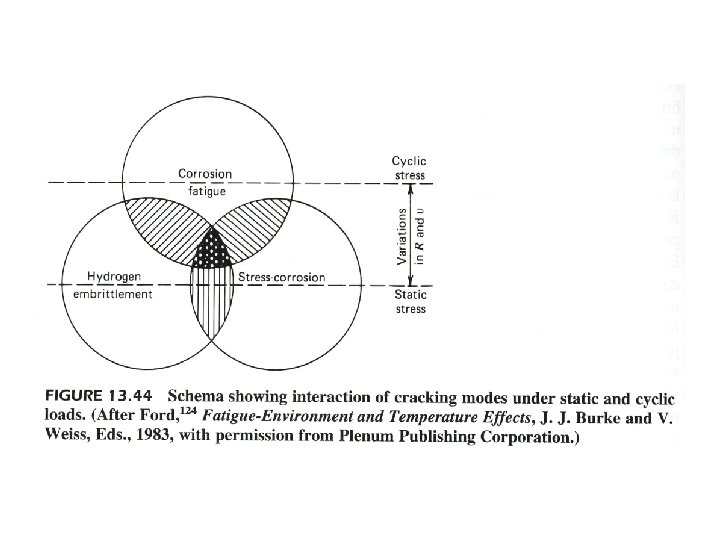
Modes of Fracture * Monotonic Overload Brittle Ductile * Sub-Critical Crack Growth Static Loads Dynamic Loads 43 of 37
Mechanisms of Fracture * Overload - Fracture with application of load. Ductile or Brittle * Crack Growth - Under Load Over Time. Fatigue Stress Corrosion Cracking Hydrogen Embrittlement Creep 44 of 37
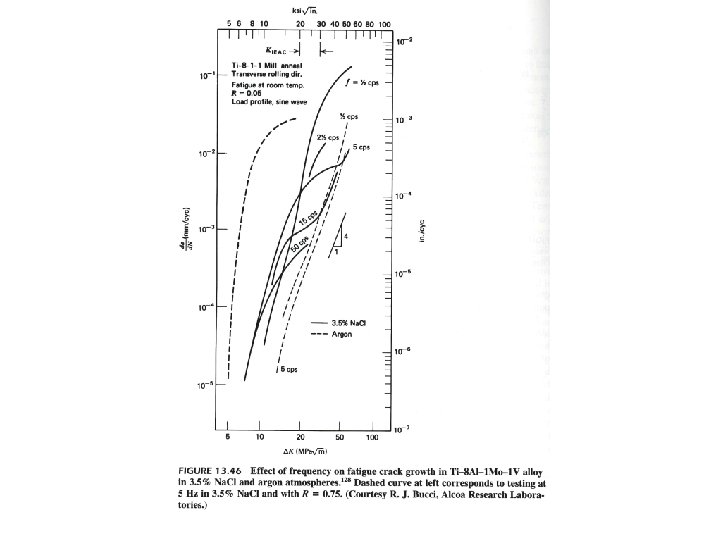
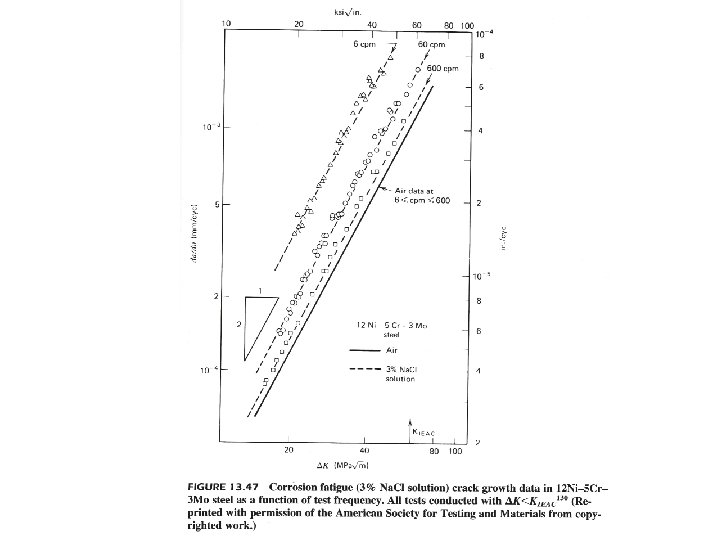
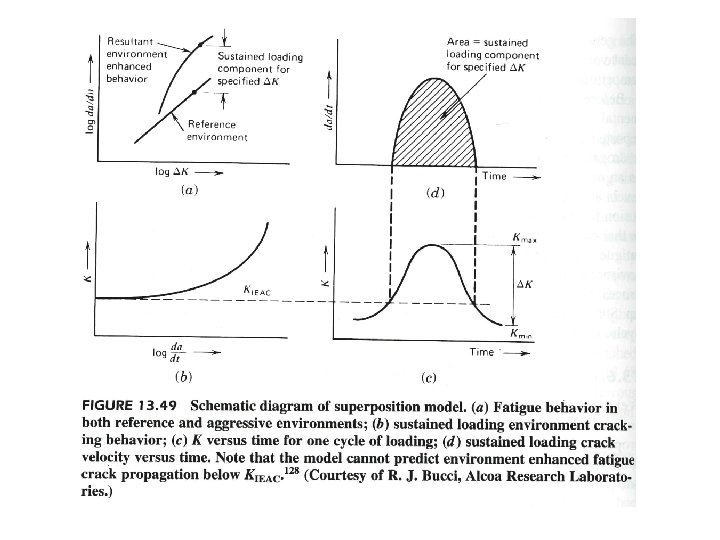
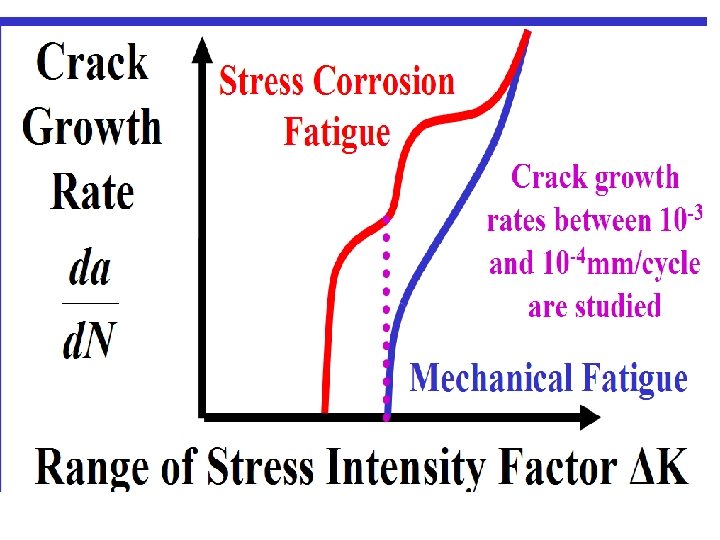
Sub-Critical Crack Growth under Dynamic Loads * Fatigue * Corrosion Fatigue * Thermal Fatigue 45 of 37
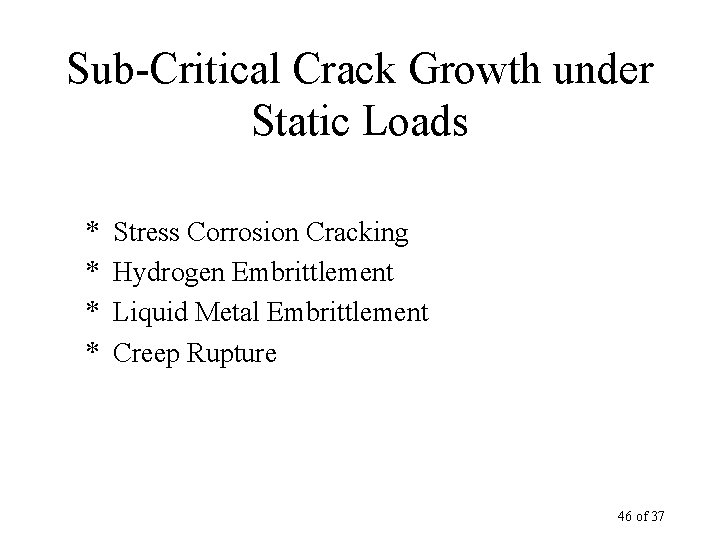
Sub-Critical Crack Growth under Static Loads * * Stress Corrosion Cracking Hydrogen Embrittlement Liquid Metal Embrittlement Creep Rupture 46 of 37
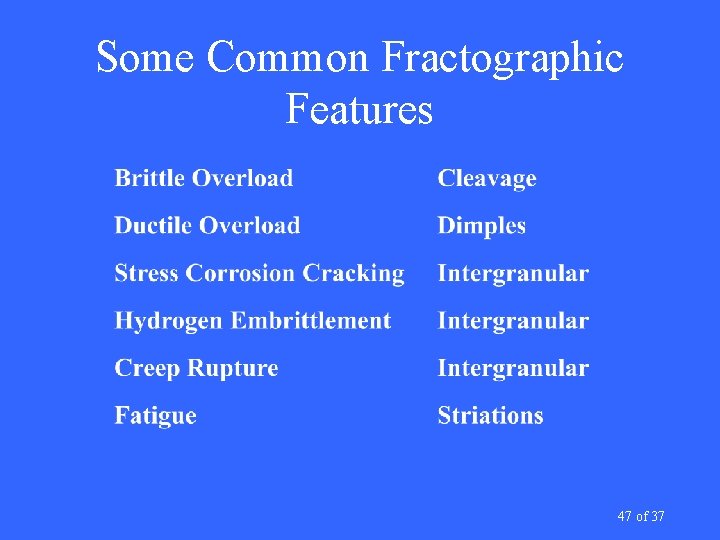
Some Common Fractographic Features 47 of 37
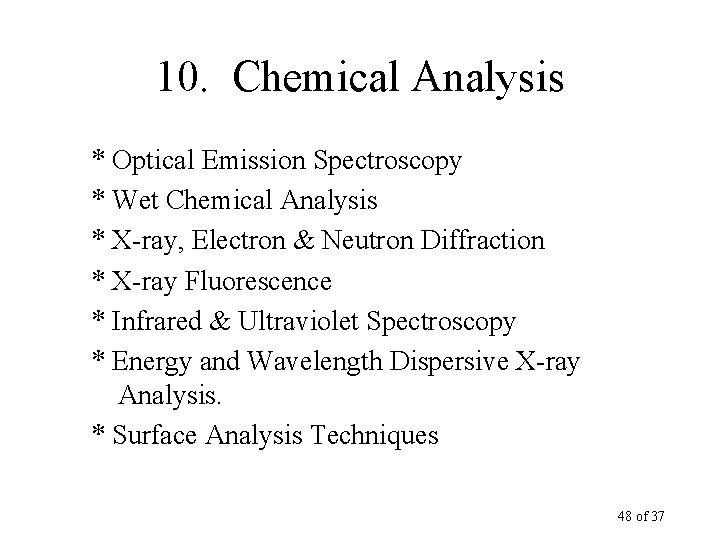
10. Chemical Analysis * Optical Emission Spectroscopy * Wet Chemical Analysis * X-ray, Electron & Neutron Diffraction * X-ray Fluorescence * Infrared & Ultraviolet Spectroscopy * Energy and Wavelength Dispersive X-ray Analysis. * Surface Analysis Techniques 48 of 37
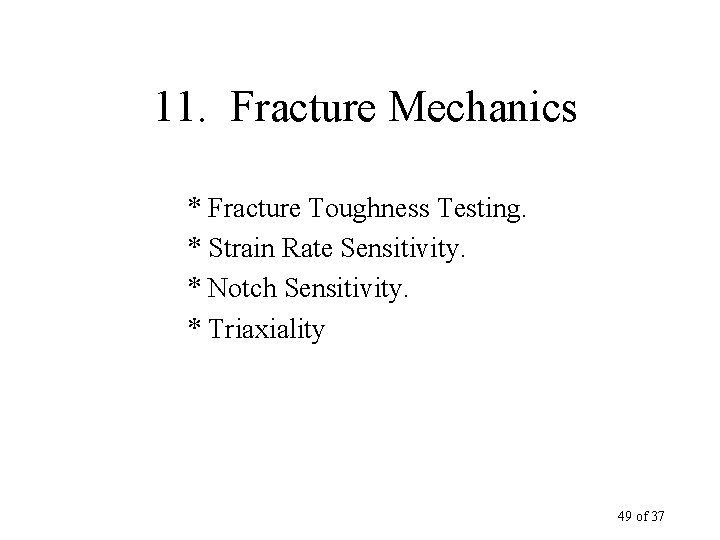
11. Fracture Mechanics * Fracture Toughness Testing. * Strain Rate Sensitivity. * Notch Sensitivity. * Triaxiality 49 of 37
12. Simulated-Service Testing * Of Limited Value. * Simulated Corrosion Tests. * Deciding between several possible mechanisms. * Errors by Changing Severity of Conditions. 50 of 37
13. Conclusions and Report * Be Clear & Concise. * Do not Express Opinions Without Facts. * Consider the Client. * Site the Sources of External Data. * Check list is a good idea. 51 of 37
14. Recommendations * Should lead to prevention of future failures. * Should lead to product improvements. * Do not rush to change material or process specifications without complete analysis of possible interaction with other parts of the system. 52 of 37