
Farming the Plains The Great Plains The area
- Slides: 13
Farming the Plains
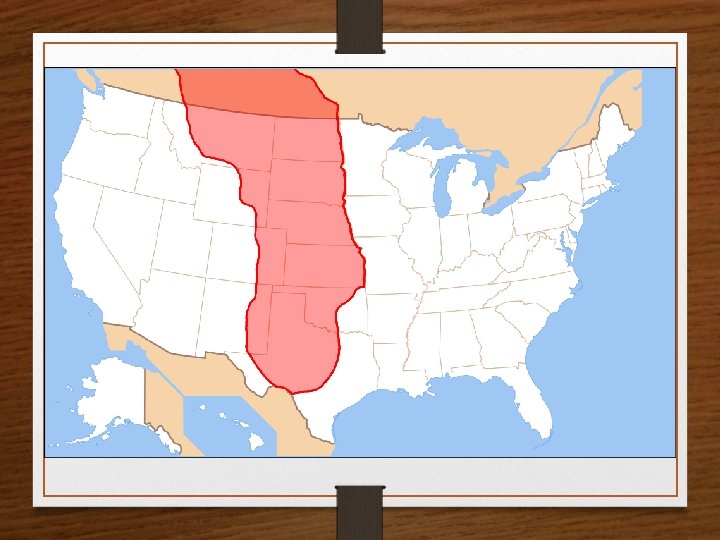
The Great Plains • The area west of the Mississippi and east of the Rocky Mountains • Flat land • Few trees • Mostly prairie and grassland
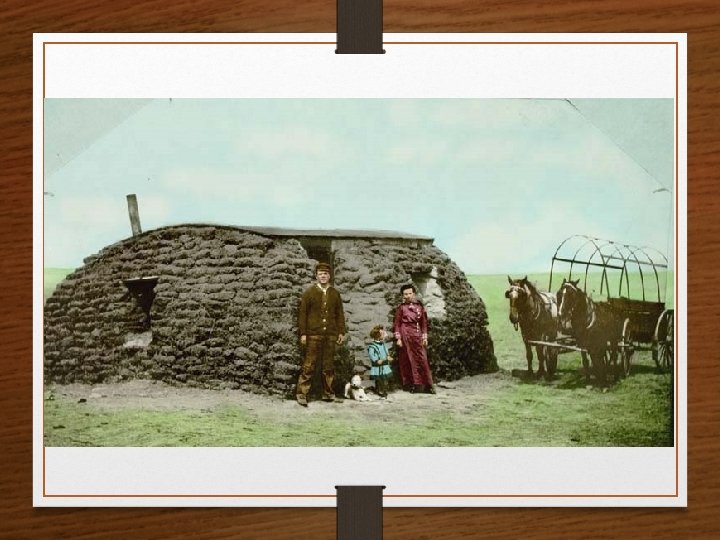
The Great Plains • Homesteaders faced many challenges • No trees to build homes • Homes were built out of chunks of sod • There was little water and wells needed to be drilled, sometimes 100 feet deep • Little water meant that farming vegetables was difficult and people resorted to eating the weeds that grew along side the vegetables in their gardens
The Great Plains • Railroads came in the mid 1800 s • This was the key to making the area habitable • Railroad companies sold land along the rail lines at low prices to attract people from the cities
The Homestead Act • In 1862, the US government passed the Homestead Act • For a $10 registration fee, and individual could file for a homestead • Up to 160 acres • Would receive a title to the land after living there for 5 years
The Homestead Act • Many people took advantage of the Homestead Act and moved to the Great Plains • They found life difficult • Temperatures over 100˚F in the summer, blizzards in the winter • Swarms of grasshoppers that would destroy crops • Prairie fires • Despite the hardships, many learned to live in the difficult environment
The Wheat Belt • A new farming method called Dry Farming came into popularity on the plains • The soil was plowed • Seeds were planted deep, giving enough moisture for them to grow • New machines aided in the technique
The Wheat Belt • Machines • Mechanical reapers • Steam tractors • Threshers • Mechanical binders • Windmill pumps
The Wheat Belt • New machines and technology made it possible for single family farms to harvest crops covering several hundred acres some wheat farms covered up to 50, 000 acres • These were called bonanza farms, because they yielded big profits • The bonanza farms formed companies and invested in property, equipment and labor
Hard Times • By the 1890 s, after a long drought and competition from wheat farming in other countries, the price of wheat dropped significantly • Many wheat farmers lost their land • Others took out large loans • By 1900 a third of the farms on the plains were tenant farmers, renting the land that they farmed
Closing the Frontier • On April 22, 1889, the government opened one of the last large territories for settlement, Oklahoma • After the land rush, the government stated that there was no more frontier left in America • The great settling of the frontier was over