
Famous Psychologists Advanced Placement Psychology Semester II Kimberly
Famous Psychologists Advanced Placement Psychology Semester II – Kimberly High School Ms. Amy Johnson
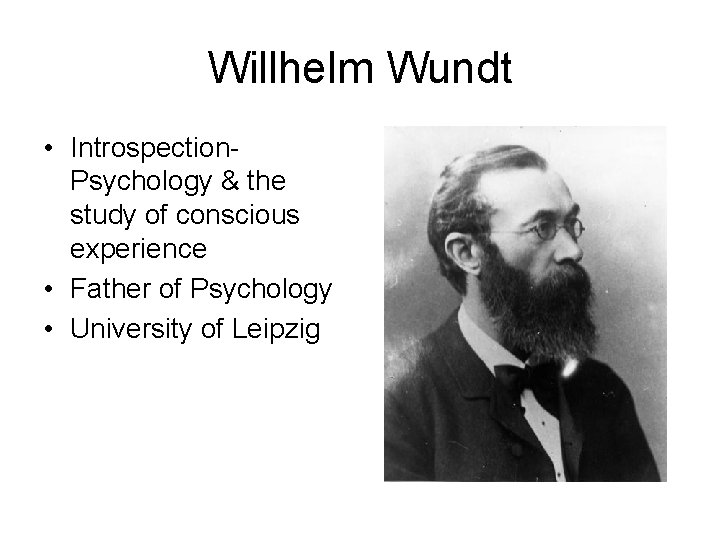
Willhelm Wundt • Introspection. Psychology & the study of conscious experience • Father of Psychology • University of Leipzig
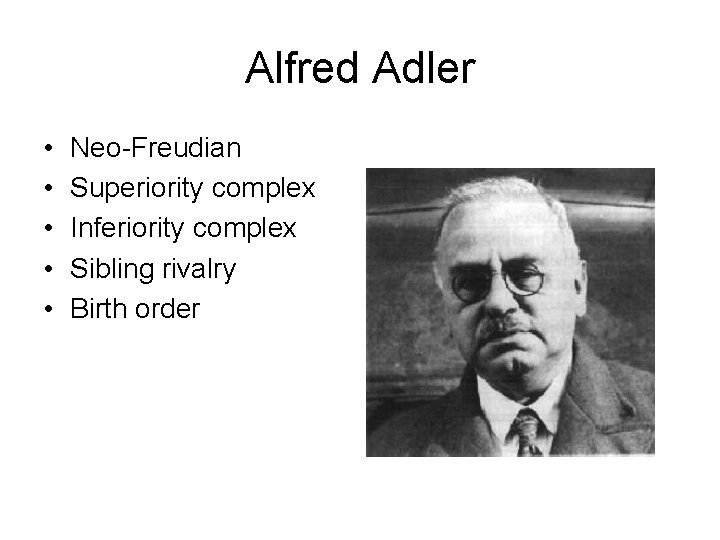
Alfred Adler • • • Neo-Freudian Superiority complex Inferiority complex Sibling rivalry Birth order
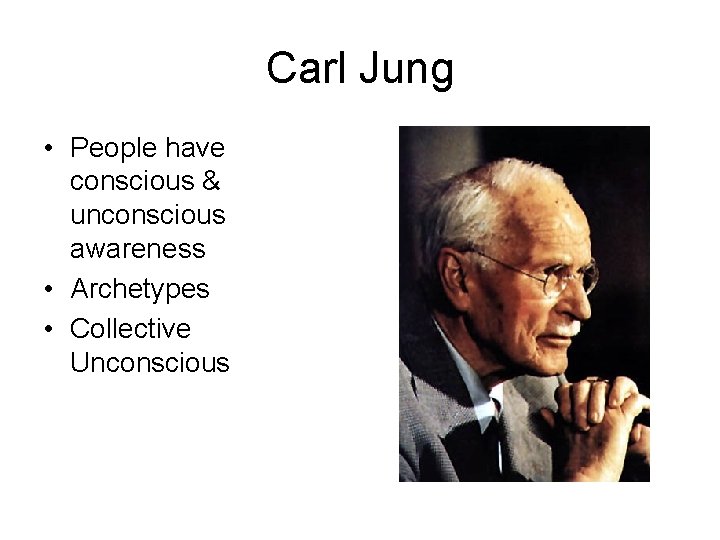
Carl Jung • People have conscious & unconscious awareness • Archetypes • Collective Unconscious
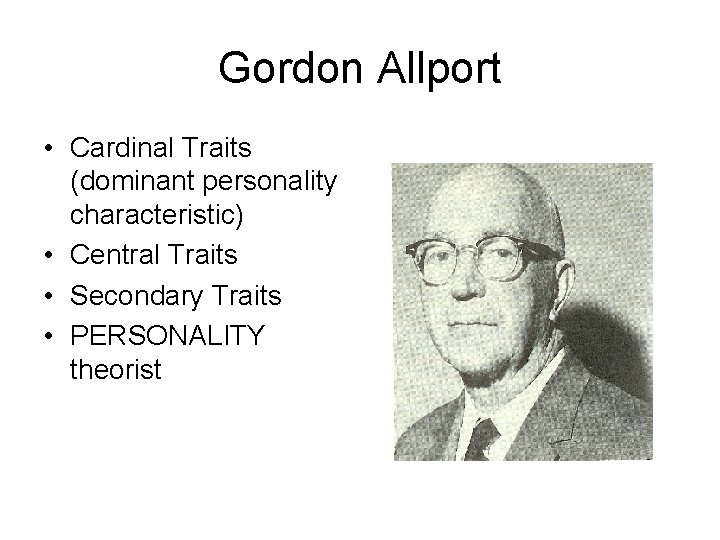
Gordon Allport • Cardinal Traits (dominant personality characteristic) • Central Traits • Secondary Traits • PERSONALITY theorist

Albert Ellis • Rational Emotive Therapy • Cognitive Therapist • Focuses on altering a client’s irrational thinking to reduce maladaptive behavior and emotions.
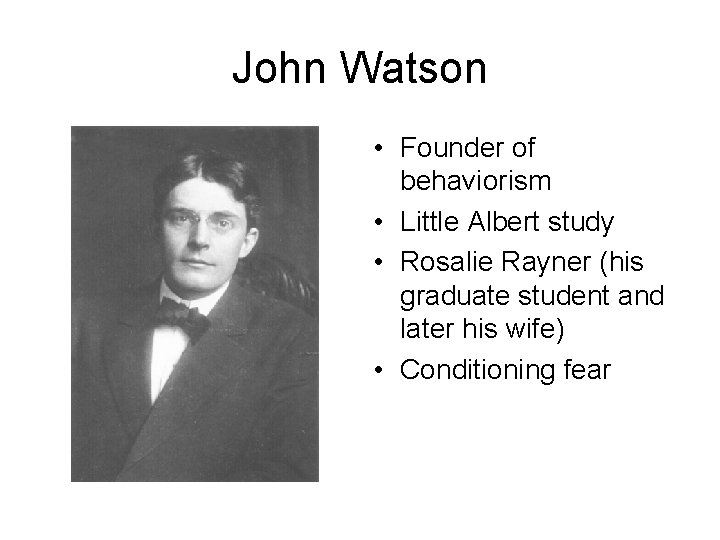
John Watson • Founder of behaviorism • Little Albert study • Rosalie Rayner (his graduate student and later his wife) • Conditioning fear
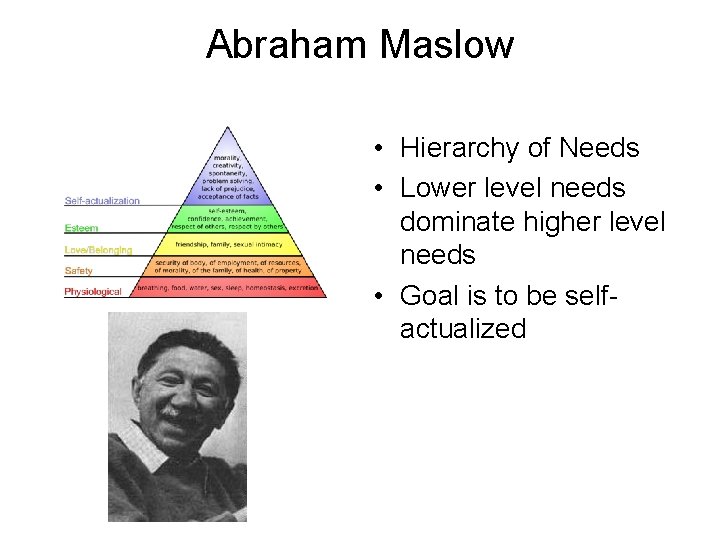
Abraham Maslow • Hierarchy of Needs • Lower level needs dominate higher level needs • Goal is to be selfactualized
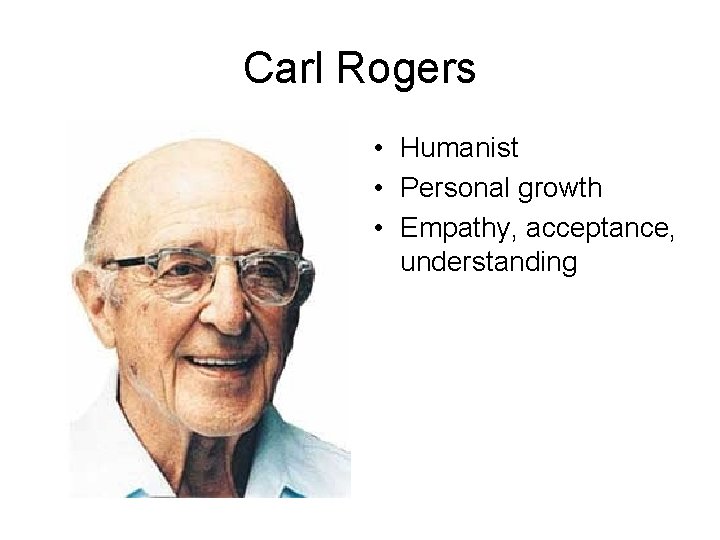
Carl Rogers • Humanist • Personal growth • Empathy, acceptance, understanding
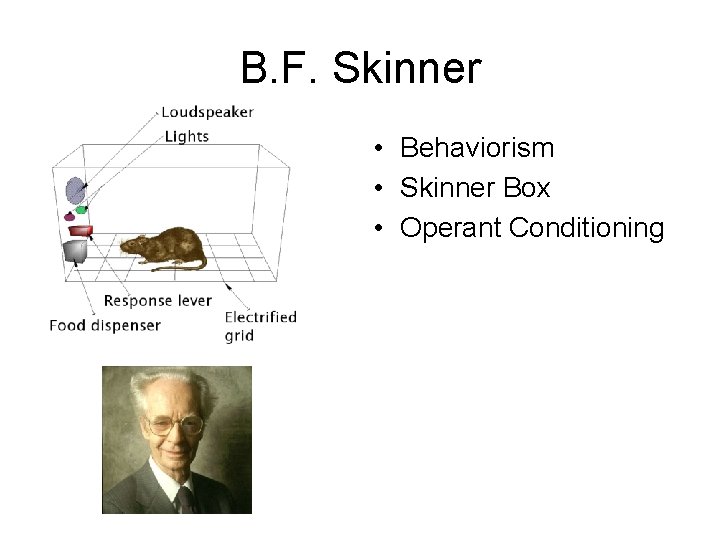
B. F. Skinner • Behaviorism • Skinner Box • Operant Conditioning
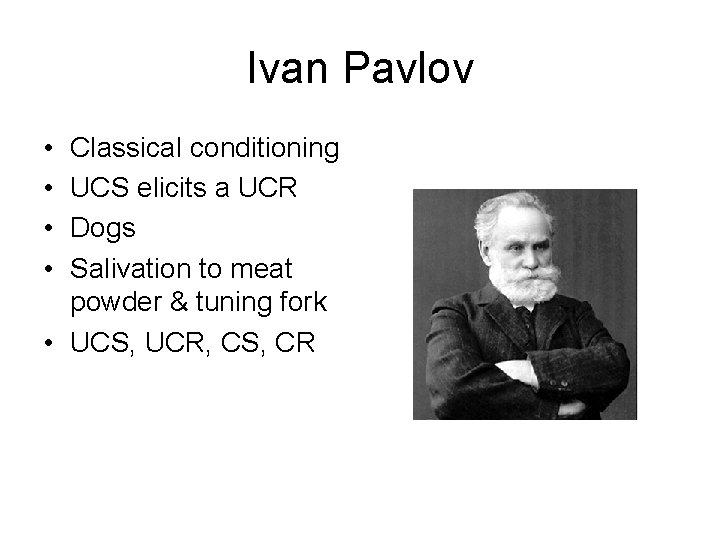
Ivan Pavlov • • Classical conditioning UCS elicits a UCR Dogs Salivation to meat powder & tuning fork • UCS, UCR, CS, CR
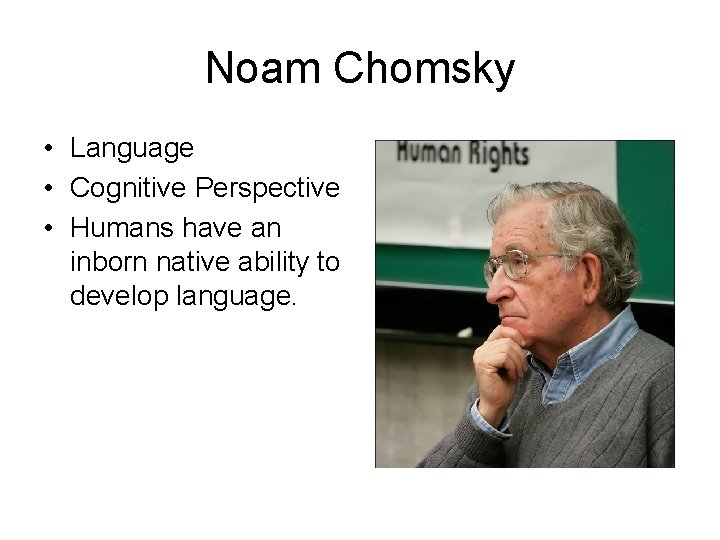
Noam Chomsky • Language • Cognitive Perspective • Humans have an inborn native ability to develop language.
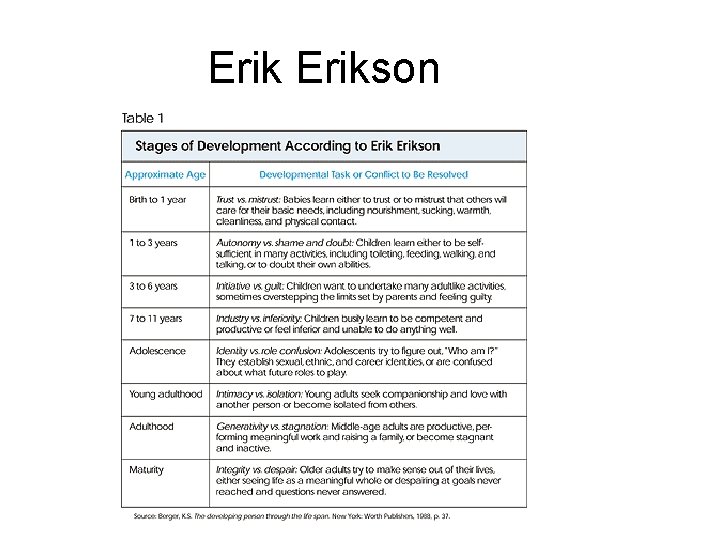
Erikson
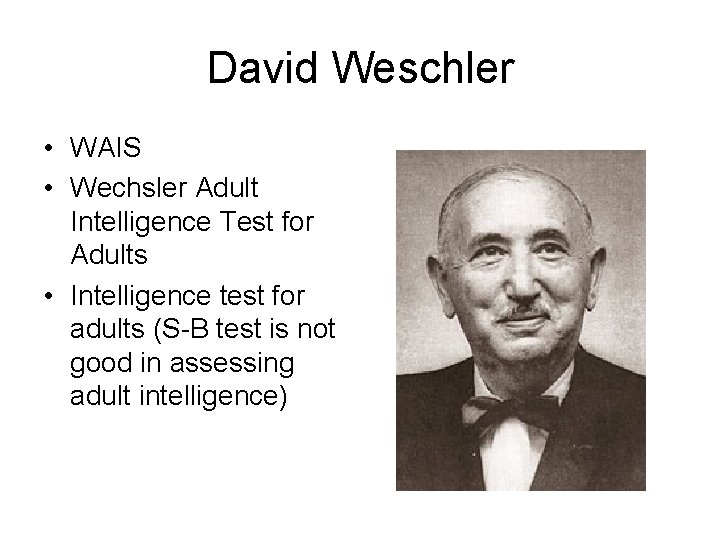
David Weschler • WAIS • Wechsler Adult Intelligence Test for Adults • Intelligence test for adults (S-B test is not good in assessing adult intelligence)
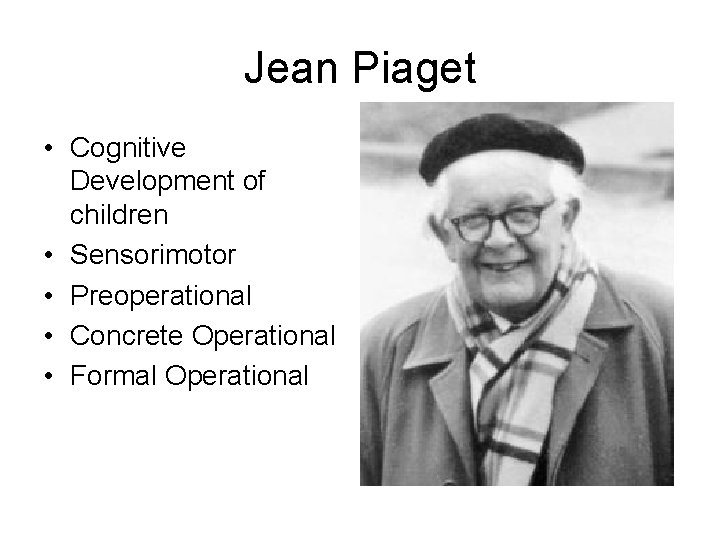
Jean Piaget • Cognitive Development of children • Sensorimotor • Preoperational • Concrete Operational • Formal Operational
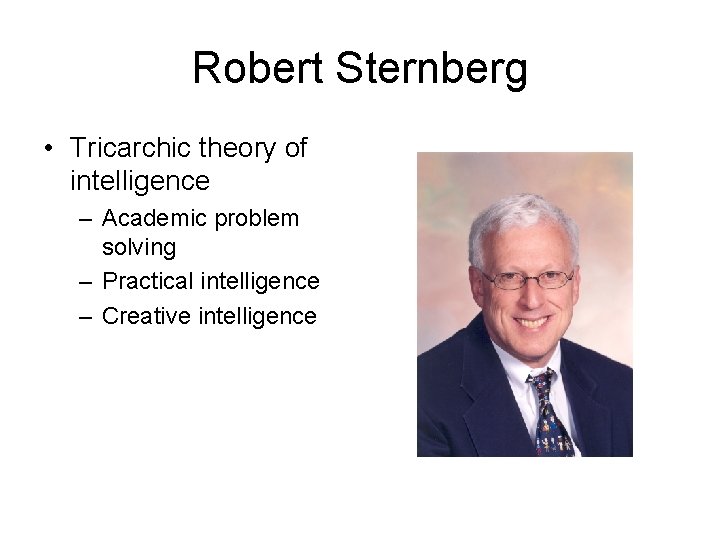
Robert Sternberg • Tricarchic theory of intelligence – Academic problem solving – Practical intelligence – Creative intelligence
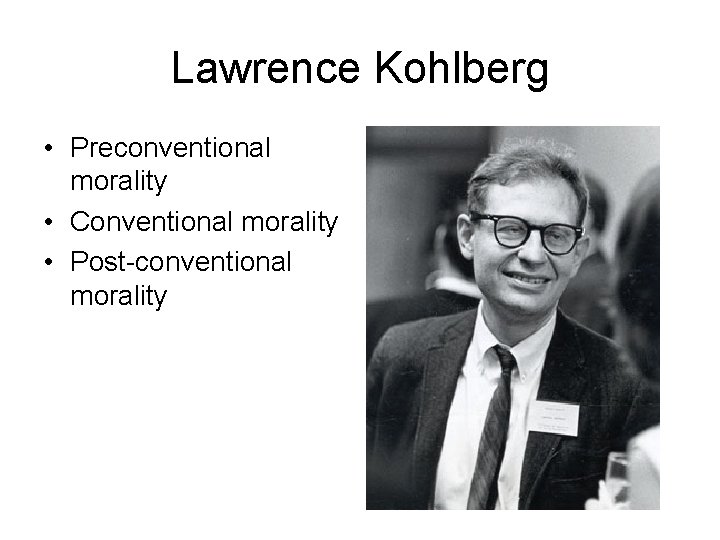
Lawrence Kohlberg • Preconventional morality • Conventional morality • Post-conventional morality
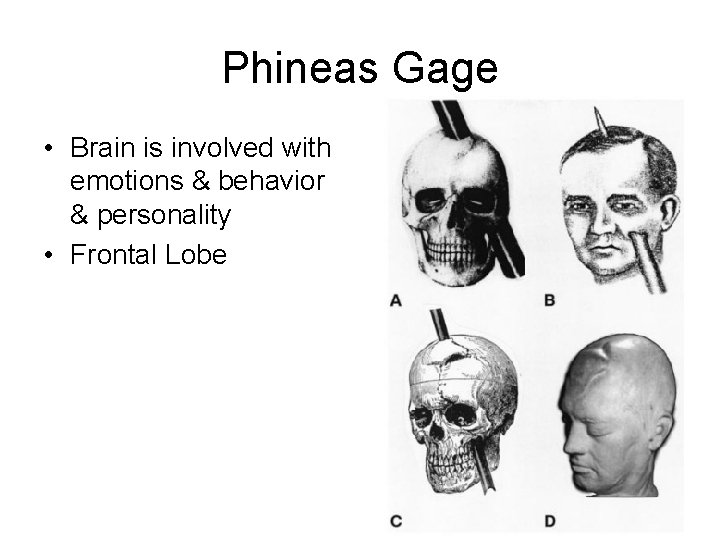
Phineas Gage • Brain is involved with emotions & behavior & personality • Frontal Lobe
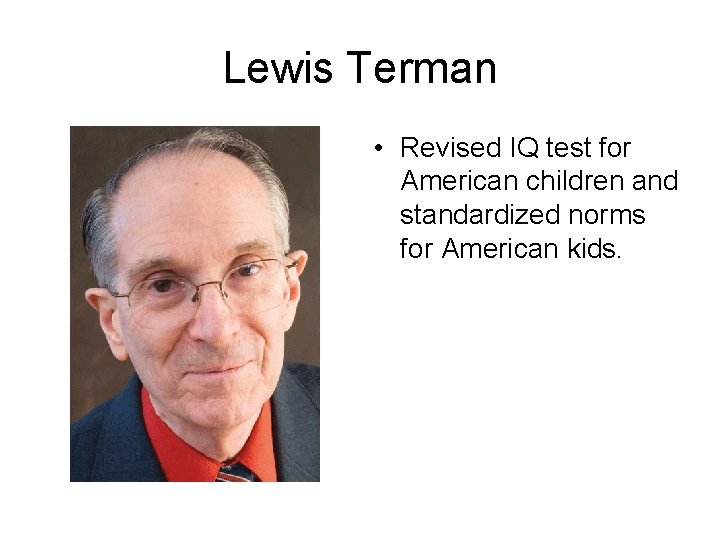
Lewis Terman • Revised IQ test for American children and standardized norms for American kids.
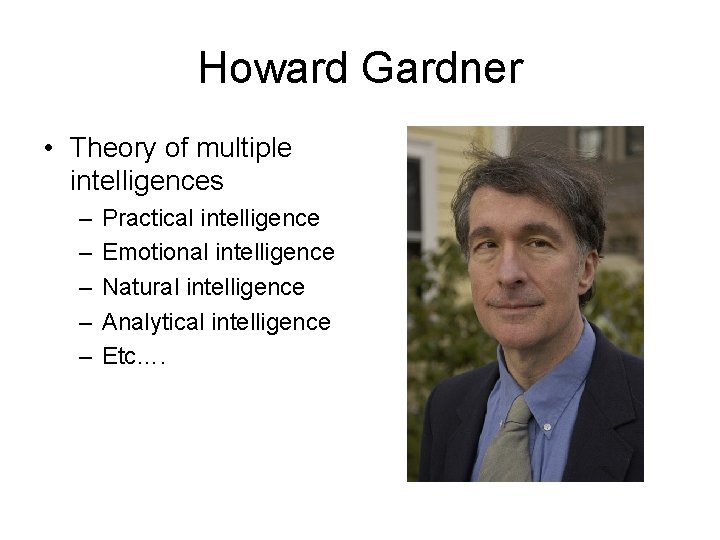
Howard Gardner • Theory of multiple intelligences – – – Practical intelligence Emotional intelligence Natural intelligence Analytical intelligence Etc….
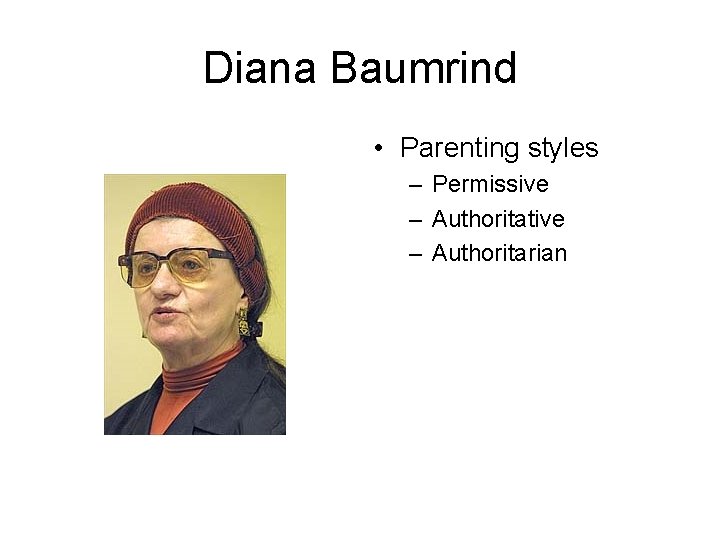
Diana Baumrind • Parenting styles – Permissive – Authoritative – Authoritarian
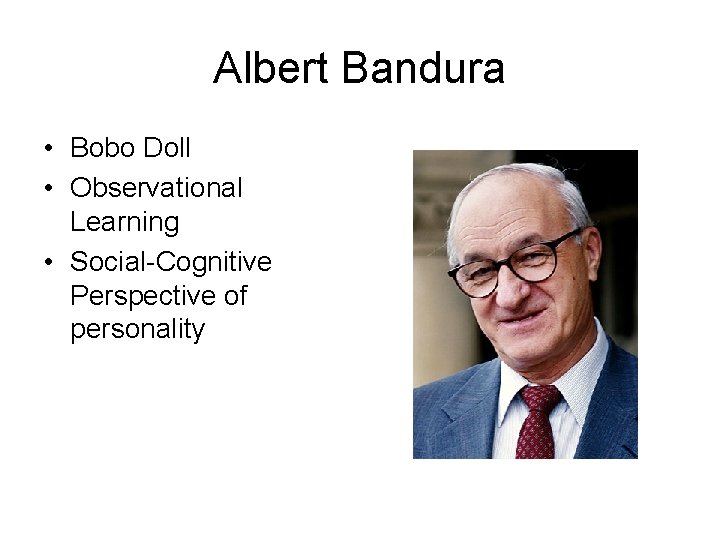
Albert Bandura • Bobo Doll • Observational Learning • Social-Cognitive Perspective of personality
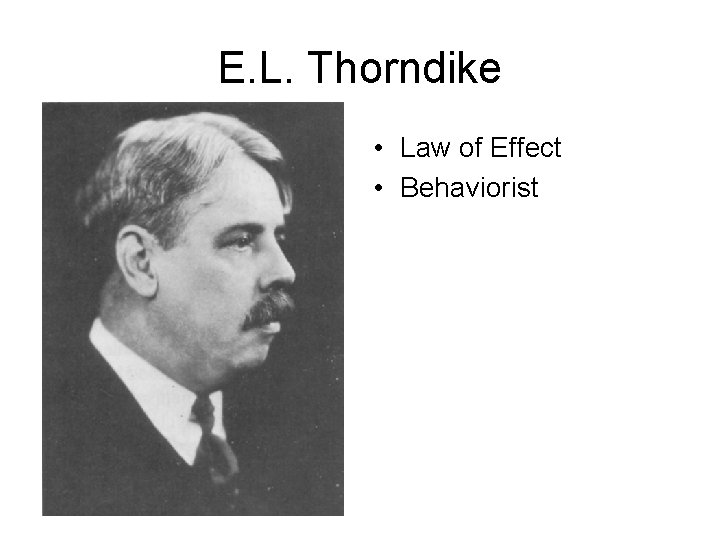
E. L. Thorndike • Law of Effect • Behaviorist
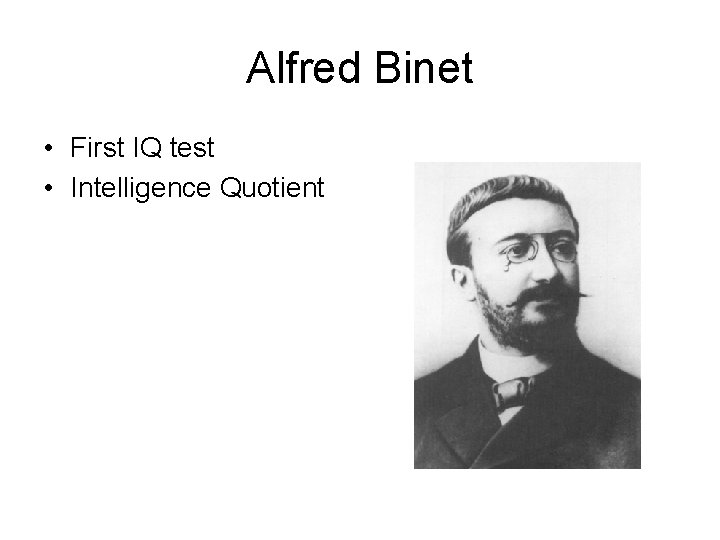
Alfred Binet • First IQ test • Intelligence Quotient
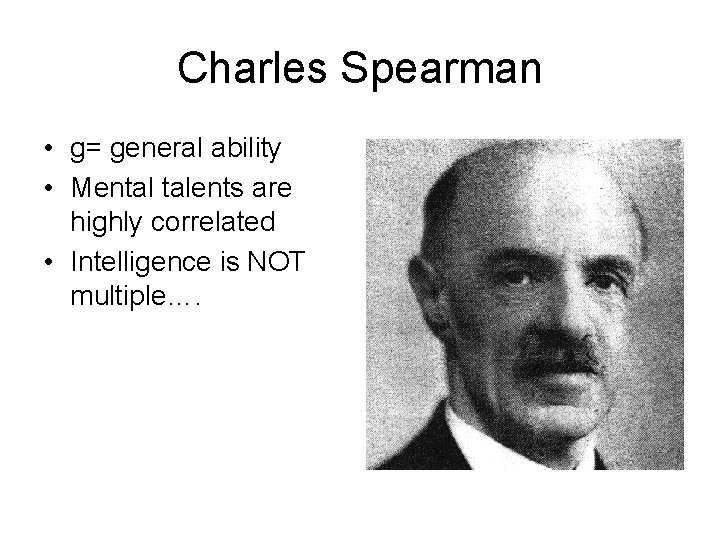
Charles Spearman • g= general ability • Mental talents are highly correlated • Intelligence is NOT multiple….
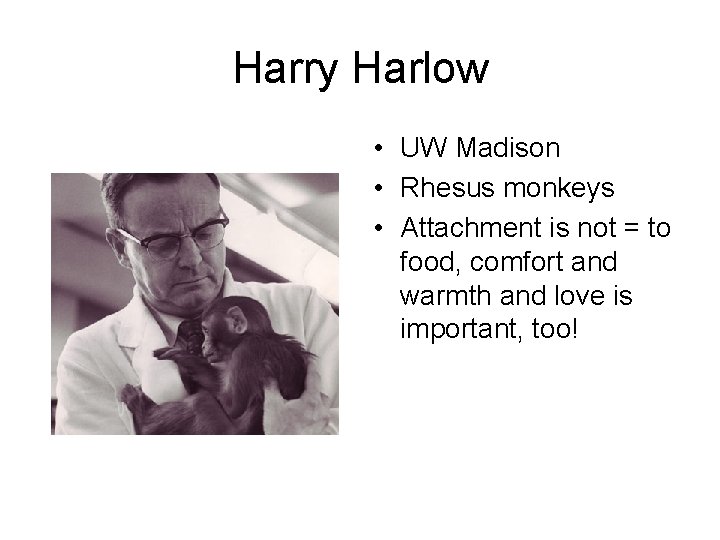
Harry Harlow • UW Madison • Rhesus monkeys • Attachment is not = to food, comfort and warmth and love is important, too!
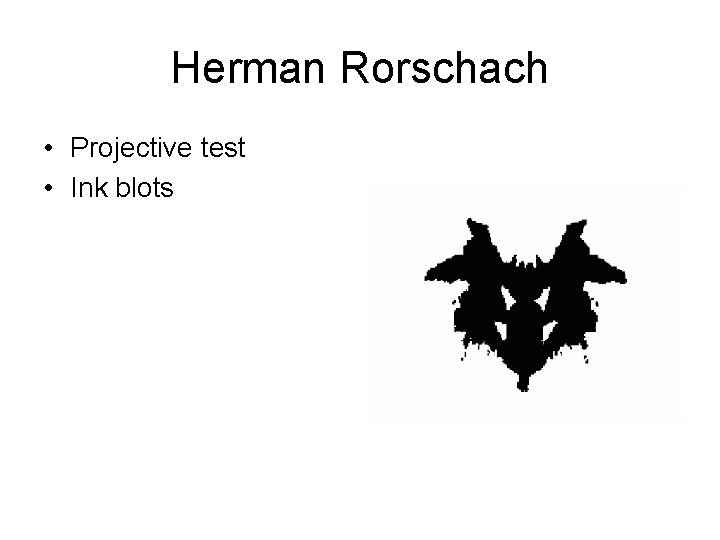
Herman Rorschach • Projective test • Ink blots
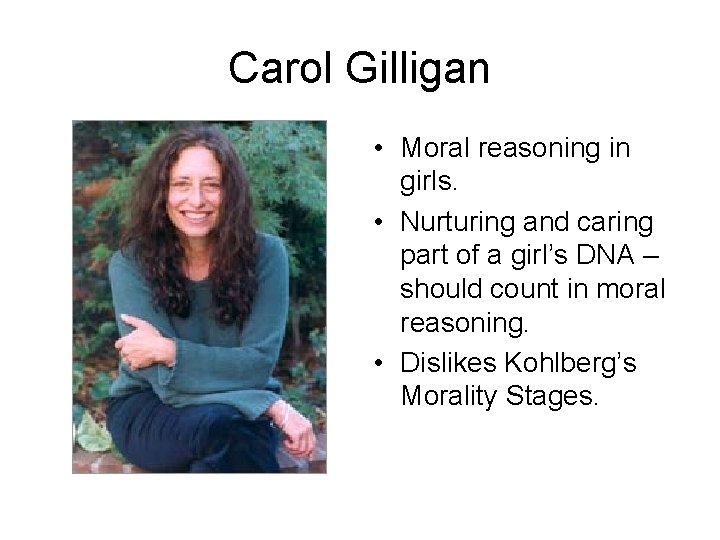
Carol Gilligan • Moral reasoning in girls. • Nurturing and caring part of a girl’s DNA – should count in moral reasoning. • Dislikes Kohlberg’s Morality Stages.
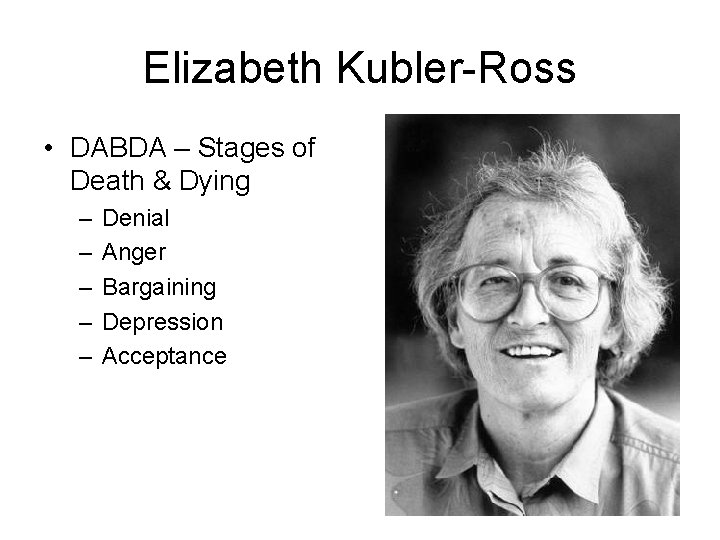
Elizabeth Kubler-Ross • DABDA – Stages of Death & Dying – – – Denial Anger Bargaining Depression Acceptance
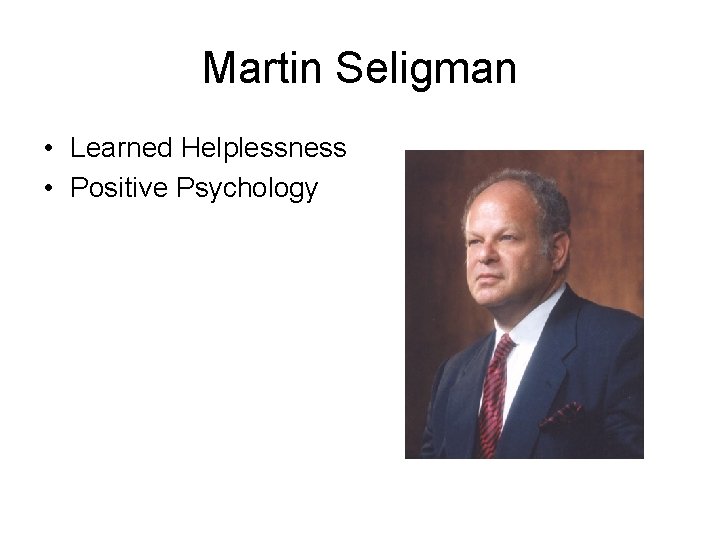
Martin Seligman • Learned Helplessness • Positive Psychology
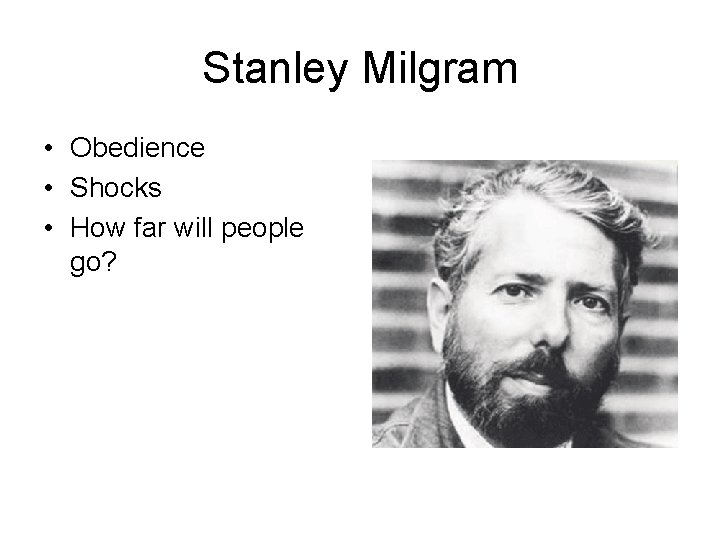
Stanley Milgram • Obedience • Shocks • How far will people go?
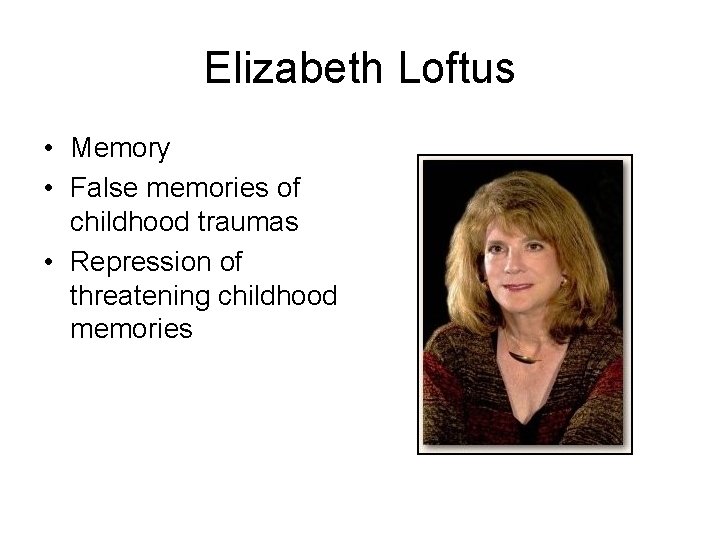
Elizabeth Loftus • Memory • False memories of childhood traumas • Repression of threatening childhood memories
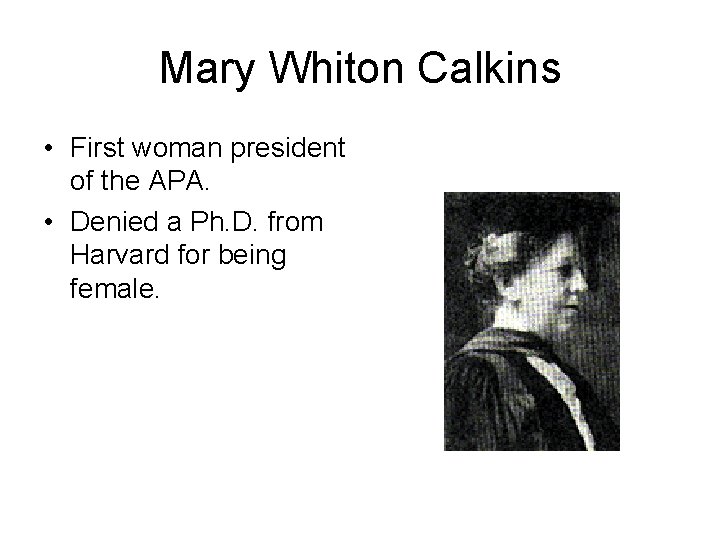
Mary Whiton Calkins • First woman president of the APA. • Denied a Ph. D. from Harvard for being female.
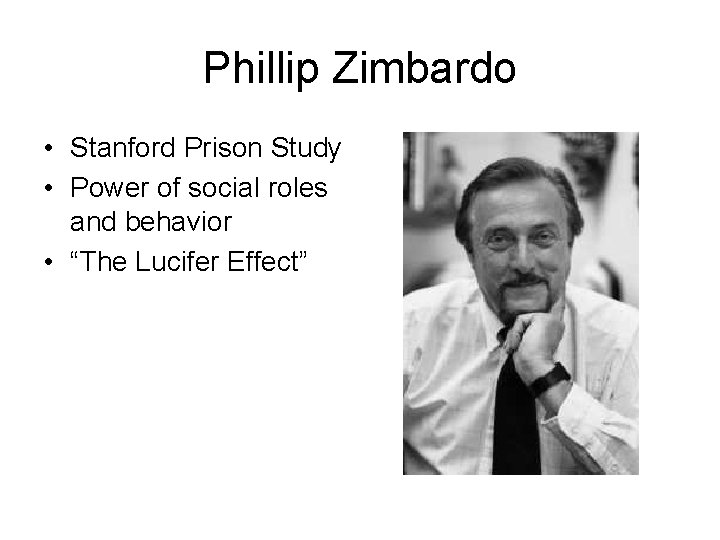
Phillip Zimbardo • Stanford Prison Study • Power of social roles and behavior • “The Lucifer Effect”
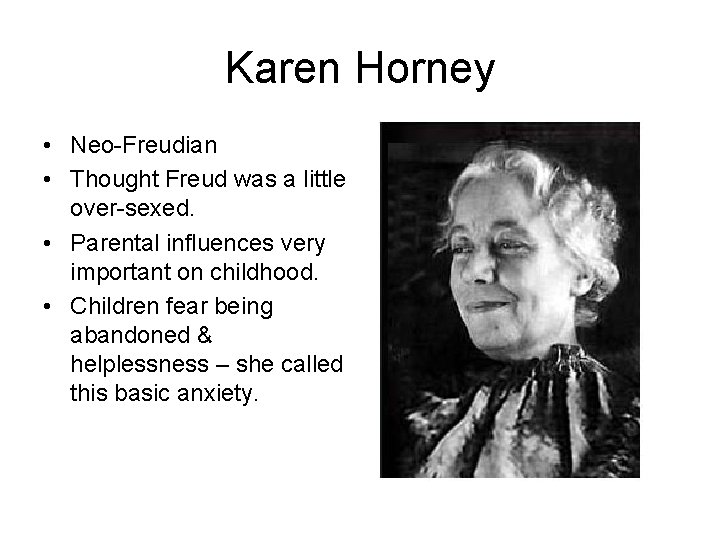
Karen Horney • Neo-Freudian • Thought Freud was a little over-sexed. • Parental influences very important on childhood. • Children fear being abandoned & helplessness – she called this basic anxiety.
- Slides: 35