
Faculty of Industrial Engineering and Management ModelBased Classification
Faculty of Industrial Engineering and Management Model-Based Classification and Analysis of Complex Projects for their Enhanced Performance סווג וניתוח מבוסס מודלים של פרויקטים מורכבים לצורך שיפור ביצועיהם Ph. D. Research by: Ori Orhof ( )אורי אורחוף Under the Supervision of: Prof. Dov Dori
The Objective of the Research Combining two analysis methods in order to achieve better project planning and success The two methods are: • OPM – Object Process Methodology, developed by Prof. Dov Dori • NTCP (Diamond) – Developed by prof. Aaron Shenhar and Prof. Dov Dvir -2 -
OPM - Object Process Methodology (Prof. Dov Dori) • OPM is a visual and textual methodology that incorporates the static-structural and dynamic-procedural aspects of a system into a unifying holistic model • OPM has proven to be effective for modeling complex systems in general and their dynamics in particular • Sharon and Dori demonstrated the value of OPM as a projectproduct modeling language and its benefits compared to UML, x. UML, and, Sys. ML. -3 -
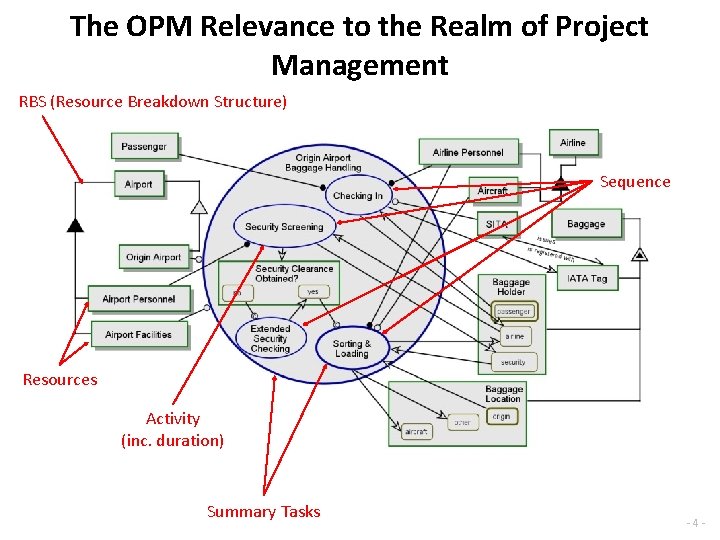
The OPM Relevance to the Realm of Project Management RBS (Resource Breakdown Structure) Sequence Resources Activity (inc. duration) Summary Tasks -4 -
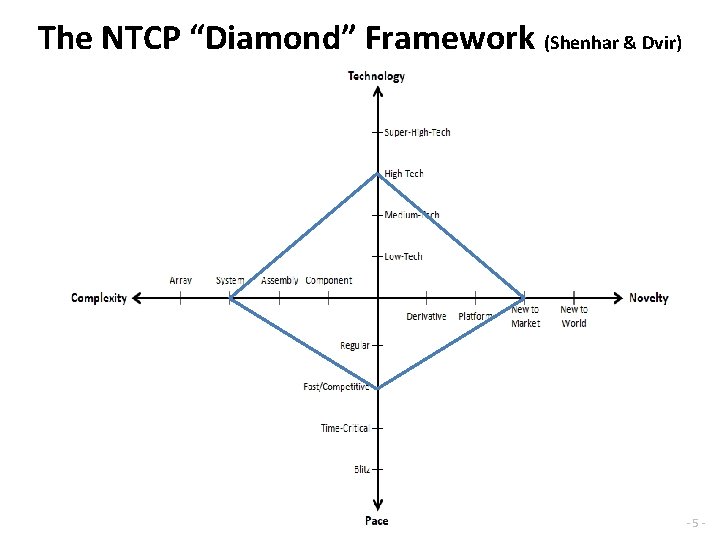
The NTCP “Diamond” Framework (Shenhar & Dvir) -5 -

Project Management Styles as Derivatives of The Diamond -6 -
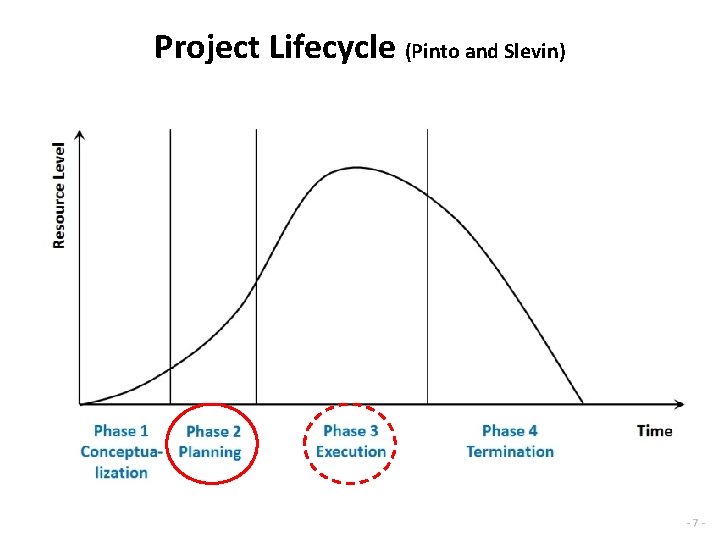
Project Lifecycle (Pinto and Slevin) -7 -
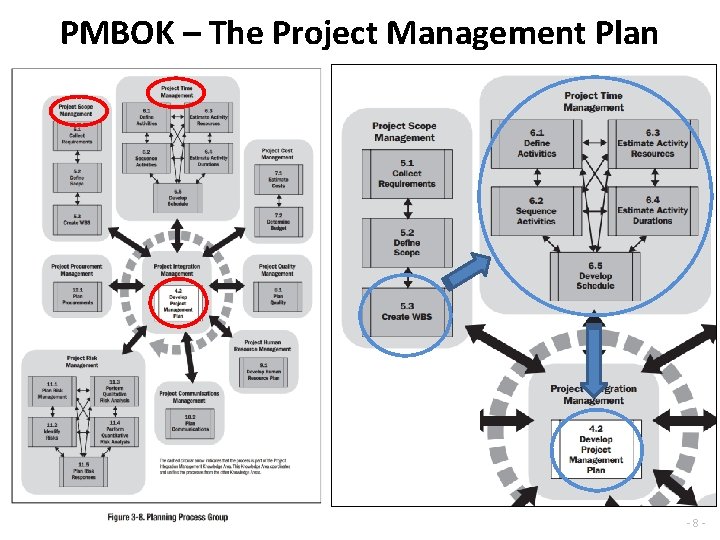
PMBOK – The Project Management Plan -8 -
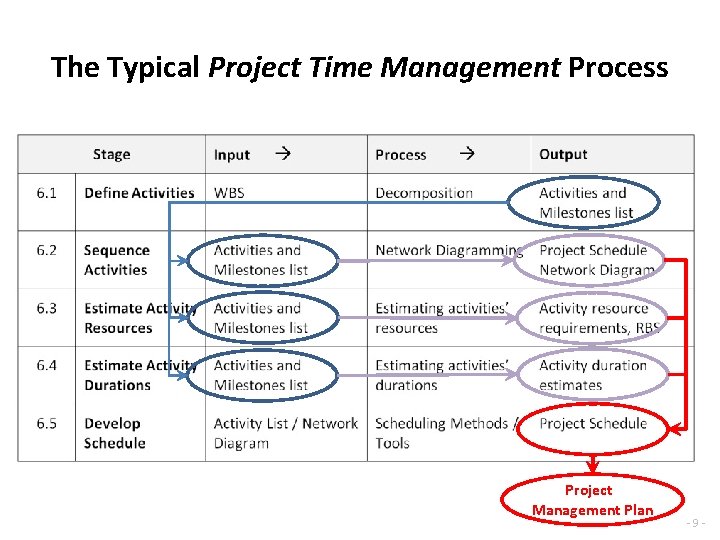
The Typical Project Time Management Process Project Management Plan -9 -
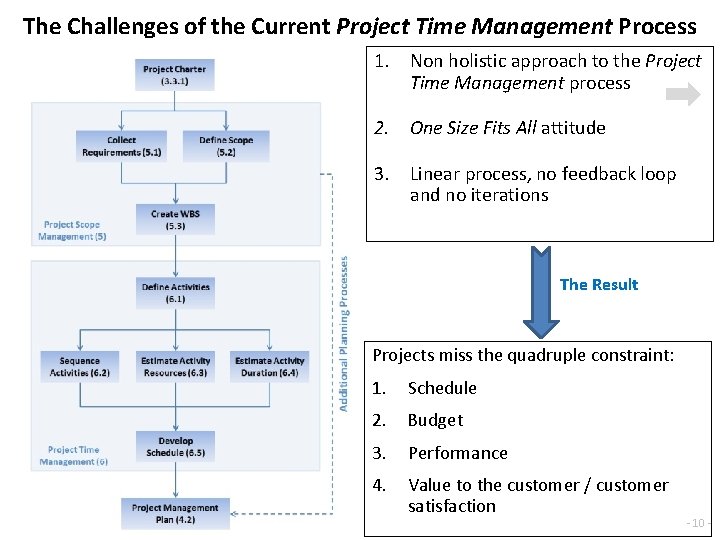
The Challenges of the Current Project Time Management Process 1. Non holistic approach to the Project Time Management process 2. One Size Fits All attitude 3. Linear process, no feedback loop and no iterations The Result Projects miss the quadruple constraint: 1. Schedule 2. Budget 3. Performance 4. Value to the customer / customer satisfaction - 10 -
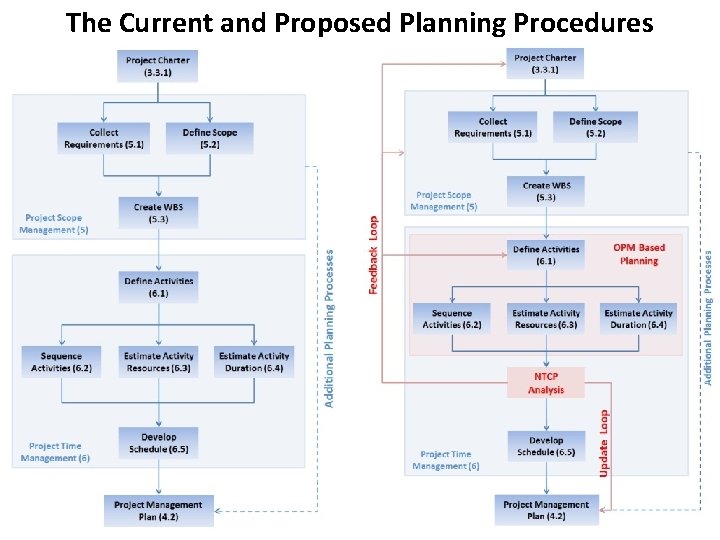
The Current and Proposed Planning Procedures - 11 -
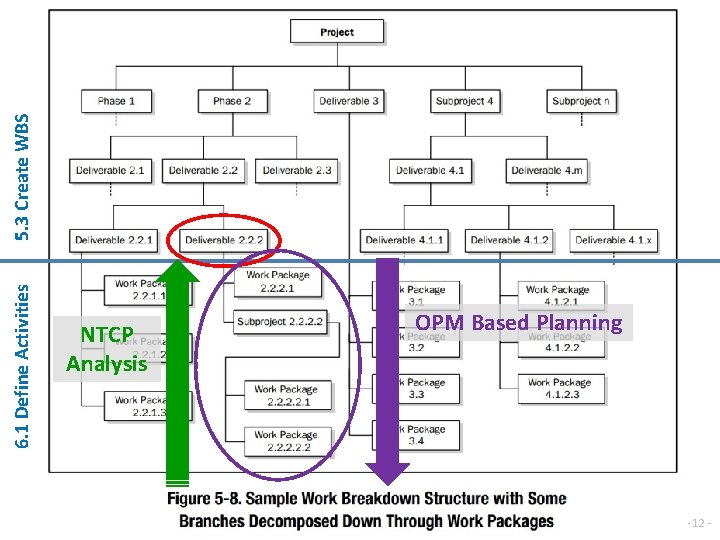
5. 3 Create WBS 6. 1 Define Activities NTCP Analysis OPM Based Planning - 12 -
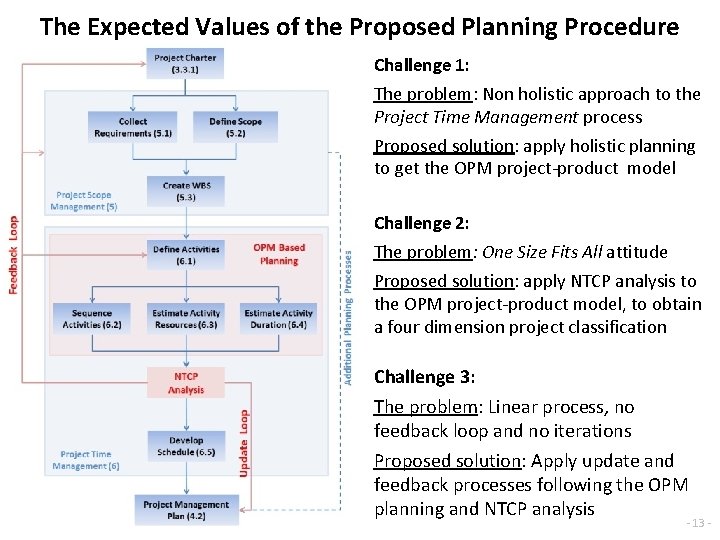
The Expected Values of the Proposed Planning Procedure Challenge 1: The problem: Non holistic approach to the Project Time Management process Proposed solution: apply holistic planning to get the OPM project-product model Challenge 2: The problem: One Size Fits All attitude Proposed solution: apply NTCP analysis to the OPM project-product model, to obtain a four dimension project classification Challenge 3: The problem: Linear process, no feedback loop and no iterations Proposed solution: Apply update and feedback processes following the OPM planning and NTCP analysis - 13 -
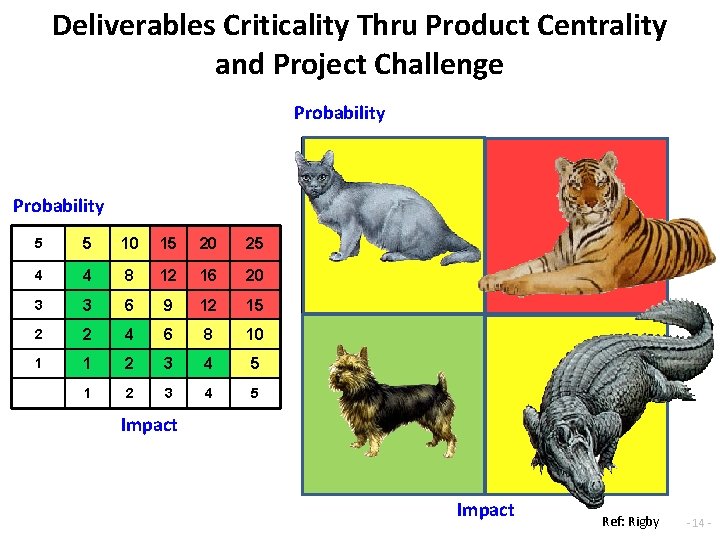
Deliverables Criticality Thru Product Centrality and Project Challenge Probability 5 5 10 15 20 25 4 4 8 12 16 20 3 3 6 9 12 15 2 2 4 6 8 10 1 1 2 3 4 5 Impact Ref: Rigby - 14 -
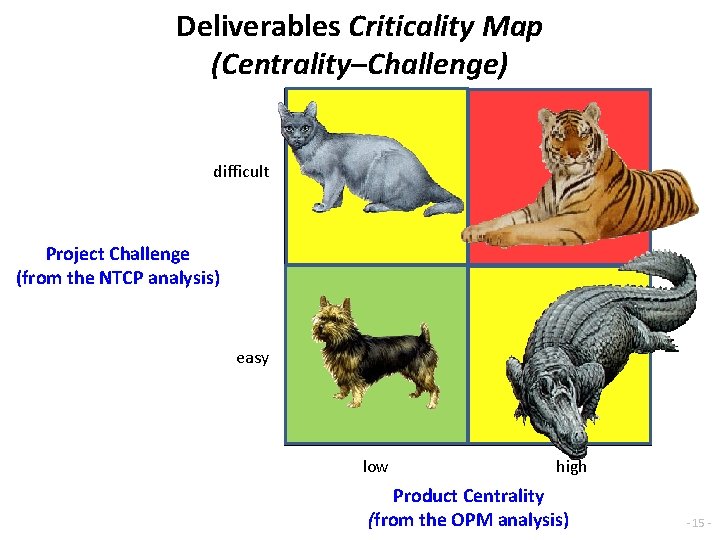
Deliverables Criticality Map (Centrality–Challenge) difficult Project Challenge (from the NTCP analysis) easy low high Product Centrality (from the OPM analysis) - 15 -
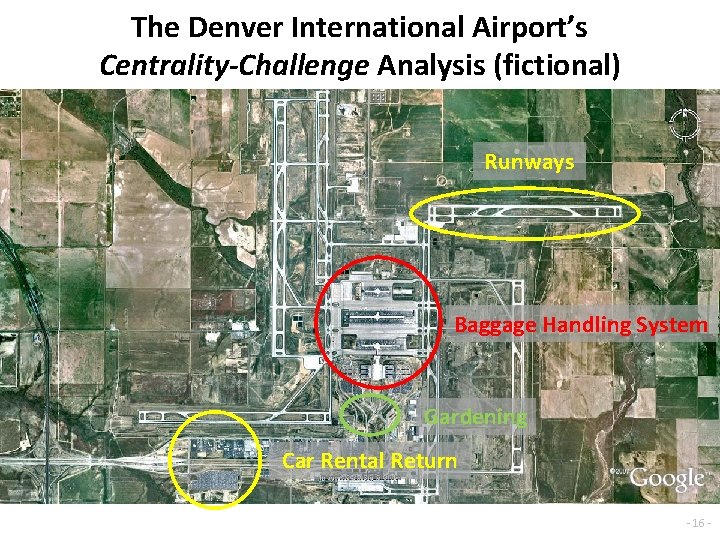
The Denver International Airport’s Centrality-Challenge Analysis (fictional) Runways Baggage Handling System Gardening Car Rental Return - 16 -
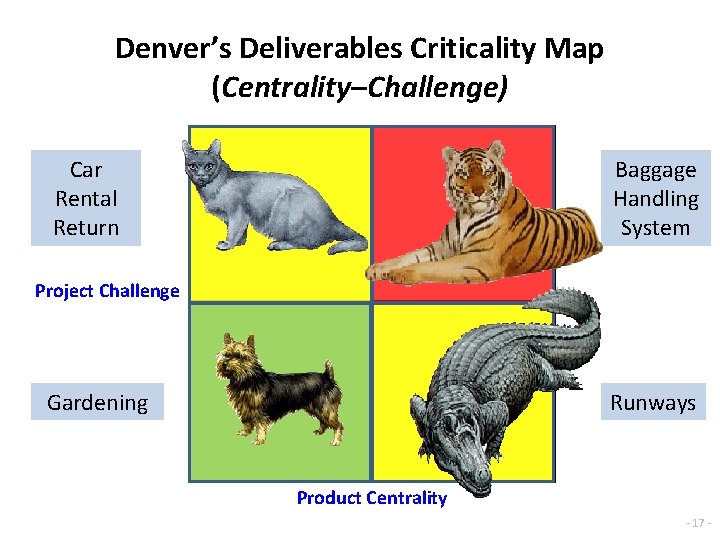
Denver’s Deliverables Criticality Map (Centrality–Challenge) Car Rental Return Baggage Handling System Project Challenge Gardening Runways Product Centrality - 17 -
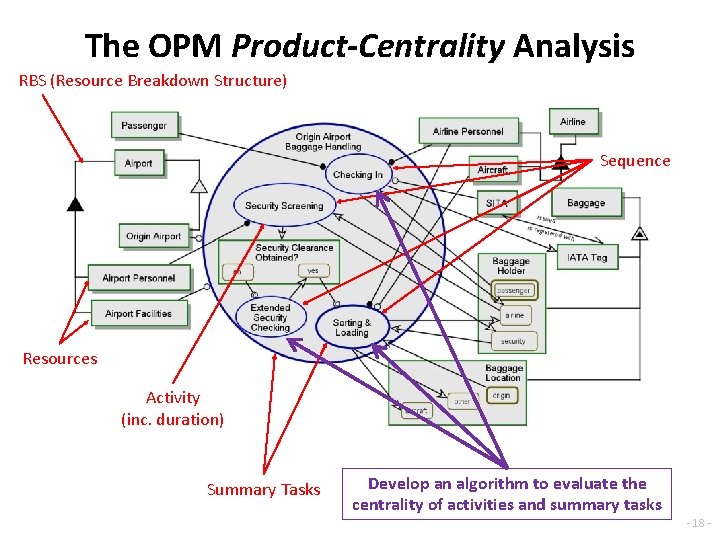
The OPM Product-Centrality Analysis RBS (Resource Breakdown Structure) Sequence Resources Activity (inc. duration) Summary Tasks Develop an algorithm to evaluate the centrality of activities and summary tasks - 18 -
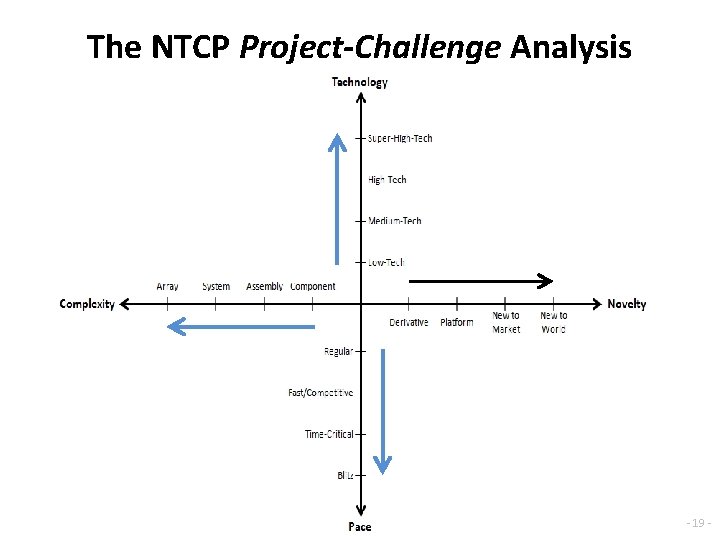
The NTCP Project-Challenge Analysis - 19 -
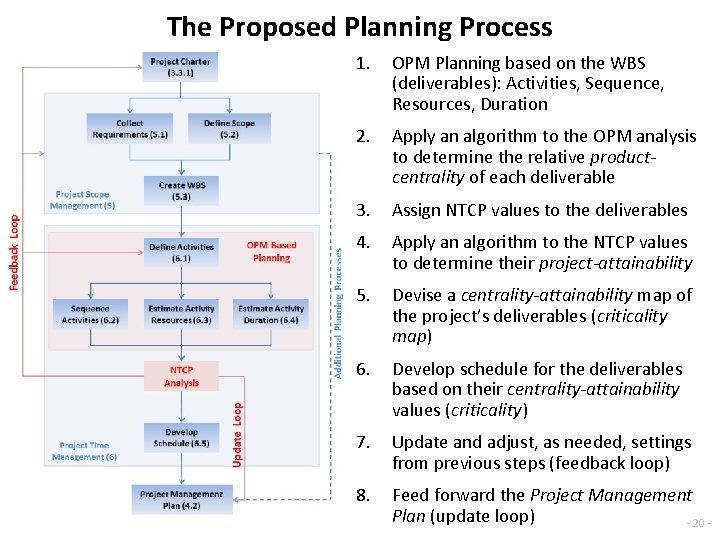
The Proposed Planning Process 1. OPM Planning based on the WBS (deliverables): Activities, Sequence, Resources, Duration 2. Apply an algorithm to the OPM analysis to determine the relative productcentrality of each deliverable 3. Assign NTCP values to the deliverables 4. Apply an algorithm to the NTCP values to determine their project-attainability 5. Devise a centrality-attainability map of the project’s deliverables (criticality map) 6. Develop schedule for the deliverables based on their centrality-attainability values (criticality) 7. Update and adjust, as needed, settings from previous steps (feedback loop) 8. Feed forward the Project Management Plan (update loop) - 20 -
Main Research Hypothesis Combining OPM and NTCP into a coherent methodology can improve the project planning process, thus contribute to meeting the quadruple constraint of performance, schedule, budget, customer satisfaction and to the overall project success - 21 -
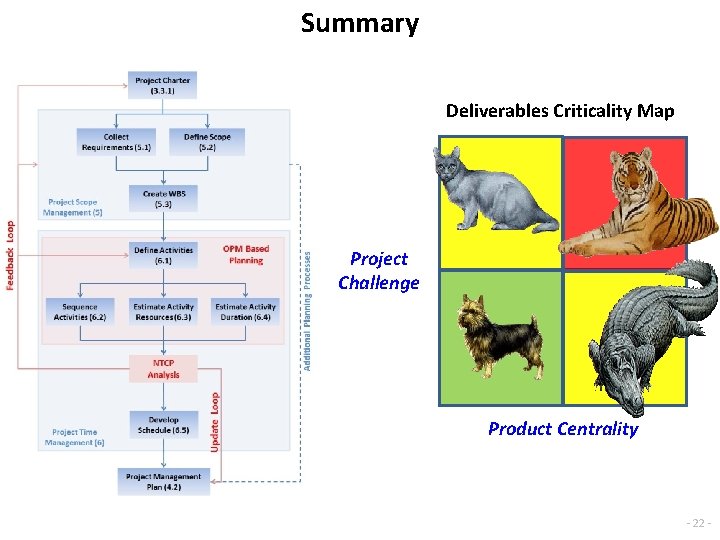
Summary Deliverables Criticality Map Project Challenge Product Centrality - 22 -
Faculty of Industrial Engineering and Management Model-Based Classification and Analysis of Complex Projects for their Enhanced Performance סווג וניתוח מבוסס מודלים של פרויקטים מורכבים לצורך שיפור ביצועיהם Thank You
- Slides: 23