
Factor XIII Deficiency in neonatal period Majid Naderi






- Slides: 30
Factor XIII Deficiency in neonatal period Majid Naderi MD
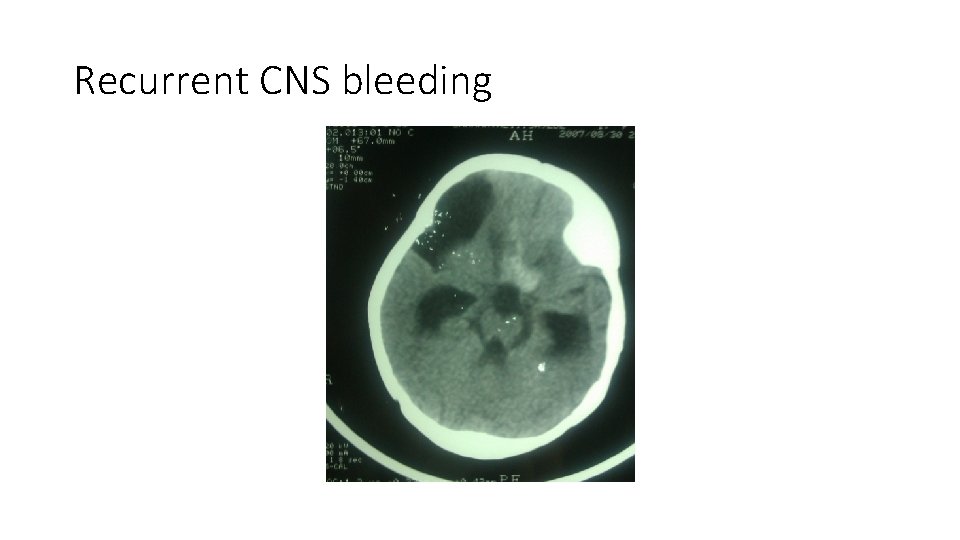
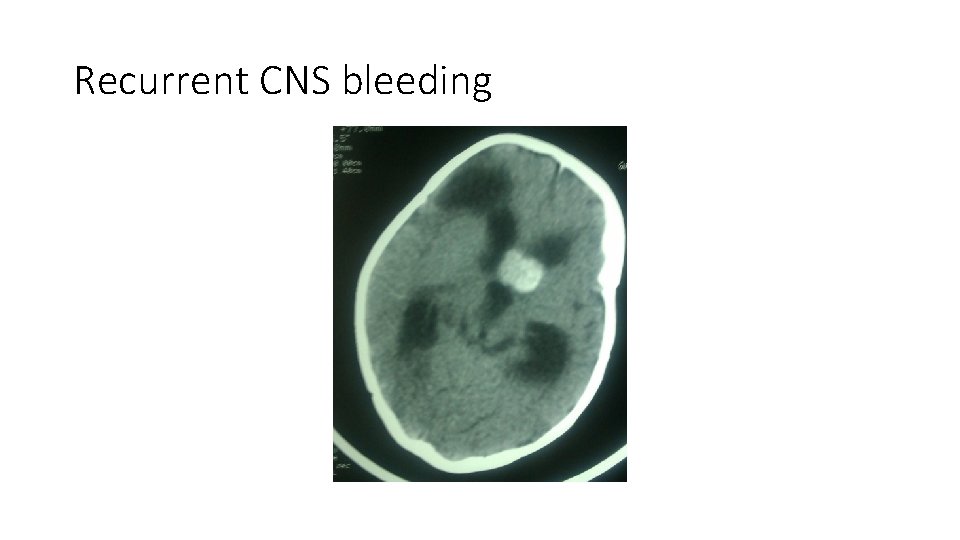
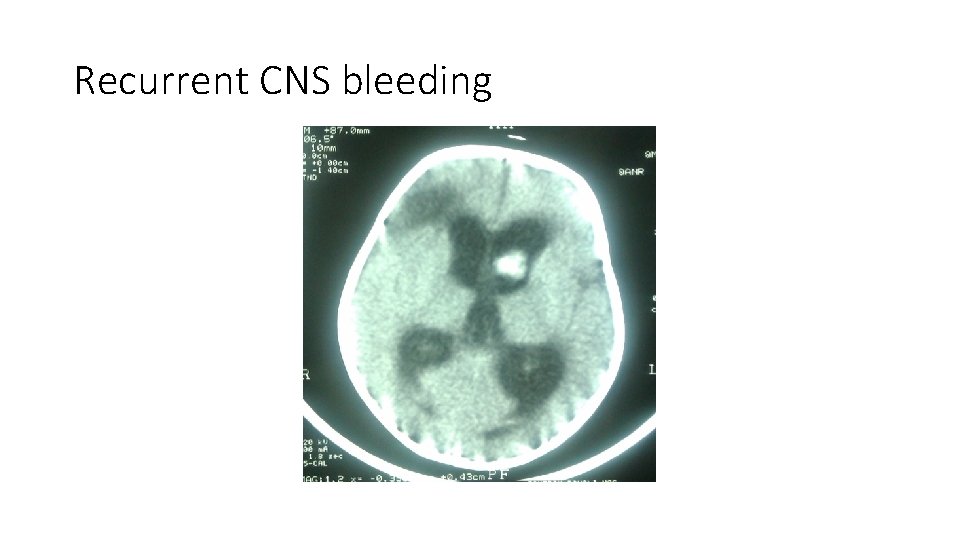
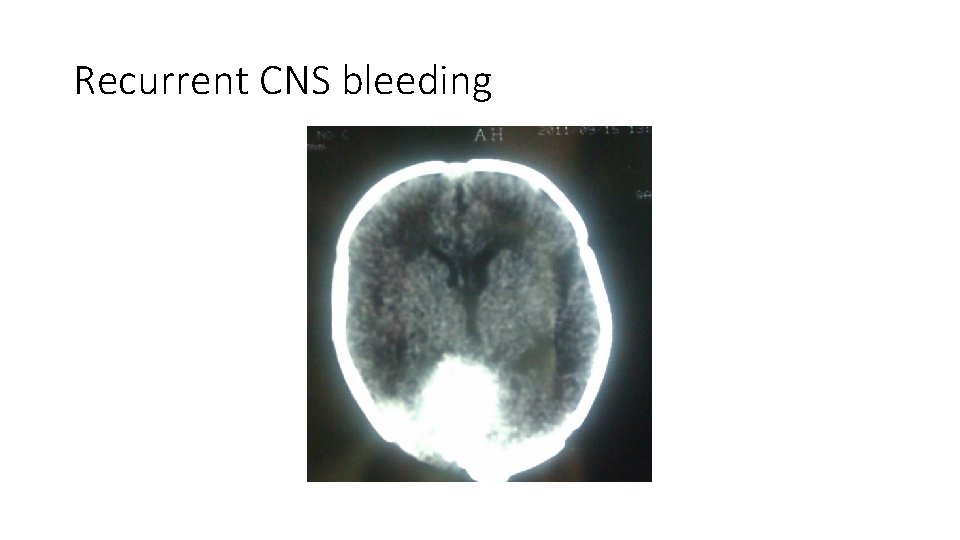
Patient, a boy 4 -day newborn with severe bleeding in umbilical cord, has referred to the clinic at 1 pm. In the examination the baby is a little pale without clear icter and neonatal reflexes has decreased a little. CBC: WBC: 7500 Hb 8 gr/dl Plt: 350000 PT, PTT, BT, TT Normal In the patient’s history there are death records of other babies at six days, 2 weeks and one month old that all of their metabolic examination were negative.
• He was treated with PC , FFP • SONO CNS bleeding was detected • After discharging of hospital his parents refused prophylaxis program • He returned with recurrent CNS bleeding
What is your treatment and diagnosis? -Accurate history of dead babies and mother history of bleeding and abortion. -Accurate history of alive children consists of bleeding neurological problems - Blood products - Doing brain sonography and if needed CT scan and MRI - Genetic study of the baby and parents - Recheck after solubility test 45 days
Recurrent CNS bleeding
Recurrent CNS bleeding
Recurrent CNS bleeding
Recurrent CNS bleeding
Recurrent CNS bleeding
Congenital Factor XIII Deficiency Laboratory Diagnosis - ISTH Guidelines • Common hemostasis screening tests are normal (PT, PTT, thrombin time, platelet count) • Traditionally, the clot solubility test was used as the screening test • Only detects severe FXIII deficiency (FXIII activity < 5%) • Will be falsely normal if FXIII activity is > 5% • Clot solubility test is no longer recommended Kohler HP, et al. J. Thromb. Haemost. 2011; 9: 1404 - 1406.
Congenital Factor XIII Deficiency Laboratory Diagnosis - ISTH Guidelines • Quantitative FXIII activity assay Plasma and platelet • Quantitative FXIII - A subunit antigen Plasma and platelet • Quantitative FXIII - B subunit antigen Plasma Kohler HP, et al. J. Thromb. Haemost. 2011; 9: 1404 - 1406.
Routine cranial scanning Although many bleeds can be diagnosed by SONO , subdural hematomas can be missed, as can posterior fossa hemorrhages. A normal scan therefore will not exclude all bleeds. It has been shown using magnetic resonance imaging (MRI) that in up to almost 50% of normal term neonates there is some evidence of subdural bleeding.
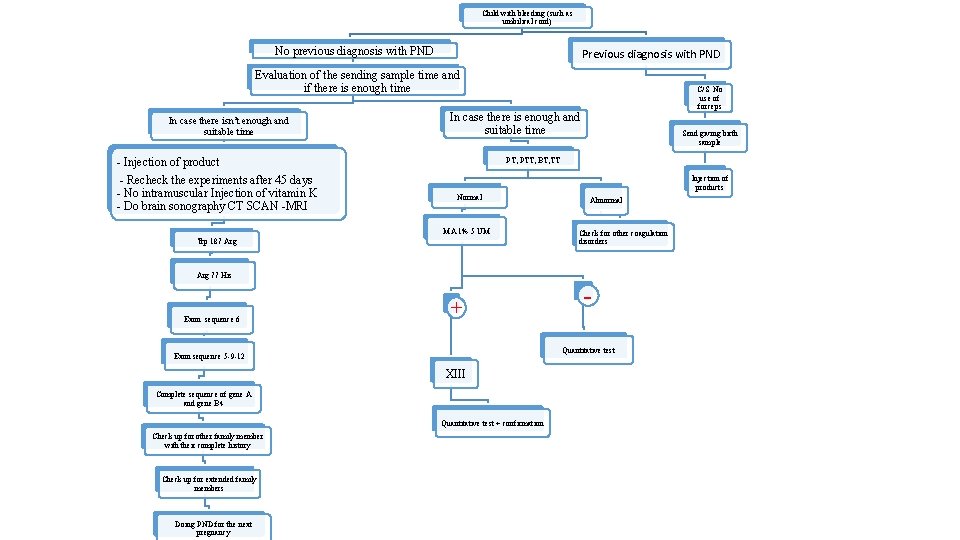
Guideline for DX and management neonate patients with XIIID
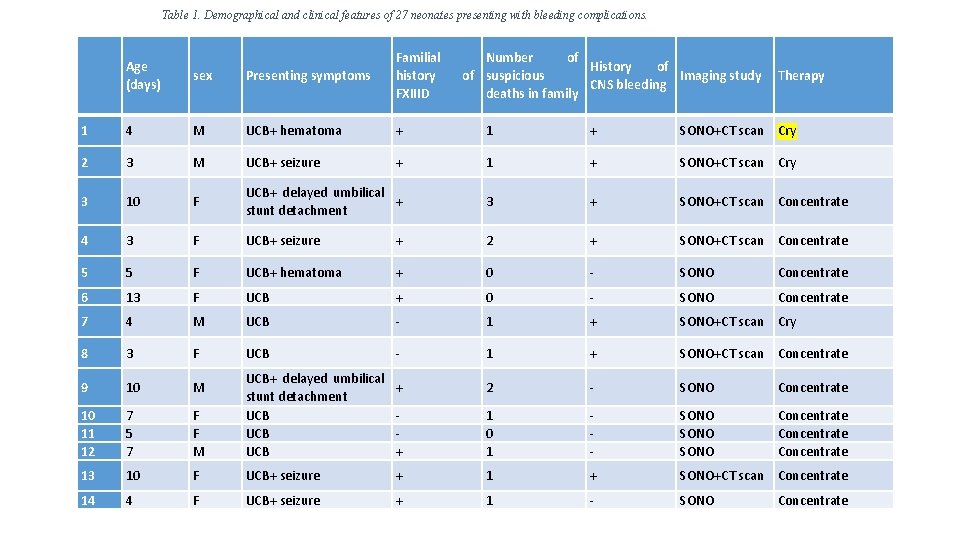
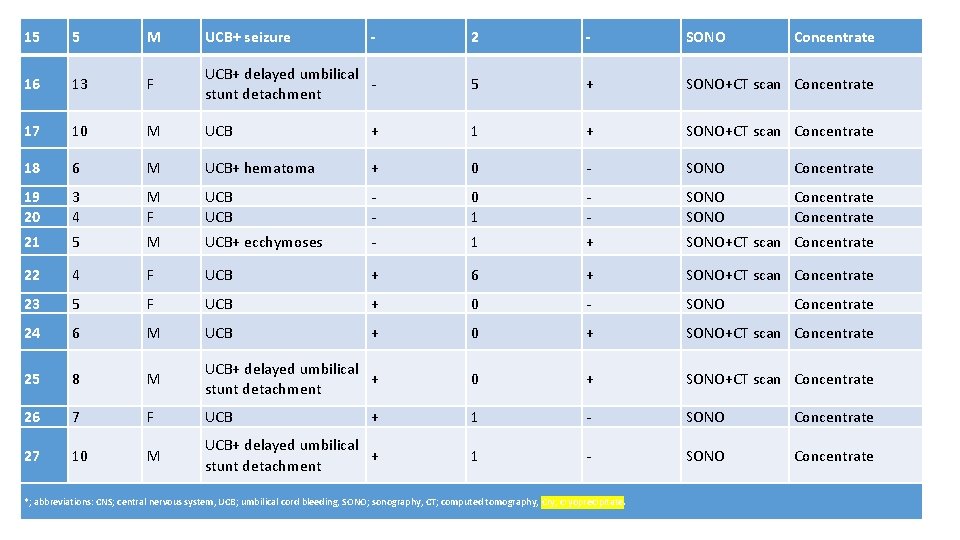
Table 1. Demographical and clinical features of 27 neonates presenting with bleeding complications. Age (days) sex Presenting symptoms Familial history FXIIID Number of History of Imaging study of suspicious CNS bleeding deaths in family 1 4 M UCB+ hematoma + 1 + SONO+CT scan Cry 2 3 M UCB+ seizure + 1 + SONO+CT scan Cry 3 10 F UCB+ delayed umbilical + stunt detachment 3 + SONO+CT scan Concentrate 4 3 F UCB+ seizure + 2 + SONO+CT scan Concentrate 5 5 F UCB+ hematoma + 0 - SONO Concentrate 6 13 F UCB + 0 - SONO Concentrate 7 4 M UCB - 1 + SONO+CT scan Cry 8 3 F UCB - 1 + SONO+CT scan Concentrate 9 10 M + 2 - SONO Concentrate 10 11 12 7 5 7 F F M UCB+ delayed umbilical stunt detachment UCB UCB + 1 0 1 - SONO Concentrate 13 10 F UCB+ seizure + 1 + SONO+CT scan Concentrate 14 4 F UCB+ seizure + 1 - SONO Therapy Concentrate
15 5 M UCB+ seizure - 2 - SONO 16 13 F UCB+ delayed umbilical stunt detachment 5 + SONO+CT scan Concentrate 17 10 M UCB + 1 + SONO+CT scan Concentrate 18 6 M UCB+ hematoma + 0 - SONO Concentrate 19 20 3 4 M F UCB - 0 1 - SONO Concentrate 21 5 M UCB+ ecchymoses - 1 + SONO+CT scan Concentrate 22 4 F UCB + 6 + SONO+CT scan Concentrate 23 5 F UCB + 0 - SONO 24 6 M UCB + 0 + SONO+CT scan Concentrate 25 8 M UCB+ delayed umbilical + stunt detachment 0 + SONO+CT scan Concentrate 26 7 F UCB + 1 - SONO Concentrate 27 10 M UCB+ delayed umbilical + stunt detachment 1 - SONO Concentrate *; abbreviations: CNS; central nervous system, UCB; umbilical cord bleeding, SONO; sonography, CT; computed tomography, Cry; cryoprecipitate. Concentrate
Child with bleeding (such as umbilical cord) No previous diagnosis with PND Previous diagnosis with PND Evaluation of the sending sample time and if there is enough time In case there isn’t enough and suitable time In case there is enough and suitable time - Injection of product - Recheck the experiments after 45 days - No intramuscular Injection of vitamin K - Do brain sonography CT SCAN -MRI C/S No use of forceps Send giving birth sample PT, PTT, BT, TT Injection of products Normal MA 1% 5 UM Trp 187 Arg Abnormal Check for other coagulation disorders Arg 77 His Exon sequence 6 + Quantitative test Exon sequence 5 -9 -12 XIII Complete sequence of gene A and gene B 4 Quantitative test + confirmation Check up for other family member with their complete history Check up for extended family members Doing PND for the next pregnancy -
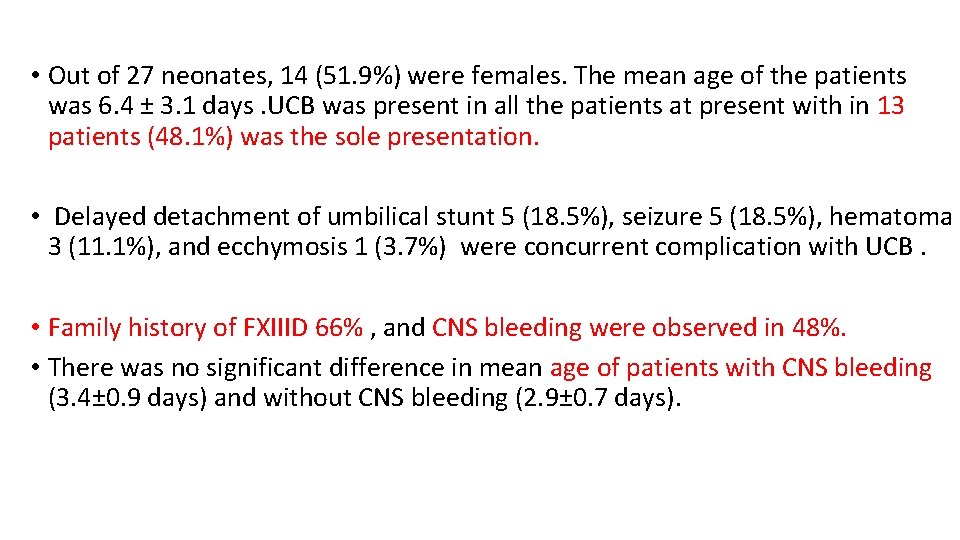
• Out of 27 neonates, 14 (51. 9%) were females. The mean age of the patients was 6. 4 ± 3. 1 days. UCB was present in all the patients at present with in 13 patients (48. 1%) was the sole presentation. • Delayed detachment of umbilical stunt 5 (18. 5%), seizure 5 (18. 5%), hematoma 3 (11. 1%), and ecchymosis 1 (3. 7%) were concurrent complication with UCB. • Family history of FXIIID 66% , and CNS bleeding were observed in 48%. • There was no significant difference in mean age of patients with CNS bleeding (3. 4± 0. 9 days) and without CNS bleeding (2. 9± 0. 7 days).
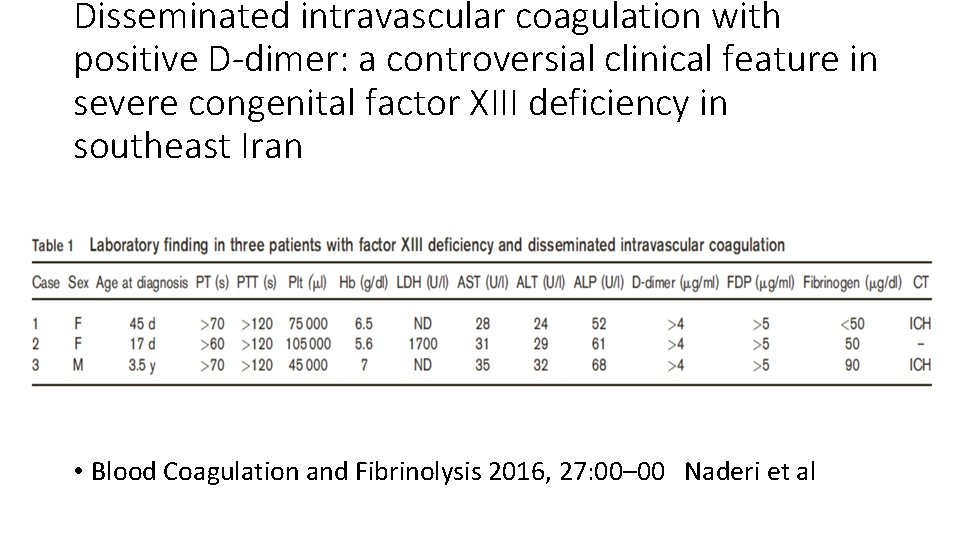
Disseminated intravascular coagulation with positive D-dimer: a controversial clinical feature in severe congenital factor XIII deficiency in southeast Iran • Blood Coagulation and Fibrinolysis 2016, 27: 00– 00 Naderi et al
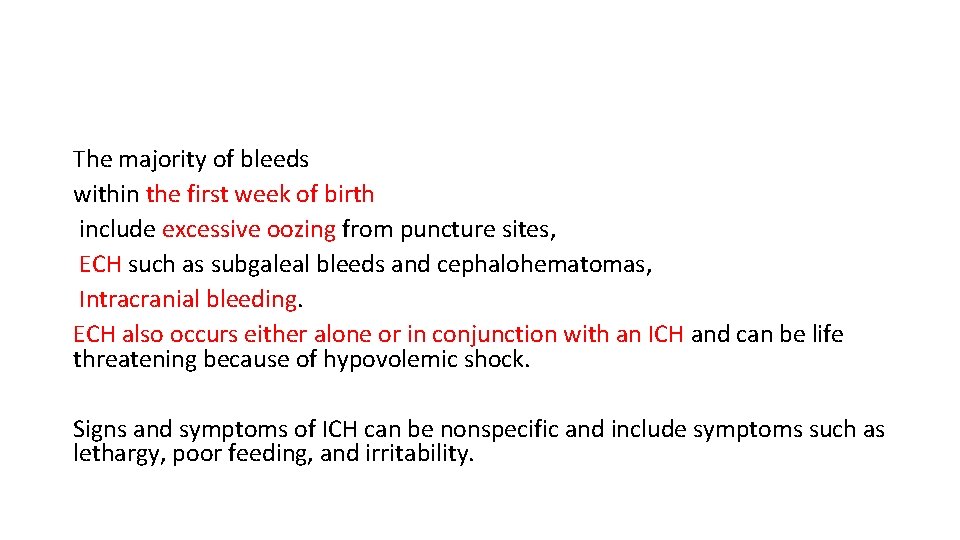
The majority of bleeds within the first week of birth include excessive oozing from puncture sites, ECH such as subgaleal bleeds and cephalohematomas, Intracranial bleeding. ECH also occurs either alone or in conjunction with an ICH and can be life threatening because of hypovolemic shock. Signs and symptoms of ICH can be nonspecific and include symptoms such as lethargy, poor feeding, and irritability.
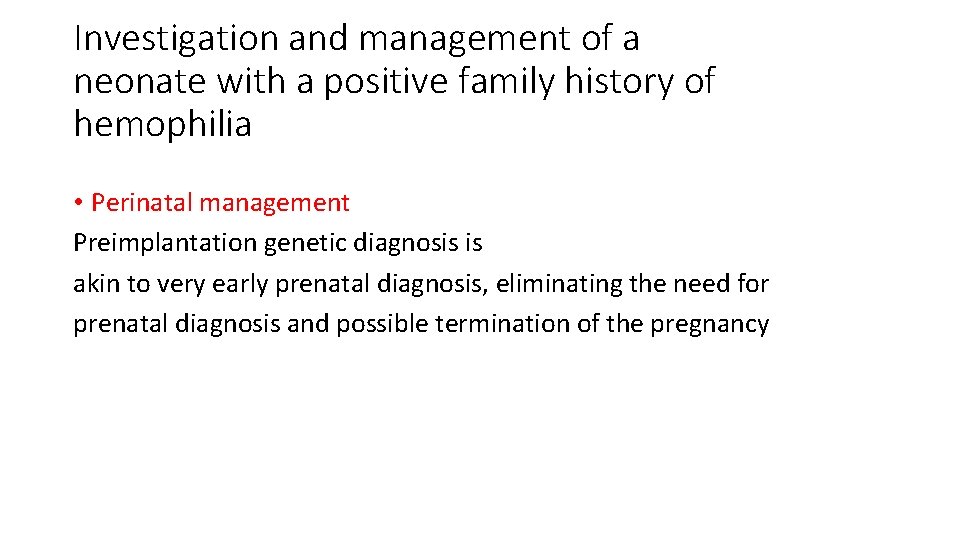
Investigation and management of a neonate with a positive family history of hemophilia • Perinatal management Preimplantation genetic diagnosis is akin to very early prenatal diagnosis, eliminating the need for prenatal diagnosis and possible termination of the pregnancy
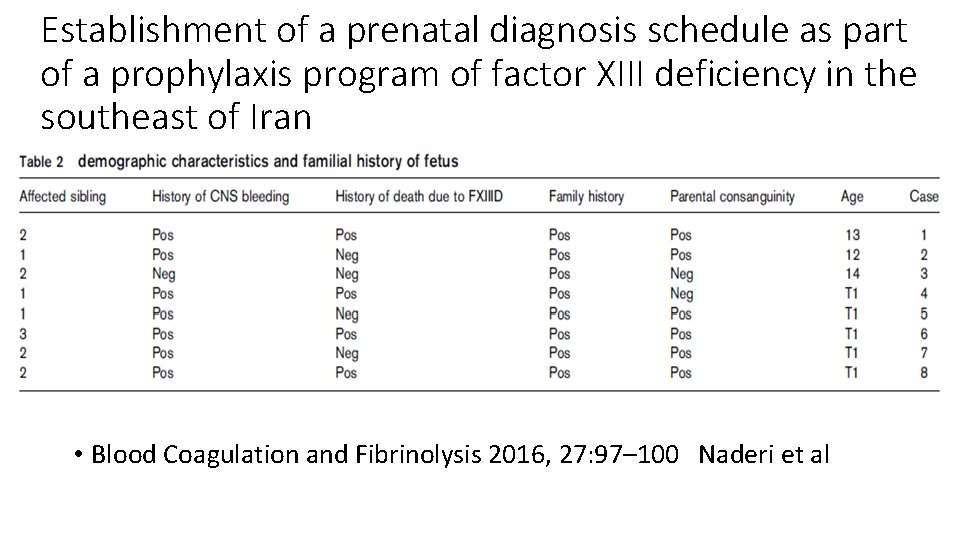
Establishment of a prenatal diagnosis schedule as part of a prophylaxis program of factor XIII deficiency in the southeast of Iran • Blood Coagulation and Fibrinolysis 2016, 27: 97– 100 Naderi et al
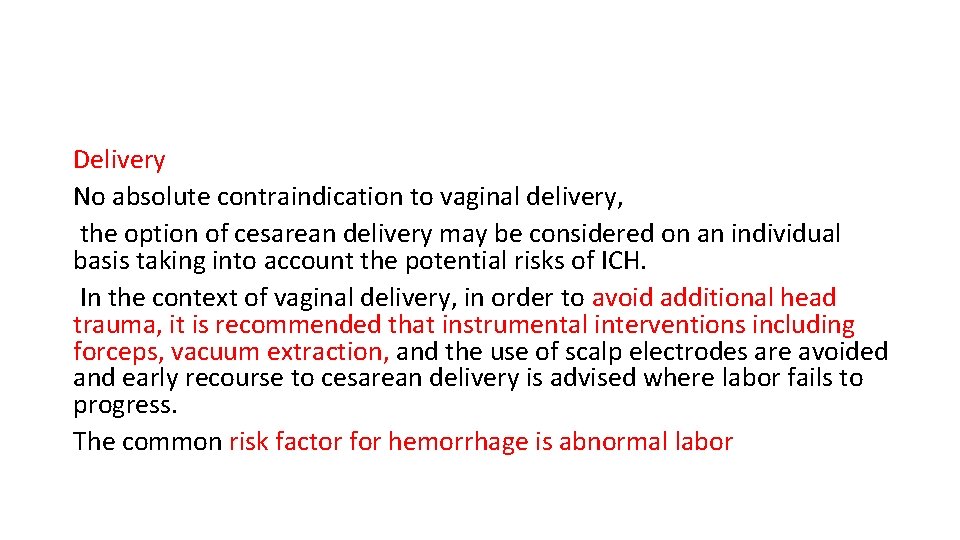
Delivery No absolute contraindication to vaginal delivery, the option of cesarean delivery may be considered on an individual basis taking into account the potential risks of ICH. In the context of vaginal delivery, in order to avoid additional head trauma, it is recommended that instrumental interventions including forceps, vacuum extraction, and the use of scalp electrodes are avoided and early recourse to cesarean delivery is advised where labor fails to progress. The common risk factor for hemorrhage is abnormal labor
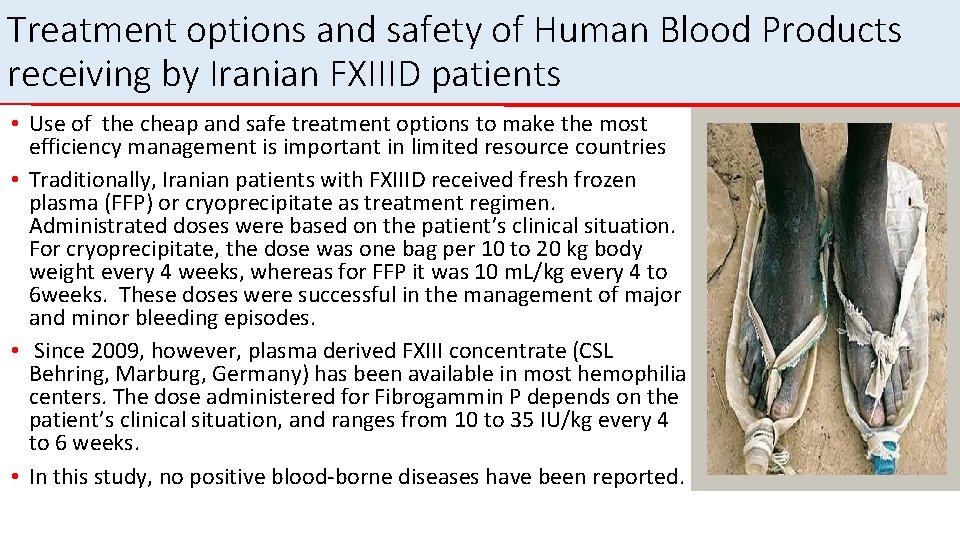
Treatment options and safety of Human Blood Products receiving by Iranian FXIIID patients • Use of the cheap and safe treatment options to make the most efficiency management is important in limited resource countries • Traditionally, Iranian patients with FXIIID received fresh frozen plasma (FFP) or cryoprecipitate as treatment regimen. Administrated doses were based on the patient’s clinical situation. For cryoprecipitate, the dose was one bag per 10 to 20 kg body weight every 4 weeks, whereas for FFP it was 10 m. L/kg every 4 to 6 weeks. These doses were successful in the management of major and minor bleeding episodes. • Since 2009, however, plasma derived FXIII concentrate (CSL Behring, Marburg, Germany) has been available in most hemophilia centers. The dose administered for Fibrogammin P depends on the patient’s clinical situation, and ranges from 10 to 35 IU/kg every 4 to 6 weeks. • In this study, no positive blood-borne diseases have been reported.
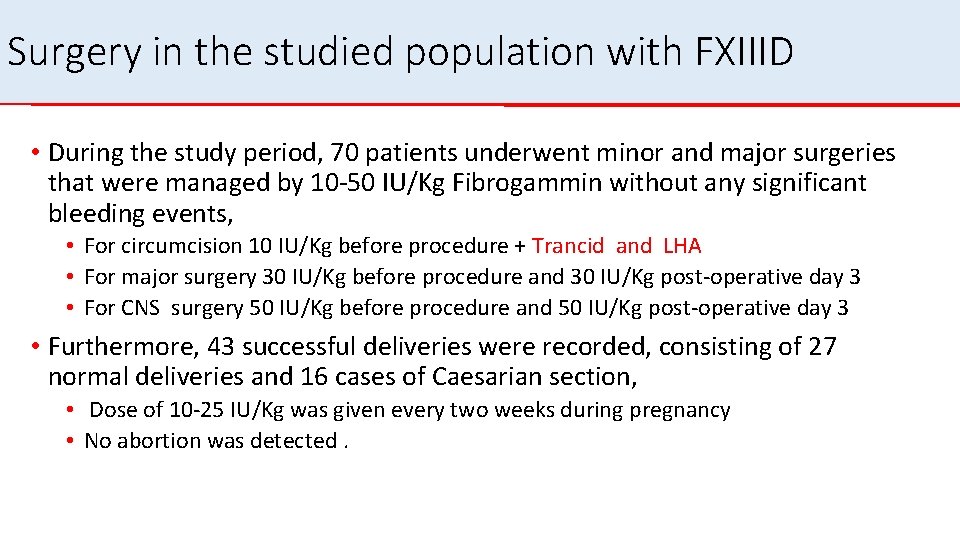
Surgery in the studied population with FXIIID • During the study period, 70 patients underwent minor and major surgeries that were managed by 10 -50 IU/Kg Fibrogammin without any significant bleeding events, • For circumcision 10 IU/Kg before procedure + Trancid and LHA • For major surgery 30 IU/Kg before procedure and 30 IU/Kg post-operative day 3 • For CNS surgery 50 IU/Kg before procedure and 50 IU/Kg post-operative day 3 • Furthermore, 43 successful deliveries were recorded, consisting of 27 normal deliveries and 16 cases of Caesarian section, • Dose of 10 -25 IU/Kg was given every two weeks during pregnancy • No abortion was detected.