
Face Recognition A Convolutional Neural Network Approach Instructor

- Slides: 19
Face Recognition: A Convolutional Neural Network Approach Instructor: Bhiksha Raj Student: T. Hoang Ngan Le
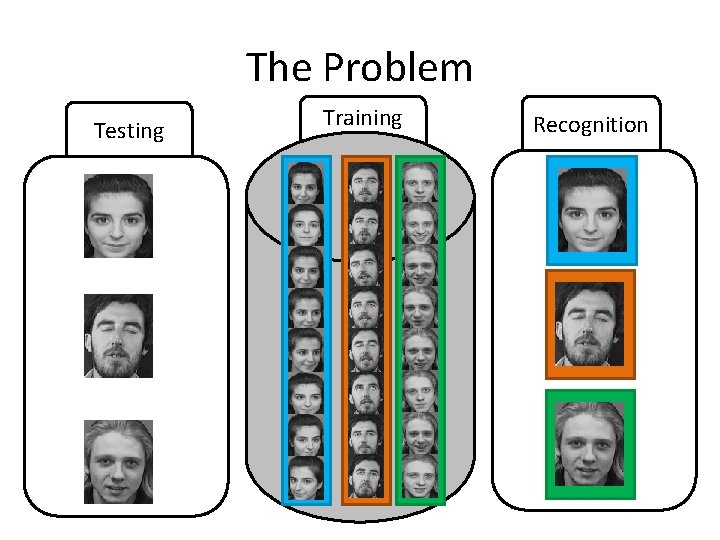
The Problem Testing Training Recognition
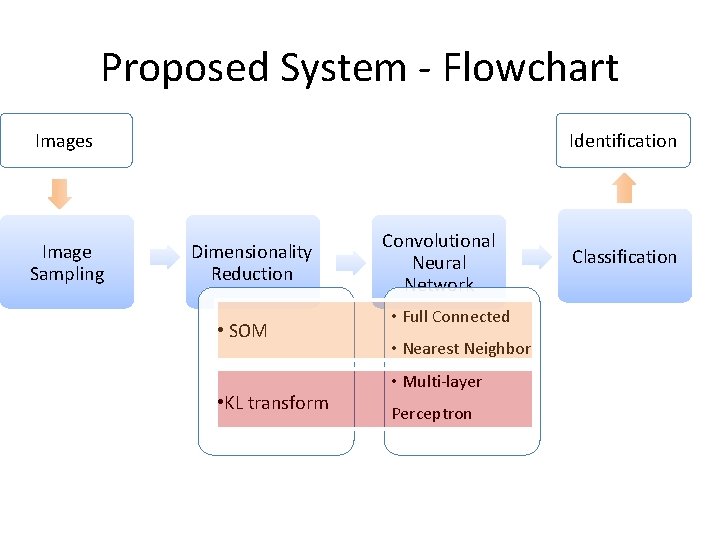
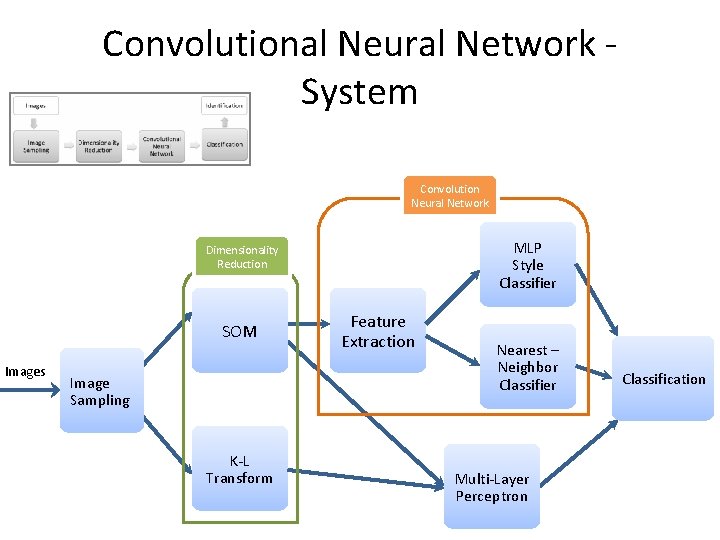
Proposed System - Flowchart Images Image Sampling Identification Dimensionality Reduction • SOM • KL transform Convolutional Neural Network • Full Connected • Nearest Neighbor • Multi-layer Perceptron Classification
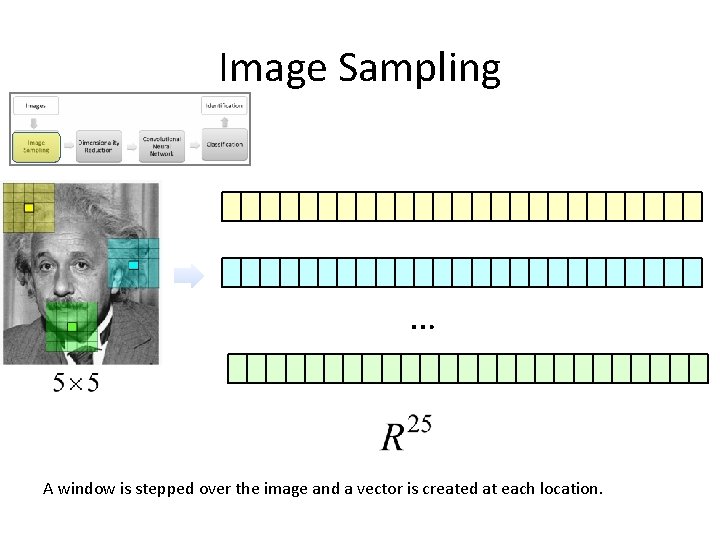
Image Sampling … A window is stepped over the image and a vector is created at each location.
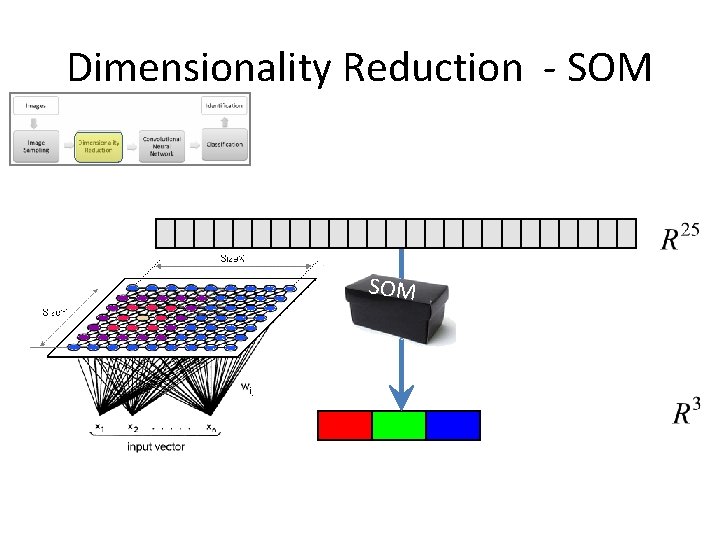
Dimensionality Reduction - SOM
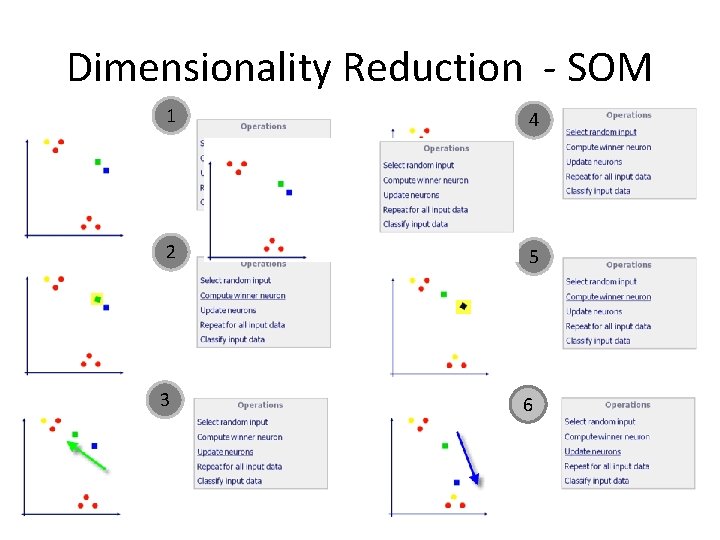
Dimensionality Reduction - SOM 1 4 2 5 3 6
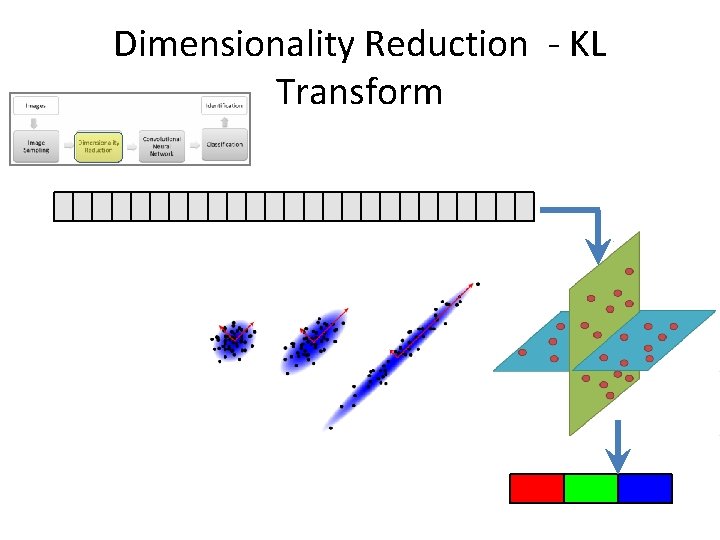
Dimensionality Reduction - KL Transform
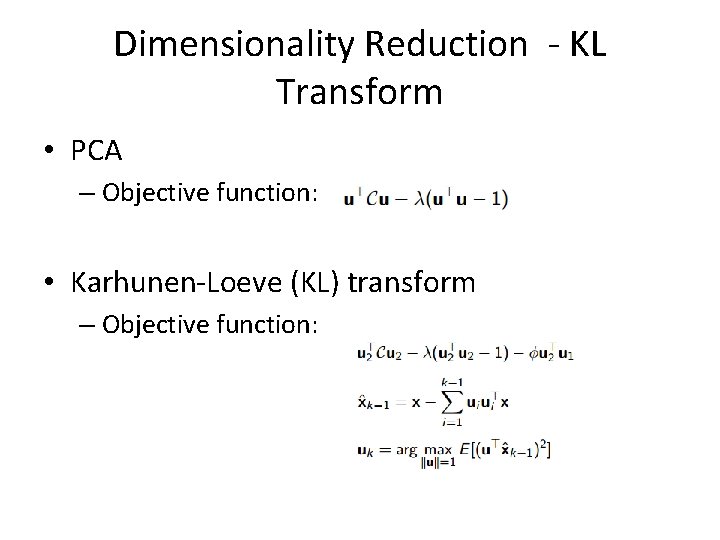
Dimensionality Reduction - KL Transform • PCA – Objective function: • Karhunen-Loeve (KL) transform – Objective function:
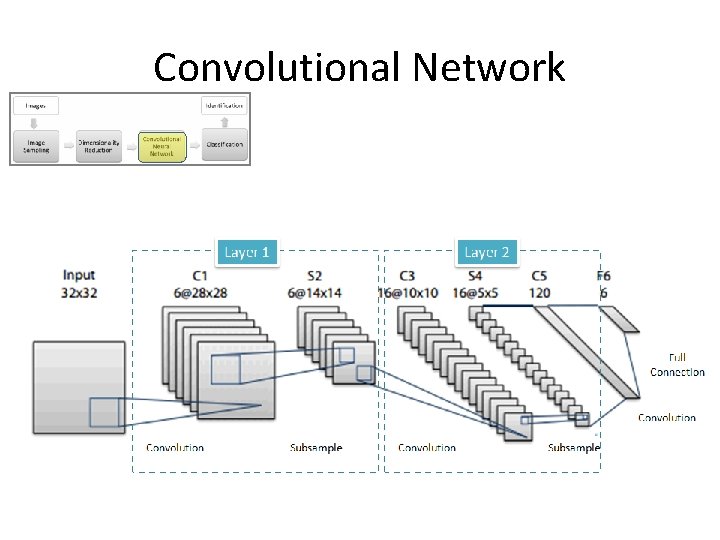
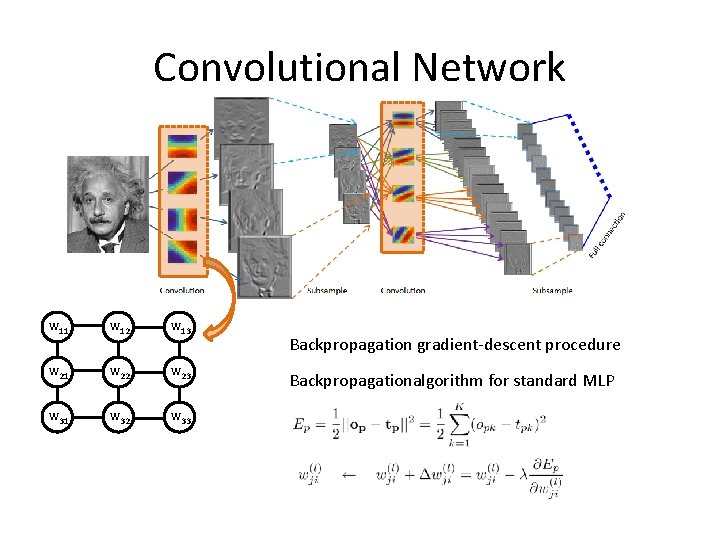
Convolutional Network
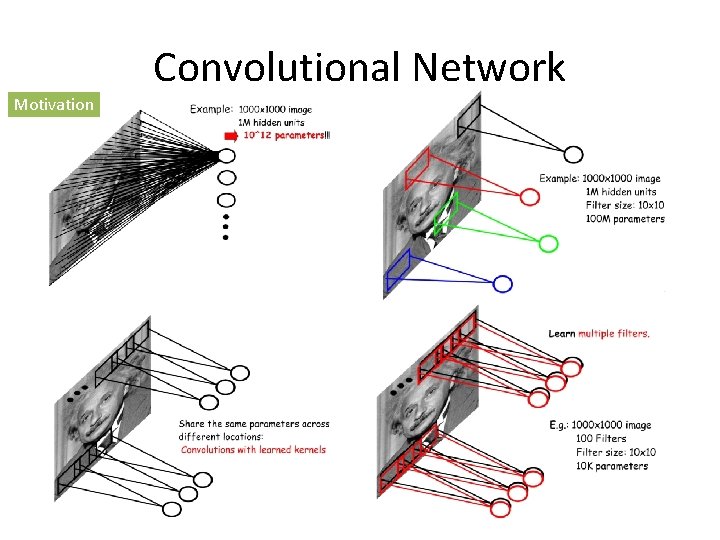
Convolutional Network Motivation
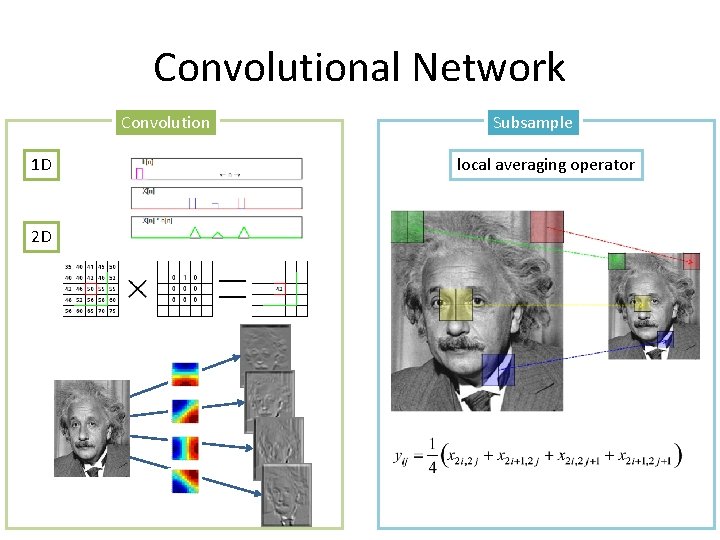
Convolutional Network Convolution 1 D 2 D Subsample local averaging operator
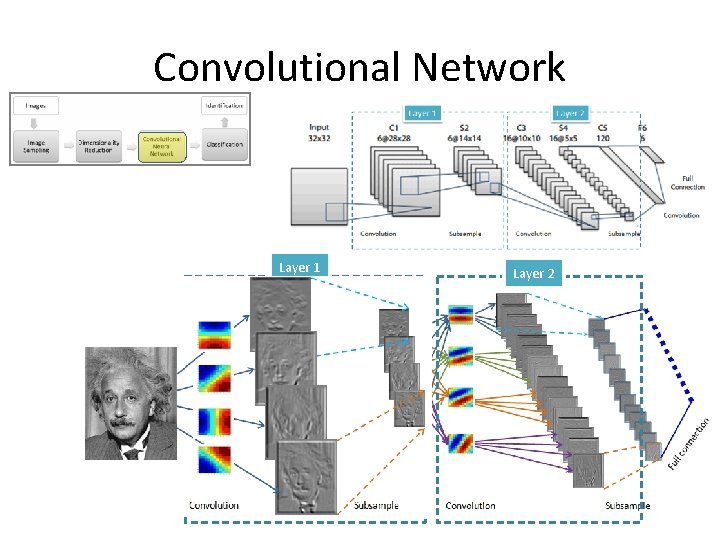
Convolutional Network Layer 1 Layer 2
Convolutional Network w 11 w 12 w 13 w 21 w 22 w 23 w 31 w 32 w 33 Backpropagation gradient-descent procedure Backpropagationalgorithm for standard MLP
Convolutional Neural Network System Convolution Neural Network MLP Style Classifier Dimensionality Reduction SOM Images Image Sampling K-L Transform Feature Extraction Nearest – Neighbor Classifier Multi-Layer Perceptron Classification
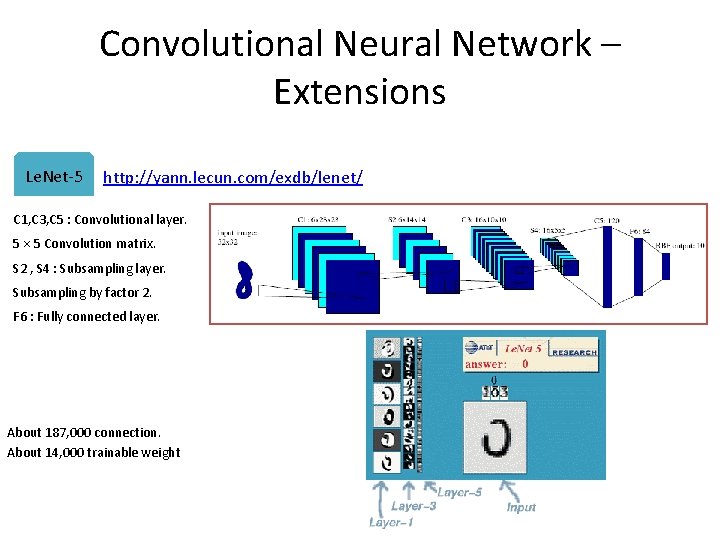
Convolutional Neural Network – Extensions Le. Net-5 http: //yann. lecun. com/exdb/lenet/ C 1, C 3, C 5 : Convolutional layer. 5 × 5 Convolution matrix. S 2 , S 4 : Subsampling layer. Subsampling by factor 2. F 6 : Fully connected layer. About 187, 000 connection. About 14, 000 trainable weight
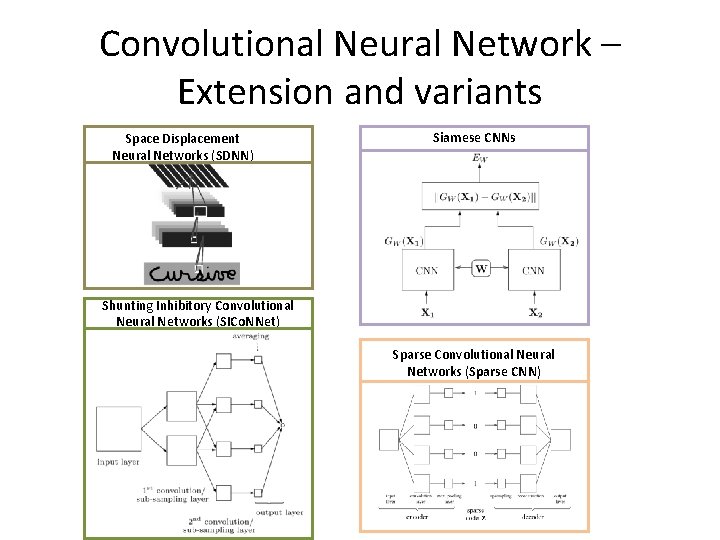
Convolutional Neural Network – Extension and variants Space Displacement Neural Networks (SDNN) Siamese CNNs Shunting Inhibitory Convolutional Neural Networks (SICo. NNet) Sparse Convolutional Neural Networks (Sparse CNN)
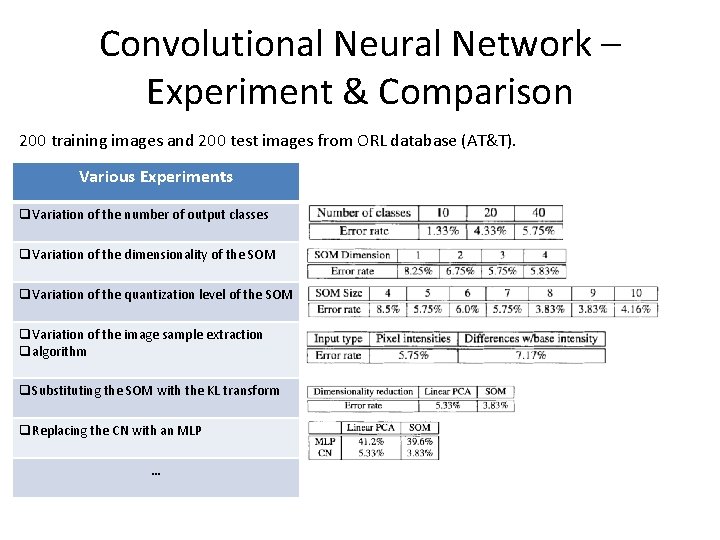
Convolutional Neural Network – Experiment & Comparison 200 training images and 200 test images from ORL database (AT&T). Various Experiments q. Variation of the number of output classes q. Variation of the dimensionality of the SOM q. Variation of the quantization level of the SOM q. Variation of the image sample extraction qalgorithm q. Substituting the SOM with the KL transform q. Replacing the CN with an MLP …
Comments § Convolutional Neural Networks are a special kind of multi-layer neural networks. § Like almost every other neural networks they are trained with a version of the back-propagation algorithm. § Convolutional Neural Networks are designed to recognize visual patterns directly from pixel images with minimal preprocessing. § Shared weights: all neurons in a feature share the same weights. § In this way all neurons detect the same feature at different positions. § Reduce the number of free parameters in the input image.