
Extinction How Does the Environment Affect Evolution Natural
- Slides: 14
Extinction
How Does the Environment Affect Evolution? • Natural disasters, flooding, hurricanes, tornados, earthquakes, meteor strikes, and climate change can all change an organism’s environment • When the environment changes species will be required to adapt or die. These adaptations to new environmental influences can drive a species to evolve into a new species.
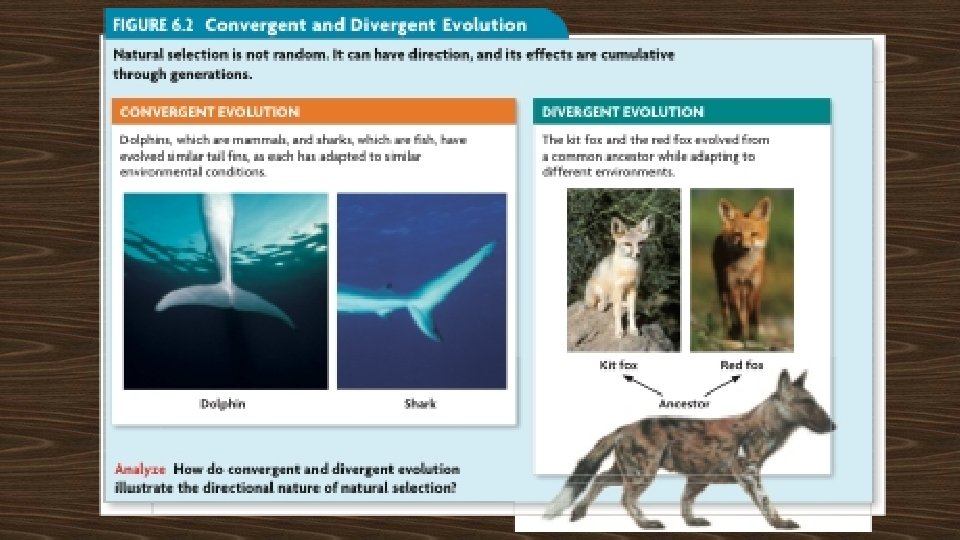
What Happens When Species Adapt? • Divergent Evolution: The pattern of evolution in which species that once were similar to an ancestral species diverge or become increasingly distinct. Example: Darwin’s finches, Honeycreepers in Hawaii. • Adaptive radiation: Occurs when an ancestral species evolves into an array of species to fit a number of diverse habitats. • Convergent Evolution: Distantly related organisms evolve similar traits due to environmental pressures. Example: The tail fins of whales and sharks. They each evolved to be similar due to similar environmental conditions.
What If A Species Doesn’t Adapt? • A species can become extinct • Extinction: the elimination of a species from Earth • Extinction often occurs when a species as a whole is unable to adapt to a change in its environment. • Two types: • Background Extinction • Mass Extinction
Background Extinction • Extinctions that occur continuously but at a very low rate • Part of the cycle of life • Usually affects only one or a few species in a relatively small area, such as a rainforest or a mountain range • Can be caused by a change in the environment such as: • New predators • Decrease in food supply
Mass Extinction • Much more rare than background extinction, but also much more intense • Often occurs on a global (worldwide) level • Thought to occur suddenly, usually because of a catastrophic event such as an ice age or asteroid impact • Fossil record confirms that there have been at least 5 mass extinctions over the past 600 million years
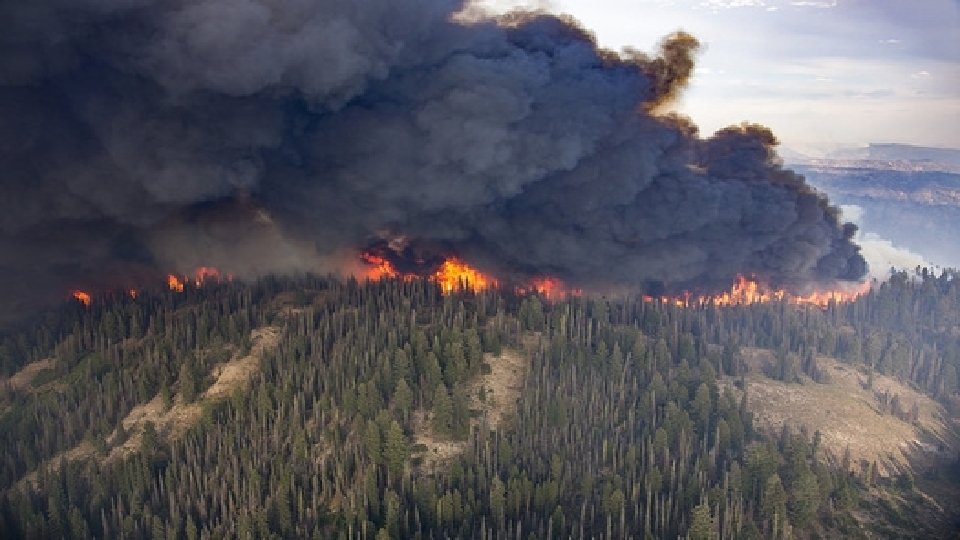
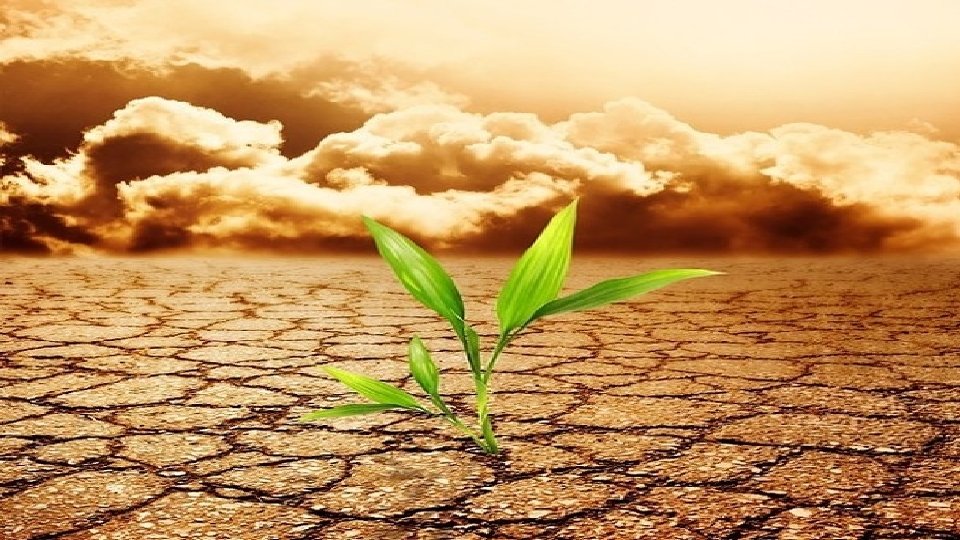
One more change…. • Environmental changes- Changes to the environment that dictates food sources, and the rapid changing of organisms in their environment. • Examples: • Drought • Flooding • Ice age • Global Warming
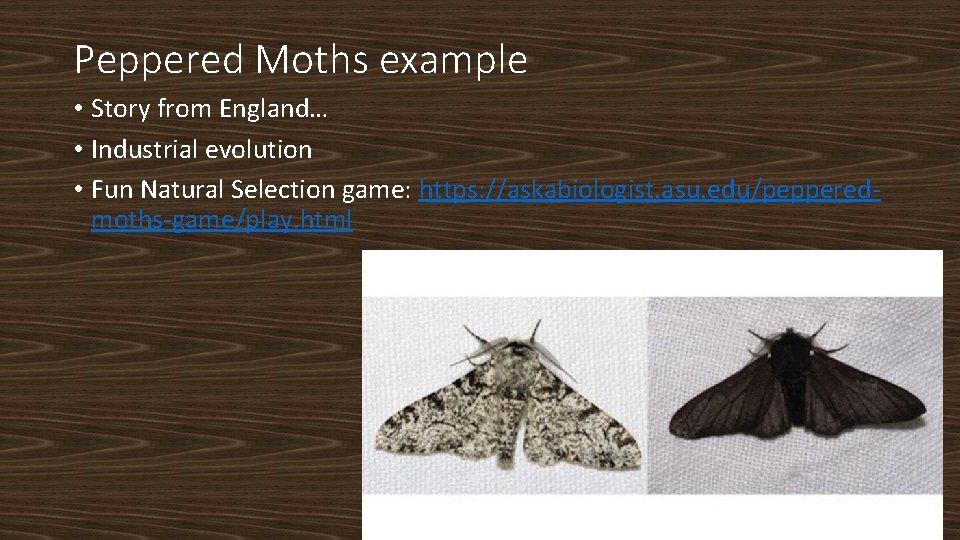
Peppered Moths example • Story from England… • Industrial evolution • Fun Natural Selection game: https: //askabiologist. asu. edu/pepperedmoths-game/play. html
Activity • Give and Draw examples of how both Background Extinction and a mass extinction could occur. Could some organisms adapt or would mostly all of them die in each scenario. Identify the hardships each organism would face for each type of extinction (Depends on your scenario. ) • Answer the following questions as well…. • 1. When two populations cannot reproduce and create viable offspring, this is called? • 2. The form and structure of animals and plants is called? • 3. This occurs when species must compete for a limited resource. If there is less food/resources, this increases…… What?
Part 2 Name that change! • 1. A cheetah that is faster than the other predators on the Savannah is able to make more kills. They will be able to feed their young which will have these “fast” genes. • 2. The alpha wolf is typically the largest bodied wolf in the pack and is given the best pieces of food from a kill. This leaves less food for the lower individuals in the social hierarchy. • 3. A panda bear has evolved a extra “thumb” on its hands by feeding on one food source. • 4. Koala bears have chosen to eat a toxic plant called eucalyptus. With this new food source, Koalas can feed their young allowing them to survive.