
Extension of the Franchise 1832 84 Ann Lyon
- Slides: 17
Extension of the Franchise 1832 -84 Ann Lyon
Background to the Reform Act 1832 • Very controversial measure! • Recognition that sober middle classes were ready for franchise • Current system • • • Each county elected two MPs on 40 s franchise Each borough elected two MPs – no uniform franchise New industrial towns not represented Southern areas over-represented No secret ballot BUT • Huge vested interests benefitting from: • Rotten boroughs • Pocket boroughs • Bribery and corruption
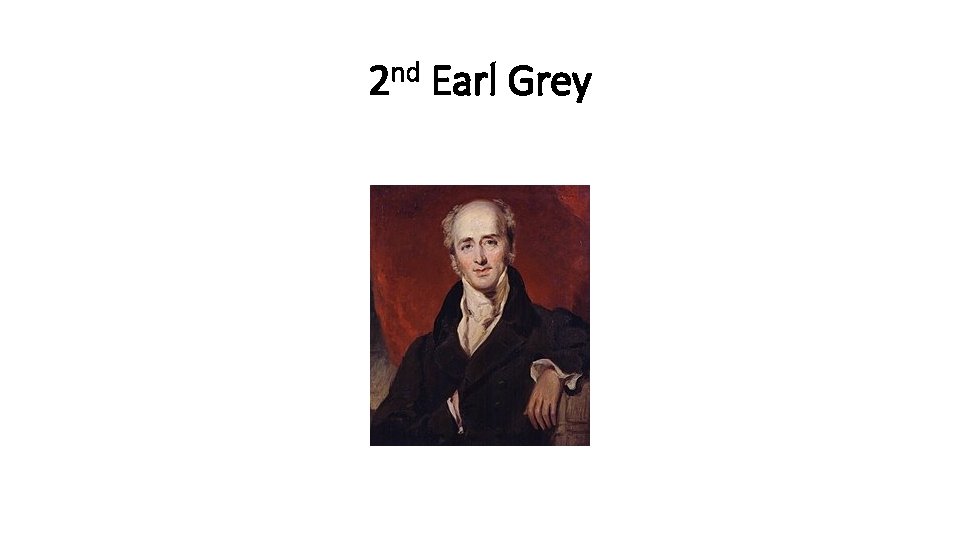
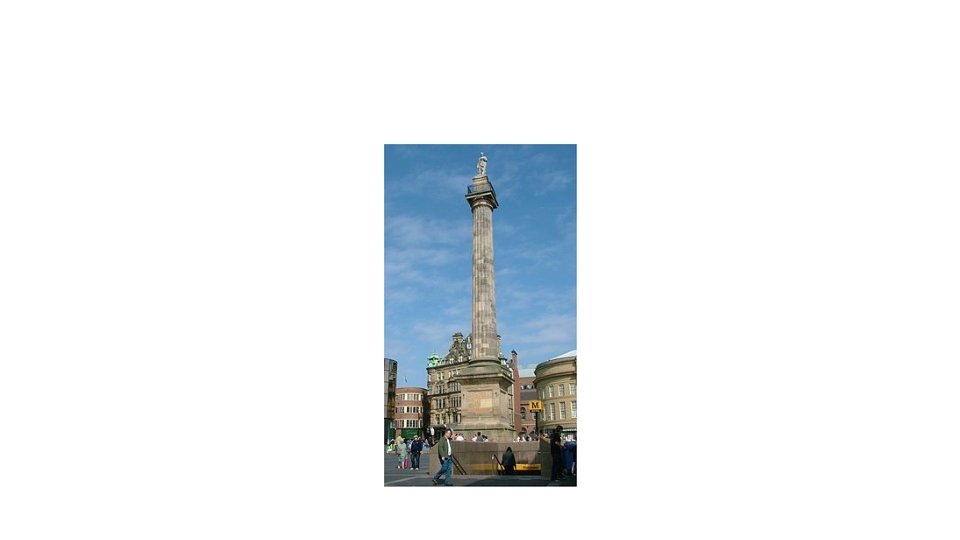
2 nd Earl Grey
Grey’s Reform Philosophy Existing system acceptable provided it produced governments which were: • Effective • Acceptable to public opinion BUT • String of short-lived governments since resignation and death of Lord Liverpool in 1827 • 3 Prime Ministers in less than a year – 1827 -28 (Canning, Goderich, Wellington) • Tory majority at 1830 election (demise of the crown), but Tories so divided that they could not form a government, so William IV sent for Grey to lead coalition • Public opinion, even among moderates, now hostile to existing system
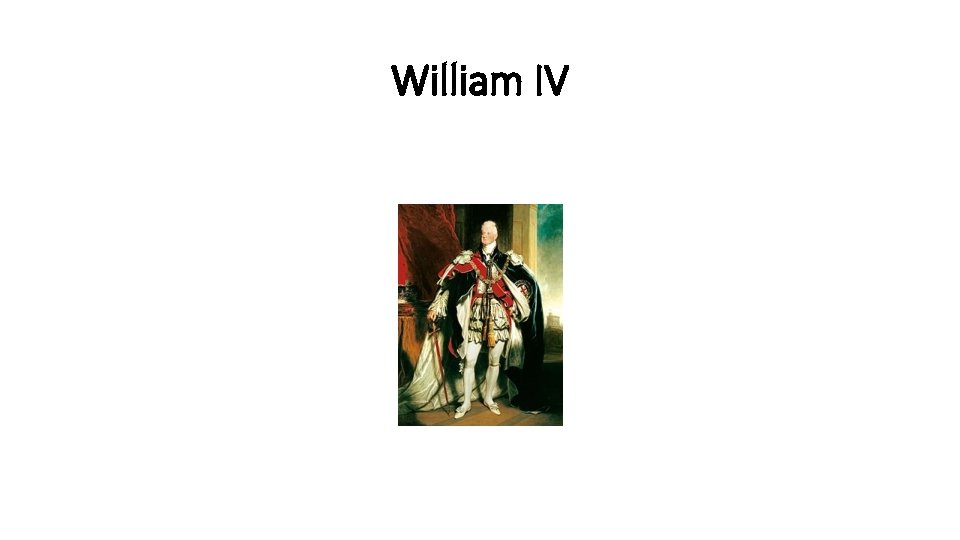
William IV
Grey’s 3 Principles • Disenfranchisement of rotten boroughs • Enfranchisement of the new towns • Common £ 10 franchise Modernisation of existing system, not root and branch reform
Reform Bill 1831 • Borough franchise for adult males owning or renting property worth £ 10 pa • County franchise remained at 40 s freehold • 60 rotten boroughs abolished, 47 reduced to one member • Therefore, 167 seats to be redistributed • 34 towns to be represented for first time • Counties given additional member • New voting register • Additional polling stations and reduction in duration of election to 2 days
Struggle in Parliament(1) • Bill carried in Commons by only one vote on Second Reading • Some opponents considered Bill went too far, others not far enough • Concern that pattern of constituencies remained very unrepresentative • Concern that weakening link with property ownership would produce power without responsibility, and open the floodgates against aristocracy • Concern that changes would upset constitutional balance by giving excessive power to electorate at expense of monarch and House of Lords
Struggle in Parliament(2) • Bill defeated at Committee stage • Grey requested dissolution and fought subsequent election on commitment to Reform Bill • Government received clear majority at election, but faced opposition in Lords • William IV initially refused to create additional Whig peers in order to carry Bill • Serious rioting followed, with fear of revolution • Grey’s government resigned, May 1832
Struggle in Parliament(3) • King sent for Wellington, who was unable to form government • King reluctantly agreed to create additional peers, and Grey returned • Tory majority in Lords caved in
Effects of the Reform Act • Uniform £ 10 franchise in boroughs • 40 s freehold franchise continued in counties, and tenants-at-will paying £ 50 rent per year added • Boroughs with fewer than 2, 000 residents lost all representation • Boroughs with 2, 000 – 4, 000 residents reduced to one MP • 633, 000 people on 1833 voting register BUT • No secret ballot • Nothing done to deal with corruption
Chartism Six Points • Universal manhood suffrage • Secret ballots • Abolition of property qualification for MPs • Payment of MPs • Equal constituencies • Annual Parliaments
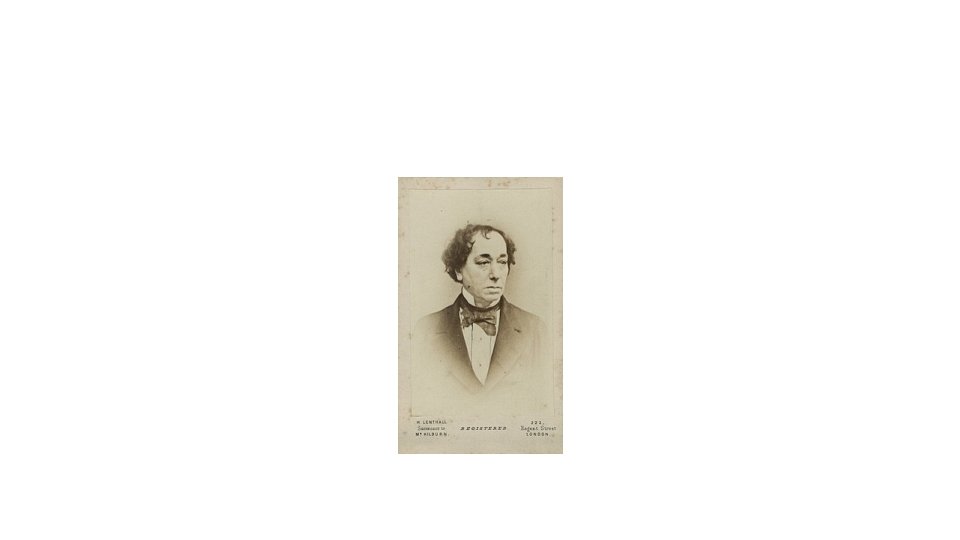
Representation of the People Act 1867 • Borough voting qualification reduced to £ 7 • All householders made responsible for their own rates • In counties, franchise extended to tenants-at-will paying £ 14 in rent • Electorate increased to 2, 500, 000 • Largest towns given third member • Elections on demise of crown abolished
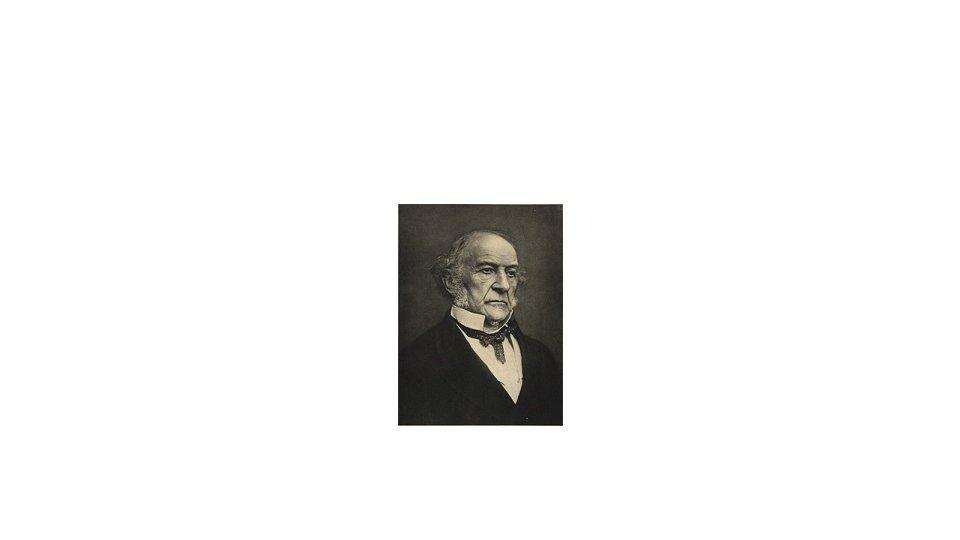
Representation of the People Act 1884 • £ 7 franchise extended to counties • Franchise also given to male lodgers in property worth £ 10 pa Together, the 1867 and 1884 Acts created household franchise