
Exponent Philanthropy Northern California Grantmakers Storytelling Empathy to

- Slides: 17
Exponent Philanthropy & Northern California Grantmakers: Storytelling: Empathy to Action Suzanne Skees
Our story Why stories? Types of stories Tips for storytelling Impact of stories Full-circle investment
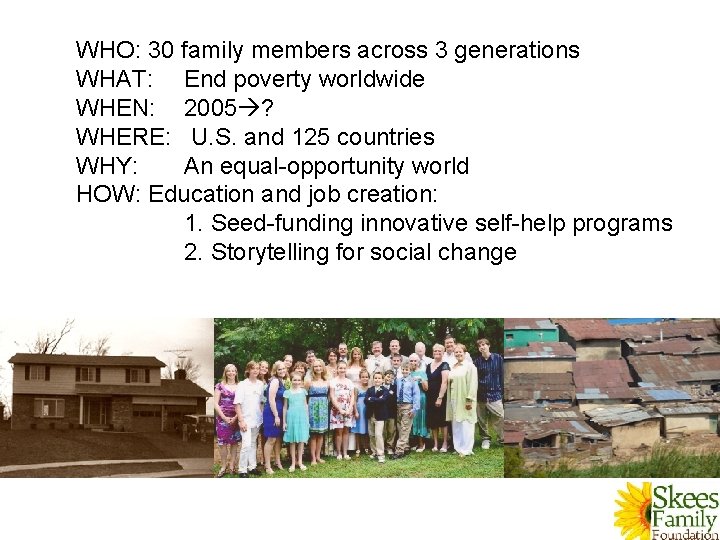
WHO: 30 family members across 3 generations WHAT: End poverty worldwide WHEN: 2005 ? WHERE: U. S. and 125 countries WHY: An equal-opportunity world HOW: Education and job creation: 1. Seed-funding innovative self-help programs 2. Storytelling for social change
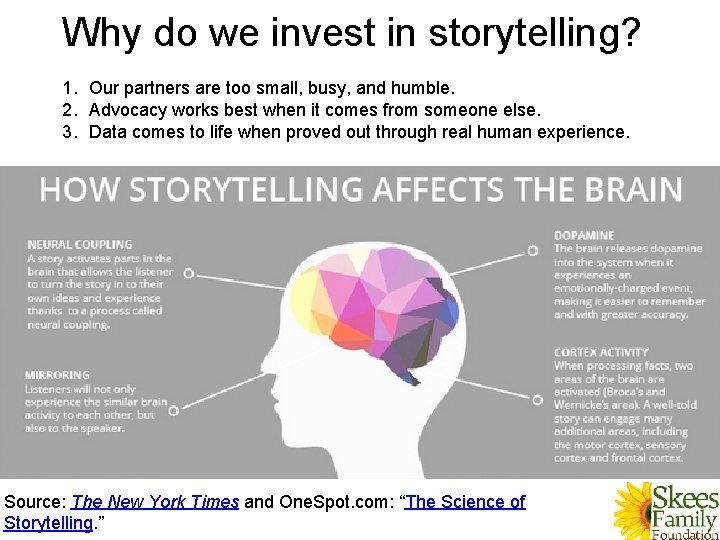
Why do we invest in storytelling? 1. Our partners are too small, busy, and humble. 2. Advocacy works best when it comes from someone else. 3. Data comes to life when proved out through real human experience. Source: The New York Times and One. Spot. com: “The Science of Storytelling. ”
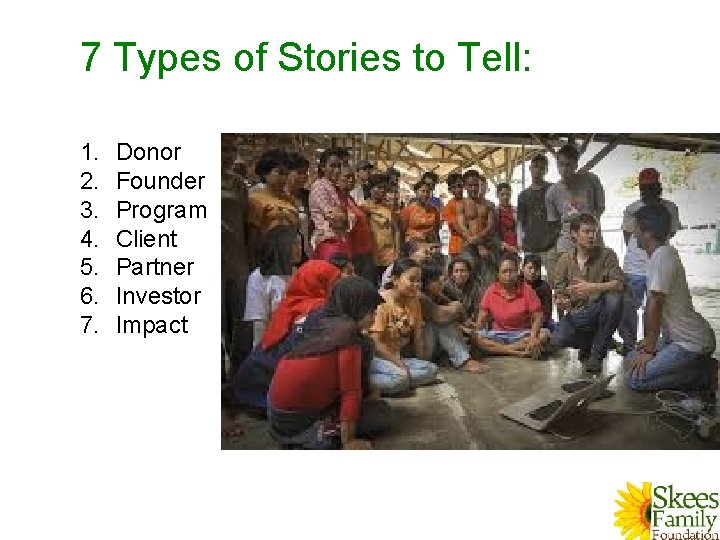
7 Types of Stories to Tell: 1. 2. 3. 4. 5. 6. 7. Donor Founder Program Client Partner Investor Impact
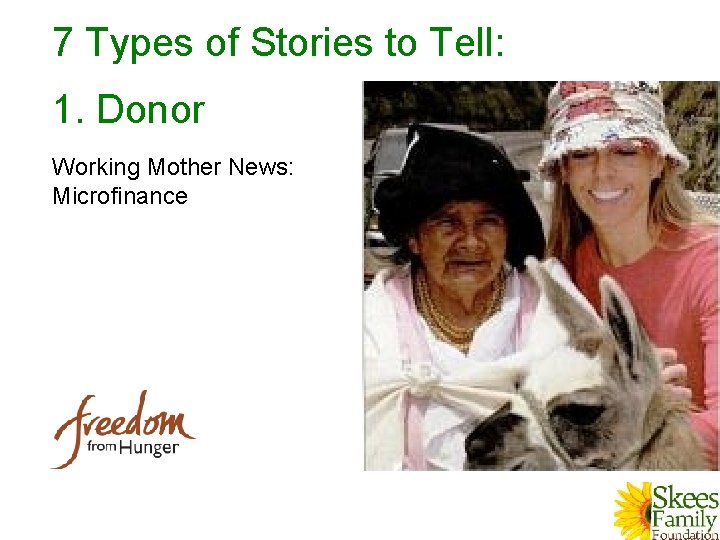
7 Types of Stories to Tell: 1. Donor Working Mother News: Microfinance
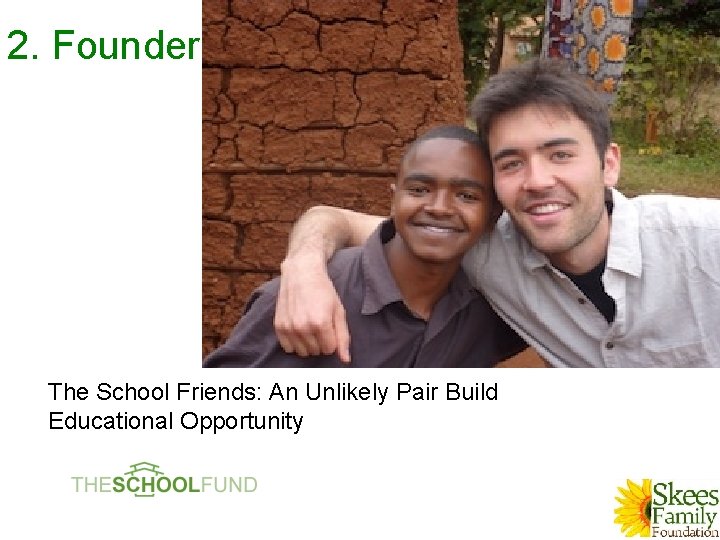
2. Founder The School Friends: An Unlikely Pair Build Educational Opportunity
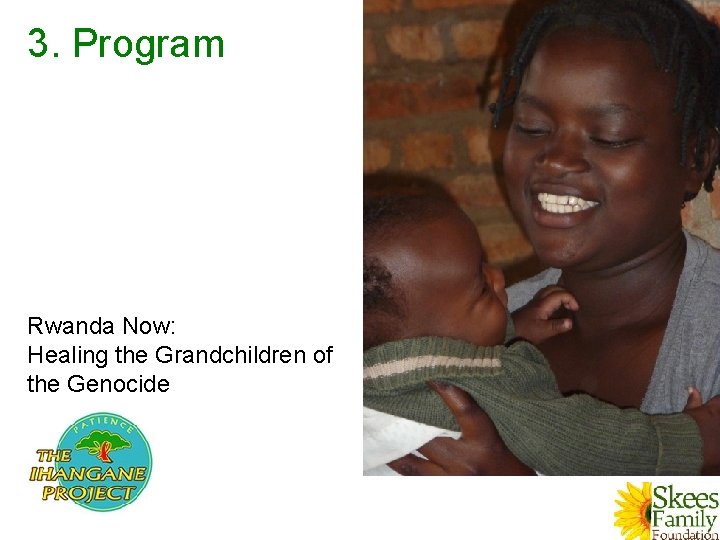
3. Program Rwanda Now: Healing the Grandchildren of the Genocide
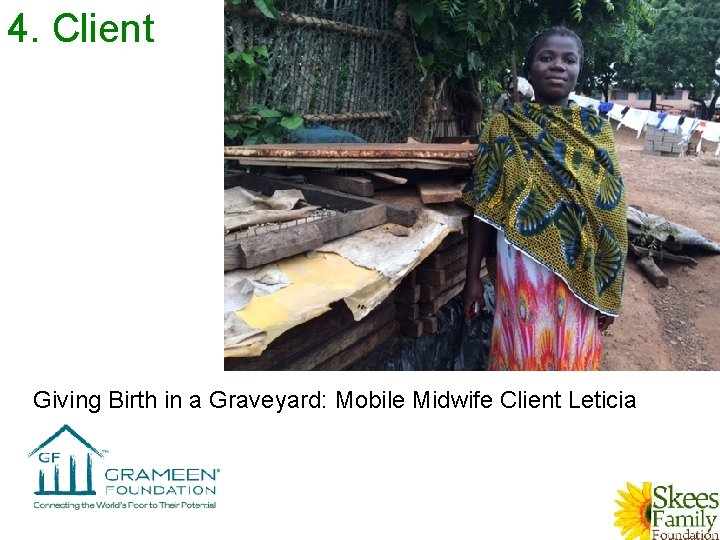
4. Client Giving Birth in a Graveyard: Mobile Midwife Client Leticia
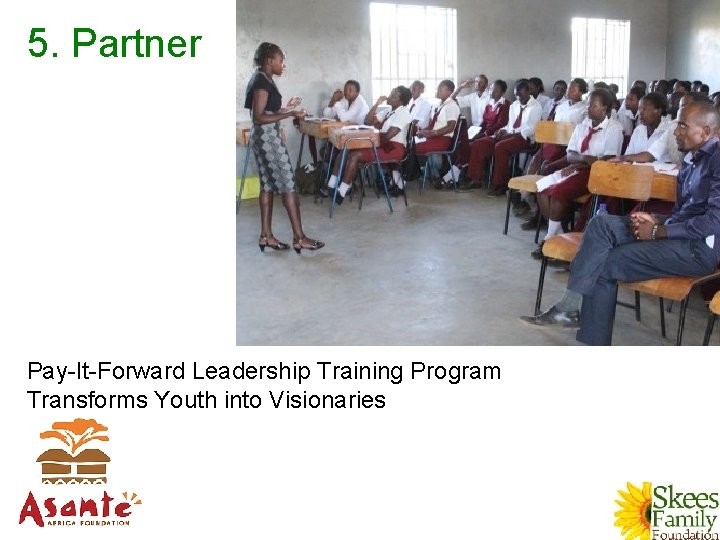
5. Partner Pay-It-Forward Leadership Training Program Transforms Youth into Visionaries
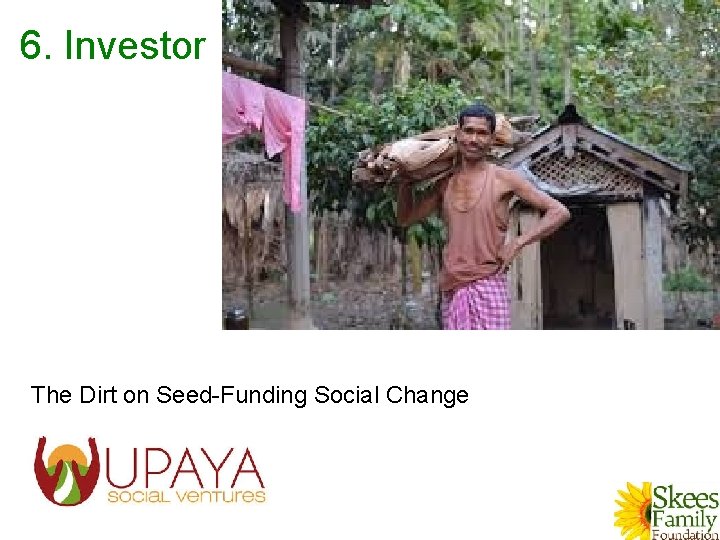
6. Investor The Dirt on Seed-Funding Social Change
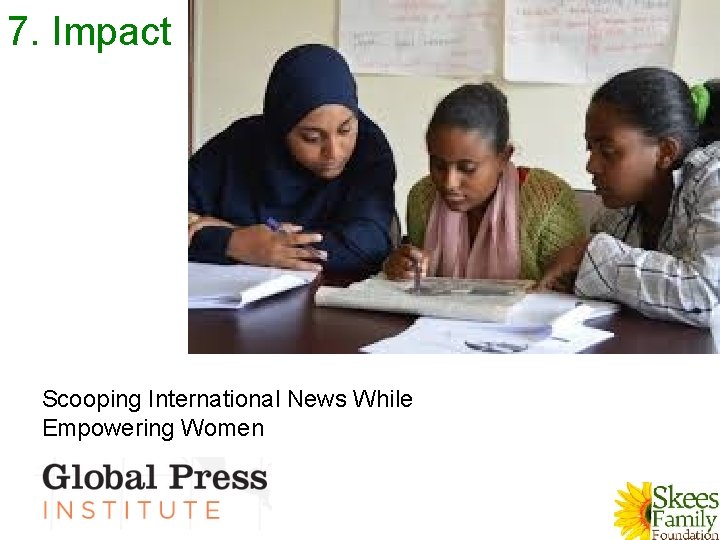
7. Impact Scooping International News While Empowering Women
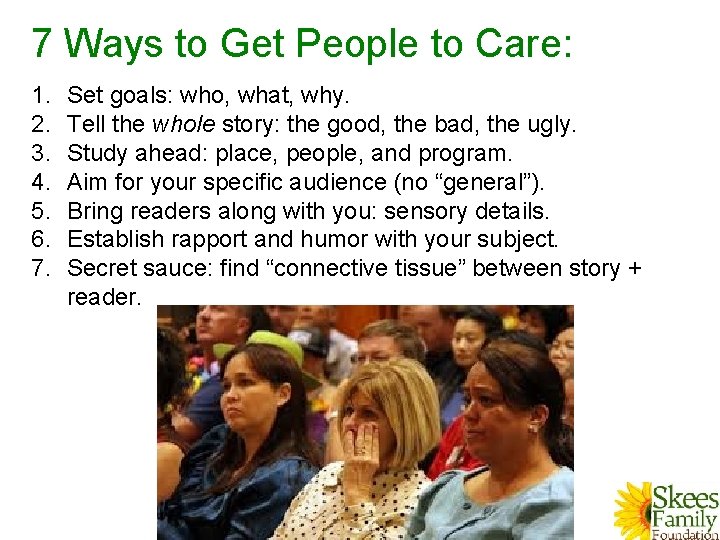
7 Ways to Get People to Care: 1. 2. 3. 4. 5. 6. 7. Set goals: who, what, why. Tell the whole story: the good, the bad, the ugly. Study ahead: place, people, and program. Aim for your specific audience (no “general”). Bring readers along with you: sensory details. Establish rapport and humor with your subject. Secret sauce: find “connective tissue” between story + reader.
Impact of stories
Impact of stories
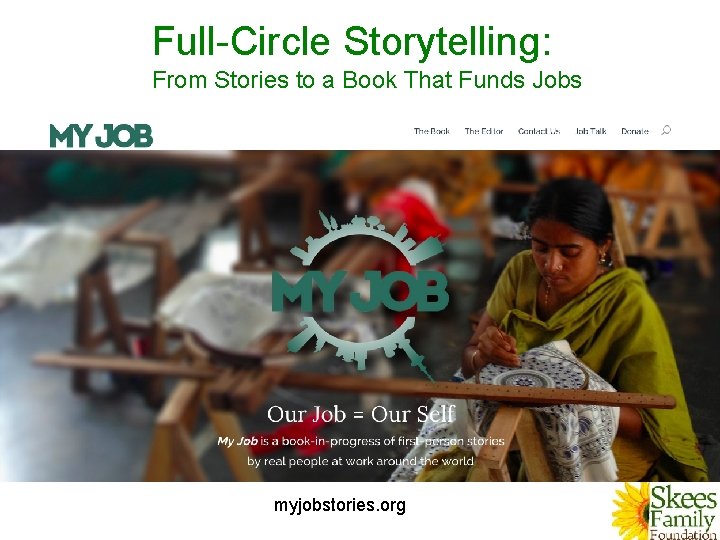
Full-Circle Storytelling: From Stories to a Book That Funds Jobs myjobstories. org
Stories and tips: skees. org My Job book: myjobstories. org Suzanne Skees 831 -334 -7622