
Exploring our Solar System Part 1 The Universe
- Slides: 24
Exploring our Solar System Part 1
The Universe Star Moon Meteor Sun Galaxy Asteroid Cluster Planet Earth Universe Can you put them in order of size?
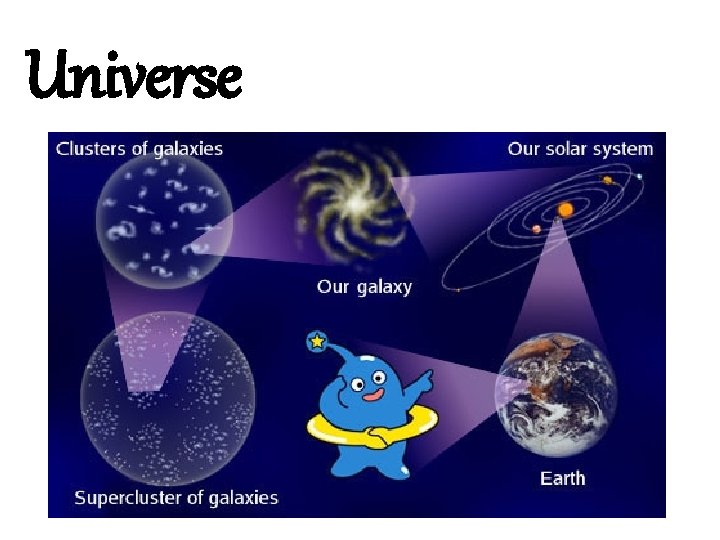
Universe
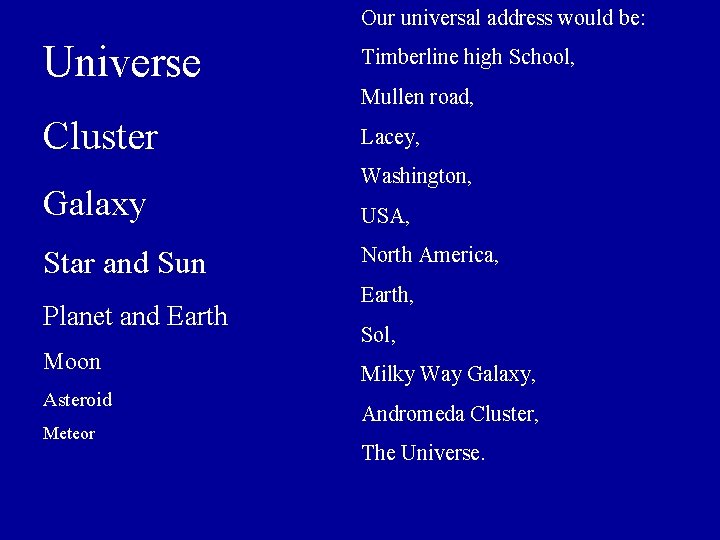
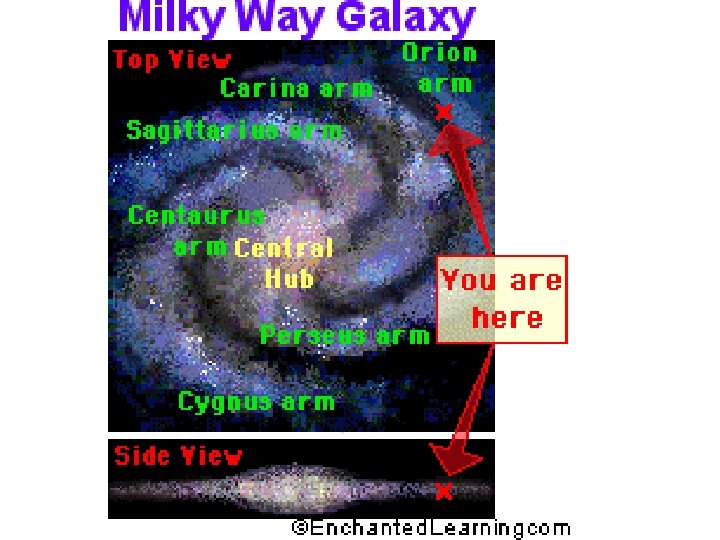
Our universal address would be: Universe Timberline high School, Cluster Lacey, Galaxy Star and Sun Planet and Earth Moon Asteroid Meteor Mullen road, Washington, USA, North America, Earth, Sol, Milky Way Galaxy, Andromeda Cluster, The Universe.
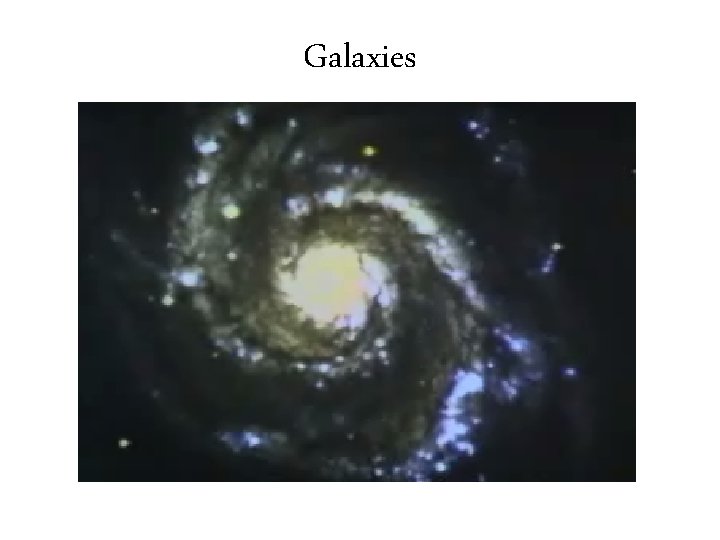
Galaxies
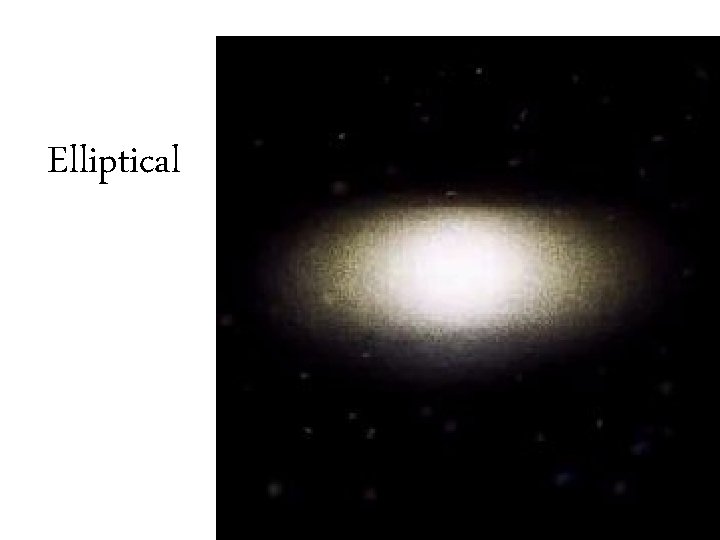
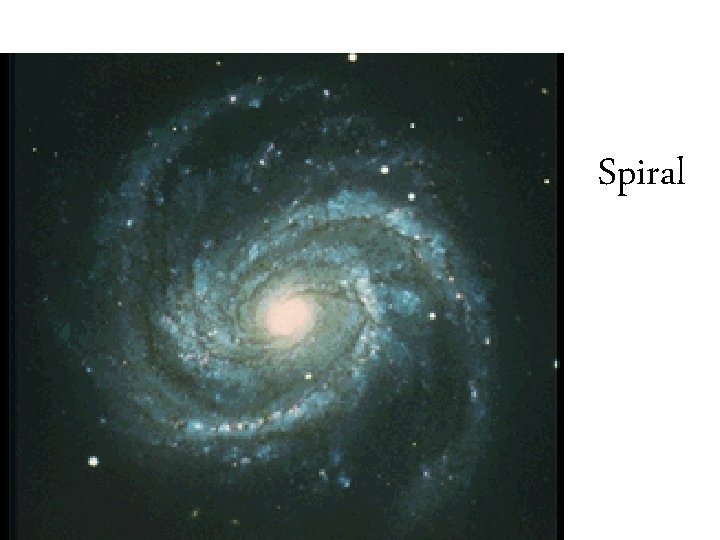
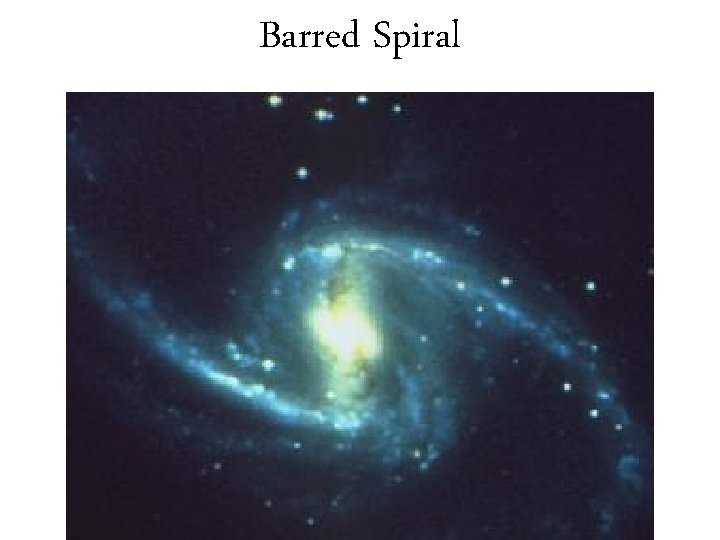
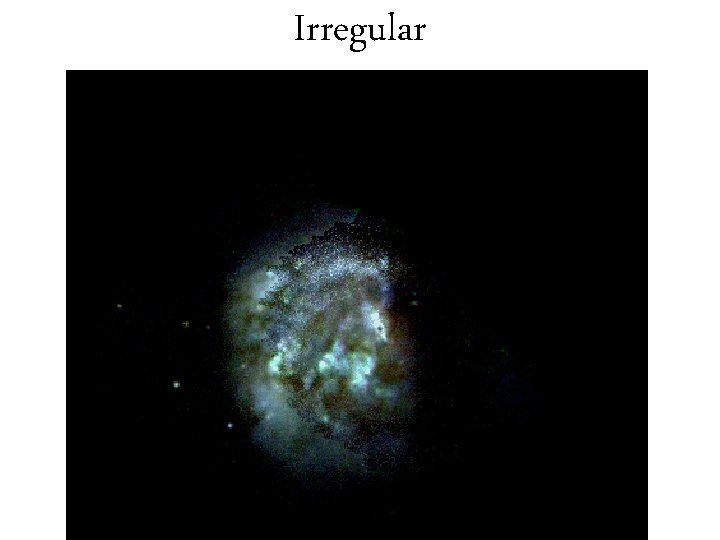
3 Types of Galaxies 1) Elliptical – oval shaped, no arms, little gas or dust clouds 2) Spiral – bulging nucleus (the center) with a least two arms that contain great clouds of gas & dust coming out on opposite sides (3/4 of all) 3) Irregular – stars spread unevenly, no distinct shape, least common
Elliptical
Spiral
Barred Spiral
Irregular
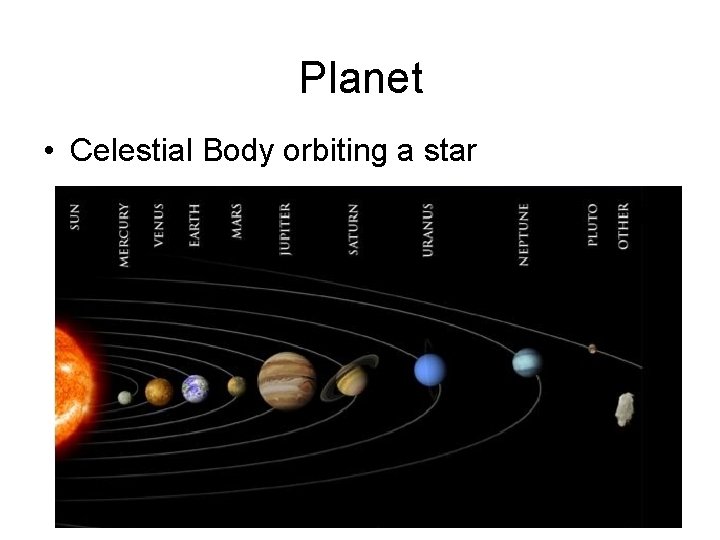
Planet • Celestial Body orbiting a star
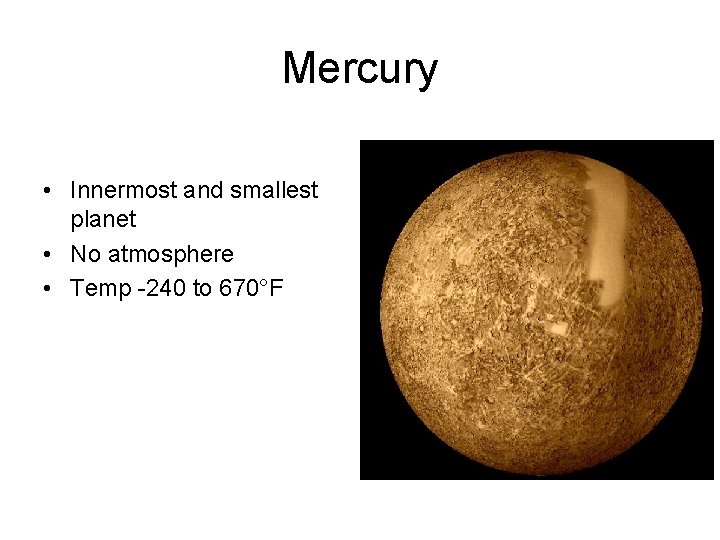
Mercury • Innermost and smallest planet • No atmosphere • Temp -240 to 670°F
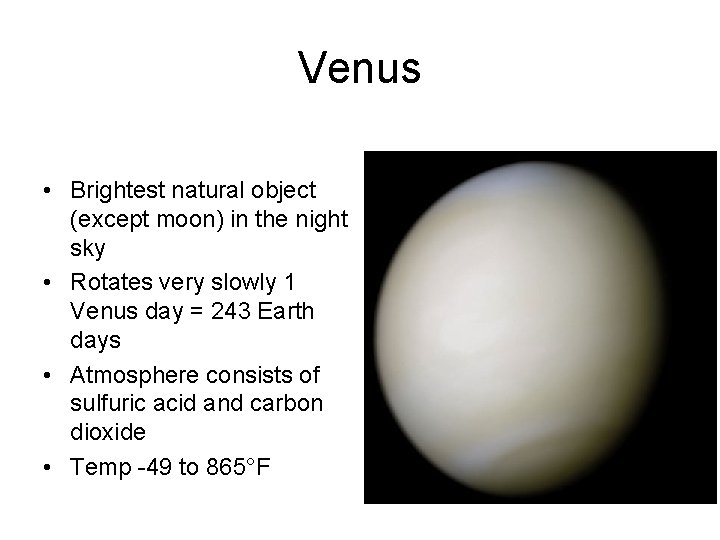
Venus • Brightest natural object (except moon) in the night sky • Rotates very slowly 1 Venus day = 243 Earth days • Atmosphere consists of sulfuric acid and carbon dioxide • Temp -49 to 865°F
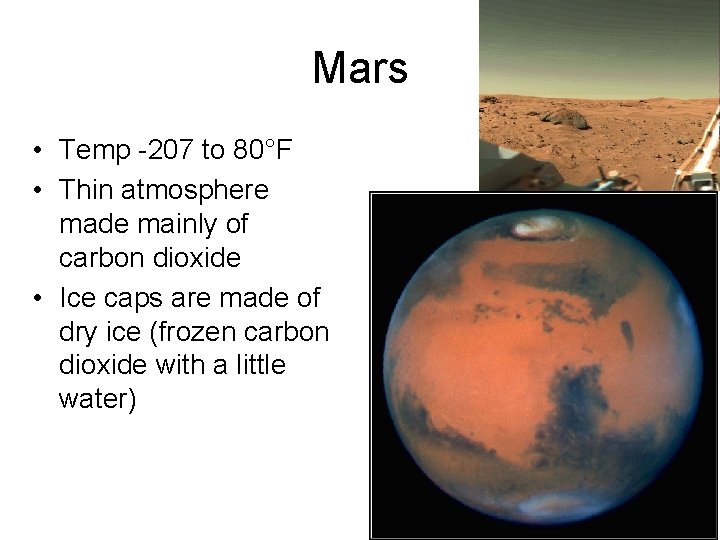
Mars • Temp -207 to 80°F • Thin atmosphere made mainly of carbon dioxide • Ice caps are made of dry ice (frozen carbon dioxide with a little water)
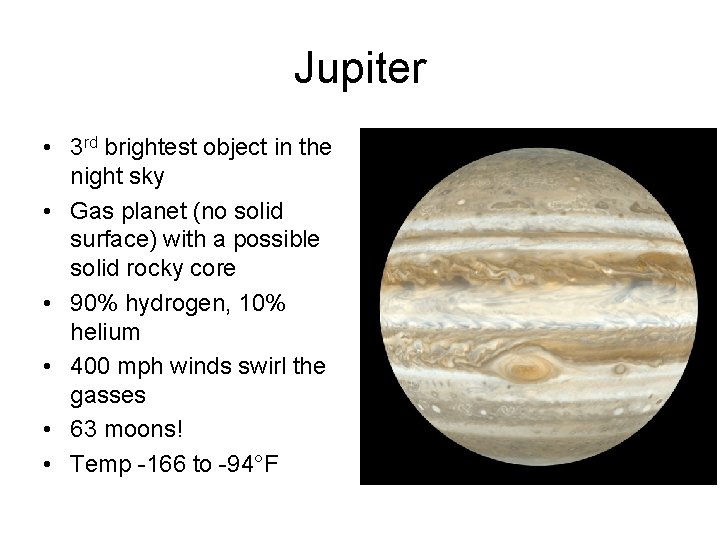
Jupiter • 3 rd brightest object in the night sky • Gas planet (no solid surface) with a possible solid rocky core • 90% hydrogen, 10% helium • 400 mph winds swirl the gasses • 63 moons! • Temp -166 to -94°F
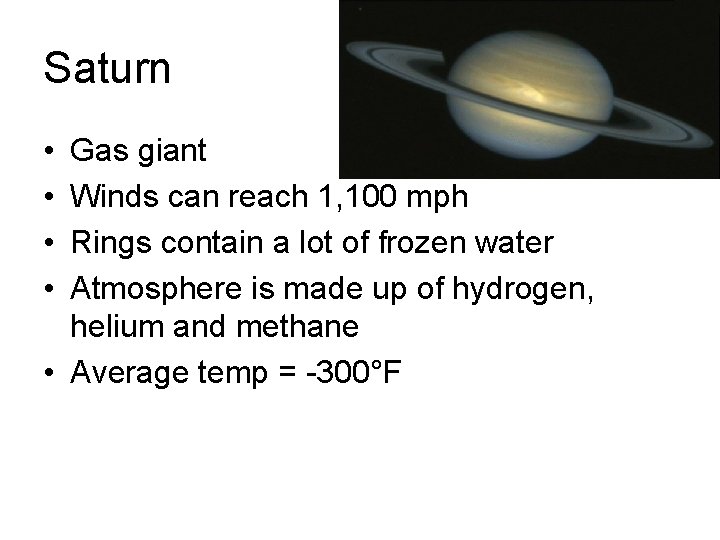
Saturn • • Gas giant Winds can reach 1, 100 mph Rings contain a lot of frozen water Atmosphere is made up of hydrogen, helium and methane • Average temp = -300°F
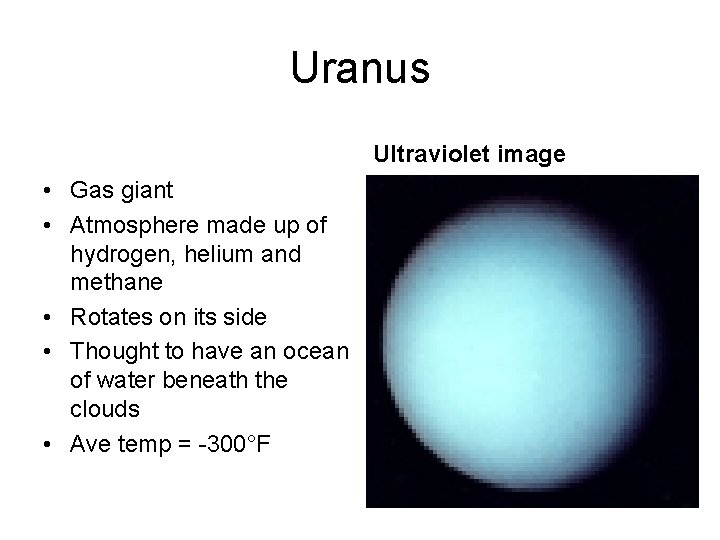
Uranus Ultraviolet image • Gas giant • Atmosphere made up of hydrogen, helium and methane • Rotates on its side • Thought to have an ocean of water beneath the clouds • Ave temp = -300°F
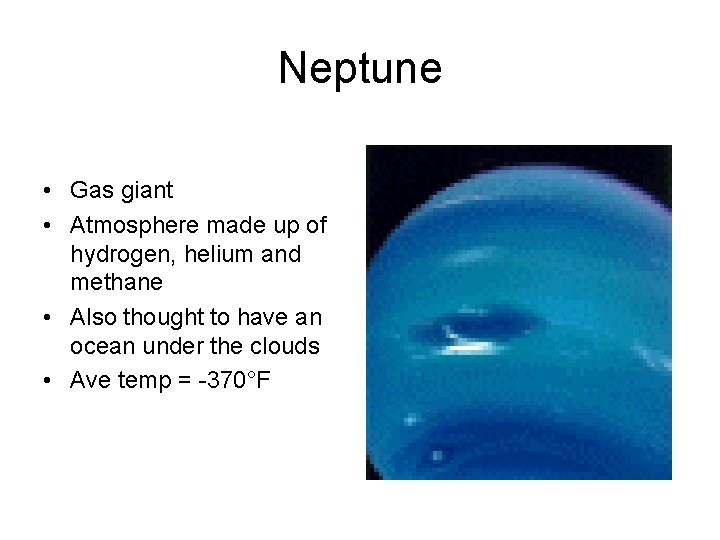
Neptune • Gas giant • Atmosphere made up of hydrogen, helium and methane • Also thought to have an ocean under the clouds • Ave temp = -370°F
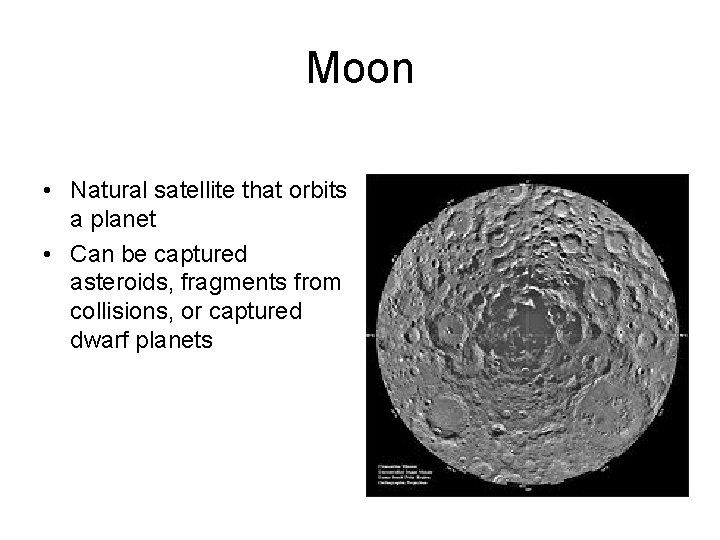
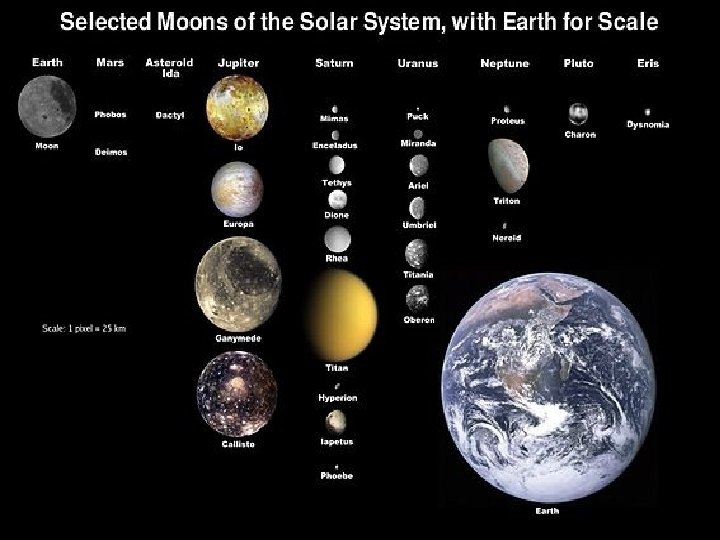
Moon • Natural satellite that orbits a planet • Can be captured asteroids, fragments from collisions, or captured dwarf planets
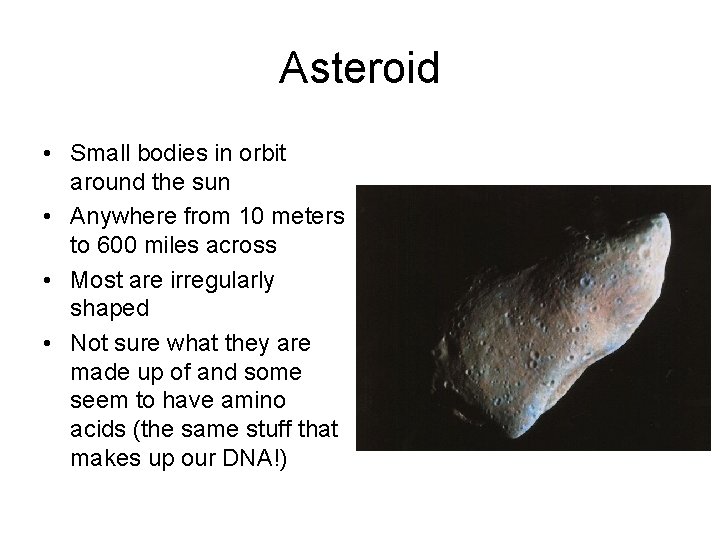
Asteroid • Small bodies in orbit around the sun • Anywhere from 10 meters to 600 miles across • Most are irregularly shaped • Not sure what they are made up of and some seem to have amino acids (the same stuff that makes up our DNA!)
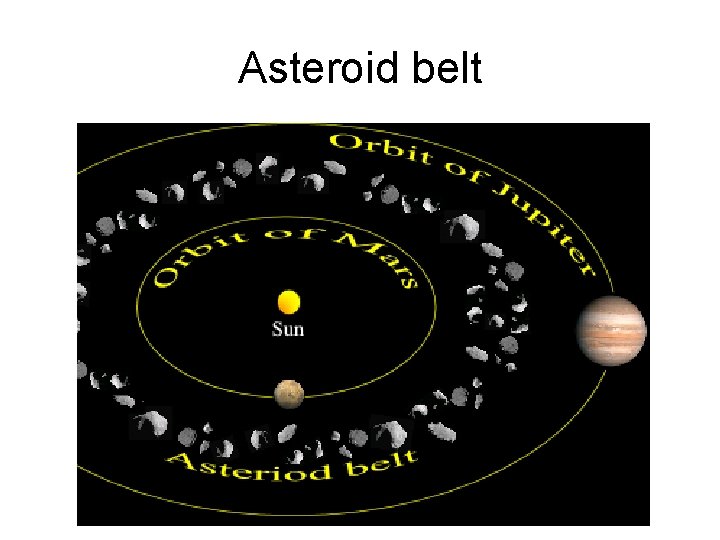
Asteroid belt
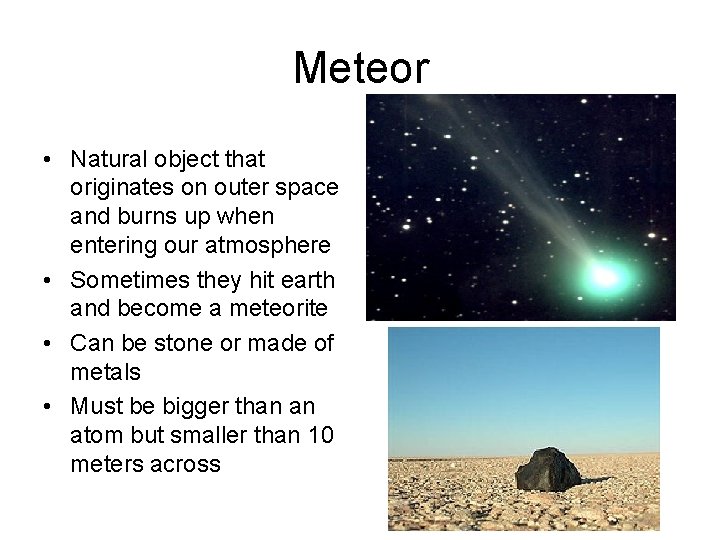
Meteor • Natural object that originates on outer space and burns up when entering our atmosphere • Sometimes they hit earth and become a meteorite • Can be stone or made of metals • Must be bigger than an atom but smaller than 10 meters across