
Exploring Life Science Chapter 1 The Nature of
- Slides: 15
Exploring Life Science Chapter 1 ØThe Nature of Science ØScientific Method ØMetric System ØScientific Tools
Science is not just for Scientists: Ø The goal of science is to understand the world around us. We make observations, gather facts, and perform experiments. Ø Develop a theory; the most logical explanation for events that occur in nature. Ø If a hypothesis survives many test it can become a law. A law summarizes observed experimental facts.
Branches of Life Science:
The Scientific Method Ø The systematic approach to problem solving. 1. Stating the Problem: What do you want to know? 2. Gathering Information on the Problem: research! 3. Forming a Hypothesis: an educated guess. 4. Performing Experiments: test the hypothesis. 5. Recording and Analyzing Data. 6. Stating a Conclusion.
The Metric System: Ø The standard system used by all scientists. Ø It is a decimal system: based on multiples of 10. Ø Length: Meter Ø Volume: Liter Ø Mass: Kilogram Ø Weight: Newton
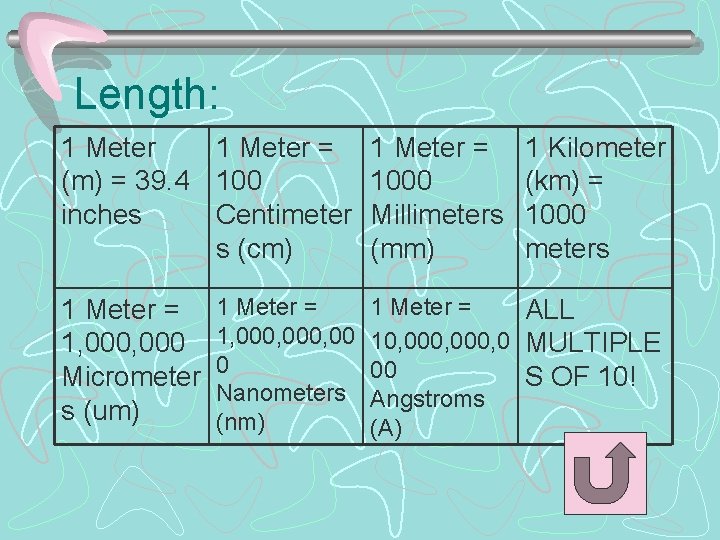
Length: 1 Meter = (m) = 39. 4 100 inches Centimeter s (cm) 1 Meter = 1, 000 Micrometer s (um) 1 Meter = 1, 000, 00 0 Nanometers (nm) 1 Meter = 1000 Millimeters (mm) 1 Kilometer (km) = 1000 meters 1 Meter = ALL 10, 000, 0 MULTIPLE 00 S OF 10! Angstroms (A)
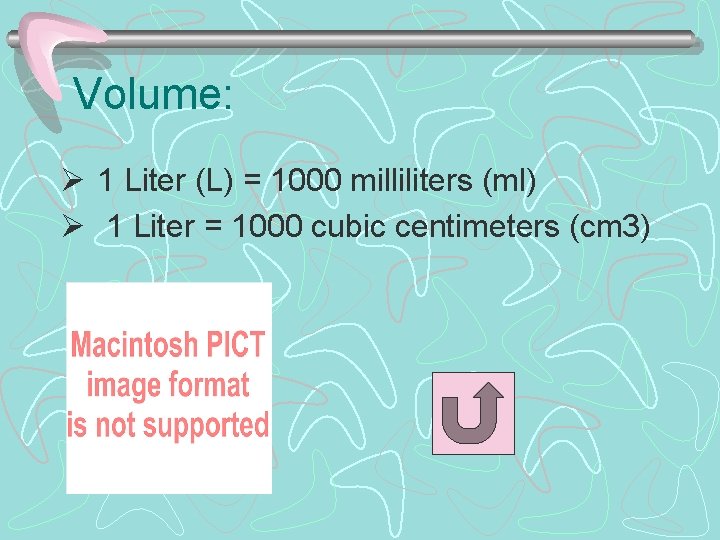
Volume: Ø 1 Liter (L) = 1000 milliliters (ml) Ø 1 Liter = 1000 cubic centimeters (cm 3)
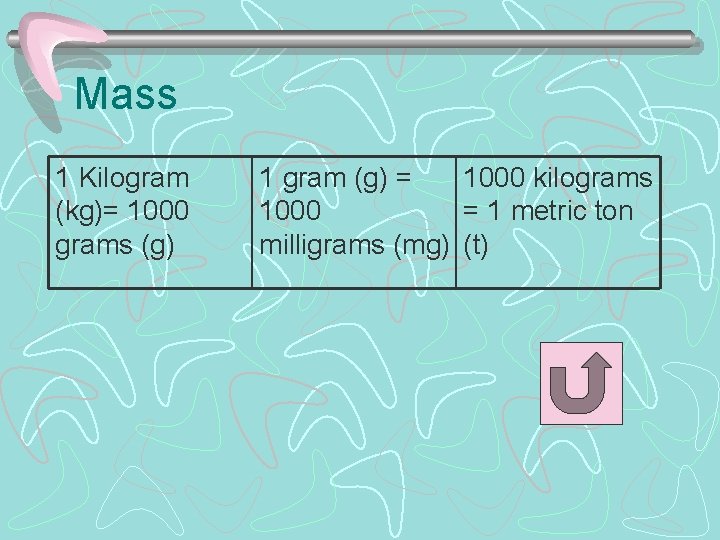
Mass 1 Kilogram (kg)= 1000 grams (g) 1 gram (g) = 1000 kilograms 1000 = 1 metric ton milligrams (mg) (t)
Temperature: Ø 0 degrees C = Freezing point of water Ø 100 degrees C = Boiling point of water
Tools of a Life Scientist: ØMicroscopes ØLooking Inside! ØLasers ØComputers
Microscopes:
Looking inside: Ø X-Ray: Invisible radiation, takes pictures of bones. Ø CT Scan (Computed Tomography): Takes cross-sectional pictures of objects. Ø MRI ( Magnetic Resonance Imaging): Uses Magnetism and radio waves to produce images.
Lasers Ø A laser is a tool that produces a narrow, intense beam of light. Ø Used as a scalpel in surgery.
Computers: Ø Computers are used by scientists for: Ø Researching and collecting data. Ø Display data. Ø Store data. Ø Doctors use them to diagnose diseases.
The End ØBy Mrs. Scibelli ØExploring Life Science