
Exploring Innovation in Corner Brook Assessing its networks
Exploring Innovation in Corner Brook‐ Assessing its networks Marion Mc. Cahon, Office of Public Engagement, Government of Newfoundland Labrador Jose Lam, Grenfell Campus, MUN CUEXPO 2013 Corner Brook, June 12‐ 15
Office of Public Engagement • Part of the new Office of Public Engagement • Work with partners to engage the public in dialogue related to the future of rural NL • Assist partners including Provincial Government departments to collaborate more effectively for sustainability • Work with partners to conduct and facilitate research that helps inform policy‐/decision‐making • Support 10 advisory councils who develop policy‐advice for the Provincial Government
Networks for Business Innovation Partners Rural Secretariat Department of Advanced Education and Skills Department of Innovation, Business and Rural Development
Introduction • Corner Brook is an economy in transition moving away from a primarily resource‐based towards a more knowledge‐based economy • Knowledge‐based economies are grounded in highly‐integrated networks • Investigating local & global knowledge flows in Corner Brook using social network analysis
Building on Past Research • Business Retention & Expansion Report (Greater Corner Brook Board of Trade 2008) • Social Foundations of Innovation Project (Greenwood, Pike & Kearley 2011, Wolfe 2009) • Network Weaving for Regional Development on the Tip of the Northern Peninsula (Tucker et al. 2011)

Networks • Models agree on importance of networks • Market, non‐market and mutual dependence on public institutions and policies • Networks as knowledge diffusers • Networks help foster innovation and regional economic growth
Social Network Analysis • Lack of clarity on what networks look like, how knowledge flows and interdependencies occur • – networks as “invisible and immeasurable” (Krugman 1991); “dark matter” (Storper 2009) • SNA – methods for tracking and understanding local and external connections and their roles
Methodology • • Phase I – Interviews (21 innovators) Phase II – Online Survey (111, 71%) Phase III – Data Analysis (SNA & UCINET) Phase IV – Community Mobilization
Interview Insights • Business turns to business ‐ project or industry specific peers or mentors (competitors, suppliers, other franchisees, company managers, staff, industry publications and associations) • Few turn to customers for ideas • Most have mentors • Success stories: Coleman's and Peter Ollerhead (Brewed Awakenings and Cycle Solutions) • Range of agencies providing support, including post‐secondary institutions
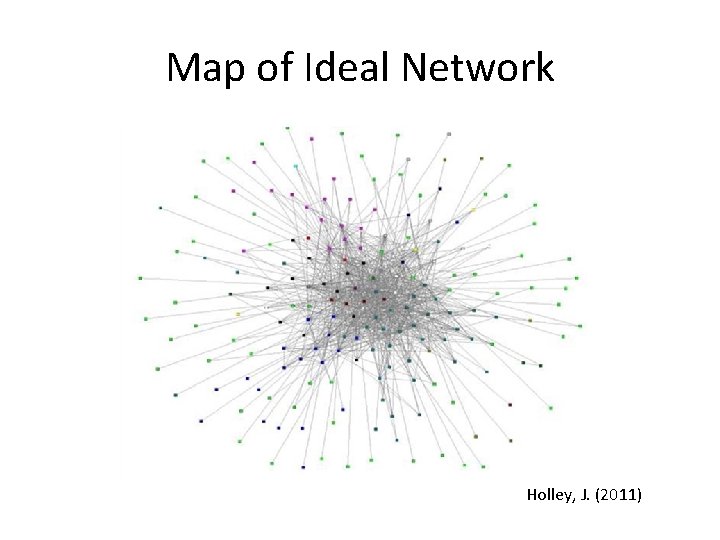
Map of Ideal Network Holley, J. (2011)
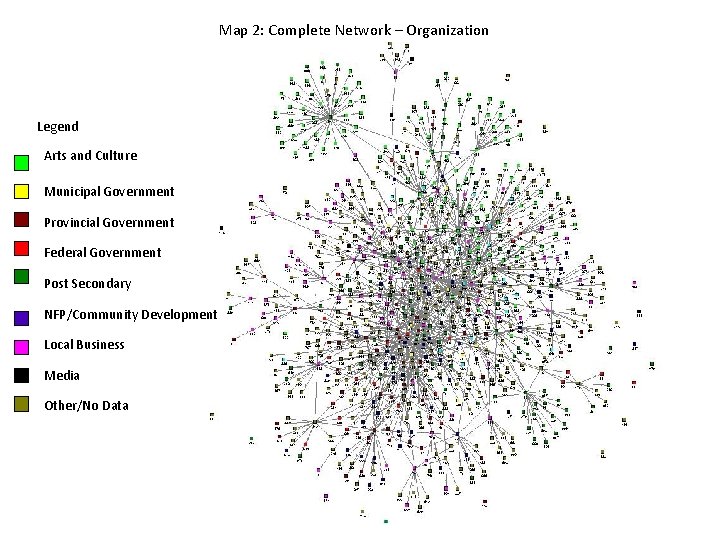
Map 2: Complete Network – Organization Legend Arts and Culture Municipal Government Provincial Government Federal Government Post Secondary NFP/Community Development Local Business Media Other/No Data 11
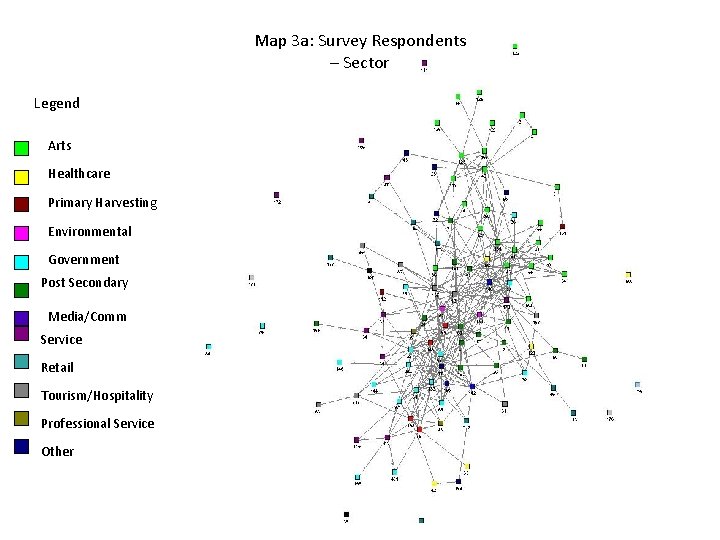
Map 3 a: Survey Respondents – Sector Legend Arts Healthcare Primary Harvesting Environmental Government Post Secondary Media/Comm Service Retail Tourism/Hospitality Professional Service Other 12
Map 3 a: Survey Respondents – Sector Legend Arts Healthcare Primary Harvesting Environmental Government Post Secondary Media/Comm Service Retail Tourism/Hospitality Professional Service Other 13
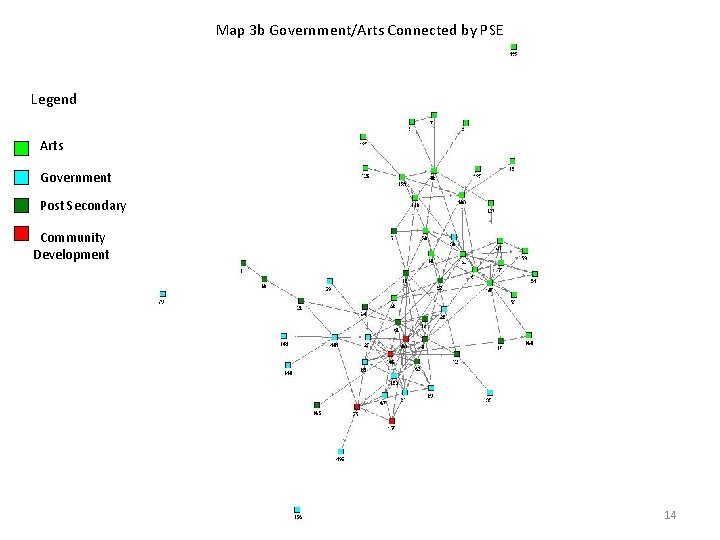
Map 3 b Government/Arts Connected by PSE Legend Arts Government Post Secondary Community Development 14
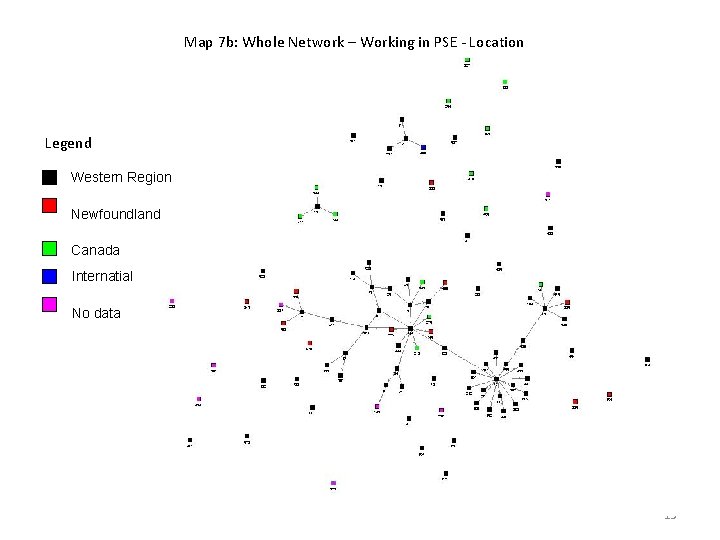
Map 7 b: Whole Network – Working in PSE ‐ Location Legend Western Region Newfoundland Canada Internatial No data 15
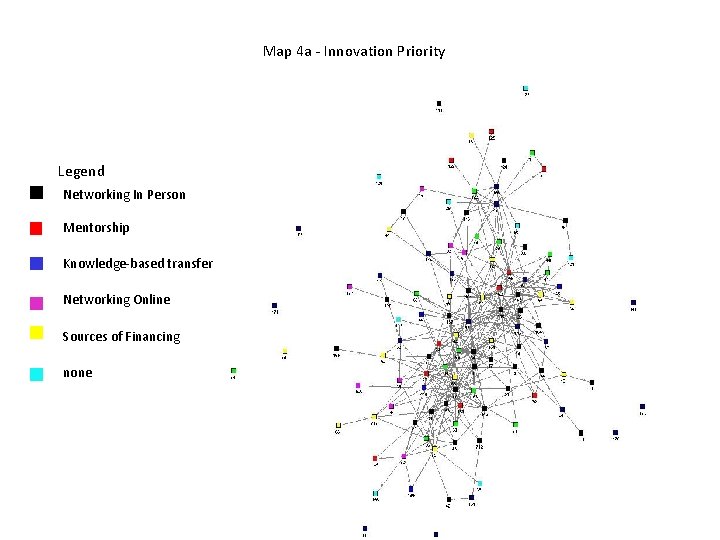
Map 4 a ‐ Innovation Priority Legend Networking In Person Mentorship Knowledge‐based transfer Networking Online Sources of Financing none 16
Next Steps – Community Mobilization and Network Weaving • • • Connecting community Sector based initiatives Promoting business networking Mentoring support Expand use of technology and social media as a networking tool
Conclusion Opportunities – strengthen local and broaden external connections, build cross‐sectoral linkages, innovation strategy
- Slides: 18