
Expert Systems for Automated STR Analysis SWGDAM Quantico

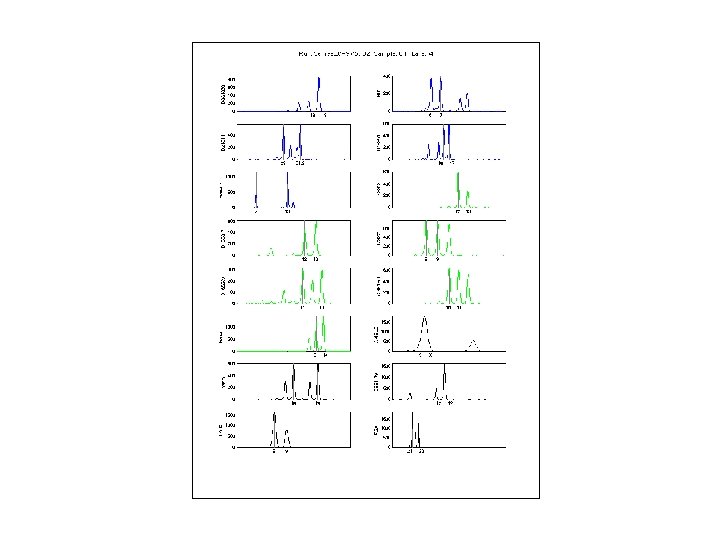
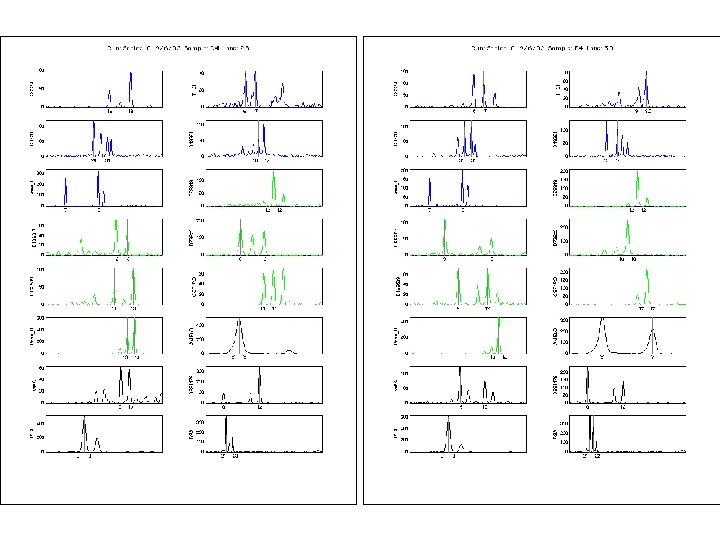
![data peaks size + [DNA] model](https://slidetodoc.com/presentation_image_h2/9b93d1565b6706f9ec6a39926d7039f9/image-8.jpg "data peaks size + [DNA] model")





- Slides: 60
Expert Systems for Automated STR Analysis SWGDAM Quantico, VA Mark W. Perlin January, 2003
DNA Is Clue to 1971 Murder: A recent, random test links a state prison inmate to the old El Dorado case. January 10, 2003 DNA Clue Cracks Open Unsolved 1979 Slaying: Colorado felon charged in San Pablo girl's death. December 4, 2002 S. F. Transient Held in Rapes of Homeless Women: DNA match led to suspect. October 19, 2002 DNA links felon to rape: The arrest marks the 100 th match in state database. August 23, 2002 DNA links parolee to old rape case: Database helps authorities score 'cold hit' on suspect in attack. August 21, 2002 DNA yields arrest warrant in 1978 killing. August 14, 2002
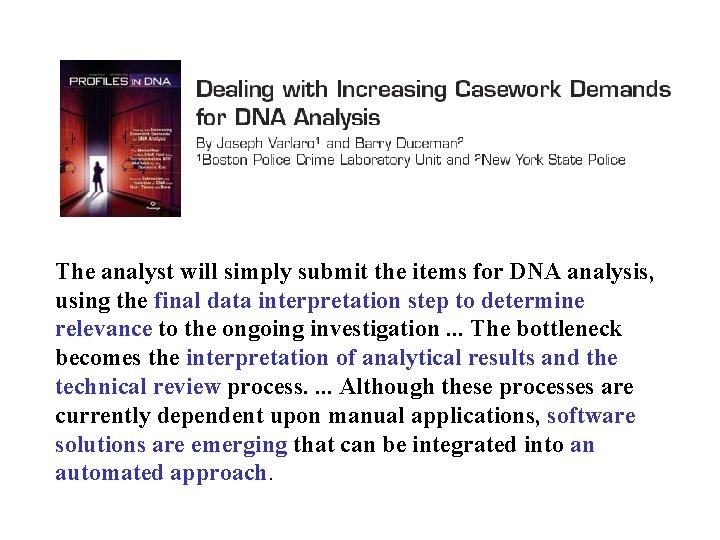
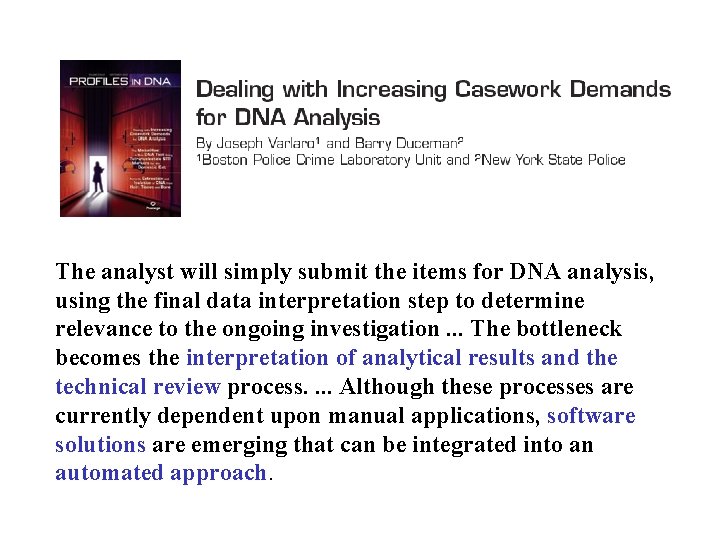
The analyst will simply submit the items for DNA analysis, using the final data interpretation step to determine relevance to the ongoing investigation. . . The bottleneck becomes the interpretation of analytical results and the technical review process. . Although these processes are currently dependent upon manual applications, software solutions are emerging that can be integrated into an automated approach.
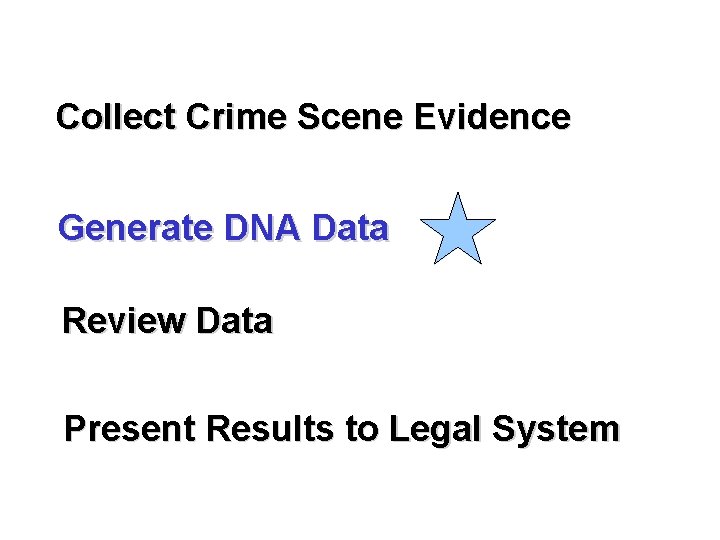
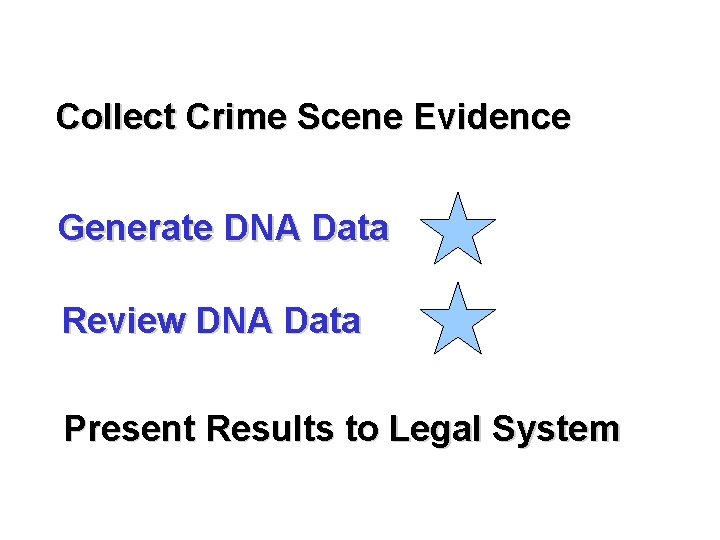
Collect Crime Scene Evidence Generate DNA Data Review Data Present Results to Legal System
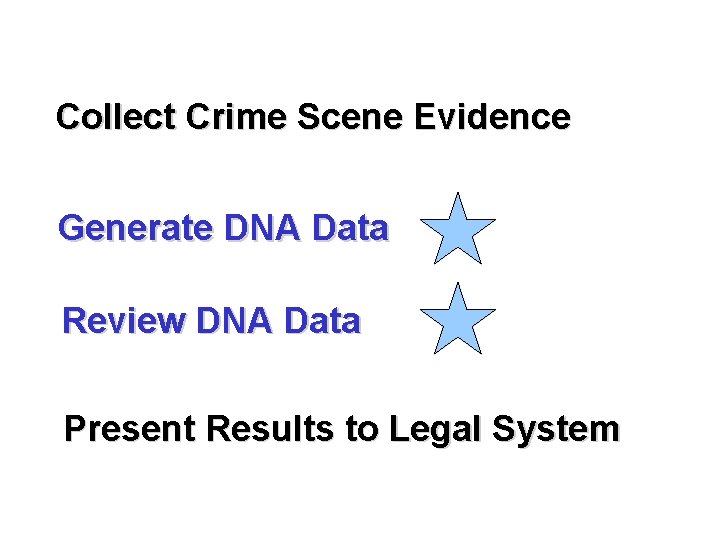
Collect Crime Scene Evidence Generate DNA Data Review DNA Data Present Results to Legal System
True. Allele™
data peaks size + [DNA] model
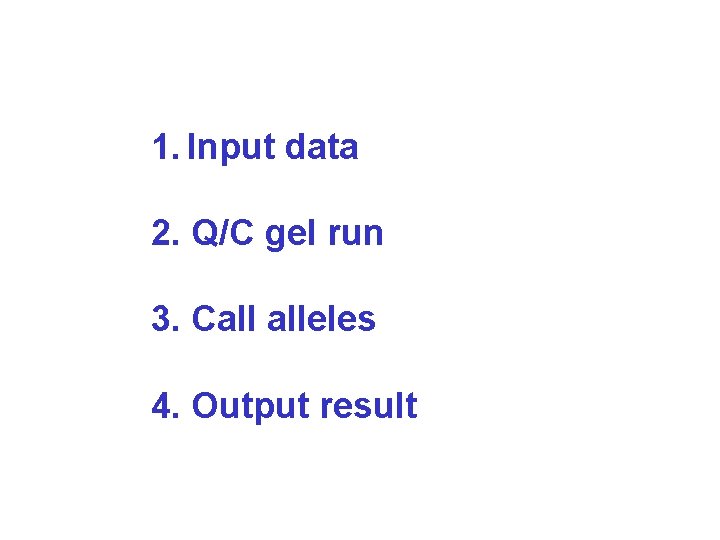
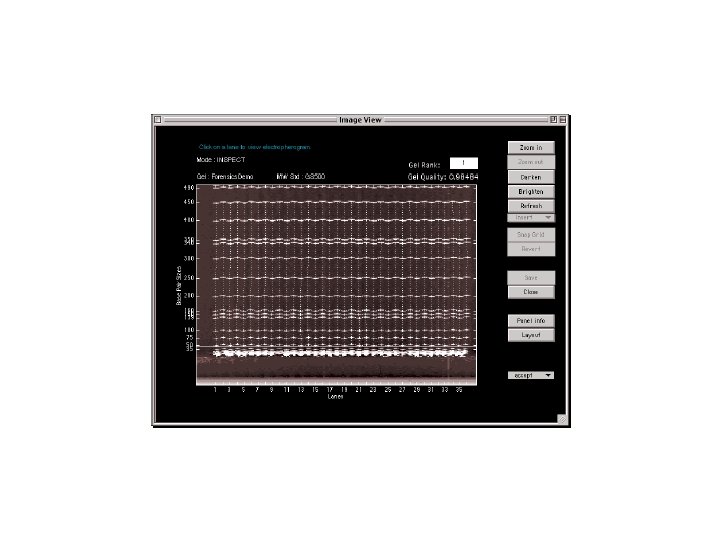
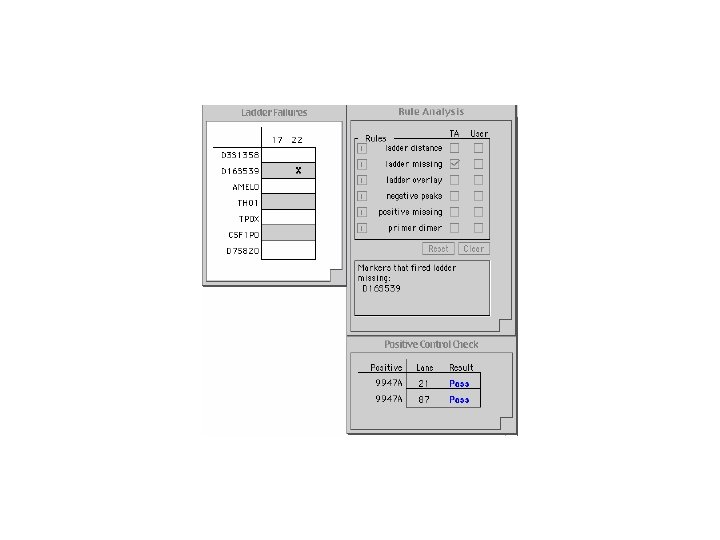
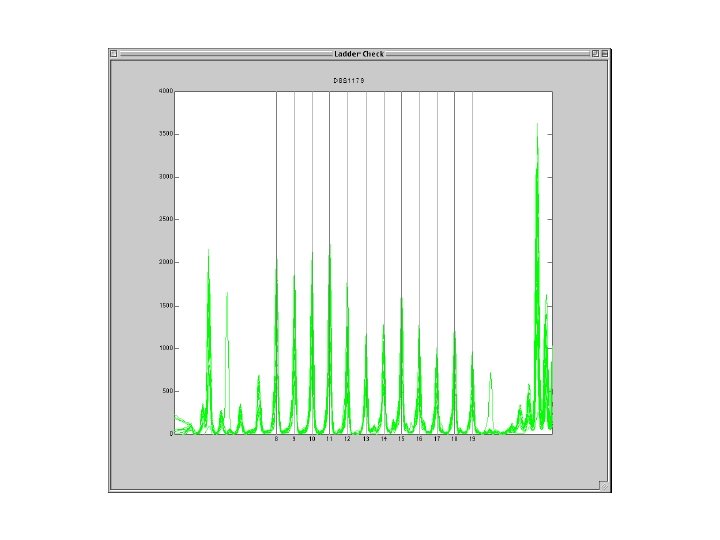
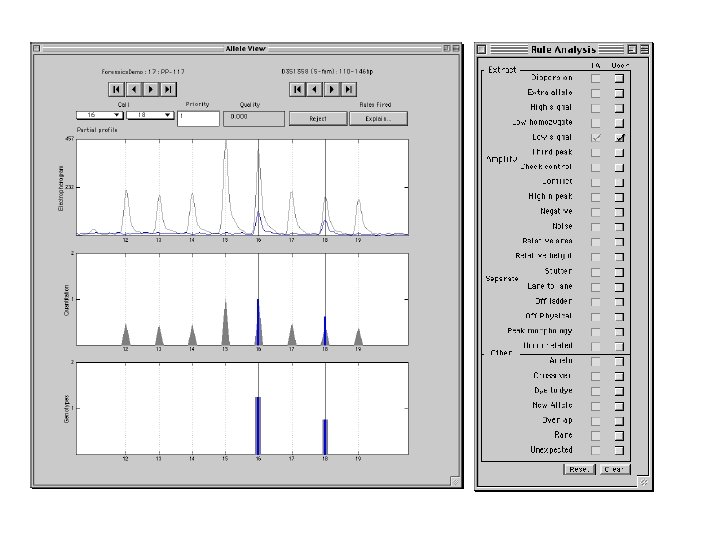
1. Input data 2. Q/C gel run 3. Call alleles 4. Output result
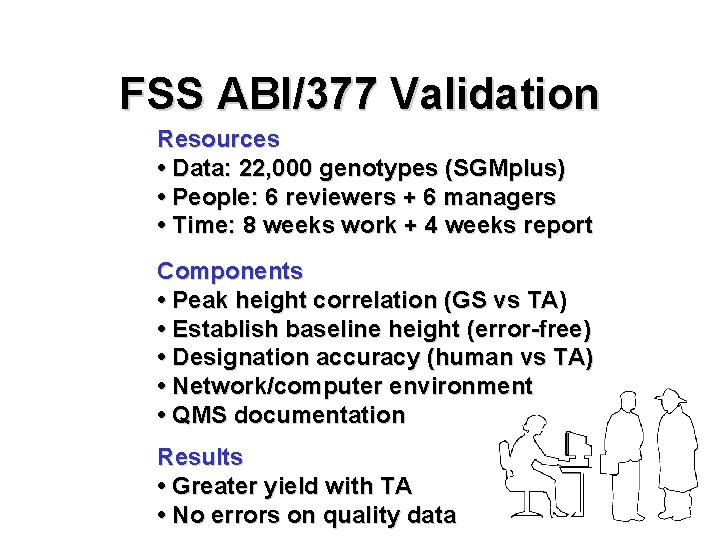
FSS ABI/377 Validation Resources • Data: 22, 000 genotypes (SGMplus) • People: 6 reviewers + 6 managers • Time: 8 weeks work + 4 weeks report Components • Peak height correlation (GS vs TA) • Establish baseline height (error-free) • Designation accuracy (human vs TA) • Network/computer environment • QMS documentation Results • Greater yield with TA • No errors on quality data
acceptance depression bargaining anger denial
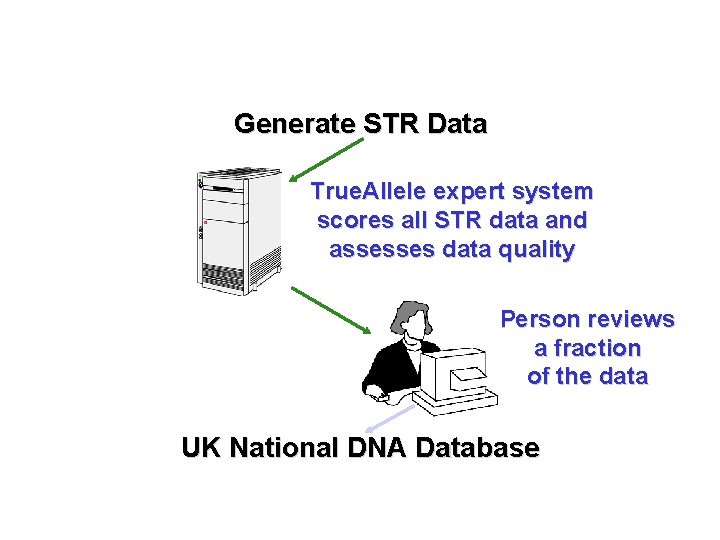
Generate STR Data True. Allele expert system scores all STR data and assesses data quality Person reviews a fraction of the data UK National DNA Database
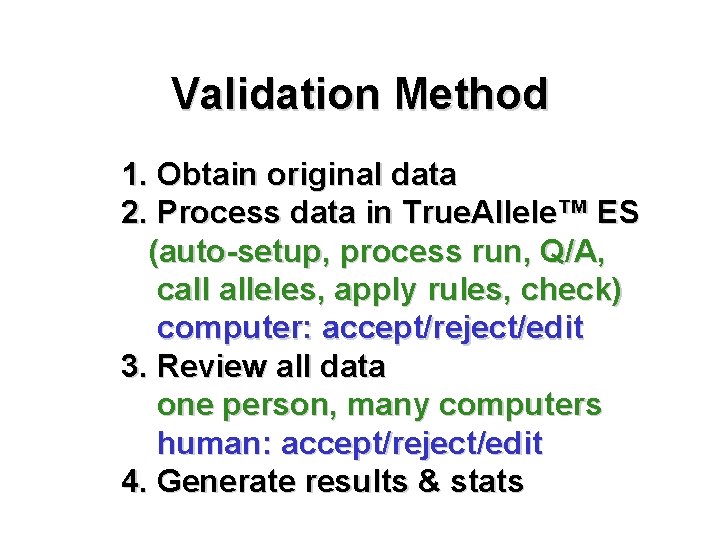
Validation Method 1. Obtain original data 2. Process data in True. Allele™ ES (auto-setup, process run, Q/A, call alleles, apply rules, check) computer: accept/reject/edit 3. Review all data one person, many computers human: accept/reject/edit 4. Generate results & stats
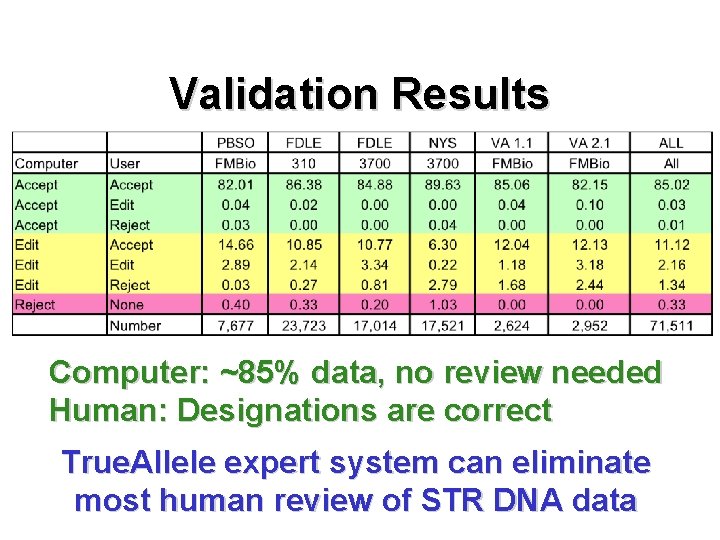
Validation Results Computer: ~85% data, no review needed Human: Designations are correct True. Allele expert system can eliminate most human review of STR DNA data
Just. Allele™
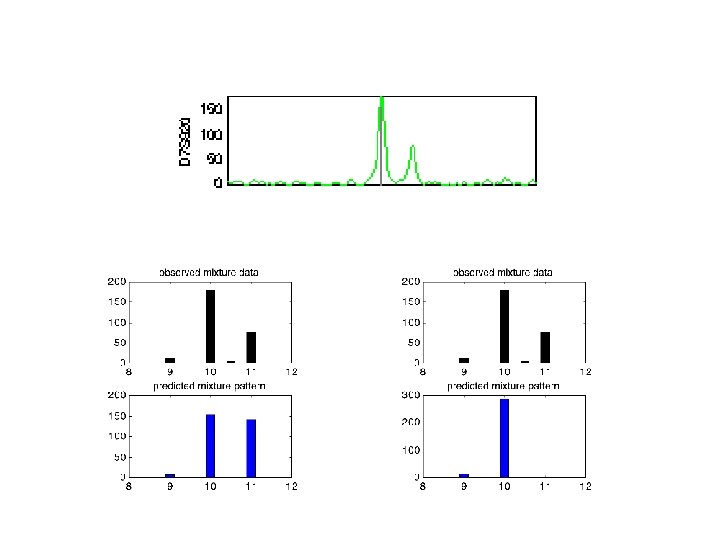
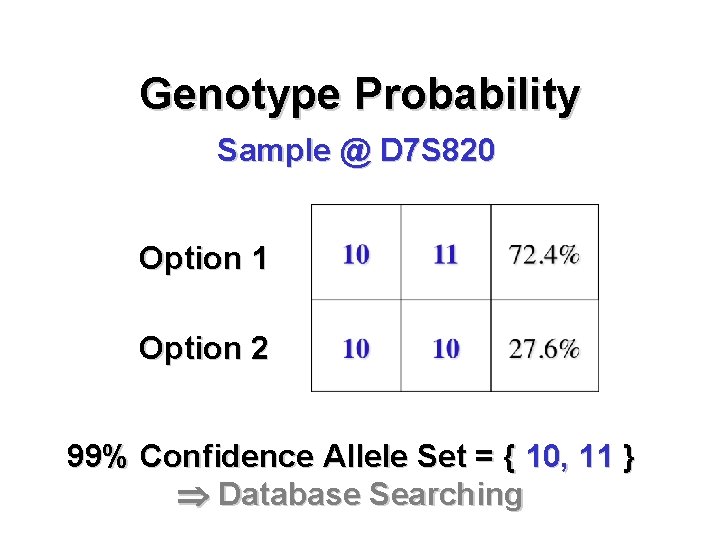
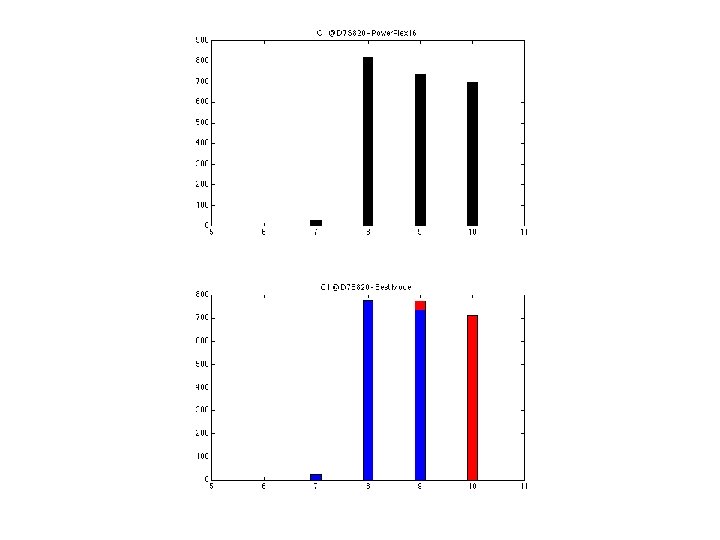
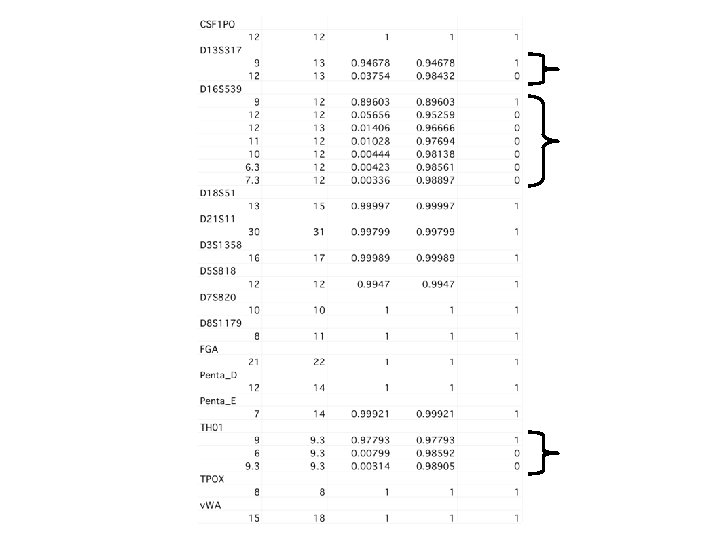
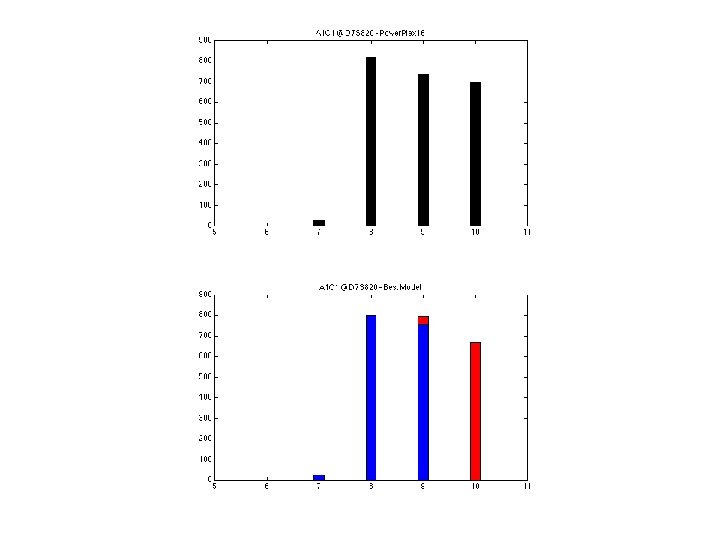
Genotype Probability Sample @ D 7 S 820 Option 1 Option 2 99% Confidence Allele Set = { 10, 11 } Database Searching
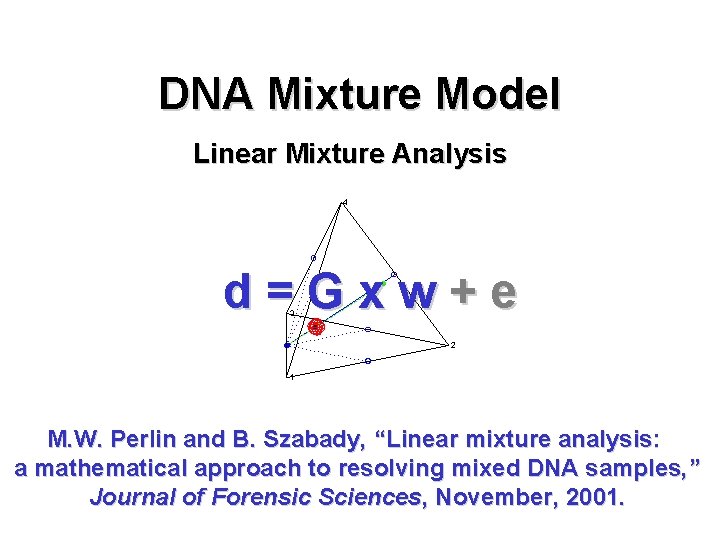
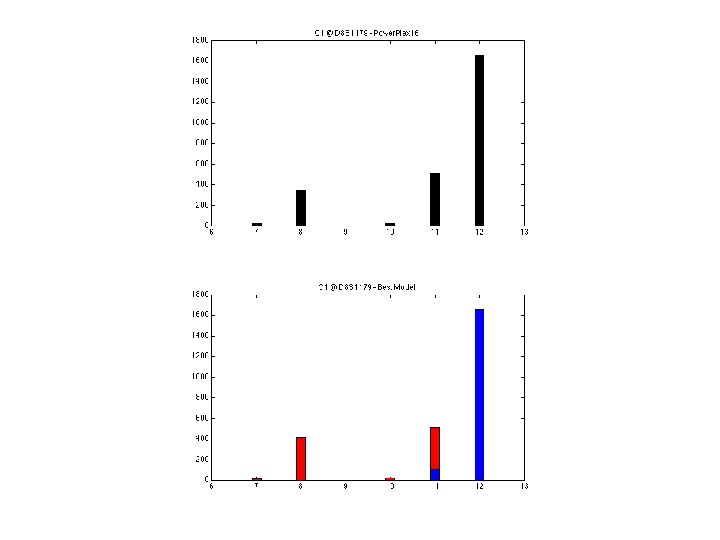
DNA Mixture Model Linear Mixture Analysis d=Gxw+e M. W. Perlin and B. Szabady, “Linear mixture analysis: a mathematical approach to resolving mixed DNA samples, ” Journal of Forensic Sciences, November, 2001.
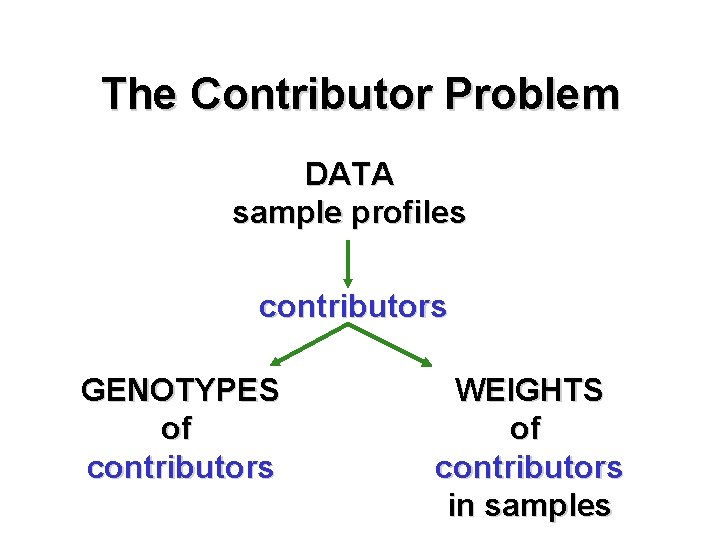
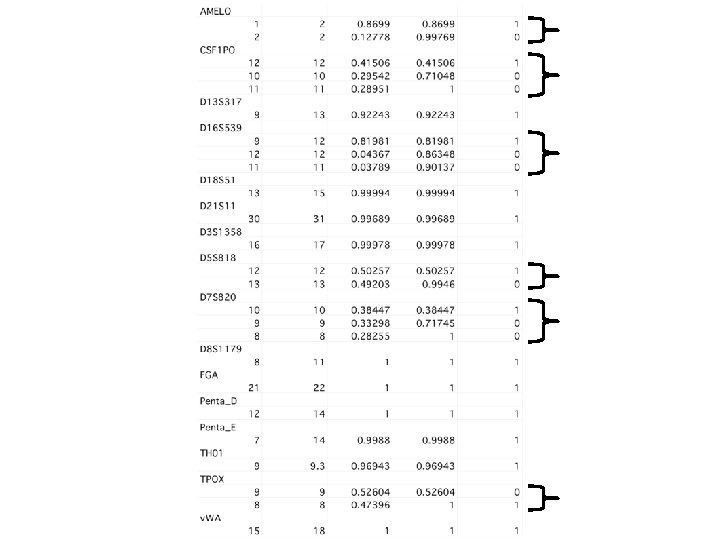
The Contributor Problem DATA sample profiles contributors GENOTYPES of contributors WEIGHTS of contributors in samples
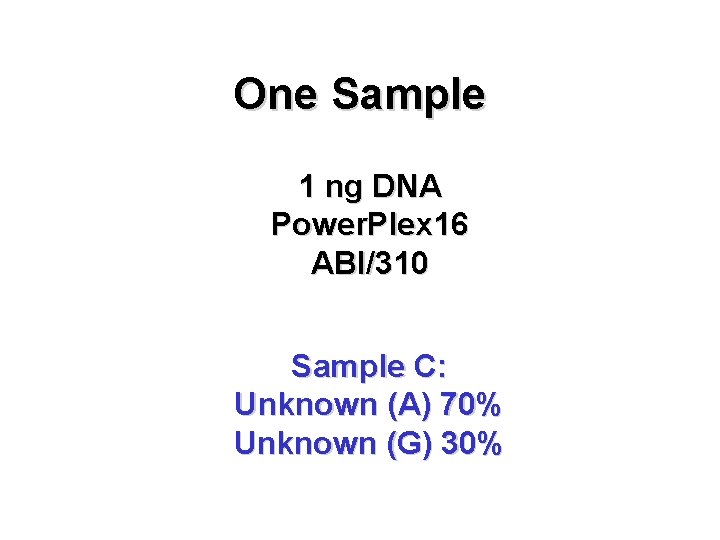
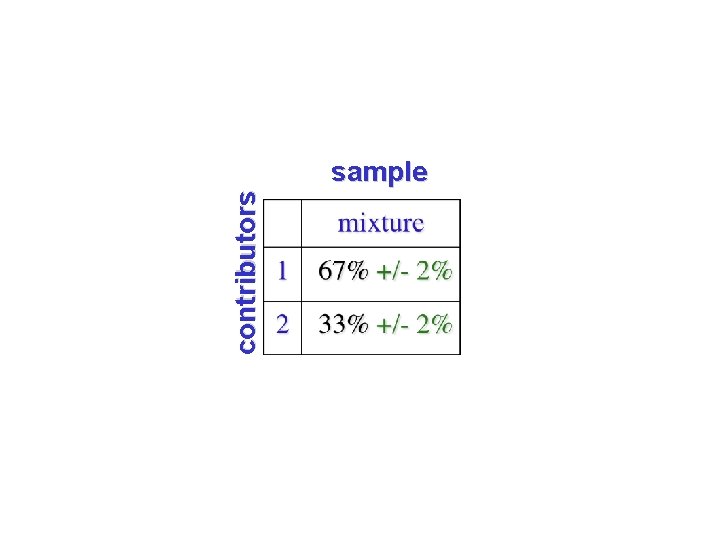
One Sample 1 ng DNA Power. Plex 16 ABI/310 Sample C: Unknown (A) 70% Unknown (G) 30%
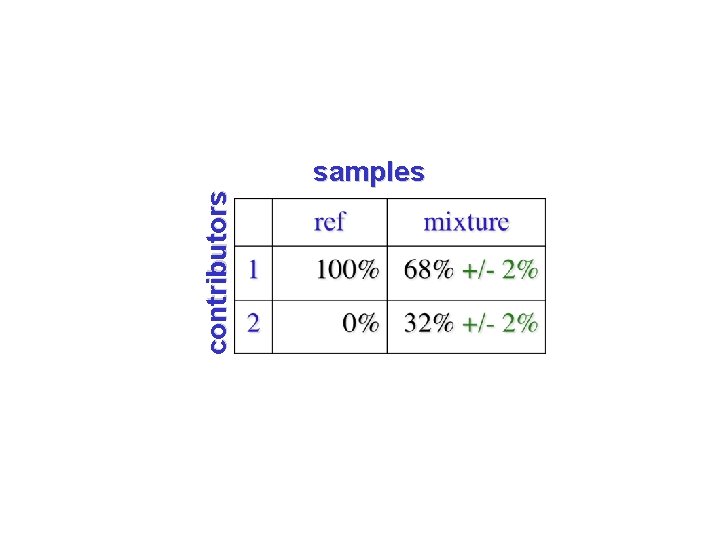
contributors sample
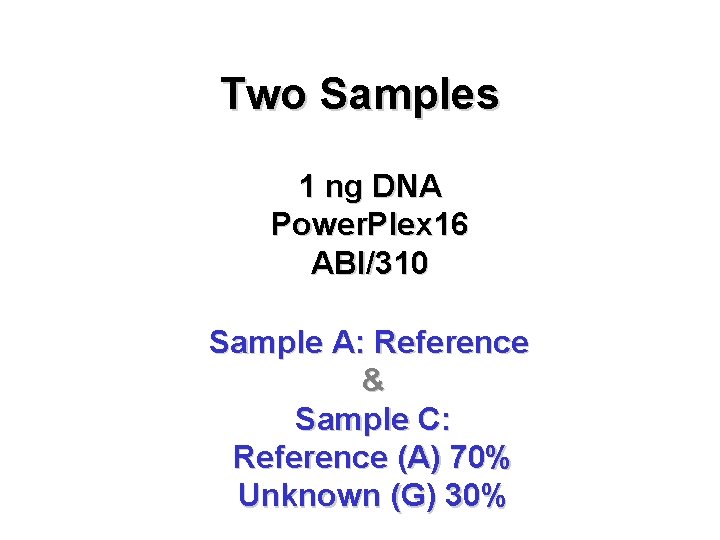
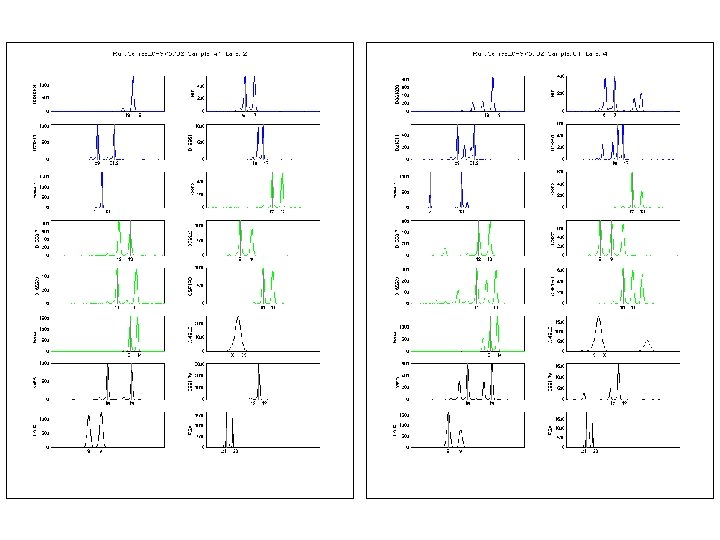
Two Samples 1 ng DNA Power. Plex 16 ABI/310 Sample A: Reference & Sample C: Reference (A) 70% Unknown (G) 30%
contributors samples
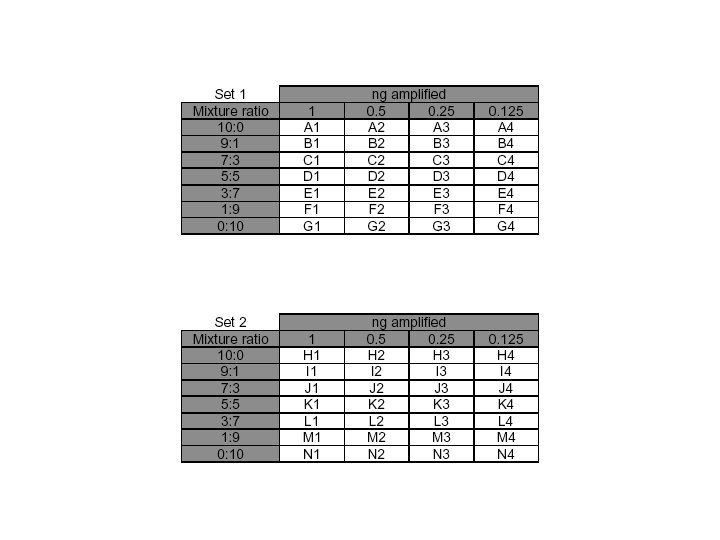
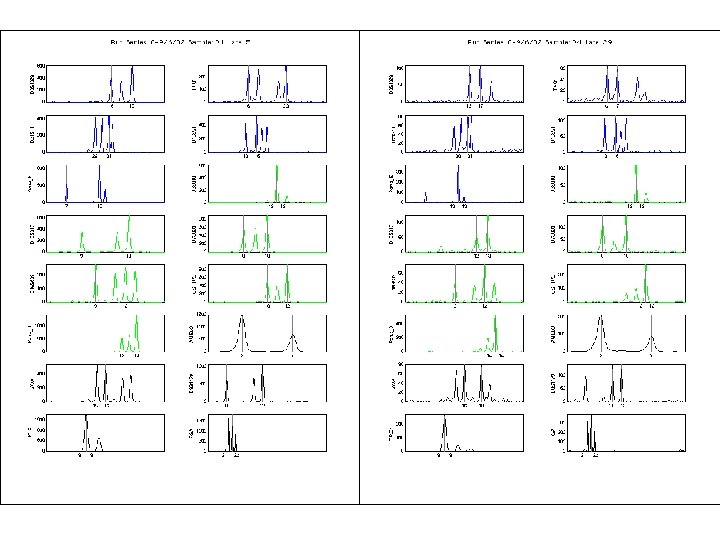
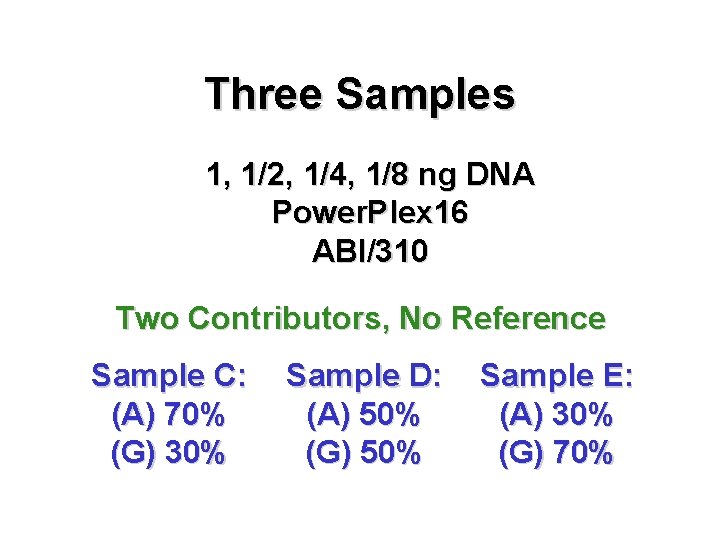
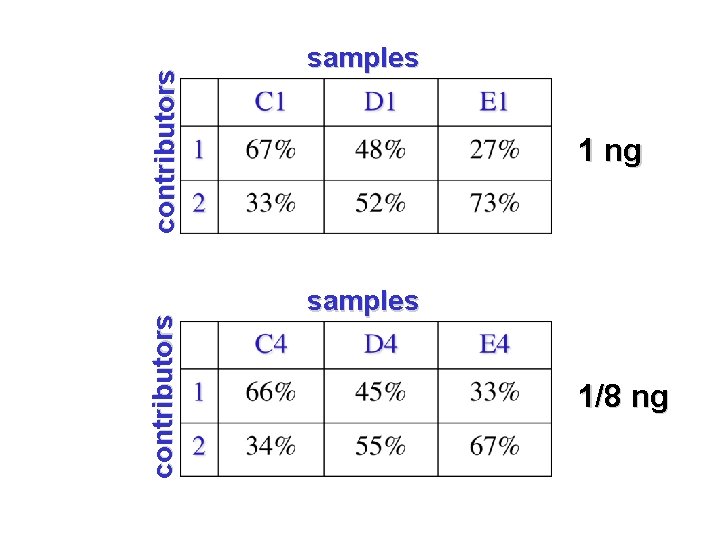
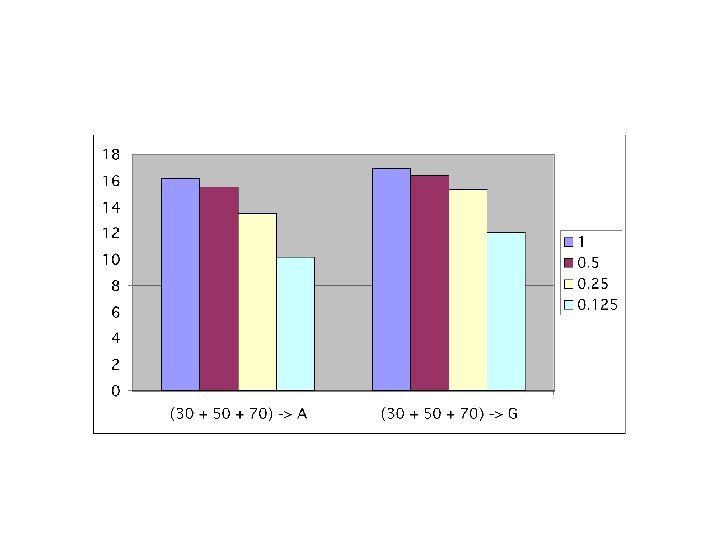
Three Samples 1, 1/2, 1/4, 1/8 ng DNA Power. Plex 16 ABI/310 Two Contributors, No Reference Sample C: (A) 70% (G) 30% Sample D: (A) 50% (G) 50% Sample E: (A) 30% (G) 70%
contributors samples 1 ng samples 1/8 ng
Collect Crime Scene Evidence Generate DNA Data Review DNA Data Present Results to Legal System
The analyst will simply submit the items for DNA analysis, using the final data interpretation step to determine relevance to the ongoing investigation. . . The bottleneck becomes the interpretation of analytical results and the technical review process. . Although these processes are currently dependent upon manual applications, software solutions are emerging that can be integrated into an automated approach.