
Experimental Psychology 1 Special Areas in Psychology Experimental

- Slides: 76
Experimental Psychology 1
Special Areas in Psychology • • Experimental Clinical Counseling School Emotional Developmental Personality Social • Environmental • Industrial/ Organizational • Health • Consumer 2
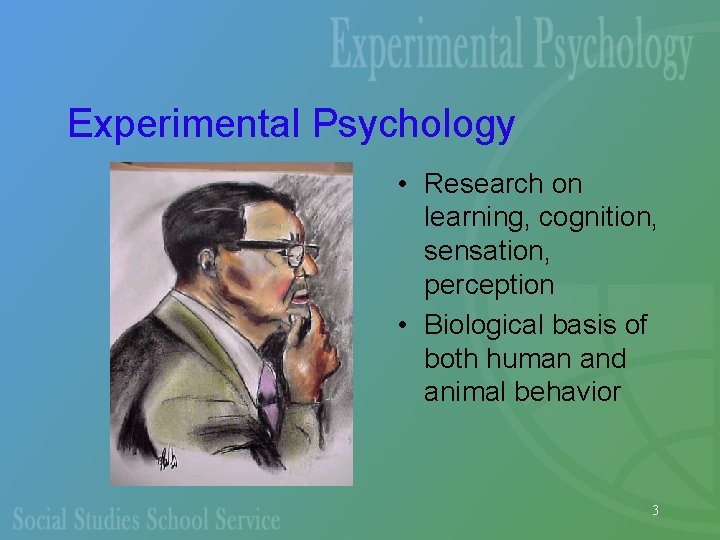
Experimental Psychology • Research on learning, cognition, sensation, perception • Biological basis of both human and animal behavior 3
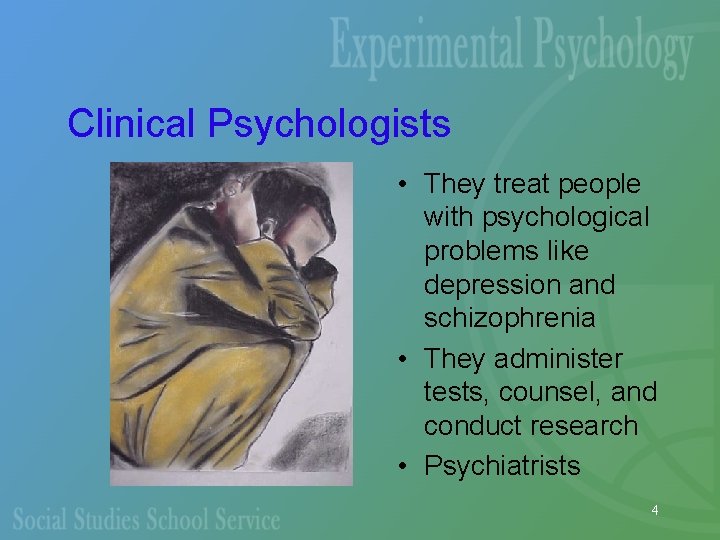
Clinical Psychologists • They treat people with psychological problems like depression and schizophrenia • They administer tests, counsel, and conduct research • Psychiatrists 4
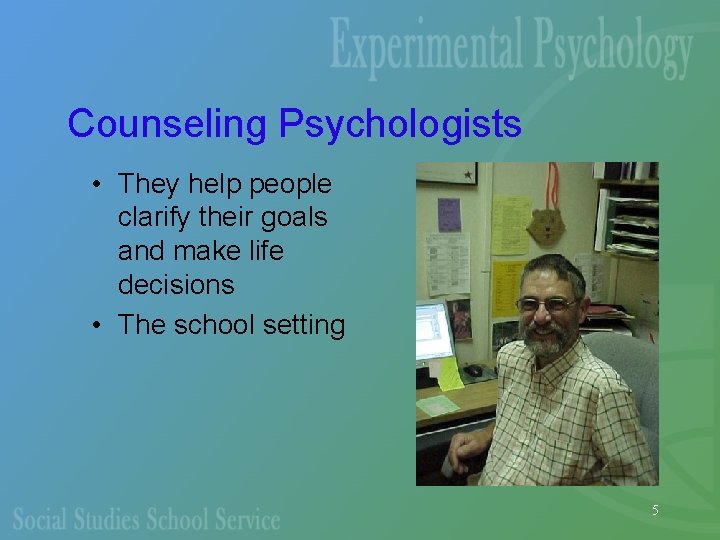
Counseling Psychologists • They help people clarify their goals and make life decisions • The school setting 5
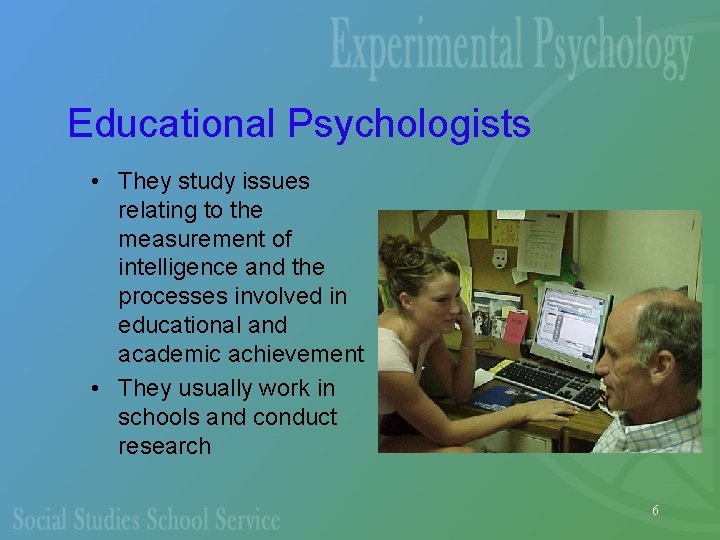
Educational Psychologists • They study issues relating to the measurement of intelligence and the processes involved in educational and academic achievement • They usually work in schools and conduct research 6
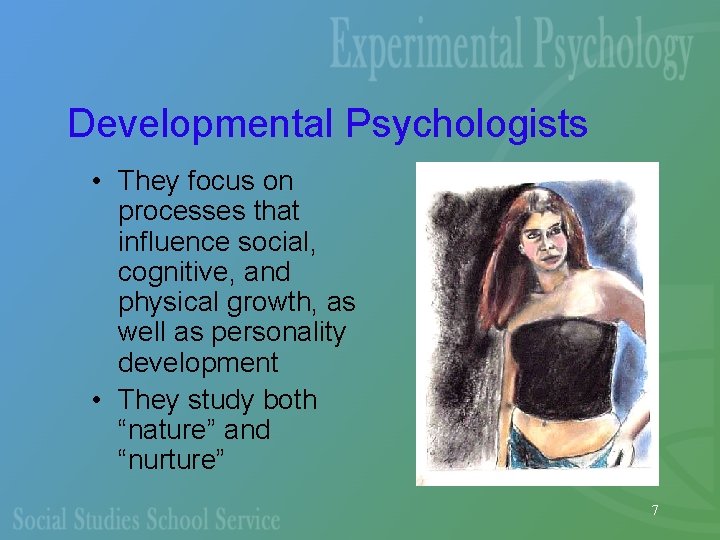
Developmental Psychologists • They focus on processes that influence social, cognitive, and physical growth, as well as personality development • They study both “nature” and “nurture” 7
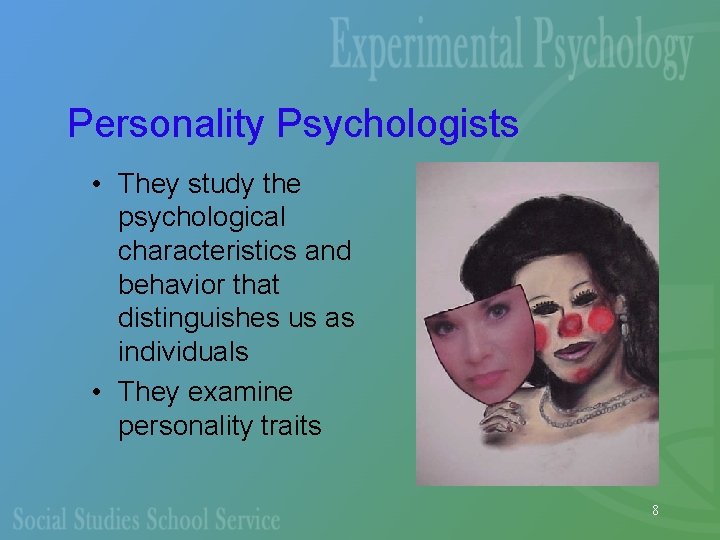
Personality Psychologists • They study the psychological characteristics and behavior that distinguishes us as individuals • They examine personality traits 8
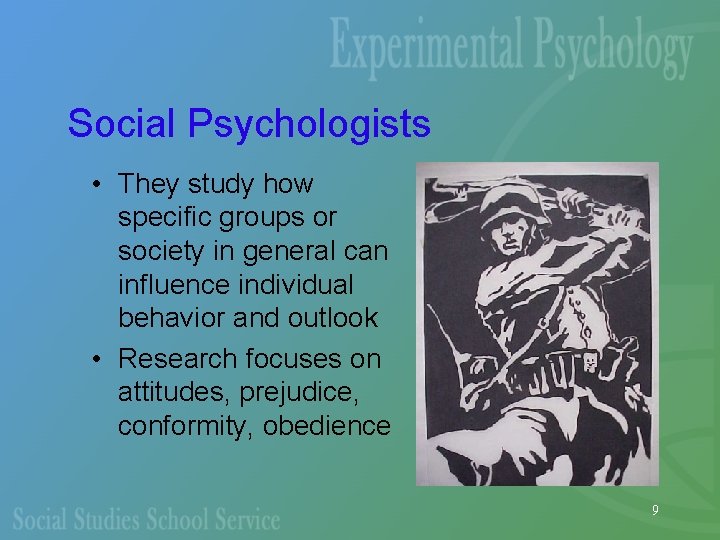
Social Psychologists • They study how specific groups or society in general can influence individual behavior and outlook • Research focuses on attitudes, prejudice, conformity, obedience 9
Environmental Psychologists • They study relationships between psychological factors and physical health 10
Industrial/ Organizational Psychologists • They study people’s behavior at work or school • Conduct research in academic/work settings • Human factors research 11
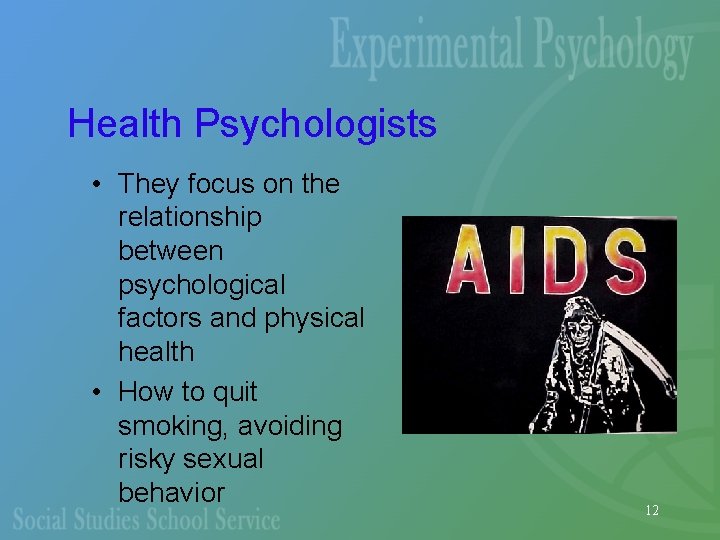
Health Psychologists • They focus on the relationship between psychological factors and physical health • How to quit smoking, avoiding risky sexual behavior 12
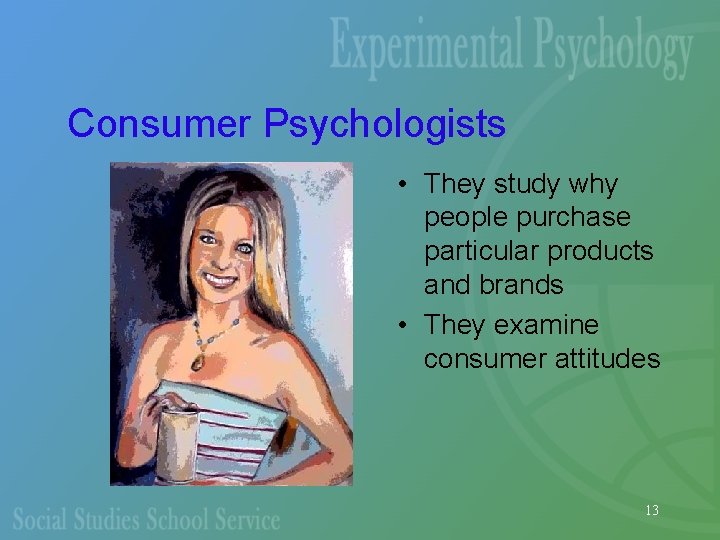
Consumer Psychologists • They study why people purchase particular products and brands • They examine consumer attitudes 13
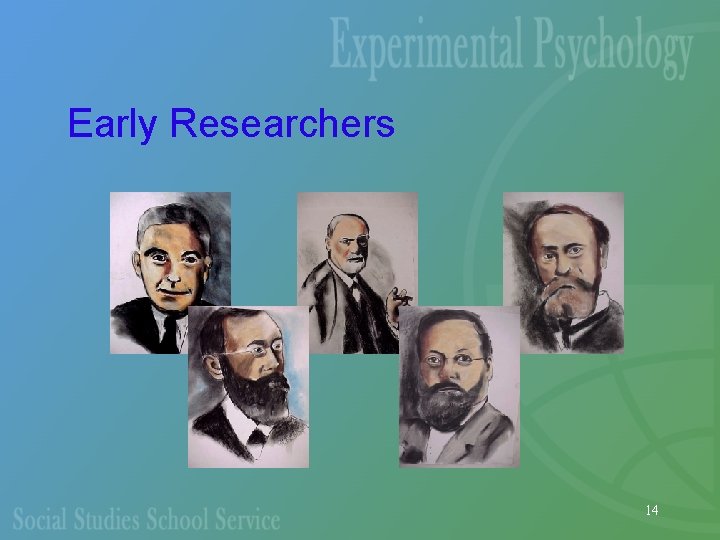
Early Researchers 14
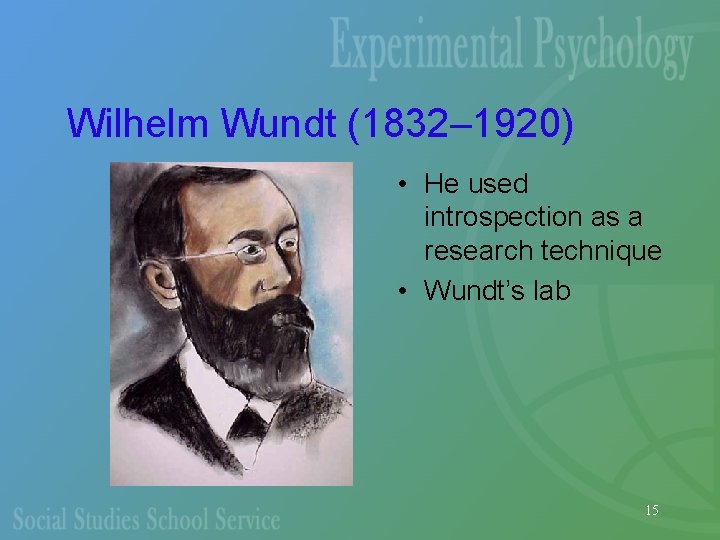
Wilhelm Wundt (1832– 1920) • He used introspection as a research technique • Wundt’s lab 15
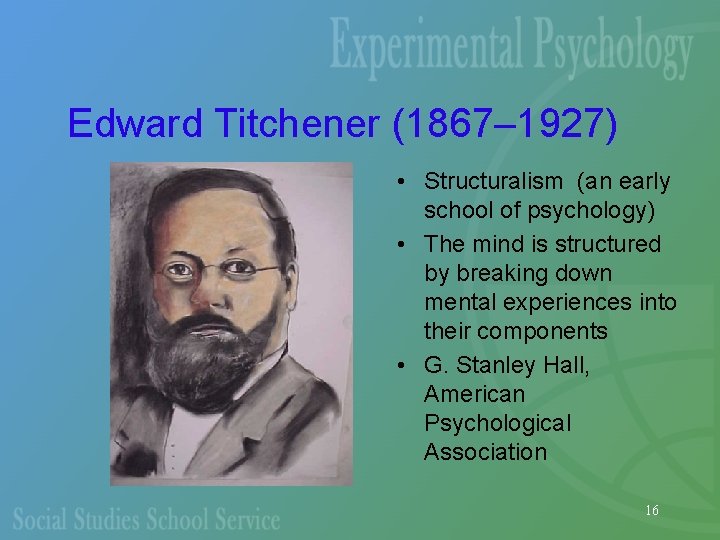
Edward Titchener (1867– 1927) • Structuralism (an early school of psychology) • The mind is structured by breaking down mental experiences into their components • G. Stanley Hall, American Psychological Association 16
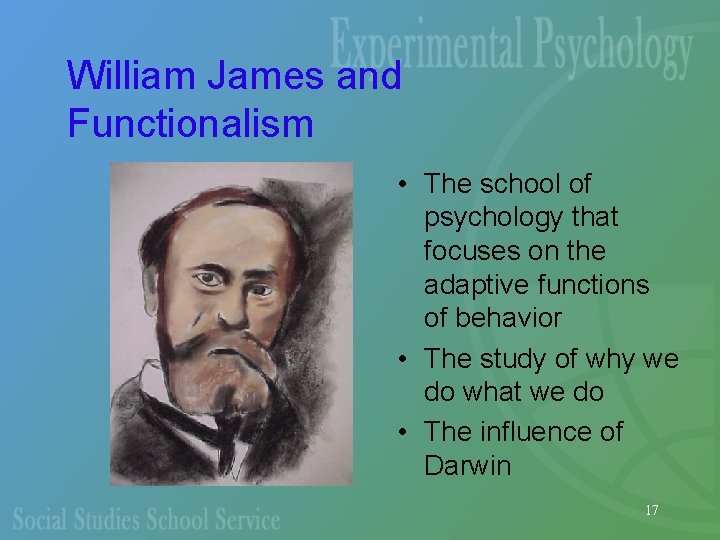
William James and Functionalism • The school of psychology that focuses on the adaptive functions of behavior • The study of why we do what we do • The influence of Darwin 17
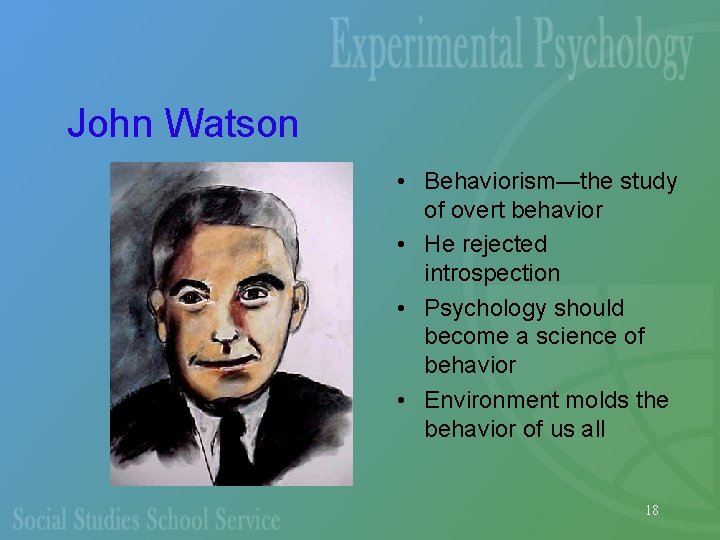
John Watson • Behaviorism—the study of overt behavior • He rejected introspection • Psychology should become a science of behavior • Environment molds the behavior of us all 18
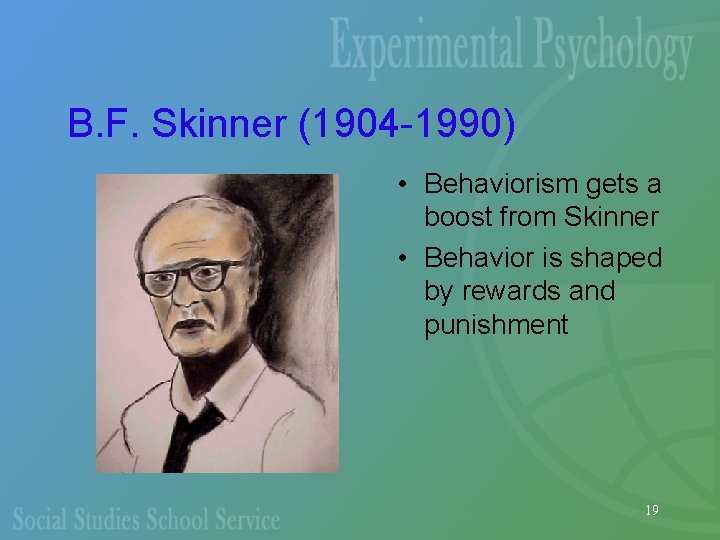
B. F. Skinner (1904 -1990) • Behaviorism gets a boost from Skinner • Behavior is shaped by rewards and punishment 19
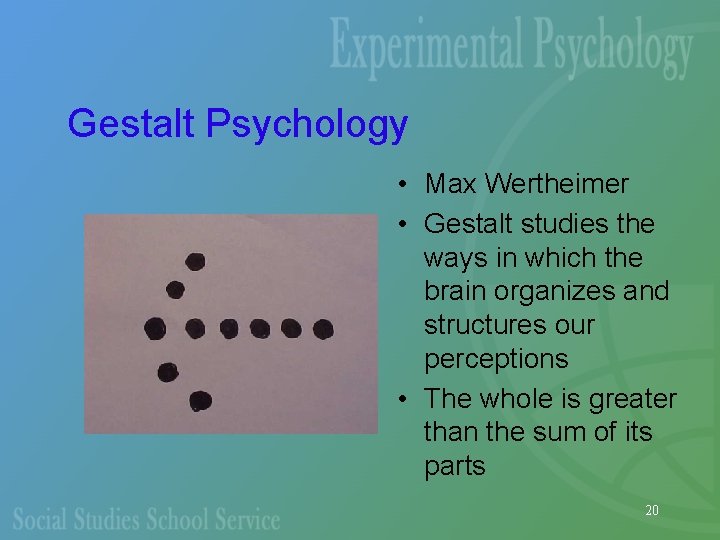
Gestalt Psychology • Max Wertheimer • Gestalt studies the ways in which the brain organizes and structures our perceptions • The whole is greater than the sum of its parts 20
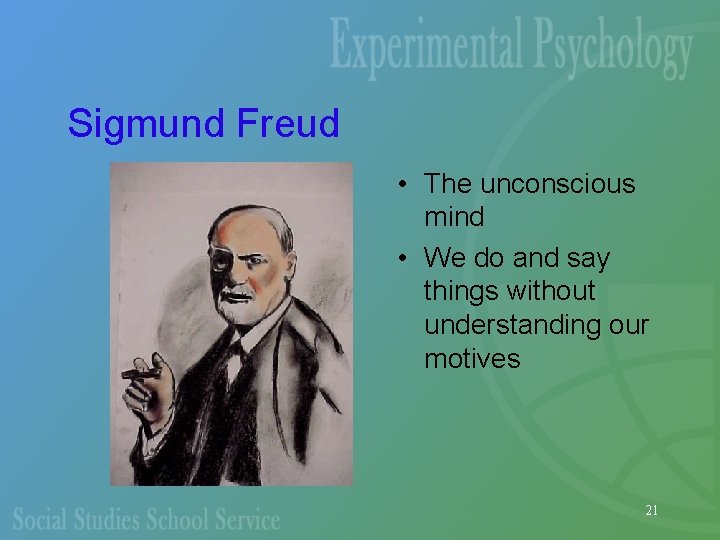
Sigmund Freud • The unconscious mind • We do and say things without understanding our motives 21
The Empirical Approach • A method of developing knowledge based on gathering evidence, performing experiments, or careful observation • Psychologists need to distinguish between inference and observation 22
The Scientific Method • A framework for acquiring knowledge through observation and experimentation (4 steps) — Come up with a question — Develop a hypothesis — Gather evidence — Draw conclusions 23
Research Questions • Sources used: observation, previous experiences, beliefs • Questions eventually become hypotheses 24
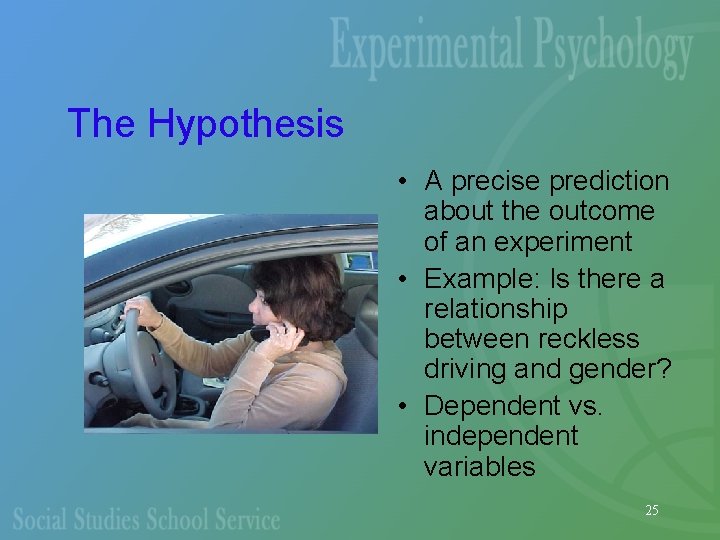
The Hypothesis • A precise prediction about the outcome of an experiment • Example: Is there a relationship between reckless driving and gender? • Dependent vs. independent variables 25
Gathering Evidence • Develop a research design or strategy to provide a scientific test of the hypothesis • The type of research used depends on what a researcher wants to try to measure 26
Drawing Conclusions About The Hypothesis • Conclusions about the hypothesis are based on the evidence collected • Statistics • Replication 27
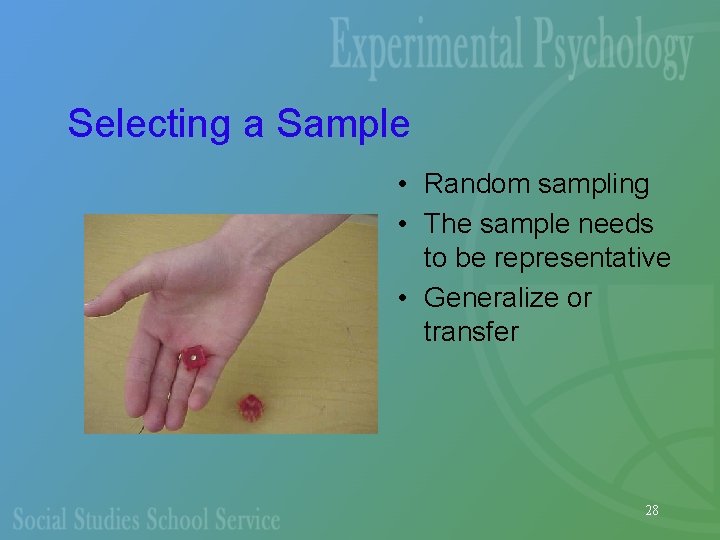
Selecting a Sample • Random sampling • The sample needs to be representative • Generalize or transfer 28
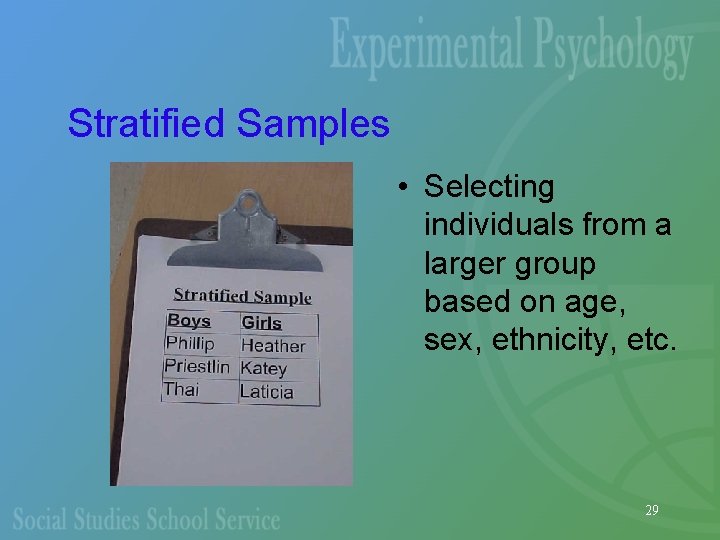
Stratified Samples • Selecting individuals from a larger group based on age, sex, ethnicity, etc. 29
Research Methods • • • The case study method The survey method The naturalistic observation method The experimental method The longitudinal method The cross sectional method 30
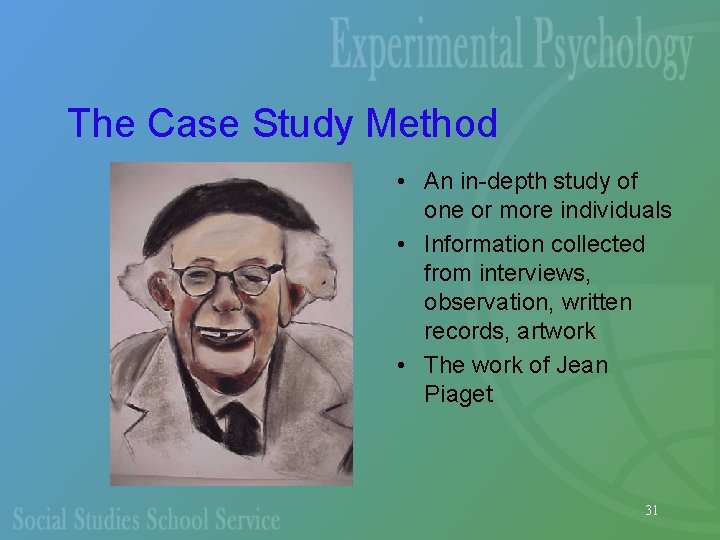
The Case Study Method • An in-depth study of one or more individuals • Information collected from interviews, observation, written records, artwork • The work of Jean Piaget 31
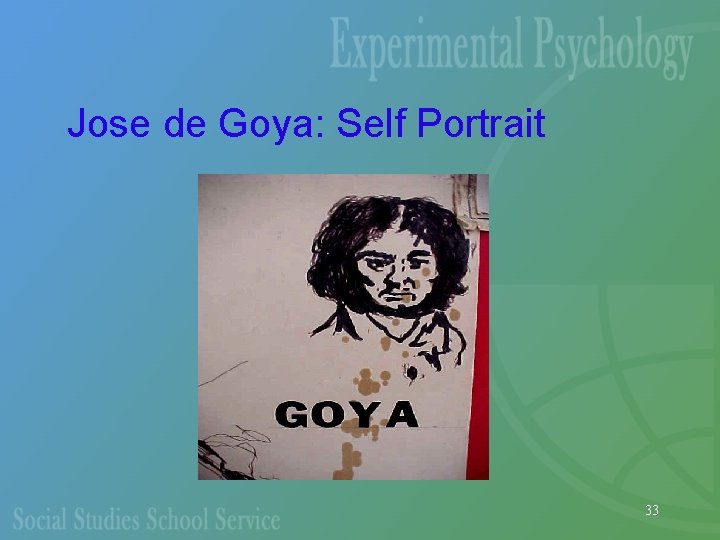
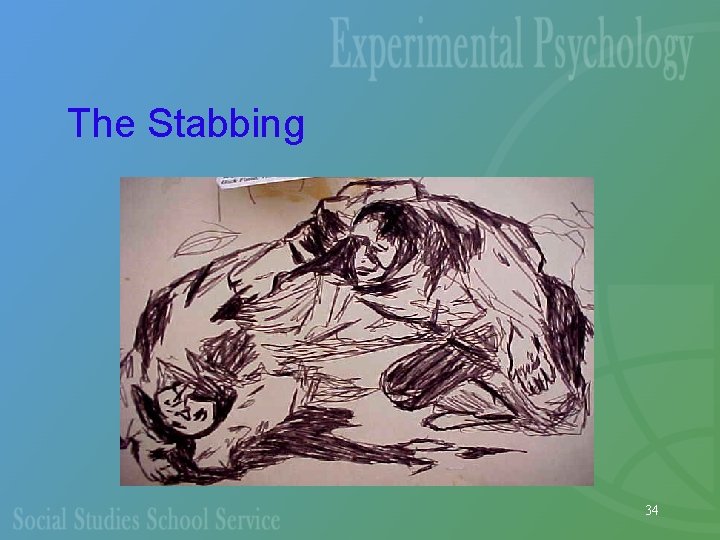
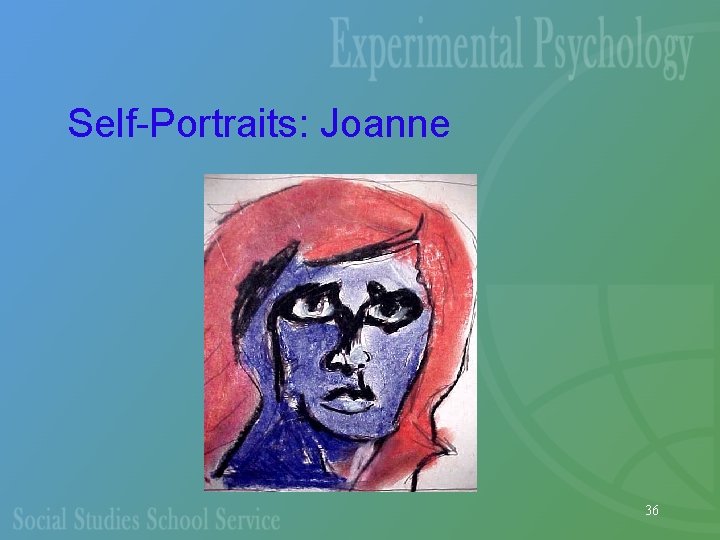
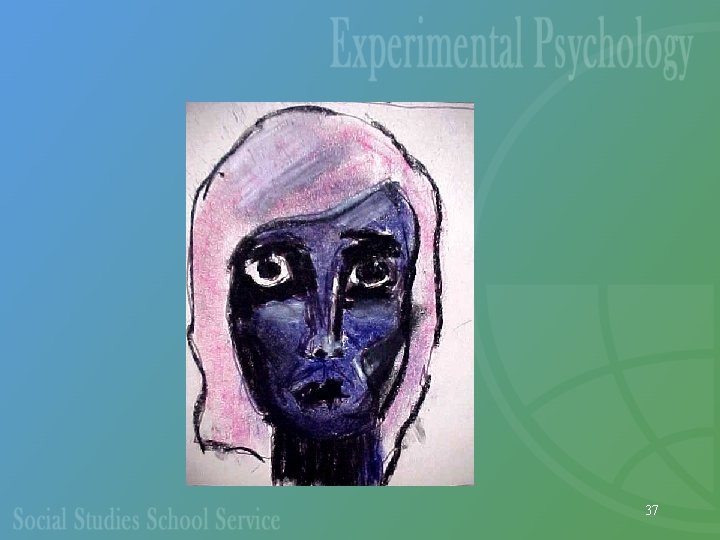
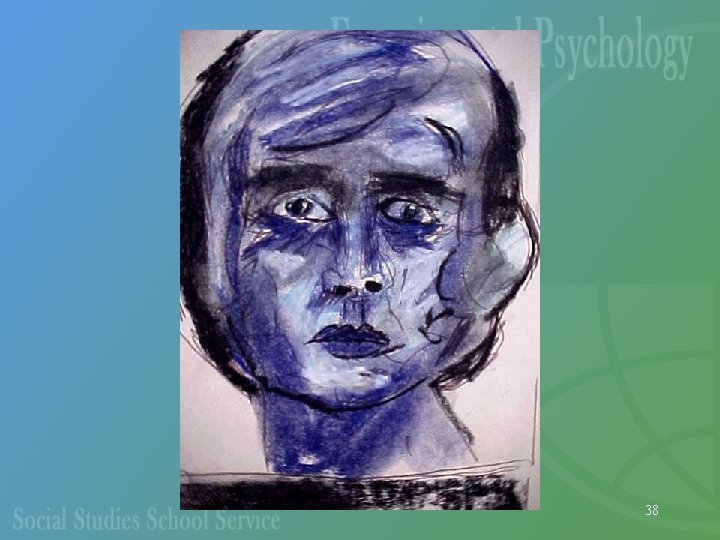
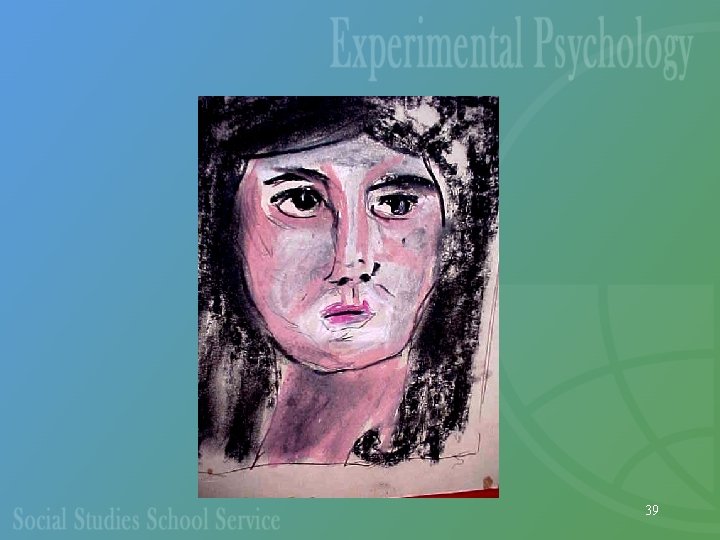
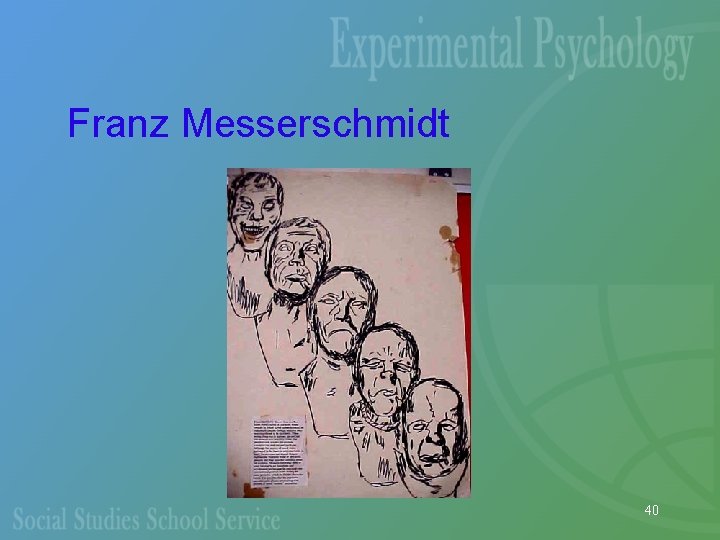
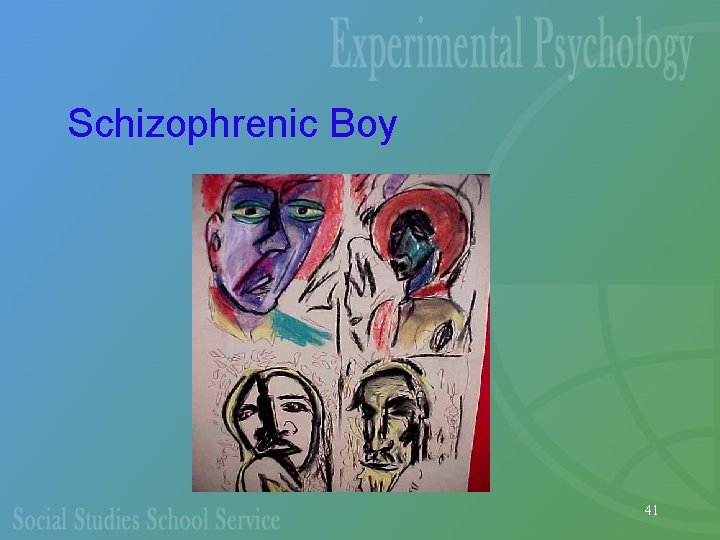
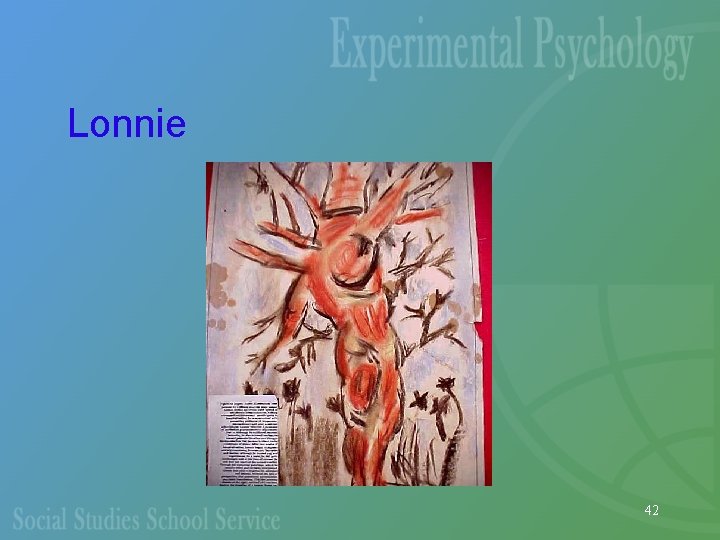
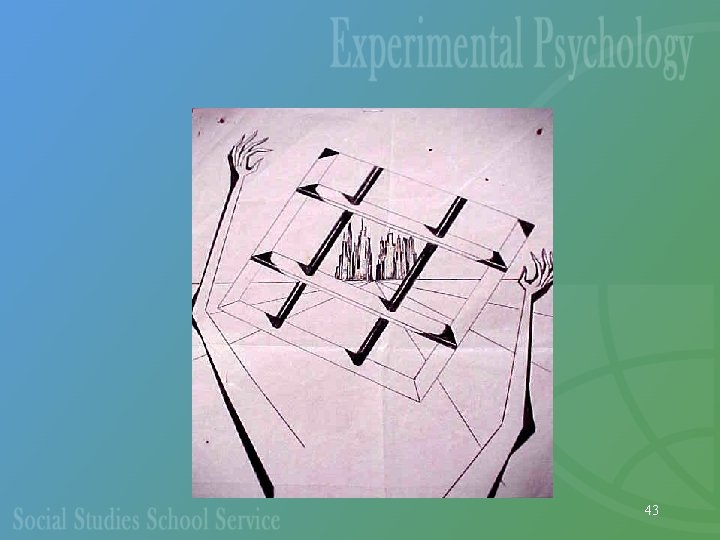
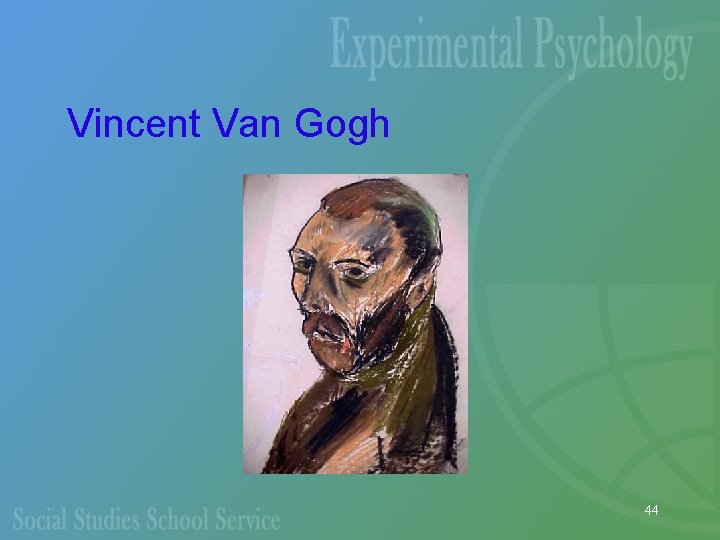
The Artwork of Mental Patients • Using artwork as a research tool Slide # 32
Jose de Goya: Self Portrait 33
The Stabbing 34
William Blake: “Satan Comes To The Gates Of Hell” 35
Self-Portraits: Joanne 36
37
38
39
Franz Messerschmidt 40
Schizophrenic Boy 41
Lonnie 42
43
Vincent Van Gogh 44
Review • If you were a psychologist, what general observations could you make about the artwork of mental patients? • How are colors important in the psychology of art? Remembering the drawings made by Joanne. Explain how her progression of selfportraits reflects her psychological improvement. 45
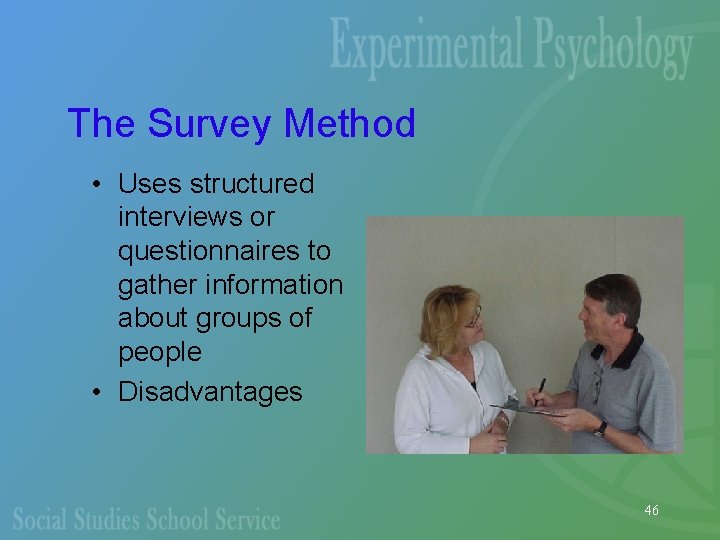
The Survey Method • Uses structured interviews or questionnaires to gather information about groups of people • Disadvantages 46
Common Uses of and Concerns about the Survey Method • Anonymity: Subjects may open up more than in other situations • Studies about mental health or consumer satisfaction • Social desirability bias and volunteer bias 47
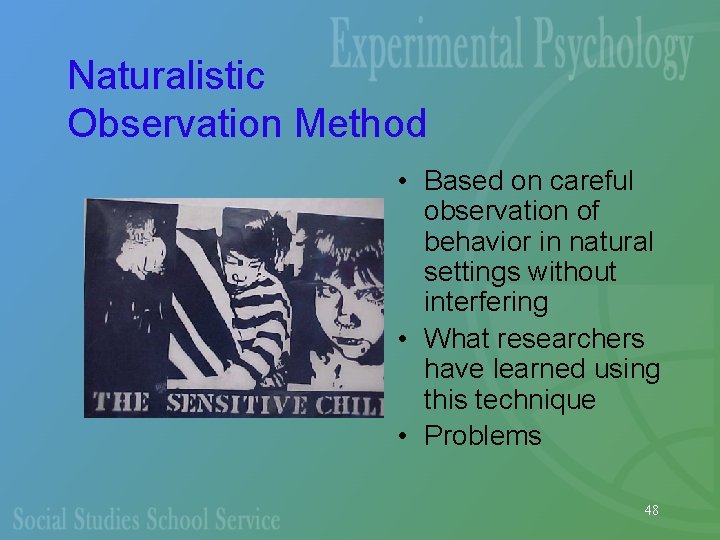
Naturalistic Observation Method • Based on careful observation of behavior in natural settings without interfering • What researchers have learned using this technique • Problems 48
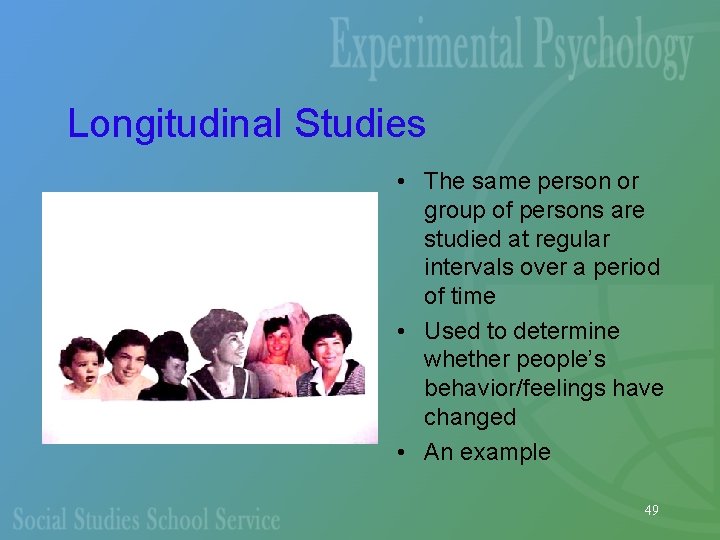
Longitudinal Studies • The same person or group of persons are studied at regular intervals over a period of time • Used to determine whether people’s behavior/feelings have changed • An example 49
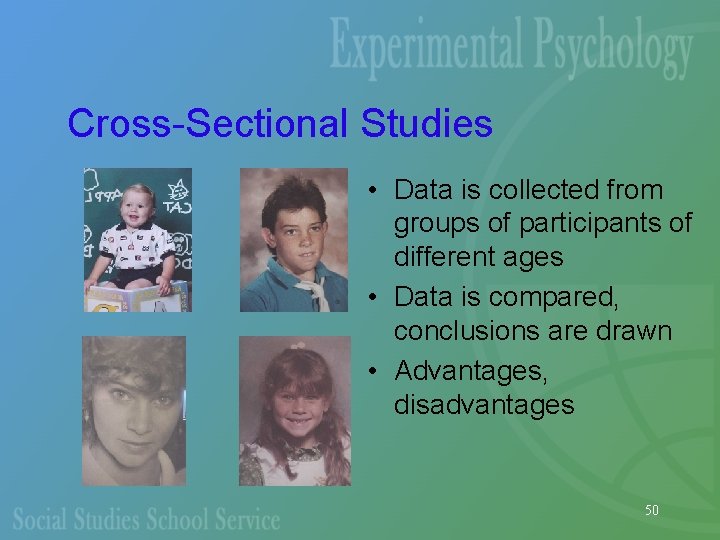
Cross-Sectional Studies • Data is collected from groups of participants of different ages • Data is compared, conclusions are drawn • Advantages, disadvantages 50
Correlations and Explanations • Correlations: the measure of a relationship between two variables or sets of data • Positive correlations between high IQ and good grades 51
Correlations vs. Cause and Effect • A correlation describes a relationship between two things; it does not mean that one causes the other • There may be a third factor involved with positive correlations 52
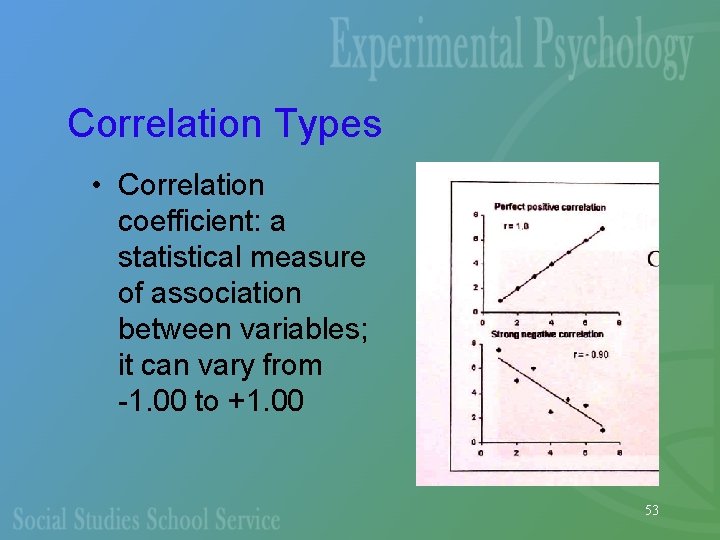
Correlation Types • Correlation coefficient: a statistical measure of association between variables; it can vary from -1. 00 to +1. 00 53
Benefits of a Correlational Method • It offers clues to underlying causes of behavior • It can identify people at risk for physical or behavioral problems • It can increase understanding of relationships between variables or events 54
The Experimental Method 55
The Experimental Method • Independent variables: factors manipulated in an experiment • Dependent variables: the effects or outcomes of an experiment that are believed to be dependent on the values of the independent variables 56
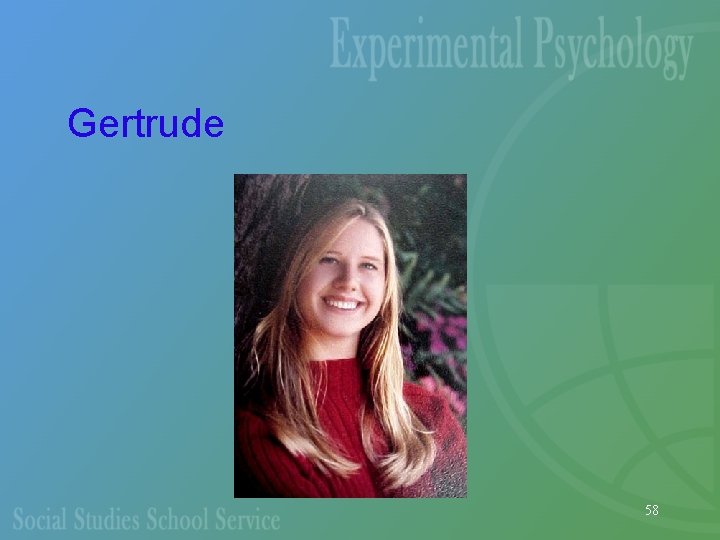
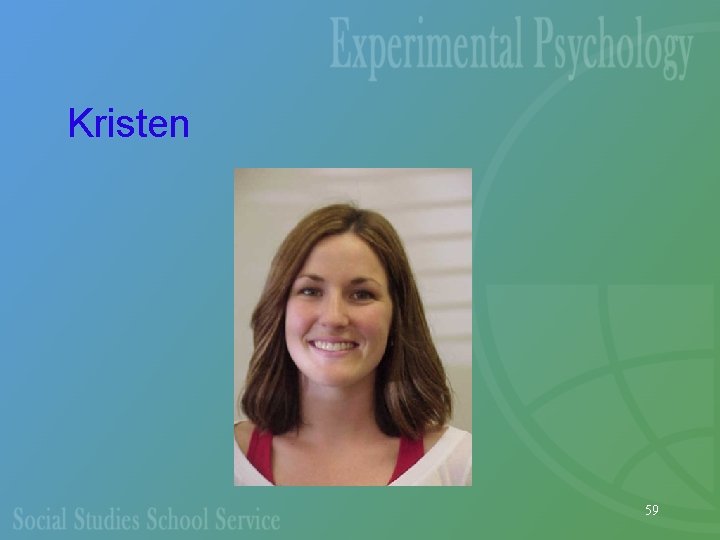
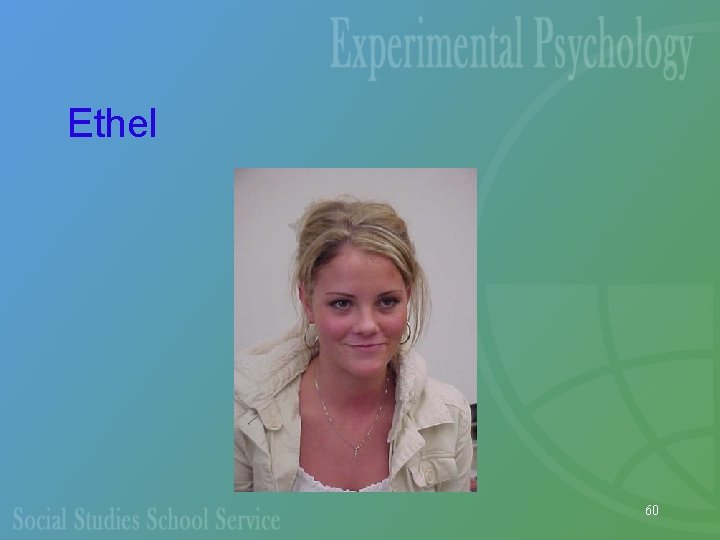
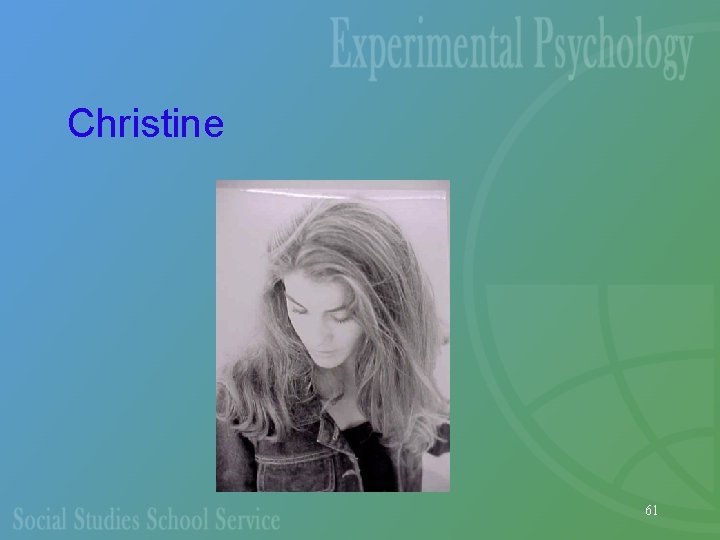
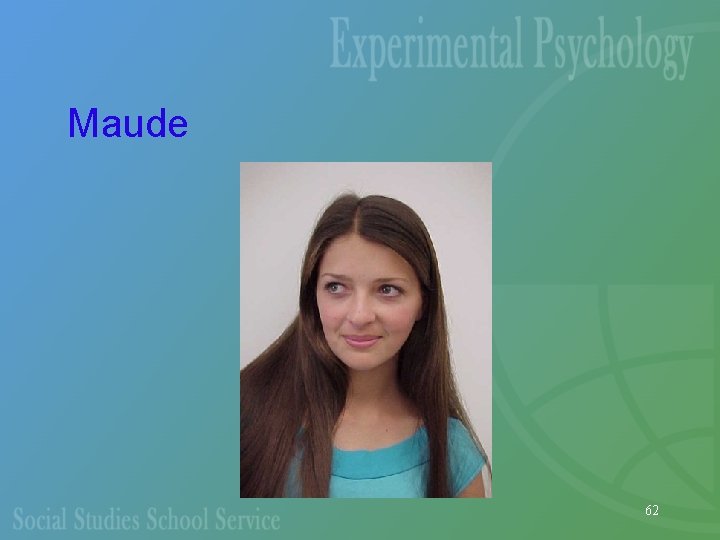
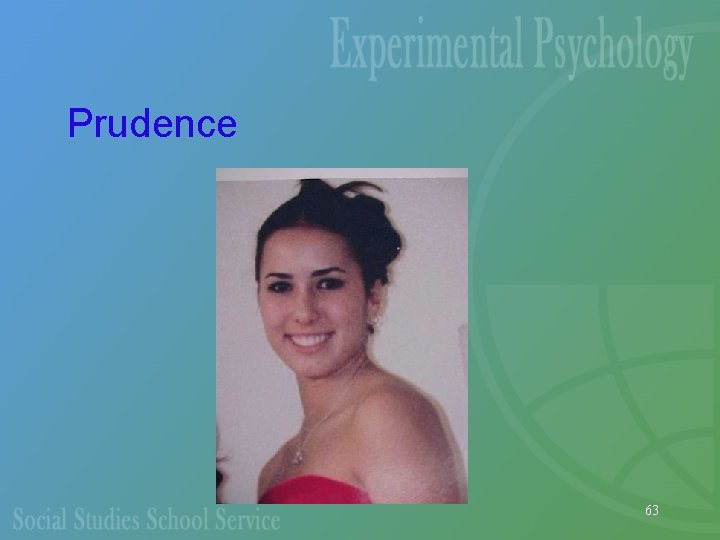
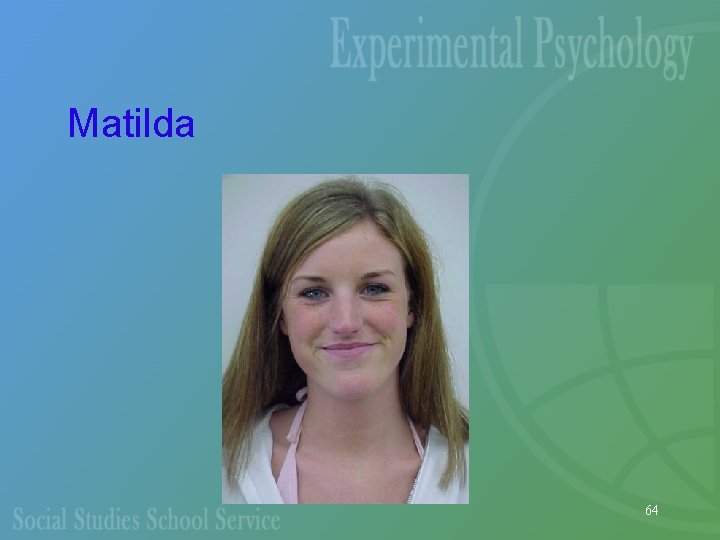
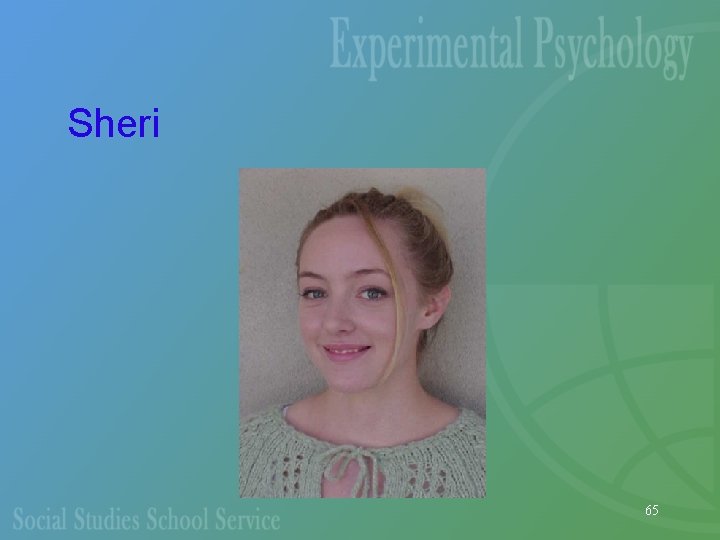
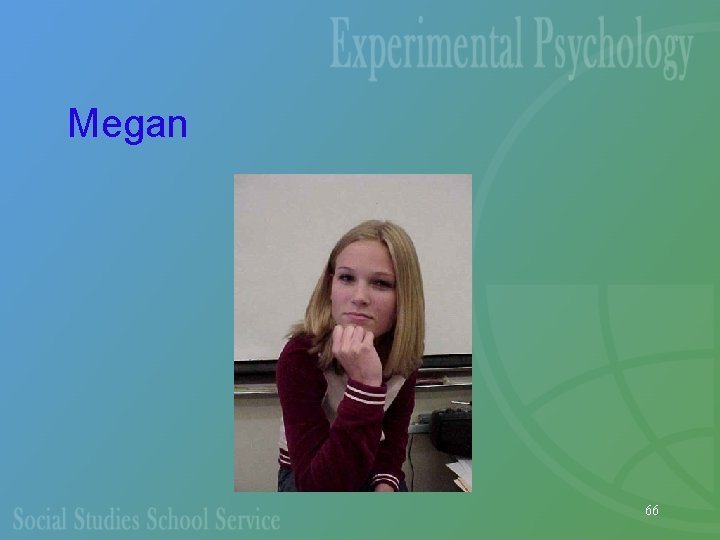
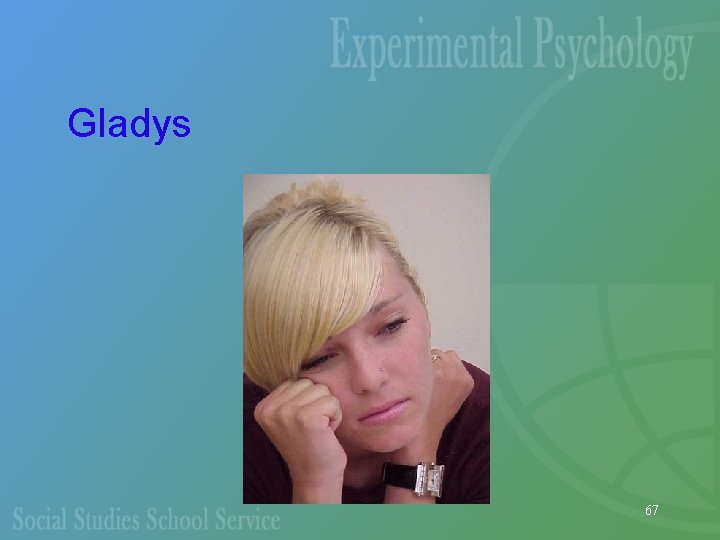
Application Look at the following photographs and decide which subjects you consider most attractive 57
Gertrude 58
Kristen 59
Ethel 60
Christine 61
Maude 62
Prudence 63
Matilda 64
Sheri 65
Megan 66
Gladys 67
Evaluation • Does the popularity of a woman’s name affect judgment of their physical attractiveness? • The independent variable: type of name • The dependent variable: ratings of attractiveness 68
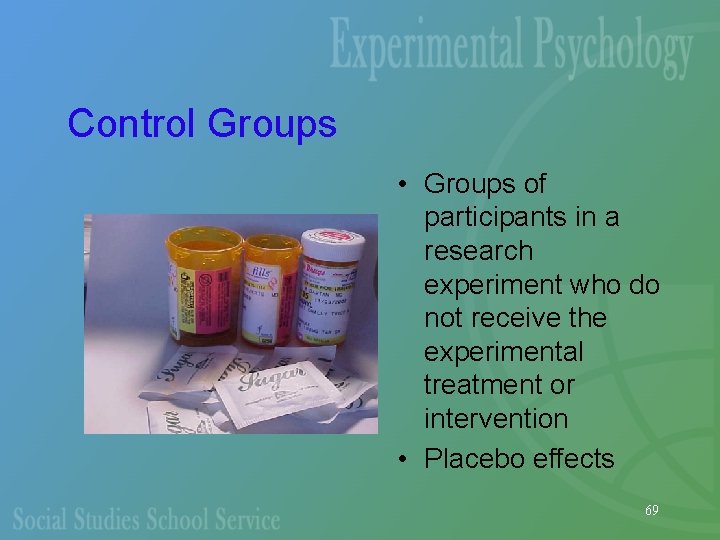
Control Groups • Groups of participants in a research experiment who do not receive the experimental treatment or intervention • Placebo effects 69
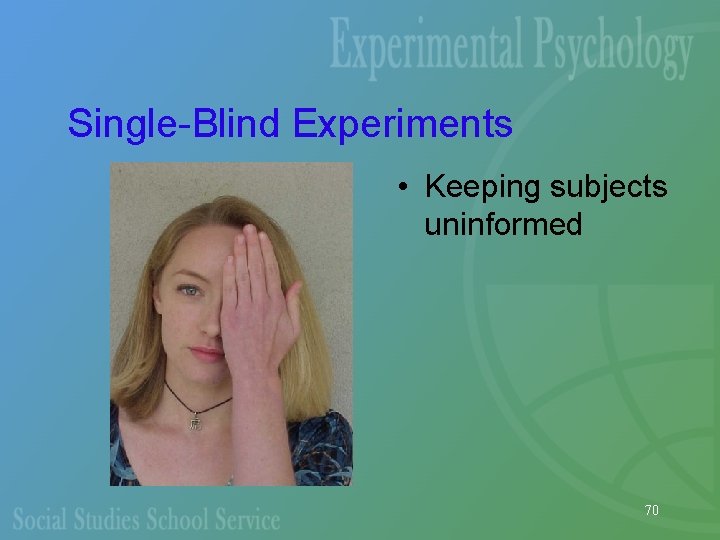
Single-Blind Experiments • Keeping subjects uninformed 70
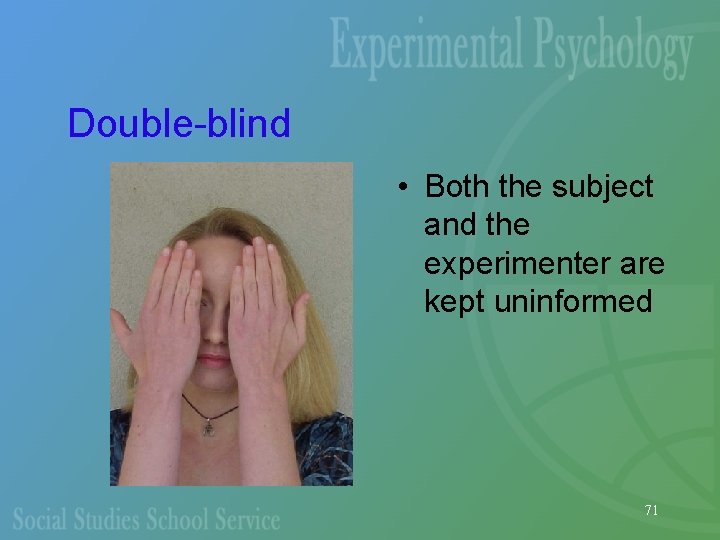
Double-blind • Both the subject and the experimenter are kept uninformed 71
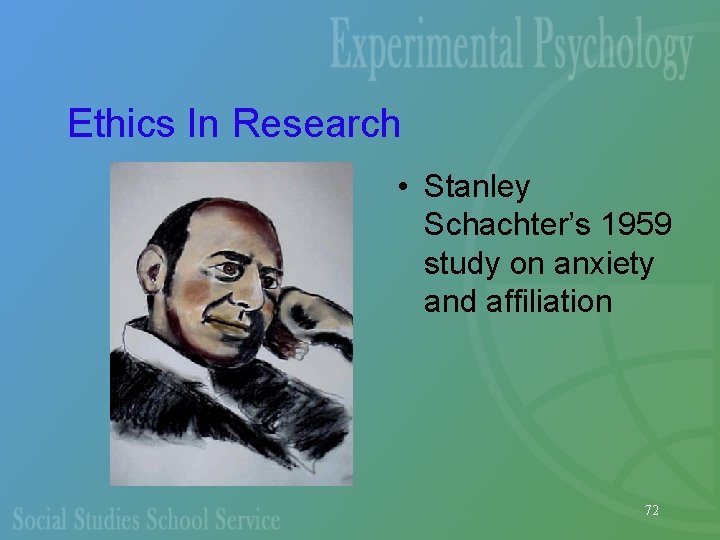
Ethics In Research • Stanley Schachter’s 1959 study on anxiety and affiliation 72
Ethics in Research (cont. ) • How would you have felt if you were one of the subjects in the high-anxiety group? • Should researchers be allowed to misrepresent their research? 73
Deception • Deception has been fairly common in psychological research since the 1960 s, especially in the area of social psychology • Deception is used to reduce problems associated with the placebo effect 74
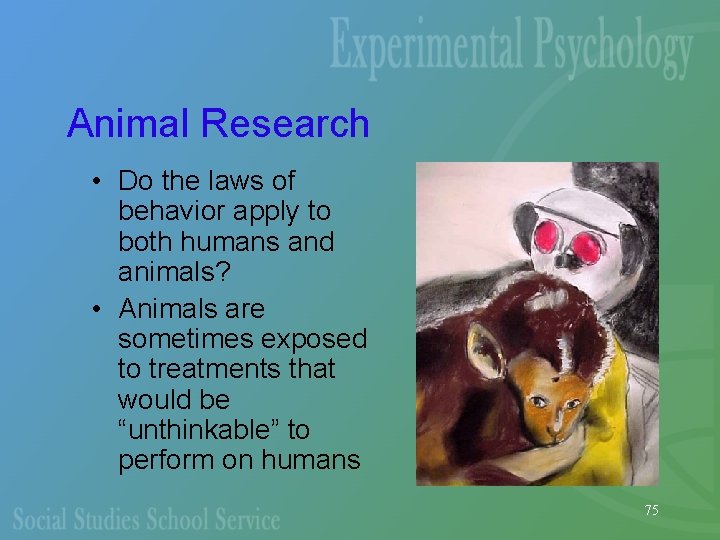
Animal Research • Do the laws of behavior apply to both humans and animals? • Animals are sometimes exposed to treatments that would be “unthinkable” to perform on humans 75
Guidelines for Ethical Research • Participation is voluntary • No exposure to harmful procedures • If deception is used, a full explanation should follow the session • Privacy should not be violated • Harmful procedures imposed on animals must not be allowed • Approval from host institutions is necessary 76