
Experiment 1 Determination of Density Purpose and Goals
- Slides: 20
Experiment 1 Determination of Density
Purpose and Goals • Learn the use of analytical balances • Learn how to measure volumes • Learn how to use significant figures
Extensive vs. Intensive properties • Extensive properties depend on the size of the sample. • Intensive properties characterize a substance but are independent of the amount of material.
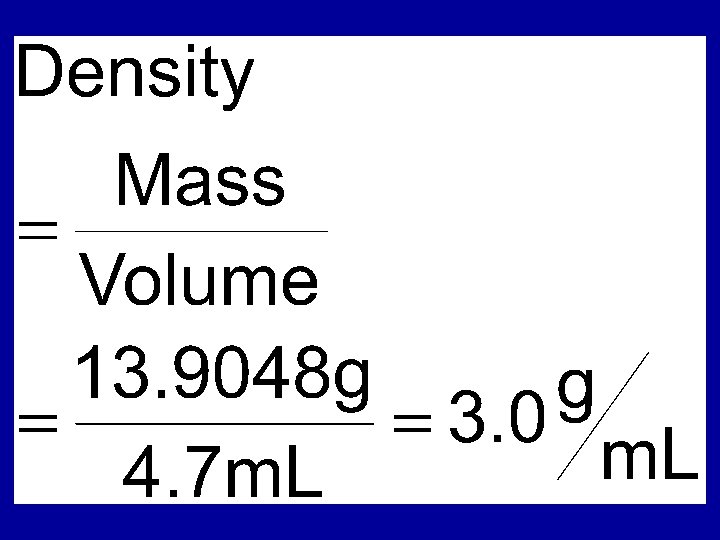
Density • Mass per unit volume of a substance – Mass/ Volume – (g/cm 3) or (g/m. L) • Example of an intensive property • Determined for six unknown samples
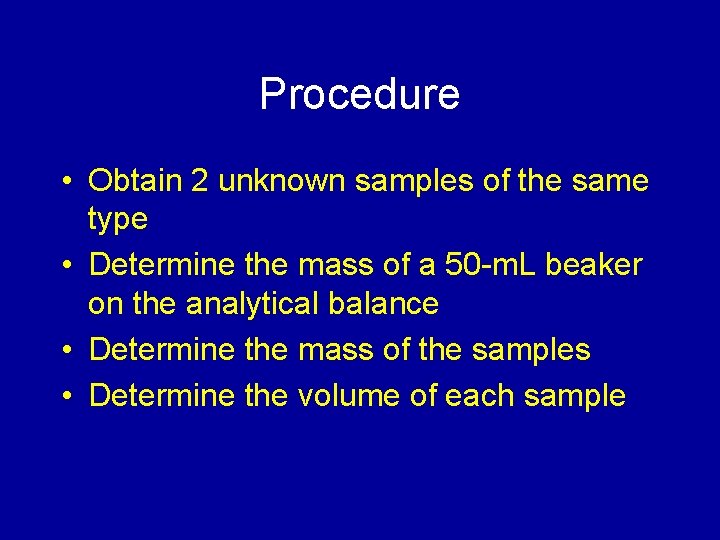
Procedure • Obtain 2 unknown samples of the same type • Determine the mass of a 50 -m. L beaker on the analytical balance • Determine the mass of the samples • Determine the volume of each sample
Procedure cont. • Repeat the mass and volume determinations on two new Pair of samples
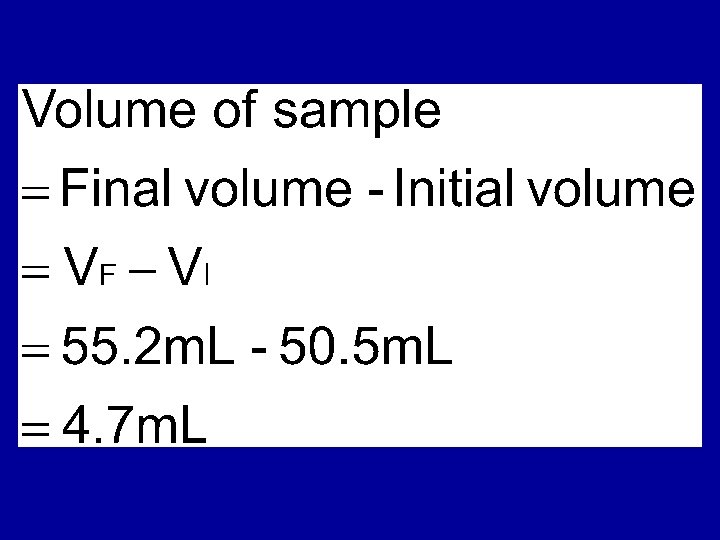
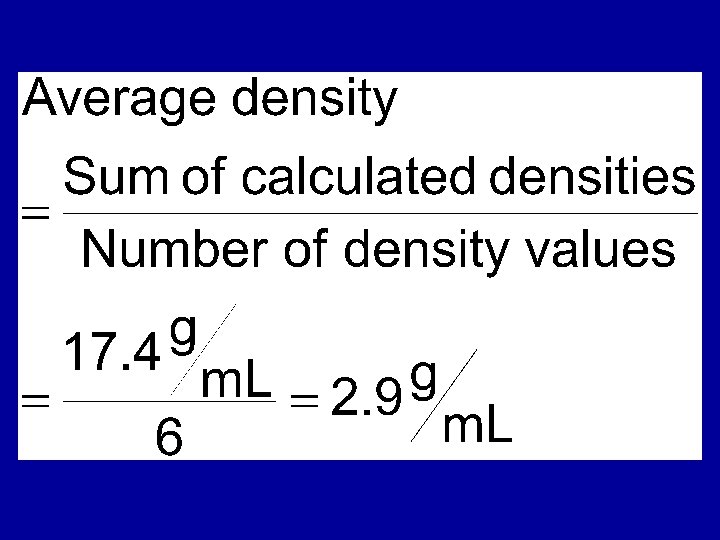
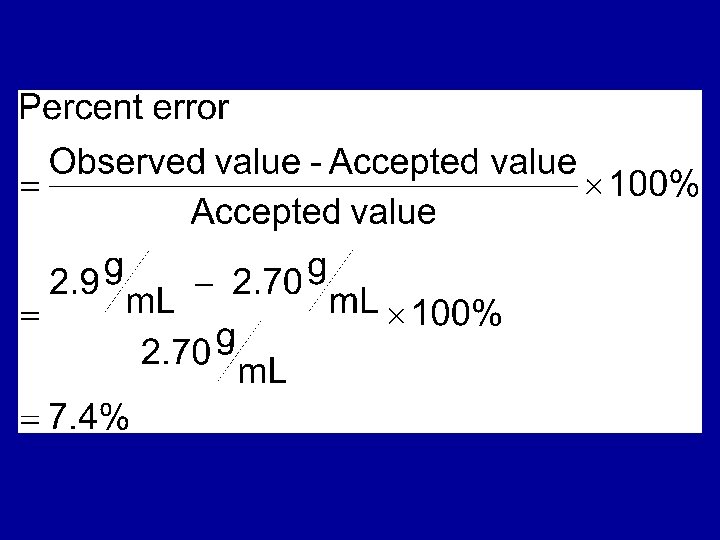
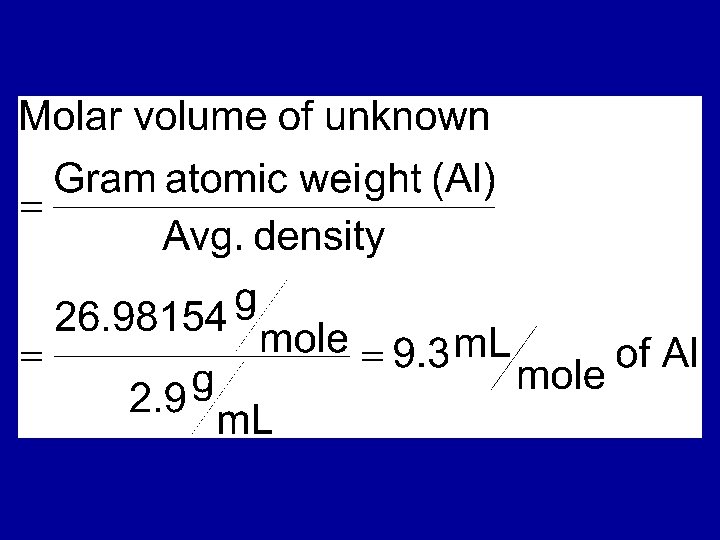
Calculations • • • Mass of samples Volume Density Average Density Percent Error Molar Volume
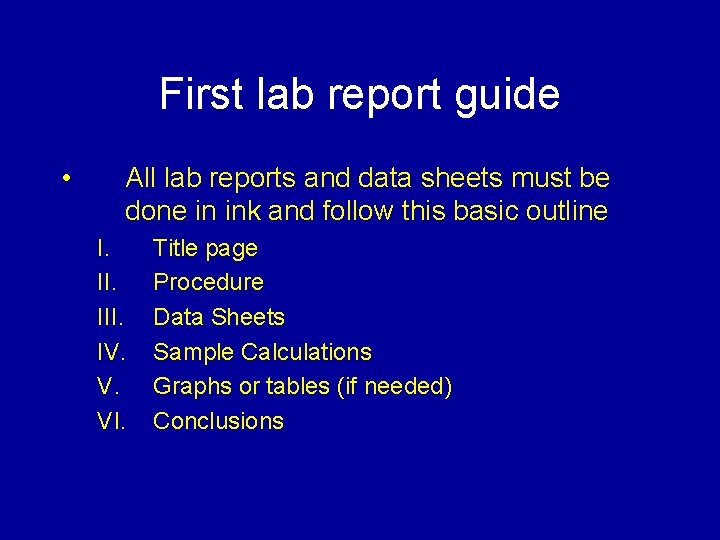
First lab report guide • All lab reports and data sheets must be done in ink and follow this basic outline I. III. IV. V. VI. Title page Procedure Data Sheets Sample Calculations Graphs or tables (if needed) Conclusions
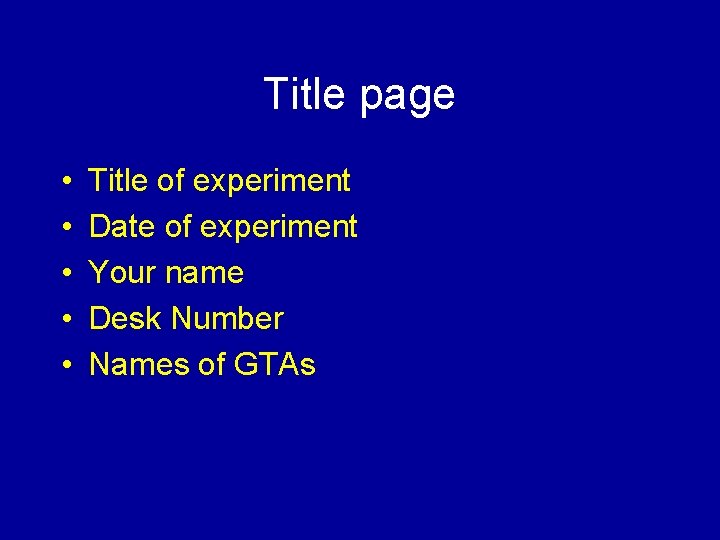
Title page • • • Title of experiment Date of experiment Your name Desk Number Names of GTAs
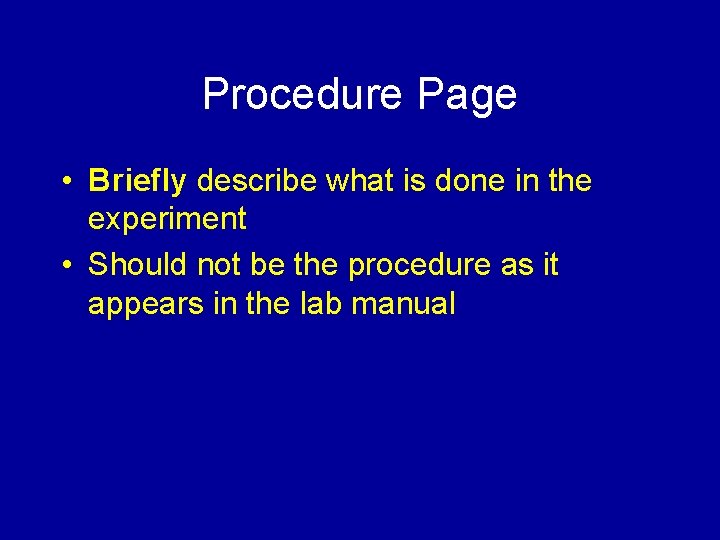
Procedure Page • Briefly describe what is done in the experiment • Should not be the procedure as it appears in the lab manual
Data Sheets • From the lab manual • Must be done in ink • Must be signed by GTA
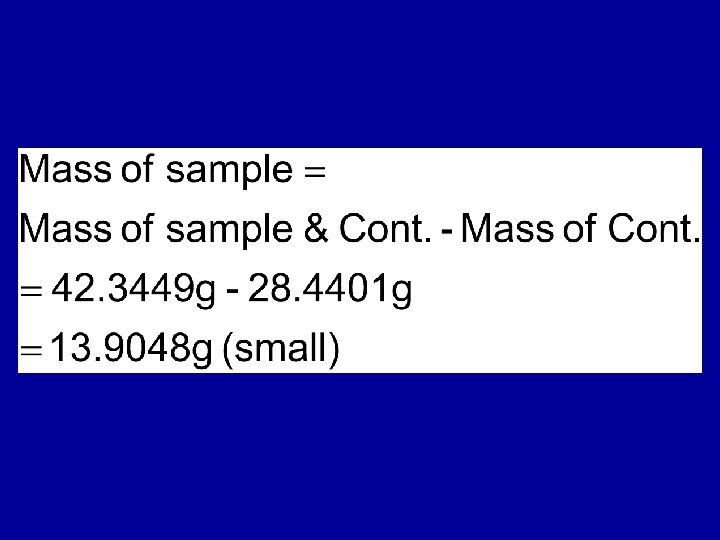
Sample calculation • One complete calculation of each type of calculations done in the experiment – Show formula, insertion of values and answer
Graphs & Tables • Full Page • By hand or with excel
Conclusions & Reflections • • What you learned Problems associated with the lab Thoughts on the lab Answer questions related to the lab