
Experiences of a West Texas Cotton Farmer with

- Slides: 29
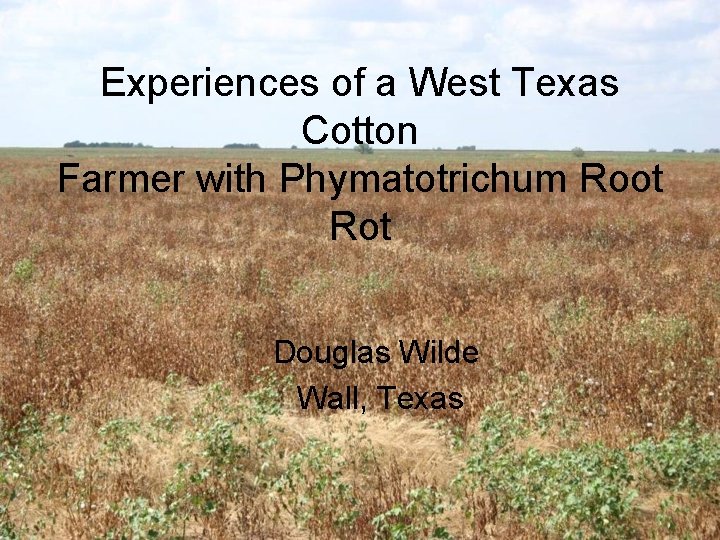
Experiences of a West Texas Cotton Farmer with Phymatotrichum Root Rot Douglas Wilde Wall, Texas
Phymatotrichum Root Rot • Indigenous soil born fungus • Occurs in the Southwestern US and Mexico • The fungus invades the cortical tissues of roots and damages the conducting system, induces severe water stress, and causes premature plant death by desiccation.
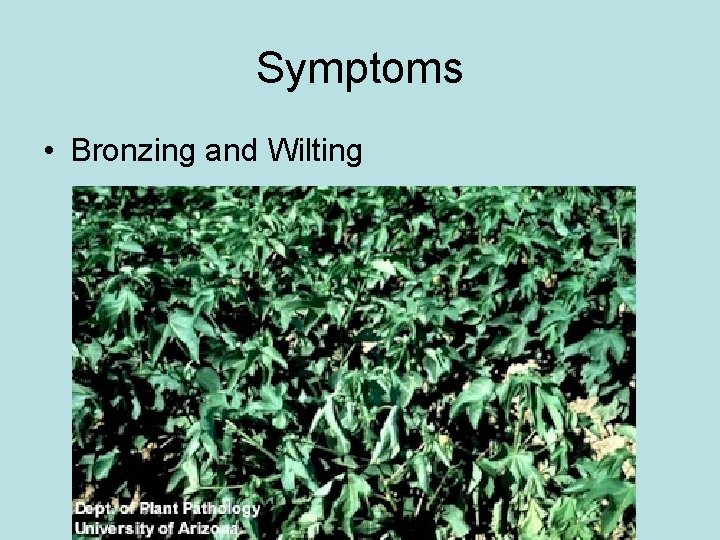
Symptoms • Bronzing and Wilting
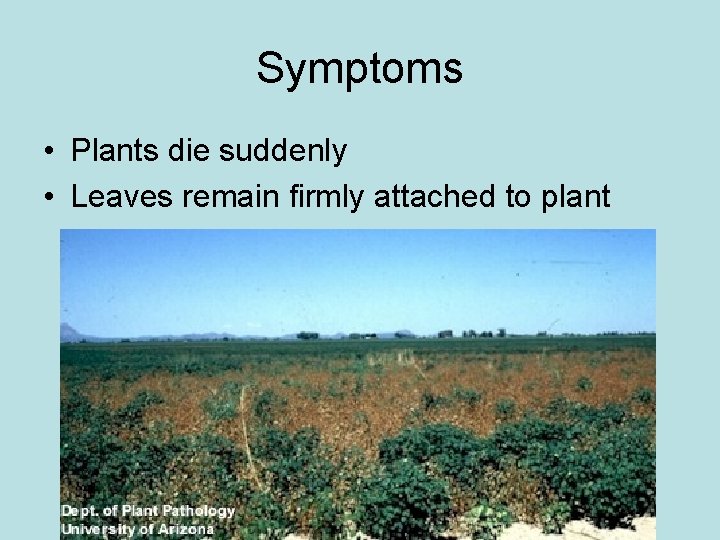
Symptoms • Plants die suddenly • Leaves remain firmly attached to plant
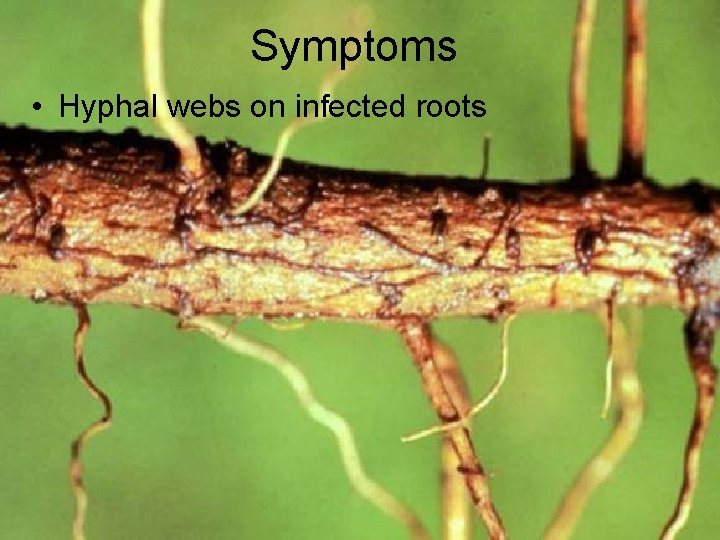
Symptoms • Hyphal webs on infected roots
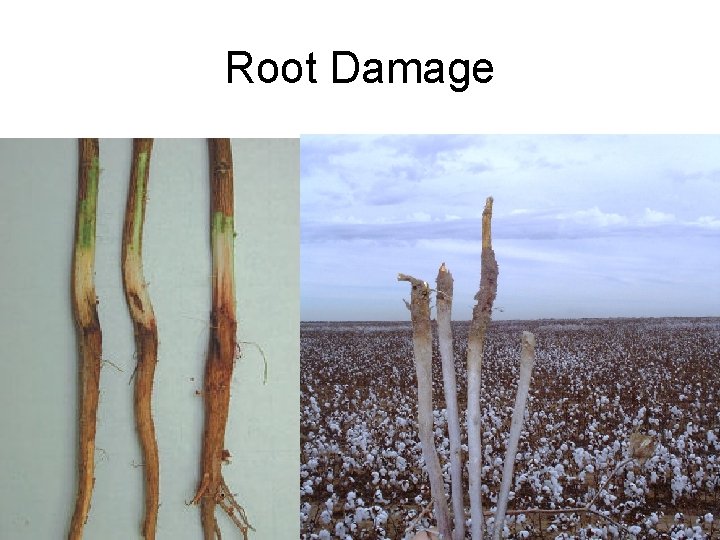
Root Damage
Susceptible Plants • Trees – Pecan – Apple – Peach – Fig
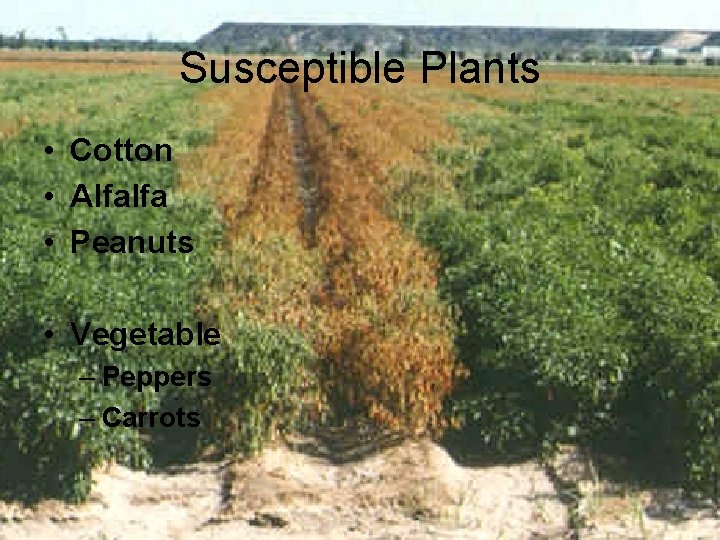
Susceptible Plants • Cotton • Alfalfa • Peanuts • Vegetable – Peppers – Carrots
Susceptible Plants • Shrubs – Pomegranate – Grapes – Roses
Immune Plants • Monocots are immune – Palms, Yuccas, Agave – Corn – Grain Sorghum – Wheat – Sesame – Grasses
Tolerant Plants • Tolerant Dicots – Mesquite, – Strawberry, – Prickly-pear cactus
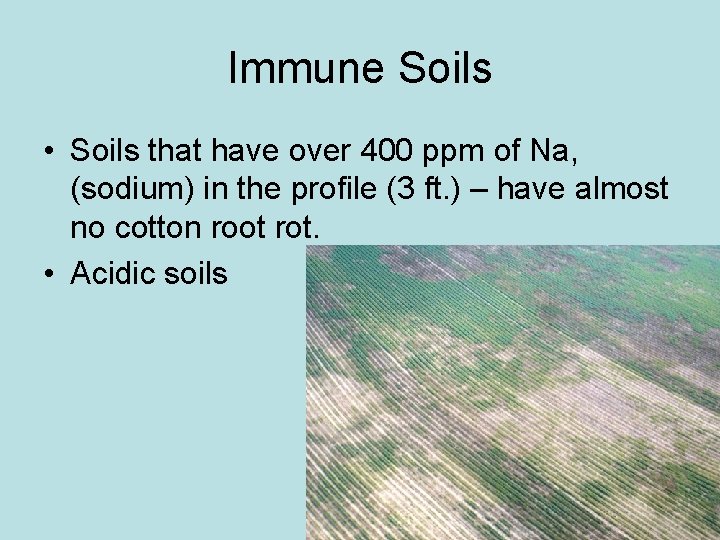
Immune Soils • Soils that have over 400 ppm of Na, (sodium) in the profile (3 ft. ) – have almost no cotton root rot. • Acidic soils
Favorable Disease Conditions • • High soil moisture High soil temperature Trapped CO 2 Plant stress
Problems • • Harvest Yield Grade Planting
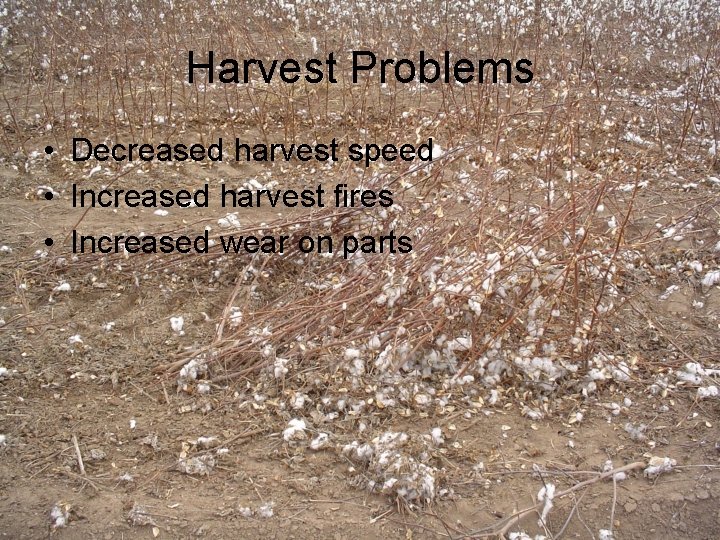
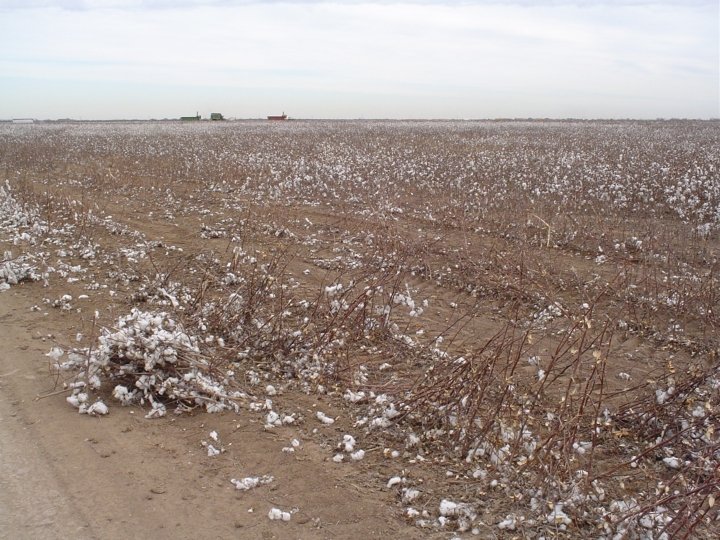
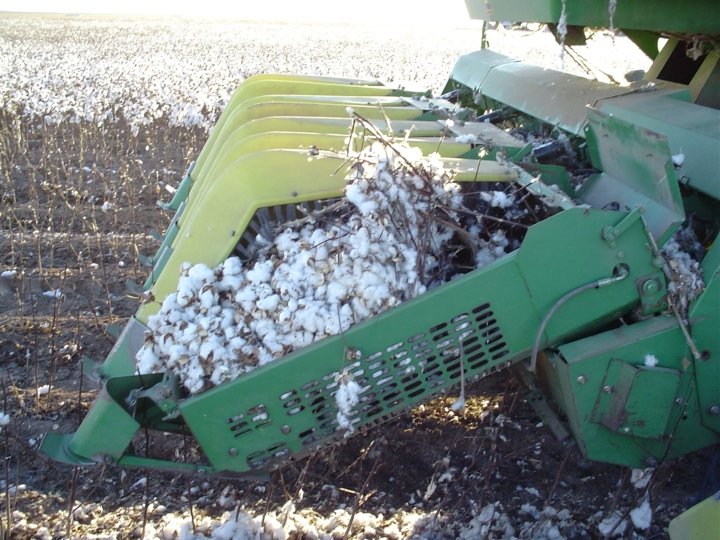
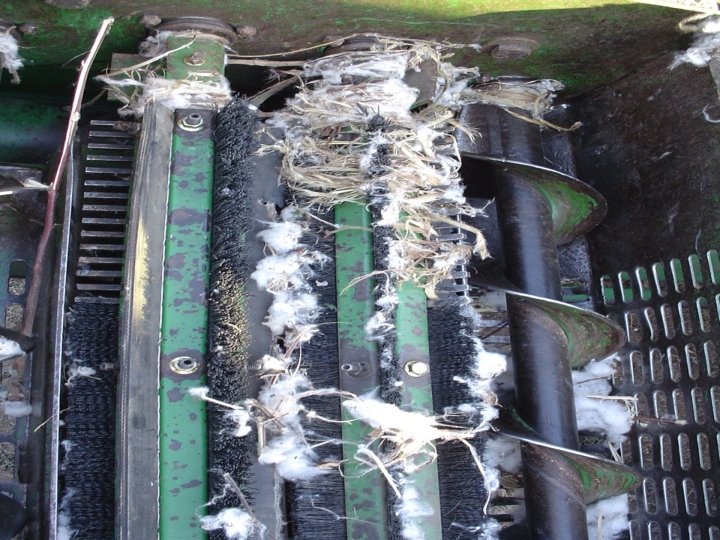
Harvest Problems • Decreased harvest speed • Increased harvest fires • Increased wear on parts
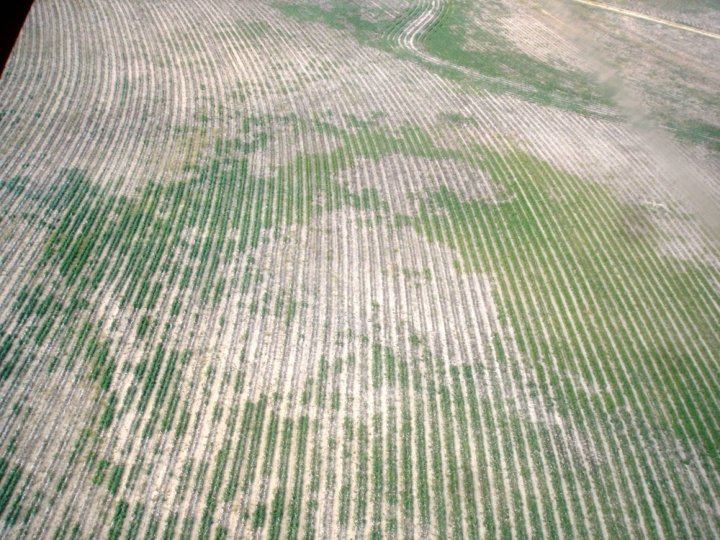
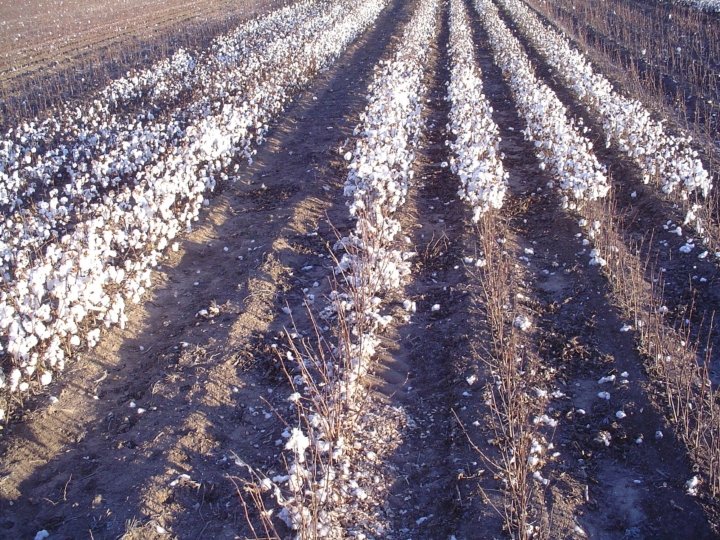
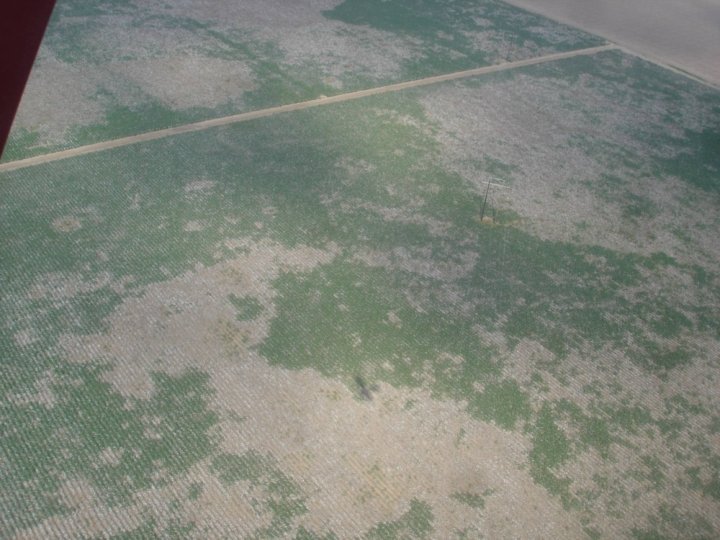
Yield Decrease • Up to 60% decrease in yield • Up to 90% disease infestation in fields
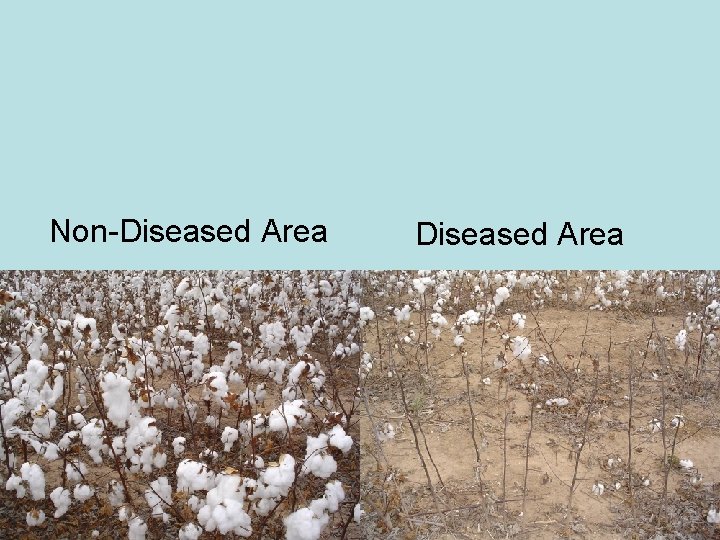
Non-Diseased Area
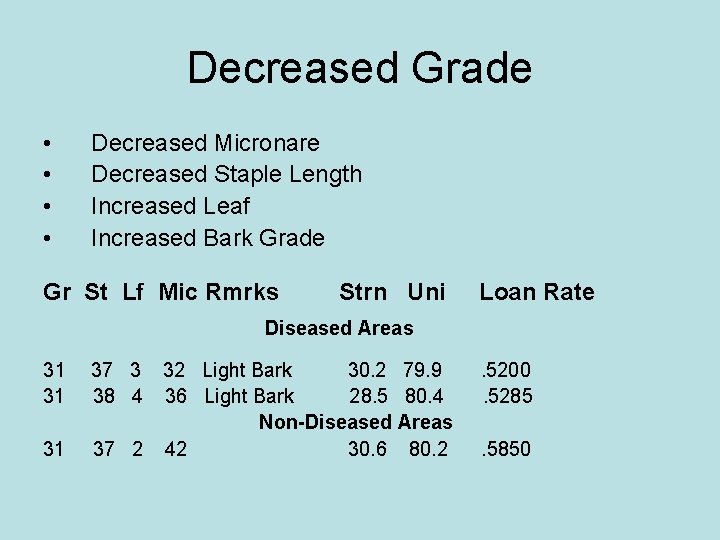
Decreased Grade • • Decreased Micronare Decreased Staple Length Increased Leaf Increased Bark Grade Gr St Lf Mic Rmrks Strn Uni Loan Rate Diseased Areas 31 31 37 3 38 4 31 37 2 32 Light Bark 30. 2 79. 9 36 Light Bark 28. 5 80. 4 Non-Diseased Areas 42 30. 6 80. 2 . 5200. 5285. 5850
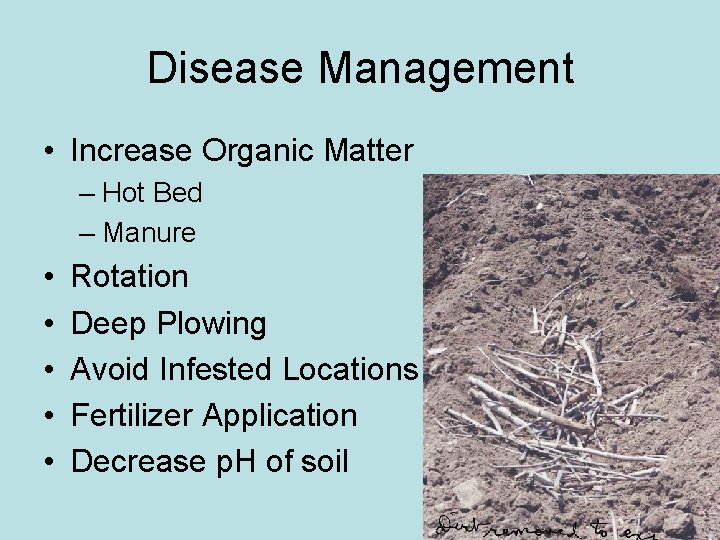
Disease Management • Increase Organic Matter – Hot Bed – Manure • • • Rotation Deep Plowing Avoid Infested Locations Fertilizer Application Decrease p. H of soil
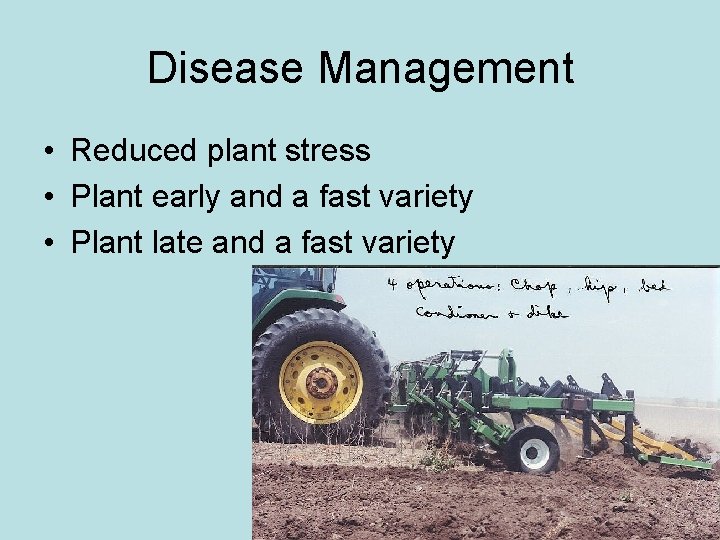
Disease Management • Reduced plant stress • Plant early and a fast variety • Plant late and a fast variety
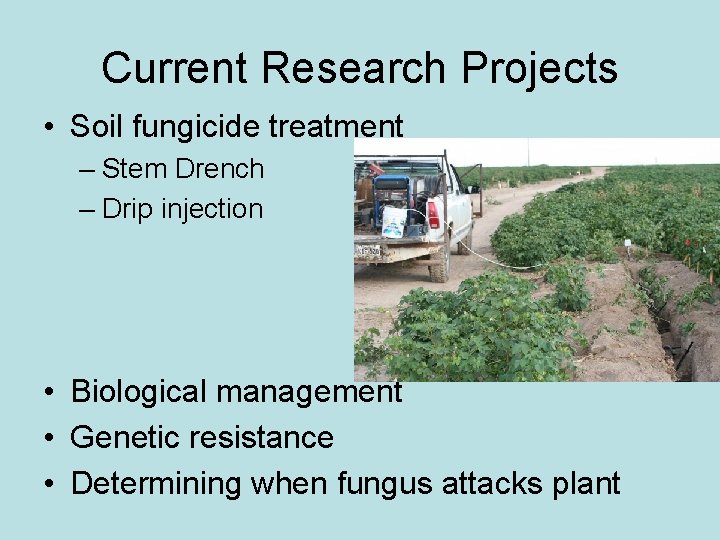
Current Research Projects • Soil fungicide treatment – Stem Drench – Drip injection • Biological management • Genetic resistance • Determining when fungus attacks plant
Conclusion • No practical control for Cotton Root Rot • Emphasis on genetic resistance • Increase organic matter (microbes)
Thanks • Rick Minzenmayer • Dr. Tom Isakeit • Arnold Matthiesen